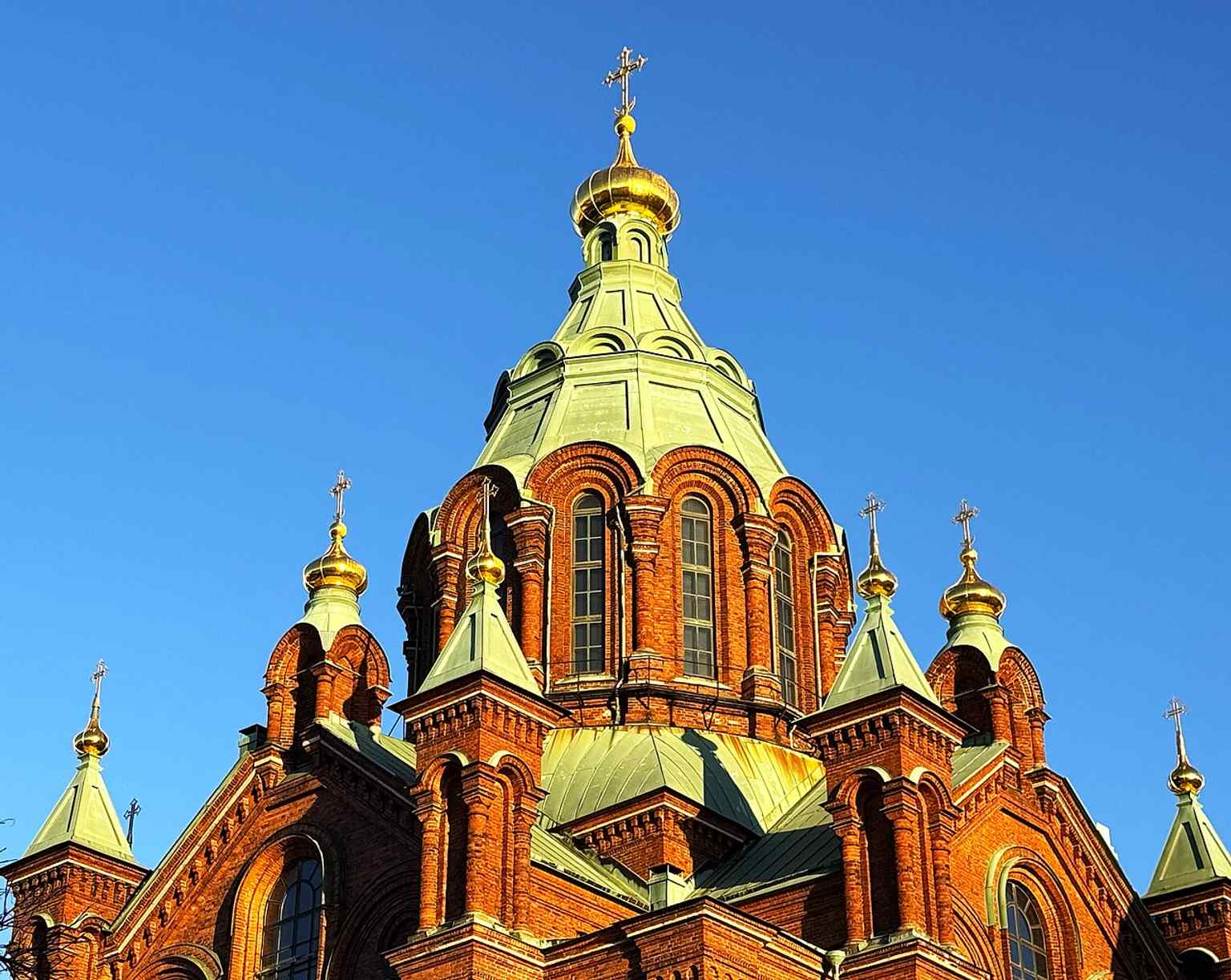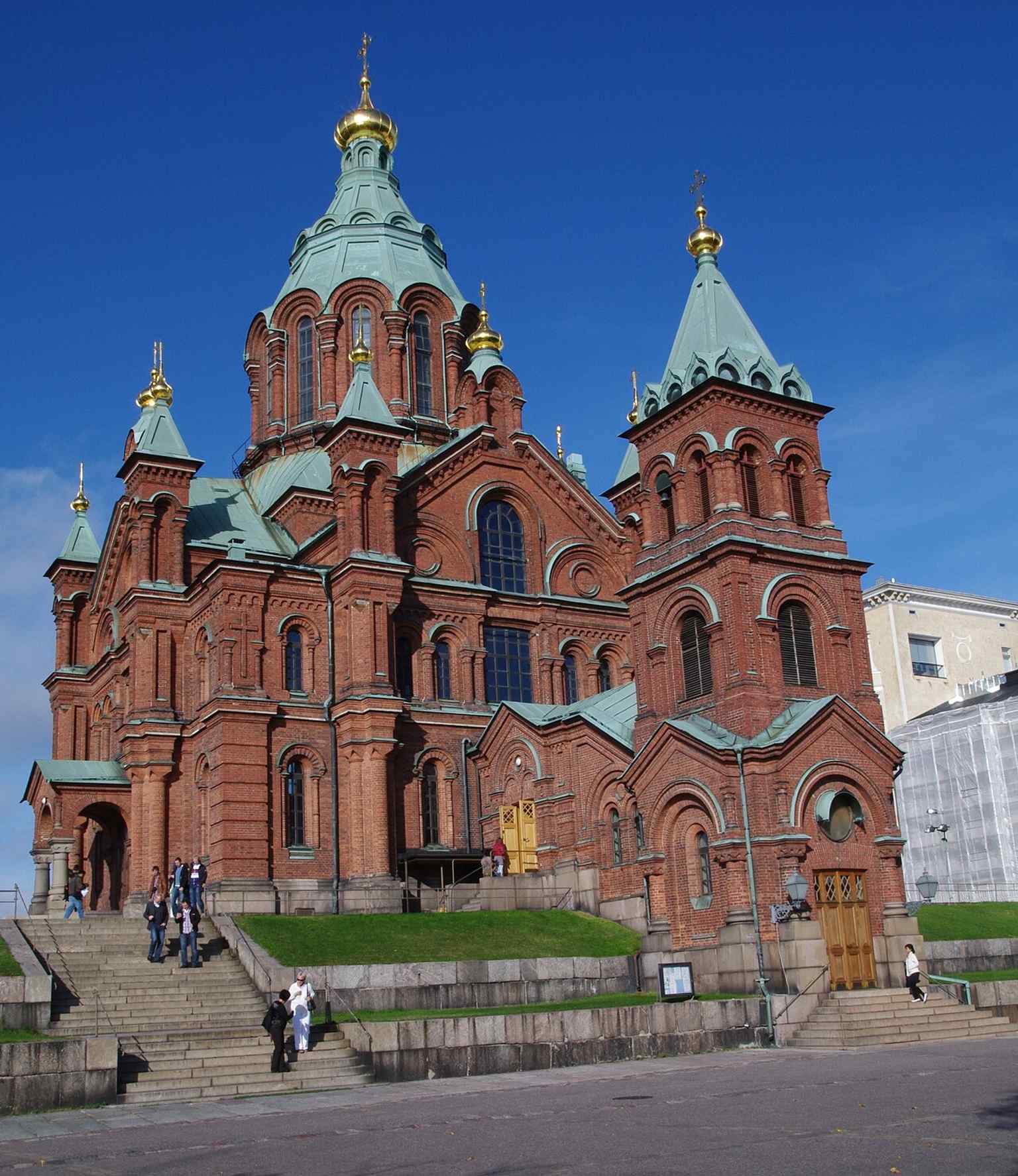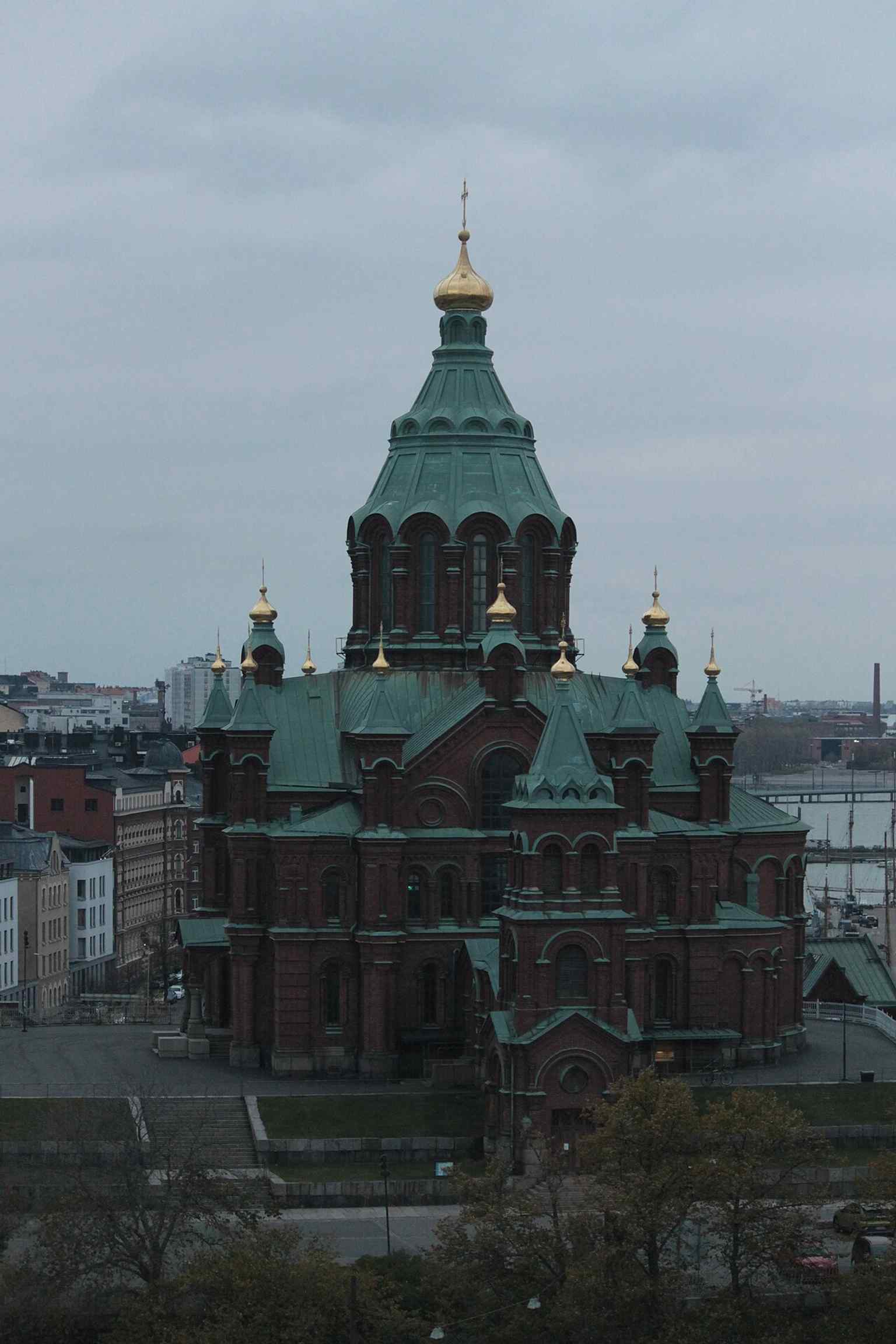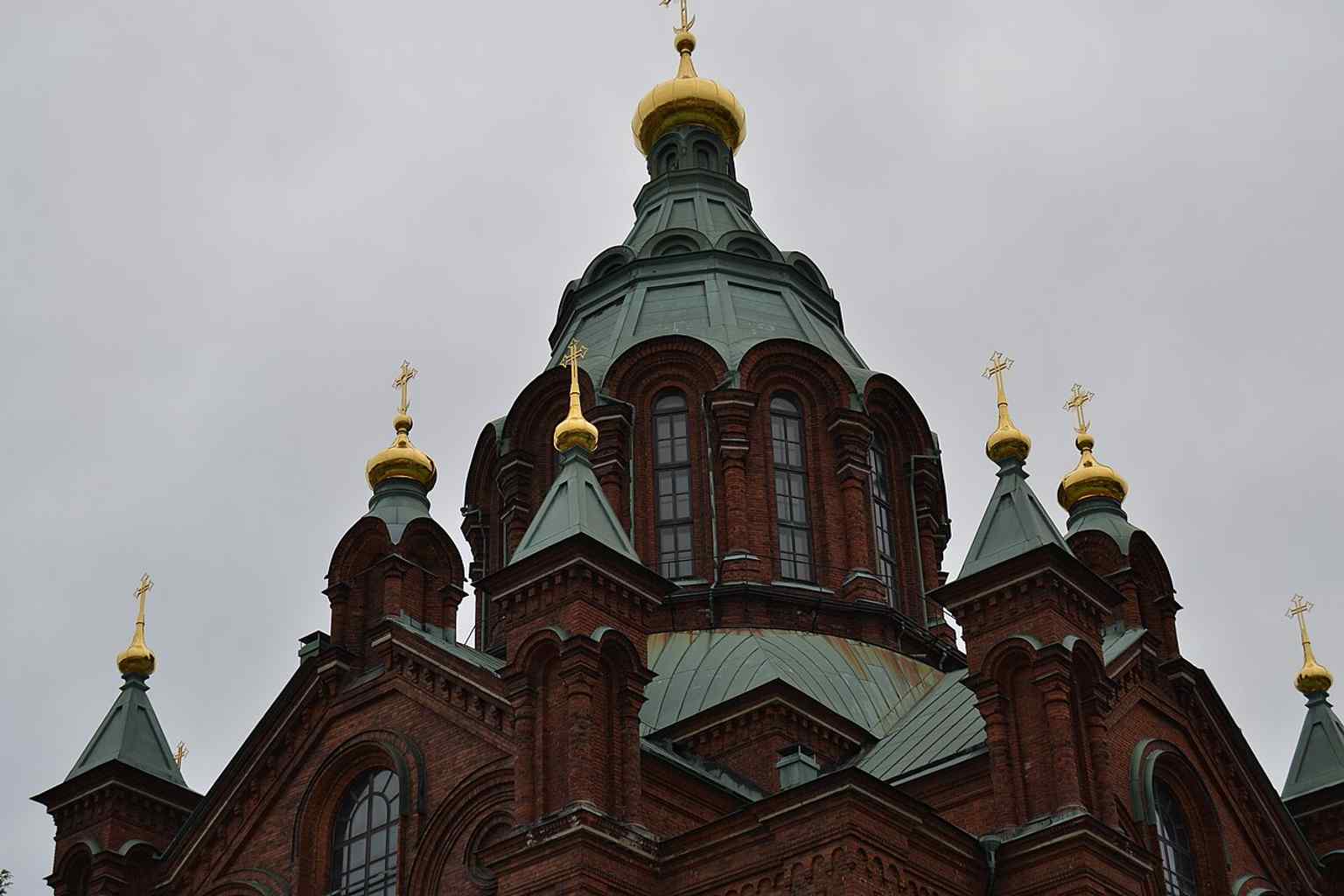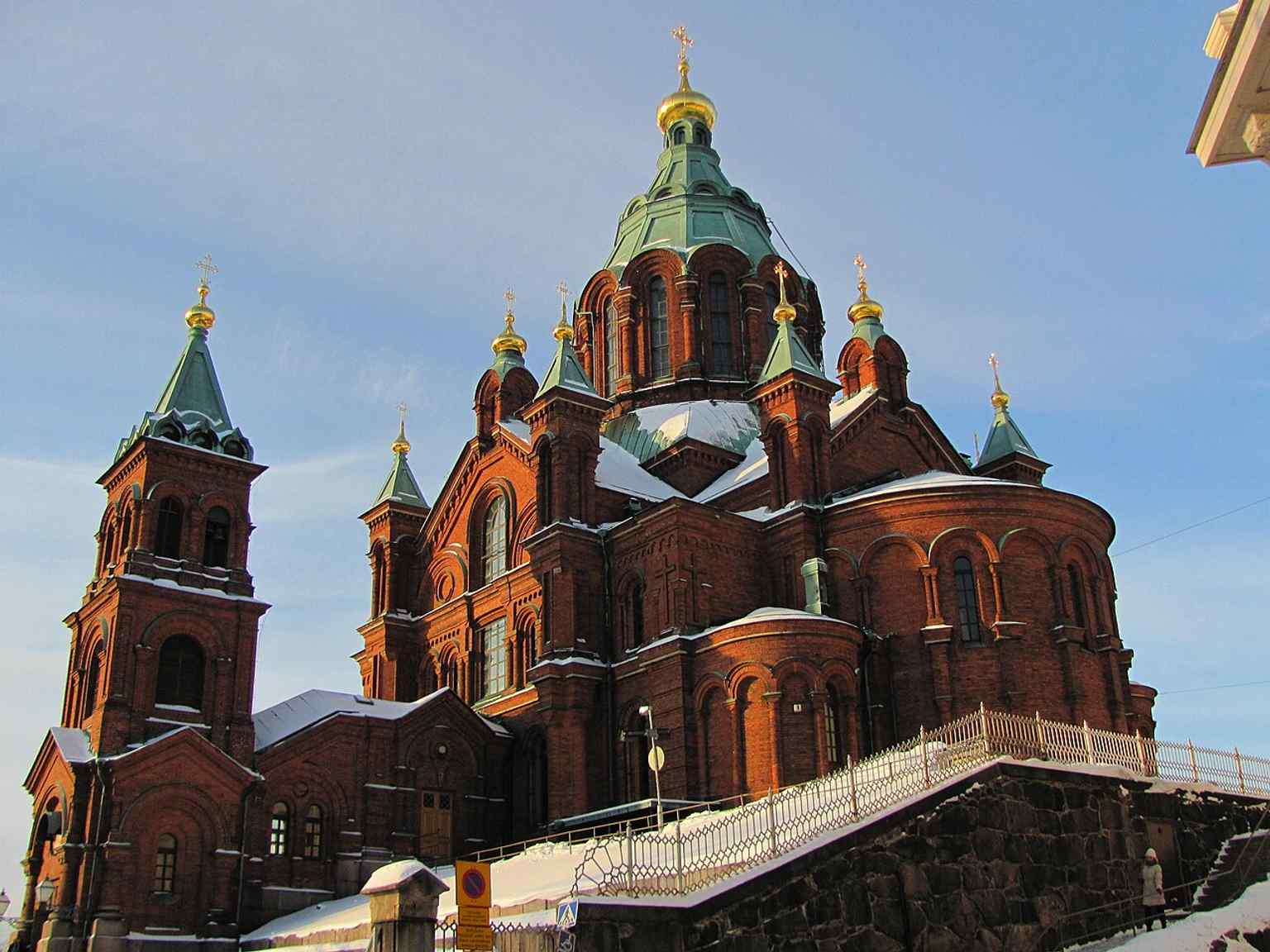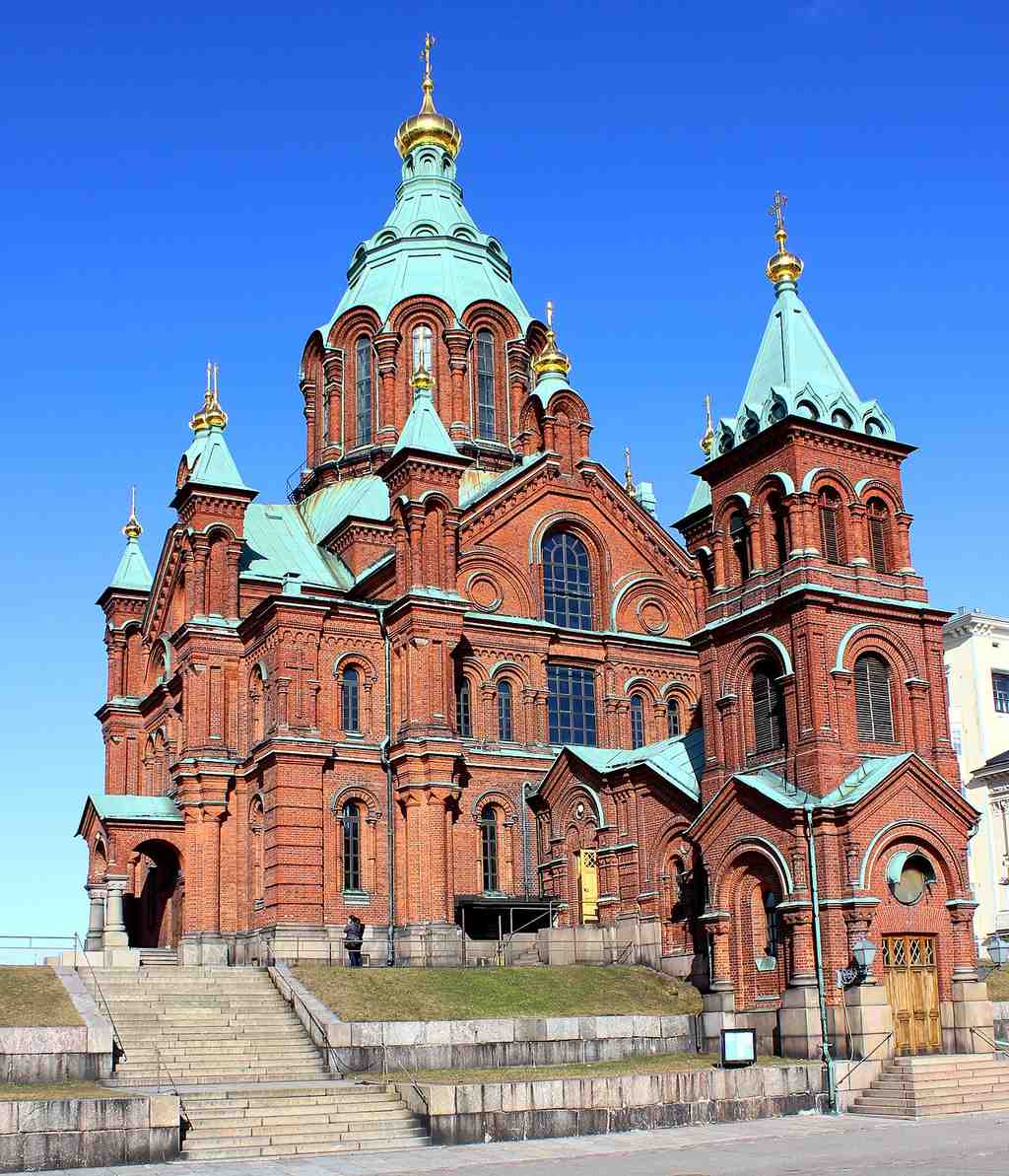
Red brick rises in terraces above the hill, topped by rounded gilded onion domes and a tall central cupola marked with an Orthodox cross.
Uspenski does not blend in, and that is precisely the point. This is the main church of Helsinki’s Orthodox parish and, since the archbishop’s seat moved here in two thousand and eighteen, the clearest center of Orthodox Finland as well. It stands on Katajanokka like a reminder that Helsinki did not grow from one tradition alone. It absorbed arrivals... from harbors, from empires, from war, and from private donors with, one assumes, both conviction and decent bank accounts.
Architect Aleksei Gornostajev drew the plans in a Russian style inspired by a sixteenth-century stone church near Moscow. He died in eighteen sixty-two before the work was finished, so Ivan Varnek carried it through, and the cathedral opened in eighteen sixty-eight. Half the money came from donors, half from the Russian state and the Holy Synod, the governing body of the Orthodox Church in imperial Russia. Even the bricks traveled: builders brought them from the ruined Bomarsund fortress in Åland after the Crimean War. So this church is not just red brick... it is recycled conflict turned into worship. Helsinki has always had a gift for that kind of transformation.
Now, take a second and compare this silhouette with the pale Lutheran skyline nearby.
One city, two very different sacred languages. Somehow, neither cancels the other.
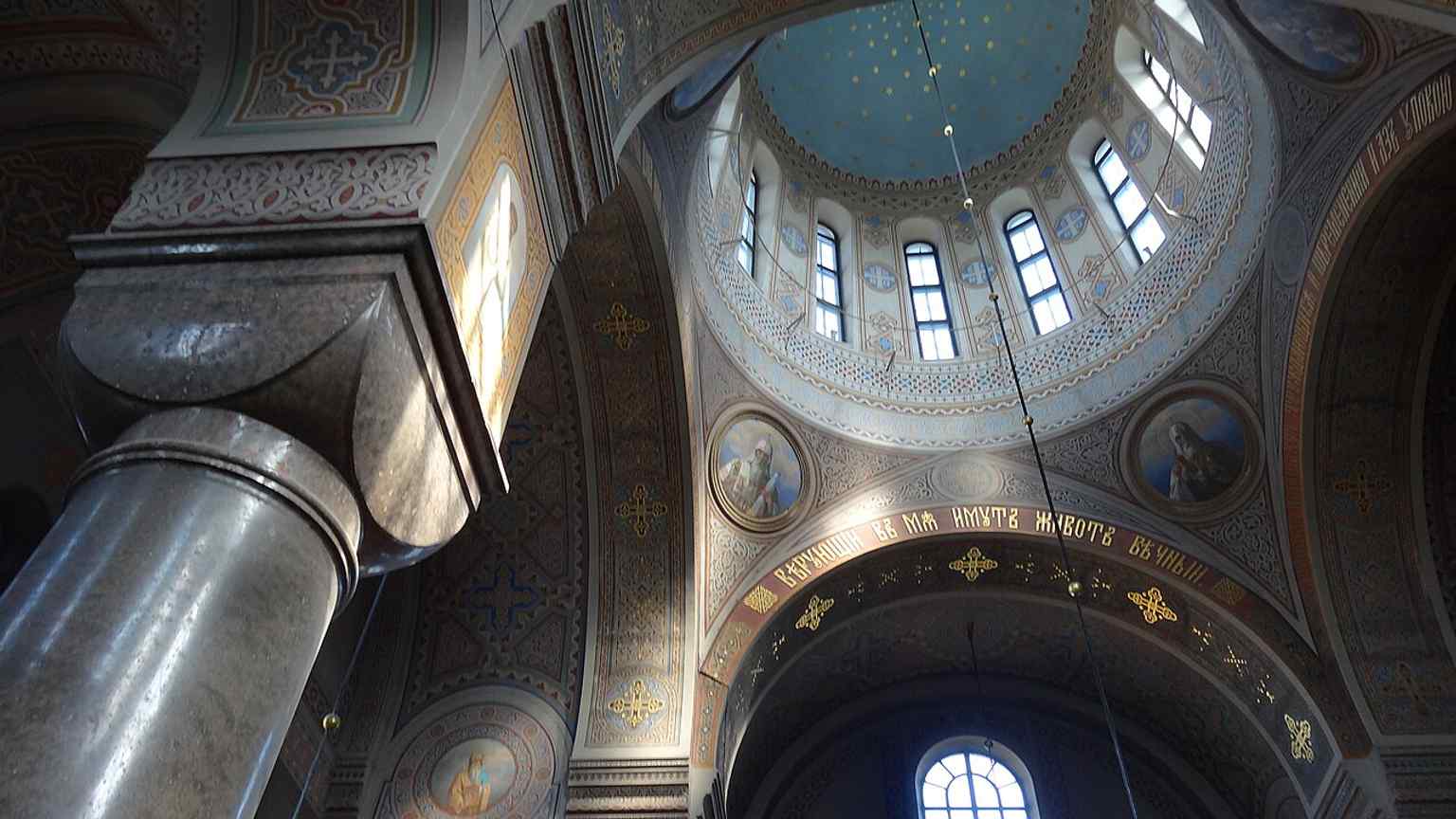
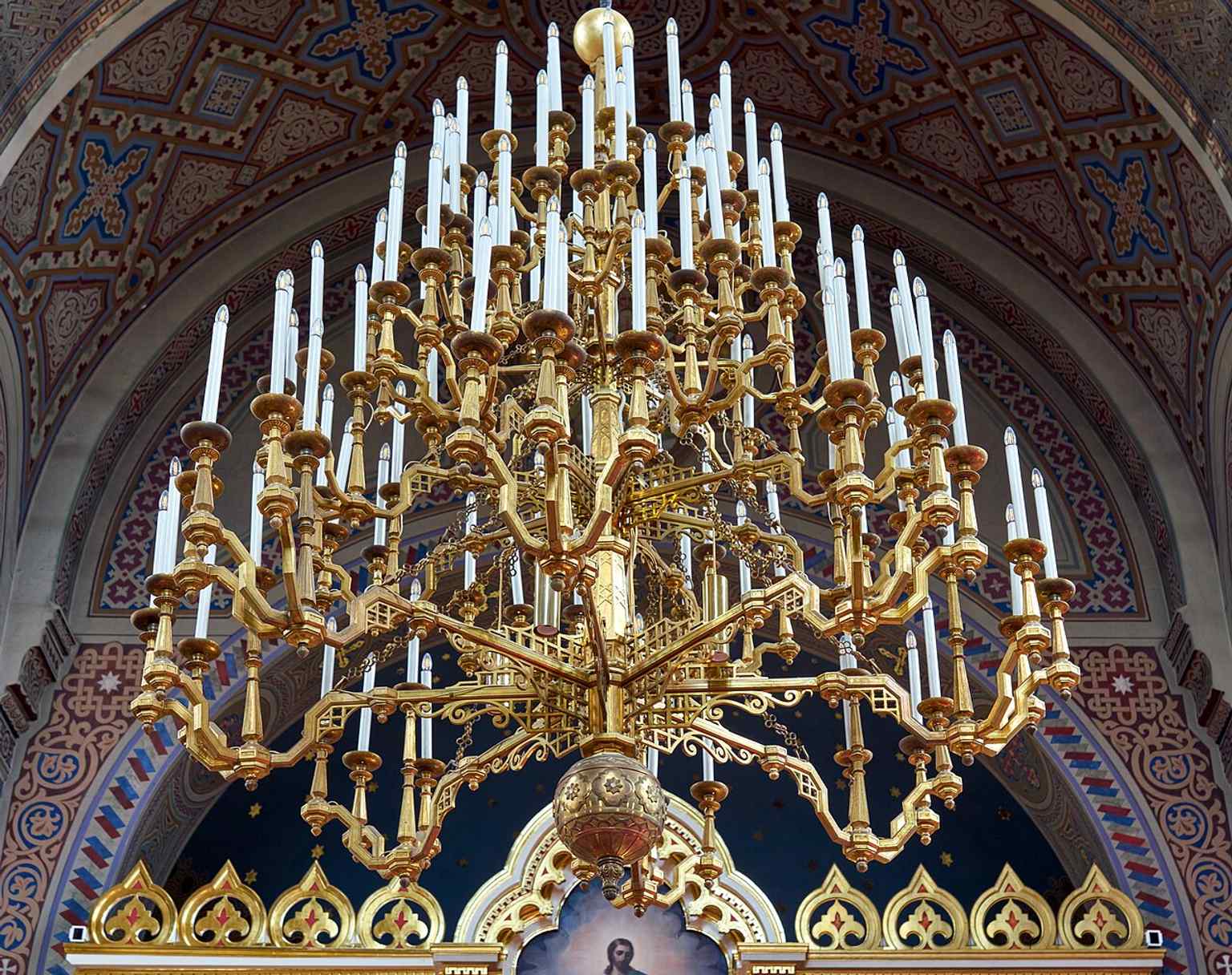
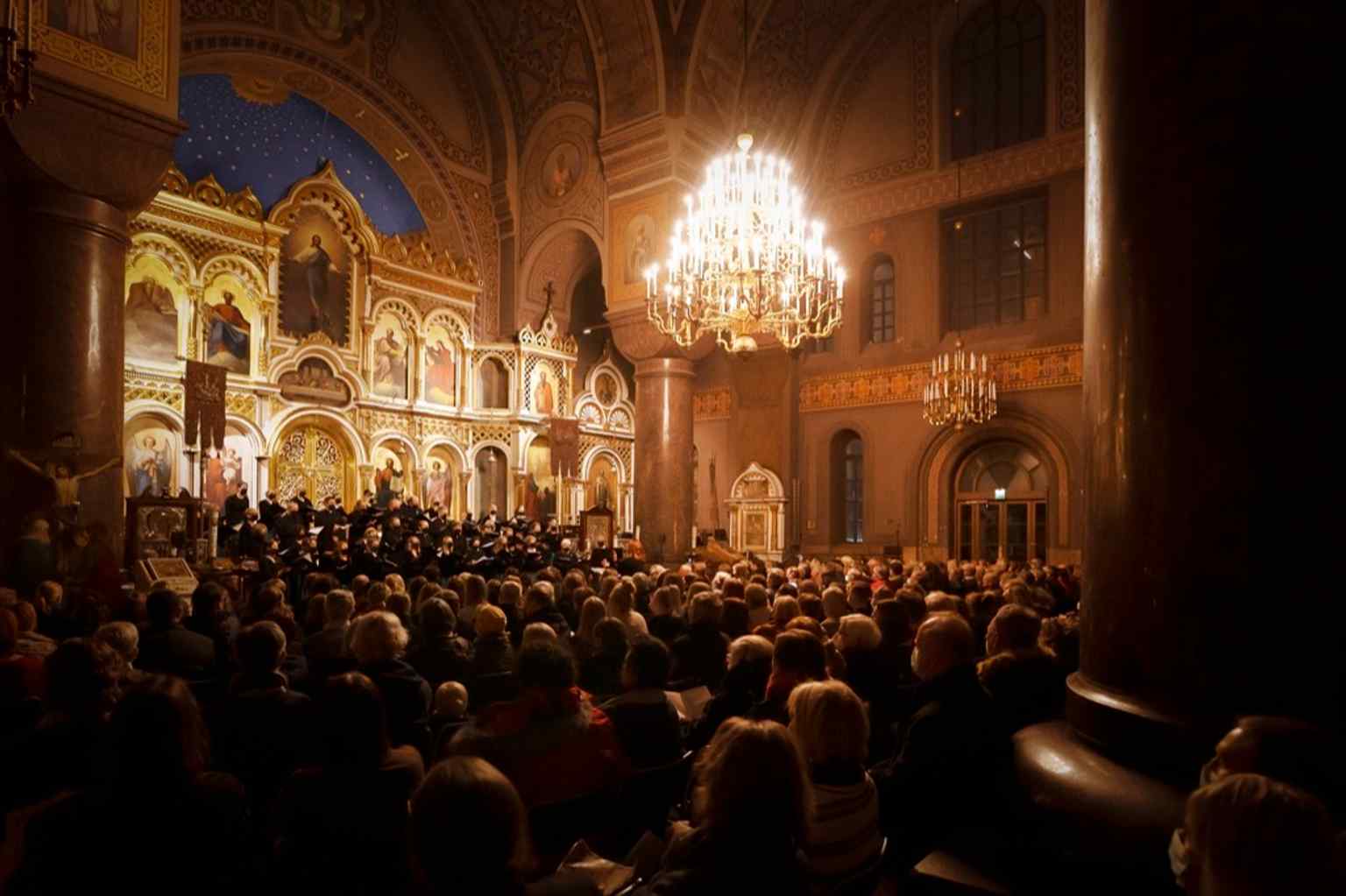
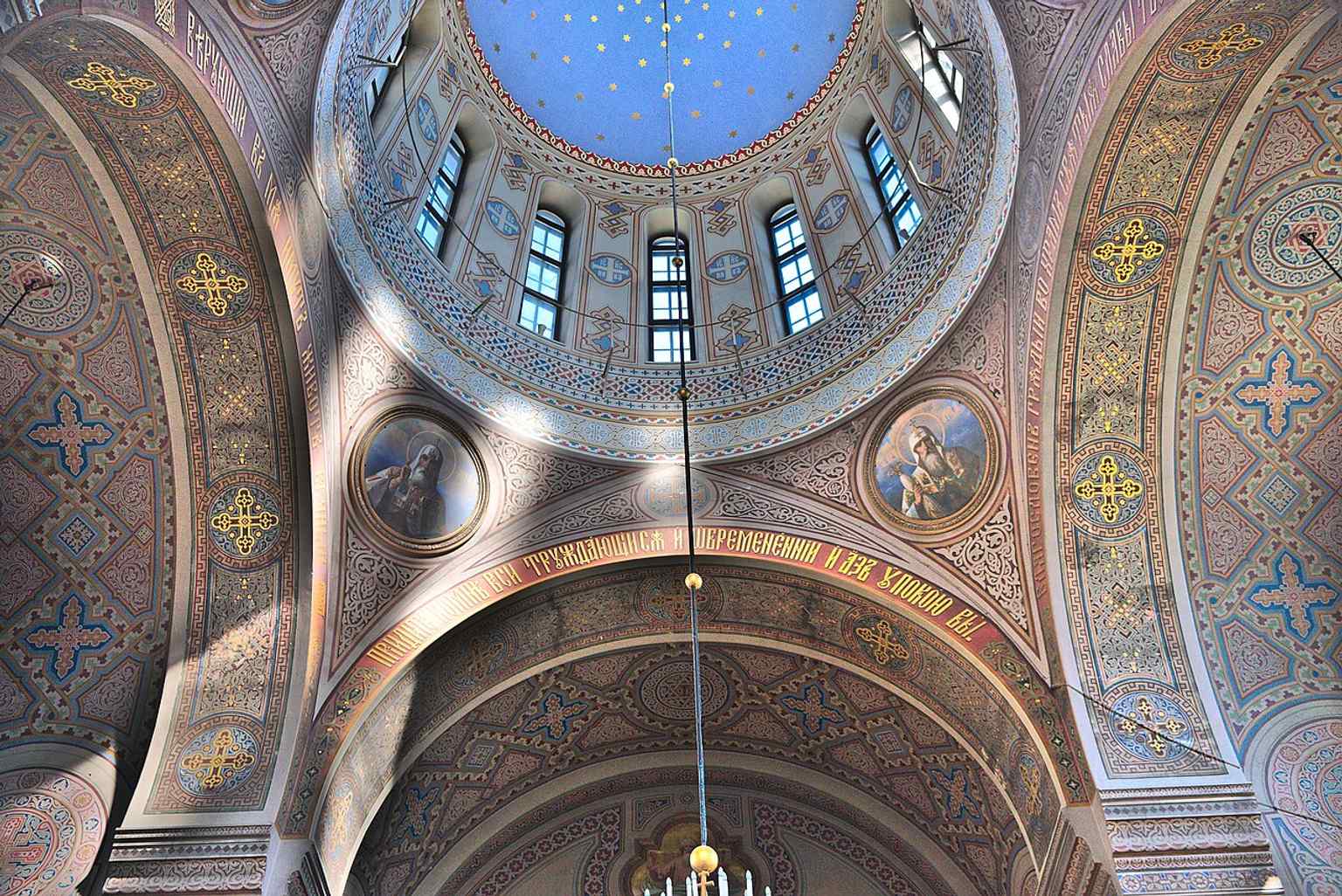
Its name comes from the Slavonic word uspenie, meaning the falling asleep, or death, of the Virgin Mary. The thirteen gilded onion domes symbolize Christ and the twelve apostles, and they make this the largest Orthodox church in Northern and Western Europe. Workers regilded the domes in the nineteen sixties and again between two thousand and four and two thousand and seven, with donations helping yet again. If you glance at your screen, the interior image shows the painted vaults and the iconostasis, the wall of icons that screens the altar, in a church designed for Orthodox worship without pews.
The story here is not all grandeur. In two thousand and ten, thieves stole the treasured Kozelshchan Mother of God icon, a pearl-decorated image brought here from Sorvali in Viipuri during the Second World War. Police suspected a commissioned theft. Then a man already serving a prison sentence told them where to look, and they found the icon hidden near Turku in snow, wrapped in paper and packed in plastic, before conservators sent it to New Valamo Monastery for repair. Sacred objects, it turns out, need security cameras too.
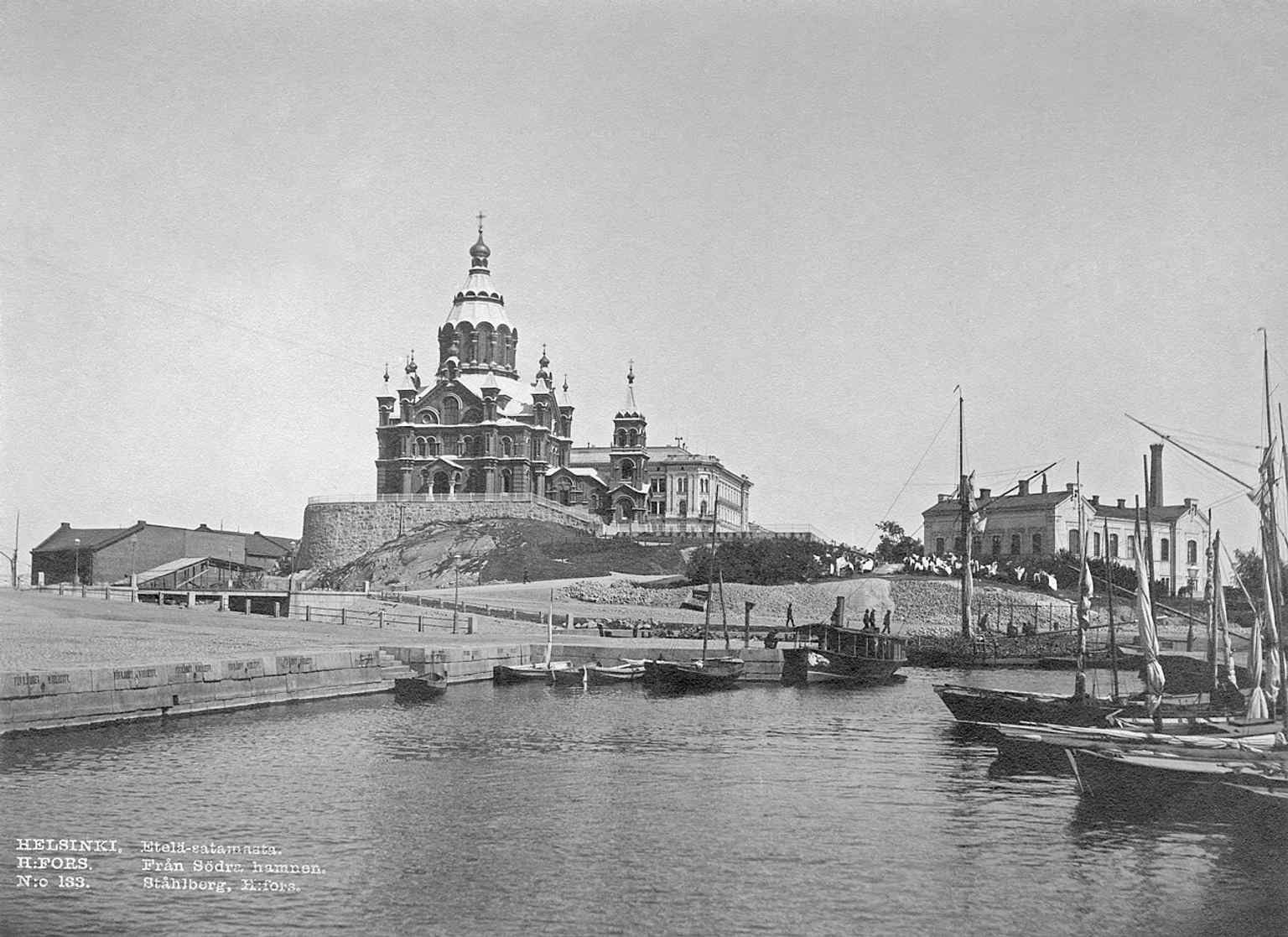
If you want, check the before-and-after image in the app; the waterfront below has changed almost completely, while the cathedral still keeps the high ground.
And that may be the right final picture for Helsinki: imported forms, local brick, imperial ambition, private devotion, and a city confident enough to let all of it stay visible. It is strongest not as one clean image, but as many voices held together in a compact space.
If you want to go inside later, it is closed on Mondays, generally open Tuesday through Friday from ten to six, Saturday from ten to three, and Sunday from one to four, and outside services there may be an admission charge.