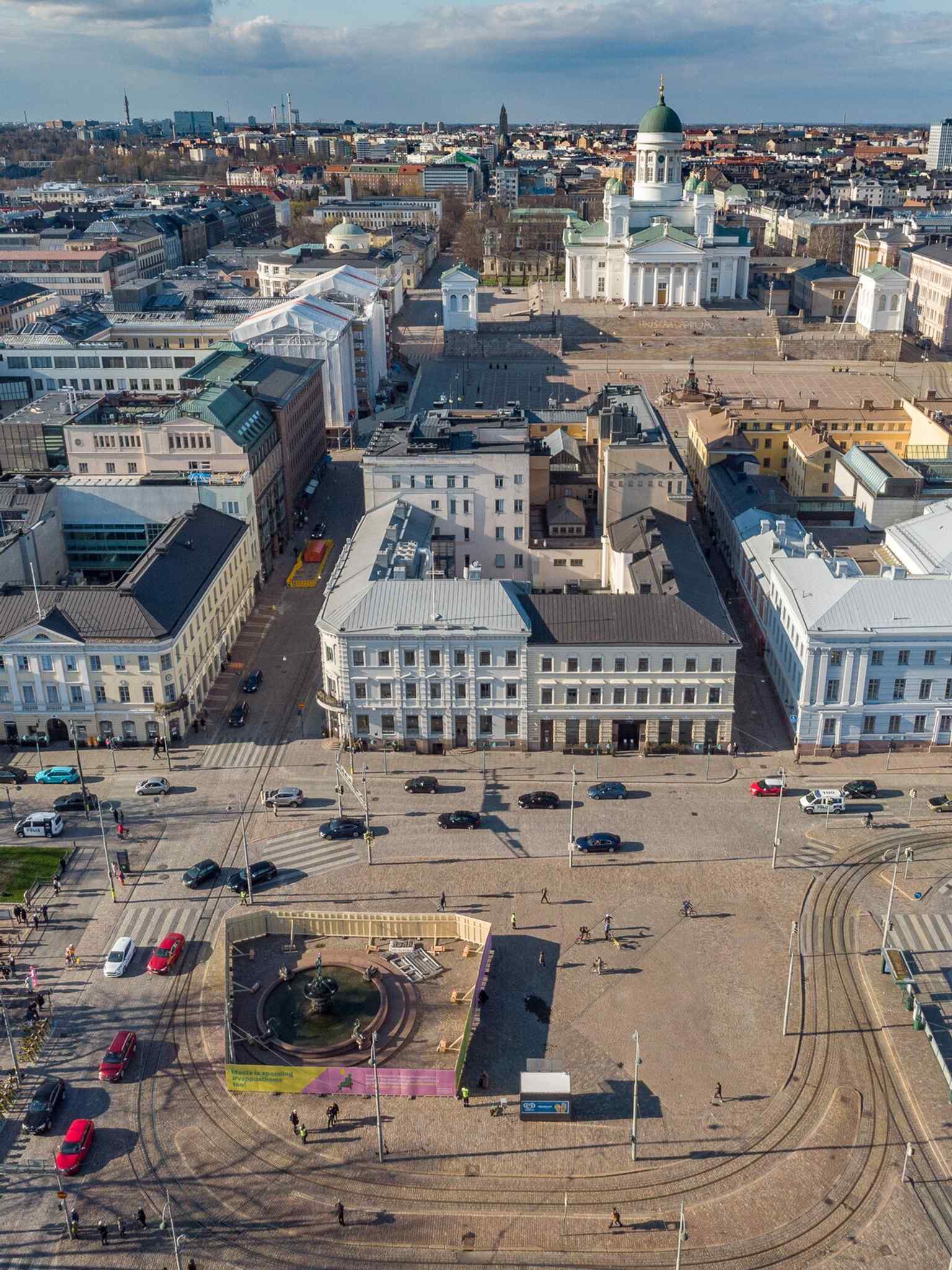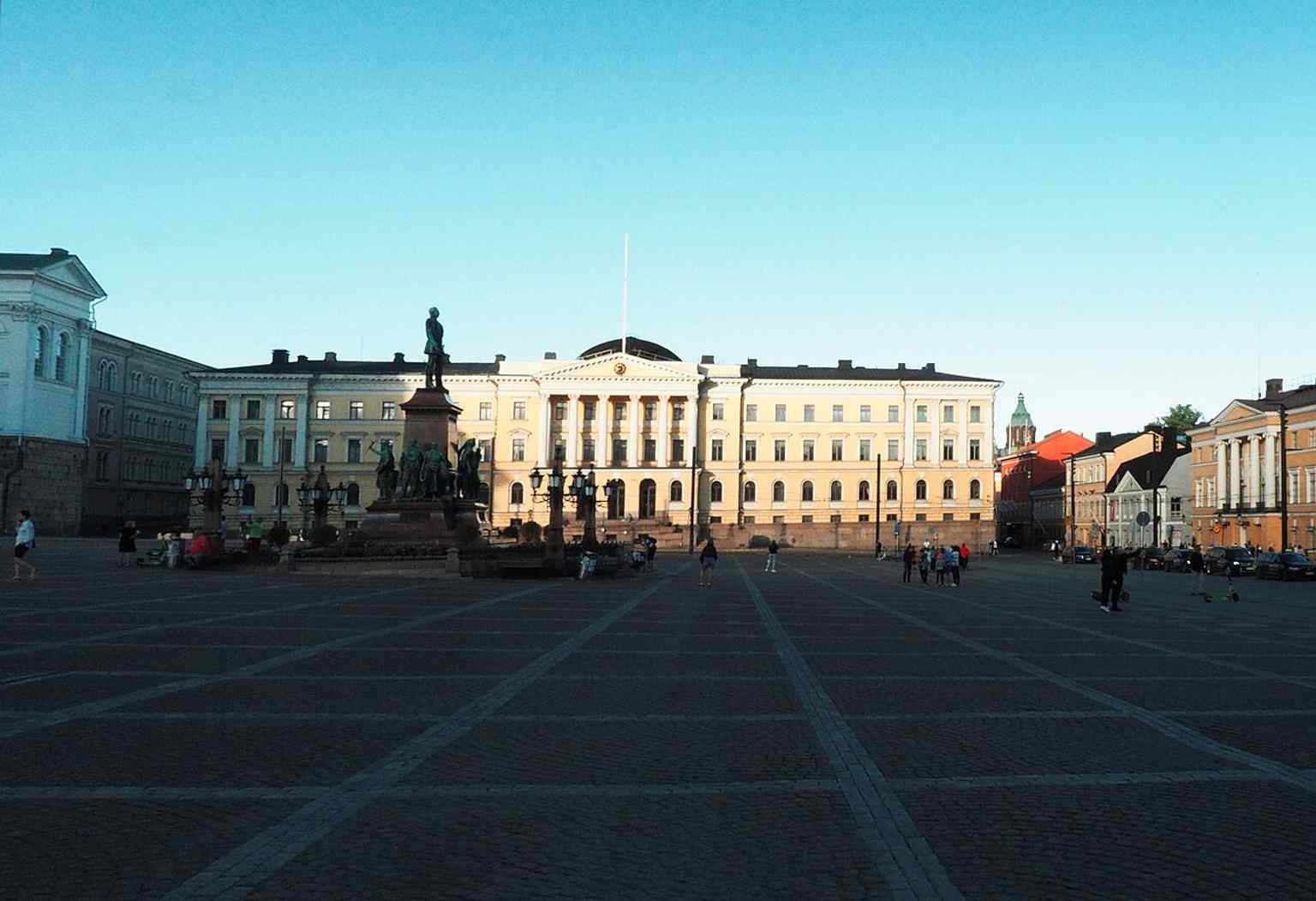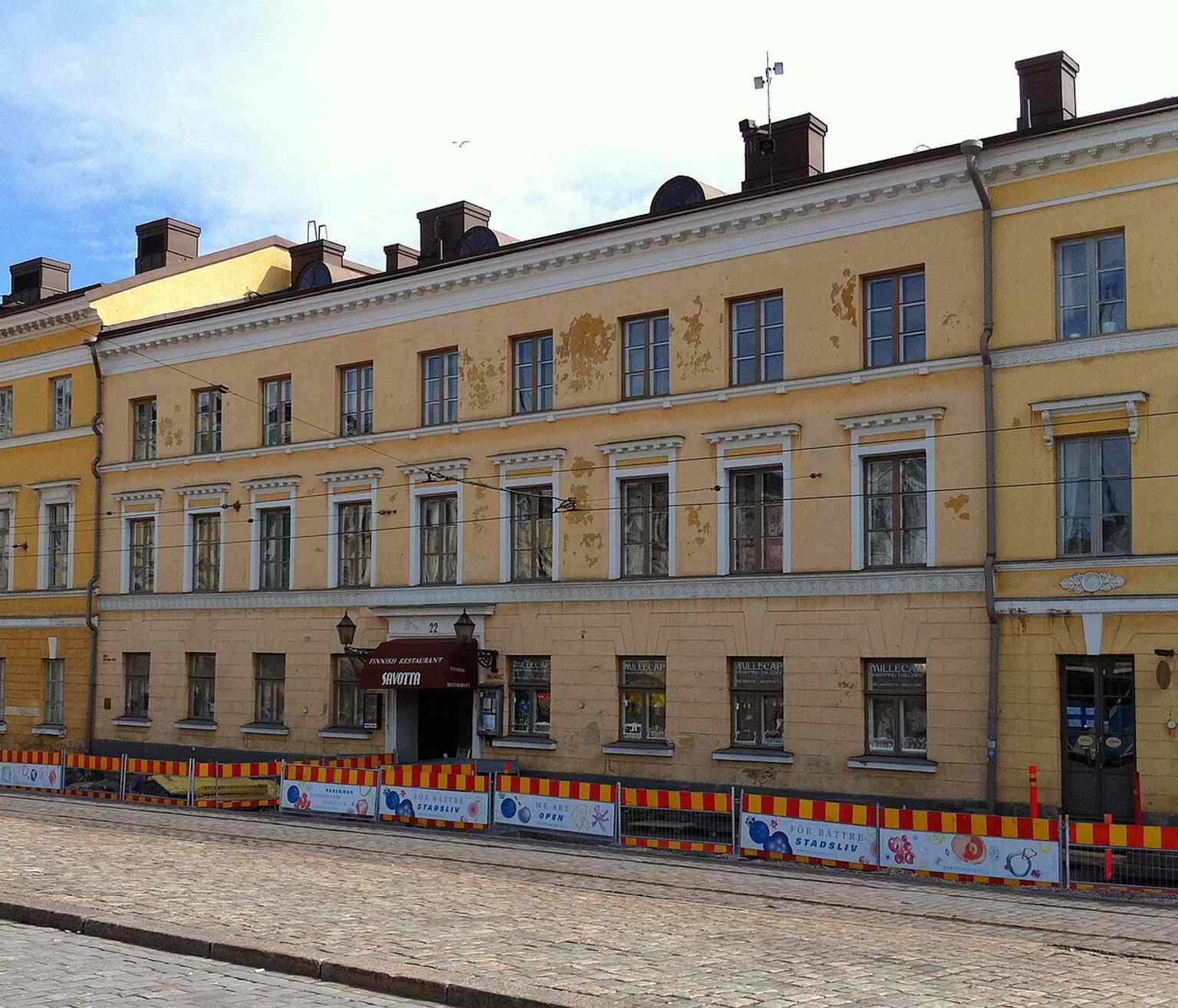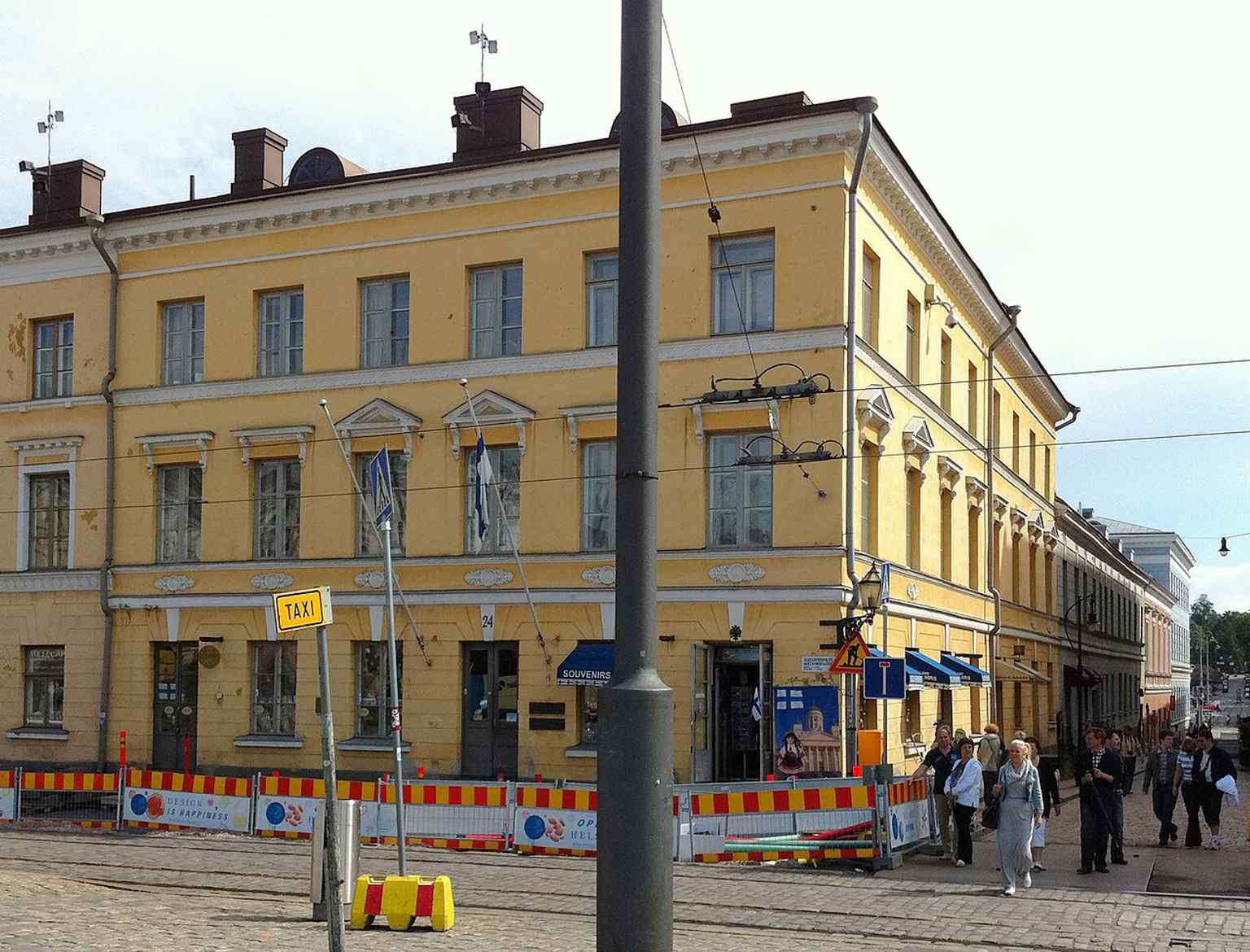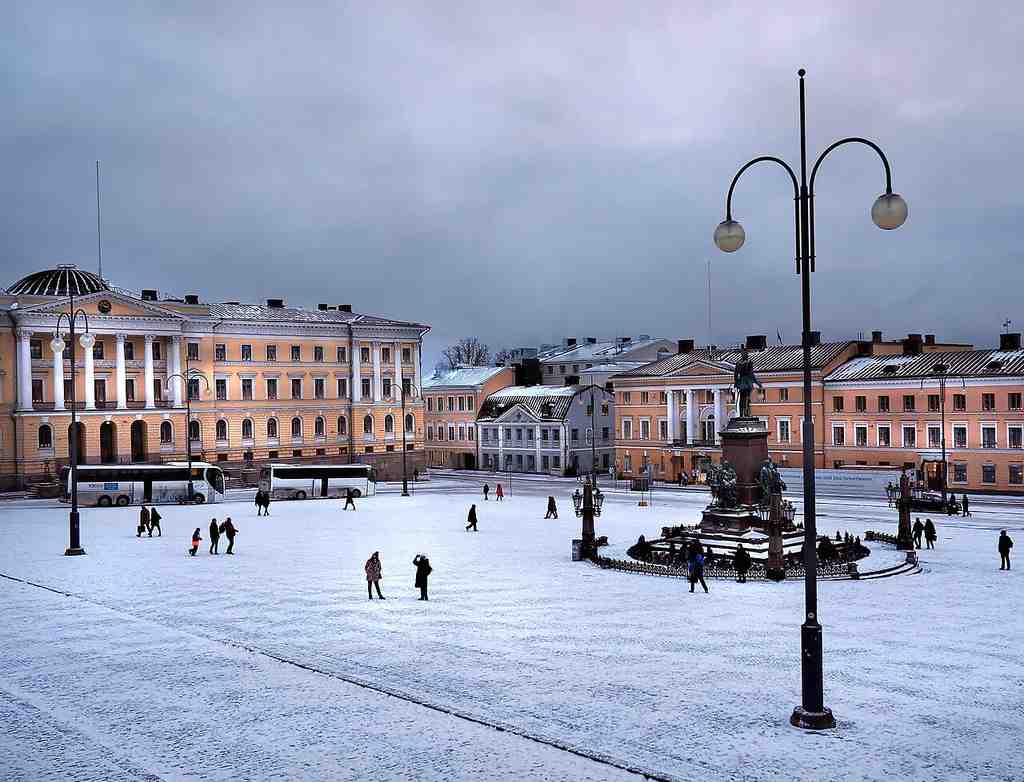
On your right, Senate Square opens as a broad pale-stone rectangle, framed by cream neoclassical facades and pinned at the center by the dark bronze statue of Alexander the Second.
This is Helsinki’s great piece of civic theater... a place arranged so carefully that separate buildings read like one composed scene. On the east side stands the Government Palace, where state power sits. On the west, the University answers it with a matching façade, because learning, apparently, deserved equal billing. And rising to the north, the Cathedral crowns the whole thing. Church, government, university, and the public gathered in one open room. Very efficient. Very imperial.
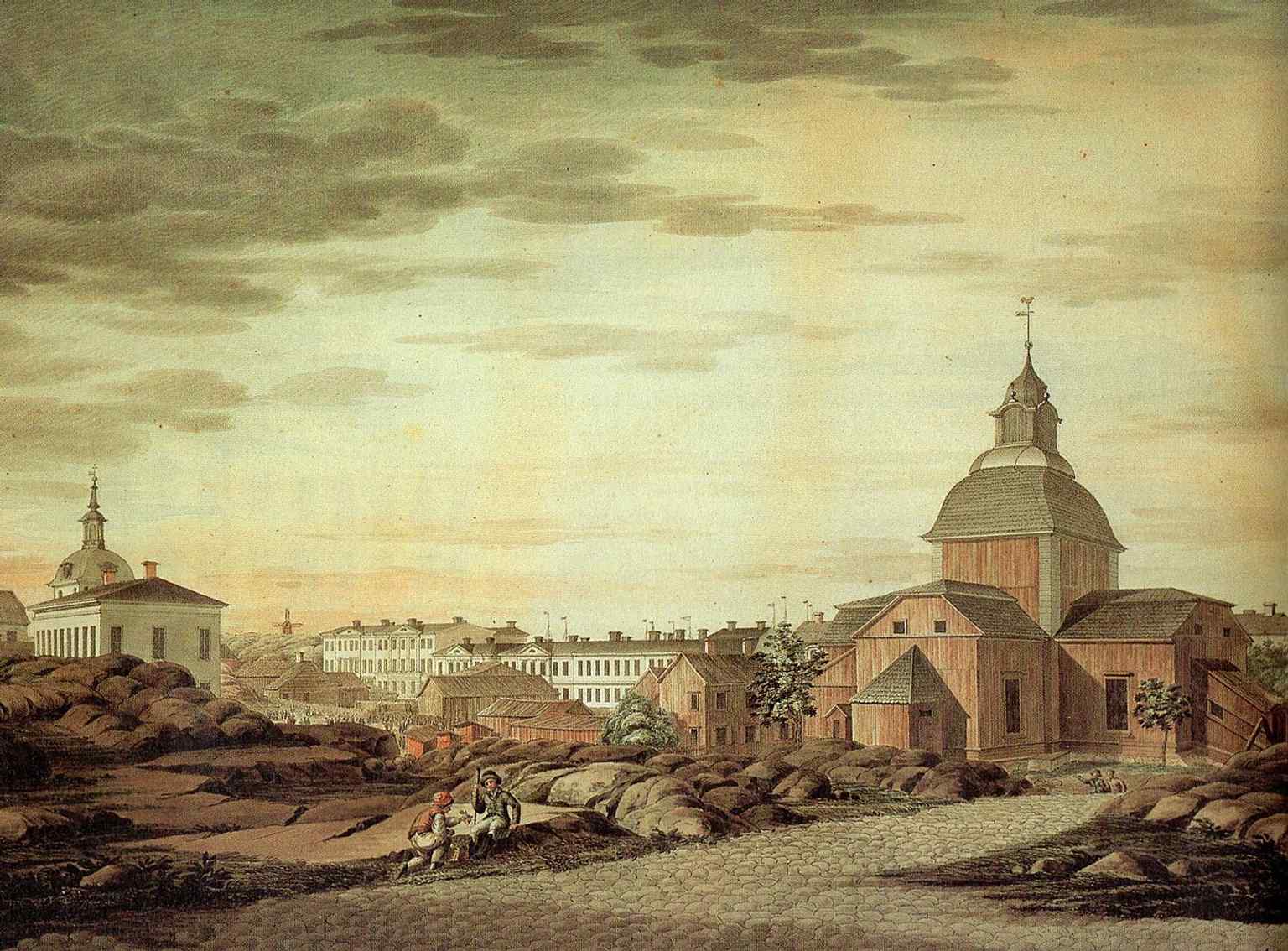
But this polished order replaced something older and far messier. Since sixteen forty, this area had been the town center, then called the Suurtori, the Great Square. It held the town hall, a school, a guardhouse, merchant houses, and even a churchyard. In fact, three different churches stood on or near this ground over time. Fire took one in sixteen fifty-four, war finished off another chapter in seventeen thirteen, and the wooden Ulrika Eleonora Church later stood here until the city remade the site.
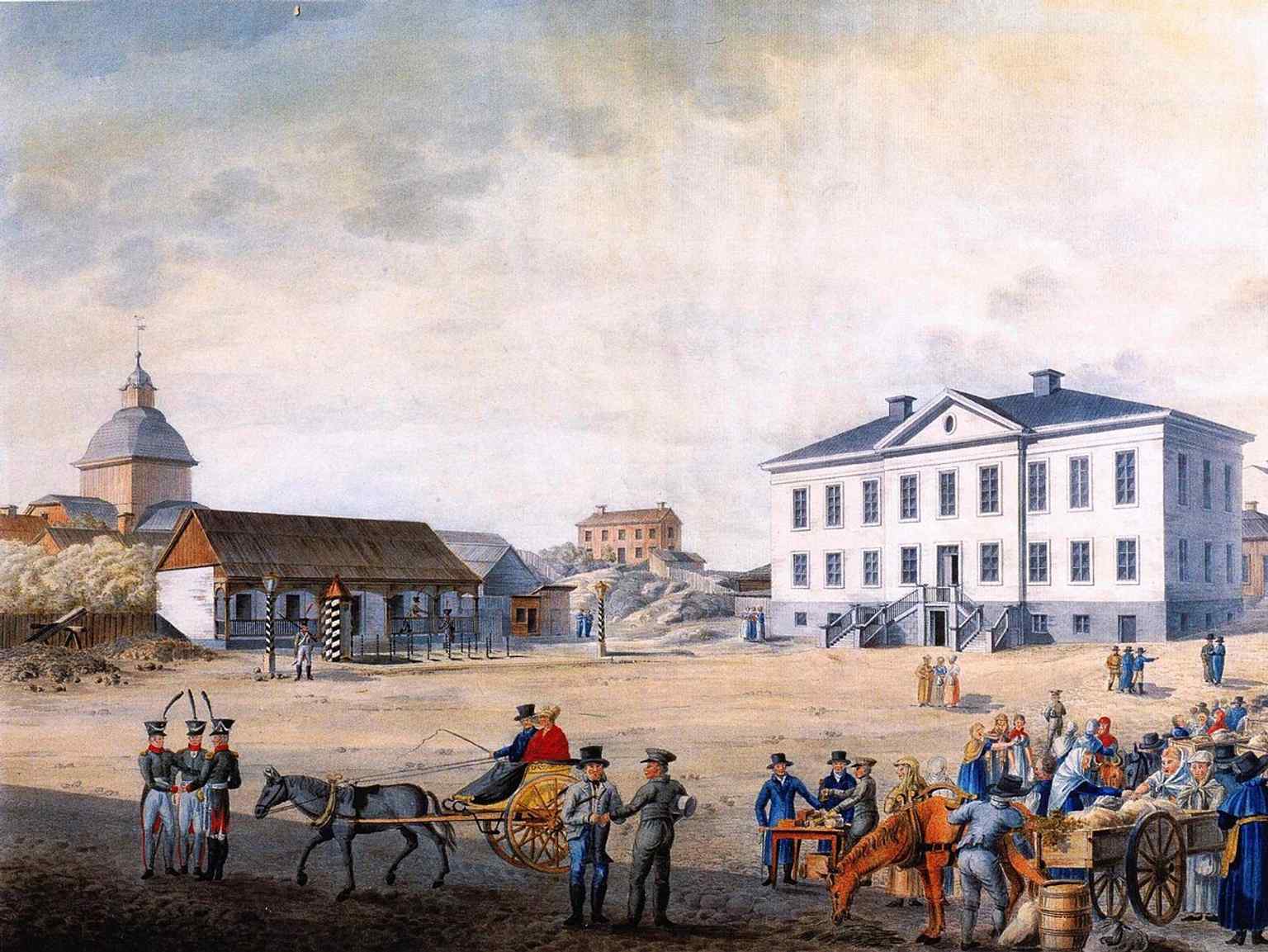
When Russia named Helsinki the capital in eighteen twelve, Johan Albrecht Ehrenström drew up a new plan. He wanted a capital that could present itself with a straight face to Europe. Then Carl Ludvig Engel gave that plan its architecture: symmetry, pale stone, measured proportions, and lots of open space. If you glance at your screen, Engel’s watercolor shows the older square before this imperial makeover swept in.
Under your feet, though, the old city never fully left. When workers leveled the area in the eighteen twenties, they did not move the cemetery burials. Recent excavations found hundreds of human remains just below the surface, and more than three hundred were reburied in two thousand and twenty-three. So this elegant square rests, quite literally, on earlier Helsinki.
Engel’s vision was disciplined almost to the point of obsession. The Government Palace, finished first, set the tone. When the university moved from Turku in eighteen twenty-eight, its main building rose opposite with an almost identical front, giving the square that balanced, mirror-like calm. Then came the Cathedral above them all. But even master planners lose arguments. Tsar Nicholas the First inspected the works in eighteen thirty-three and ordered the great staircase down to the square. Engel hated that idea because it broke his closed architectural frame. The tsar won. Funny how that kept happening with tsars.
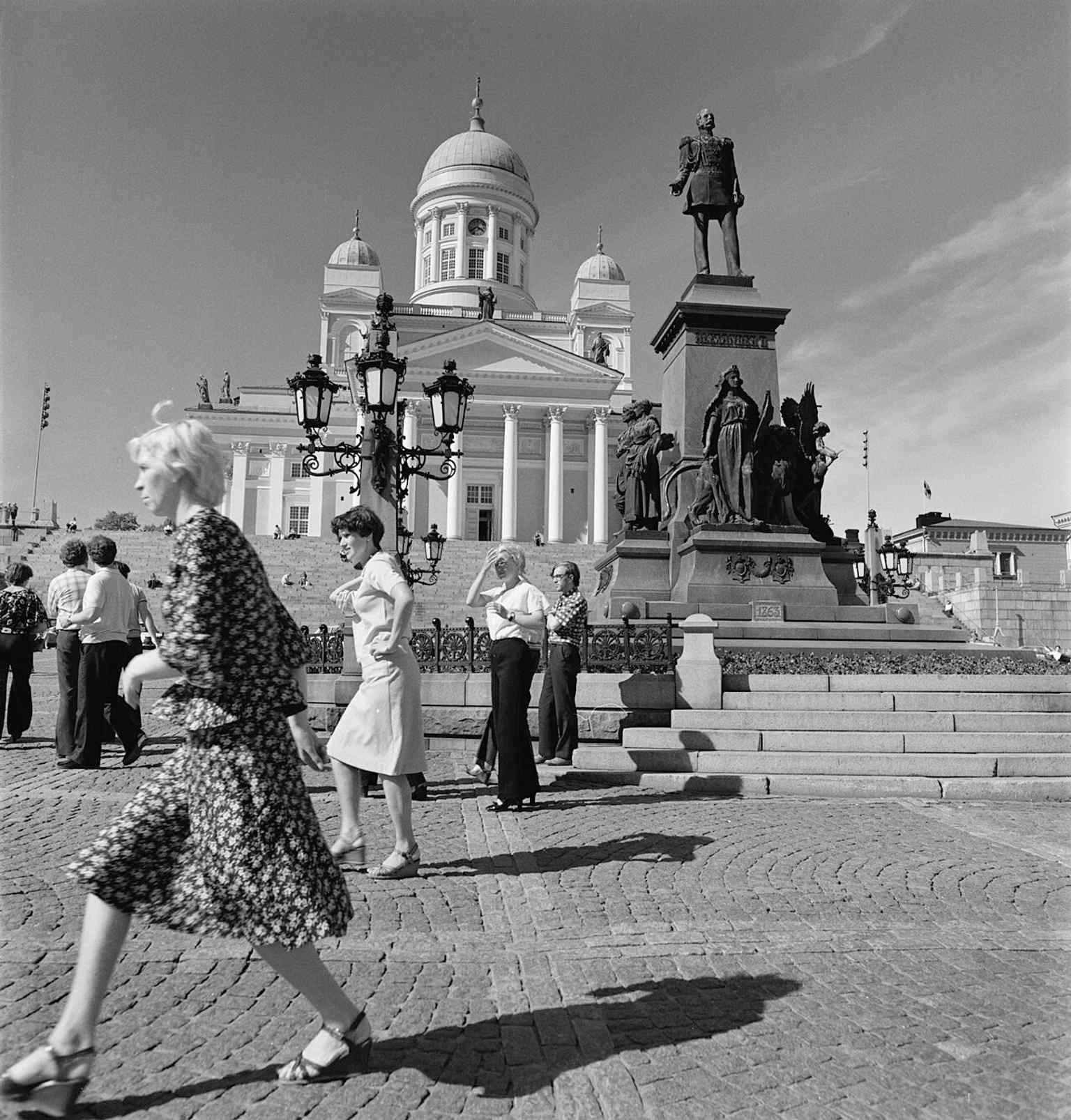
And then the square began doing what great public spaces do: it turned ceremony into memory. Alexander the Second rode across here for the opening of the Diet in eighteen sixty-three. His statue, placed in the center in the eighteen nineties, later became a focus for protest against Russification, and this calm square saw demonstrations, clashes, even political violence. If you like, take a quick look at the before-and-after image in the app; it captures how that monument became the square’s fixed political center.
For all its grandeur, this space is also a threshold. Just beyond these formal lines, the older merchant city still survives in smaller streets and older houses... and that more intimate Helsinki waits for you at the City Museum, only a two-minute walk away. Fittingly, this public square is open twenty-four hours.