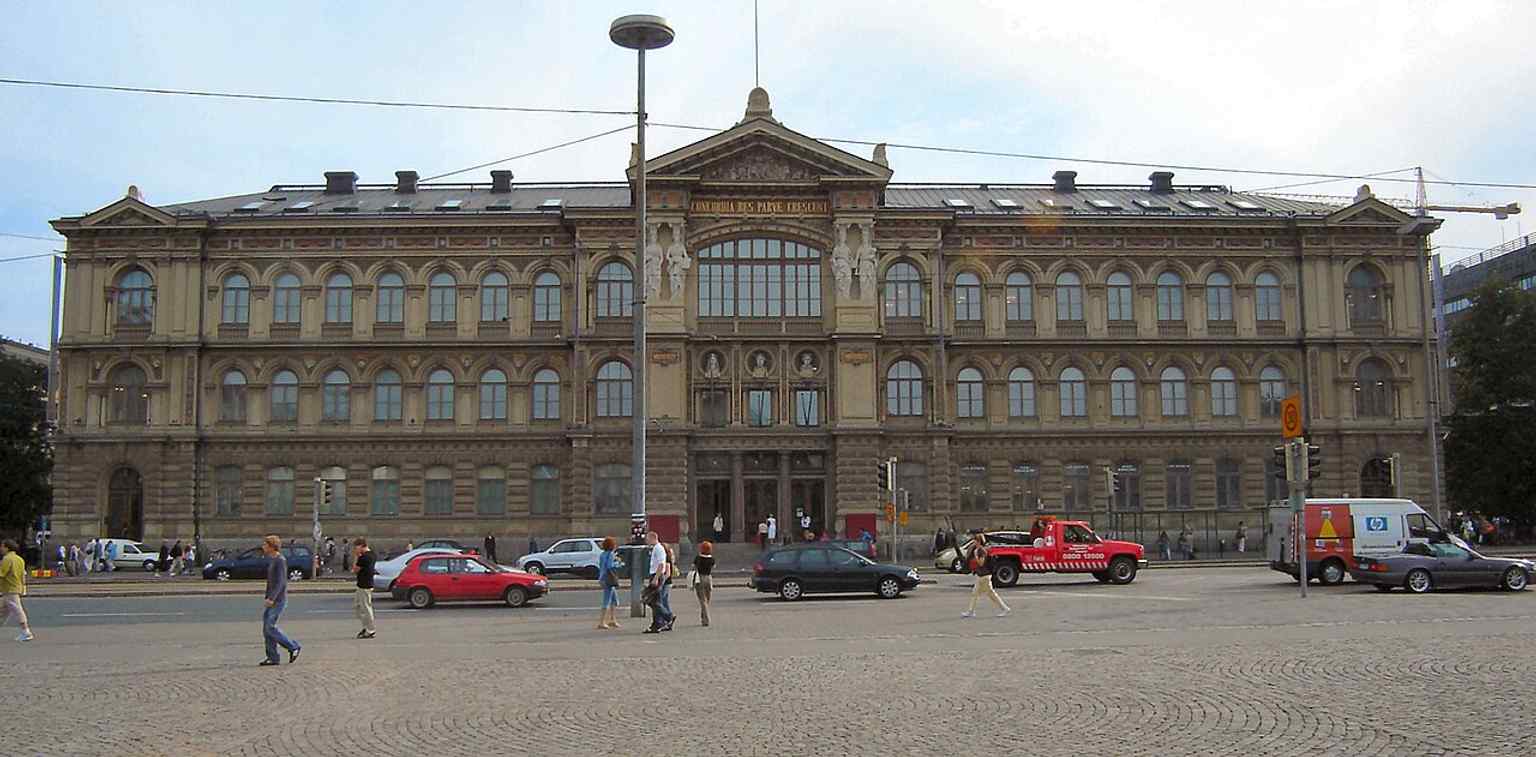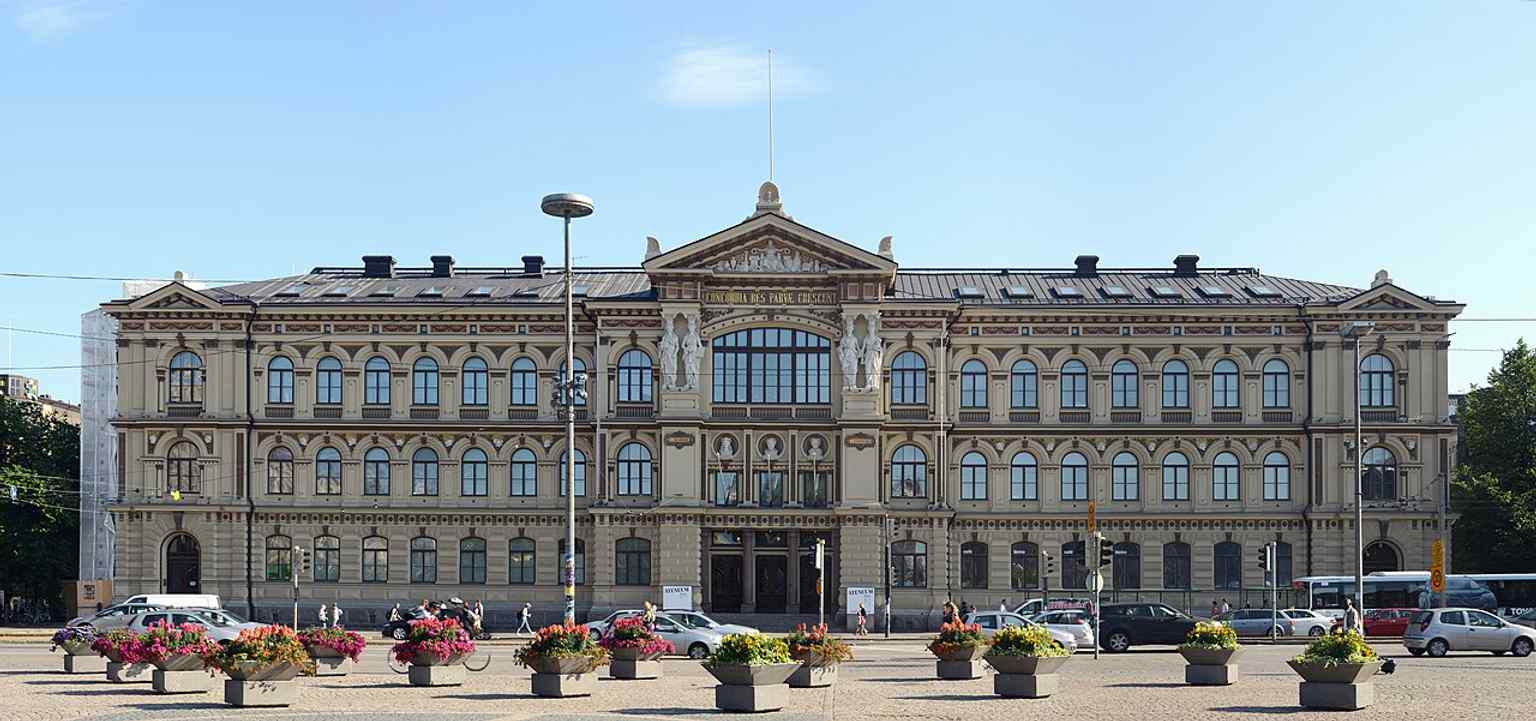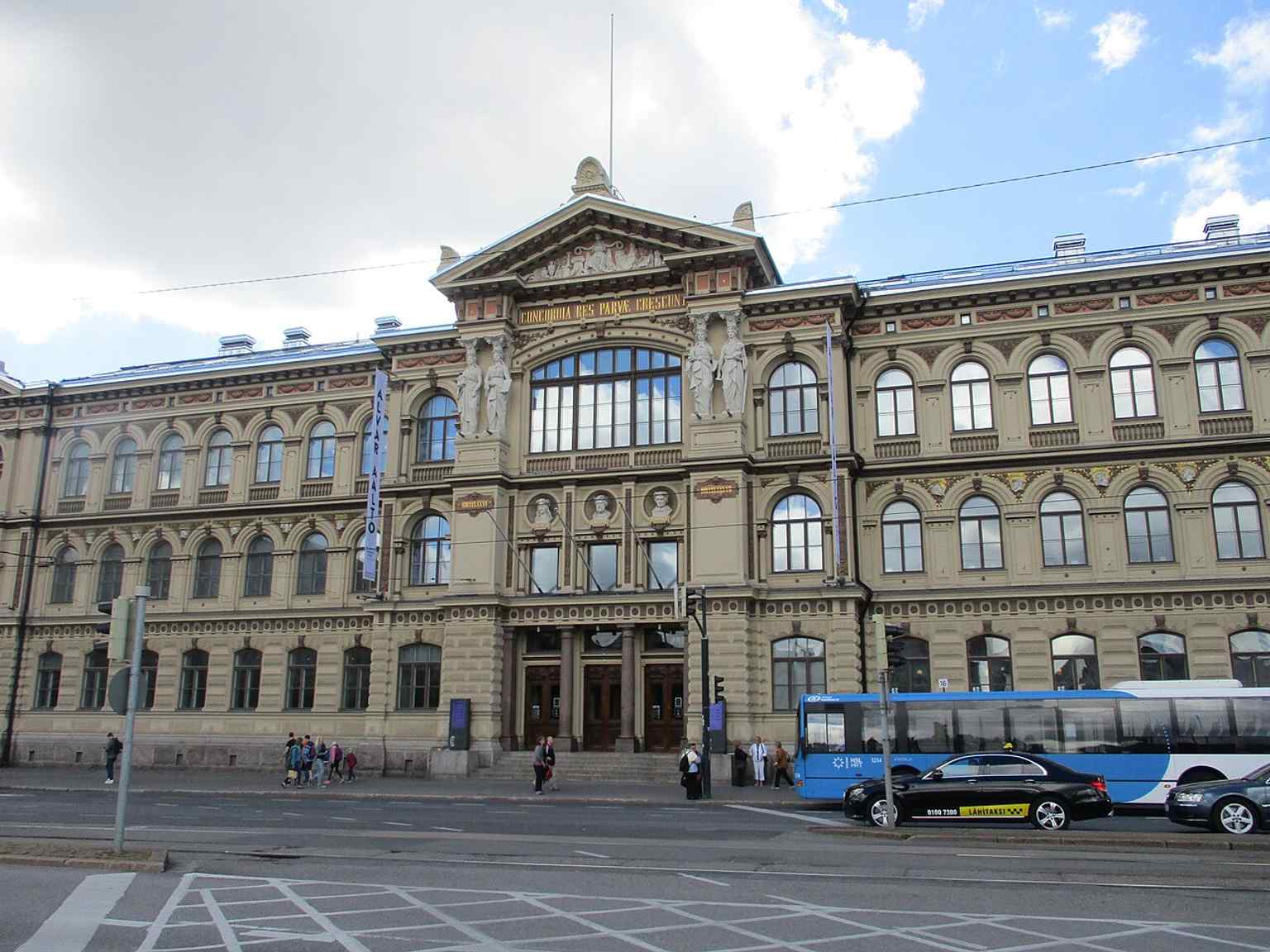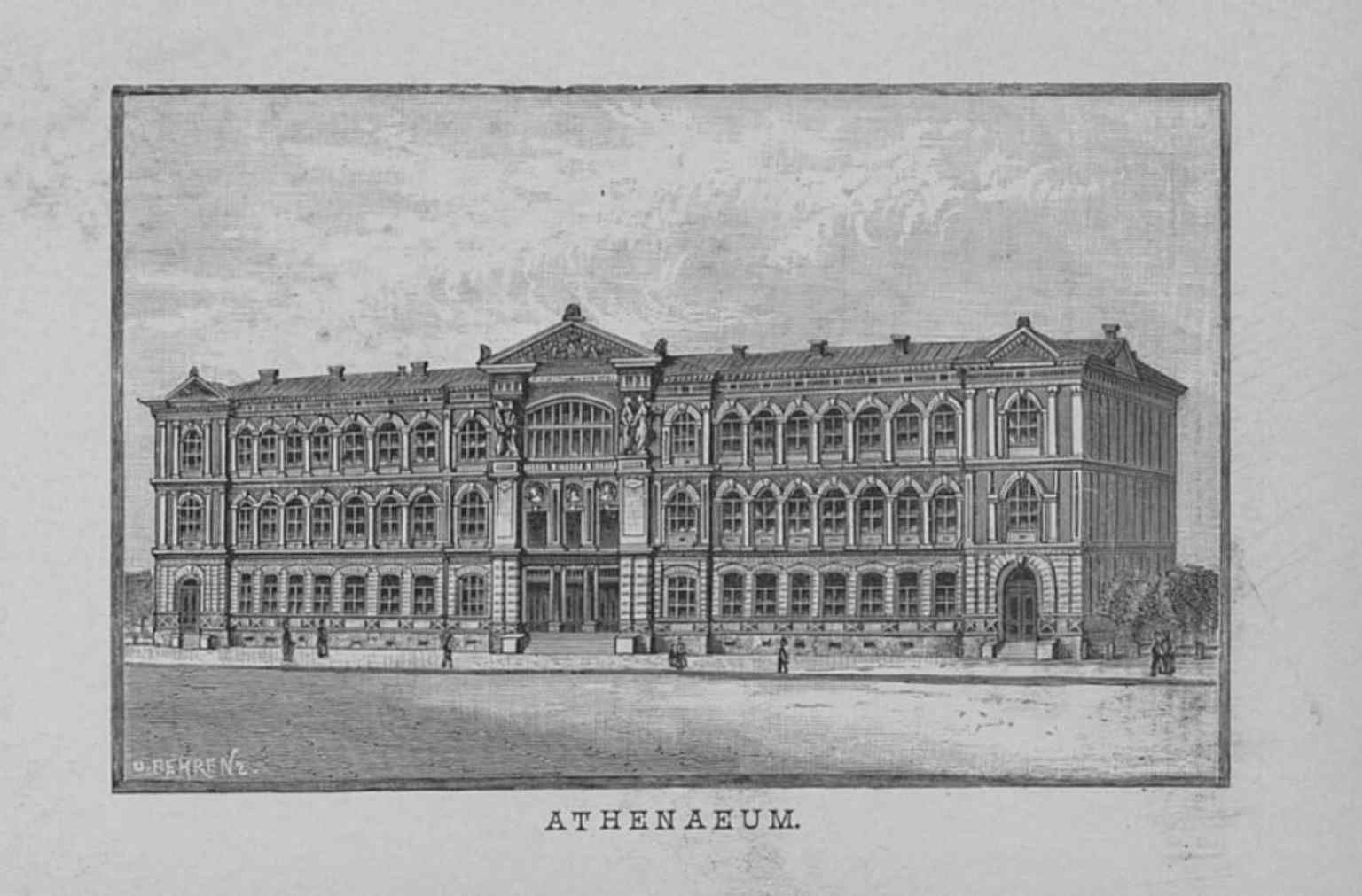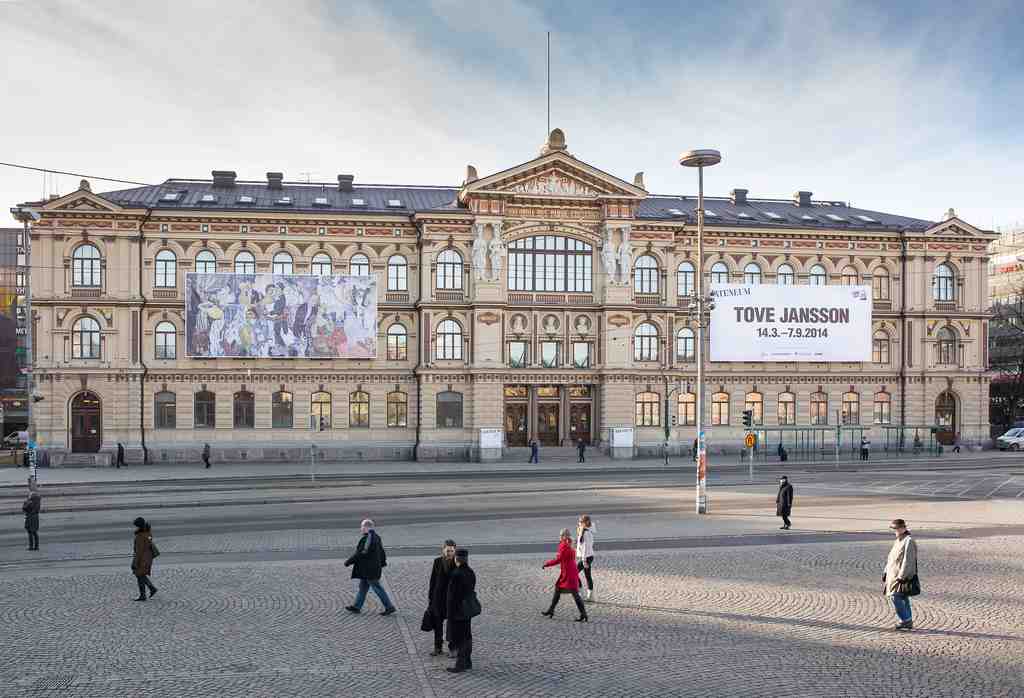
In front of you is a broad stone neo-Renaissance façade, symmetrical and formal, with tall arched windows and a sculpted pediment topped by gold Latin lettering.
Welcome to a building that helped Finland learn how to picture itself. Before nations feel solid, somebody has to choose the images, train the artists, hang the paintings, and quietly declare, “Yes... this is us.” Ateneum did exactly that, right beside the city’s central station square, where private ambition stepped into public view.
Its name reaches back to Athena, the Greek goddess of wisdom. In the eighteen seventies, professor Carl Gustaf Estlander imagined a modern temple of learning here, a palace for the arts. He wanted painting and design under one roof, and even dreamed of adding music and literature too. Helsinki, being Helsinki, argued first. Language politics, money, even the question of whether the whole thing was necessary turned into a long civic quarrel. Estlander answered with the gold motto up in the pediment: Concordia res parvae crescunt... “In harmony, small things grow.” A polite inscription, and also a fairly pointed nudge.
Take a moment and look up at the façade. What kind of city puts a palace of art right on its front doorstep? Above the doors, you can spot sculpted portraits of Raphael, Bramante, and Phidias, and higher still, four female support figures representing architecture, geometry, painting, and sculpture. Not subtle, this place. Confident.
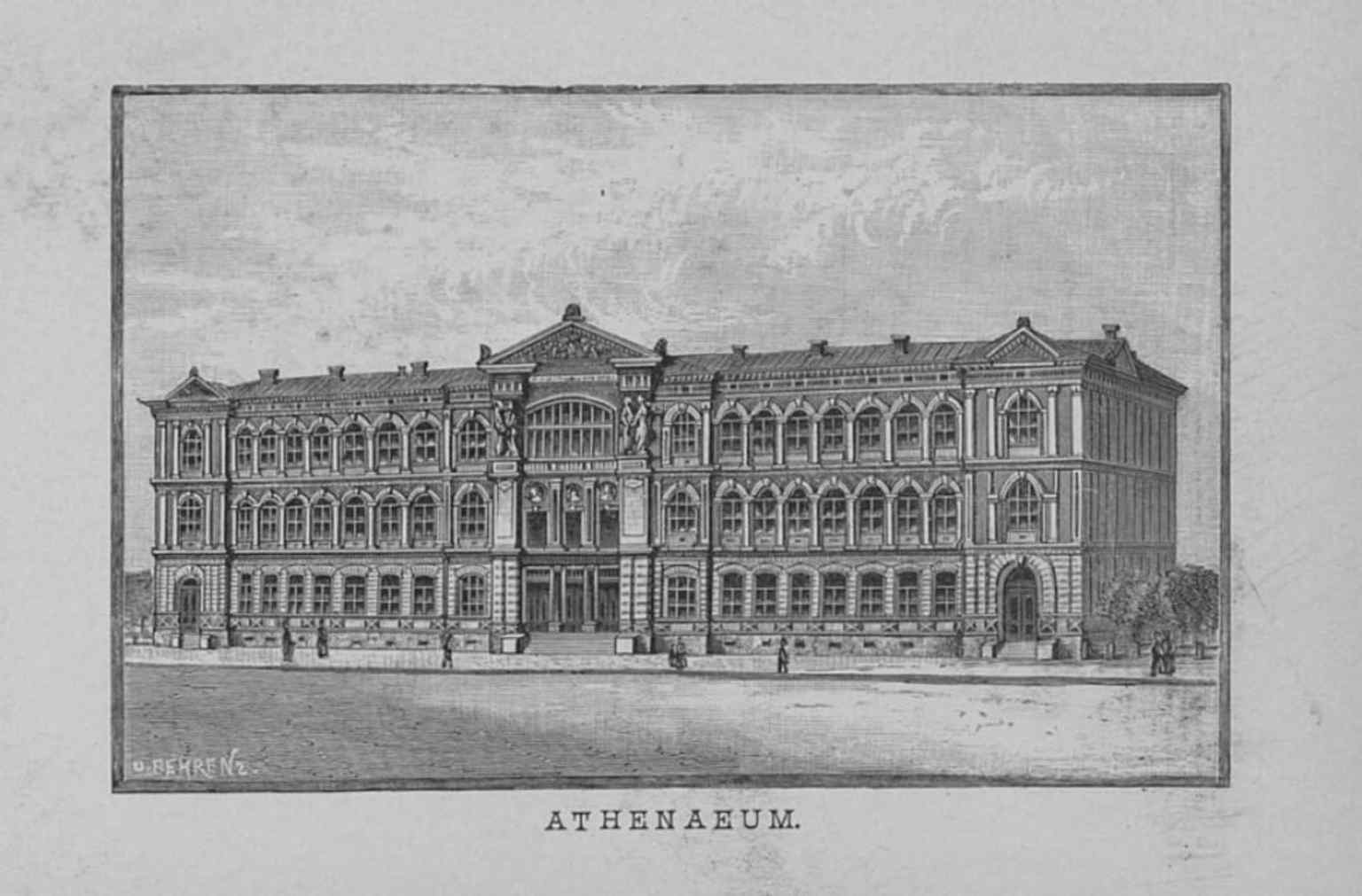
Architect Theodor Höijer finished the building in eighteen eighty-seven, and most visitors miss what locals know: this was never just a museum. It also housed Finland’s drawing school and, later, art-and-design education for decades, so the whole building worked like an art ecosystem... classroom, studio, archive, stage, and gallery all tangled together.
Tove Jansson studied here in the nineteen thirties. The world remembers the Moomins; she insisted she was first and foremost a painter. That tension feels very Ateneum somehow: serious training giving birth to popular imagination. Young Akseli Gallen-Kallela studied here too, apparently so obsessed that he painted late into the night and sometimes slept in the building.
If you want a glimpse of the kind of national mythmaking this place championed, have a look at the Aino Triptych in the app.
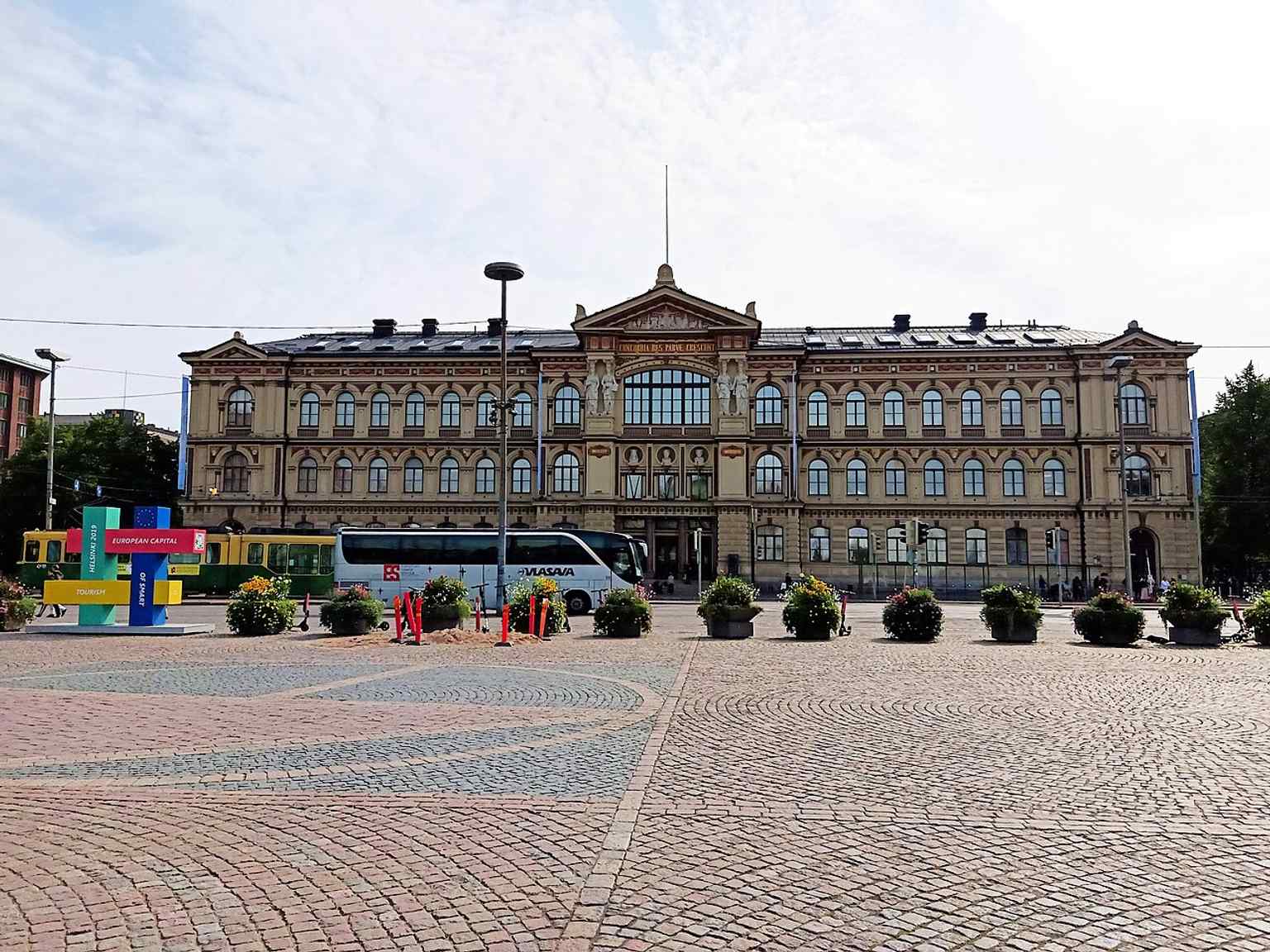
Ateneum even survived war. In February nineteen forty-four, bombing blast waves shattered hundreds of windows and damaged the roof, but the building escaped total destruction. If you check the before-and-after image, you’ll see how the street changed around it while this façade kept its composure.
And that’s the larger question this tour keeps circling: when a nation presents its face in public, who chooses the portrait? From here, walk about eight minutes to the equestrian statue of Marshal Mannerheim, where that question takes a more muscular form. If you want to come back inside later, Ateneum is open every day except Monday, with later hours on Wednesday and Thursday.