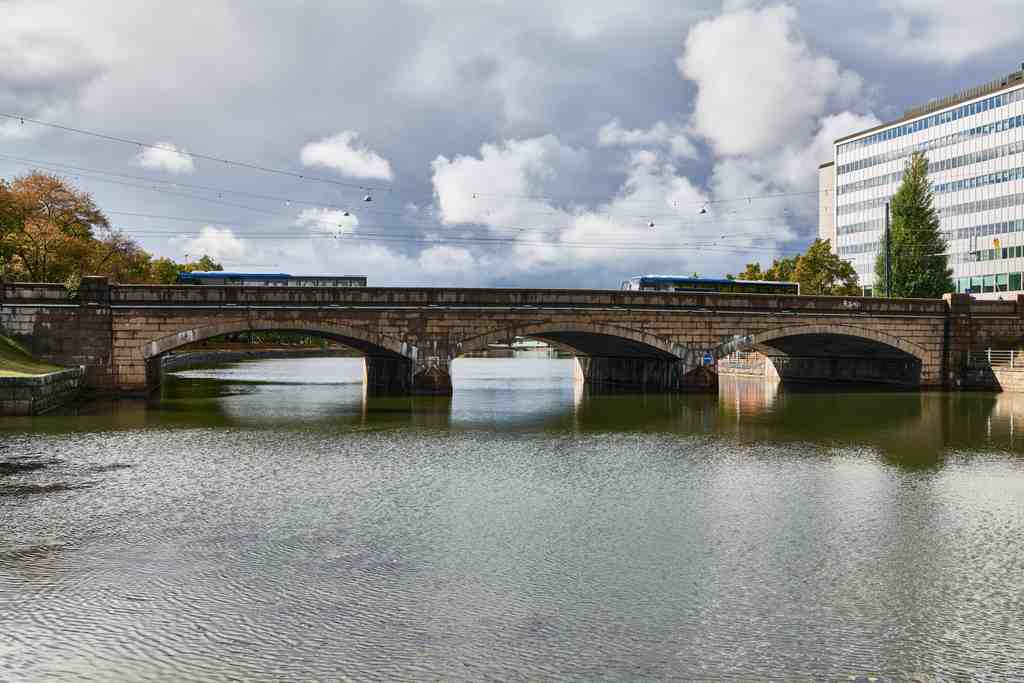
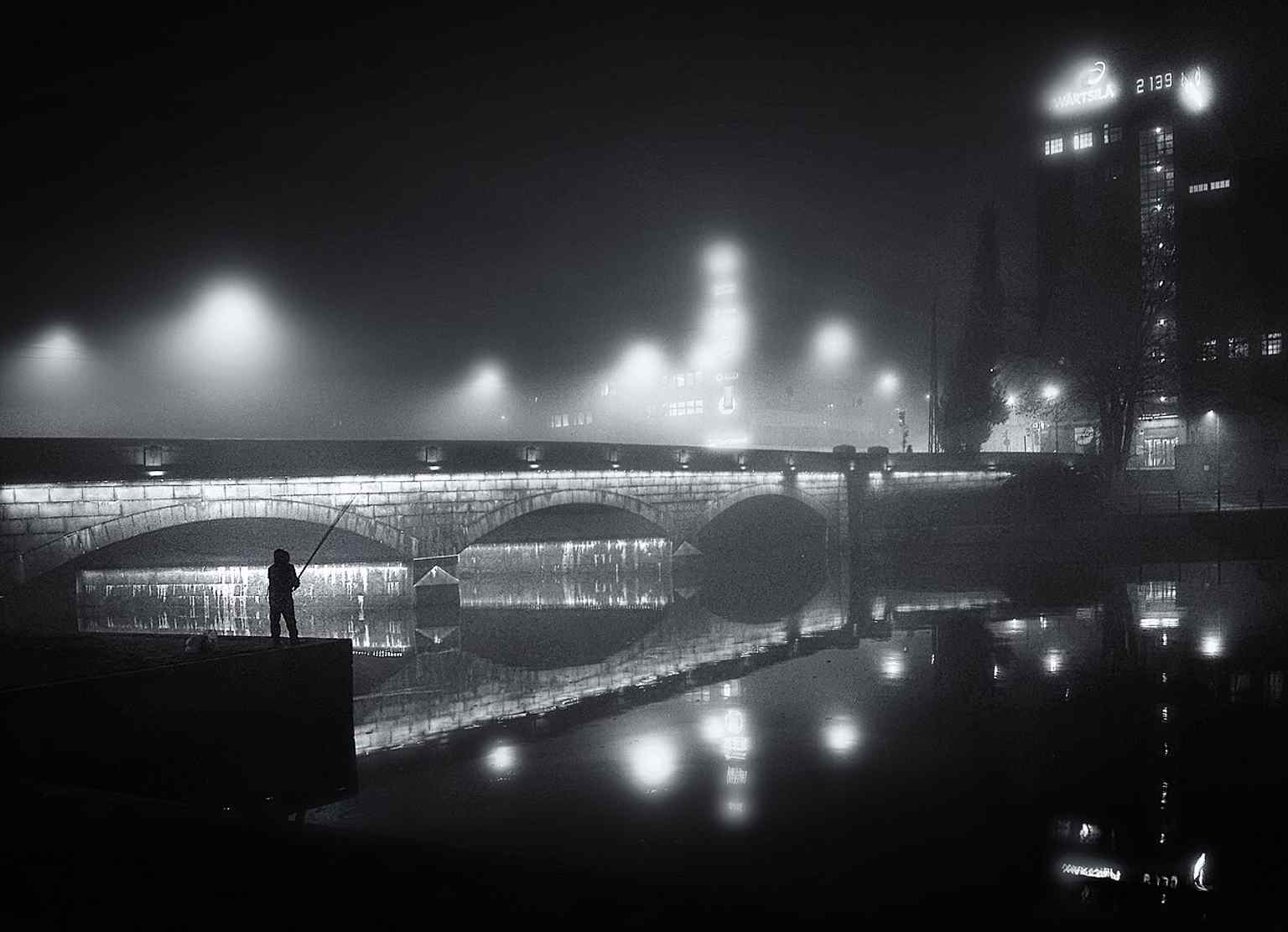
Pitkäsilta is a broad granite bridge with three low arches and stout stone posts, its masonry marked with carved Helsinki coats of arms.
A bridge often looks like a simple answer to a practical problem: water here, people there. But this one learned very early that crossings are never only physical. Pitkäsilta carried carts, workers, traders, arguments, ambitions, and, in time, the uneasy feeling that one side of the city did not quite belong to the other.
For a long while, this was the edge of Helsinki itself. In the sixteen forties, the road from the young city toward Häme and eastern Uusimaa began near what is now Senate Square, and the first bridge across Kaisaniemenlahti arrived in sixteen fifty-one. Back then, the area ahead was still broken into islands, and this was simply the longer of two bridges leading toward them. That plain fact gave Pitkäsilta its name: the long bridge.
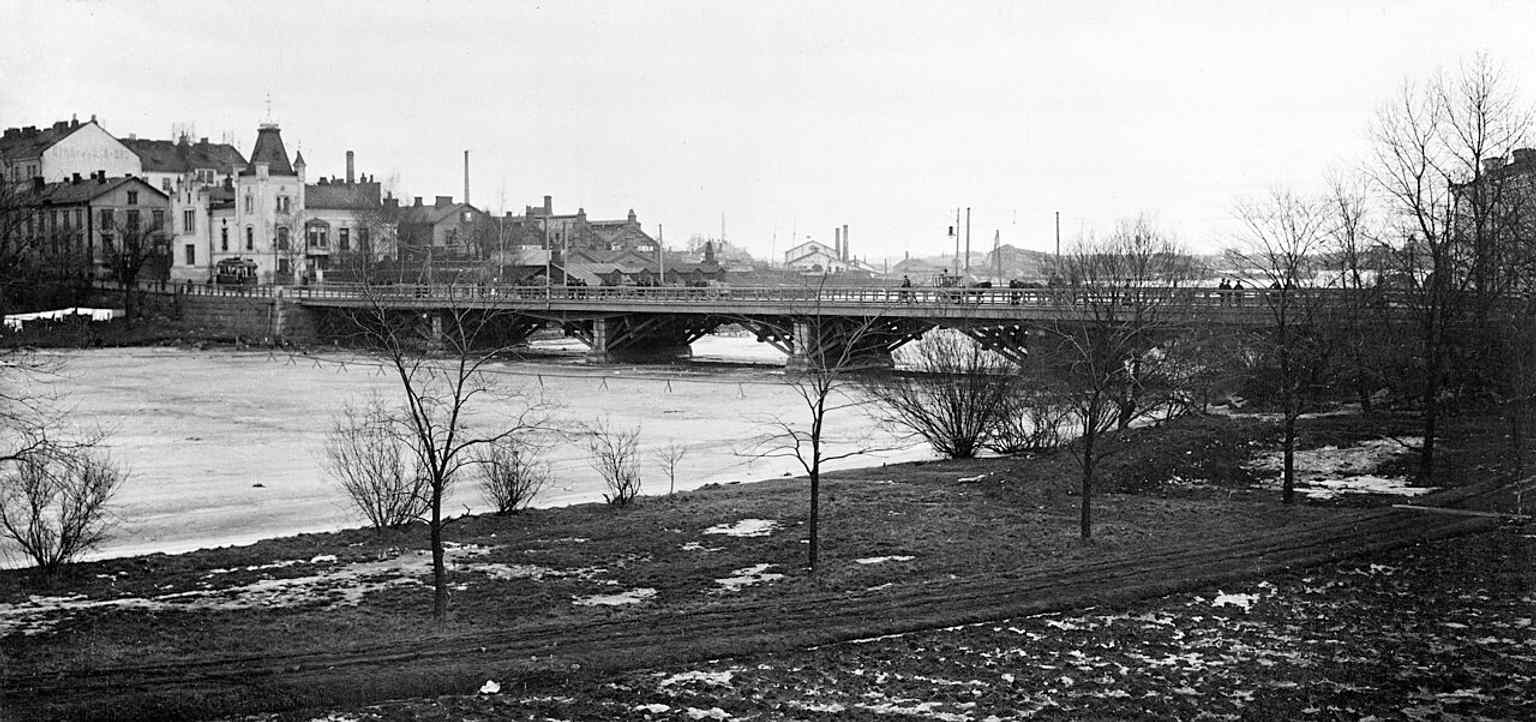
What you see now is the fifth bridge on this spot. Earlier wooden versions burned twice when retreating Swedish troops set them alight, first in seventeen thirteen and again in seventeen forty-two, and each time the city rebuilt. By the late nineteenth century, the crossing had become a pressure point. As Kallio and Sörnäinen filled with new residents, the bridge groaned under the strain. In January of nineteen ten, people counted between one thousand eight hundred and two thousand horse-drawn loads crossing each day, along with twenty-seven thousand to twenty-nine thousand pedestrians. A city can reveal itself in traffic figures if you know how to read them.
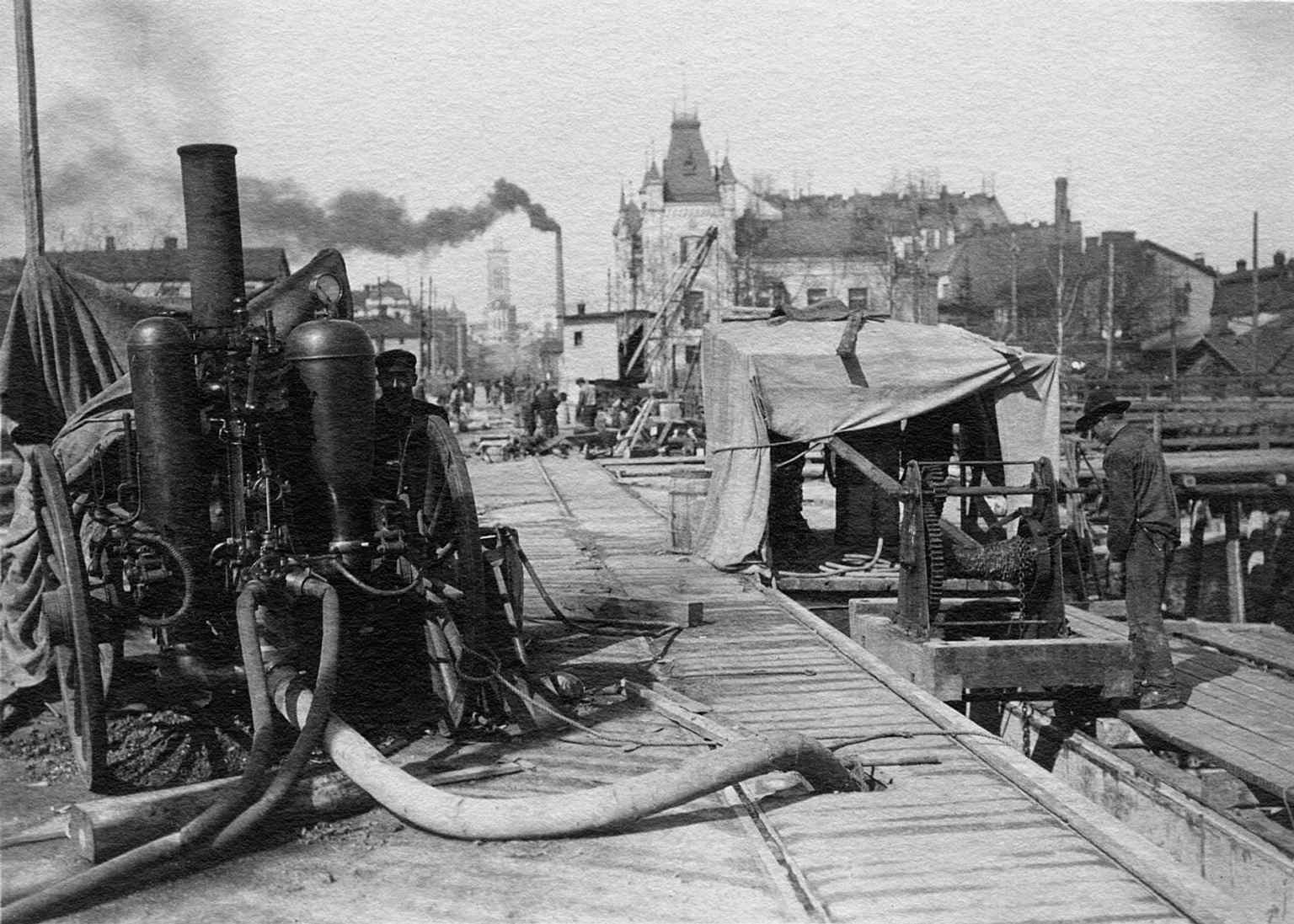
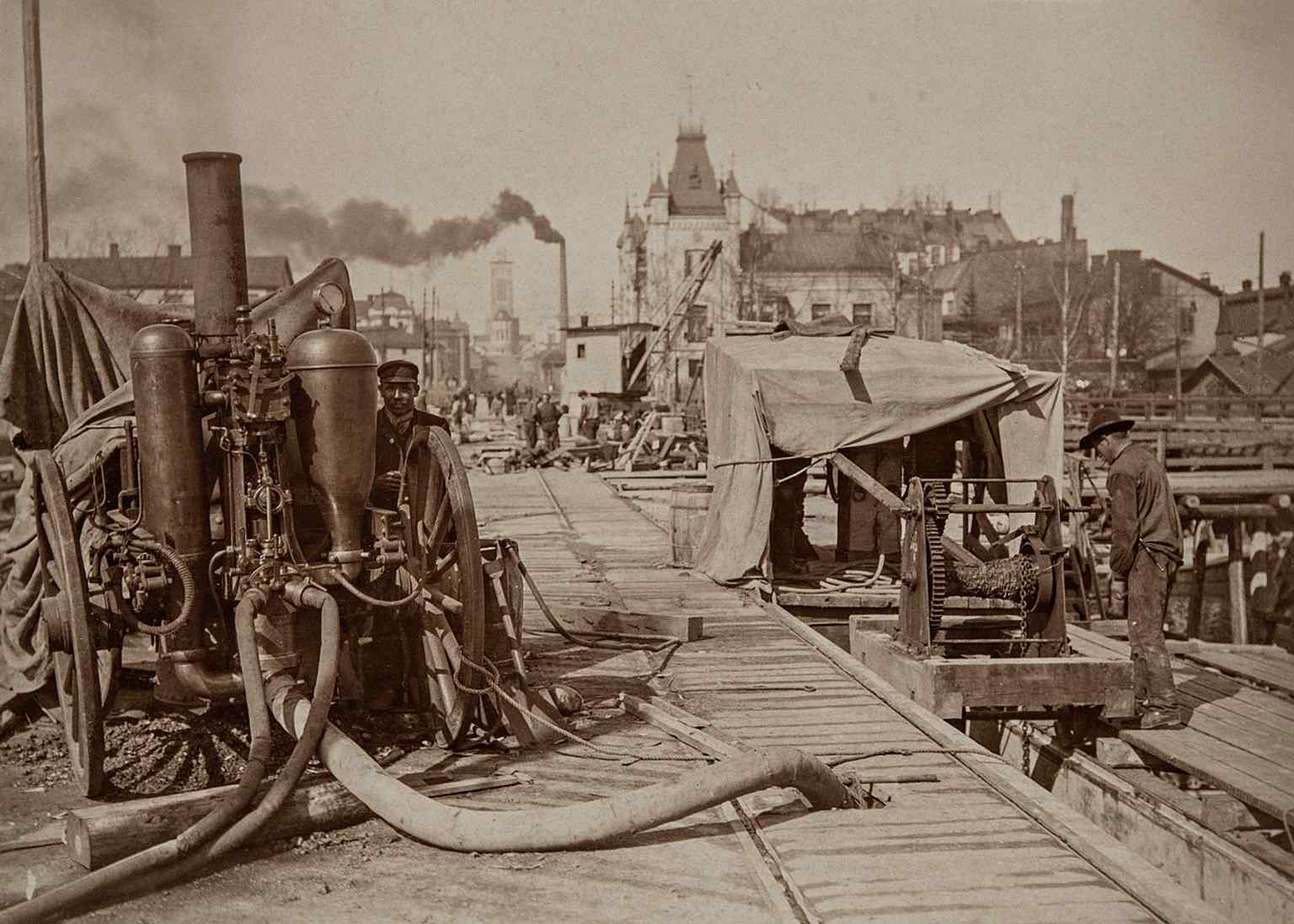
So Helsinki finally chose permanence. Architect Runar Eklund designed this restrained granite bridge, completed in nineteen twelve, with a deliberate simplicity: three arches, a width of twenty-two metres, and twelve heavy lamp-post piers, sometimes called “old man pillars”, carrying the city’s coat of arms. Look at the before-and-after image in the app when you like; it captures the moment a modest wooden crossing became this stern civic threshold.
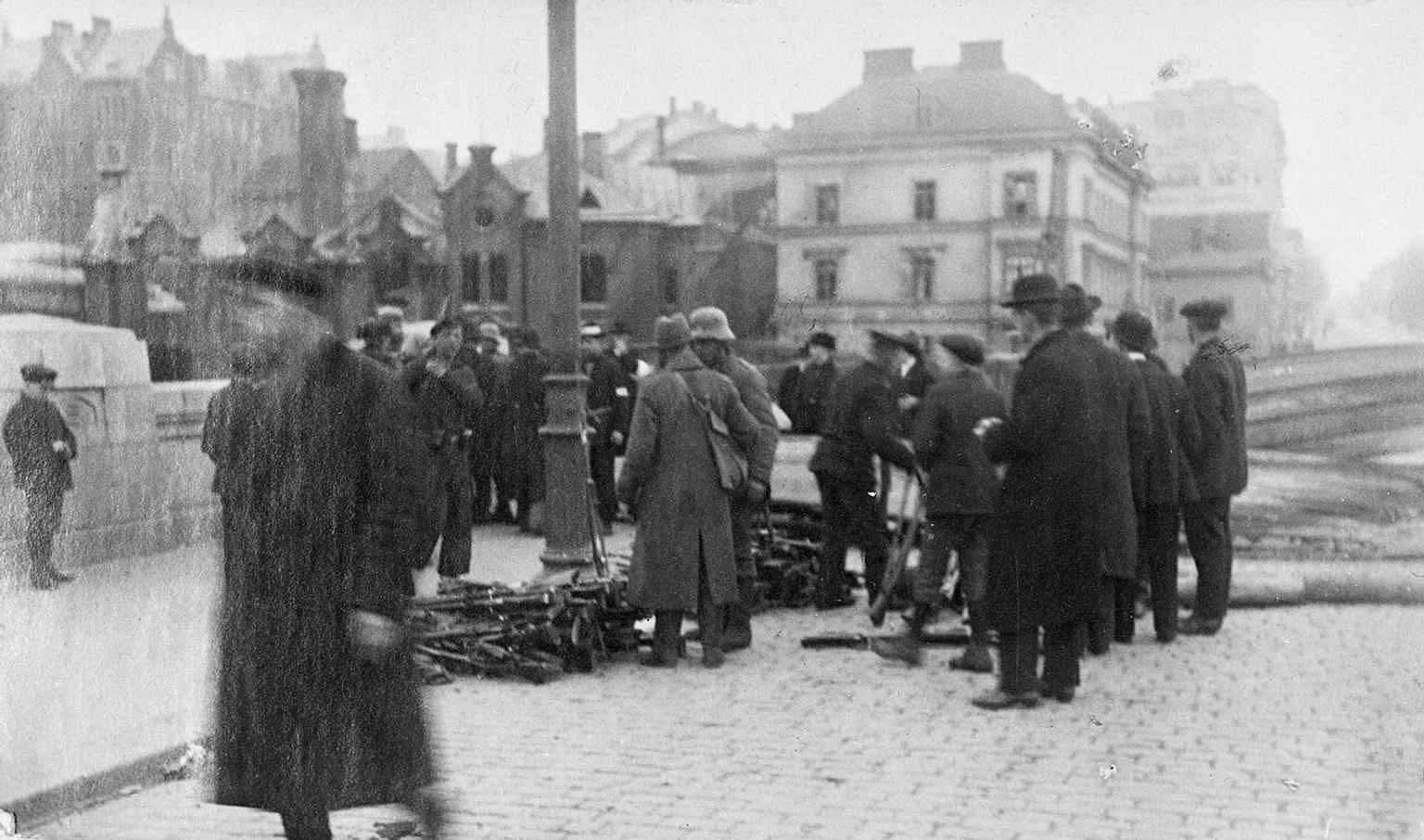
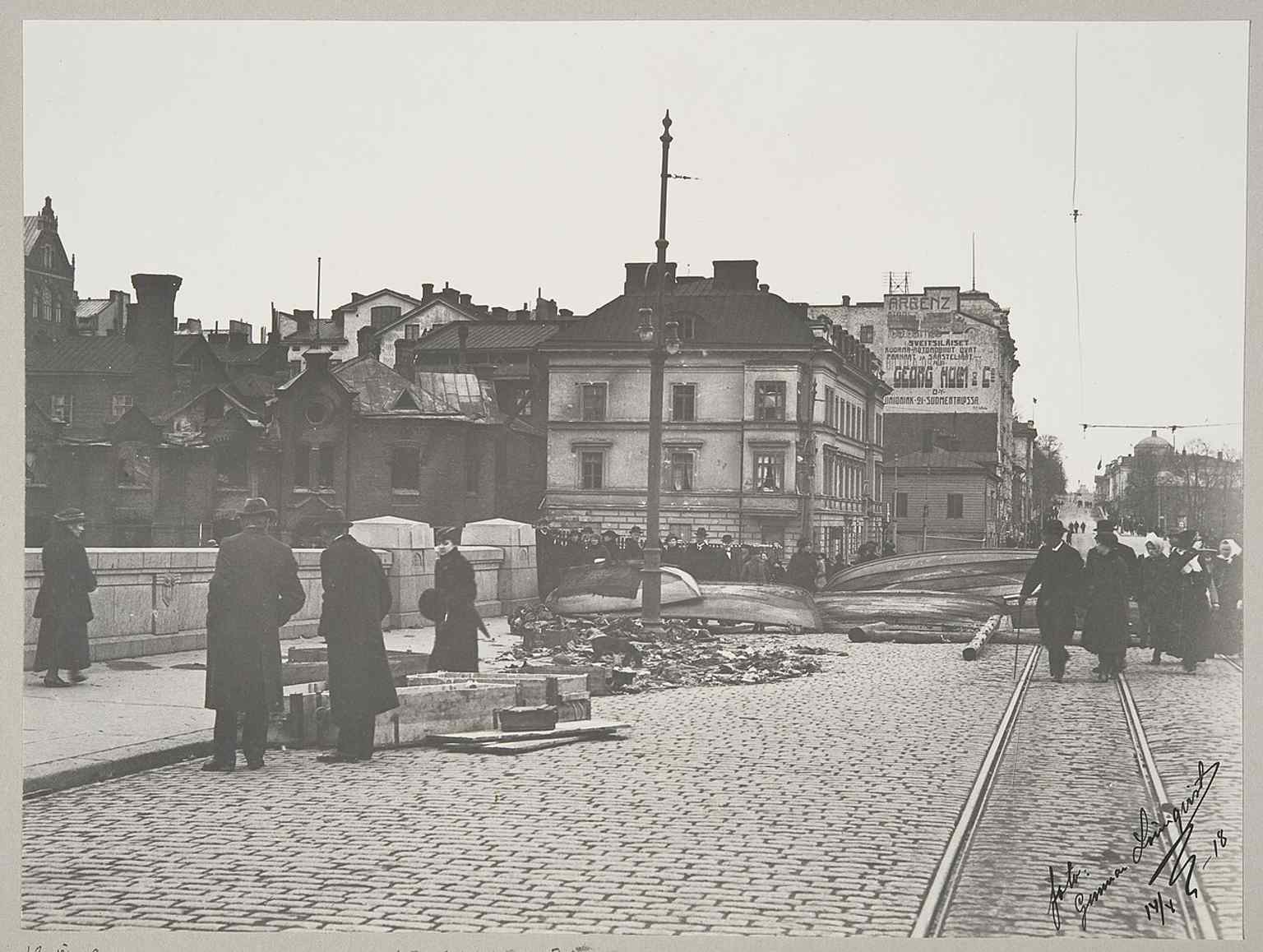
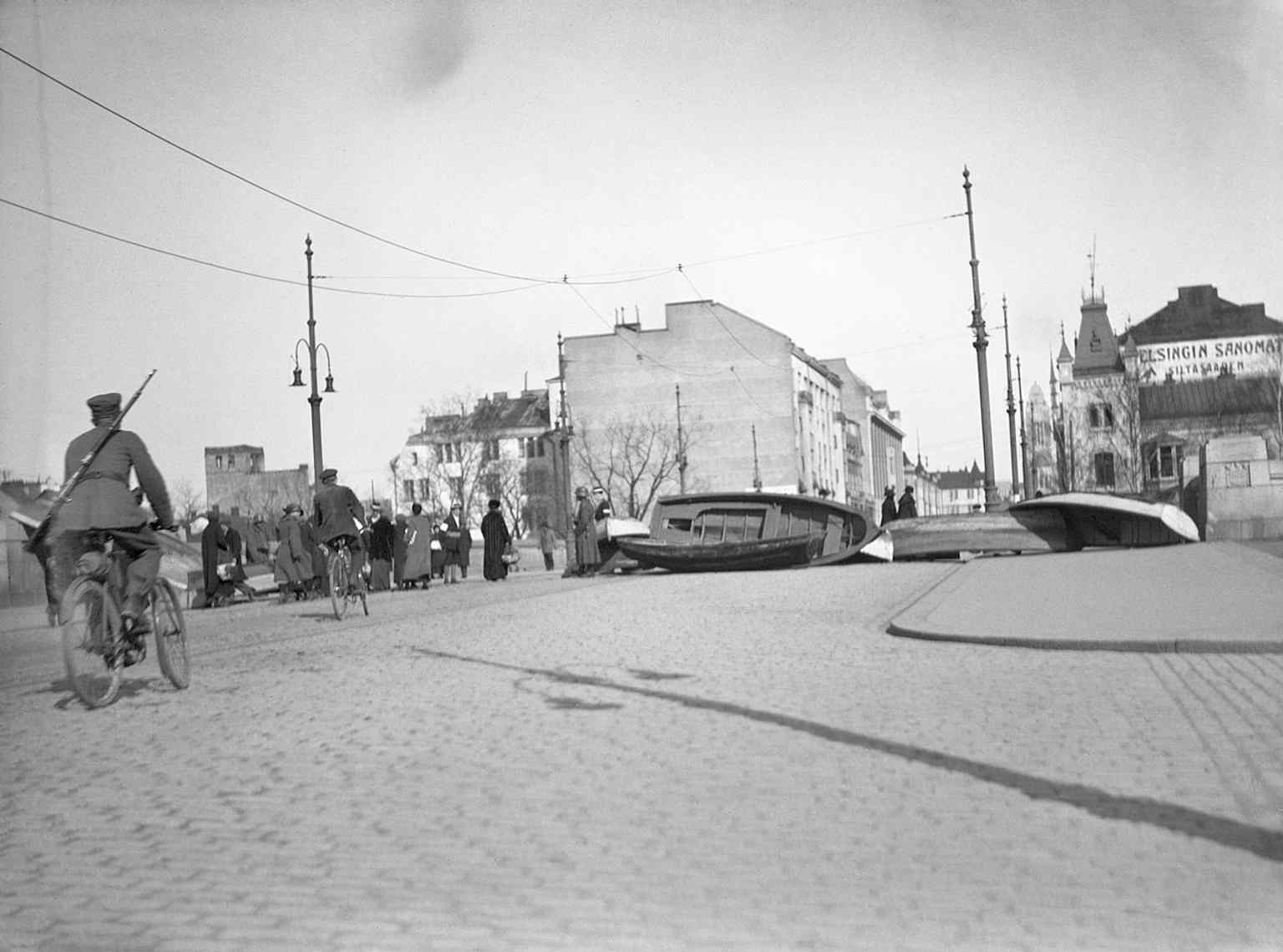
And then came nineteen eighteen. Shell marks from the Battle of Helsinki still scar the structure. Historian Tuomas Hoppu later confirmed that those wounds truly belong to the Civil War, when German forces fired toward the bridge to cut Red Guard movement. No wonder Pitkäsilta became more than stone and traffic. For decades, people spoke of crossing it as crossing a social frontier, from the bourgeois centre to workers’ Helsinki north of the bridge.
If one bridge carried you from one social world into another, would you step forward feeling invited, judged, or quietly changed?
Now let your gaze follow the water beneath the arches, because the channels and shorelines ahead did not keep their original shape for long. We’ll continue toward Siltavuorensalmi. And, fittingly for a crossing, Pitkäsilta remains open at all hours.
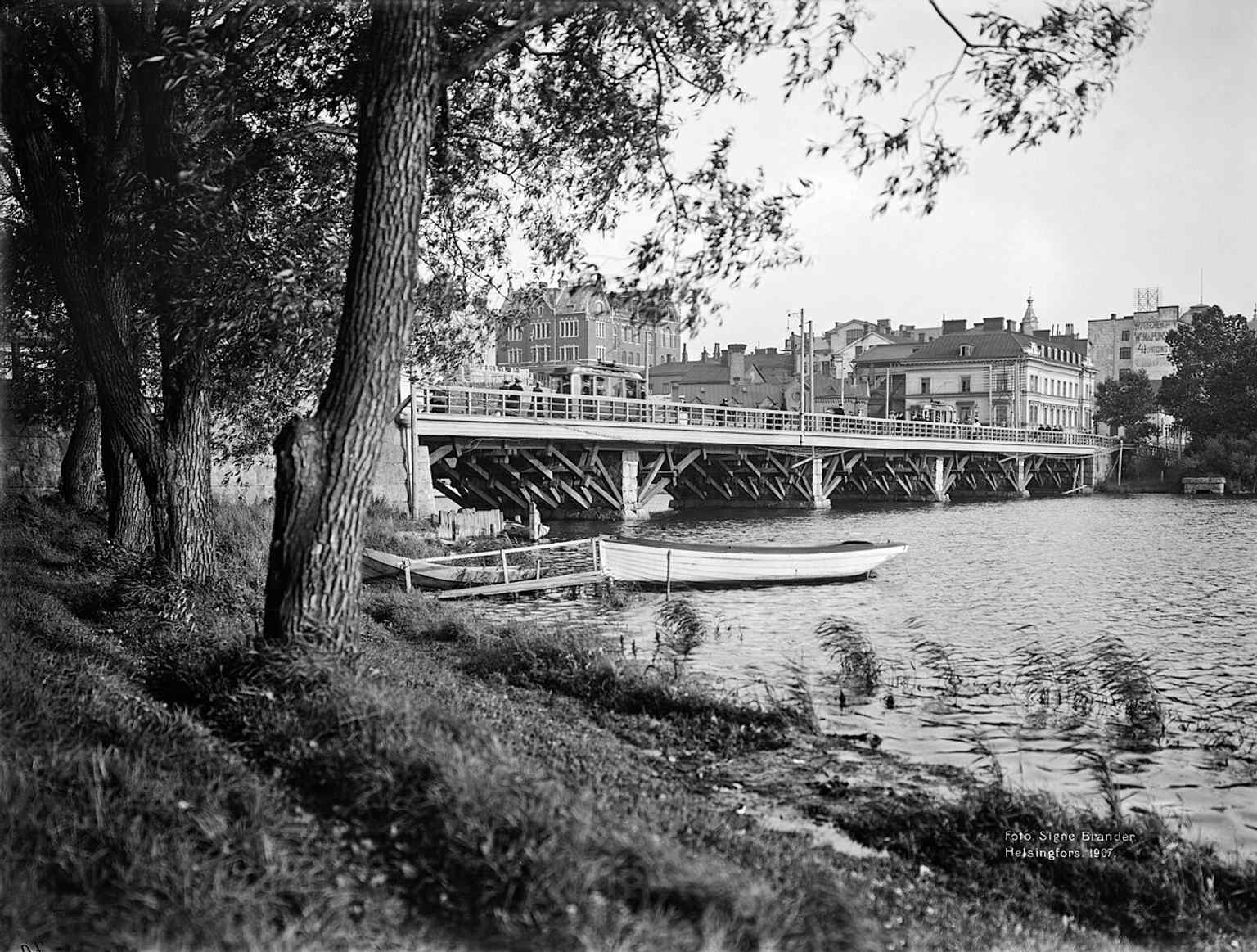
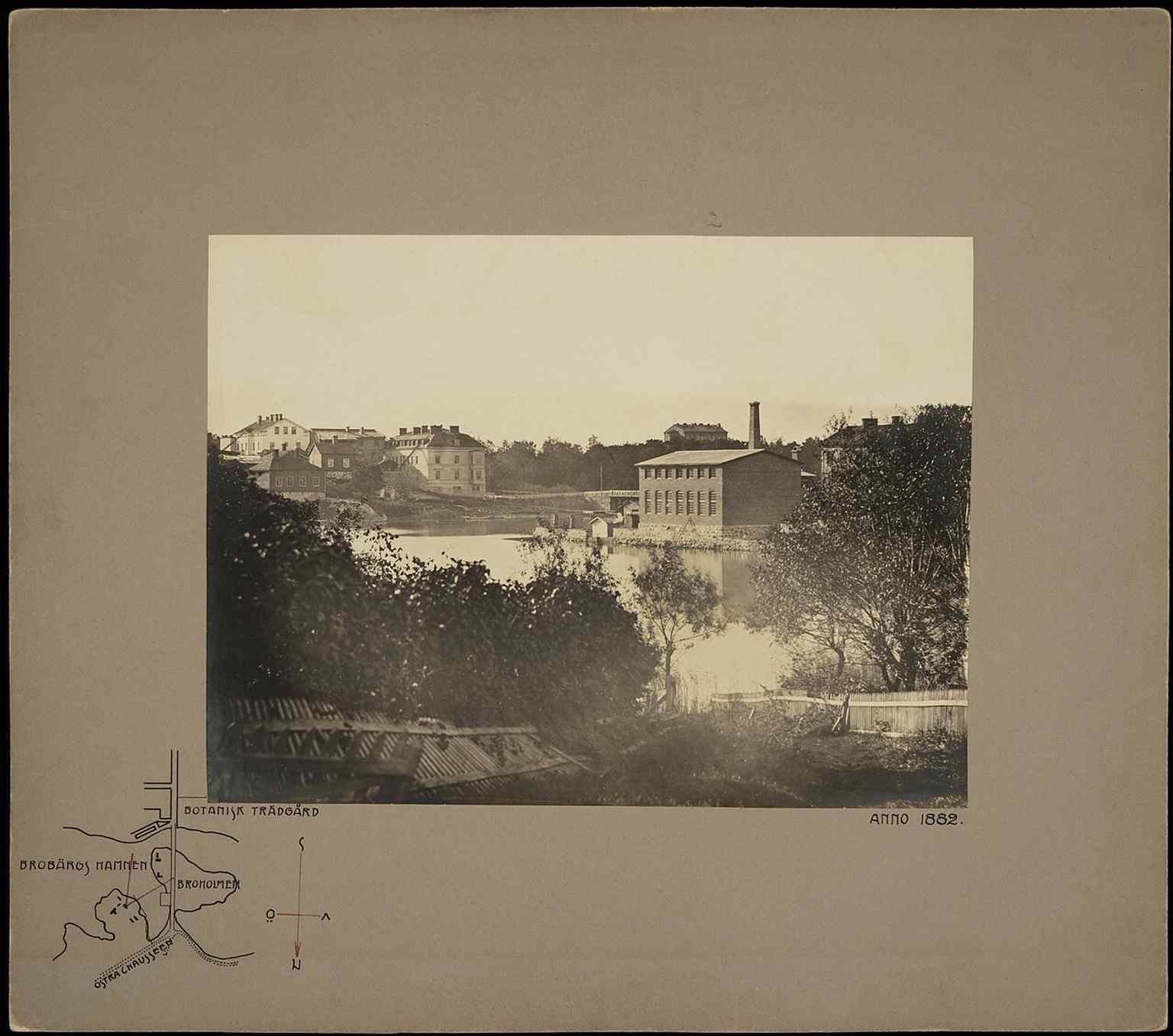
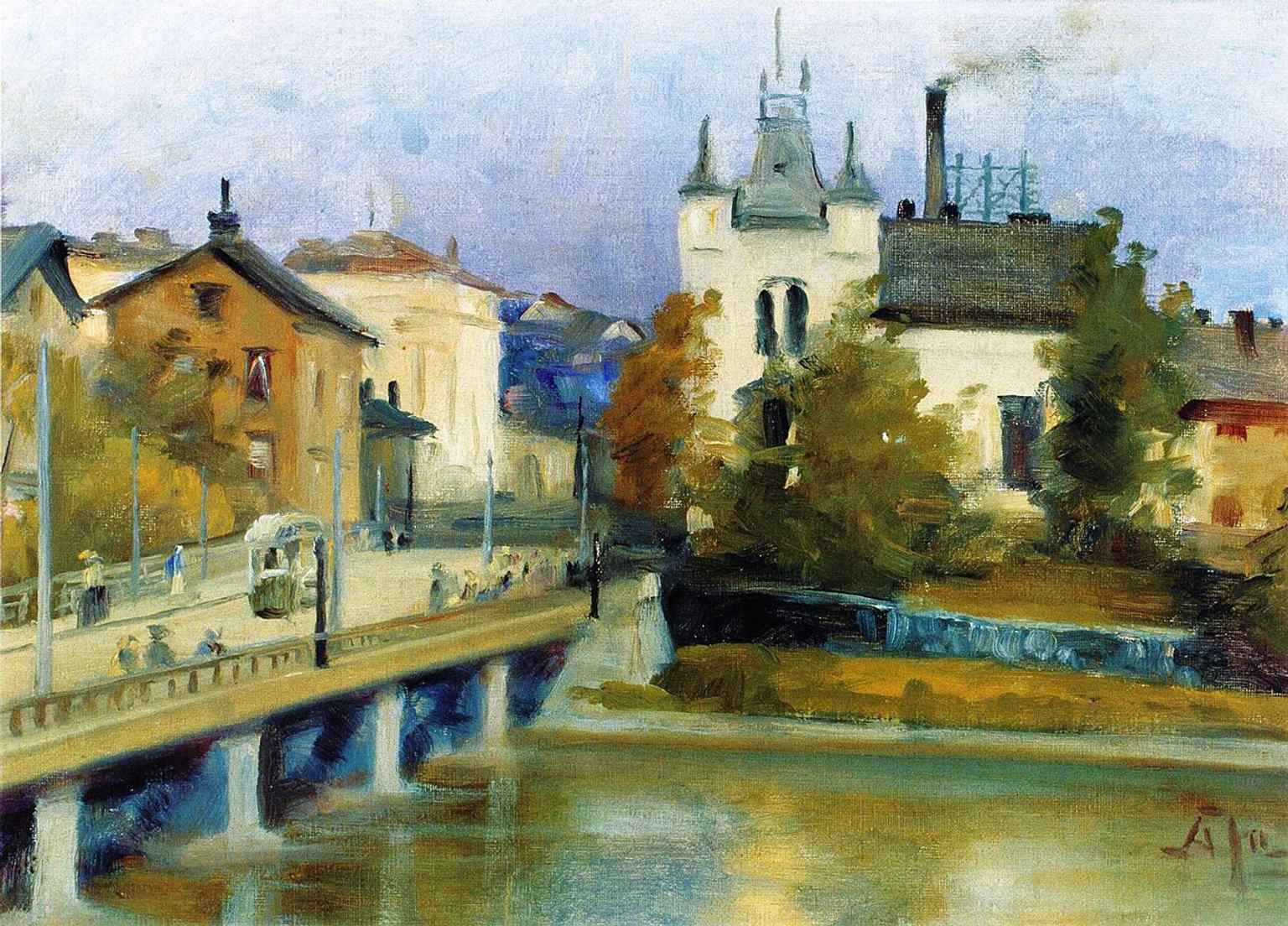
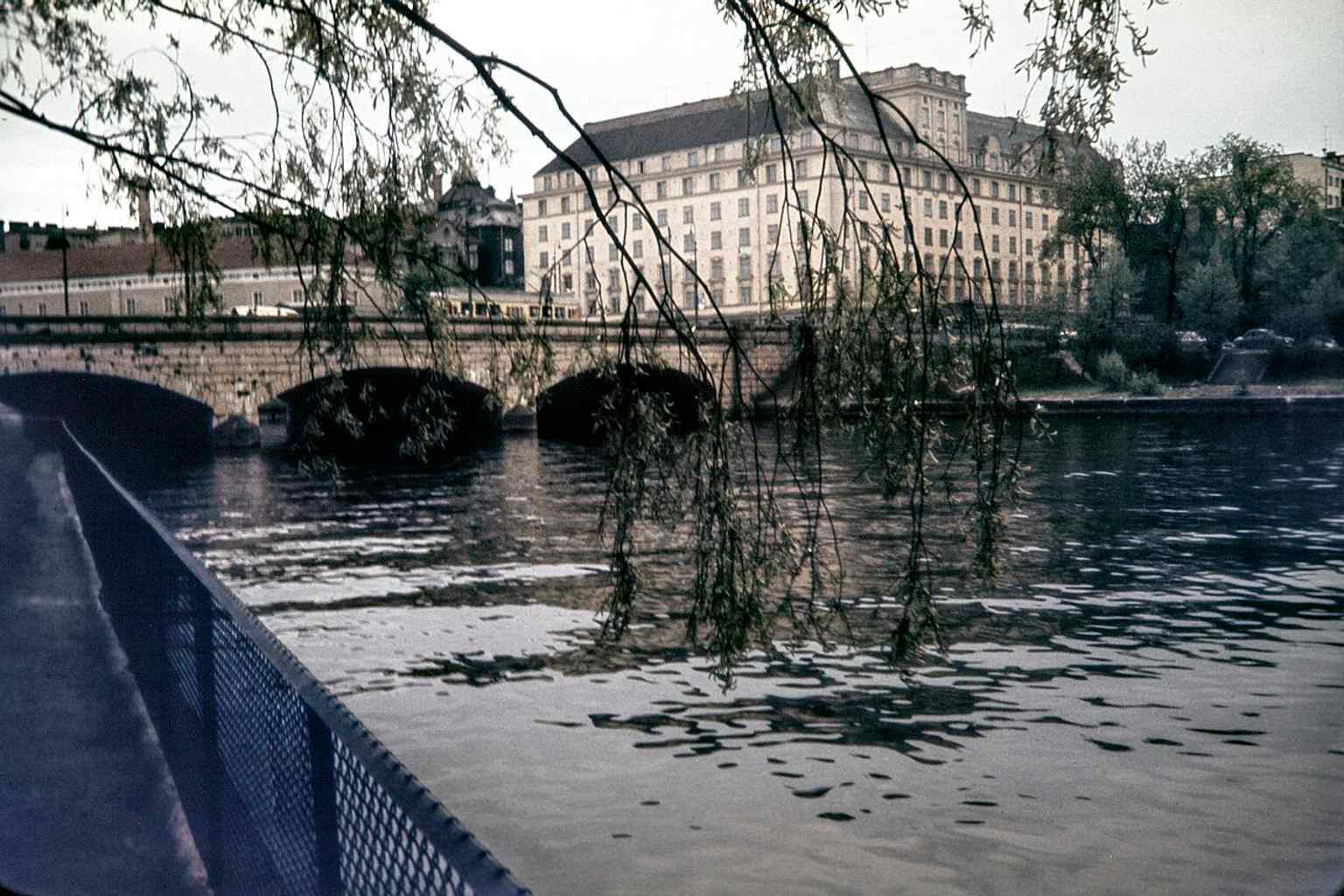
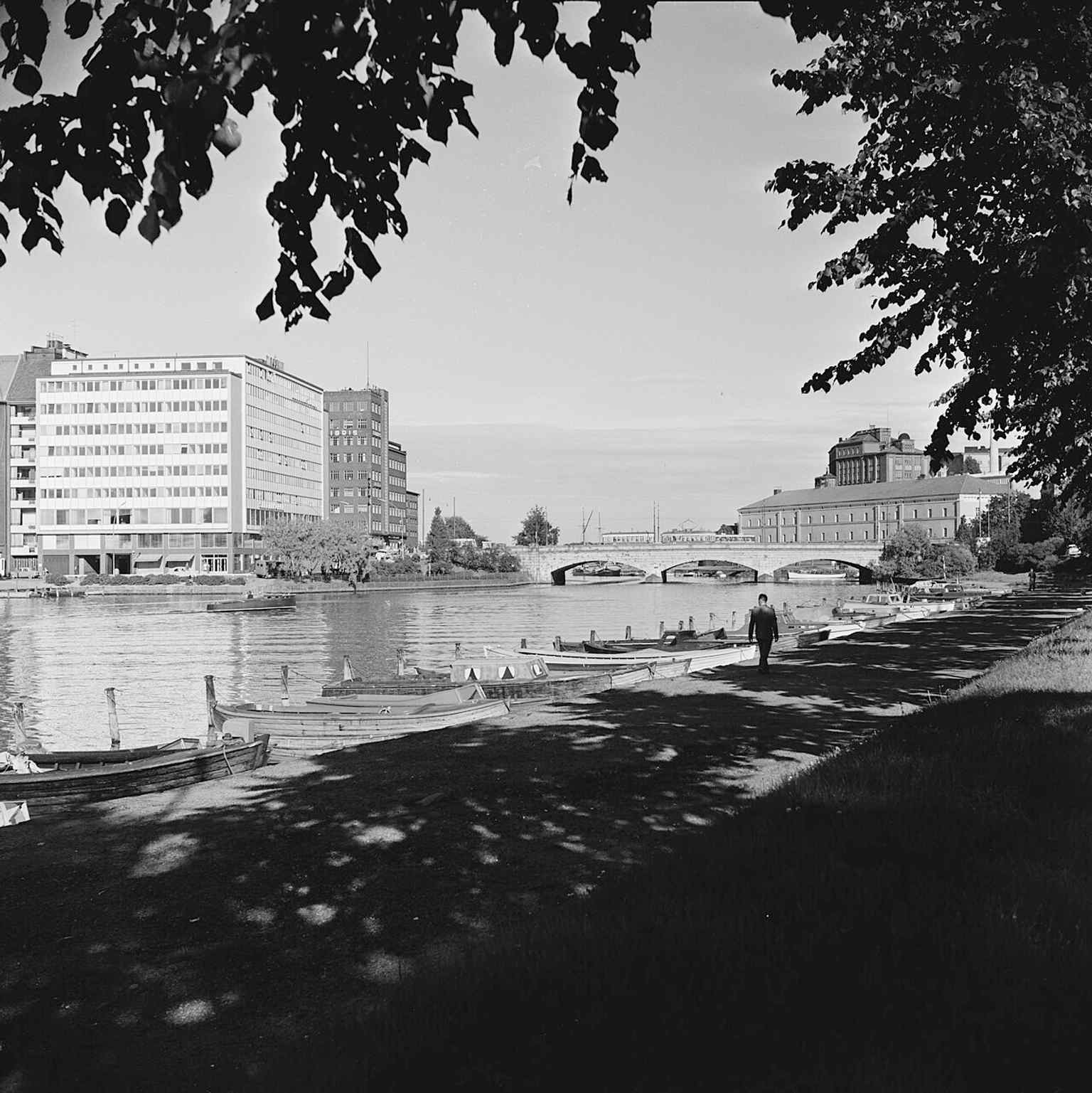
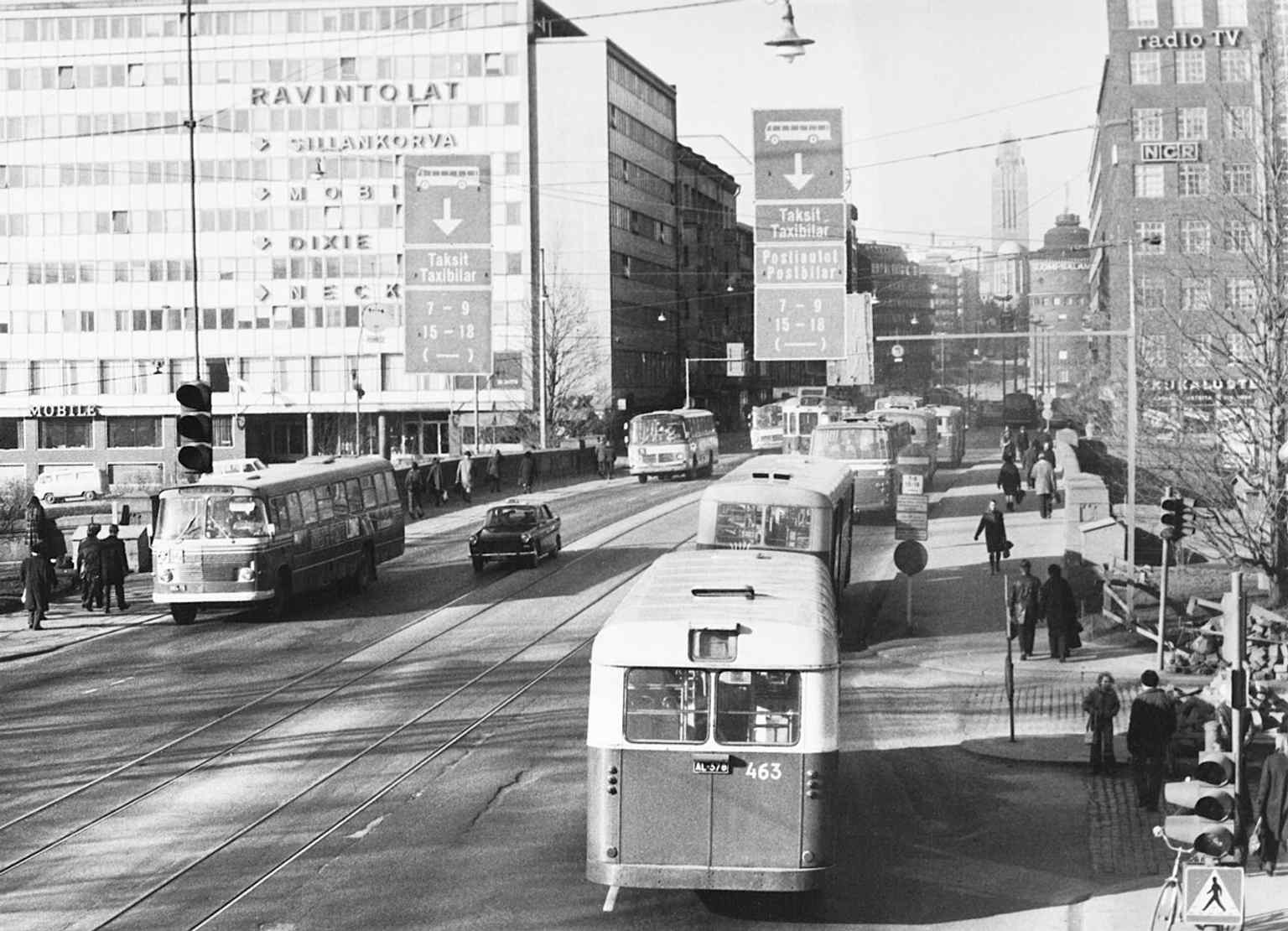
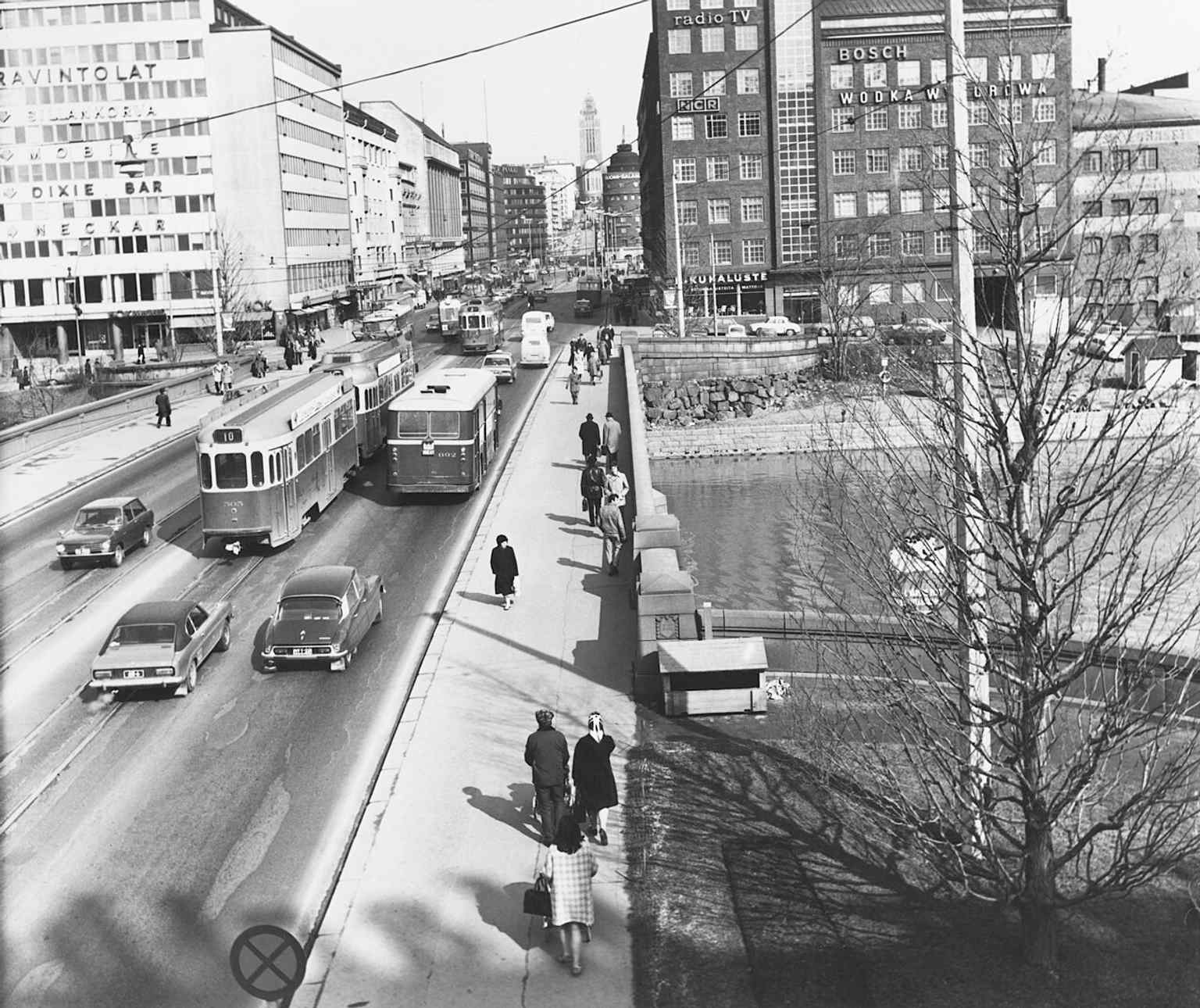
Pitkäsilta still wooden in 1909, before the stone bridge opened in 1912 and replaced the earlier crossings over Kaisaniemenlahti.Photo: Sakari Pälsi, Wikimedia Commons, CC BY 4.0. Cropped & resized.Bridge works in 1911, showing the construction phase that led to the current granite Pitkäsilta completed the next year.Photo: Unknown authorUnknown author, Wikimedia Commons, CC BY 4.0. Cropped & resized.A busy construction scene with steam pump and winch, matching the 1911 build-out of the new 22-meter-wide stone bridge.Photo: Unknown authorUnknown author, Wikimedia Commons, CC BY 4.0. Cropped & resized.Pitkänsillanranta and the bridge in 1907, with the caption noting the new stone bridge would replace the wooden one in 1912.Photo: Signe Brander, Wikimedia Commons, CC BY 4.0. Cropped & resized.Pitkäsilta with the Maexmontan spirit factory behind it in 1918, tying the bridge to the battle damage seen during the Finnish Civil War.Photo: Unknown, Wikimedia Commons, Public domain. Cropped & resized.Barricades at the end of Pitkäsilta in 1918 — a stark reminder that the bridge became a frontline during the Battle of Helsinki.Photo: Gunnar Lönnqvist (Q23988306), Wikimedia Commons, Public domain. Cropped & resized.A checkpoint near Pitkäsilta in 1918, reflecting the bridge’s role as a controlled crossing between the city center and the workers’ districts.Photo: Nikolajeff A., Wikimedia Commons, CC BY 4.0. Cropped & resized.A 1882 view from Hakaniemenranta toward Pitkäsilta and Kaisaniemi, useful for showing the older urban setting before later infill and bridge changes.Photo: Alfred Edvard Rosenbröijer, Wikimedia Commons, Public domain. Cropped & resized.Alma Judén’s 1900 painting of Pitkäsilta and Siltasaari captures the bridge landscape before the current stone version was built.Photo: Alma Judén (1854–1914), Wikimedia Commons, Public domain. Cropped & resized.Pitkäsilta seen from the Pitkänsillanranta side in 1950, with the bay and the bridge’s span clearly linking the two shores.Photo: Arvo Kajantie, Wikimedia Commons, CC BY 4.0. Cropped & resized.A wide 1958 view across Kaisaniemenlahti toward Siltasaari and Pitkäsilta, showing the bridge as an everyday crossing in central Helsinki.Photo: Volker von Bonin, Wikimedia Commons, CC BY 4.0. Cropped & resized.Looking from Unioninkatu toward Pitkäsilta in 1972, where tram and bus lanes were marked above the road — a sign of the bridge’s heavy traffic role.Photo: Unto Laitila, Wikimedia Commons, CC BY 4.0. Cropped & resized.Traffic on Pitkäsilta in 1971, echoing the bridge’s importance as a major route between the city center and the northern districts.Photo: Unto Laitila, Wikimedia Commons, CC BY 4.0. Cropped & resized.A foggy modern view of Pitkäsilta, showing how the bridge still marks the historic boundary often associated with Helsinki’s political divide.Photo: Marit Henriksson, Wikimedia Commons, CC BY-SA 4.0. Cropped & resized.arrow_back Back to Helsinki Audio Tour: Bridges, Markets & Modern Marvels
Loved by travellers
Thousands of tours started. Plenty of opinions.
4.8 across the App Store and Google Play. Here's a few we keep coming back to.
starstarstarstarstar
This tour was such a great way to see the city. The stories were interesting without feeling too scripted, and I loved being able to explore at my own pace.
Started this tour with a croissant in one hand and zero expectations. The app just vibes with you, no pressure, just you, your headphones, and some cool stories.







.jpg)


.jpg)
%20alueelta%20lounaaseen%20-%20G16251%20-%20hkm.HKMS000005-km0000m9ua.jpg)


