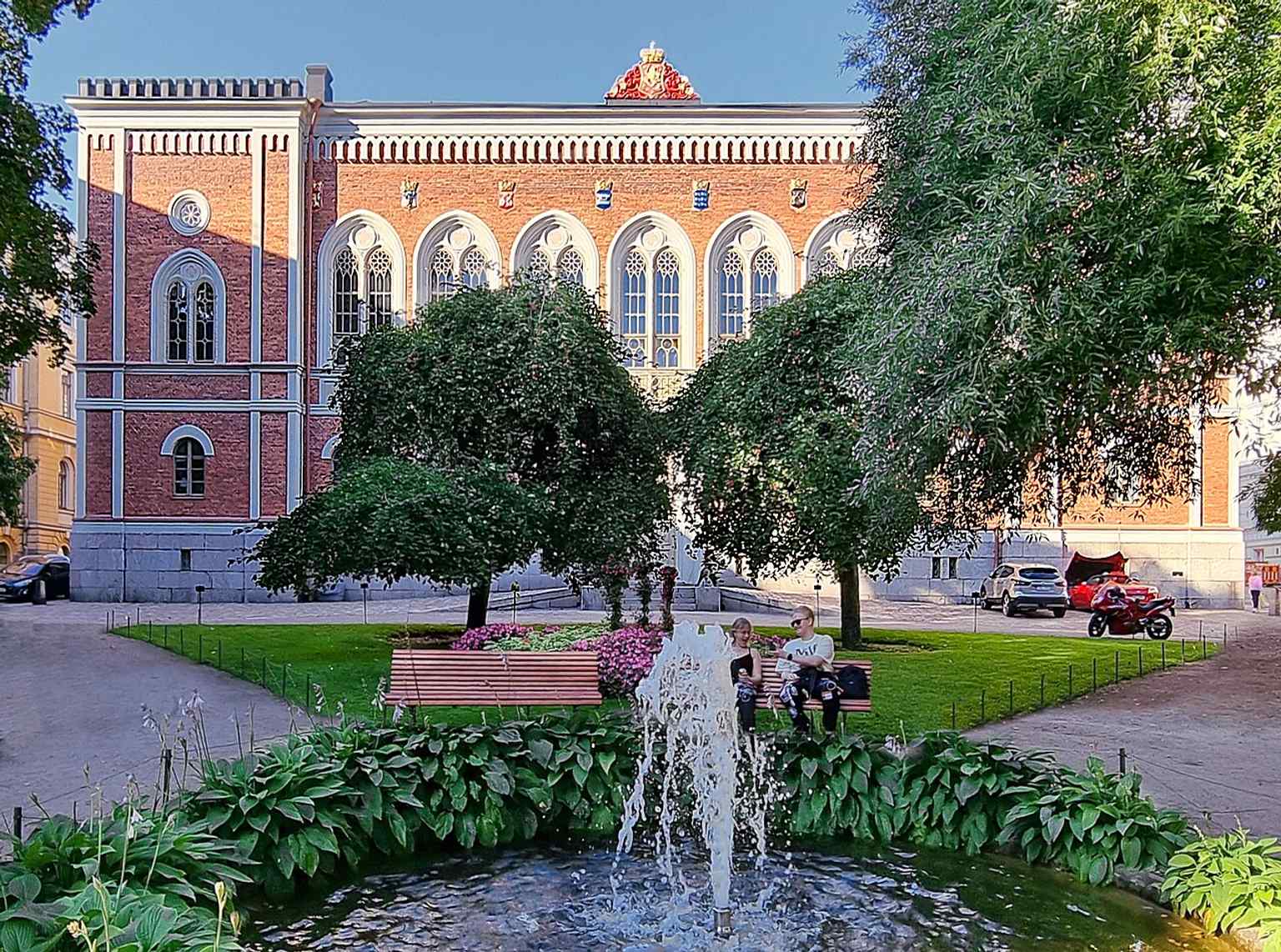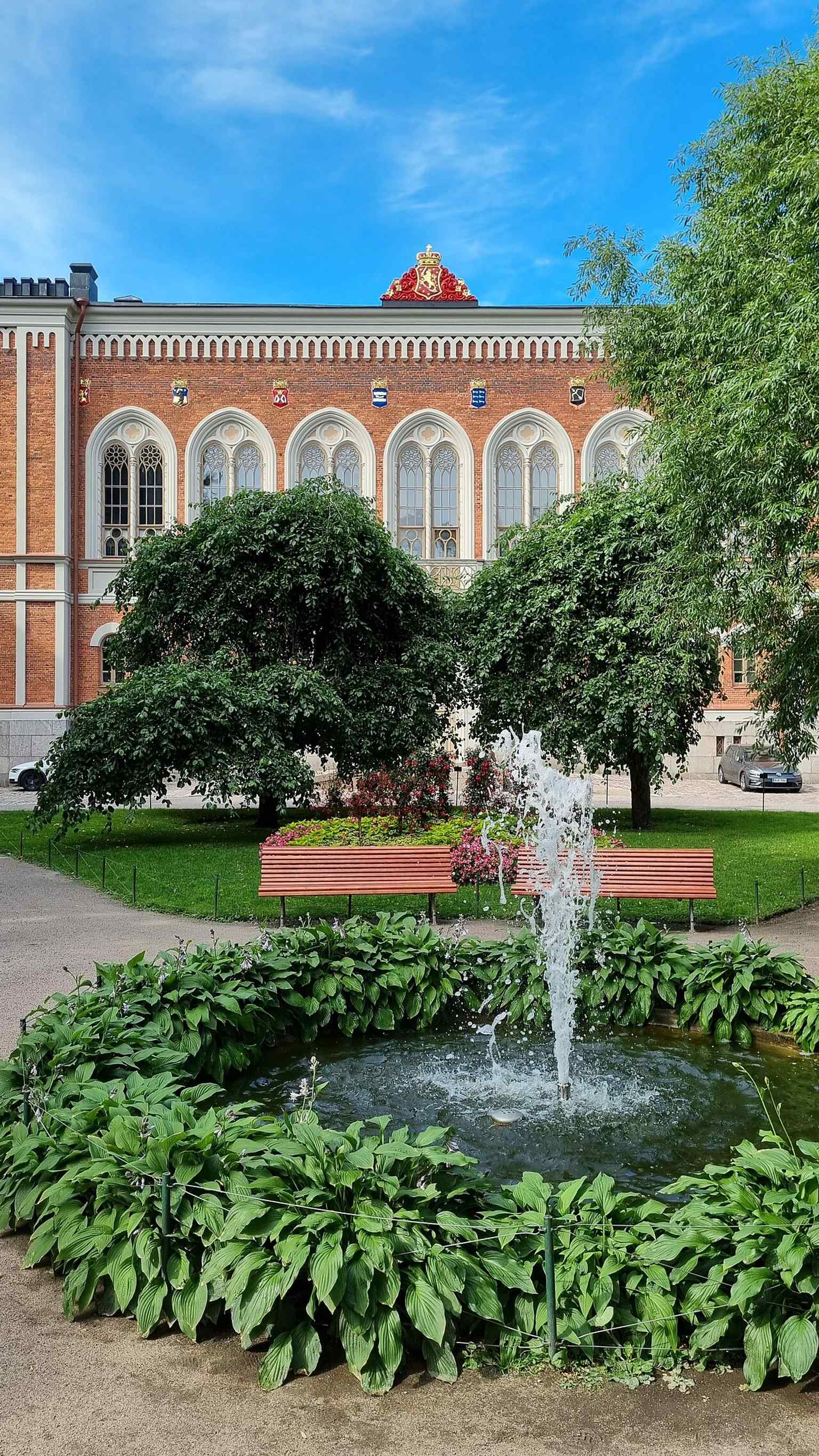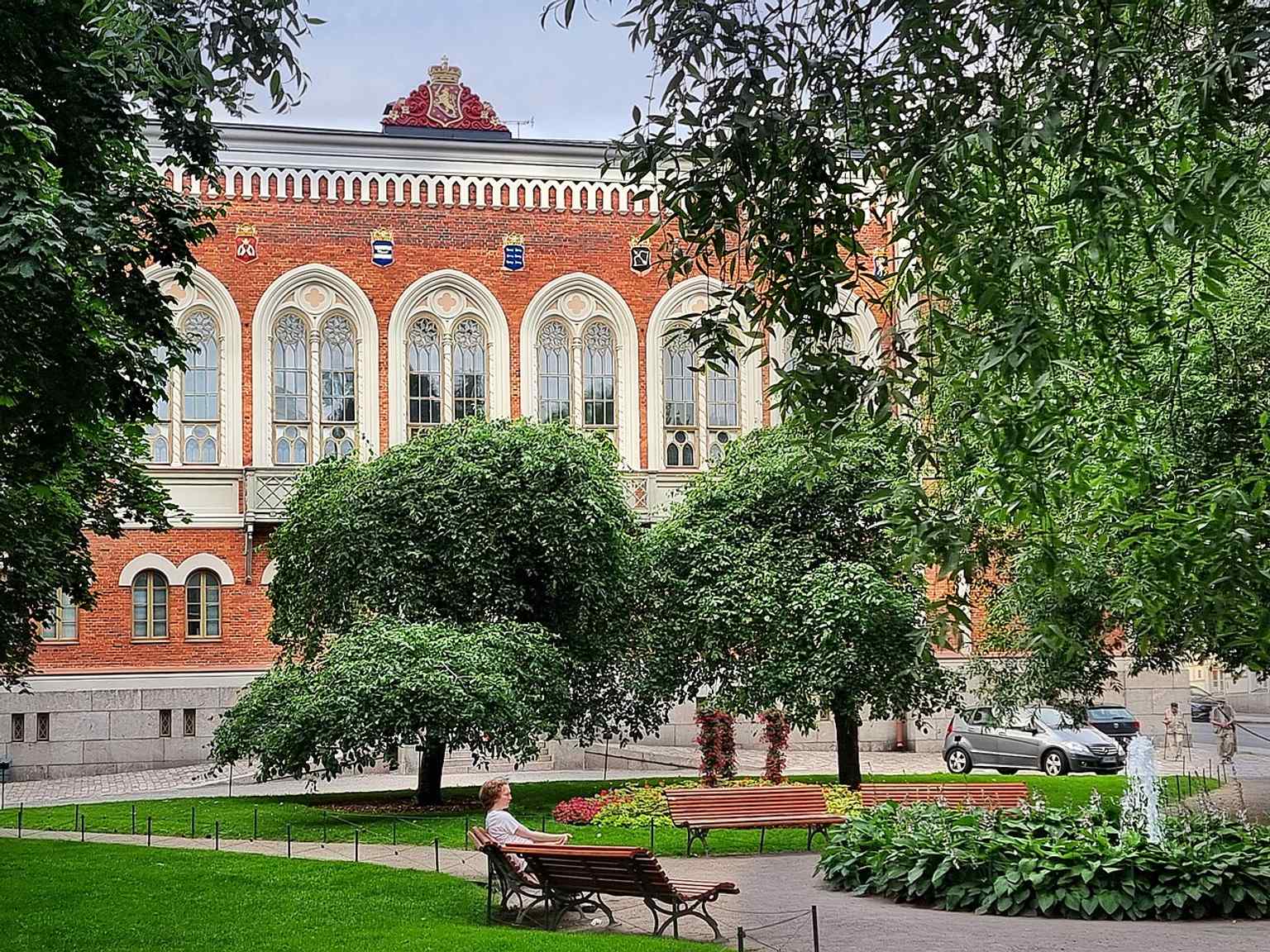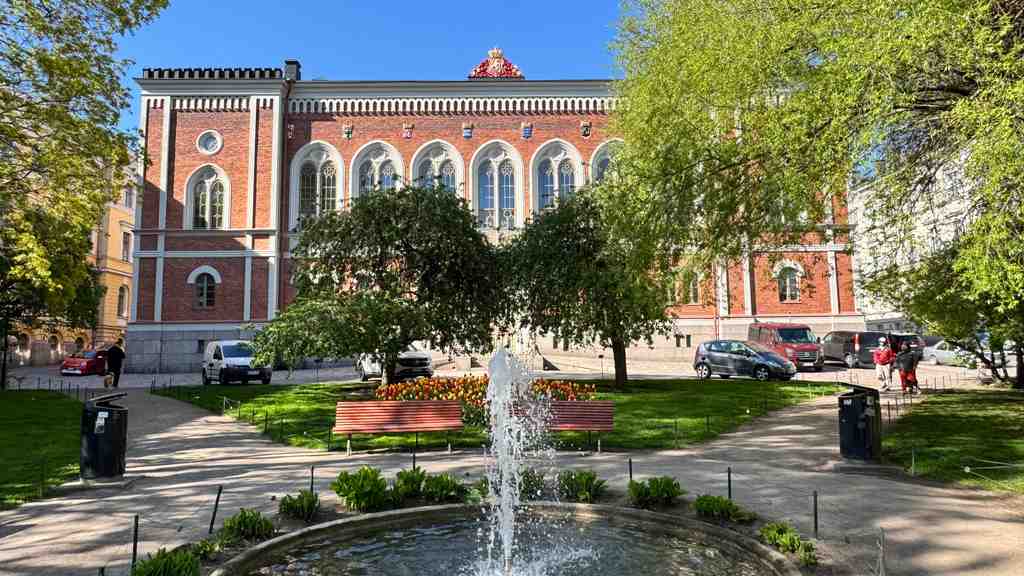
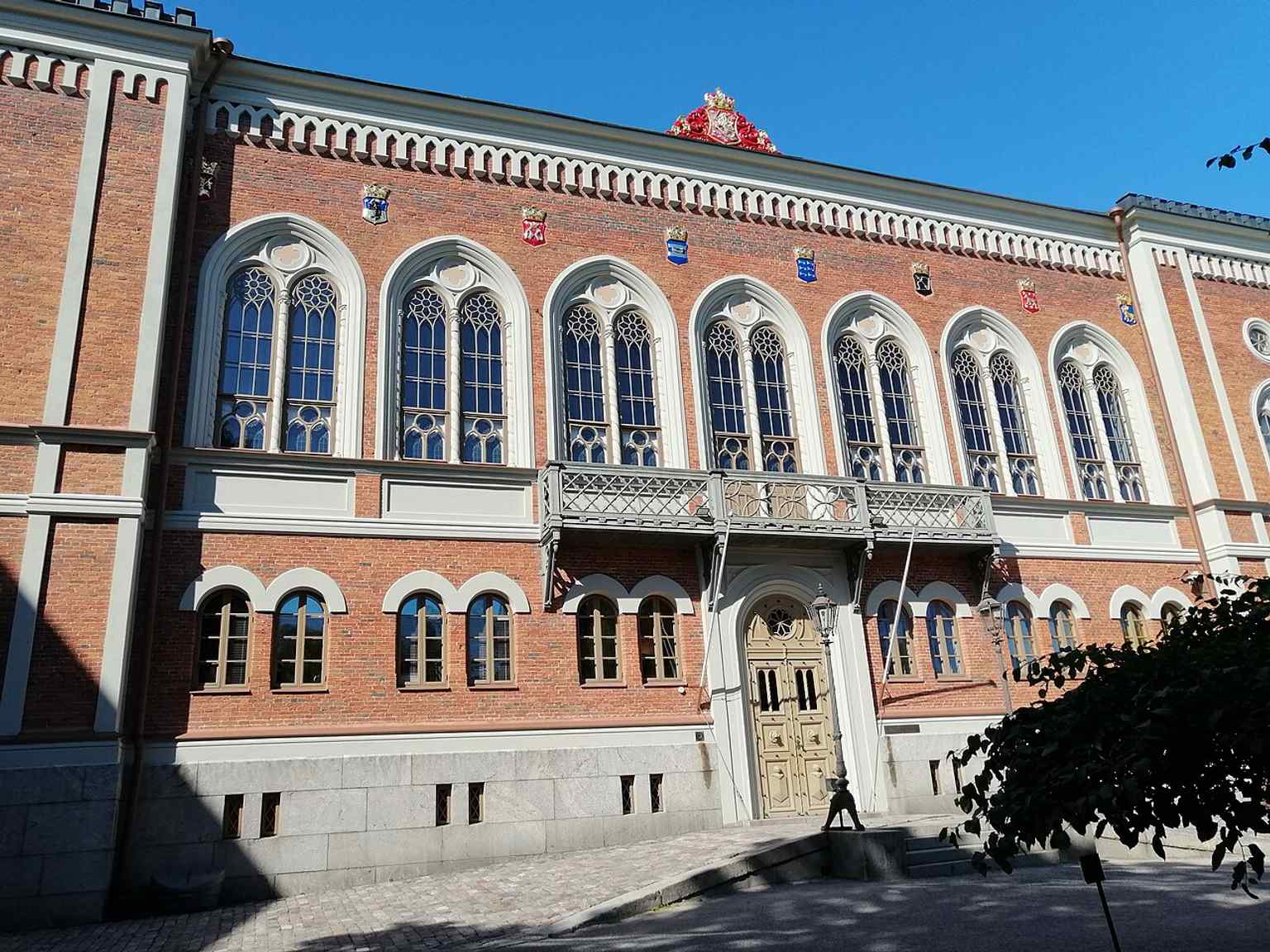
On your right rises a red-brick, castle-like hall with steep gables and pointed windows, marked by heraldic ornament over the entrance.
This is the House of Nobility, and few buildings in Helsinki tell you so plainly who once expected to be remembered forever. Noble identity lived through names, coats of arms, family lines, and meeting rituals... and this house gave all of that a body in brick.
Before Finland changed hands in the war of eighteen oh eight to eighteen oh nine, nobles from Finland gathered in Stockholm, at Sweden’s House of Nobility. Then the map shifted, the Russian Empire took Finland, and the new Grand Duchy began inventing its own institutions. In eighteen eighteen, Finland’s House of Nobility took shape as an institution. But an institution needs a stage. After Helsinki became the capital in eighteen twelve, the nobility secured this site near the imperial center, and here they built a home for rank itself.
The road to this building was long, proud, and a little anxious. Carl Ludvig Engel drew early plans, but he died before the project could move forward. Harald von Bosse proposed something too grand and too expensive. Ernst Lohrmann and Anders Fredrik Granstedt tried other versions. Then Georg Theodor von Chiewitz arrived with the design you see now, and in eighteen sixty-two he gave the nobility something enduring: Finland’s most important neo-Gothic building, made of exposed brick, not covered in plaster, with those elegant Venetian-style window groupings.
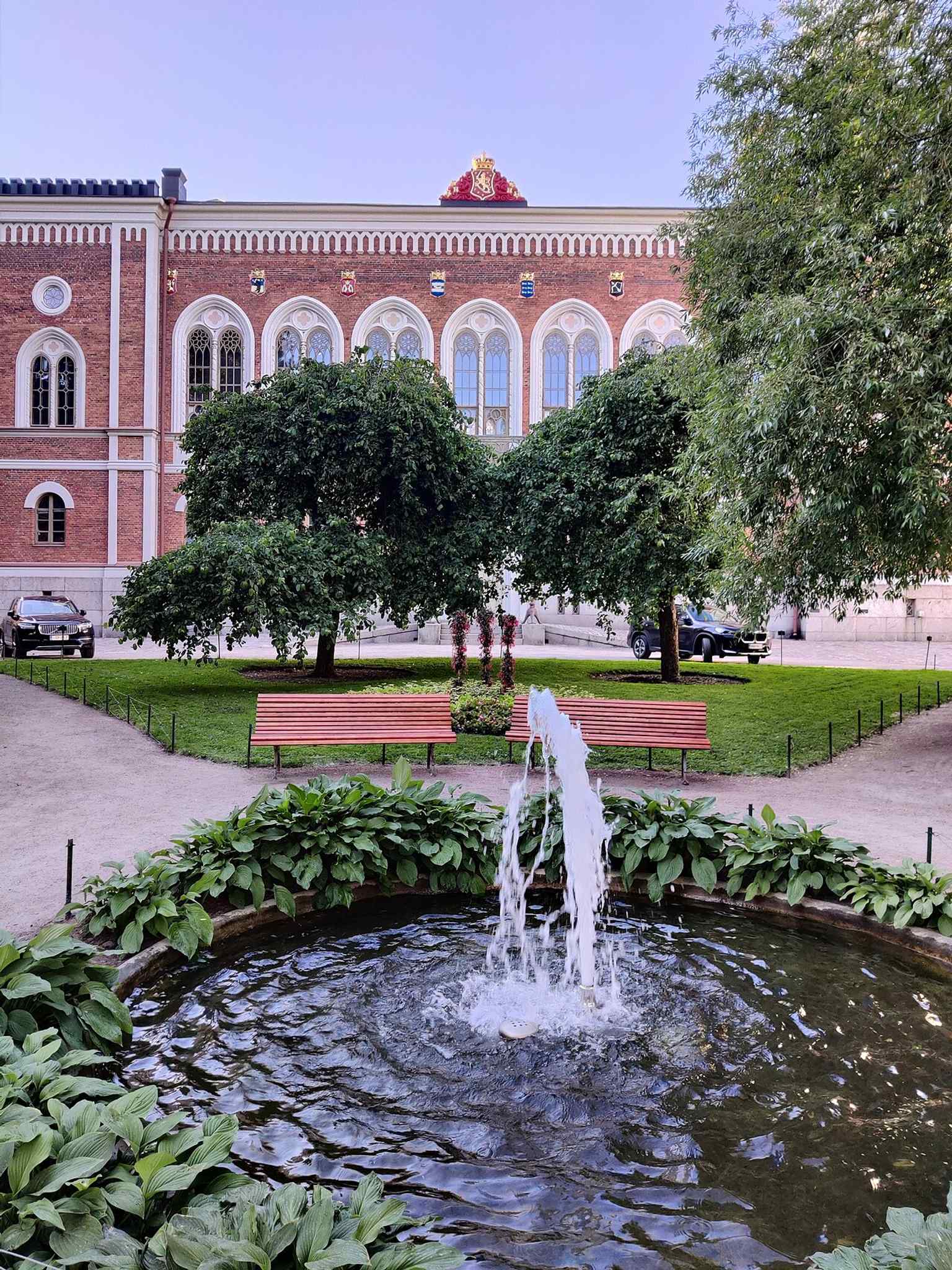
If you glance at the image on your screen, you can see how the little park softens the façade’s authority. That green margin was planned early, and it matters. This house never meant to feel merely useful; it meant to feel set apart.
Not every noble wanted it. Baron Axel Gustaf Mellin argued that the money should help poor noble widows and daughters instead. Nils Henrik Pinello called the project a tomb chamber fit only for bones. They were arguing over something larger than a building: whether aristocratic memory should feed the living or preserve itself in ceremony.
And preserve itself it did. From eighteen sixty-three to nineteen oh six, this house served as the meeting place of the noble estate in Finland’s old estate-based parliament. In the early sessions, when space ran short, the other estates gathered here too. So this became, for a time, the clearest stage set for that whole old order.
Look again at the front in the app image if you like. It still stands not as a dead relic but as a working institution, with archives, a library, and halls used for concerts and gatherings. Some groups build very strong memory machines... and this is one of them.
But the next struggle in this neighborhood turns away from inherited rank and toward language, scholarship, and the making of national culture. The Finnish Academy of Science and Letters is about a minute from here.