AudaTours logoAudaTours

Stop 10 of 16

Oleviste kogudus

headphones 03:55 Buy tour to unlock all 18 tracks
Oleviste kogudus
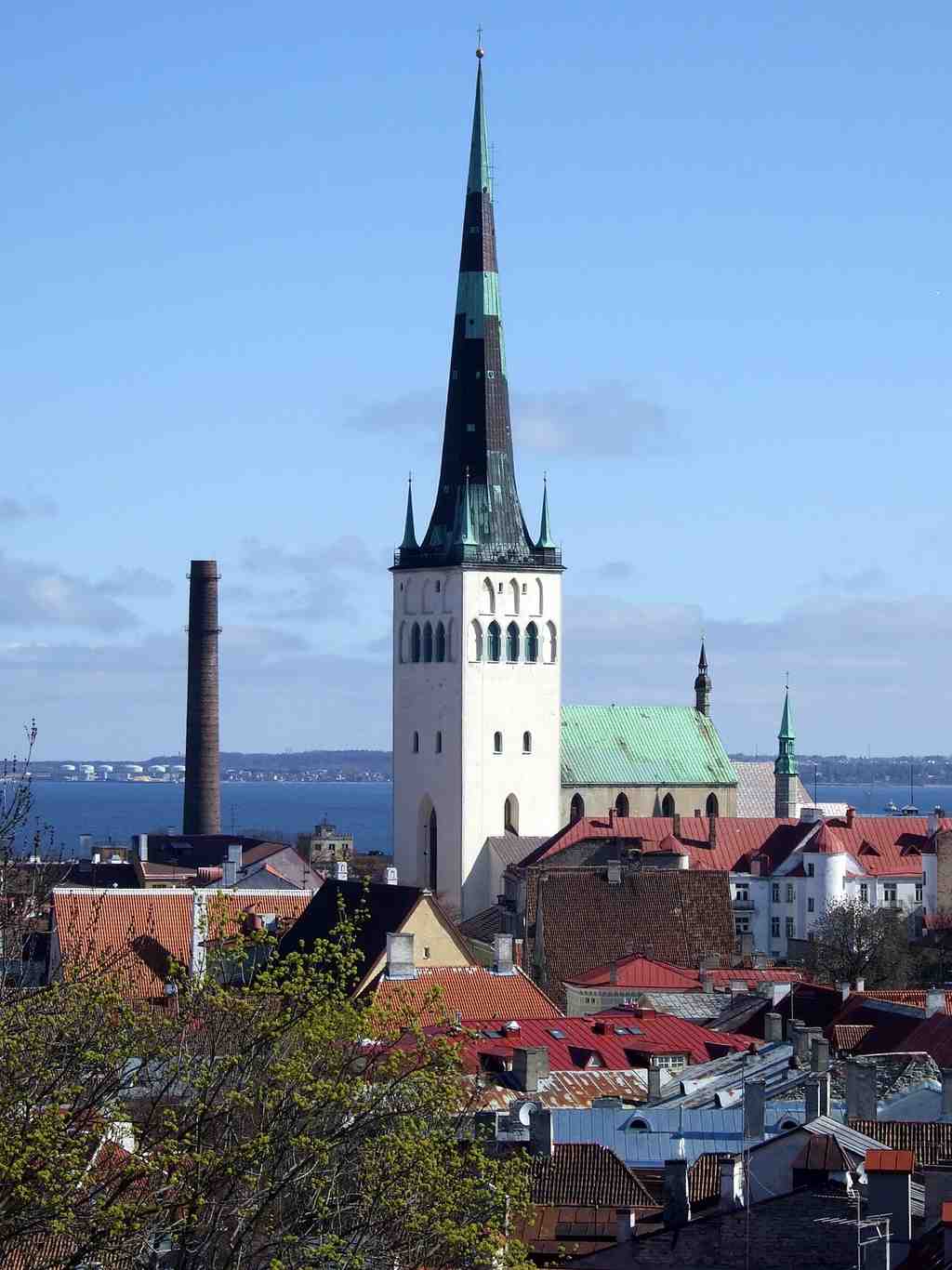
St. Olaf's Church, Tallinn
St. Olaf's Church, TallinnPhoto: Lennart Kjellman, Wikimedia Commons, CC BY-SA 3.0. Cropped & resized.

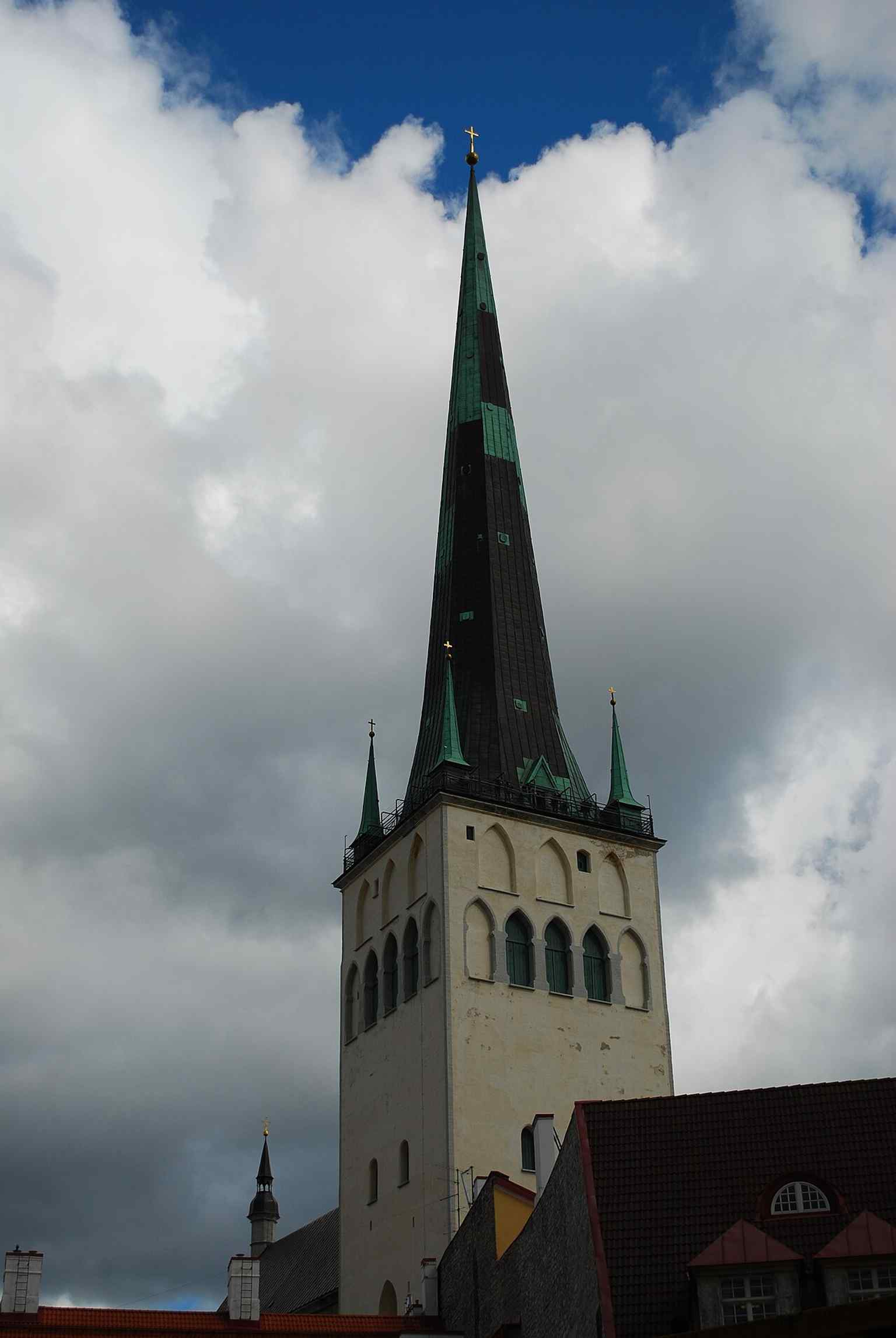
Look for the pale stone church with a long Gothic body and a needle-sharp dark spire, topped by a golden orb and cross, rising far above the surrounding roofs.

This is St. Olaf’s Church, or Oleviste... and it tells you something important about medieval Tallinn. This city did not only want protection. It wanted visibility. Traders from Scandinavia kept a trading yard here as early as the twelfth century, and the church that grew on this spot became their parish church, first recorded in the year twelve sixty-seven under the care of the Cistercian nuns of St. Michael. It took the name of Olaf Haraldsson, the Norwegian king who later became Saint Olaf.

And then Tallinn did what ambitious port cities tend to do... it built upward. In the fifteen hundreds, some sources claim this tower and spire reached about one hundred fifty-nine meters, which would have made it extraordinarily tall for its time. That is not modest faith. That is faith with a public relations department. Medieval edition.

A later city legend says a mysterious master builder named Olev raised the tower, and that townspeople tried to learn his name, while one version even drags the devil into the job. If you glance at the image in the app, that crown of orb and cross still looks a little like a dare.

It does make you wonder... did cities like this build so high only for God, or also to impress rivals, guide ships, and announce wealth to everyone approaching by sea? Oleviste did all three. Sailors could spot the spire from far away, and merchants would have read it like a sign: you’ve reached a city that means business.

One of the best human details comes from Balthasar Russow, the Tallinn chronicler. In the year fifteen forty-seven, he wrote that traveling tightrope walkers came to town, stretched a rope between this tower and the city wall, and performed tricks above the street. So this sacred tower also became a stage set for nerve, spectacle, and urban bragging rights. Tallinn, as ever, knew how to turn a symbol into a performance.

But height had a price. Lightning struck the spire at least a dozen times. Major fires followed in sixteen twenty-five, eighteen twenty, and nineteen thirty-one. The fire of nineteen thirty-one nearly cost the city the spire altogether before firefighters saved it with more modern equipment. Today the church stands at one hundred twenty-three point seven meters. There is a local tale that no Tallinn skyscraper may rise higher than that, though the planning department, killjoys that they are, never actually made such a rule.

The meaning of this place kept changing too. The Reformation in Tallinn began here on the fourteenth of September, fifteen twenty-four, and Oleviste became Lutheran. After the war, in nineteen fifty, authorities handed the building to a united Protestant congregation of Baptists, Evangelical Christians, Pentecostals, and Free Christians. Then, between nineteen seventy-eight and nineteen eighty, the church drew thousands from across the U-S-S-R during a charismatic revival before the authorities cracked down. So even here, under one roof, the question was never settled: who gets to define belief, respectability, and the public face of the city?

Now let your gaze come down from the spire toward the coast... because the harbor that rewarded this ambition also had to be defended. In about three minutes, we’ll head to Fat Margaret, where Tallinn’s skyline meets its sea walls. If you want to come back inside later, the church is generally open daily from ten in the morning to six in the evening.
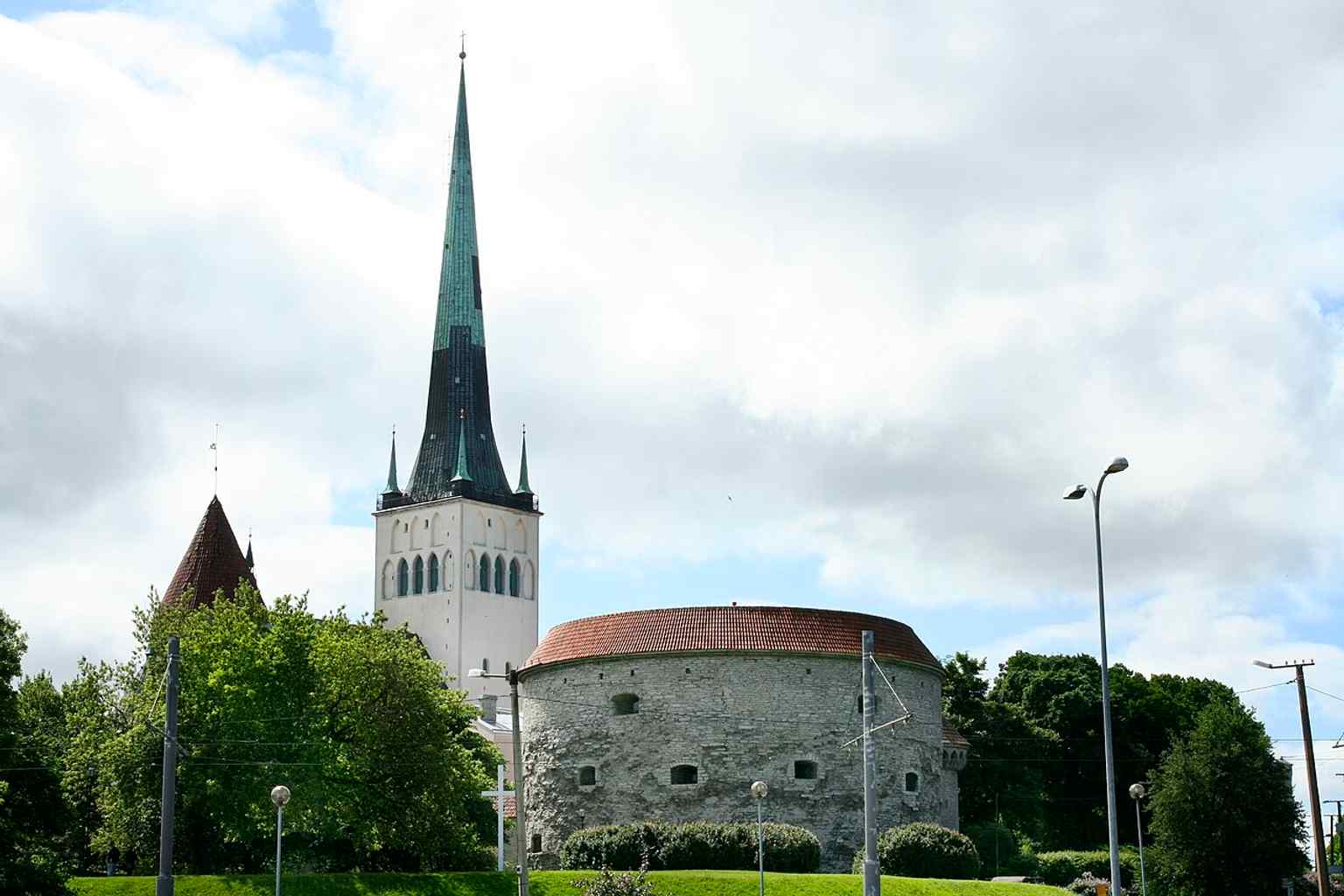
Seen near Fat Margaret and the Maritime Museum, this places St. Olaf’s in Tallinn’s historic harbor-edge cityscape.
Seen near Fat Margaret and the Maritime Museum, this places St. Olaf’s in Tallinn’s historic harbor-edge cityscape.Photo: E.Kanash, Wikimedia Commons, CC BY-SA 3.0 ee. Cropped & resized.
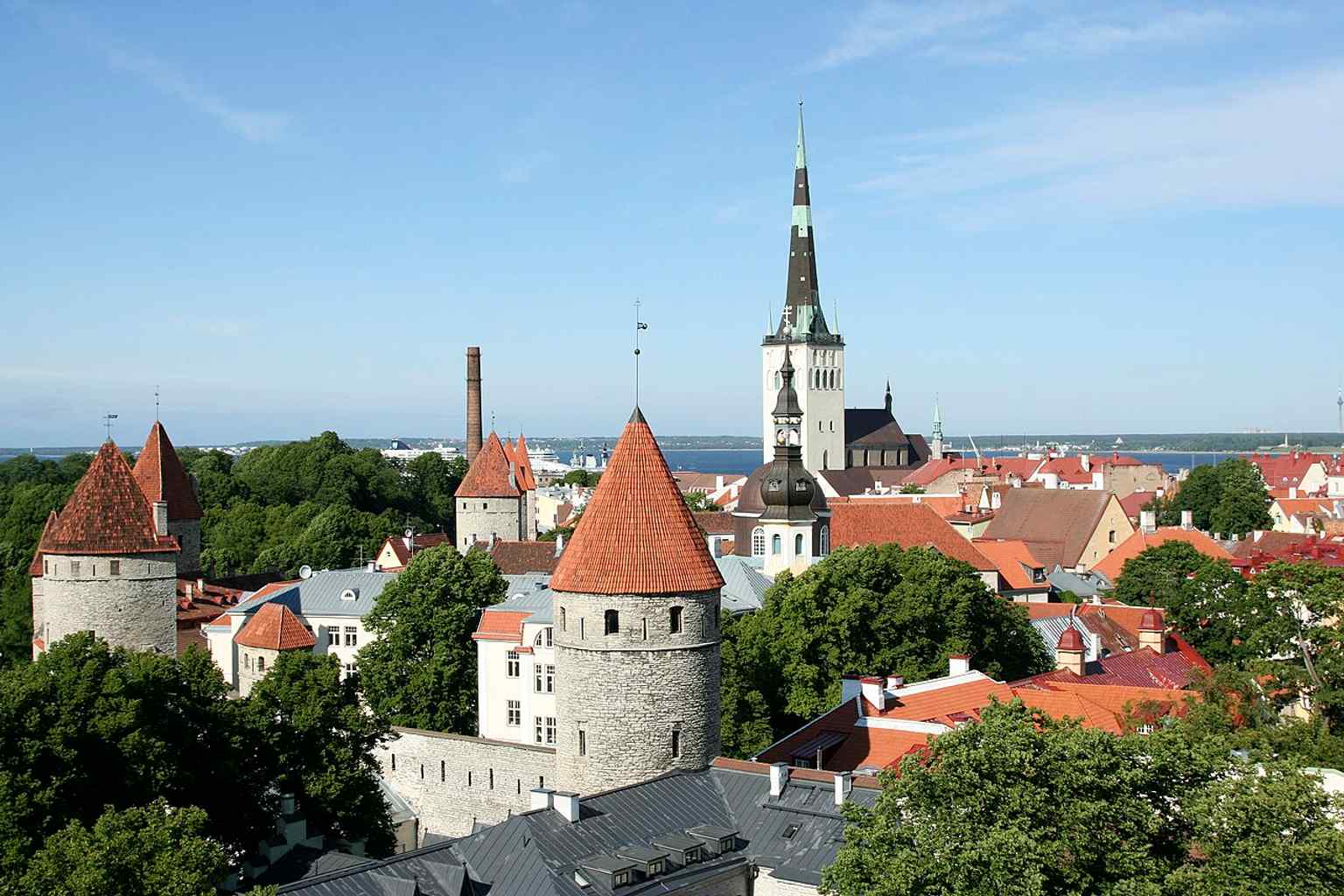
A side view from Patkuli that shows how the church rises above the old town rooftops like a navigational beacon.
A side view from Patkuli that shows how the church rises above the old town rooftops like a navigational beacon.Photo: E.Kanash, Wikimedia Commons, CC BY-SA 3.0 ee. Cropped & resized.
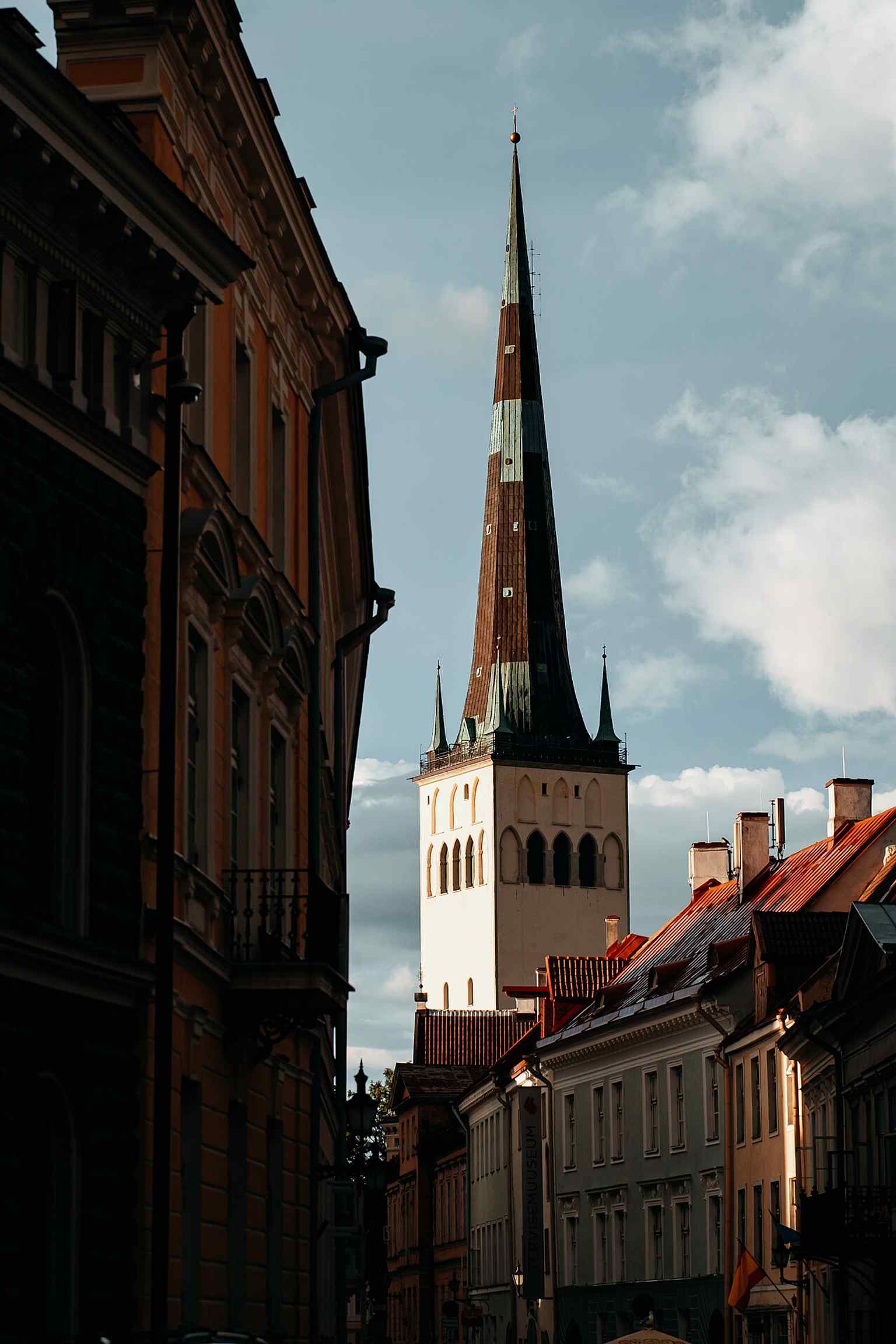
The tower close-up highlights the soaring spire that once made St. Olaf’s one of the tallest buildings in the world.
The tower close-up highlights the soaring spire that once made St. Olaf’s one of the tallest buildings in the world.Photo: Andrei Stroe, Wikimedia Commons, CC BY-SA 3.0 ee. Cropped & resized.
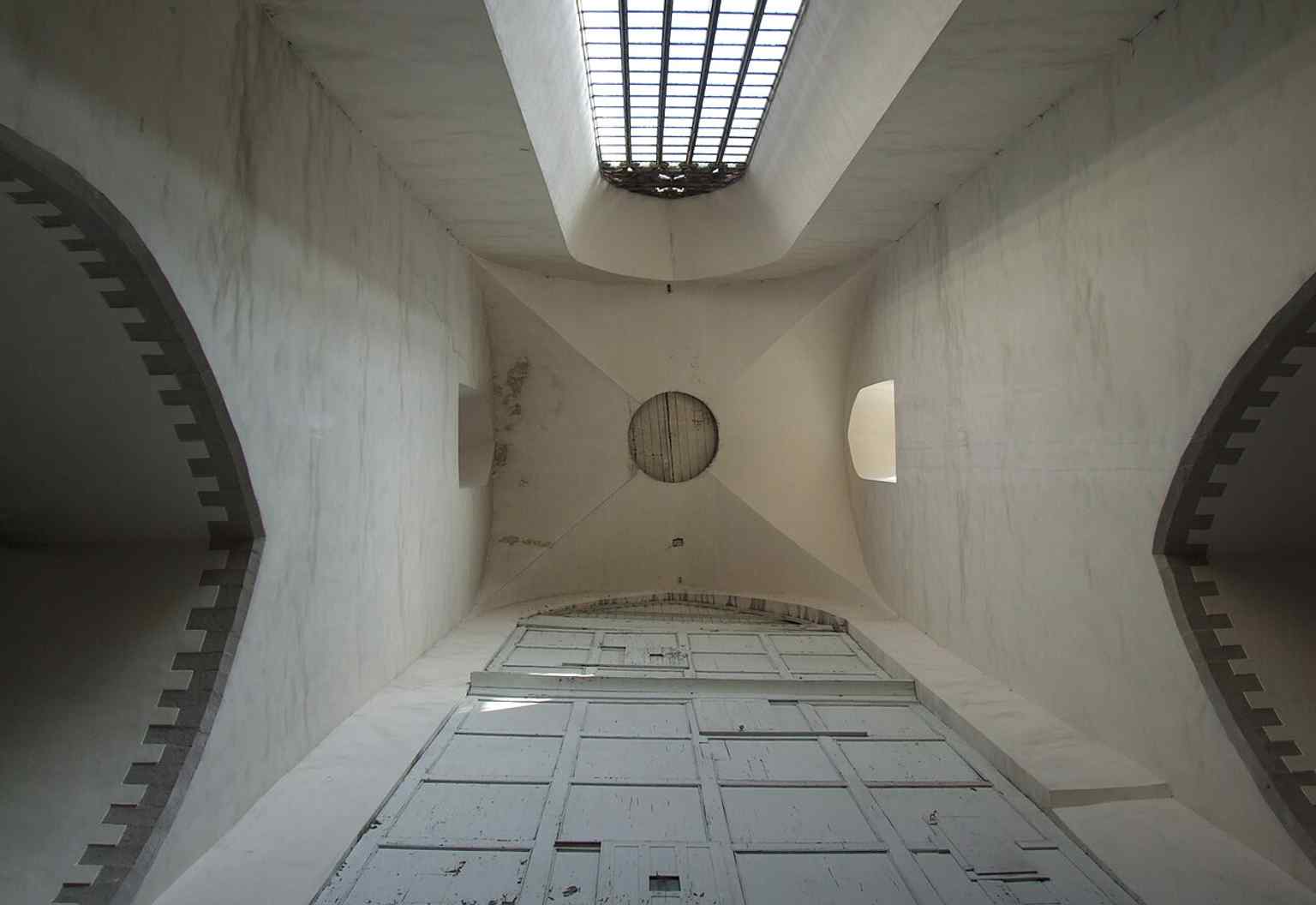
Inside the tower, the narrow climb hints at the church’s famous viewing platform high above Tallinn.
Inside the tower, the narrow climb hints at the church’s famous viewing platform high above Tallinn.Photo: Pudelek (Marcin Szala), Wikimedia Commons, CC BY-SA 3.0 ee. Cropped & resized.
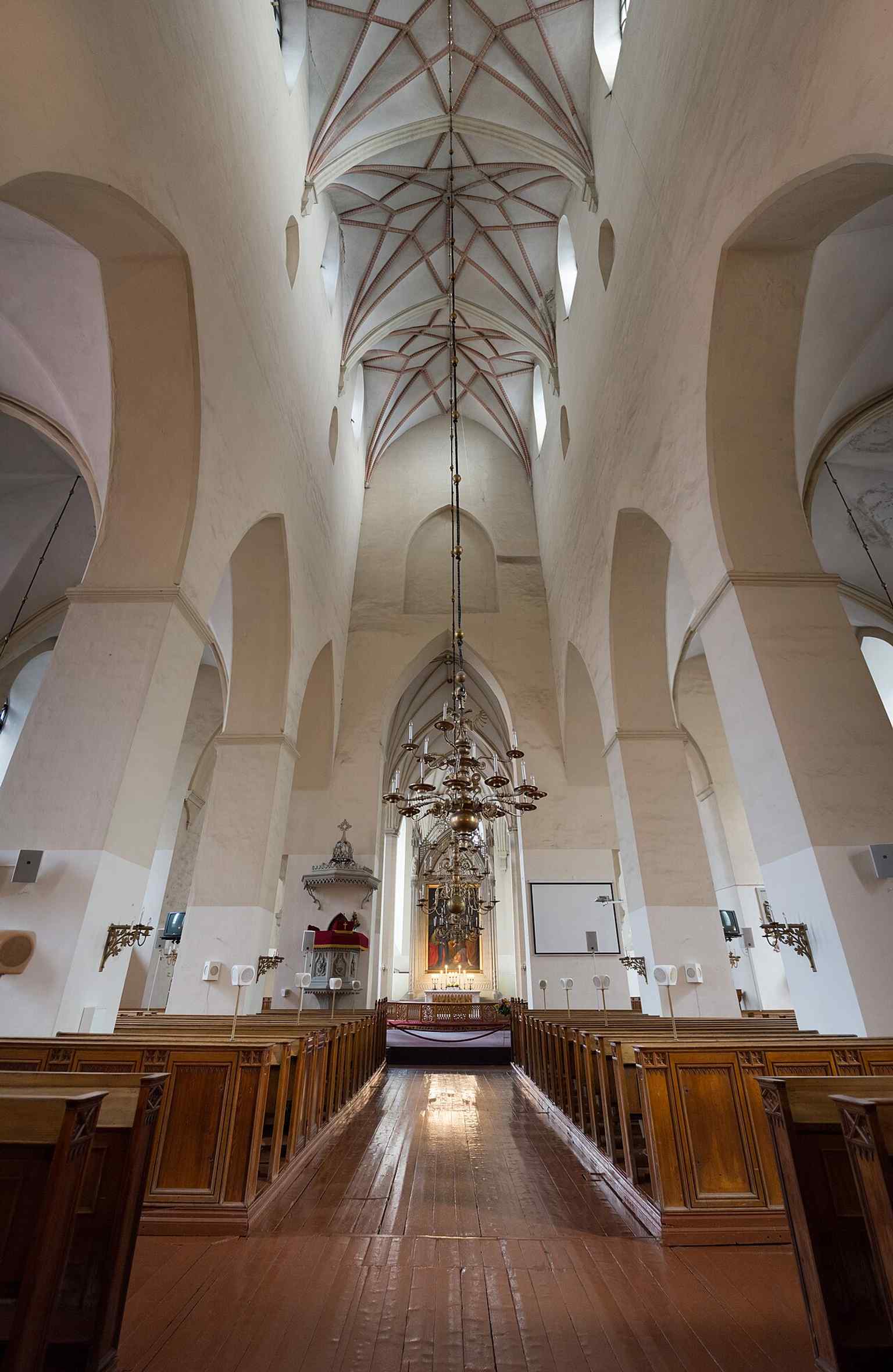
A richly detailed interior view from 2013, showing the worship space used today by the Oleviste Baptist congregation.
A richly detailed interior view from 2013, showing the worship space used today by the Oleviste Baptist congregation.Photo: Thoodor, Wikimedia Commons, CC BY-SA 3.0 ee. Cropped & resized.
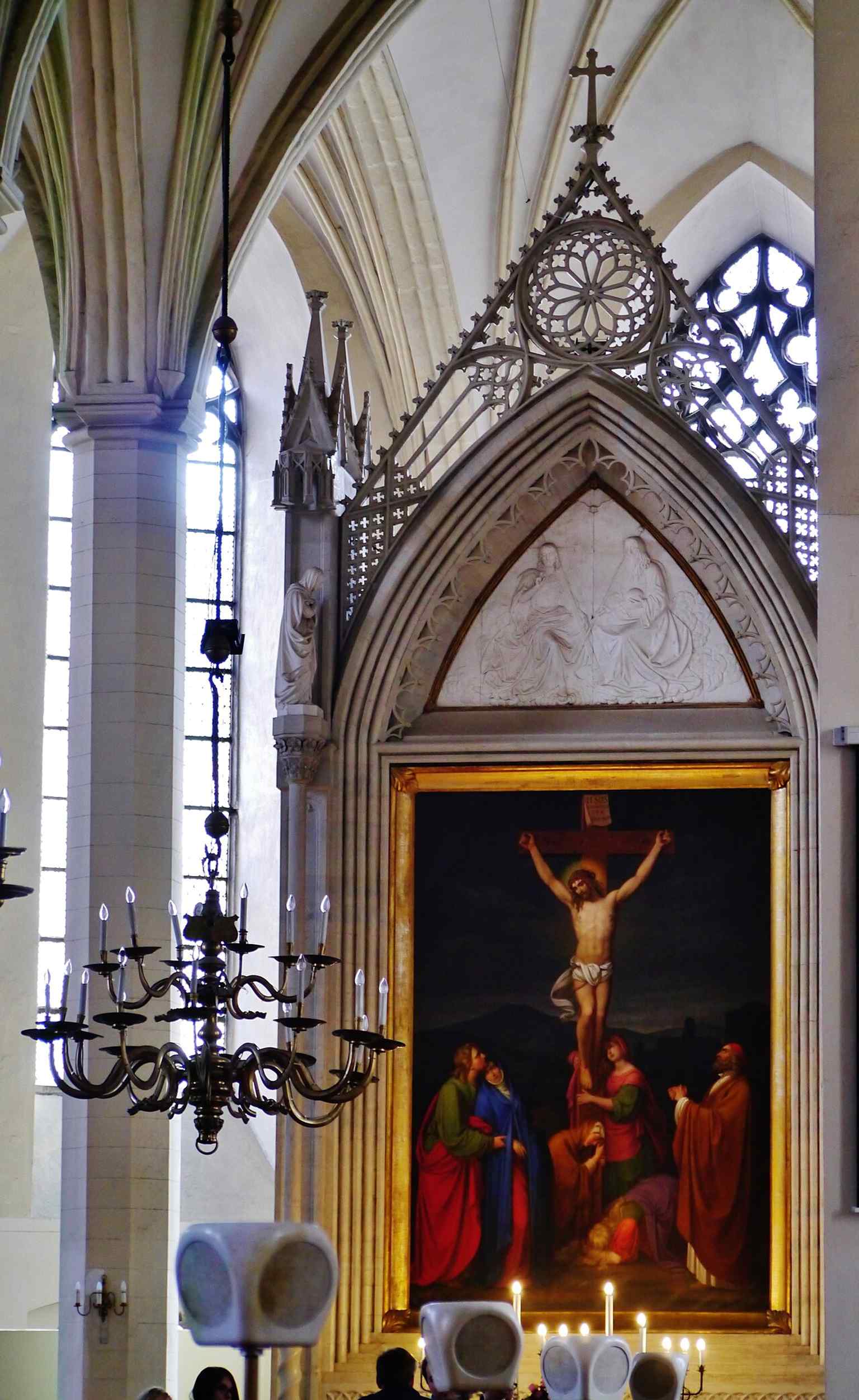
The altar inside St. Olaf’s Church, part of the postwar Protestant interior that supports modern worship.
The altar inside St. Olaf’s Church, part of the postwar Protestant interior that supports modern worship.Photo: Zairon, Wikimedia Commons, CC BY-SA 4.0. Cropped & resized.
A panoramic view of the church in Tallinn, reflecting its role as a landmark visible across the Old Town.
A panoramic view of the church in Tallinn, reflecting its role as a landmark visible across the Old Town.Photo: Vitbaisa, Wikimedia Commons, CC BY-SA 4.0. Cropped & resized.
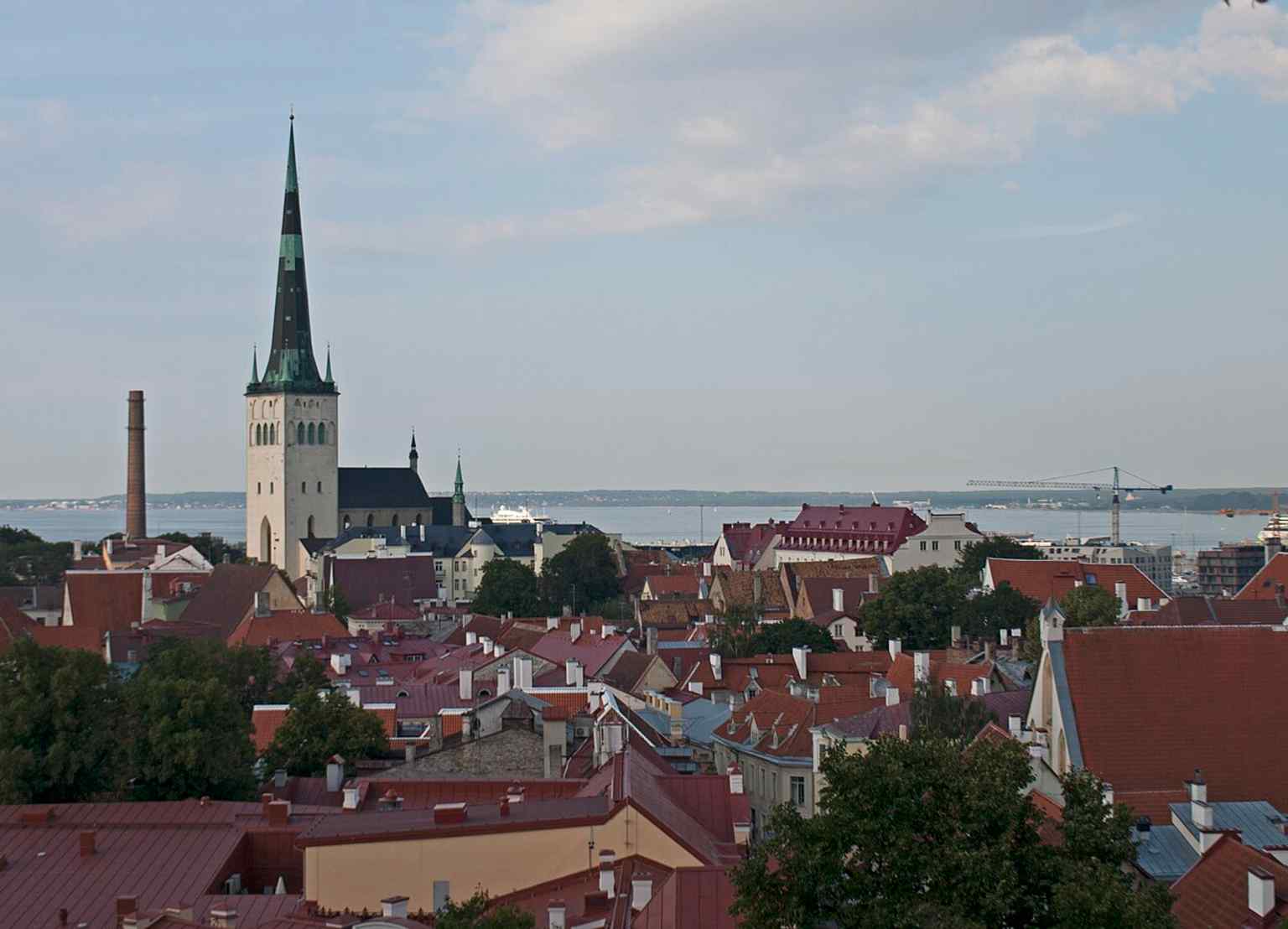
Seen from Kohtuotsa viewing platform, the church’s tower still stands out as the Old Town’s most recognizable vertical accent.
Seen from Kohtuotsa viewing platform, the church’s tower still stands out as the Old Town’s most recognizable vertical accent.Photo: Ymblanter, Wikimedia Commons, CC BY-SA 4.0. Cropped & resized.
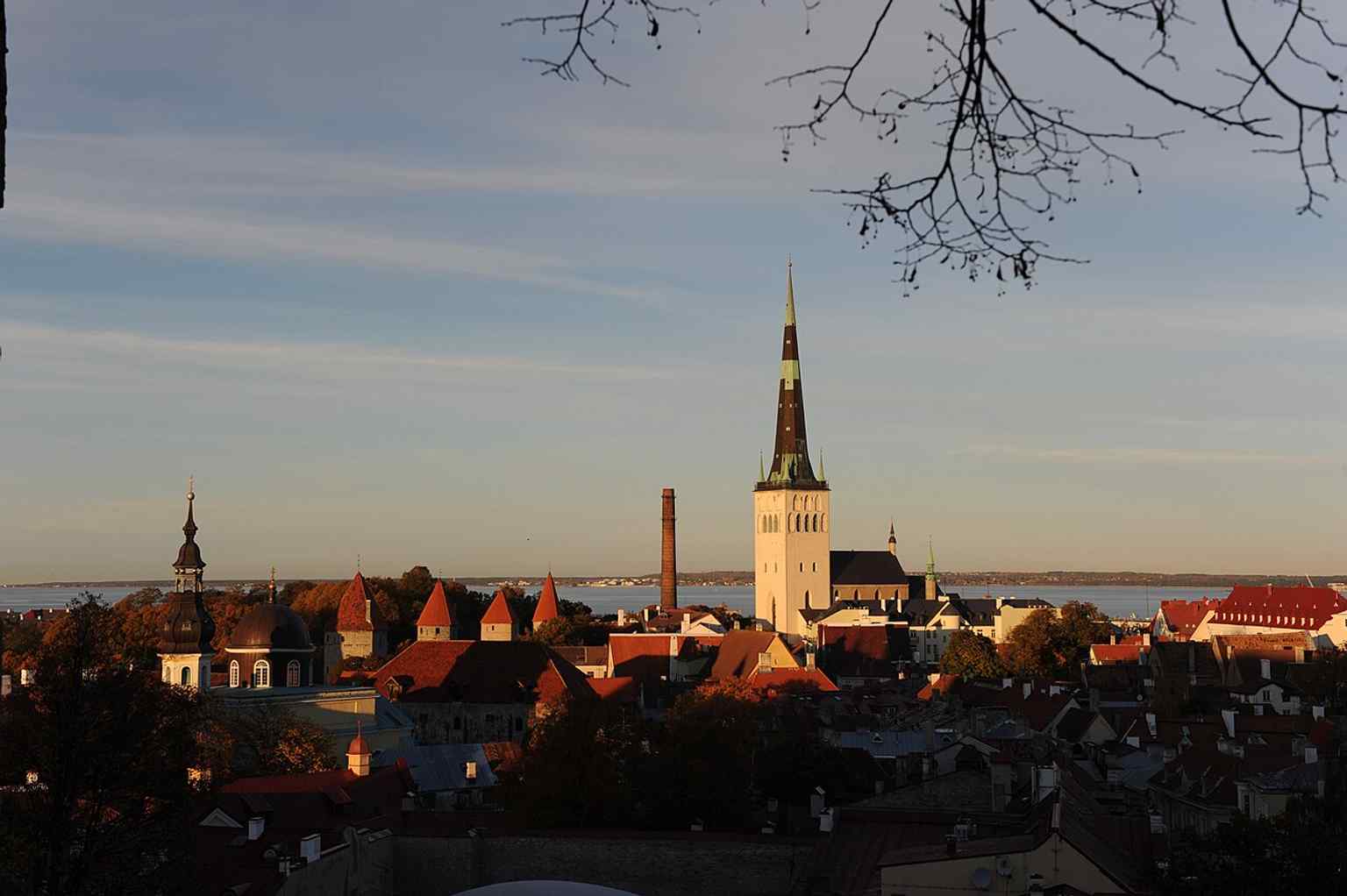
At sunset, the tower glows above the historic rooftops, echoing the church’s long role as a city beacon.
At sunset, the tower glows above the historic rooftops, echoing the church’s long role as a city beacon.Photo: Ander Iva, Wikimedia Commons, CC BY-SA 4.0. Cropped & resized.
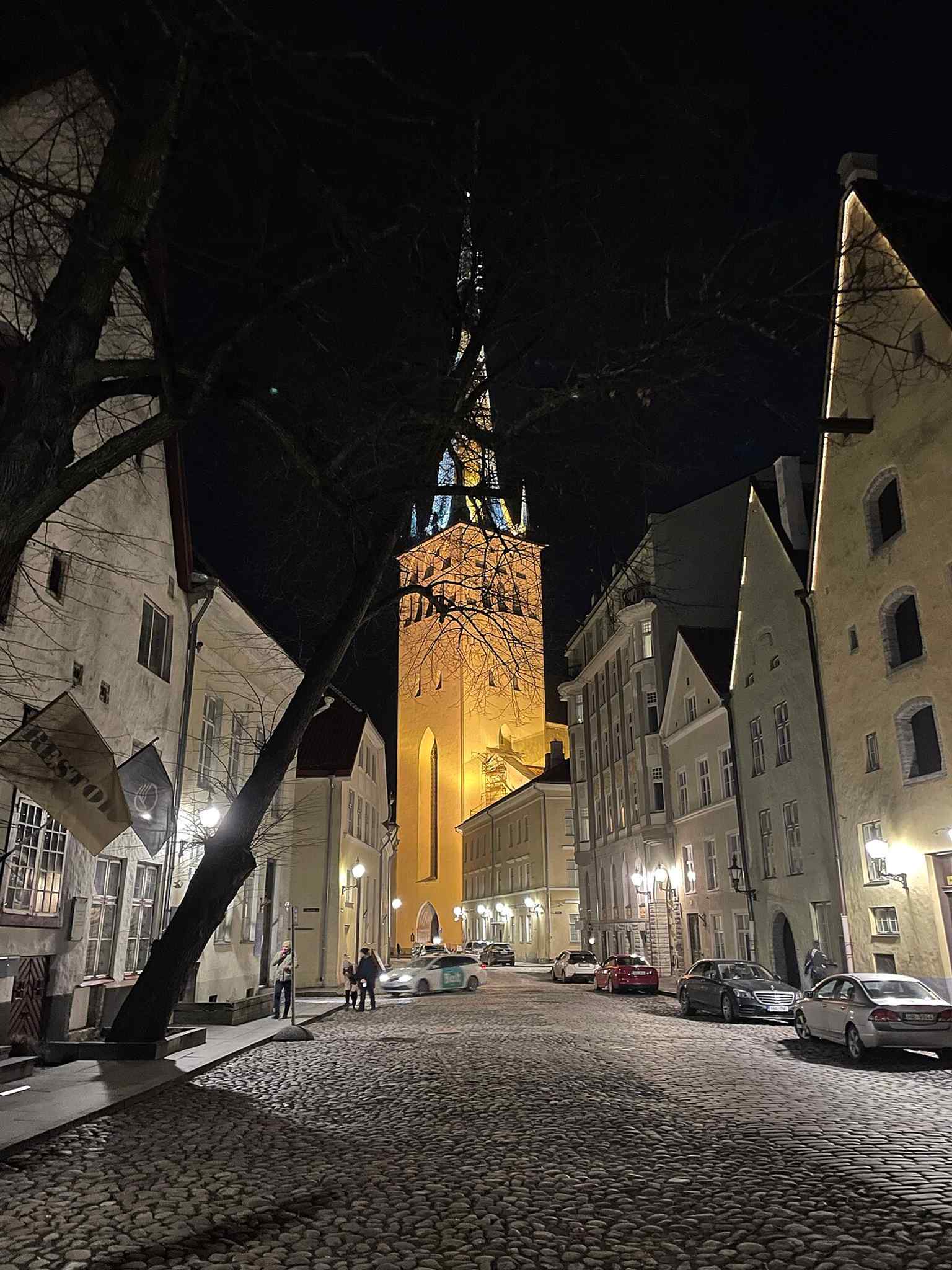
St. Olaf’s at night on Lai Street shows the church as a dramatic presence in Tallinn after dark.
St. Olaf’s at night on Lai Street shows the church as a dramatic presence in Tallinn after dark.Photo: HartOve, Wikimedia Commons, CC BY-SA 4.0. Cropped & resized.
arrow_back Back to Tallinn Highlights Audio Tour: Medieval Marvels
Loved by travellers

Thousands of tours started.
Plenty of opinions.

4.8 across the App Store and Google Play. Here's a few we keep coming back to.

starstarstarstarstar
This was a solid way to get to know Brighton without feeling like a tourist. The narration had depth and context, but didn't overdo it.
Christoph
Christoph
Brighton Tour
starstarstarstarstar
Started this tour with a croissant in one hand and zero expectations. The app just vibes with you, no pressure, just you, your headphones, and some cool stories.
download Get the app

Pop your headphones in.
Step outside.

Free to download. Tours in every city. Start in 60 seconds — no account, no card.

Download on the App StoreGet it on Google Play
starstarstarstarstar_half
4.8
AudaTours app icon
headphones
~ 4 min until your first tour starts
public
1,000+ cities worldwide
all_inclusive
AudaTours
Unlimited

Every tour. Every city. One subscription.

3101 tours2271 cities138 countries50+ languages