AudaTours logoAudaTours

Stop 7 of 16

Church of St. Thomas

Church of St. Thomas
Church of St. Thomas (Brno)
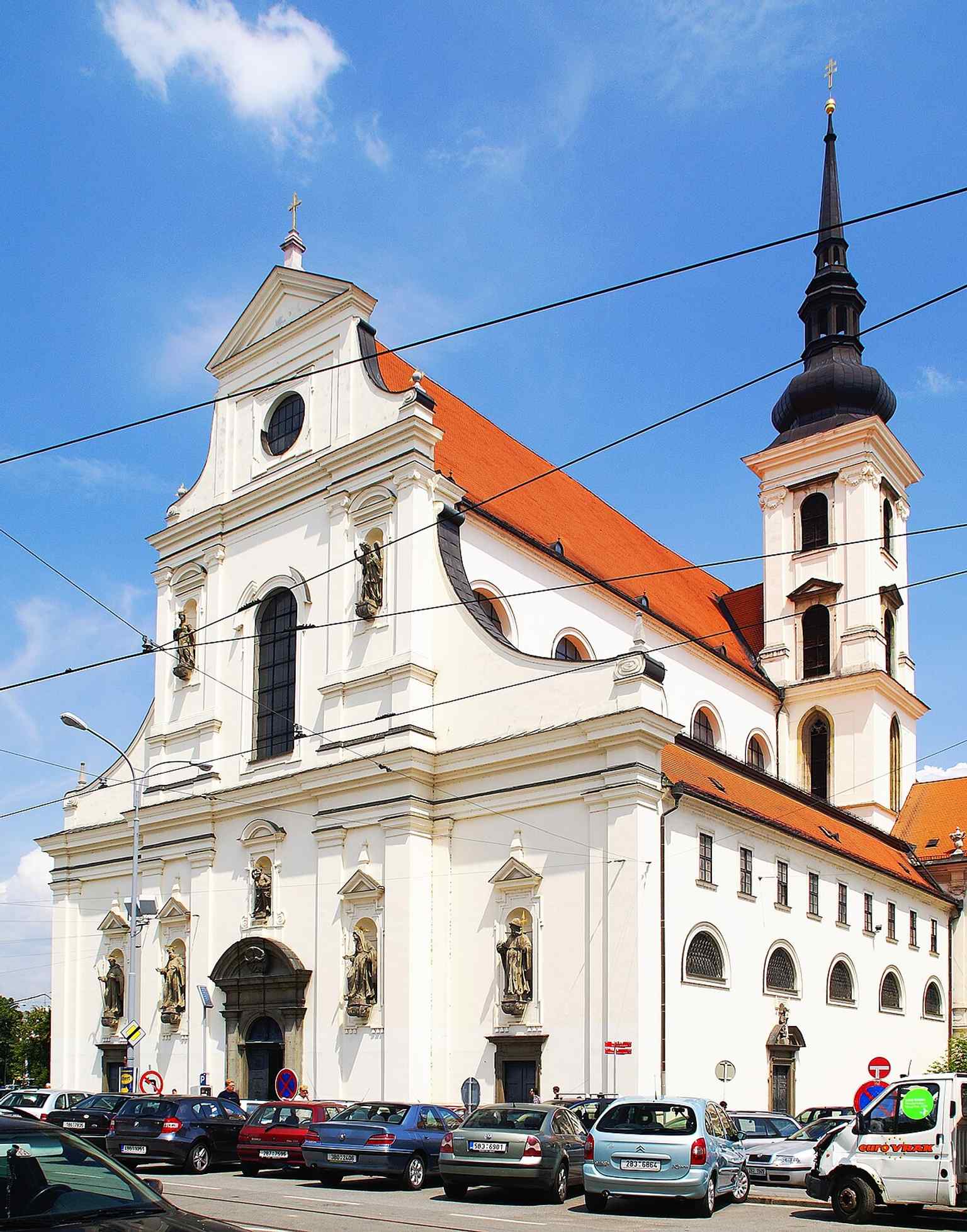
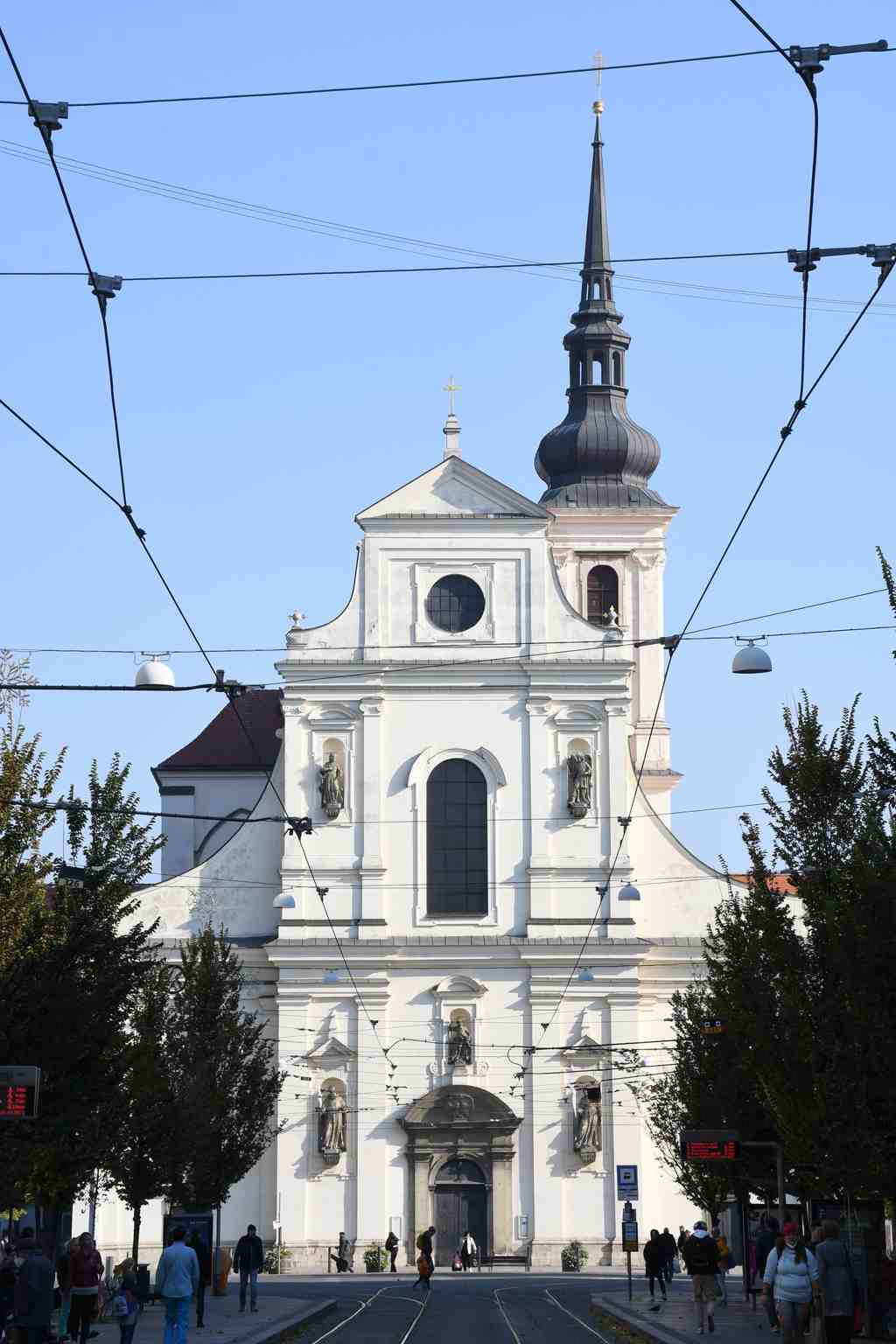
Church of St. Thomas (Brno)Photo: Ben Skála, Benfoto, Wikimedia Commons, CC BY-SA 4.0. Cropped & resized.

Look for a pale stone Baroque façade with a tall triangular gable, broad arched windows, and saint statues set across the front like a very serious family portrait.

This is the Church of Saint Thomas... and despite the name, the story outside these walls is not only about monks and prayer. It is also about memory, inheritance, and who gets to write themselves into a city for centuries.

Moravian margrave Jan Jindřich founded the Augustinian monastery here in the year thirteen fifty. He wanted a church, yes... but he also wanted a dynasty to remember itself properly. That is Luxembourg dynastic memory in stone: a sacred place doubling as a family archive, a claim to legitimacy with an altar attached. He died before the project finished, in thirteen seventy-five, and they buried him in the presbytery, the space around the main altar, along with his two wives, Margaret of Austria and Margaret of Opava.

His son Jošt took over the task and left his own mark just as firmly. He paid for the completion, later became King of the Romans in 1410, and ended up buried here too, in the tomb before the high altar. With Jošt, you can feel how Brno’s churches were never just shelters for devotion. They were also stages for power... quieter than a town hall, but often more durable.

At the consecration in thirteen fifty-six, Emperor Charles the Fourth attended and gave the monastery a thirteenth-century panel painting of the Madonna. Over time, that image became the Svatotomská Madonna, honored as the Gemma Moraviae, the Jewel of Moravia, and even the Palladium of Brno, a kind of sacred protector. If you open the interior photo on your screen, you can get a sense of the rich black-and-gold world that later grew around that older devotion.
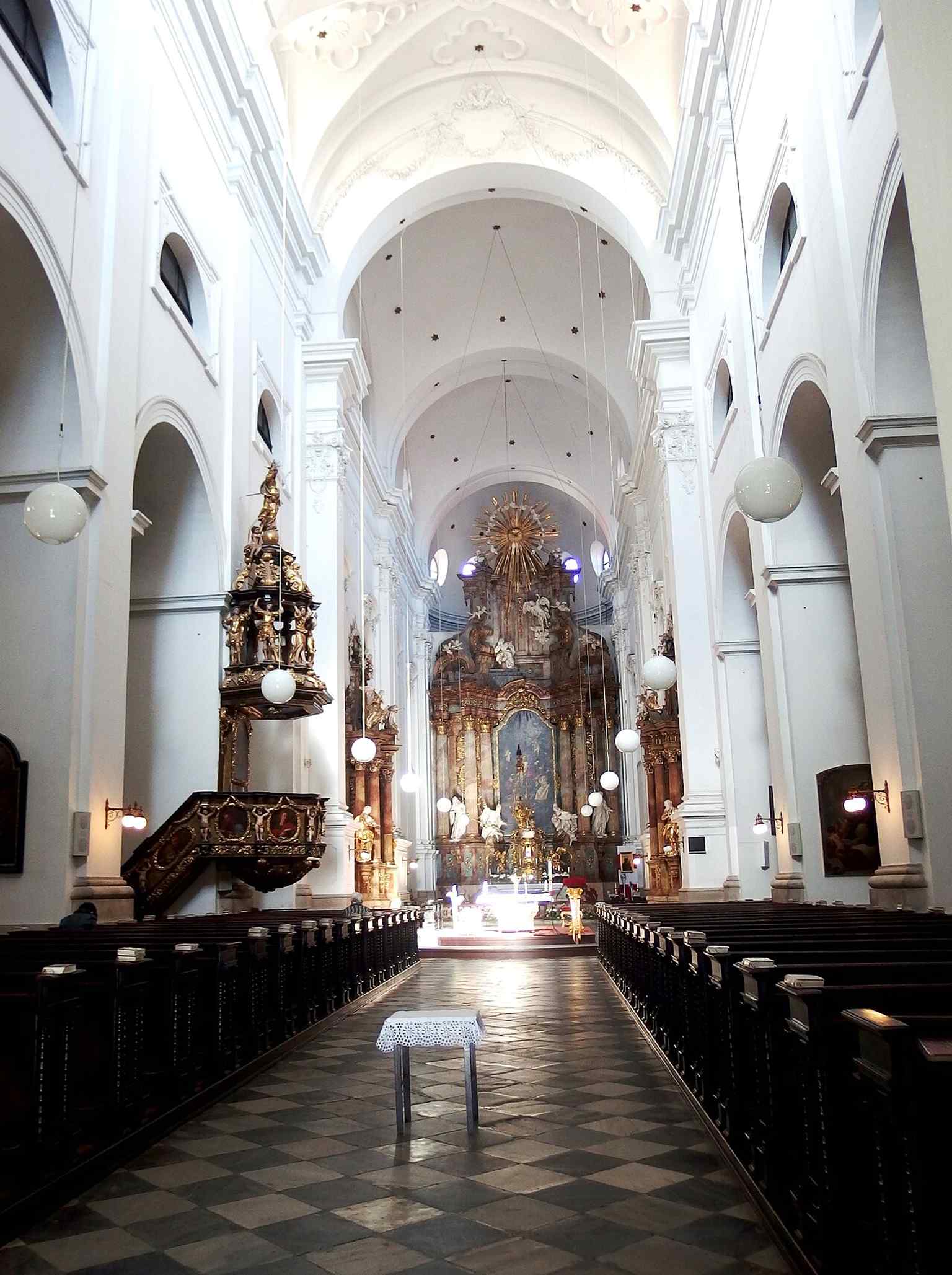
A general interior view that helps convey the church’s richly Baroque atmosphere.
A general interior view that helps convey the church’s richly Baroque atmosphere.Photo: Palickap, Wikimedia Commons, CC BY-SA 4.0. Cropped & resized.

The church you see now carries scars and repairs from repeated blows. Hussite forces damaged it badly in fourteen twenty-eight. More wars hurt it again, fire followed in fifteen hundred, and the Swedes arrived in sixteen forty-five because apparently the building had not yet suffered enough. From sixteen sixty-one, Jan Křtitel Erna led a major Baroque rebuilding, widening the old Gothic plan into a three-aisled church with shallow side chapels, and giving this western front its theatrical confidence.

Most people never notice the bell. Hanging above is a giant from thirteen ninety-three, more than seven tons of bronze and one of the oldest bells in Brno. Specialists have pointed out, a little wearily, that it remained oddly underappreciated for ages.

And if you want a quick sense of how the city kept remaking the space around it, take a look at the comparison image in the app.

So this church keeps more than faith alive. It keeps a family’s bid to anchor itself in Brno’s story. In about two minutes, we’ll see that story continue at the Governor’s Palace.
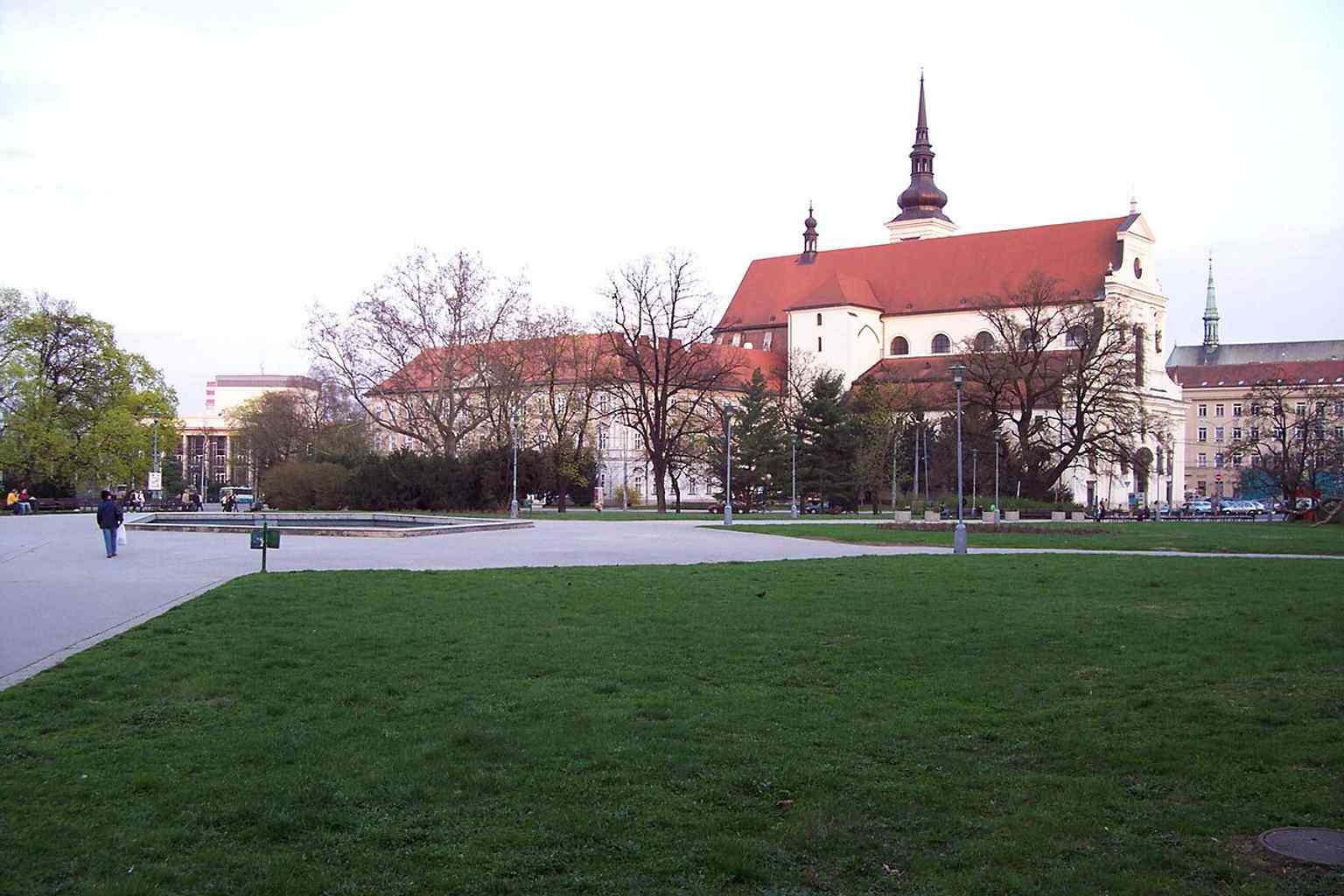
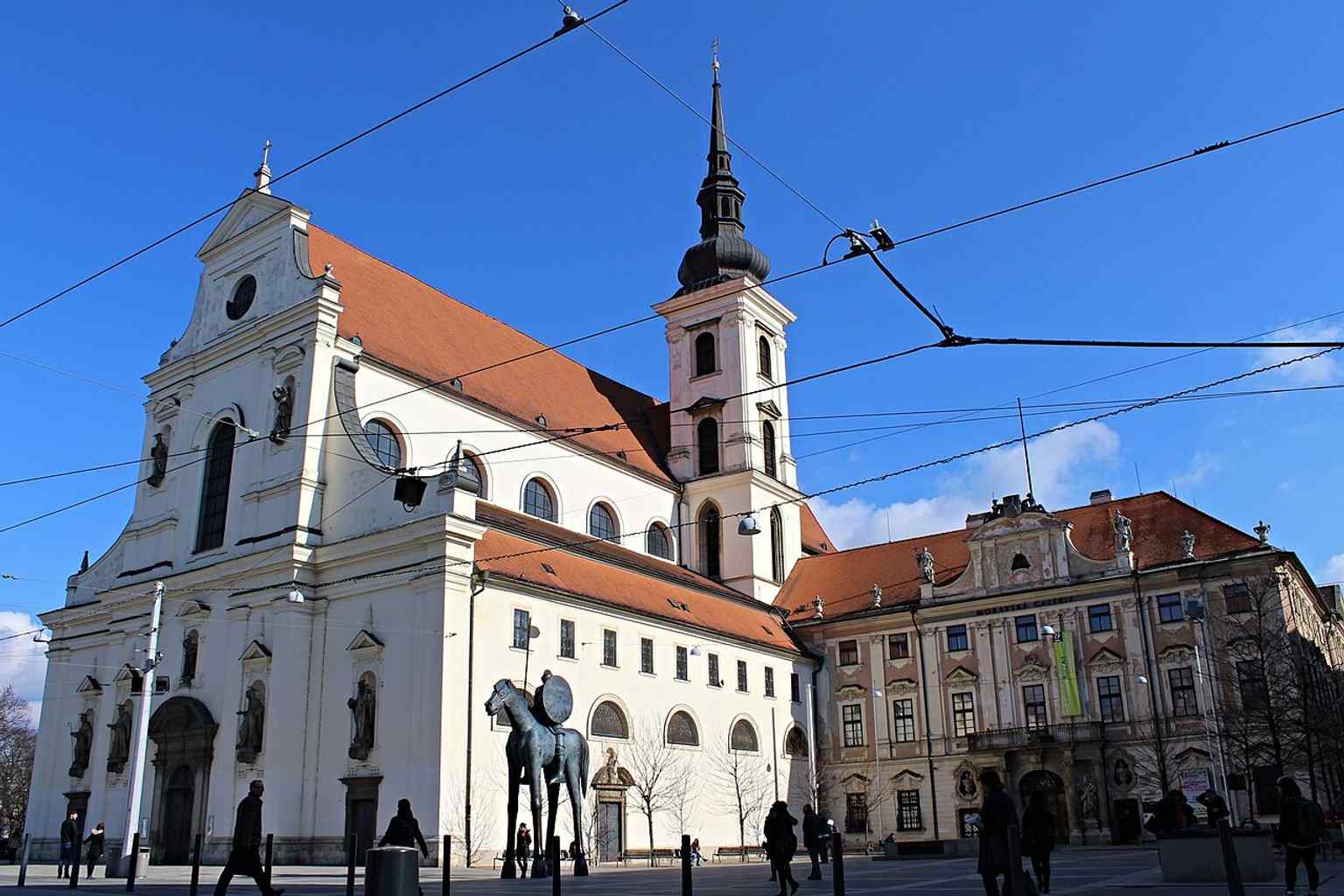
A classic view across Moravian Square, placing St. Thomas’s Church in the heart of Brno’s civic center.
A classic view across Moravian Square, placing St. Thomas’s Church in the heart of Brno’s civic center.Photo: Kirk. Original uploader was Aktron at cs.wikipedia, Wikimedia Commons, CC BY-SA 3.0. Cropped & resized.
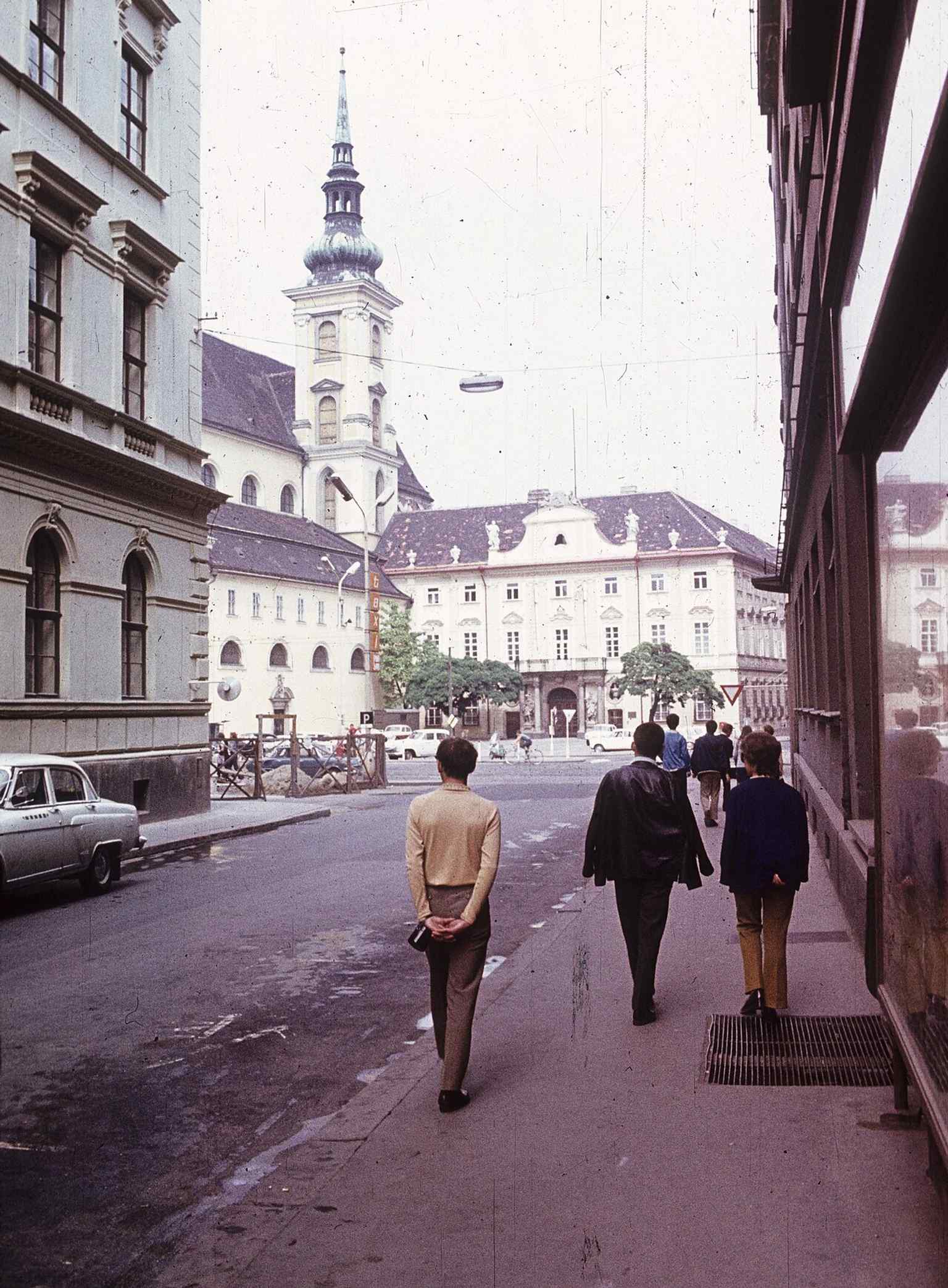
A 1975 street-level view showing the church beside the Governor’s Palace, reflecting its long relationship with Moravian Square.
A 1975 street-level view showing the church beside the Governor’s Palace, reflecting its long relationship with Moravian Square.Photo: FOTO:Fortepan — ID 60531: Adományozó/Donor: Gárdos György. archive copy at the Wayback Machine, Wikimedia Commons, CC BY-SA 3.0. Cropped & resized.
The Baroque church façade on Moravian Square, matching the 17th-century rebuilding described in the text.
The Baroque church façade on Moravian Square, matching the 17th-century rebuilding described in the text.Photo: Stanislav Dusík, Wikimedia Commons, CC BY-SA 4.0. Cropped & resized.
A wider composition with the Governor’s Palace nearby, showing the church in Brno’s monumental urban setting.
A wider composition with the Governor’s Palace nearby, showing the church in Brno’s monumental urban setting.Photo: VitVit, Wikimedia Commons, CC BY-SA 4.0. Cropped & resized.
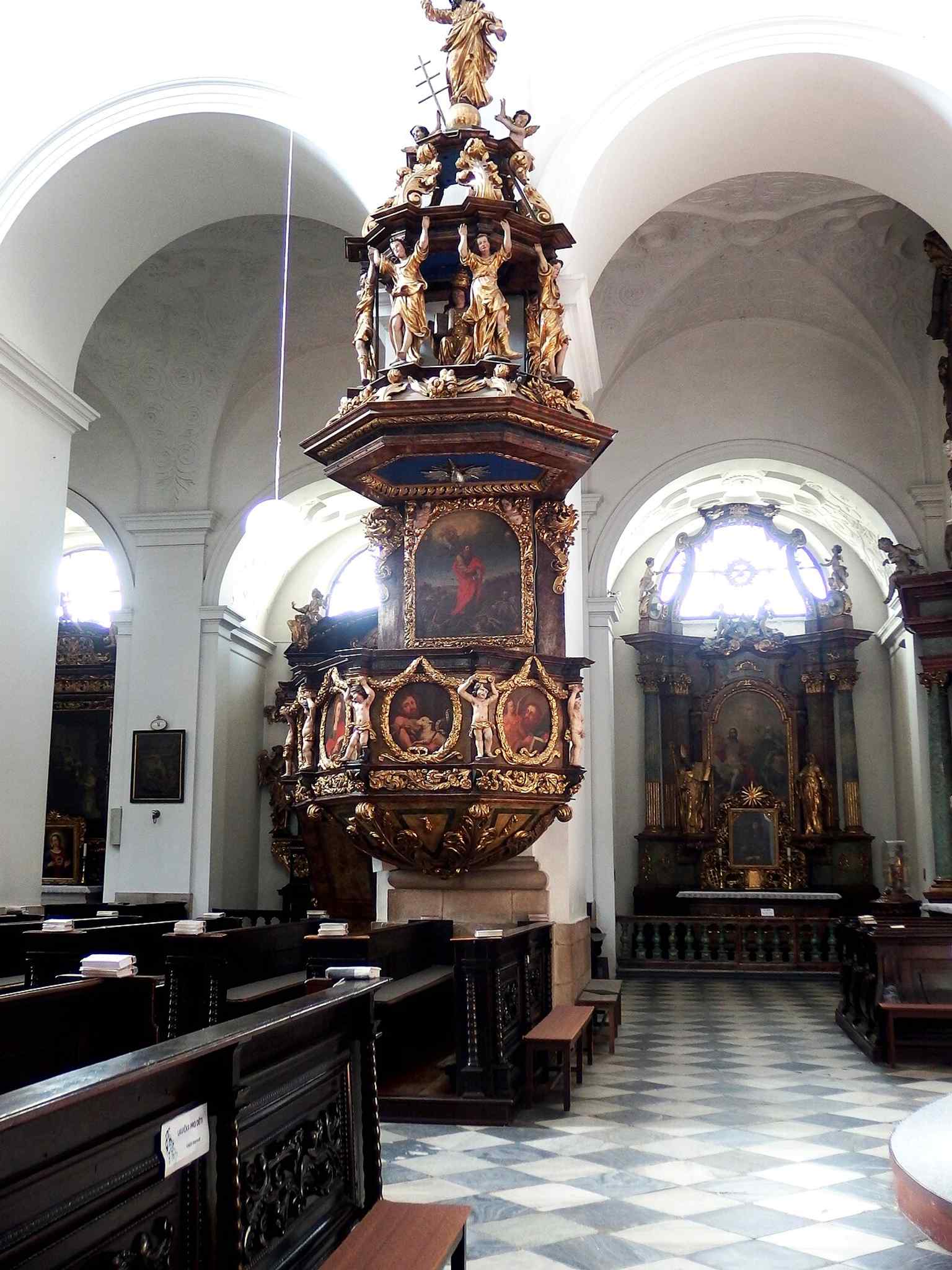
The pulpit, a notable Baroque furnishing linked in the source to sculptor Ferdinand Pfaundler.
The pulpit, a notable Baroque furnishing linked in the source to sculptor Ferdinand Pfaundler.Photo: Palickap, Wikimedia Commons, CC BY-SA 4.0. Cropped & resized.
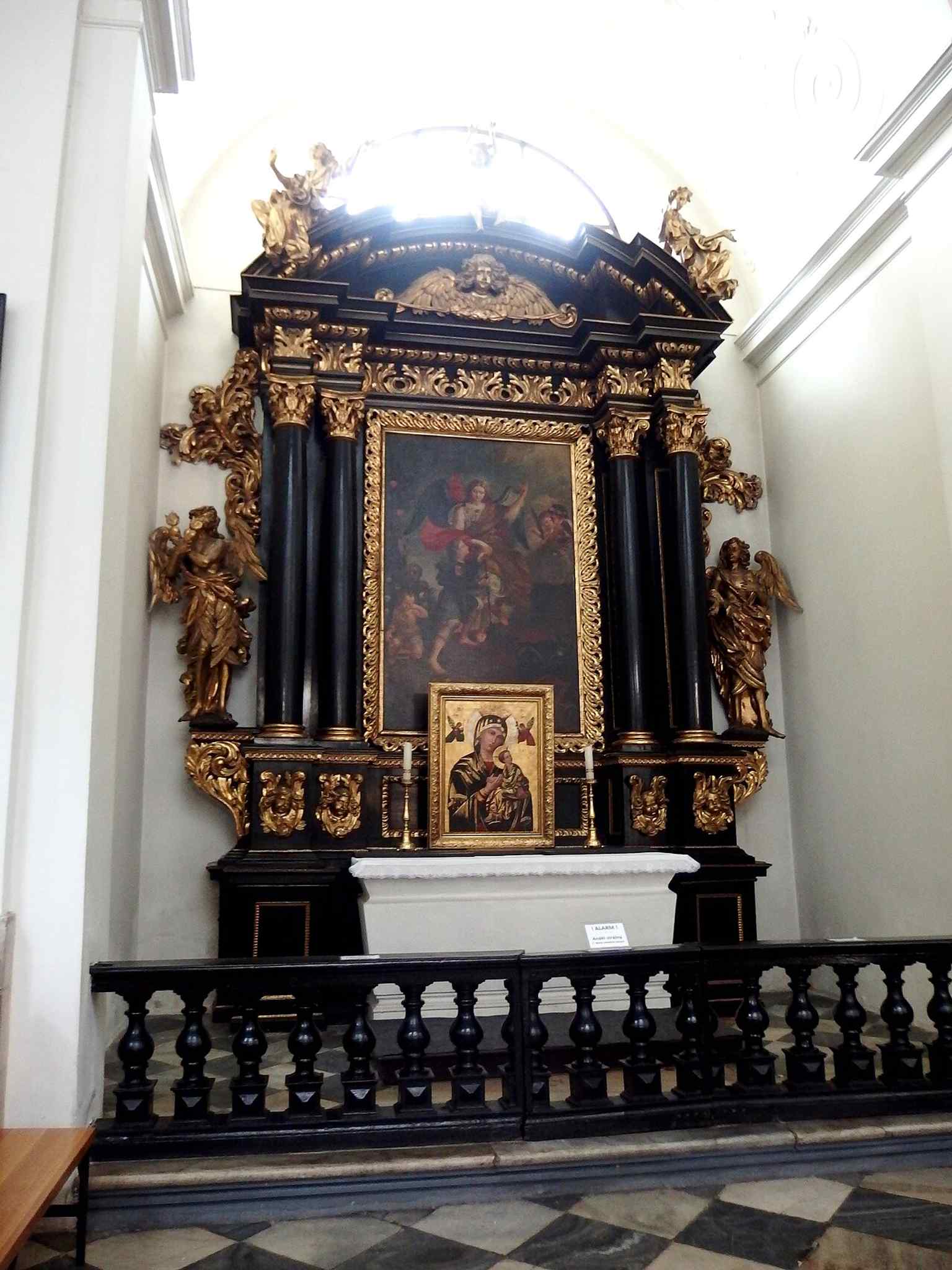
The Angel Guardian altar, one of the side altars mentioned in the interior description.
The Angel Guardian altar, one of the side altars mentioned in the interior description.Photo: Palickap, Wikimedia Commons, CC BY-SA 4.0. Cropped & resized.
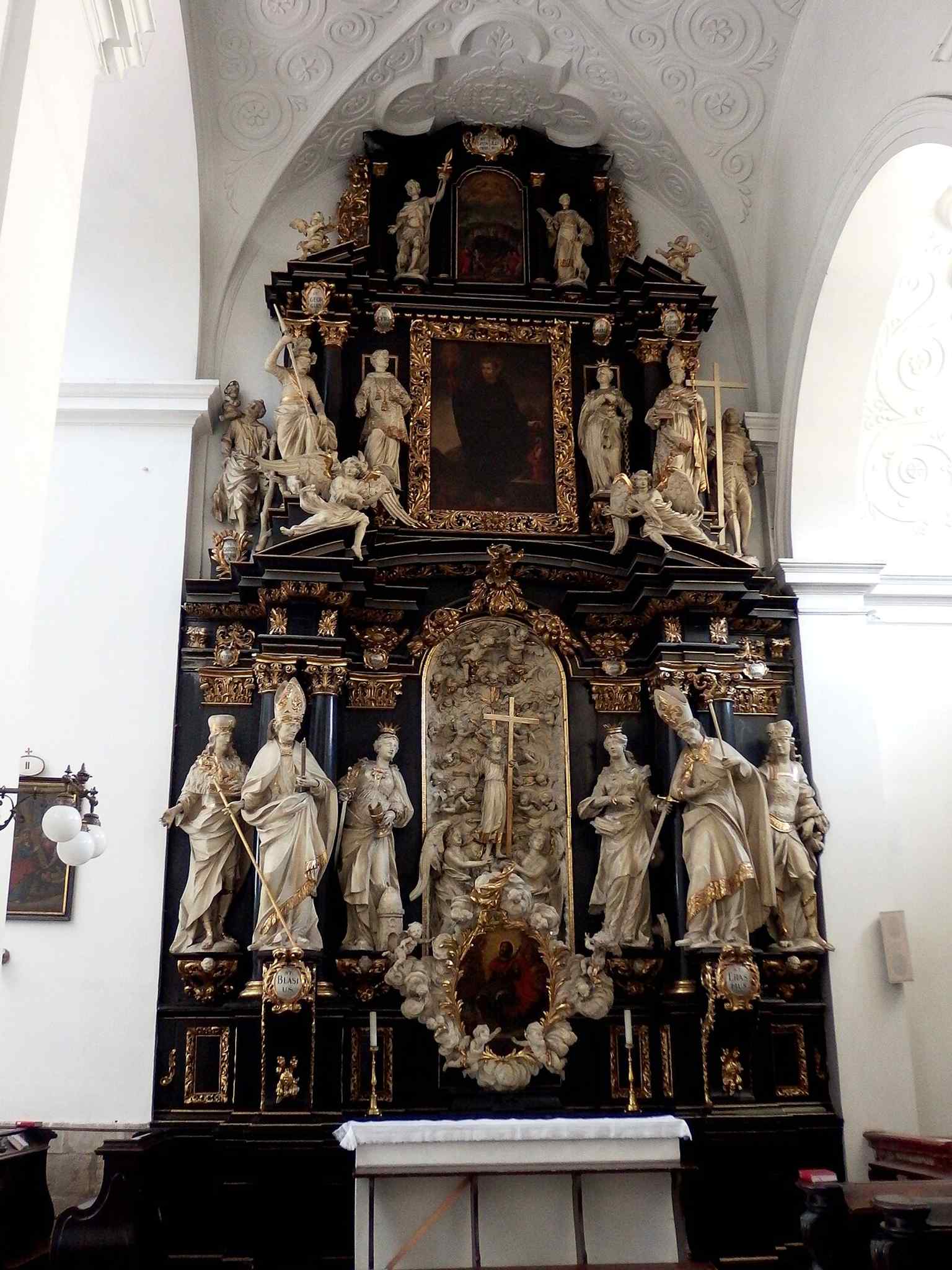
The altar of the Fourteen Holy Helpers, showing the dense devotional program inside the church.
The altar of the Fourteen Holy Helpers, showing the dense devotional program inside the church.Photo: Palickap, Wikimedia Commons, CC BY-SA 4.0. Cropped & resized.
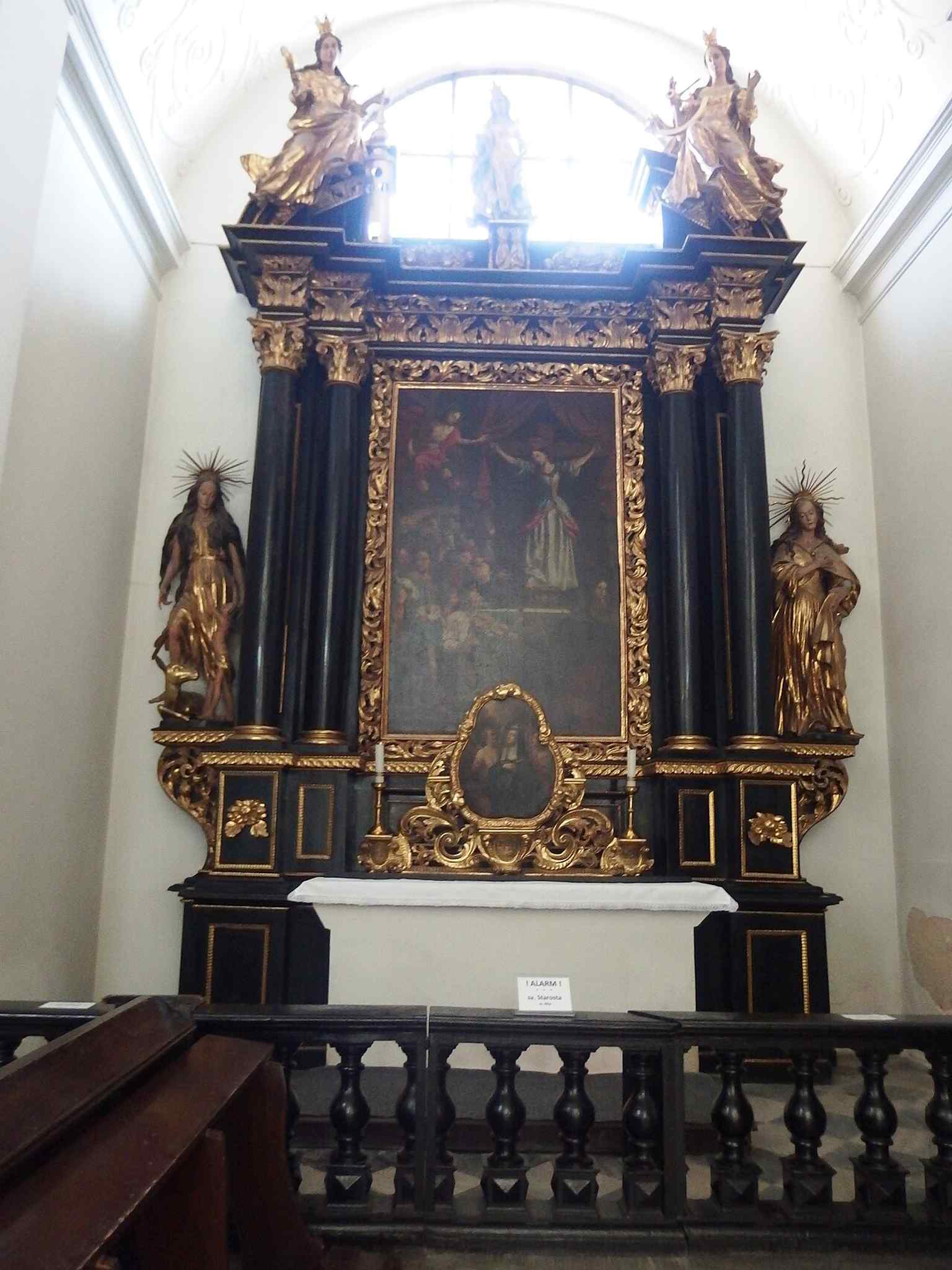
The altar of Saint Starosta, connected to the painted altarpieces described in the source.
The altar of Saint Starosta, connected to the painted altarpieces described in the source.Photo: Palickap, Wikimedia Commons, CC BY-SA 4.0. Cropped & resized.
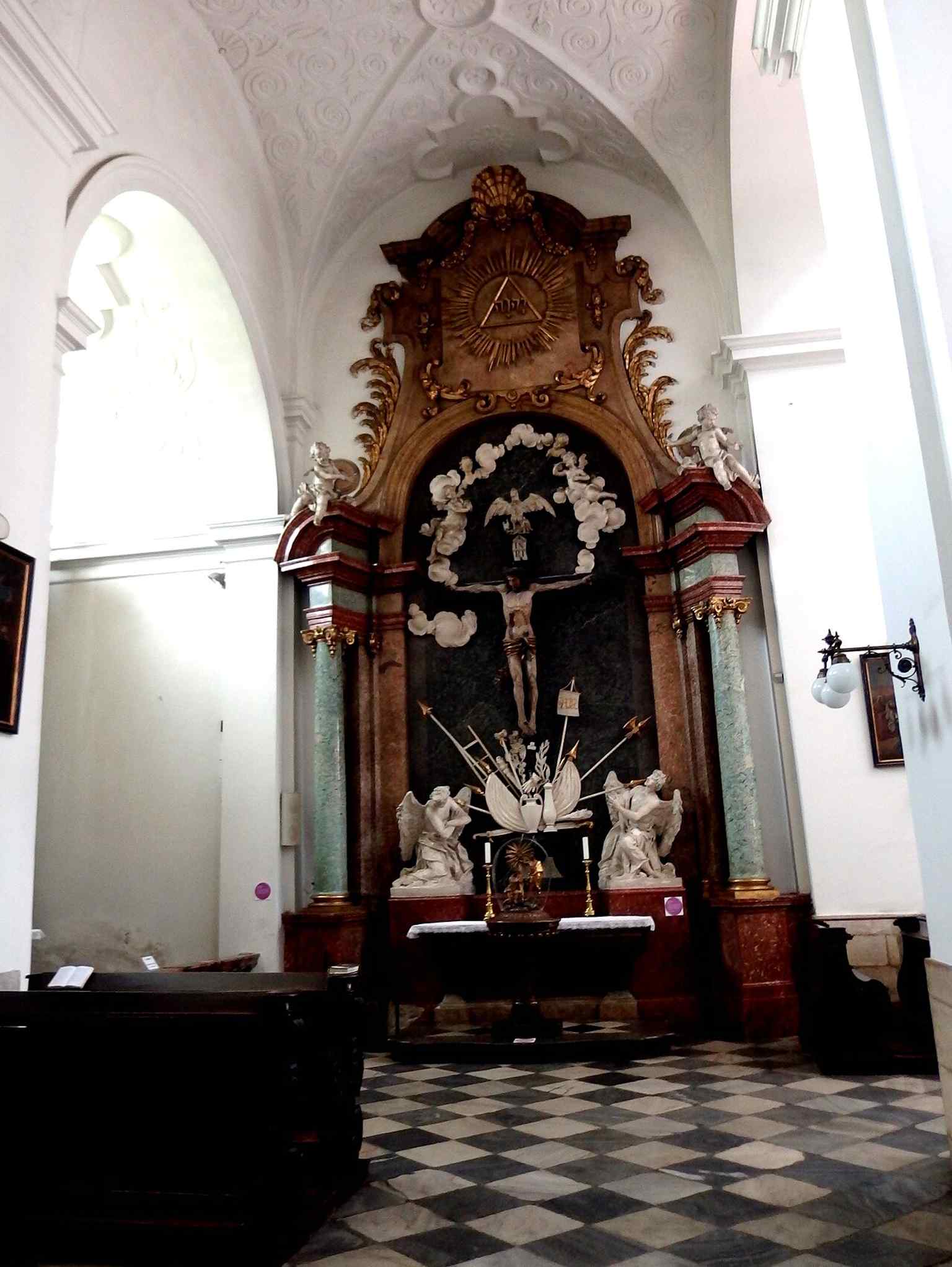
The Holy Cross altar, another strong example of the church’s black-and-gold Baroque side altars.
The Holy Cross altar, another strong example of the church’s black-and-gold Baroque side altars.Photo: Palickap, Wikimedia Commons, CC BY-SA 4.0. Cropped & resized.
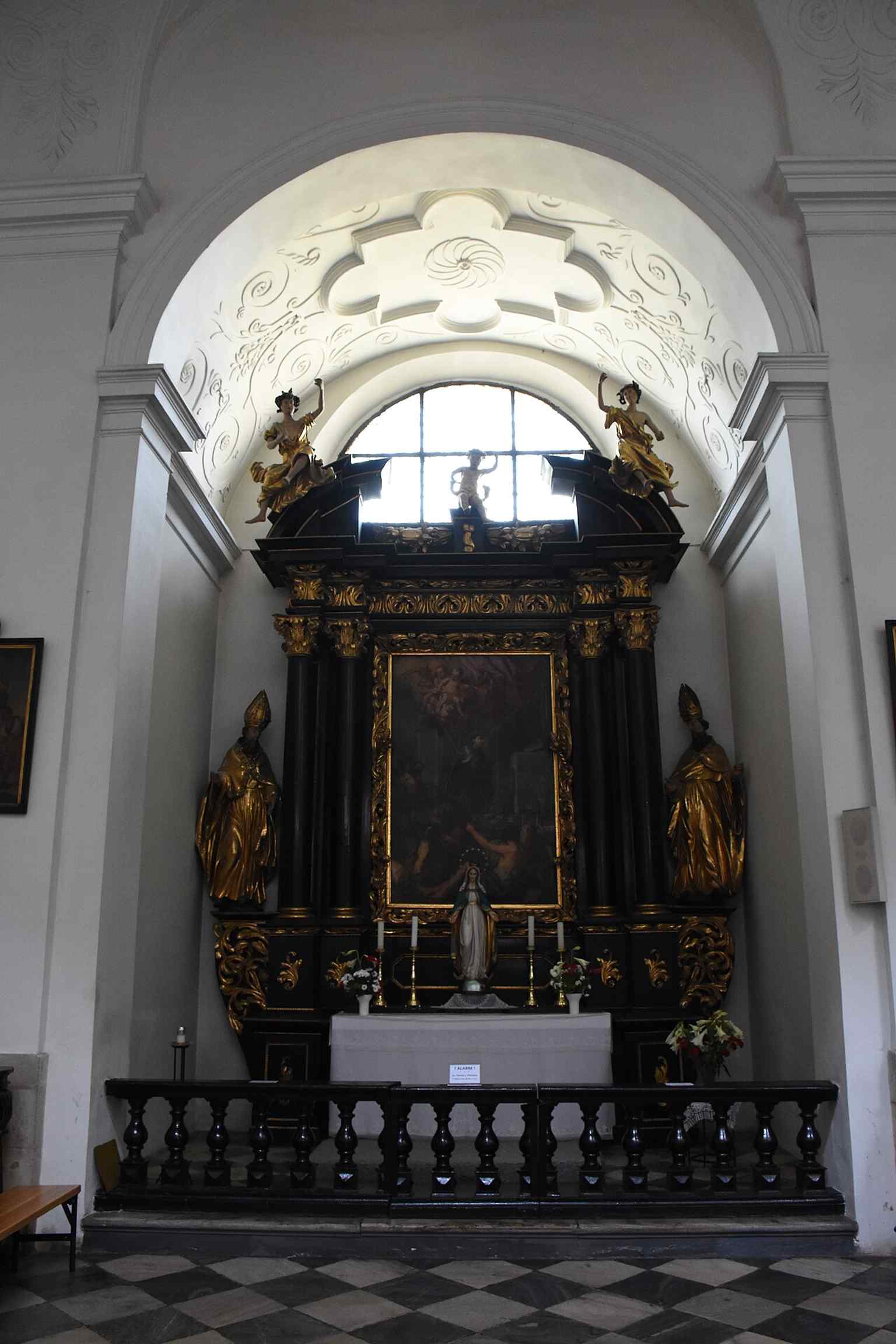
The altar of Saint Thomas of Villanova, adding variety among the church’s many devotional altars.
The altar of Saint Thomas of Villanova, adding variety among the church’s many devotional altars.Photo: Ben Skála, Benfoto, Wikimedia Commons, CC BY-SA 3.0. Cropped & resized.
A monument by the church wall, useful as a detail of the wider historic precinct around the monastery and church.
A monument by the church wall, useful as a detail of the wider historic precinct around the monastery and church.Photo: Michal Klajban, Wikimedia Commons, CC BY 3.0. Cropped & resized.
arrow_back Back to Brno Highlights Audio Tour: Cultural Treasures and Historical Gems
Loved by travellers

Thousands of tours started.
Plenty of opinions.

4.8 across the App Store and Google Play. Here's a few we keep coming back to.

starstarstarstarstar
This was a solid way to get to know Brighton without feeling like a tourist. The narration had depth and context, but didn't overdo it.
Christoph
Christoph
Brighton Tour
starstarstarstarstar
Started this tour with a croissant in one hand and zero expectations. The app just vibes with you, no pressure, just you, your headphones, and some cool stories.
download Get the app

Pop your headphones in.
Step outside.

Free to download. Tours in every city. Start in 60 seconds — no account, no card.

Download on the App StoreGet it on Google Play
starstarstarstarstar_half
4.8
AudaTours app icon
headphones
~ 4 min until your first tour starts
public
1,000+ cities worldwide
all_inclusive
AudaTours
Unlimited

Every tour. Every city. One subscription.

3101 tours2271 cities138 countries50+ languages