
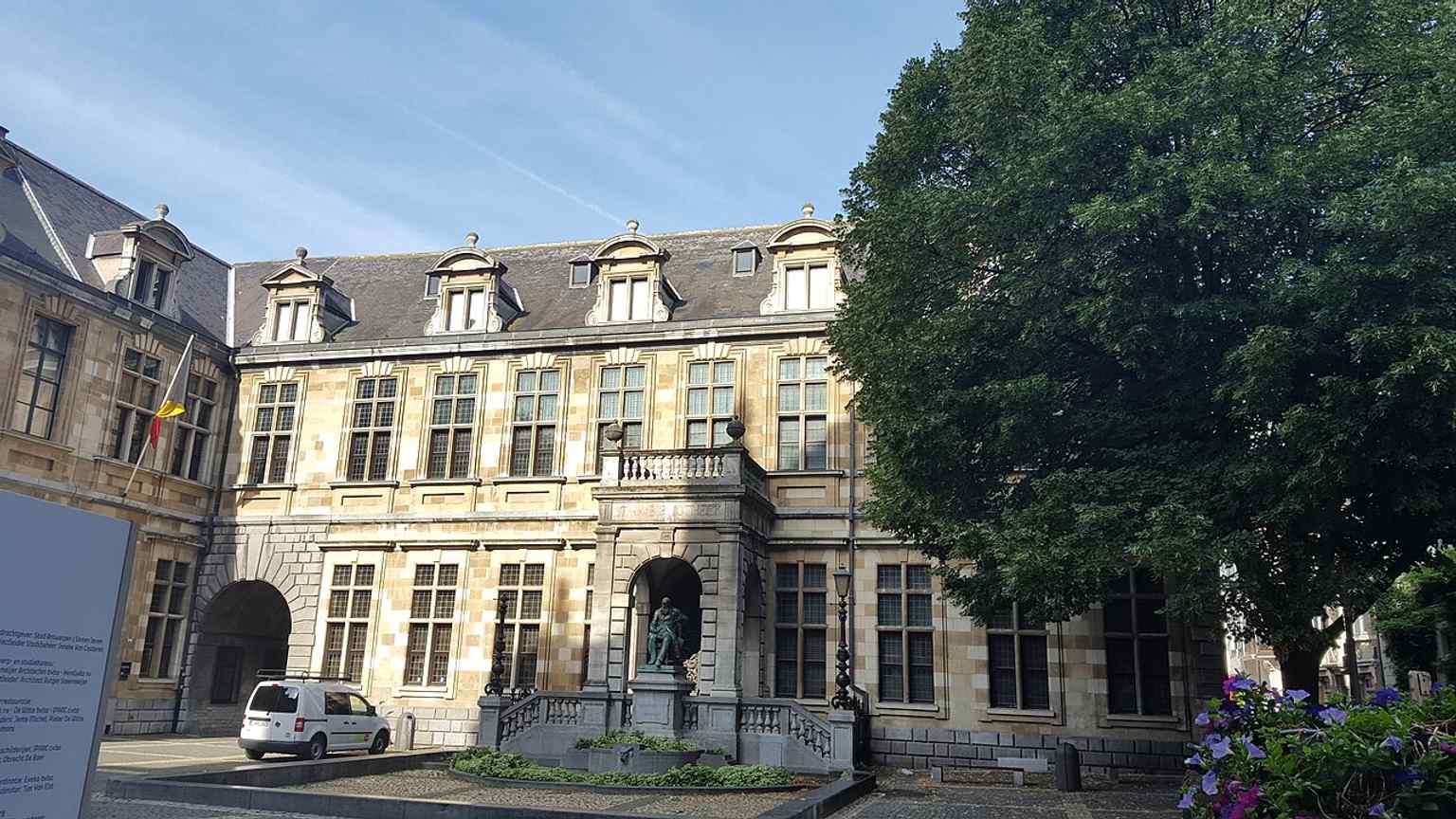
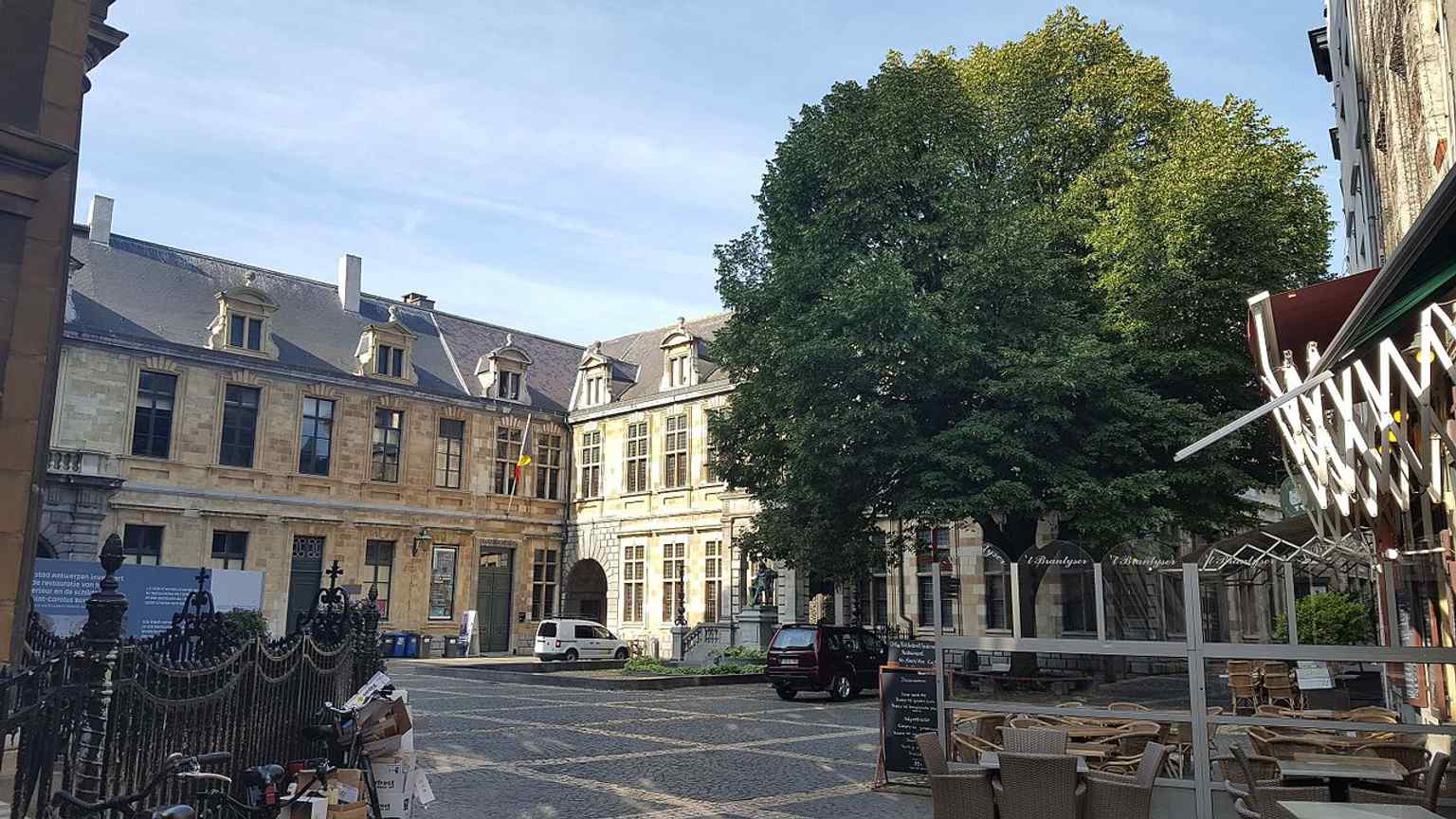
On your right, look for the long pale-stone façade with tall rectangular windows and an ornate Baroque gable marking the old Sodaliteit building.
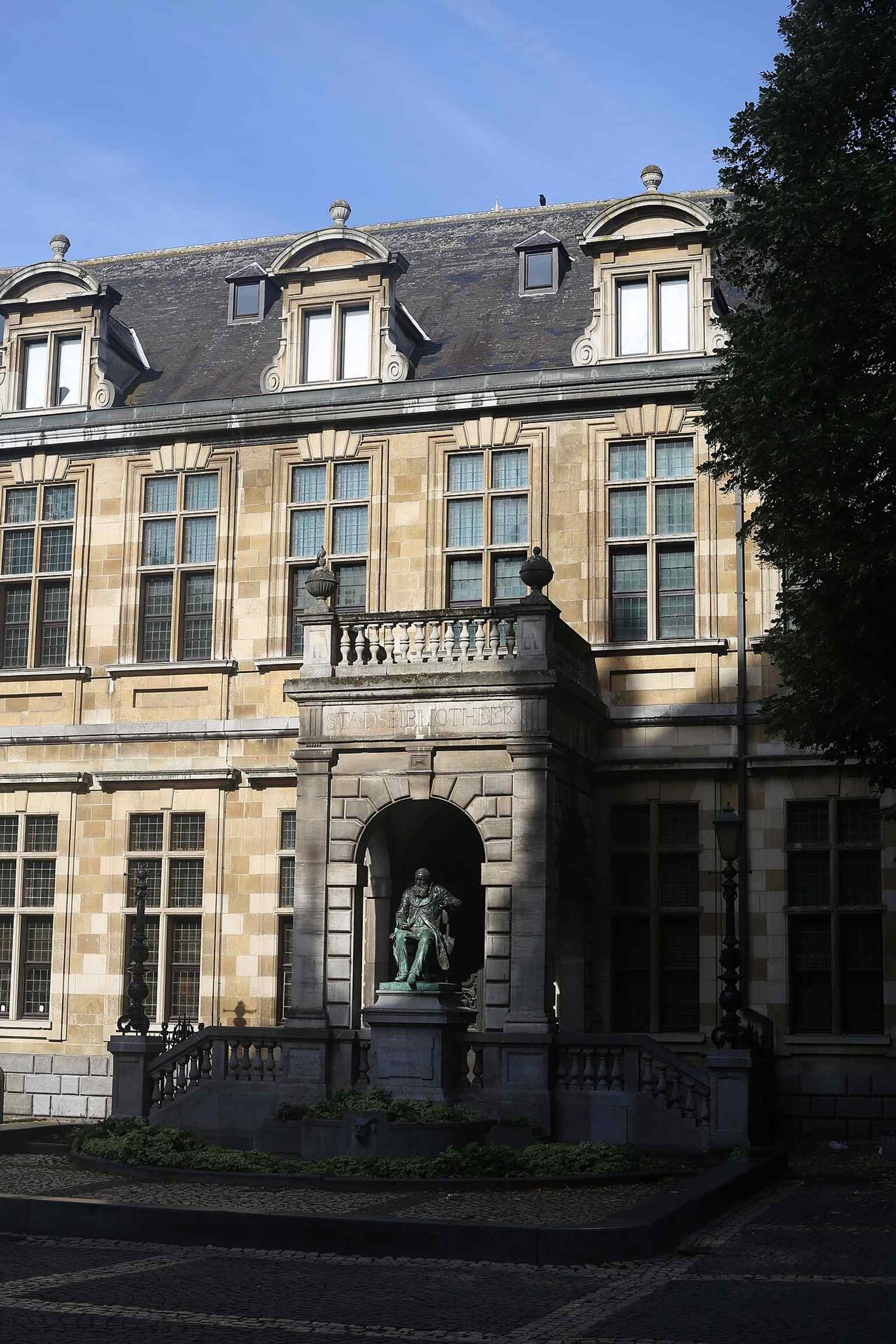
This is the Hendrik Conscience Heritage Library, Antwerp’s great house of memory. It takes its name from the Flemish writer Hendrik Conscience, whose statue stands before the entrance, but the institution itself reaches much further back, all the way to fourteen eighty-one. That year, a city lawyer named Willem Pauwels left Antwerp forty-one books in his will. It sounds modest now, but for a city administration, that was a serious working library.
Then came catastrophe. In fifteen seventy-six, during the Spanish Fury, mutinous Spanish troops tore through Antwerp and the Town Hall burned. Every one of those original forty-one books vanished. The library had to begin again from nothing. Its survival depended on gifts, and none mattered more than those from Christoffel Plantin and his successors, who sent copies of books from their presses to rebuild the collection. It is a pleasing Antwerp pattern, really: printers, scholars, merchants and citizens all conspiring to keep words alive.
The library wandered for centuries. It lived in the Town Hall, then in the seminary after the city library merged with the chapter library in the early seventeenth century, then even in the upper gallery of the Handelsbeurs, where neglect and theft took their toll. At one point the books ended up in the Town Hall’s old “Pestkamer” - the room where magistrates once met doctors to discuss plague measures. Not the most romantic address for literature, but better than oblivion.
The real turning point came in the nineteenth century. Librarian Frans-Hendrik Mertens reorganised the collection, printed a proper catalogue, and built one of the great collections of Dutch literature. In eighteen sixty-five, Antwerp made a sharp distinction: one library for popular borrowing, another for preservation. This became the preservation library, meaning the books come here to stay. If a book or magazine enters the collection, it is usually kept for good.
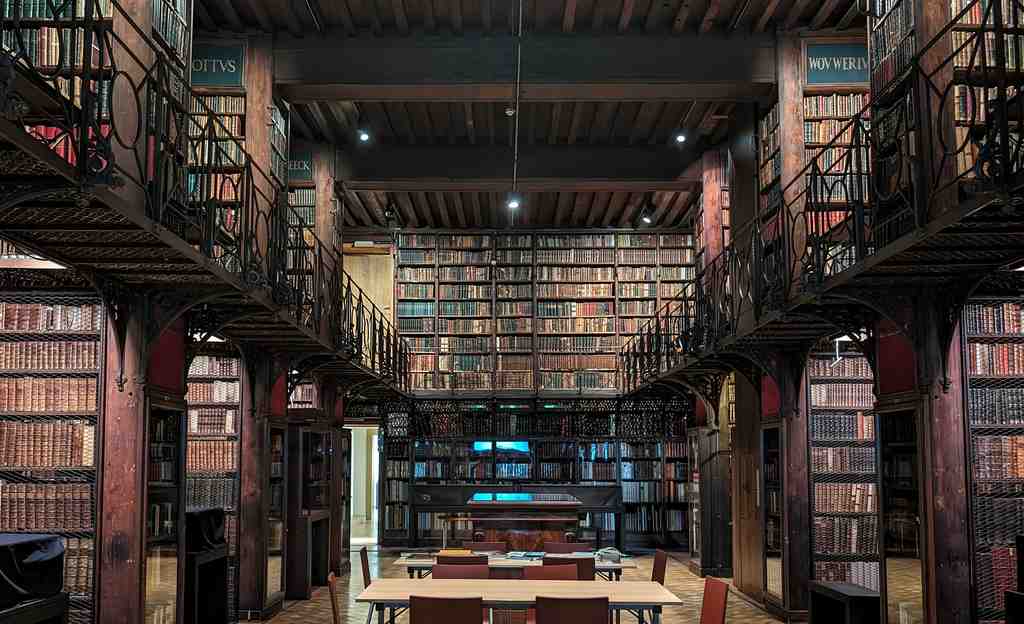
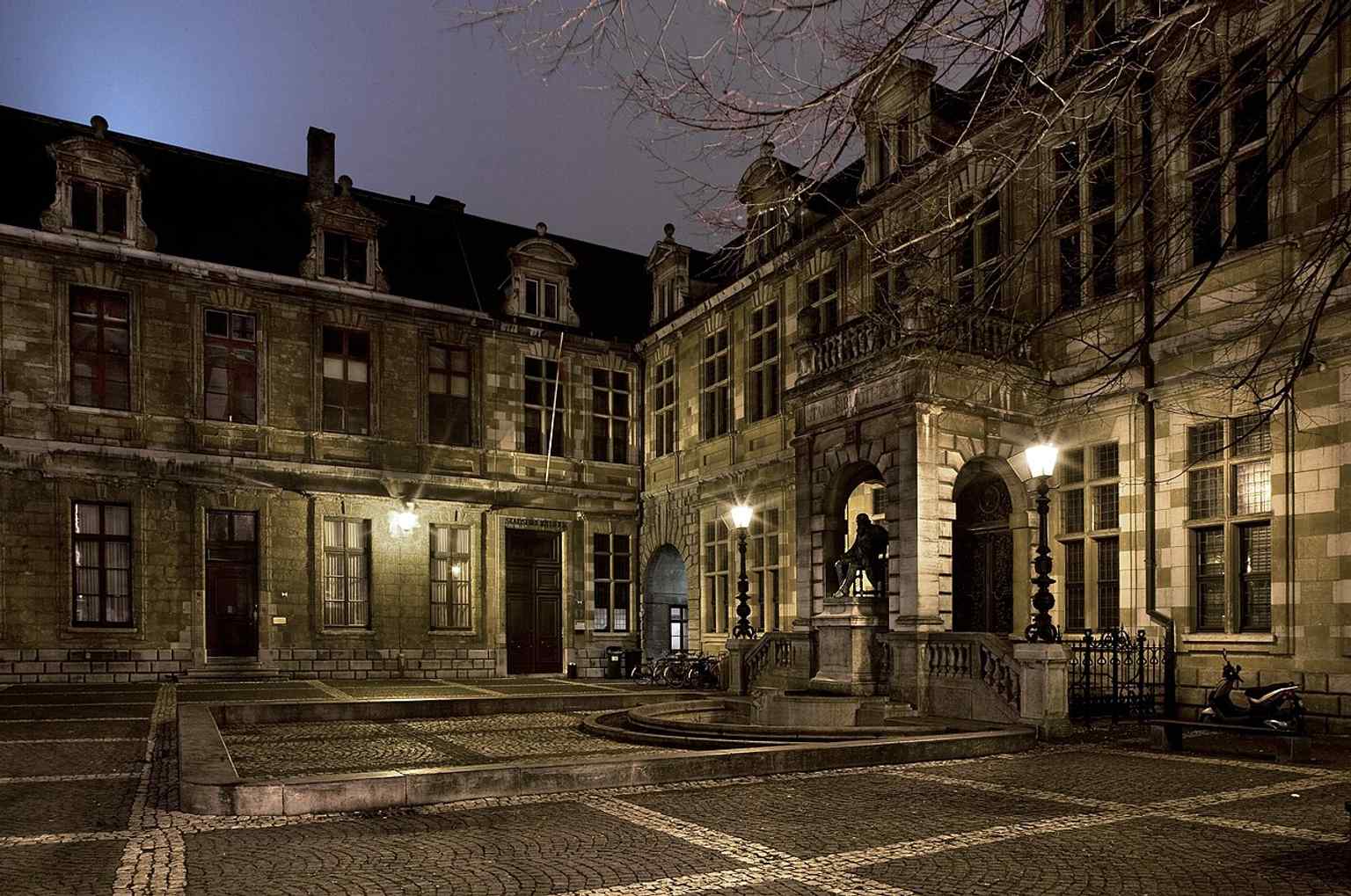
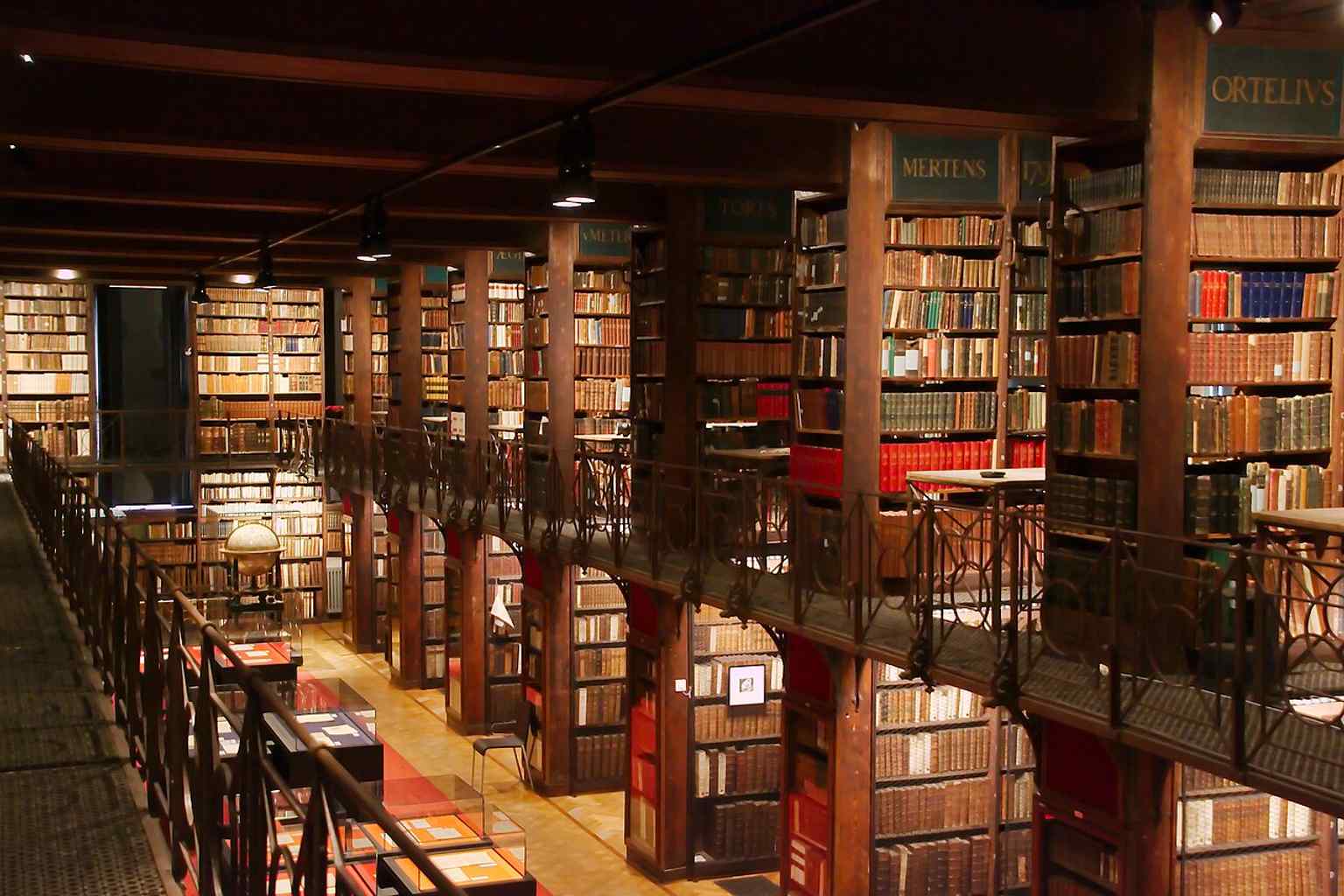
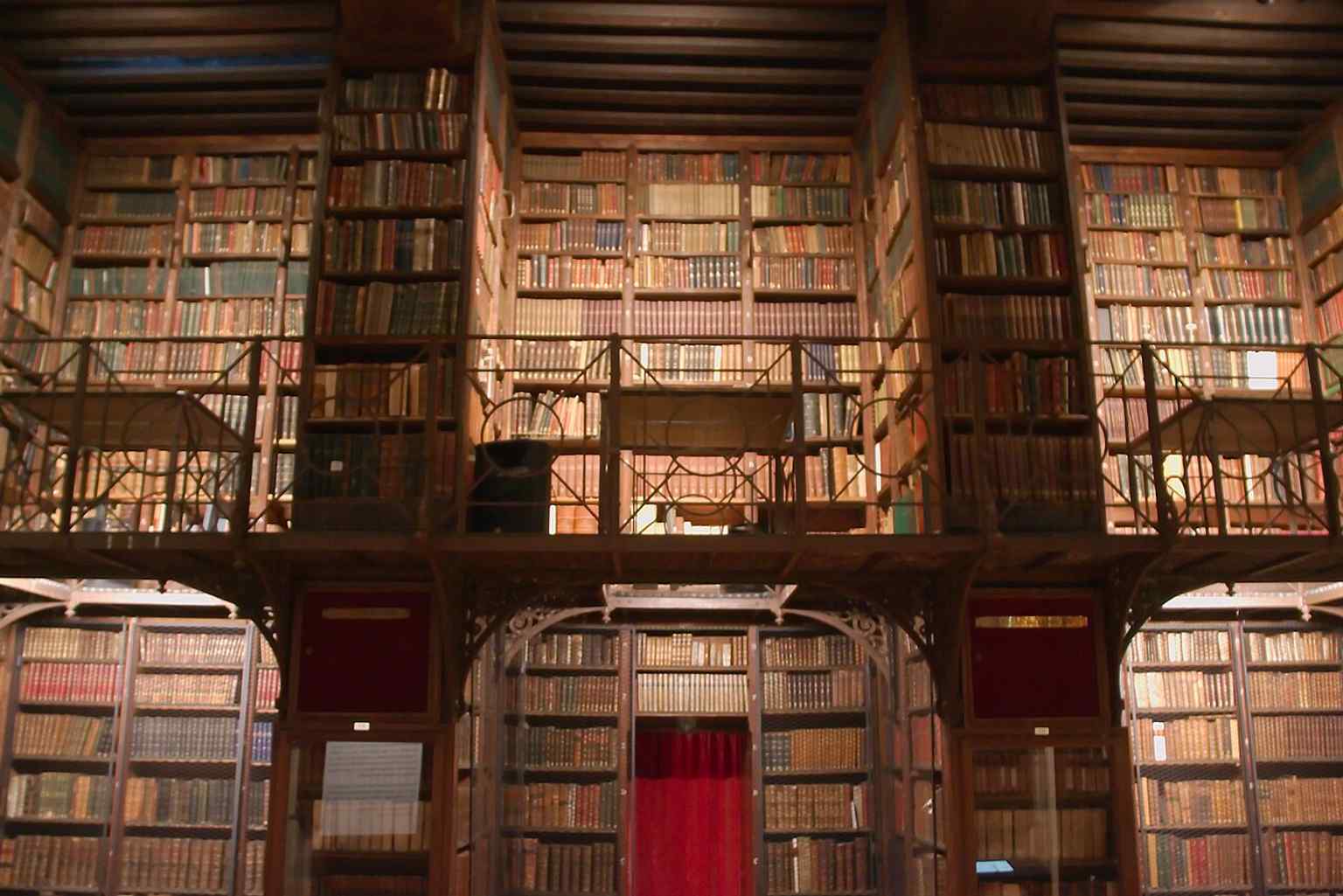
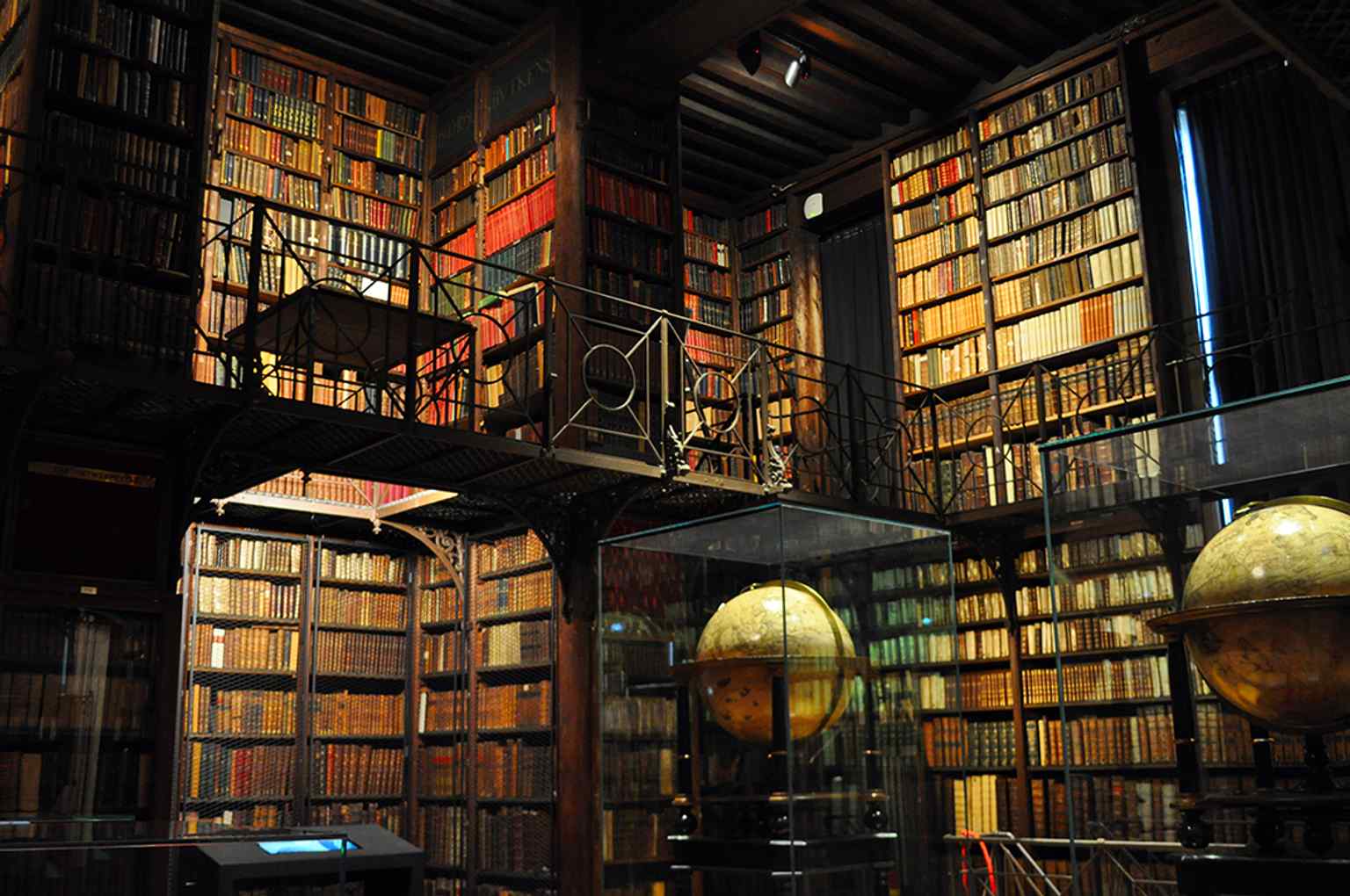
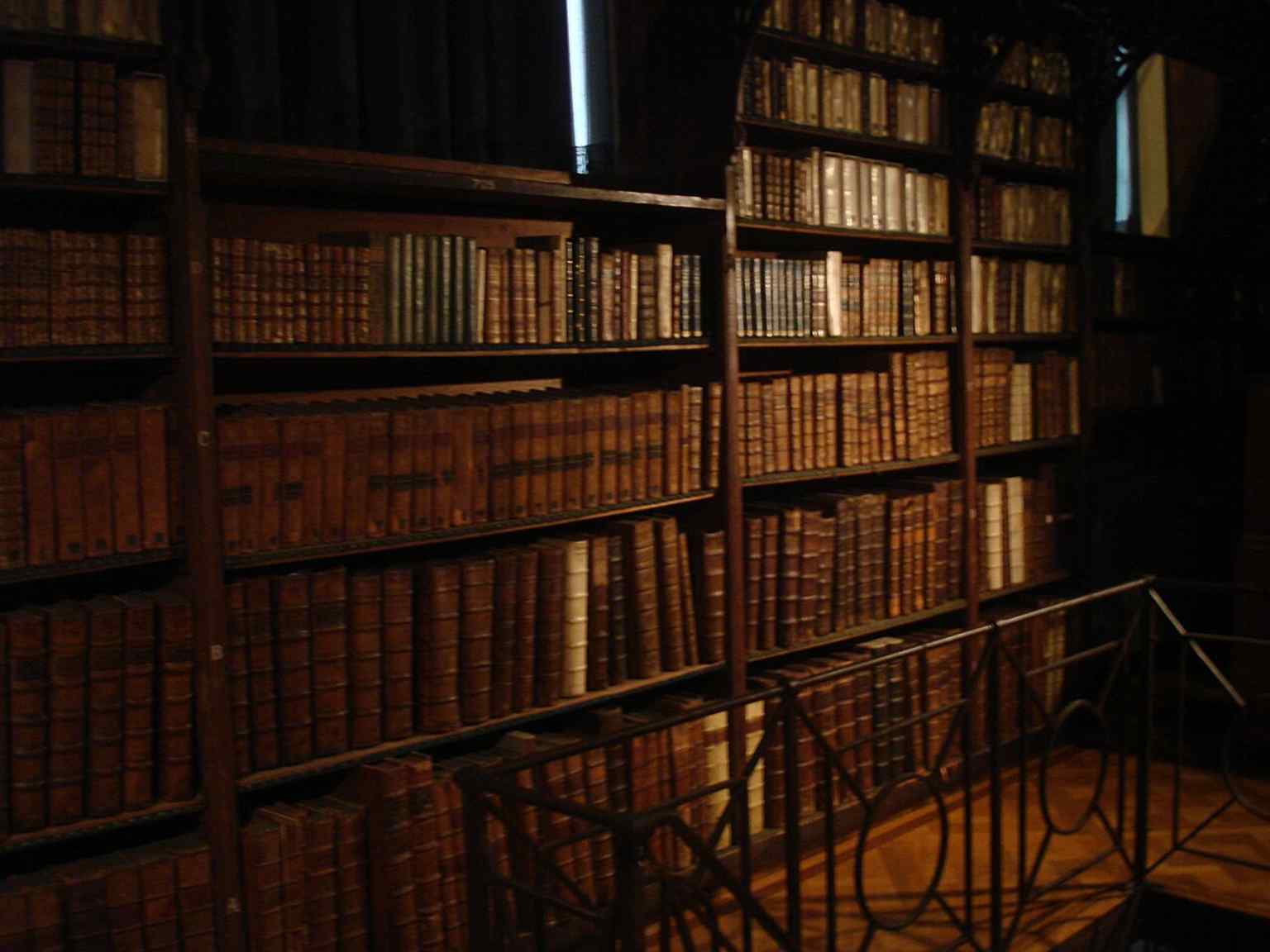
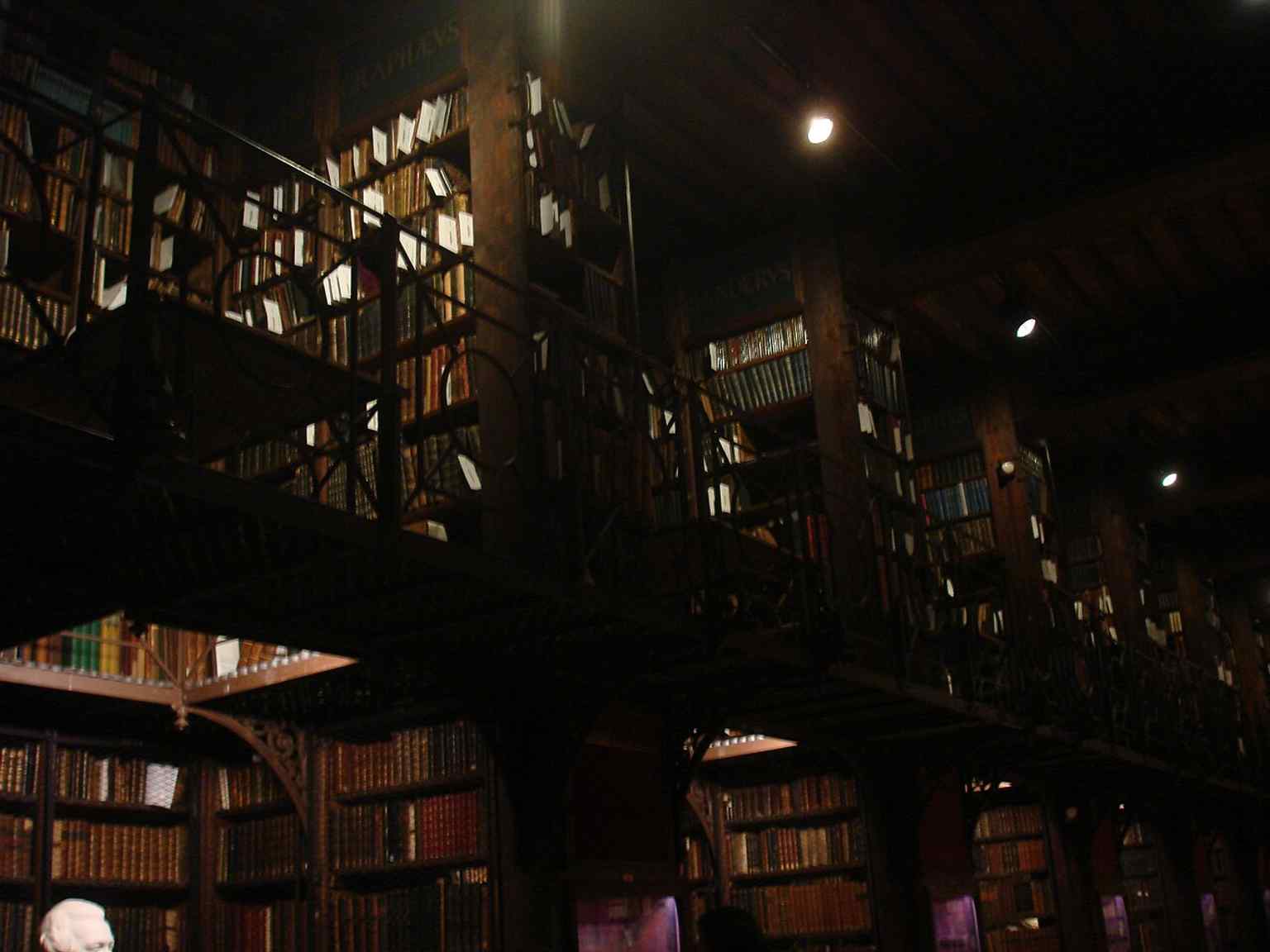
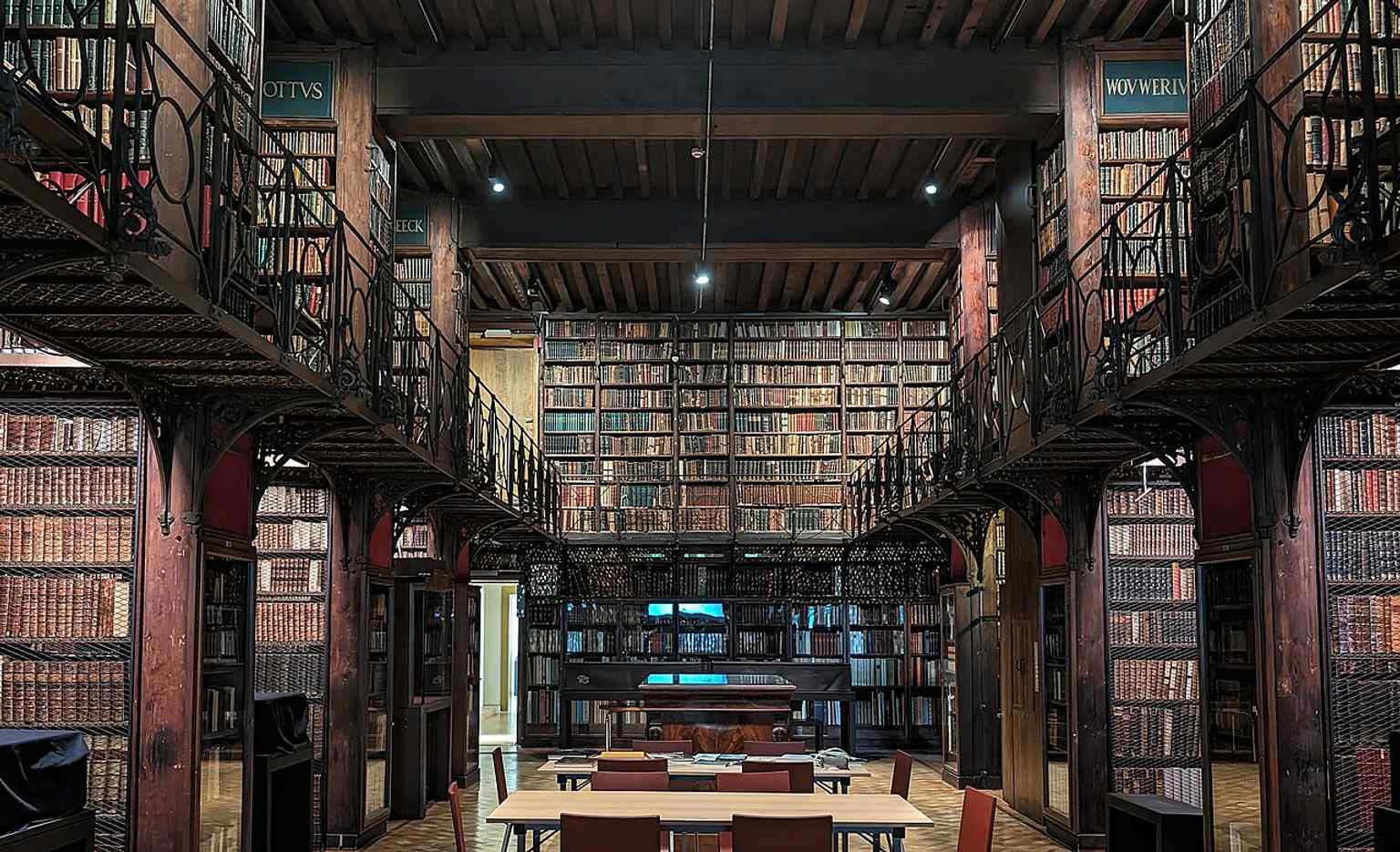
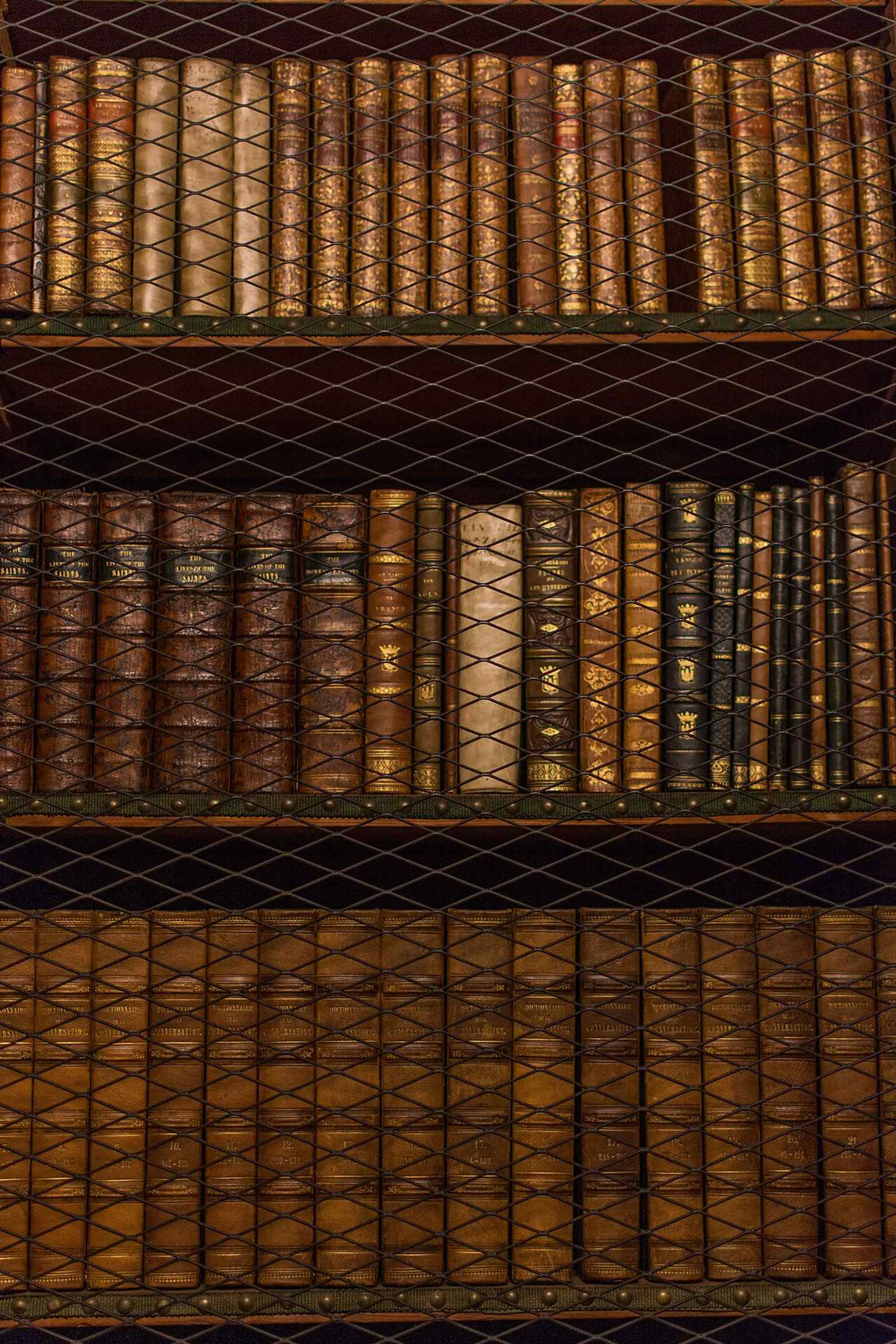
The building in front of you joined that story in eighteen eighty-three. Before that, this was the Sodaliteit, a seventeenth-century Jesuit meeting house for religious brotherhoods. After the Jesuit order was suppressed, the place led a rather more worldly life as a café and dance hall. Then the city bought it, rebuilt it, moved the library in, renamed the square for Hendrik Conscience, and unveiled his statue outside. If you glance at your screen, image one shows that square and statue together, exactly the civic theatre Antwerp wanted at the opening. Inside, the treasure most people dream about is the Nottebohmzaal, named for the benefactor Oscar Nottebohm. On your phone, image nine shows its grand interior. That room holds some of the library’s showpieces: an Egyptian-style cabinet built for a monumental book on Egypt, and the great Blaeu globes, among the only examples of their size in Belgium.
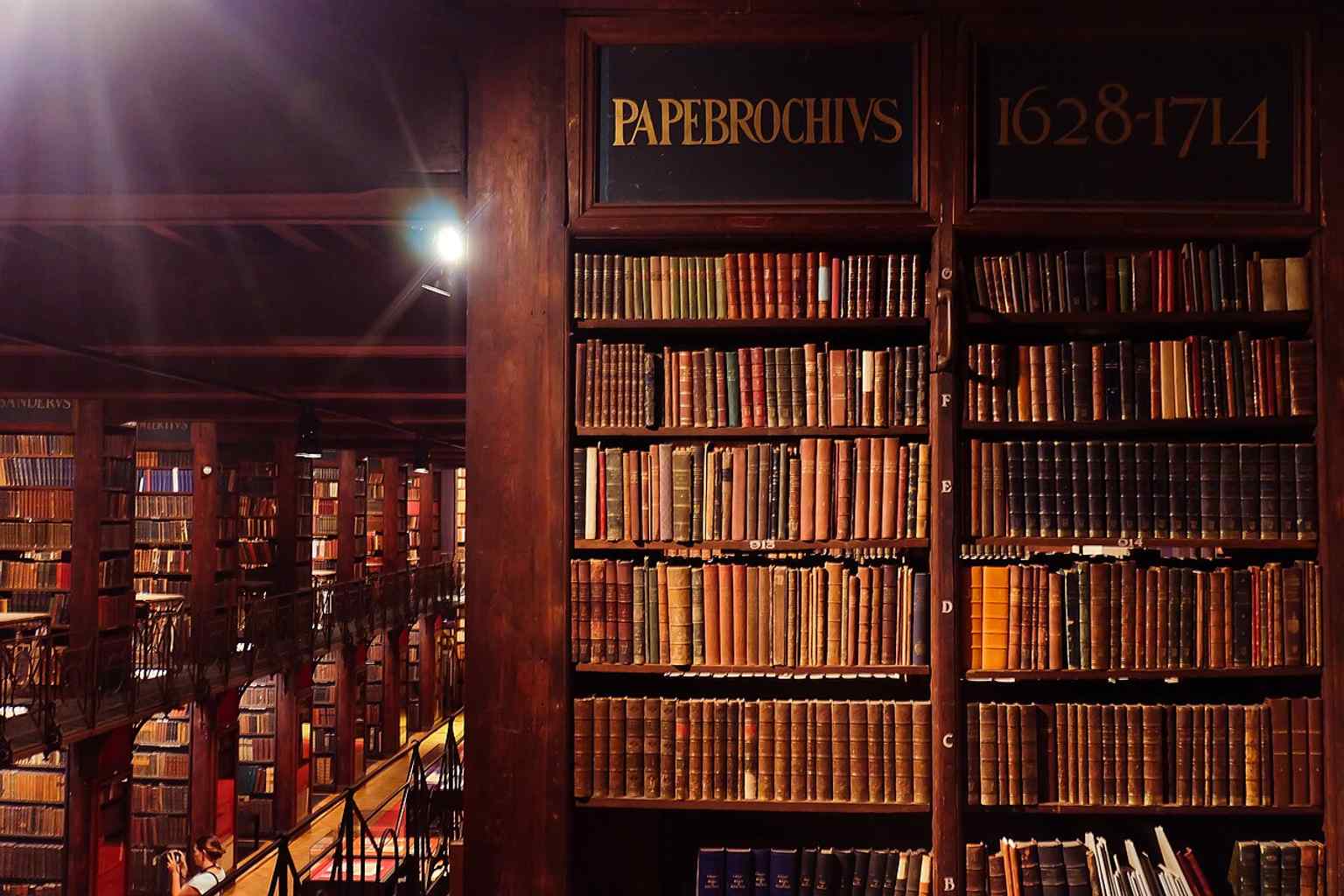
Today the library holds more than a million volumes. It does not lend them out; readers consult them here. Its strengths include Dutch literature, Flemish history, books printed before eighteen thirty, and “Antverpiensia” - anything deeply tied to Antwerp. It even preserves underground resistance newspapers from the Second World War and, more recently, the Missal of Berchem, written around eleven forty, the oldest known book in Antwerp with its original wooden binding still intact.
If you plan to return, the library usually opens Monday to Thursday from ten to six, Friday from ten to four, and closes on Saturday and Sunday.
This place proves that a city can lose its books and still refuse to lose its memory.
When you are ready, continue on toward Saint Charles Borromeo’s Church, where Antwerp’s learning and faith meet again in stone.






.jpg)
.jpg)


%20Antwerpen%2002.jpg)
%20Antwerpen%2001.jpg)

