
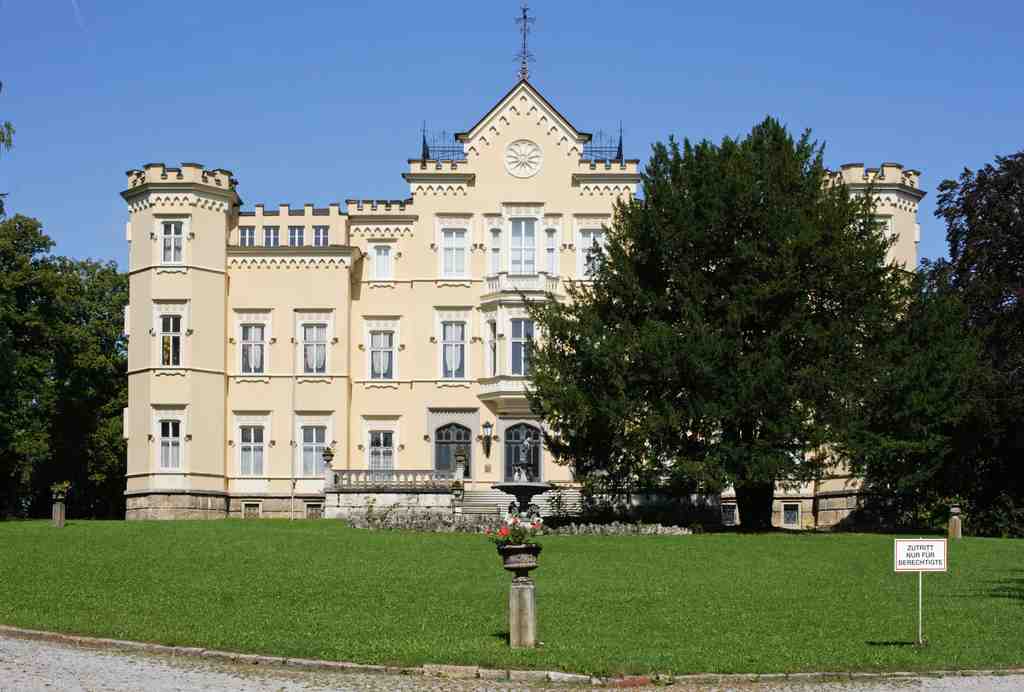
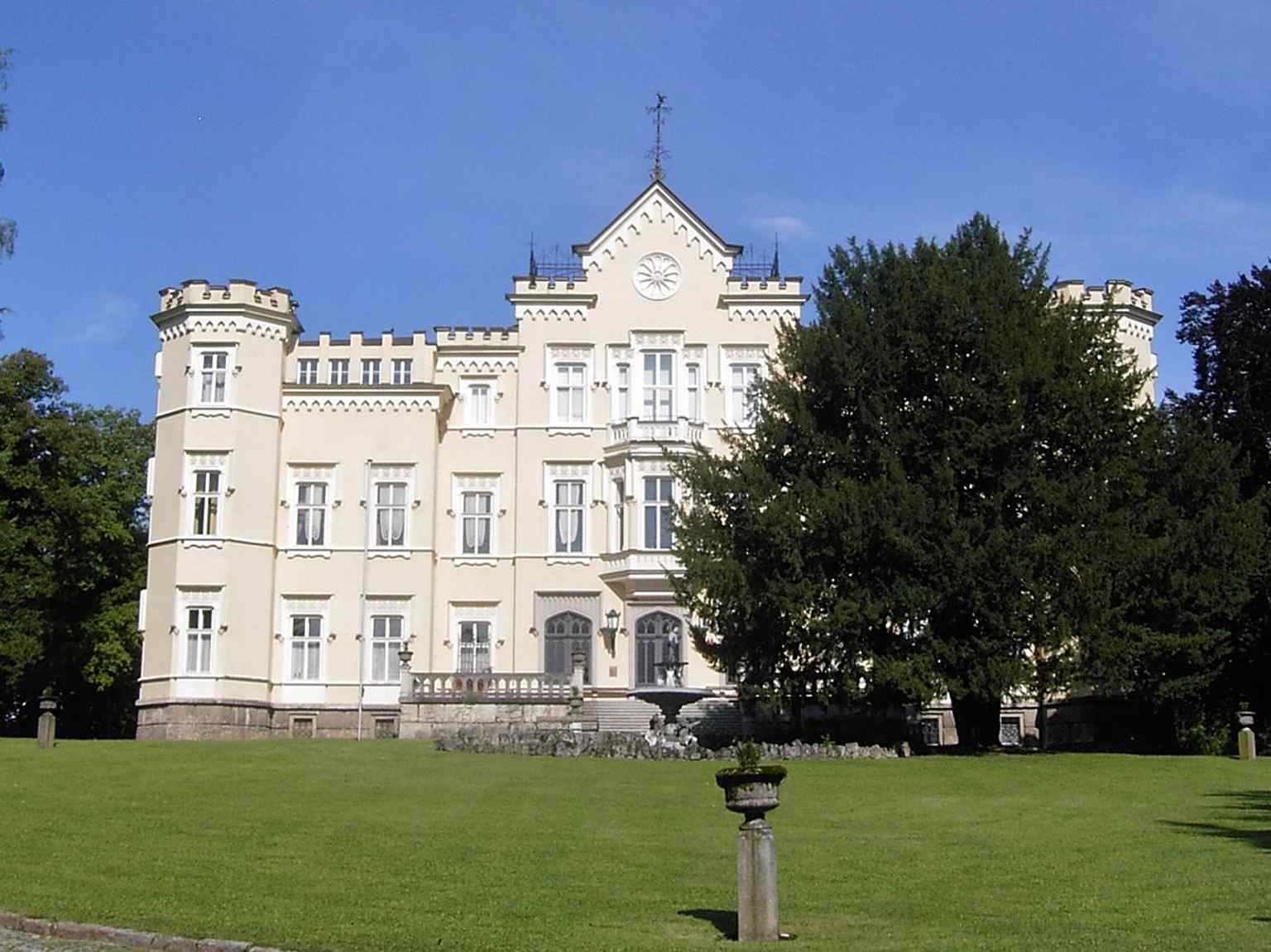
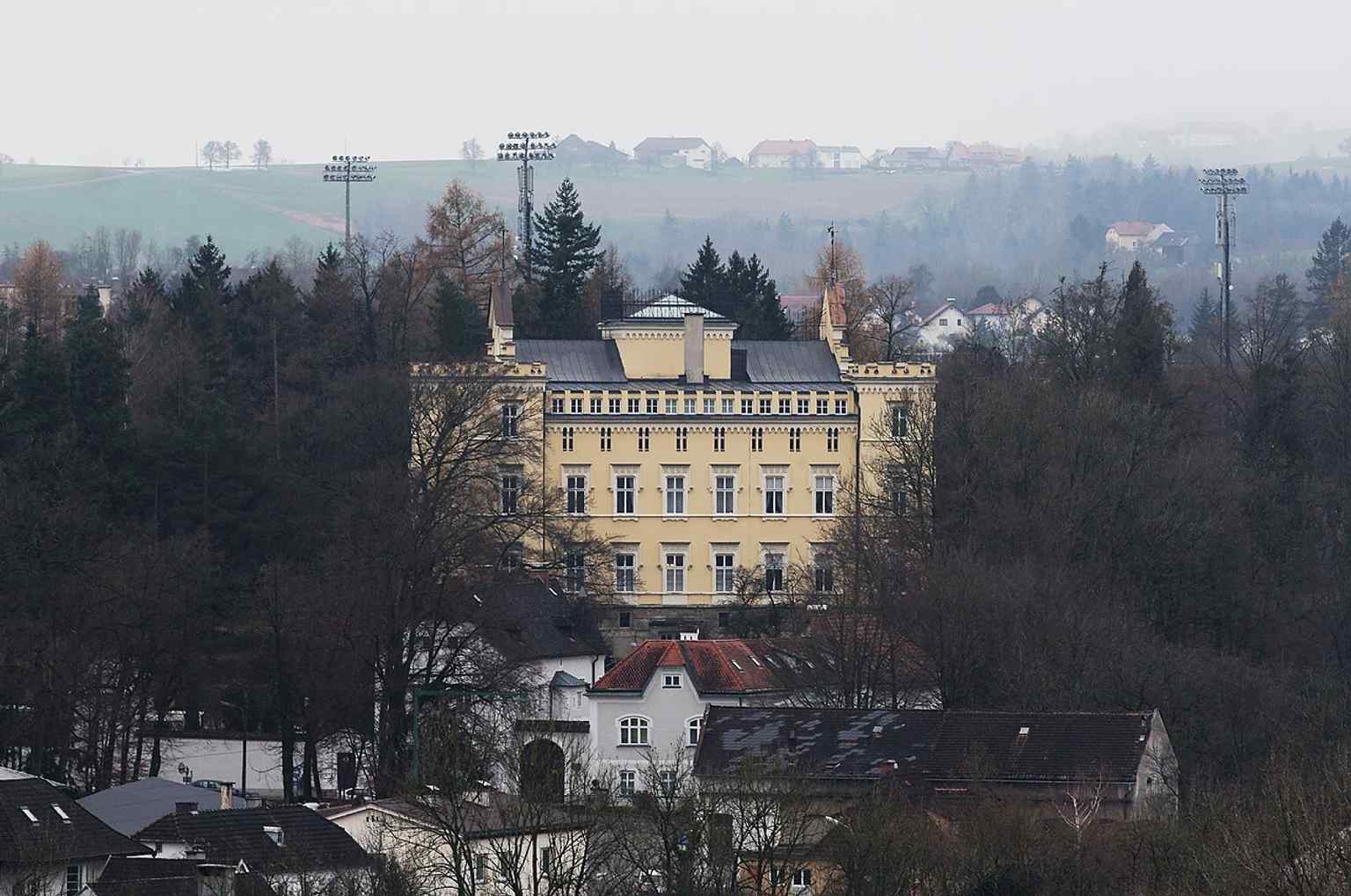
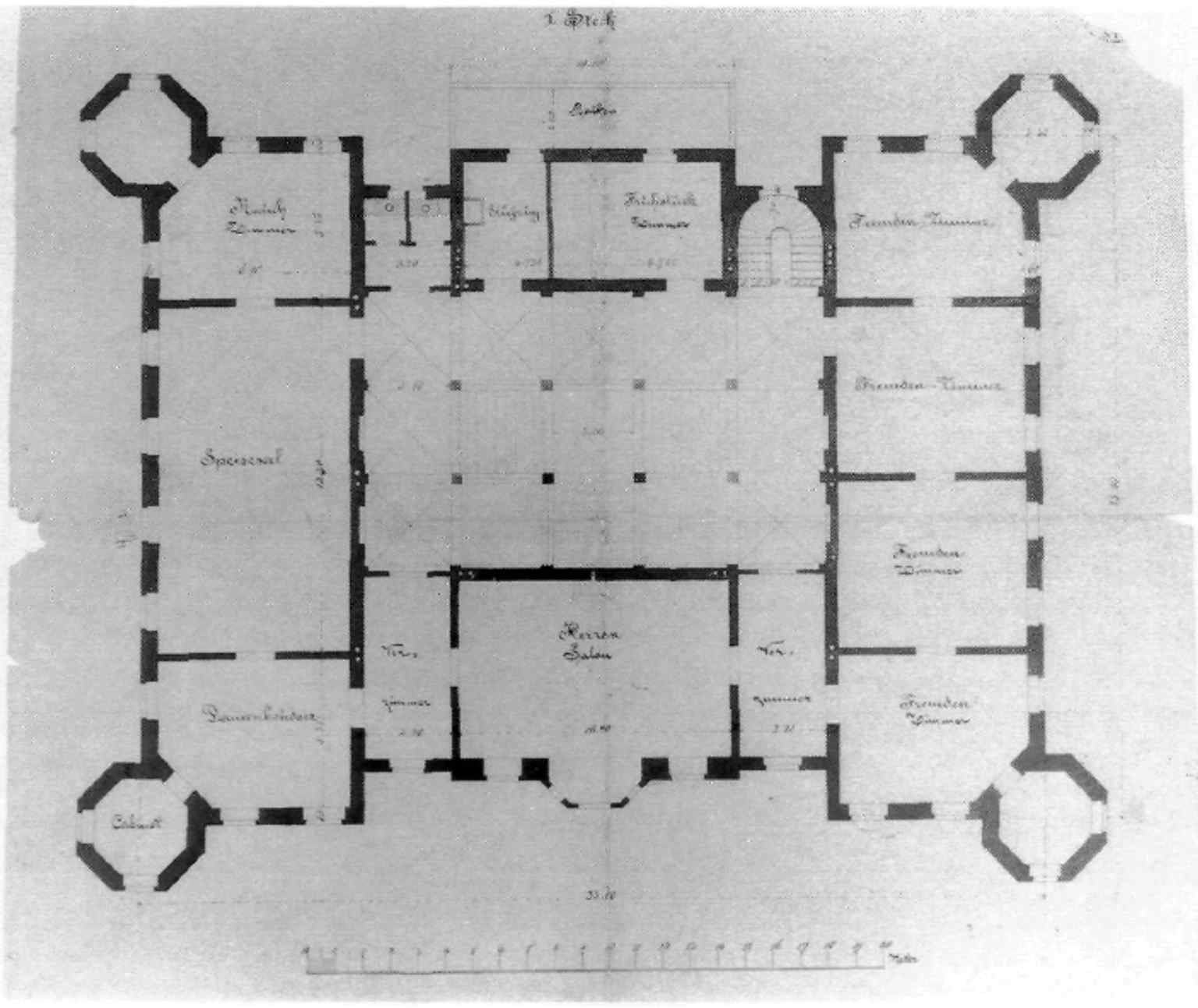
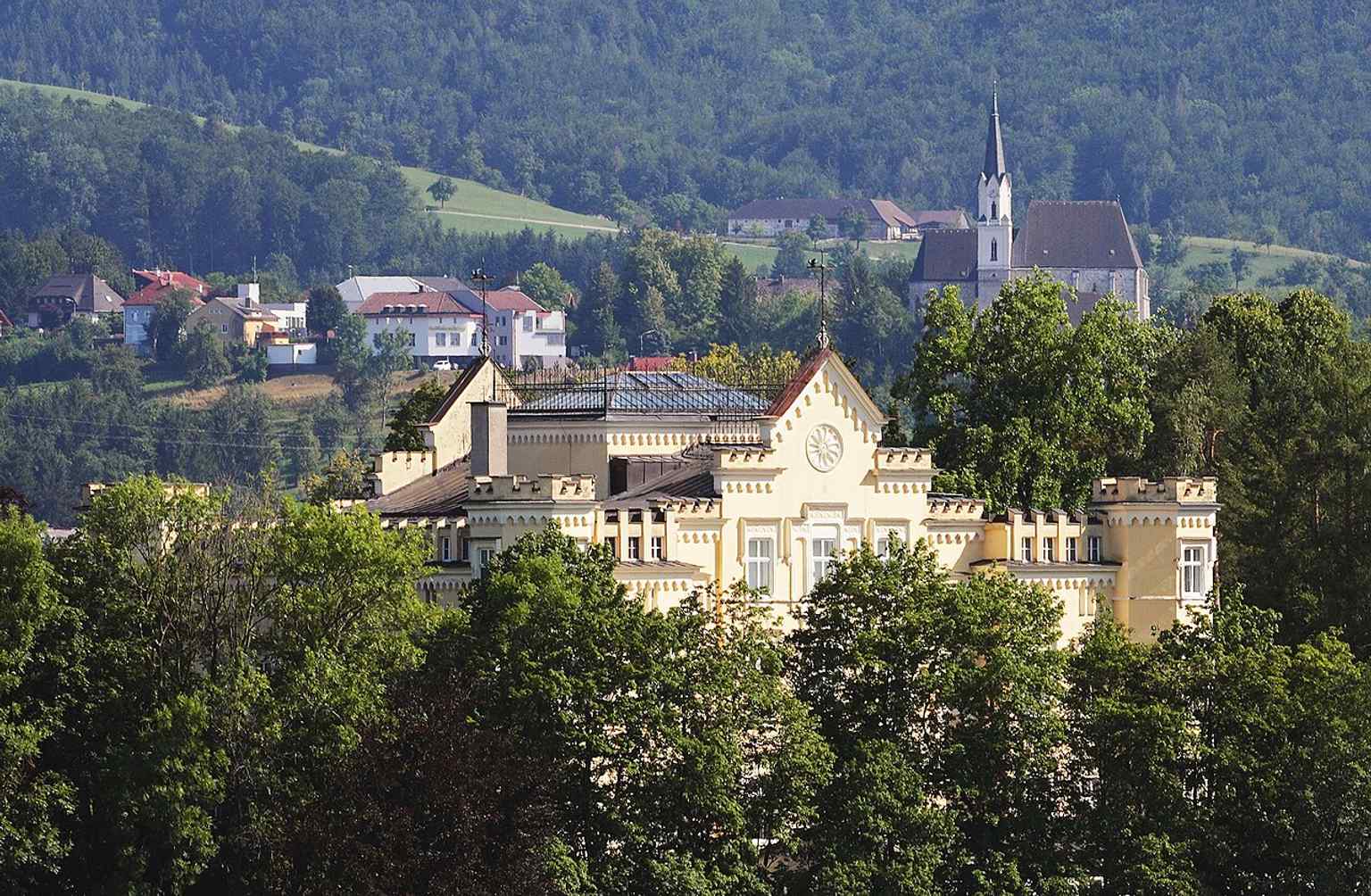
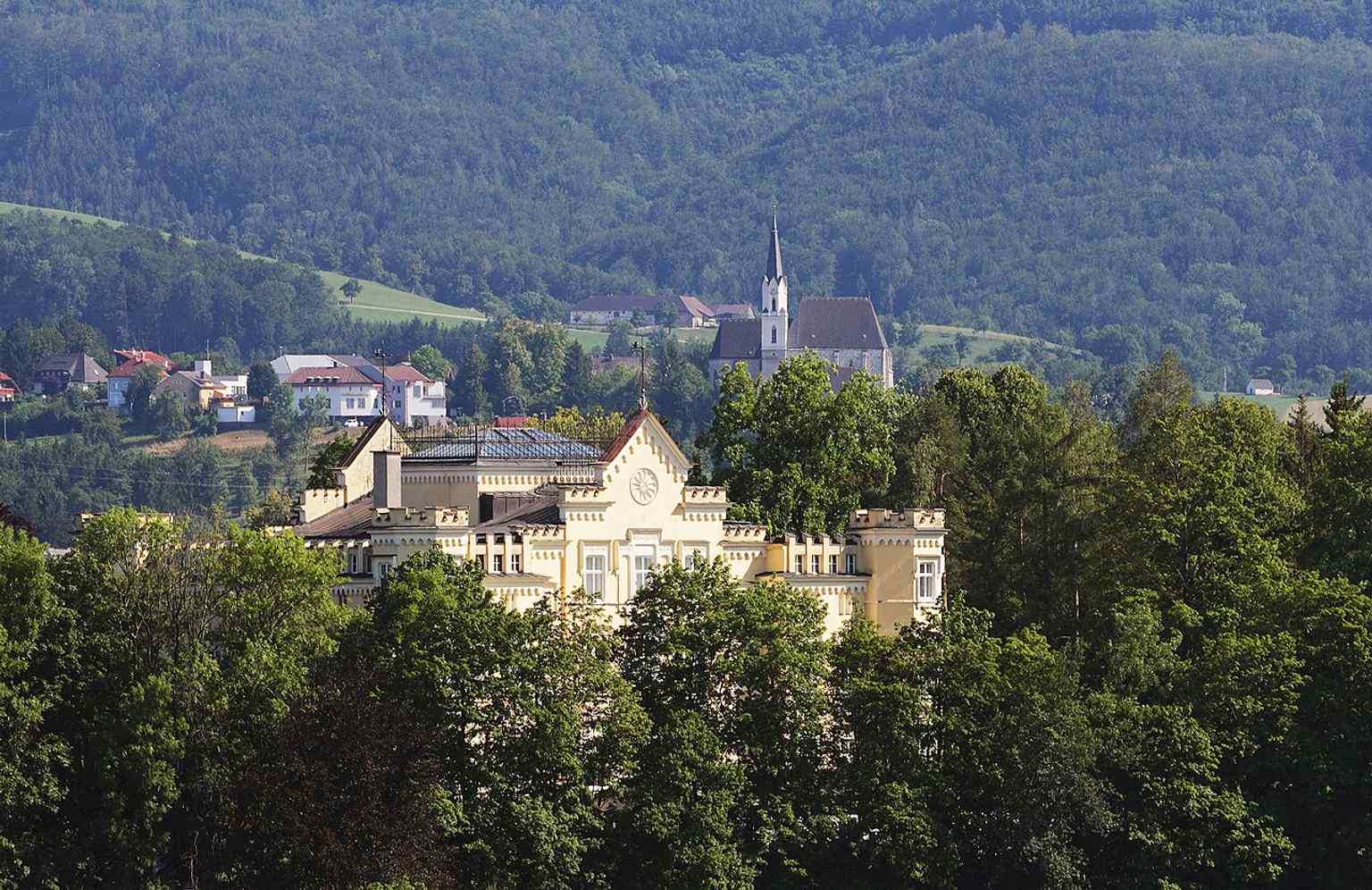
On your left stands a three-story, rectangular villa on a stone-block base, marked by four corner towers and a rosette set into the central gable.
This is Schloss Voglsang, finished in eighteen eighty-two for Josef Werndl, the industrialist you met earlier at his monument, and designed by master builder Anton Plochberger. Werndl wanted more than a villa. He wanted a private statement with turrets. So Plochberger reportedly traveled to Scotland to study castle design, and a garden architect came along for the park. The result is neo-Gothic with Tudor Gothic touches - meaning it borrows late medieval forms, especially the Scottish kind, without pretending to be a perfect copy. In other words, it aims for noble ancestry and lands somewhere between manor house and very ambitious costume.
Look at the composition: the broad front, the battlement-like crenellations, the taller facades on the northeast and southwest sides, and the glasshouse-like roof lantern that lights the staircase inside. Even the street was part of the performance. Preuenhueberstrasse was laid out as an extra-wide ceremonial approach, because subtlety had already left the building.
Then the mood shifted. After Werndl’s wife, Karoline Antonia, died, he lost interest in living here and stayed at nearby Petzengütl instead. By eighteen seventy-eight he had already spent sixty-four thousand florins on the unfinished shell - roughly the price of a very substantial property today - and offered it to the city as a poorhouse. The city declined. He tried to sell it, complained it had serious construction faults, and even considered demolishing it. Nothing says domestic disappointment quite like “perhaps I should tear down the castle.”
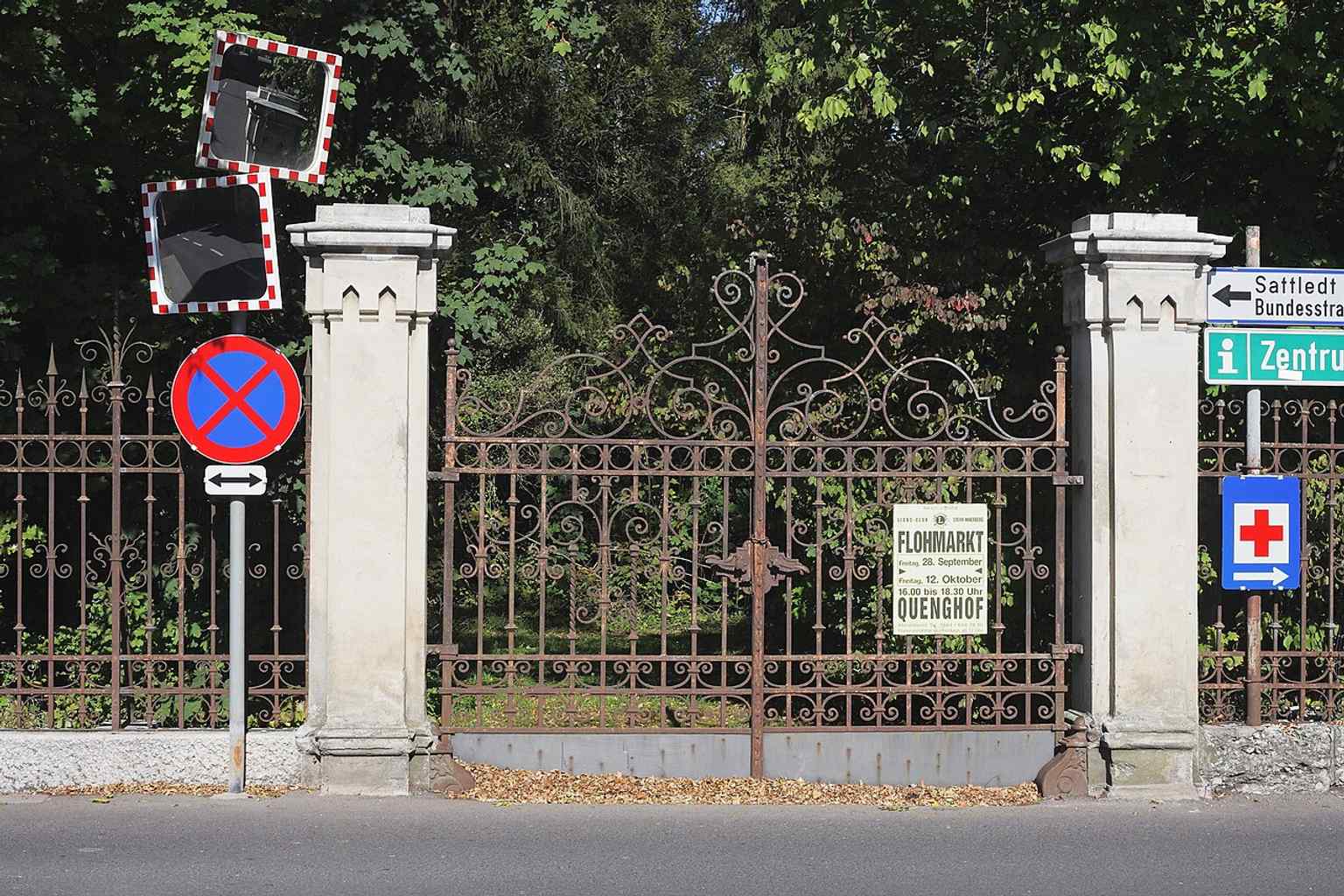
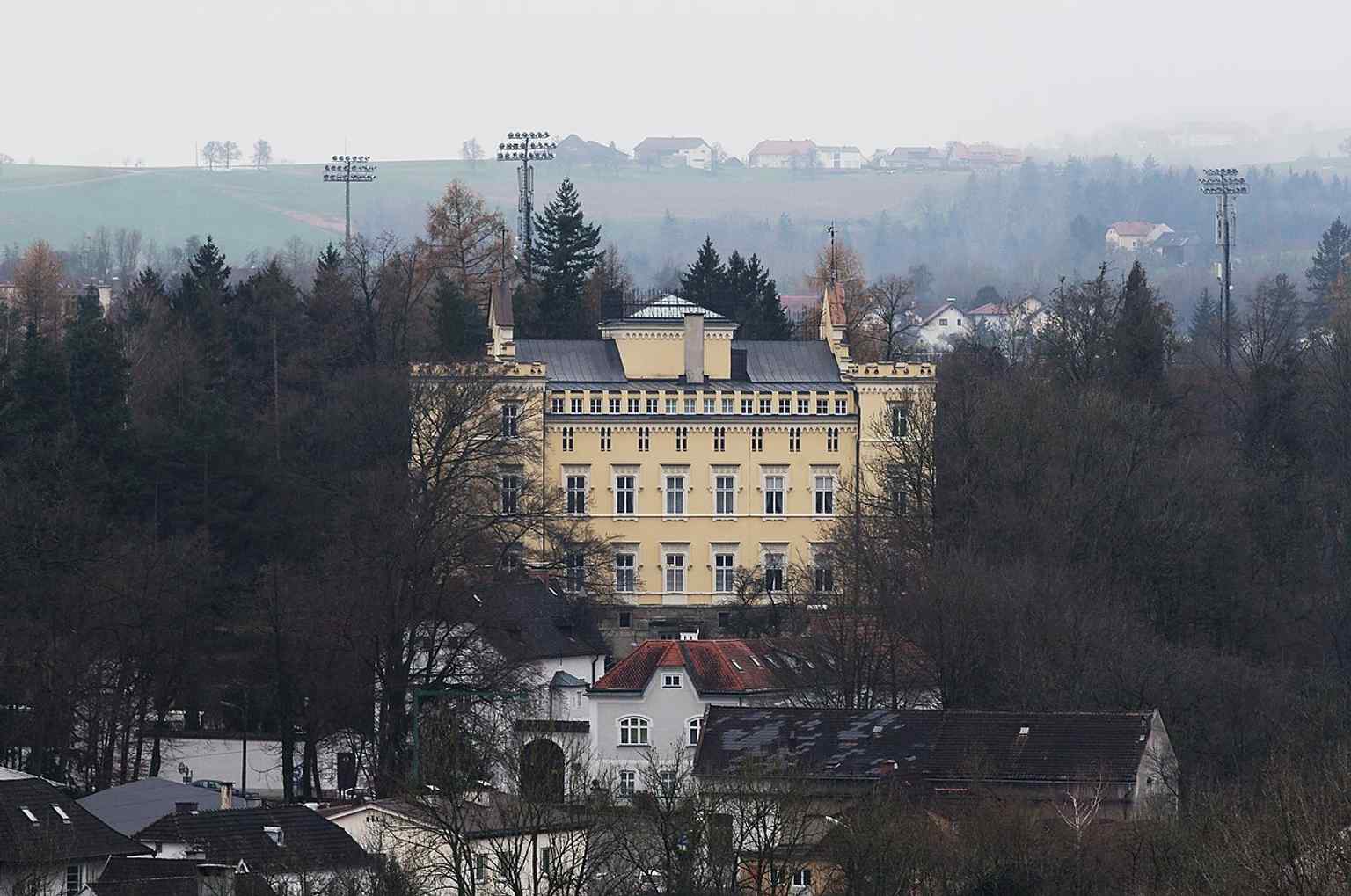
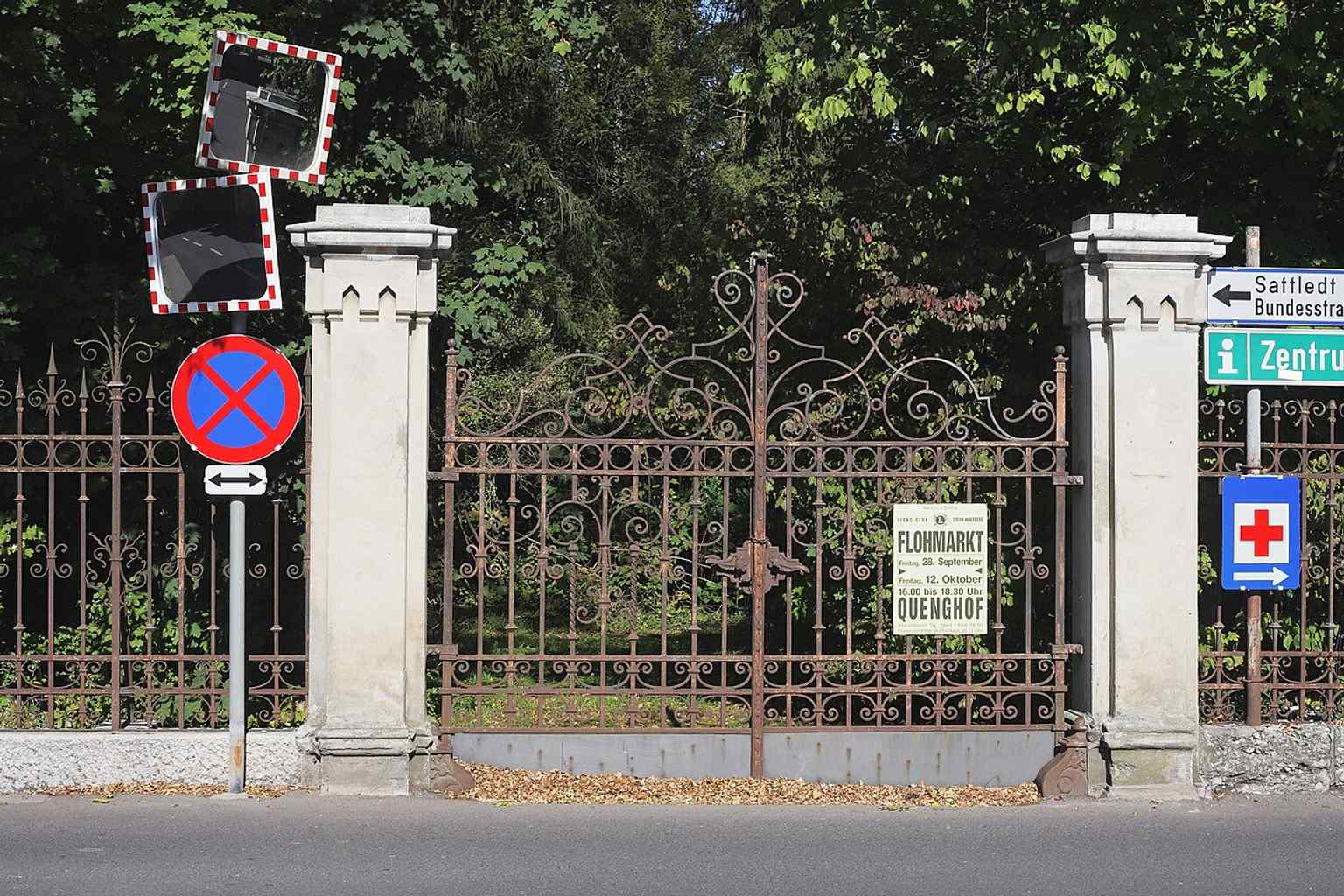
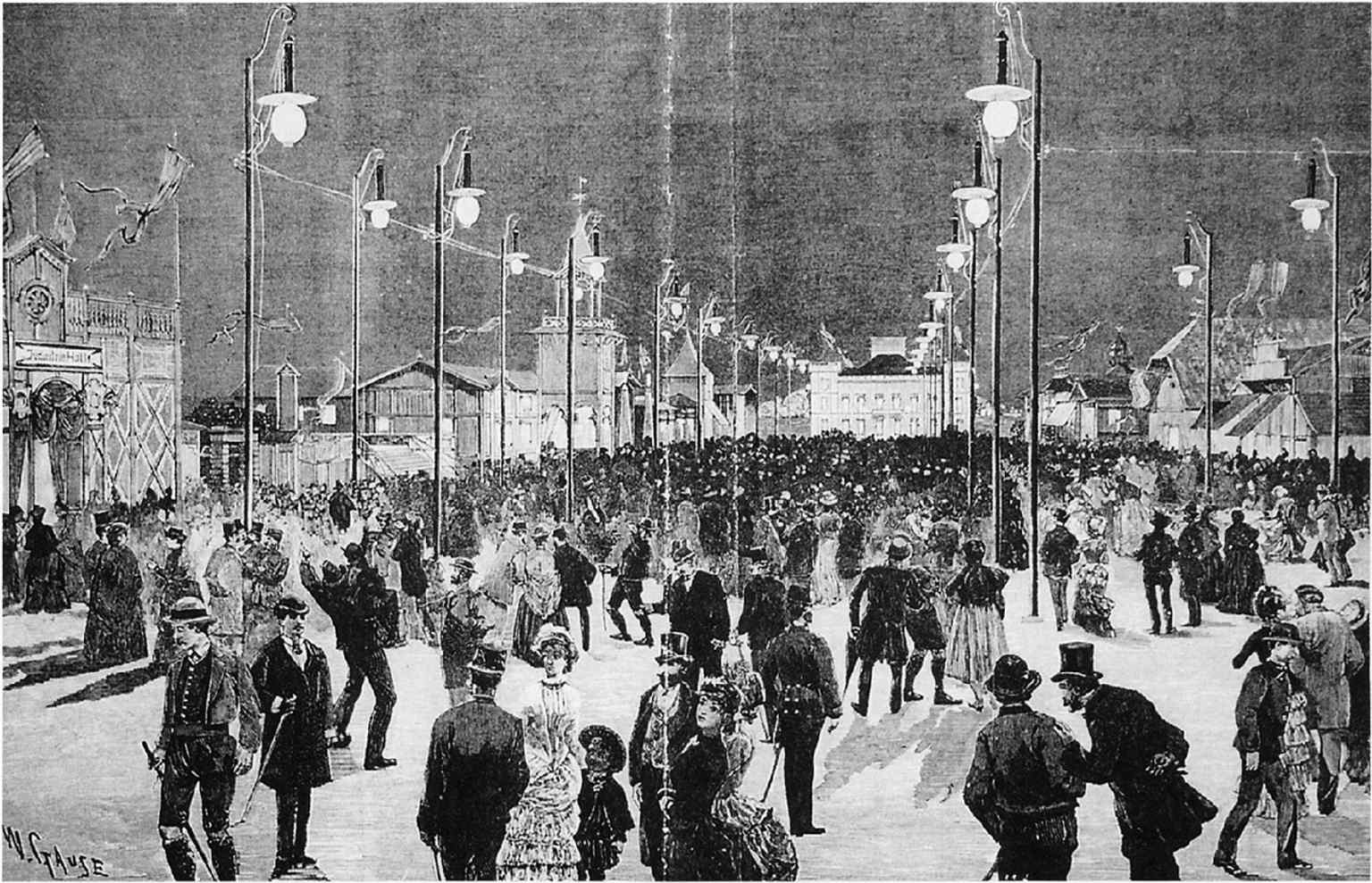
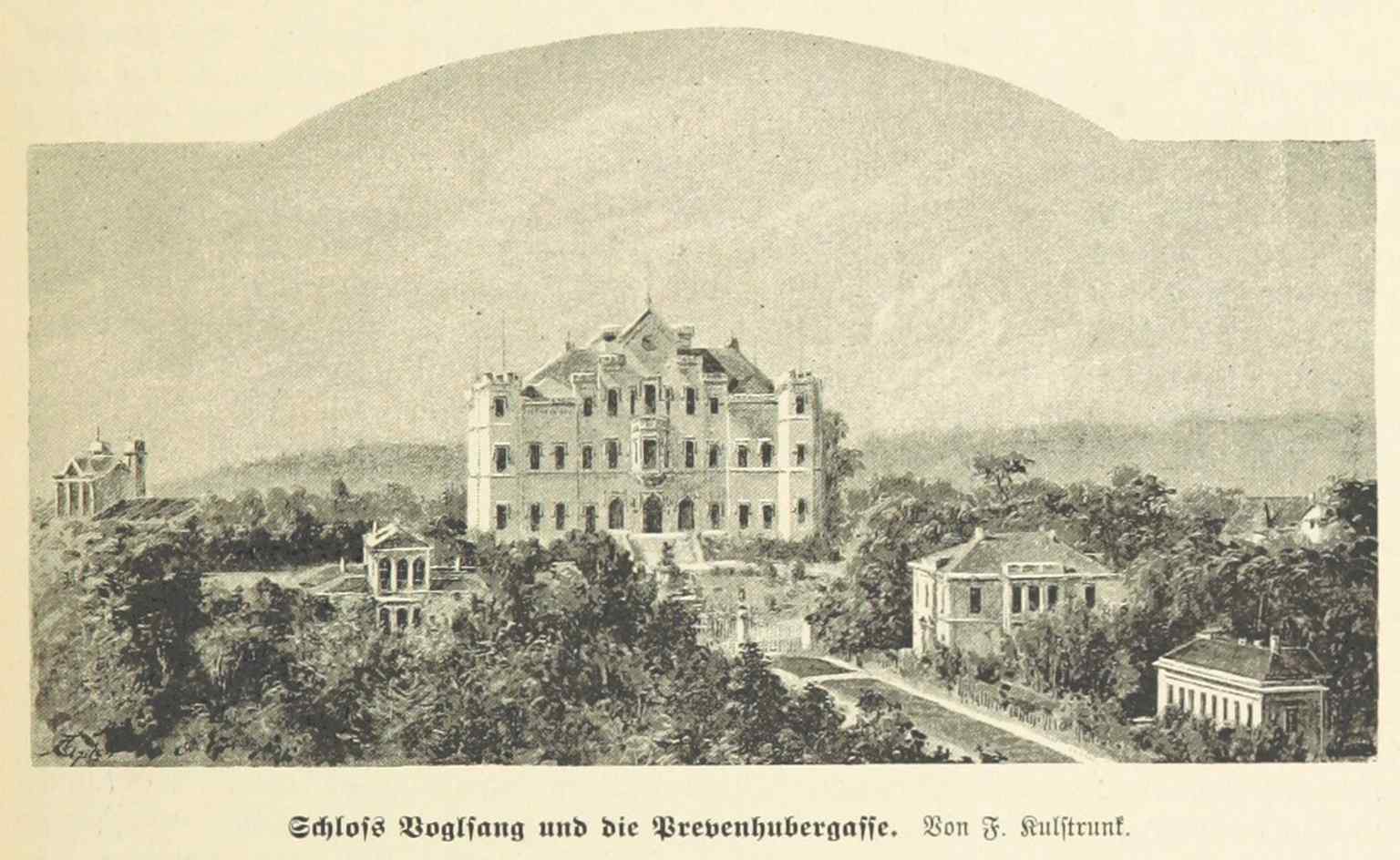
The building survived by being useful: exhibition space in eighteen eighty and again during the electrical exhibition of eighteen eighty-four, then part of a public park with a palm house from eighteen eighty-five. If you check the before-and-after image, you can see how this once-isolated villa became a settled city landmark. And if you look at image two, you’ll see the old gate on the Volksstrasse side, a reminder that this estate once had a second formal entrance.
Later owners finished the interiors, lost a four-ton copper roof to wartime metal collection in nineteen sixteen, turned it into a boys’ boarding house in nineteen twenty-eight, added the attic level, and eventually converted it into senior apartments in nineteen ninety-five.
Voglsang is really a castle-shaped biography of ambition, grief, reuse, and stubborn survival.
Those towers have done enough talking for now. When you’re ready, let’s continue on to Engelseck Castle.






.JPG)


.png)
.JPG)

