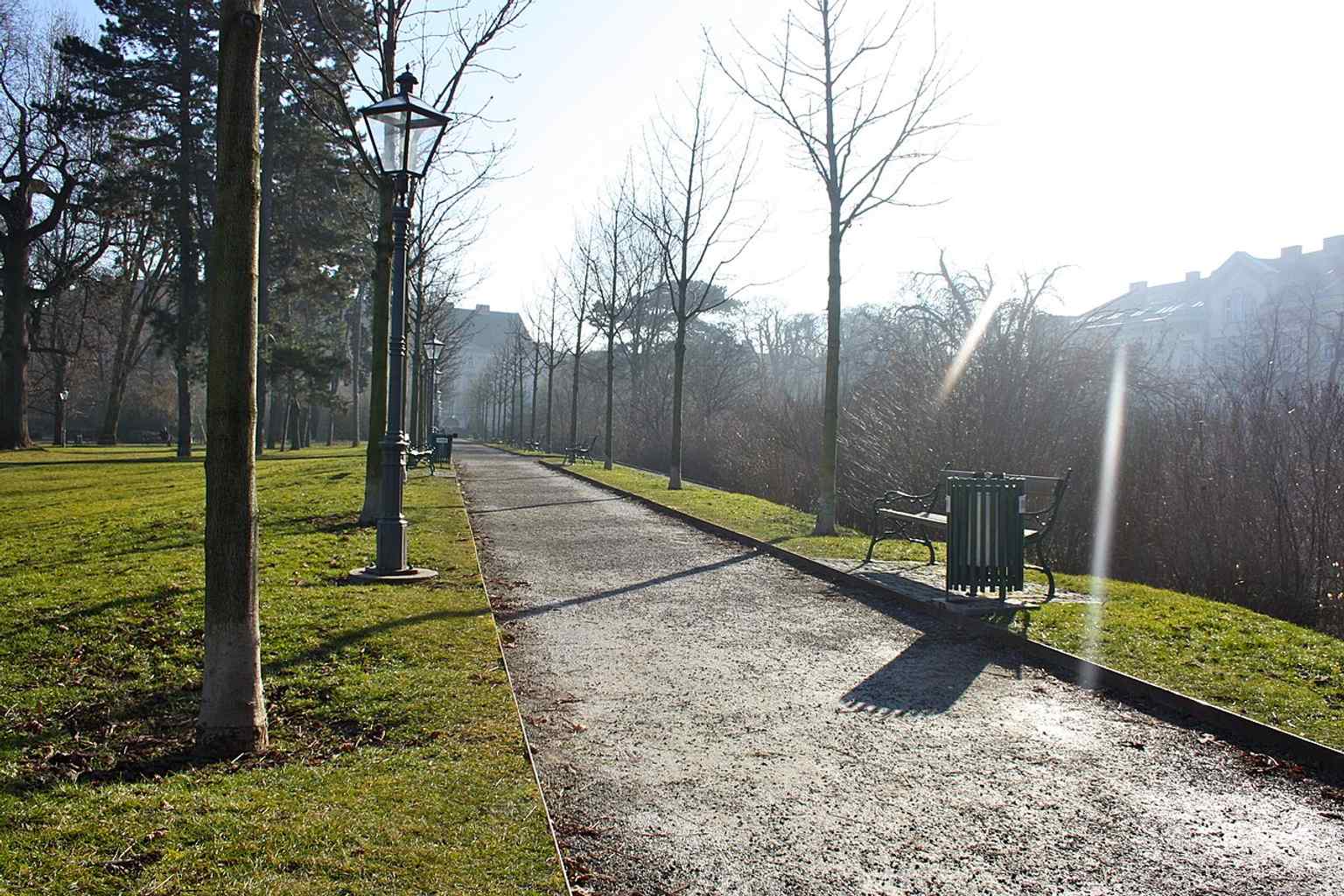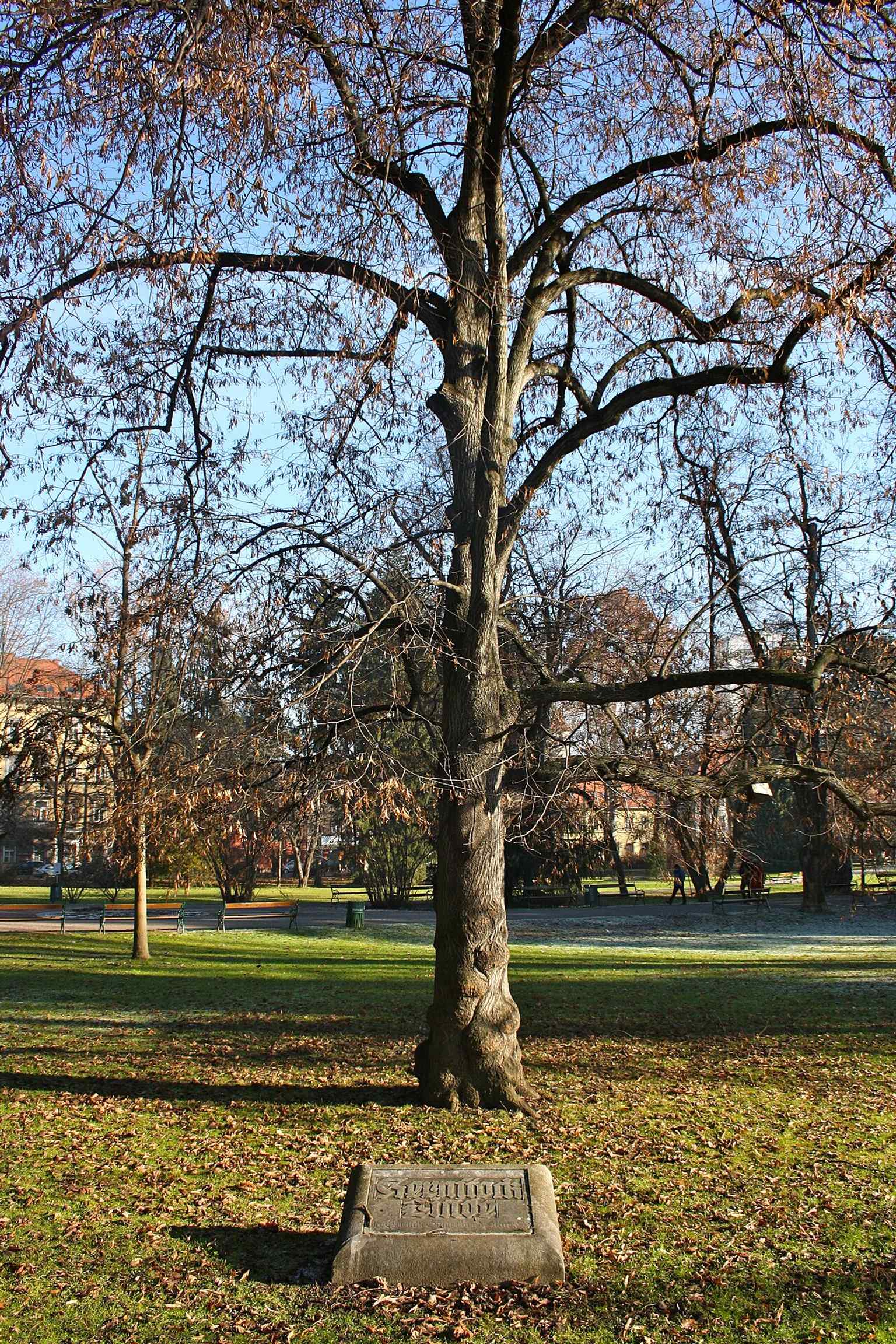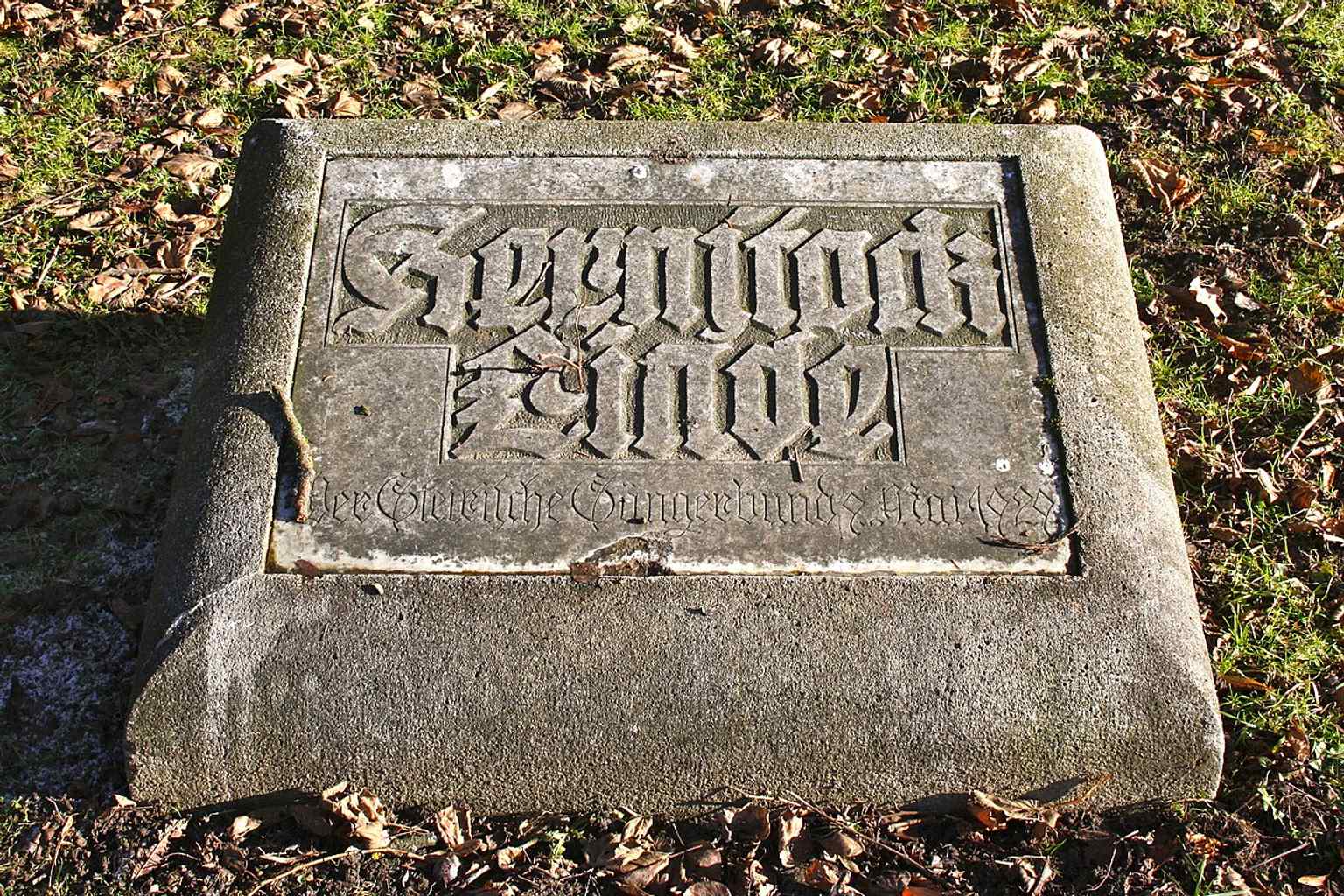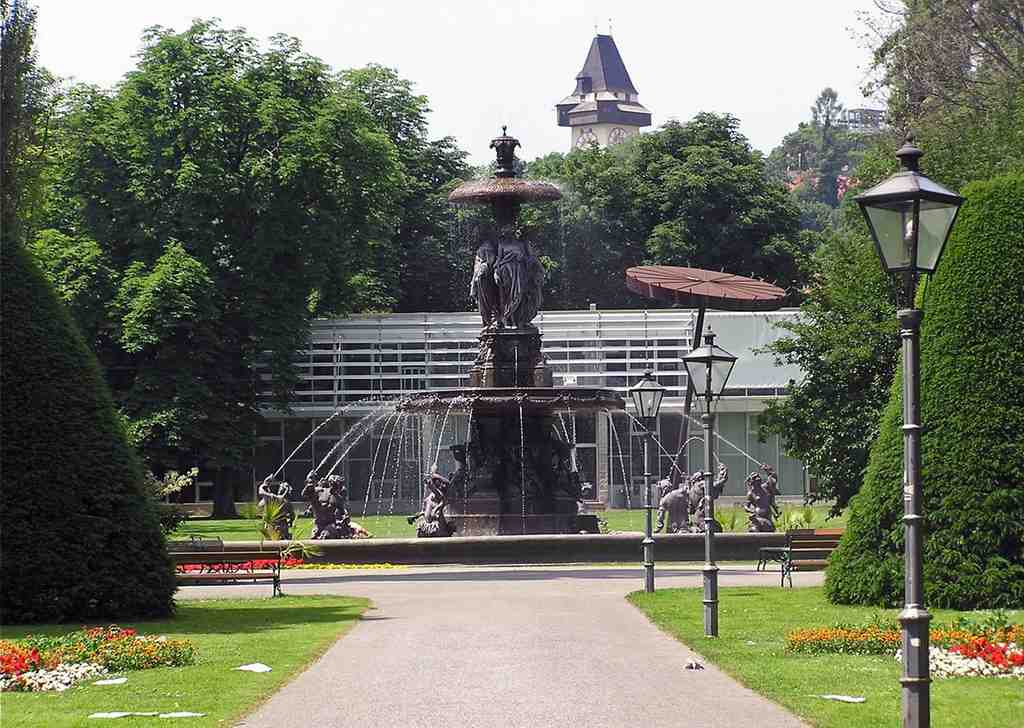
Ahead of you stretches a broad park of curving gravel paths and double tree-lined avenues, with the dark cast-iron Stadtpark fountain standing out as its most distinctive marker.
Graz City Park looks gentle now, but it began as something rather stern. Until the late nineteenth century, this ground formed the glacis - the open, cleared strip in front of the city walls where soldiers needed an unobstructed view. In eighteen sixty-eight, after years of negotiation, Graz finally struck a land swap with the military administration. The city took over about twelve point six hectares of this obsolete defensive land, and the military received the Feliferhof as a shooting ground, a deal supported by thirty-six thousand gulden in private interest-free loans - roughly the value of several hundred thousand euros today.
Mayor Moritz Ritter von Franck saw more than vacant land here. In late eighteen sixty-eight he presented a plan for a public park, a grand Kursalon - that is, a pleasure hall for concerts and social life - and even a water supply. He also helped create the Verein zur Stadtverschönerung, the City Beautification Association, which carried the project forward for decades. In eighteen seventy, the first spade went into the soil and a ceremonial tree was planted. That mattered for more than beauty. People hoped the new greenery would improve public health at a time when local mortality had risen above Vienna’s.
By the end of eighteen seventy-two, the first layout was complete, shaped mainly by the painter Ernst Matthèy-Guenet. He and the association chose the style of an English garden: informal, winding, and natural-looking, though carefully planned. Those double avenues followed old embankments. The park eventually gathered six hundred cast-iron benches, nearly one thousand nine hundred and eighty-nine trees, and a small army of cast-iron lamp posts, their old nineteenth-century steles still preserved even after electrification in the nineteen seventies.
The overview helps you picture the scale of that transformation: a former military buffer becoming a green civic landscape. At the heart of the park stands its great theatrical flourish, the Stadtpark fountain. Graz bought it in eighteen seventy-four after Vienna declined the offer. The city paid thirty thousand gulden - again, a sum worth several hundred thousand euros today - in ten yearly instalments. Five railway wagons delivered the fountain to Graz, and Mayor Wilhelm Kienzl turned it on for the first time on the fourth of October, eighteen seventy-four, the name day of Emperor Franz Joseph the First. The sculptor Jean-Baptiste-Jules Klagmann designed the figures, and the metal founder Antoine Durenne cast them. Each hollow figure weighs about a thousand kilograms, the upper canopy about three tonnes, and the whole composition about thirty-three tonnes. A major restoration finished in twenty twenty-five, giving new life to the cracked basin and the heavy ironwork.
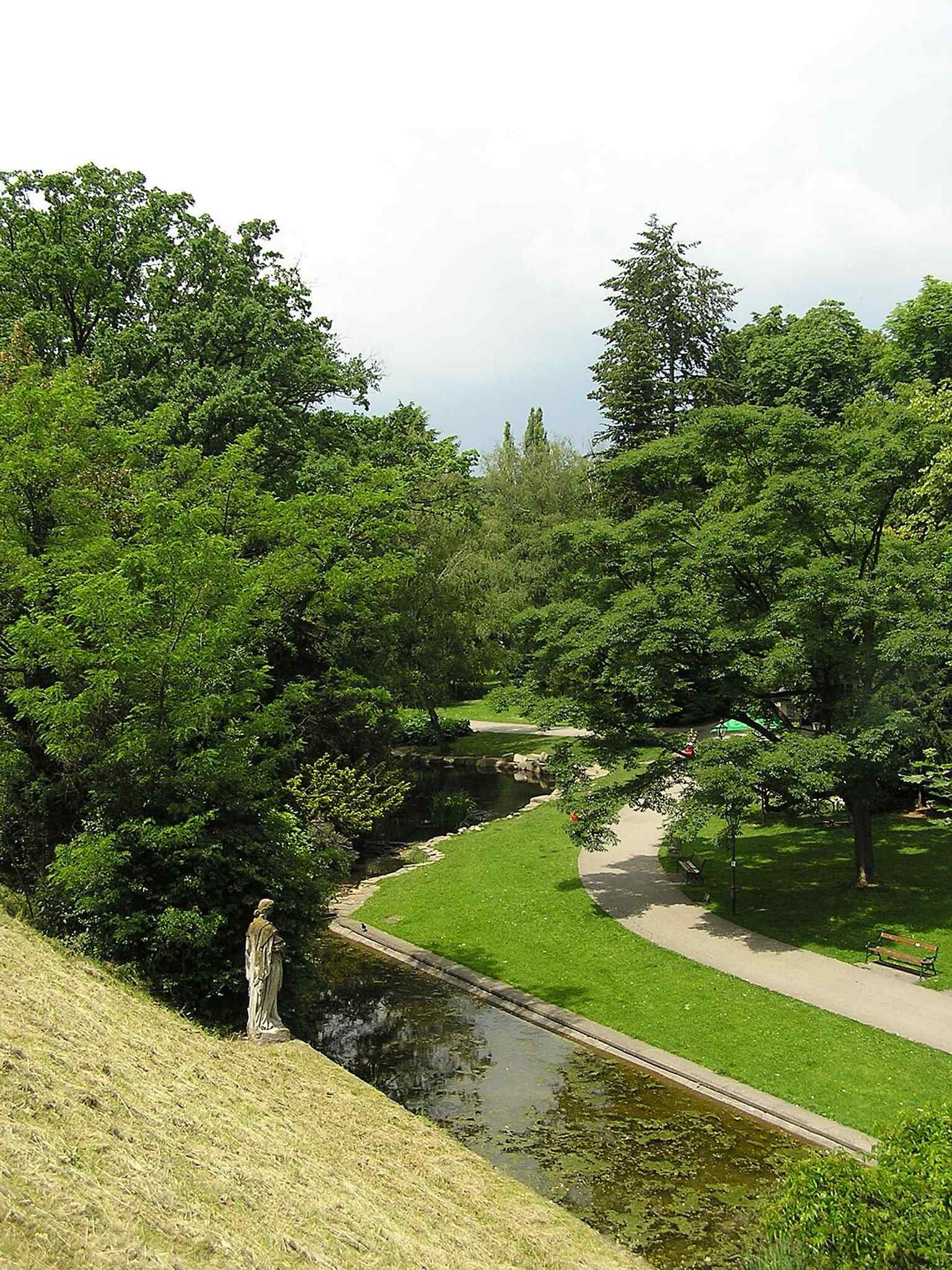
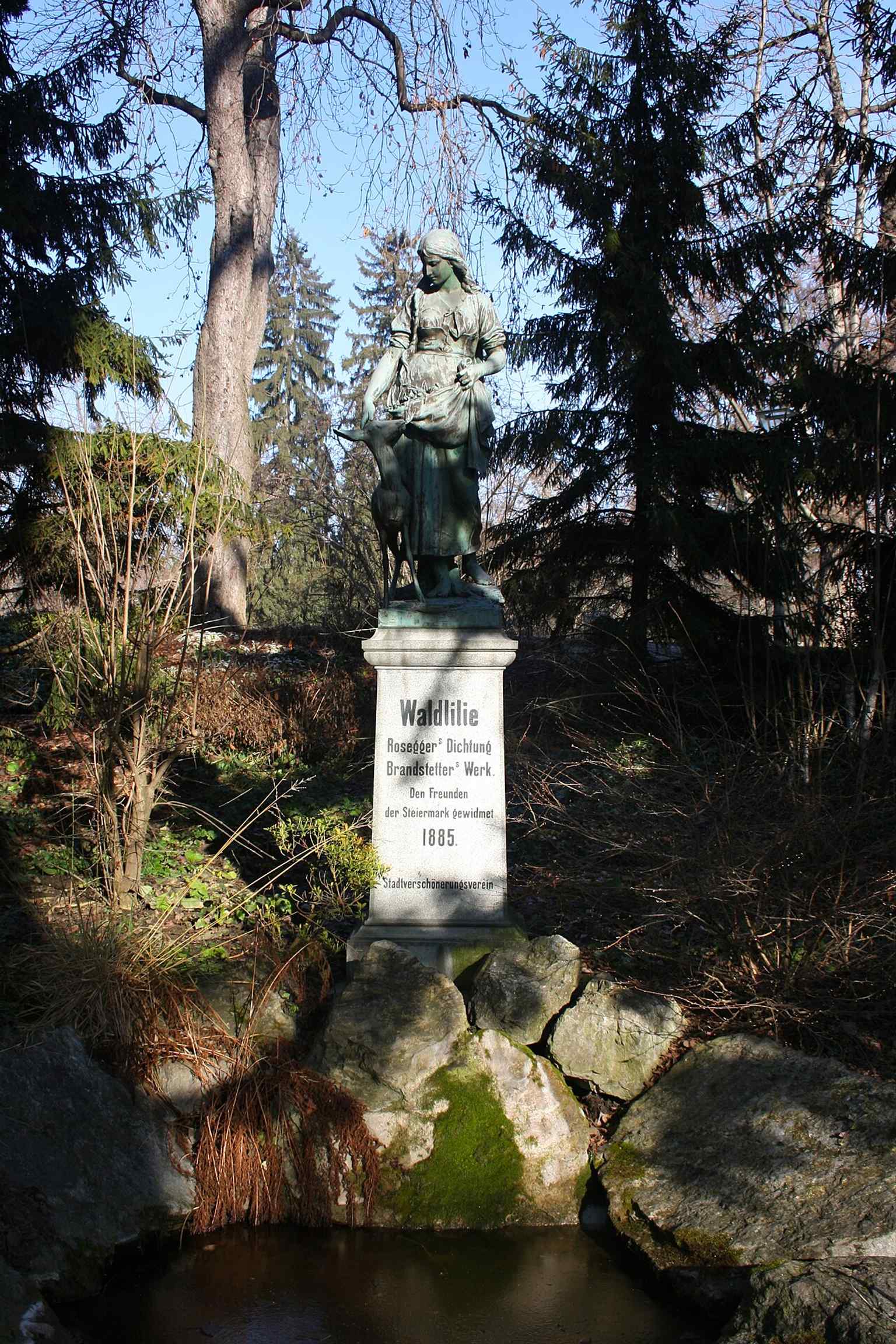
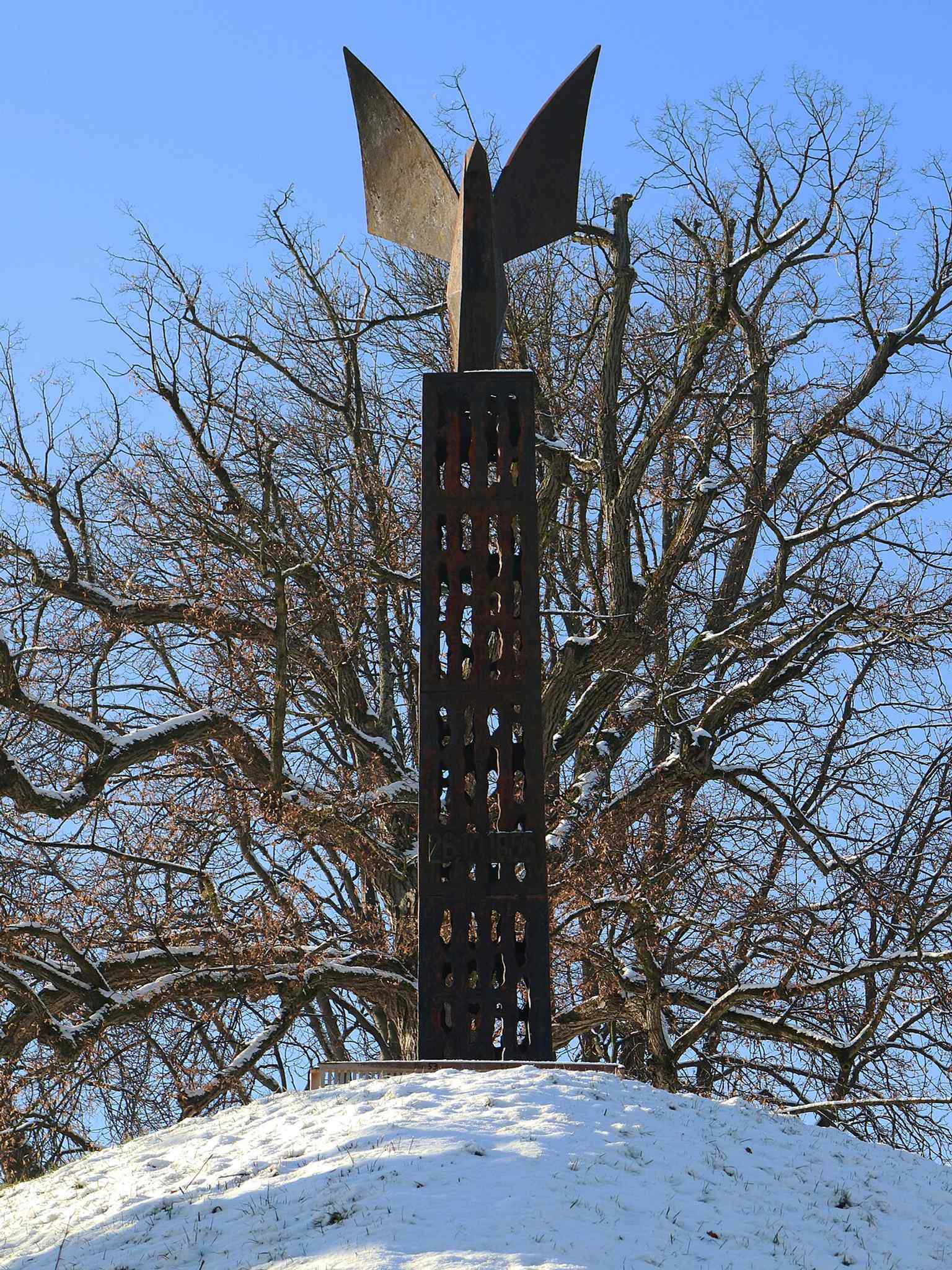
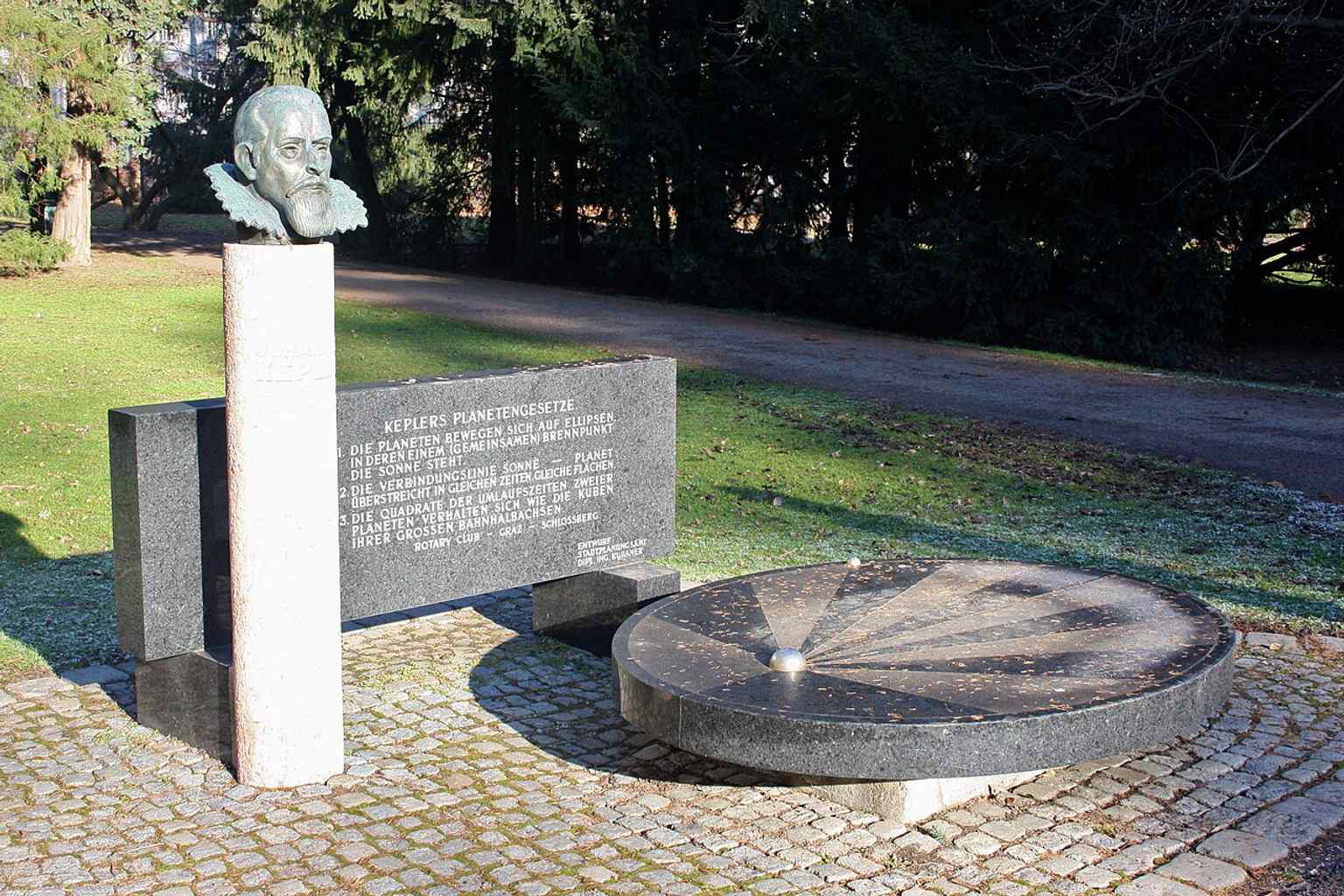
Over time, the park also became an open-air gallery of Styrian memory. Busts and monuments honour figures such as Johannes Kepler, Robert Stolz, and Peter Rosegger. On your phone, the Kepler monument offers a fine example of that quieter layer of history. So this park is not merely a place between streets, but Graz turning an old line of defence into a landscape of culture, health, and civic pride.
When you are ready, continue toward the Opera House; if practicalities matter, the app lists hours here as nine in the morning to seven-thirty in the evening, shorter on Saturday, and closed on Sunday.