
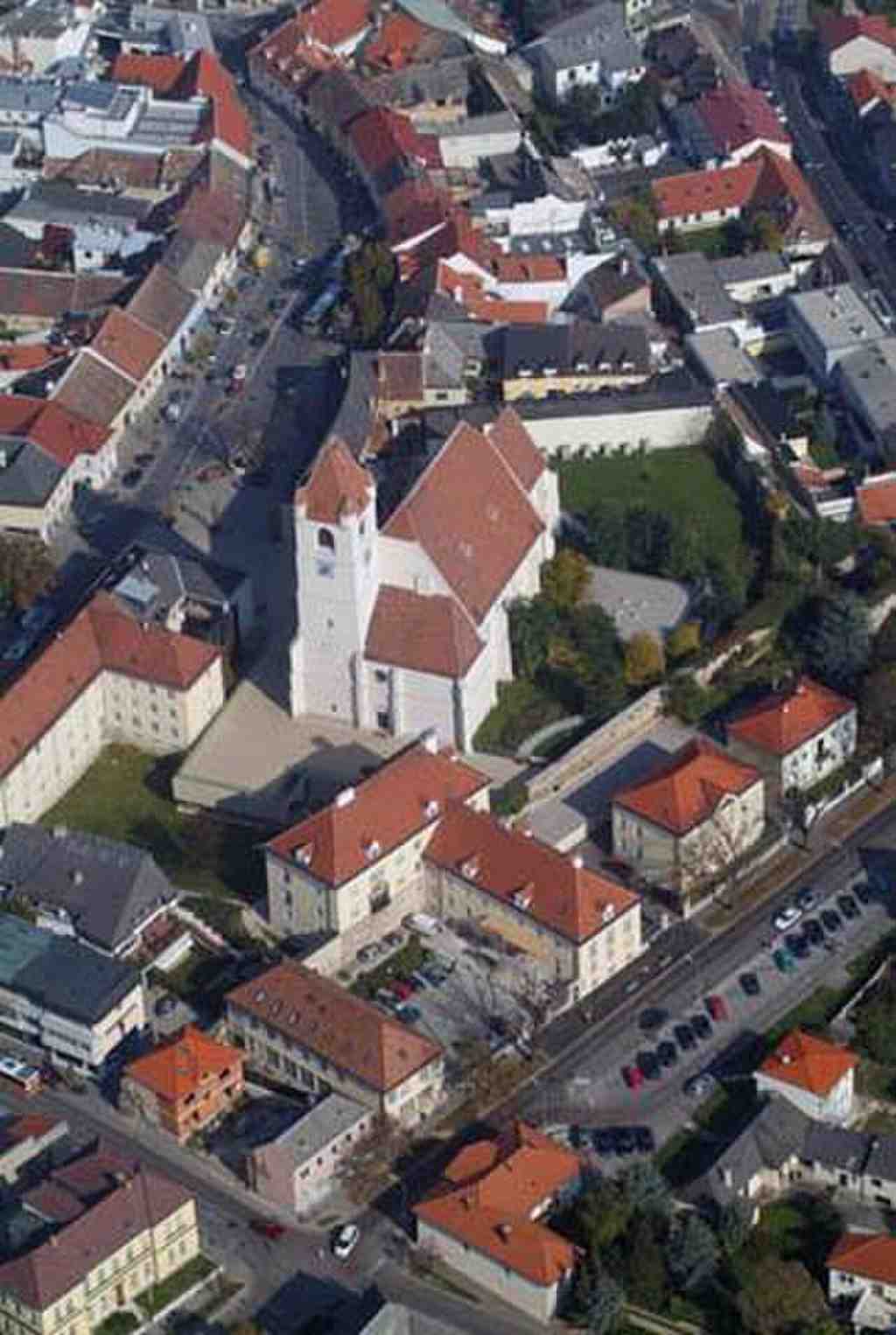
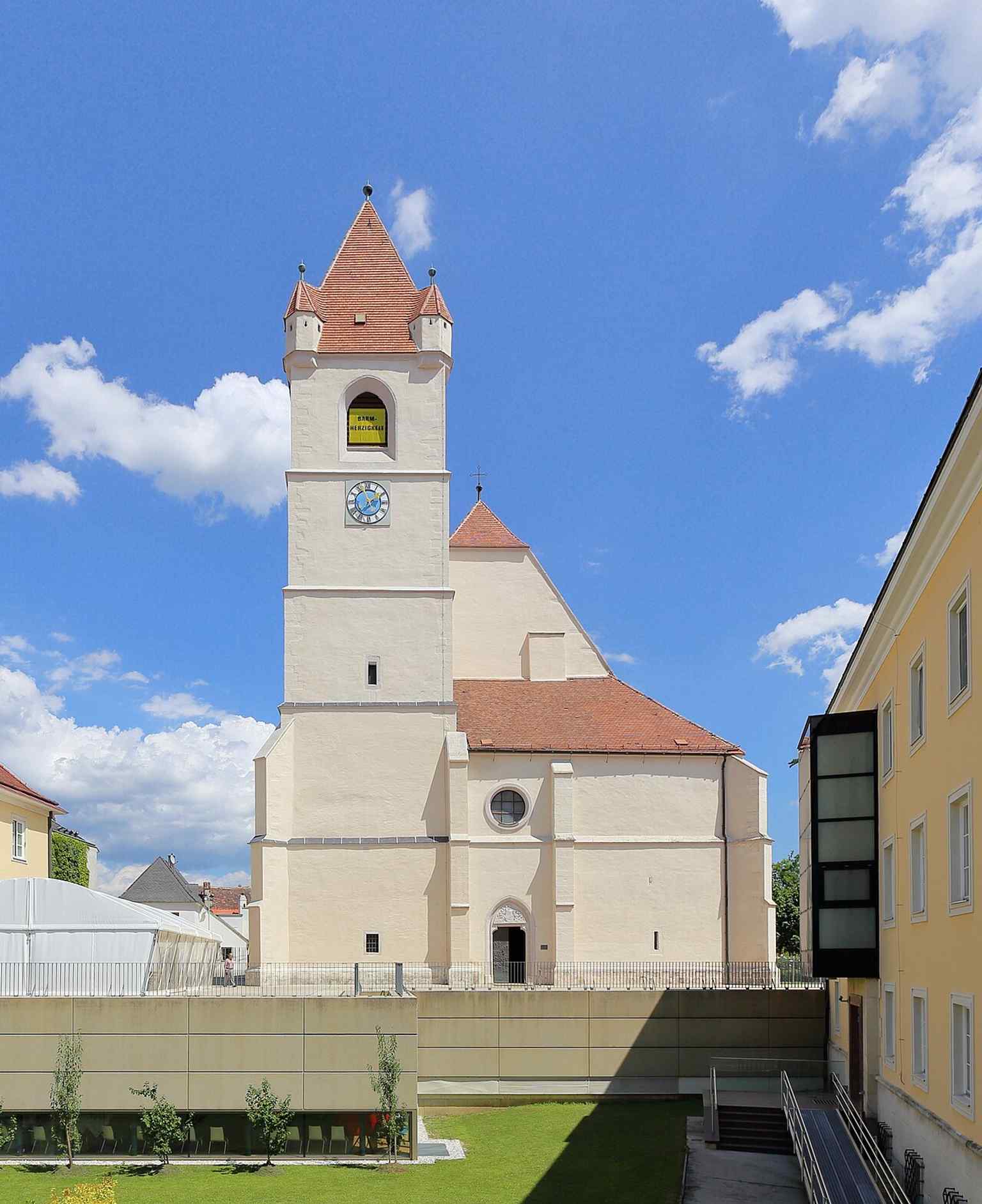
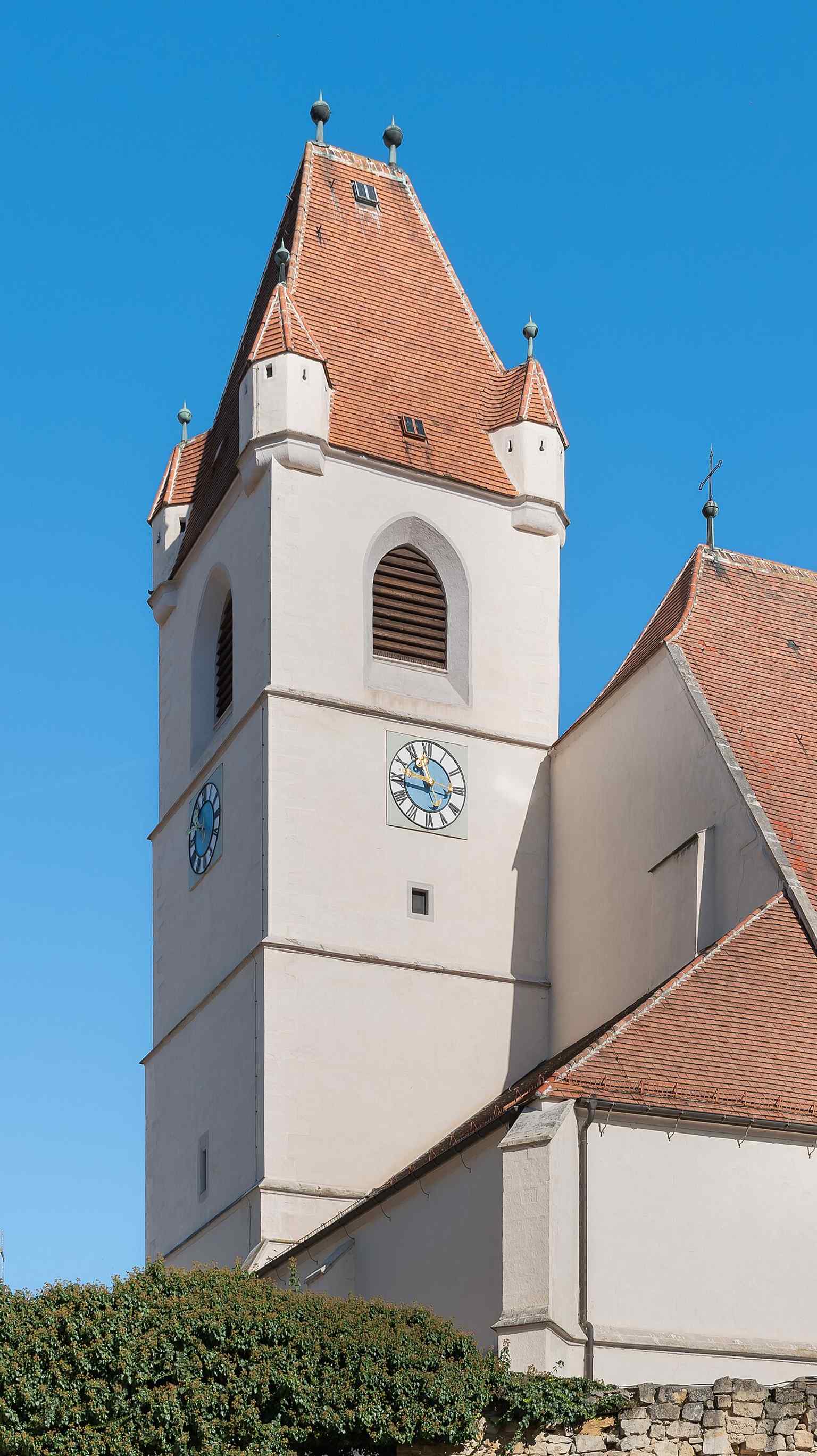
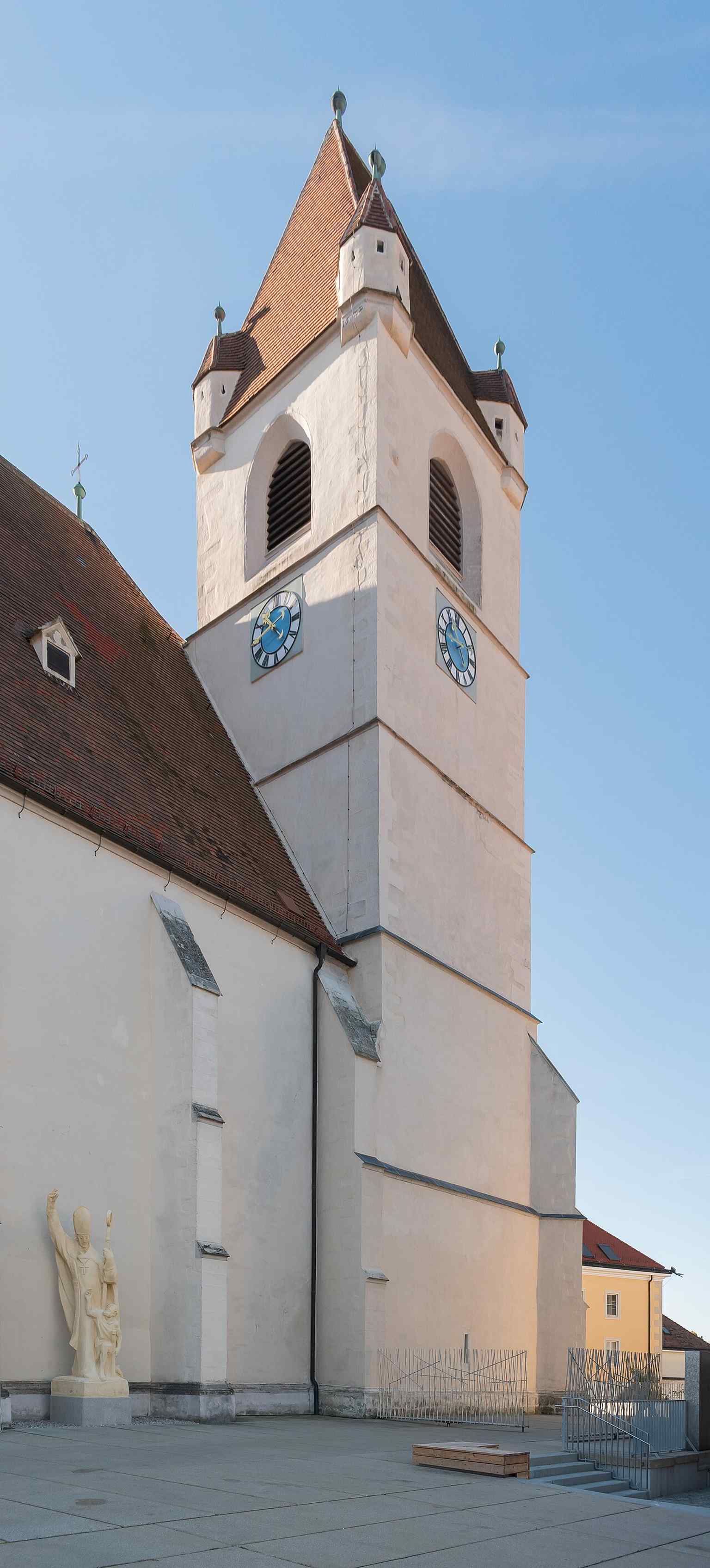
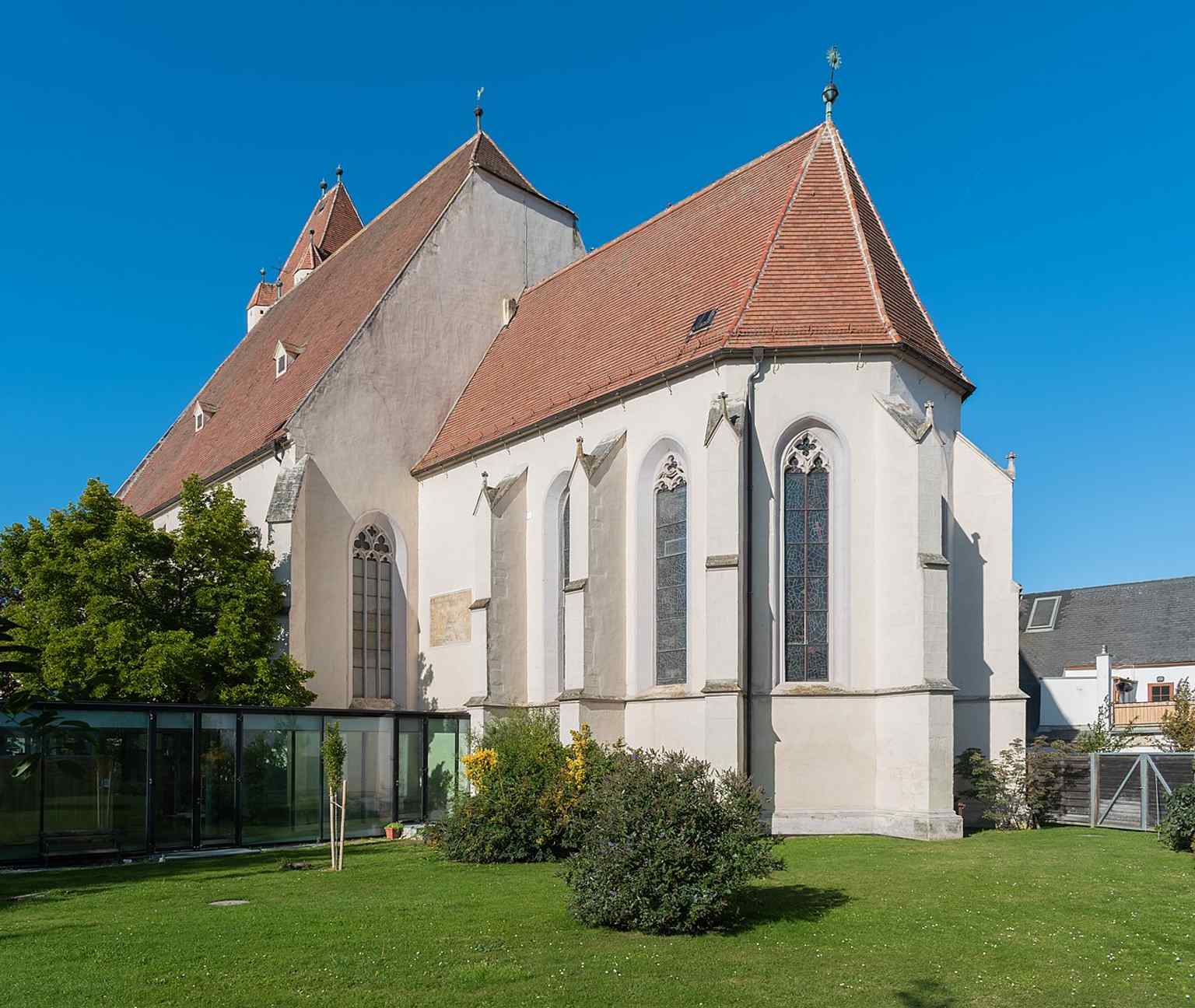
Ahead of you stands a pale stone late-Gothic church with a broad steep-roofed body and an unmistakably uneven west front, where one tower rises tall while its partner stops short.
This is St. Martin’s Cathedral, but it began much smaller... as a chapel first mentioned in the year twelve sixty-four. That little dedication to Saint Martin mattered so much that the settlement itself picked up his name: minor Martin, later Kleinmartinsdorf, Kismarton. Under the area of today’s sanctuary, the holy space around the altar, part of that Romanesque foundation still survives like a buried first draft.
Then the building kept growing as the town did. In the thirteenth century, builders added an early Gothic choir. In the fourteenth, they tucked on a family chapel. And in fourteen sixty, city captain Johann Siebenhirter pushed for something tougher: a new church designed as a fortified church, because after the fall of Constantinople in fourteen fifty-three, people here expected Ottoman attack. Faith, in other words, needed thick walls as well as prayer.
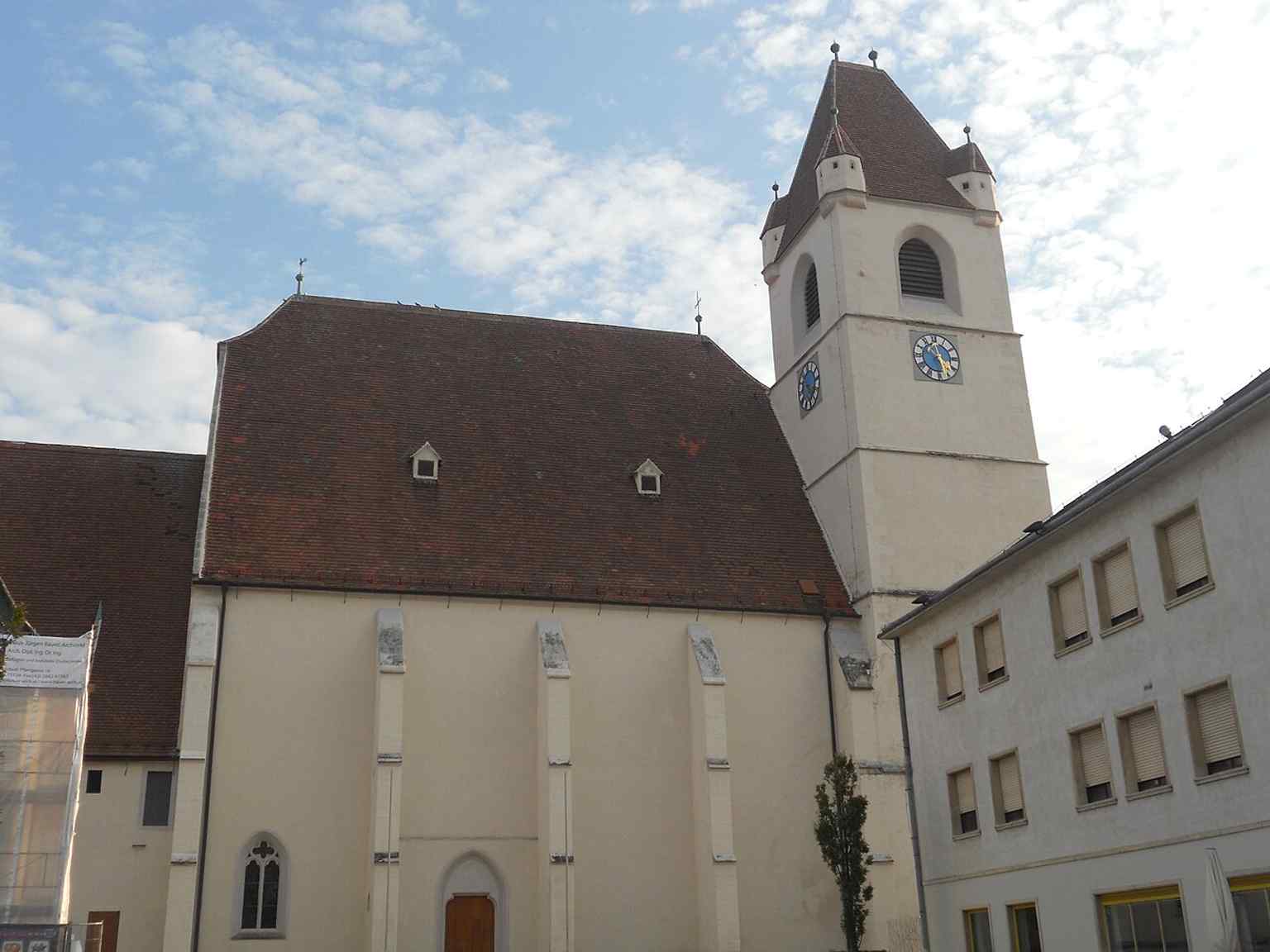
Take a moment and study the front... especially the towers. The church was planned as a twin-tower west front, but only the north tower reached its full height. The south tower stopped at two stories, and that unfinished ambition still gives the cathedral its slightly lopsided character. If you want a clearer look, check the west view on your screen. It’s a handsome reminder that even major churches don’t always get to finish their grand plans.
And here’s the part locals tend to remember: after the great fire of fifteen eighty-nine, the central body of the church burned out, the vault crashed down, and this place stood without a roof for roughly forty years. Forty years. Imagine a sacred building open to the sky, stripped of dignity, waiting. In Eisenstadt, that rhythm turns up again and again: damage first, then the stubborn work of reshaping what remains. The church people see now carries that long habit of repair in its bones.
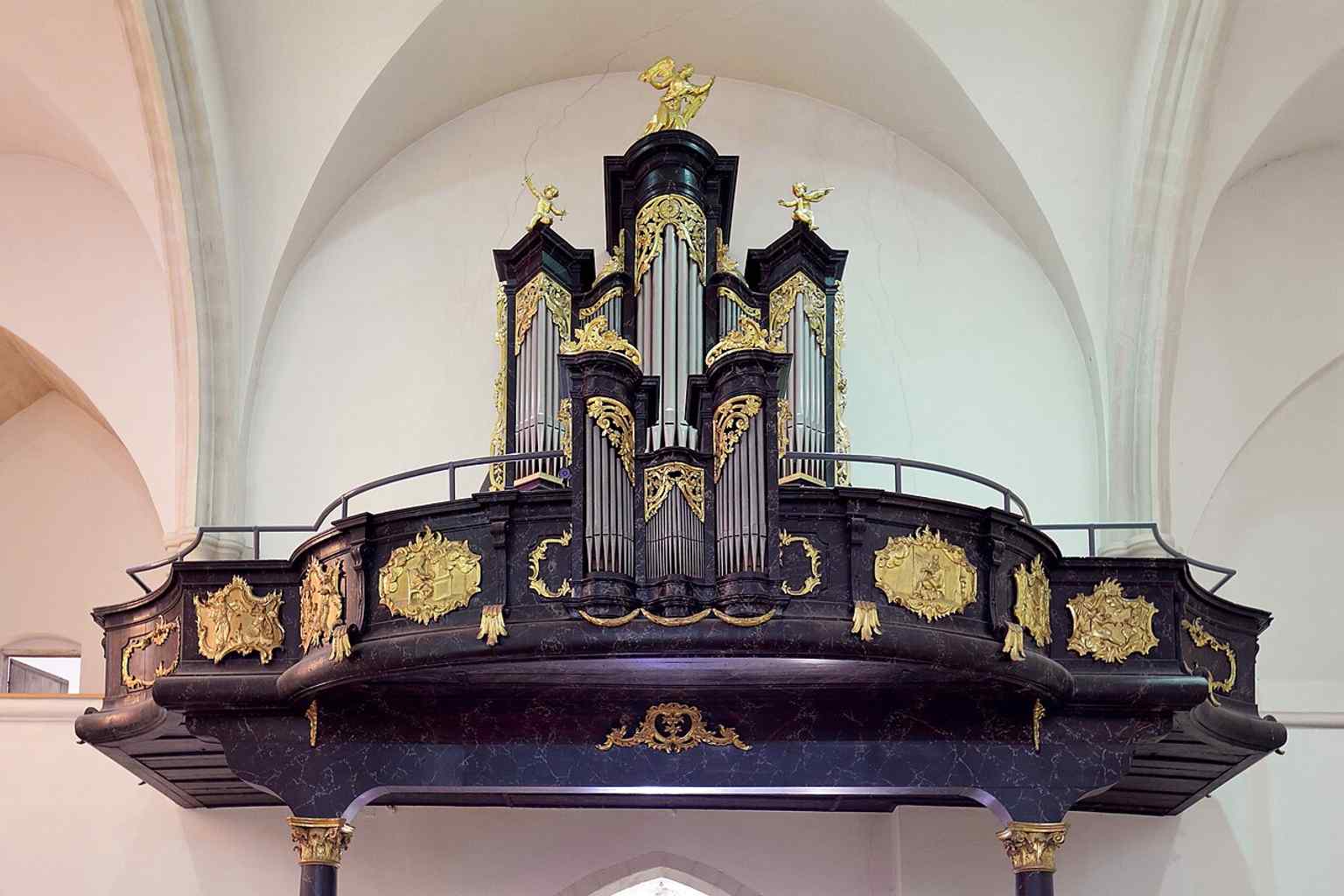
By sixteen twenty-nine, workers finally restored it. Much later, in seventeen seventy-seven and seventeen seventy-eight, another layer arrived: a grand altarpiece by Stephan Dorfmeister showing the Transfiguration of Saint Martin, and a new organ by the Viennese builder Johann Gottfried Malleck. Joseph Haydn enters the story here not as some marble bust of genius, but as the practical man asked to solve a real problem. The older organ no longer satisfied anyone, and Haydn helped guide the search for a better sound. Very glamorous, really: not composing immortality for a moment, just fixing church acoustics. If you glance at the organ image in the app, you’re seeing the descendant of that living musical tradition.
The church changed again in the twentieth century, then became the cathedral of the Diocese of Eisenstadt in nineteen sixty. Another major redesign in two thousand and three gave the altar area a distinctly modern use of glass. So even here, in a building rooted in the Middle Ages, nothing stayed frozen for long.
That may be the first thing Eisenstadt asks you to notice: its sacred places are old, yes, but never settled. When you’re ready, head on toward the Town Hall, about a two-minute walk from here.





.JPG)


.jpg)
.jpg)
.jpg)