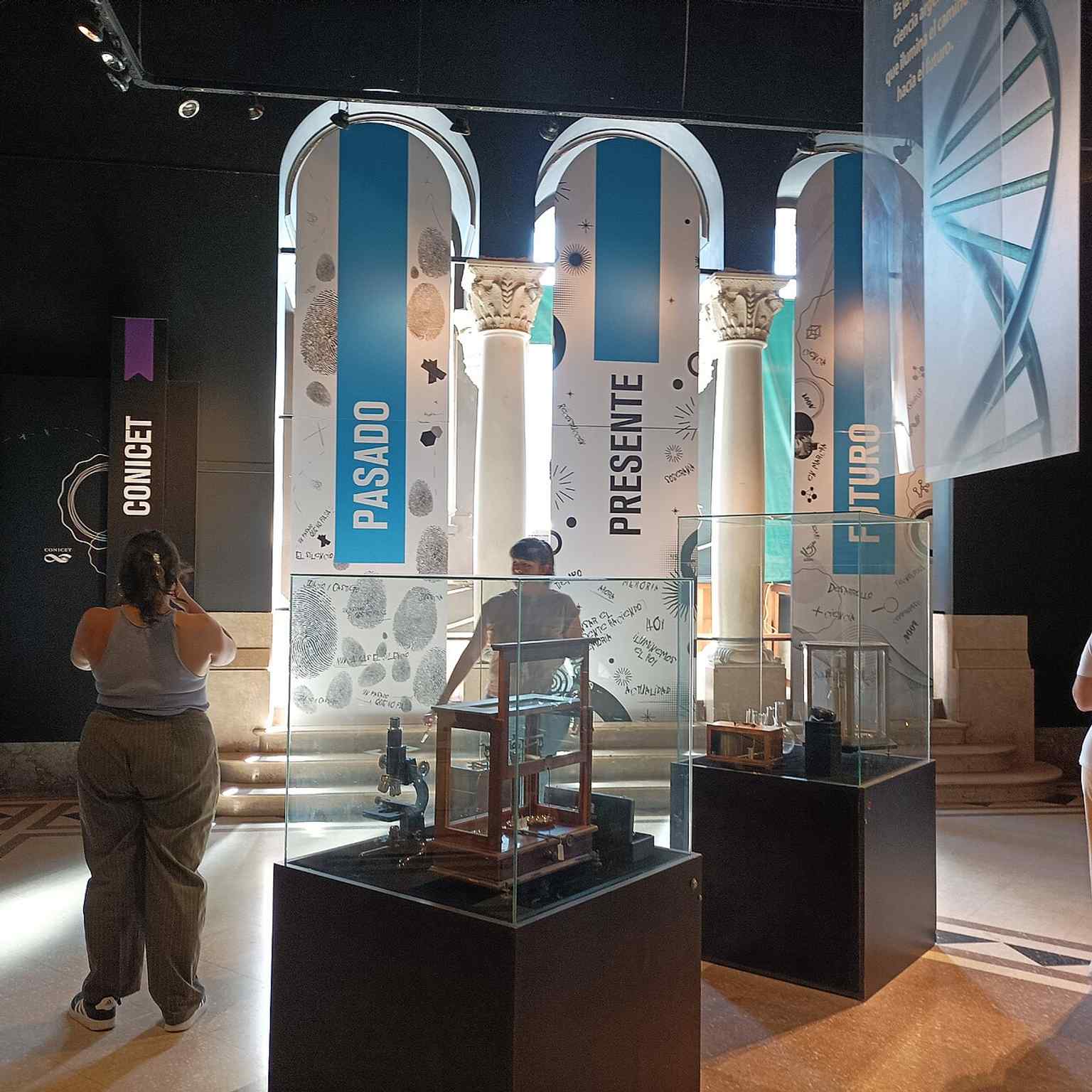
Look for the prominent entrance sign displaying a blue wave shaped like an infinity symbol alongside a bright yellow sun, attached to the museum's imposing stone exterior. The obsession to classify and understand the natural world drove nations to construct these massive temples of knowledge. It was a relentless pursuit of science that transformed scattered collections into monumental institutions meant to anchor a rapidly growing city.
Take a moment to examine the exterior walls of the building itself. If you look closely, you can spot intricate reliefs of native animals like tapirs, flamingos, and sea lions carved directly into the stone. They turn the very architecture into an open book on biodiversity. Inside, even the iron staircases mimic terrestrial snail shells, and the heavy roof brackets take the form of bats with outspread wings.
For three decades, this vision was fiercely guarded by Germán Burmeister, a severe German savant who ran the institution with an iron fist. He was a brilliant encyclopedist of the old guard, meaning he was a scholar who tried to master absolutely every scientific discipline, and he became infamous for his bitter opposition to Charles Darwin's new evolutionary theories. Burmeister despised the younger, Darwin-supporting scientists, sparking intense rivalries that fractured the local academic community. His arch-nemesis, Florentino Ameghino, was so fed up that he helped found a completely separate museum in La Plata just to escape Burmeister's conservative grip. It is a perfect example of how fierce academic obsessions can literally redraw the cultural map of a region, as rival camps built rival institutions.
Burmeister's story ended right inside the walls he fought so hard to control. At the age of eighty-five, while trying to pry open a tall display cabinet, the fierce director tumbled off a double ladder, smashed through the glass, and severed an artery. He succumbed to his injuries a few months later.
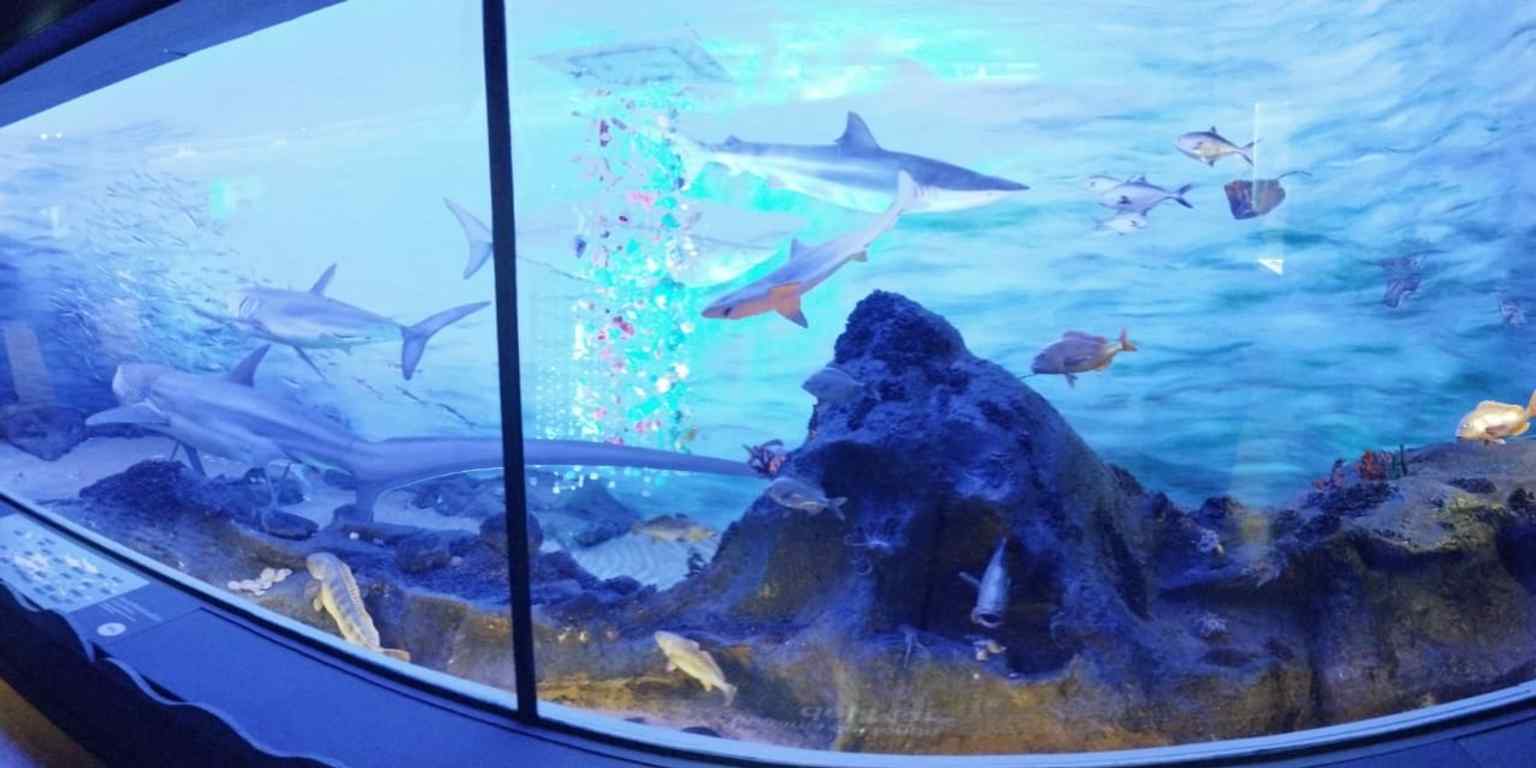
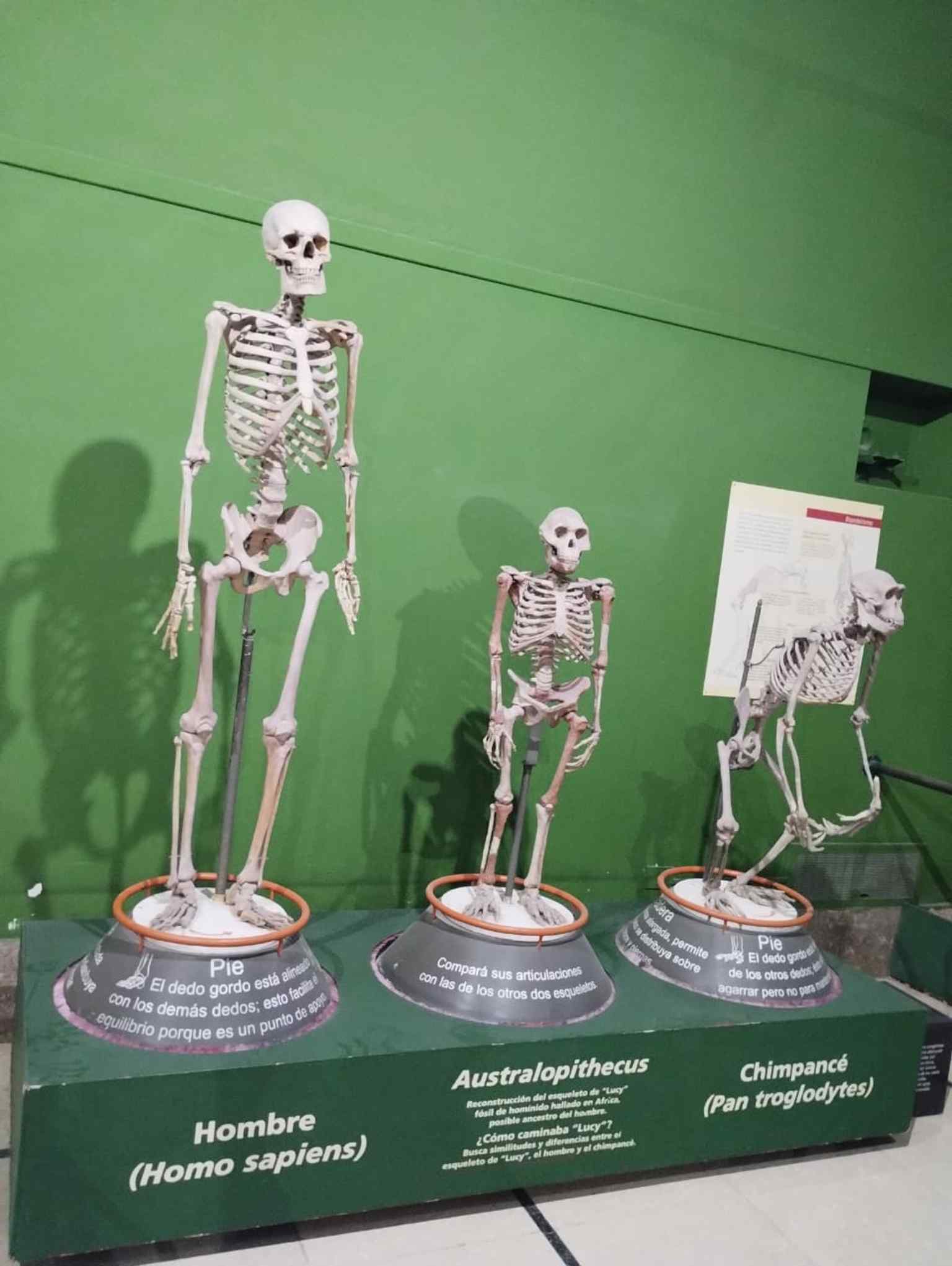
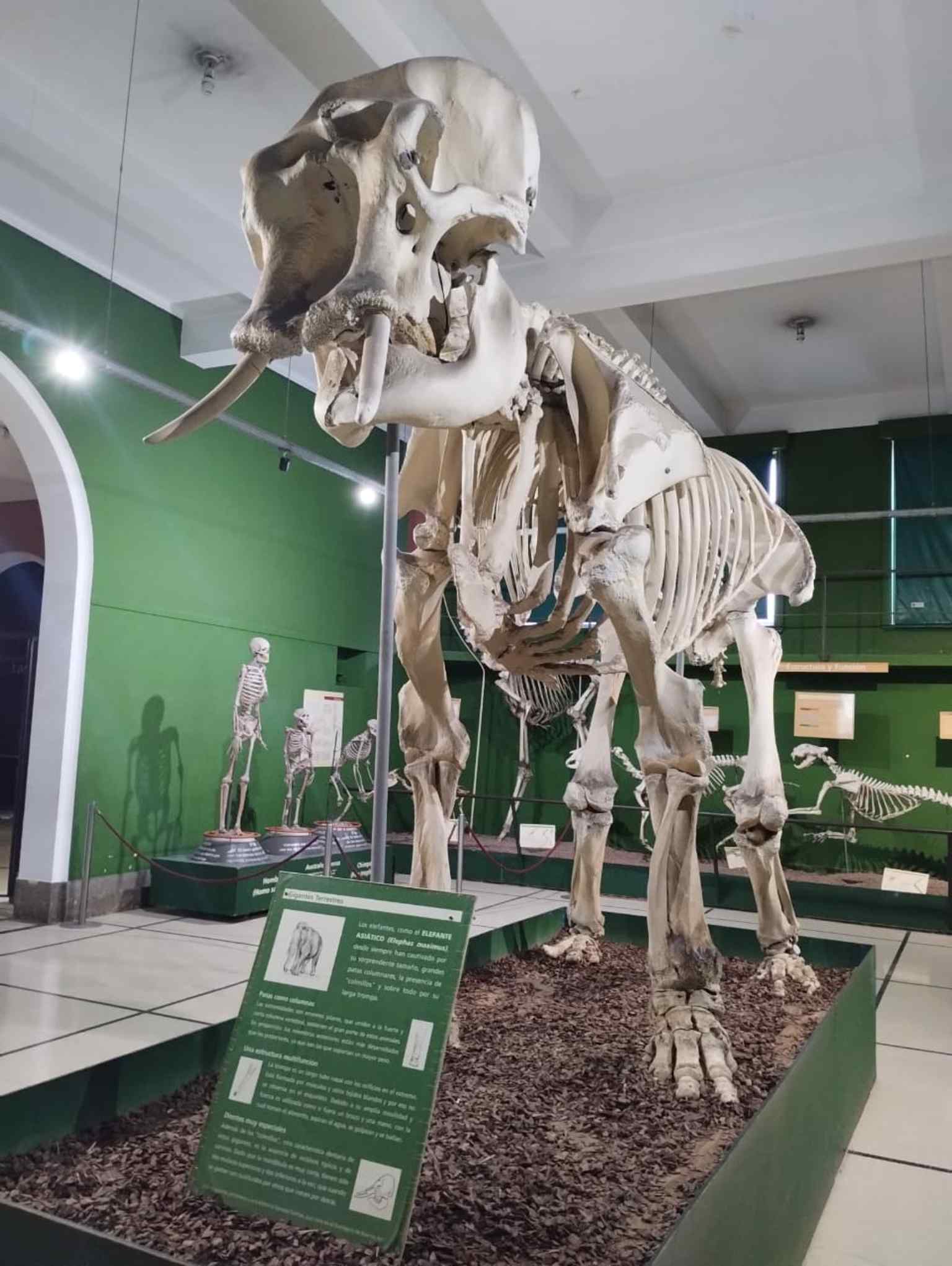
But the mission of the museum expanded far beyond those old rivalries. It took about fifteen years to construct the building you see today, and even then, shifting politics and tight budgets meant only a third of the original symmetric design was ever finished. Still, its halls are magnificent. Take a glance at your screen to see the modern mammal hall, where colossal skeletons, like that of an Asian elephant, loom over visitors.
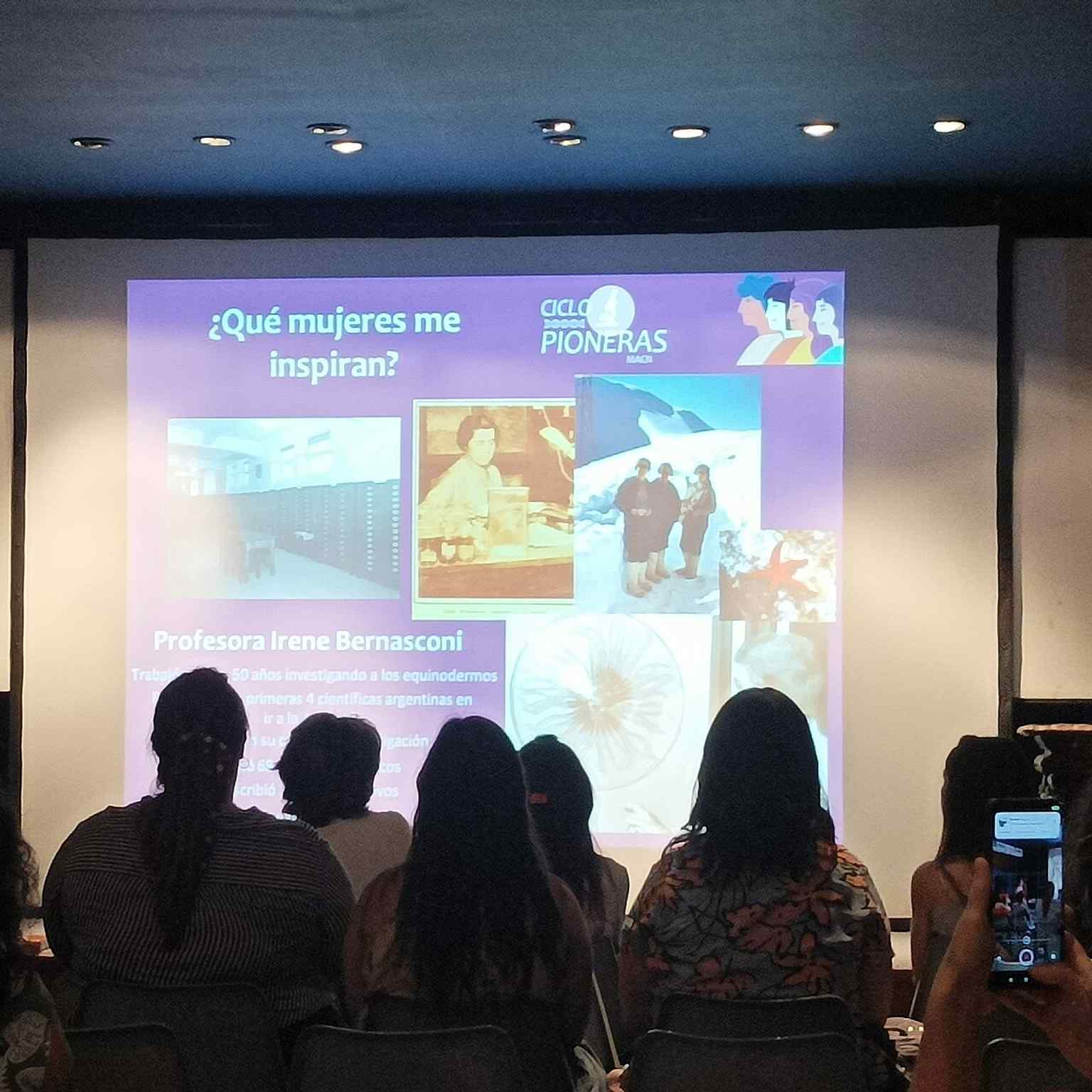
The institution's dedication to discovery eventually pushed its experts to the very edges of the earth. In the late nineteen sixties, a seventy-two-year-old specialist in starfish named Irene Bernasconi led the first all-female scientific expedition to Antarctica. You can check your app to see a museum paleontologist sharing her groundbreaking story today. Bernasconi and her team braved the absolute extremes to gather thousands of specimens, proving that the drive to uncover the unknown knows no bounds of age or gender.
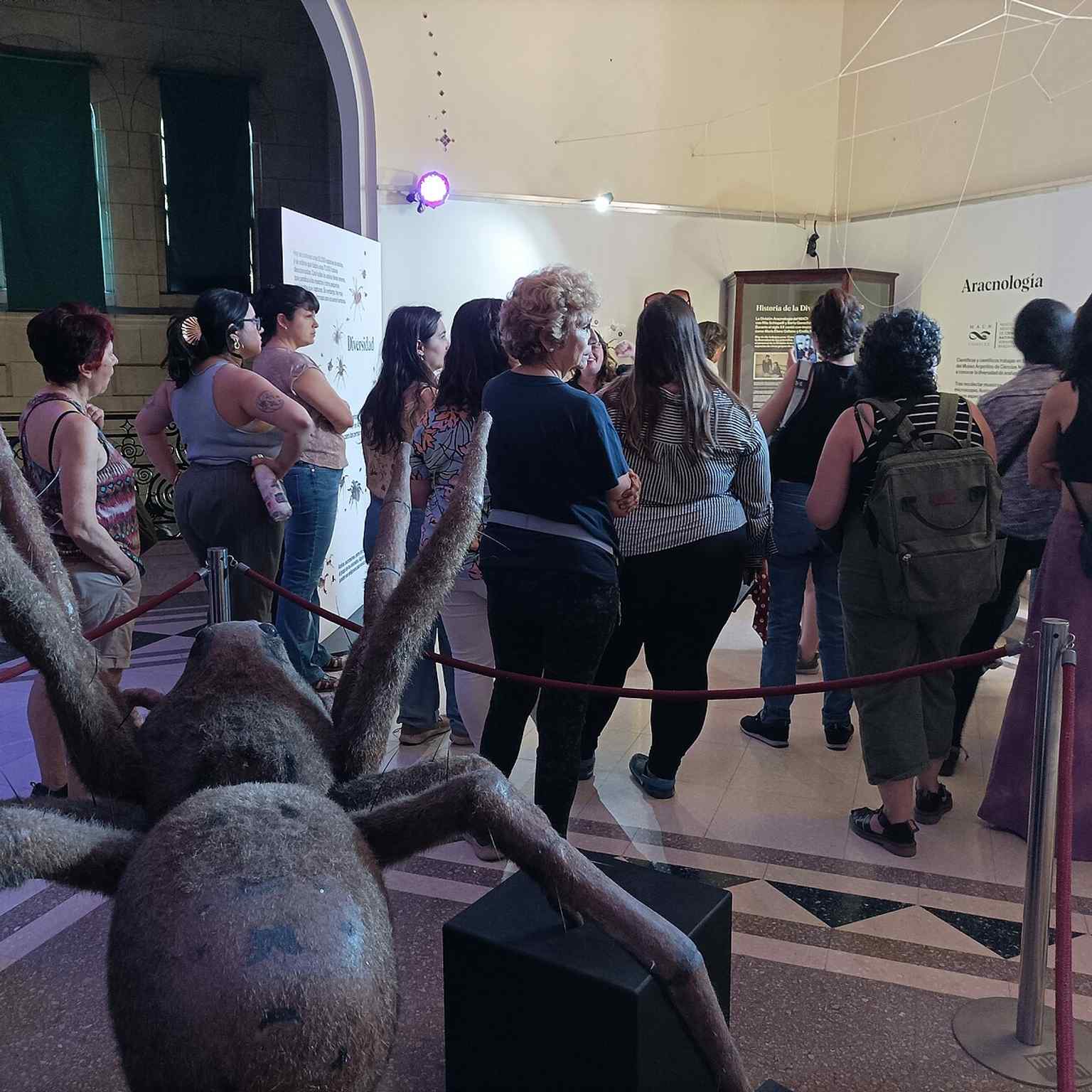
Now, let us step away from this temple of natural history and venture into the actual greenery that surrounds it. Our next stop is Centennial Park, just a five-minute walk from here. Oh, and if you plan to explore the museum's extensive exhibits, keep in mind they are open every afternoon from two to seven, except on Mondays when the doors remain closed.