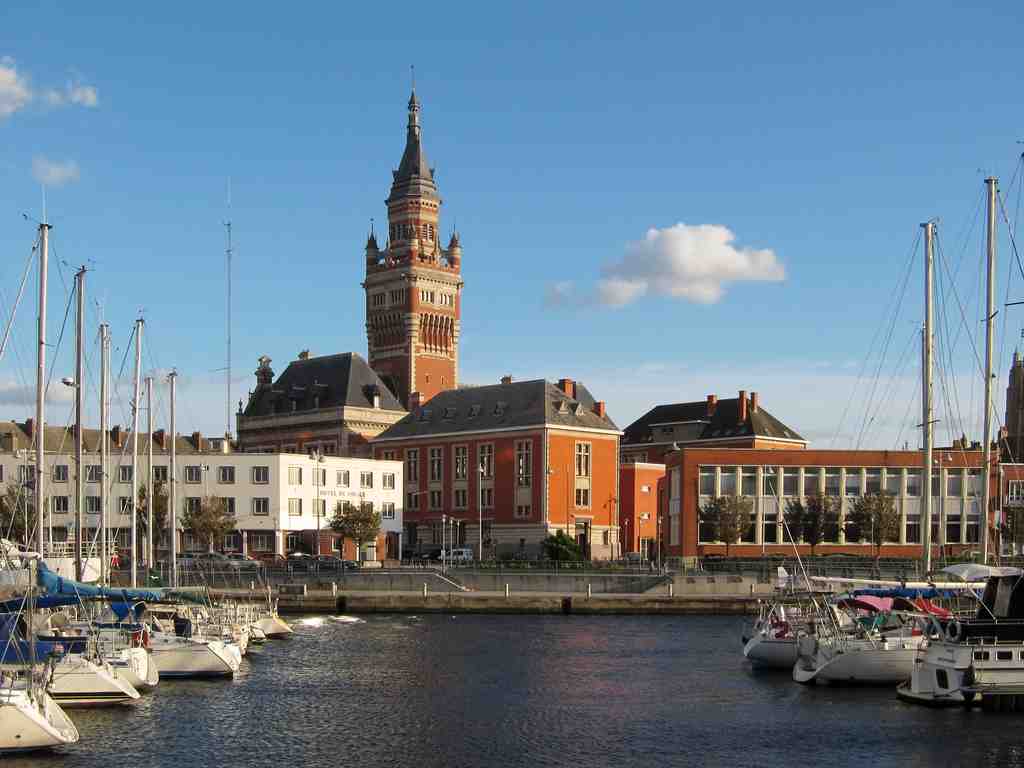
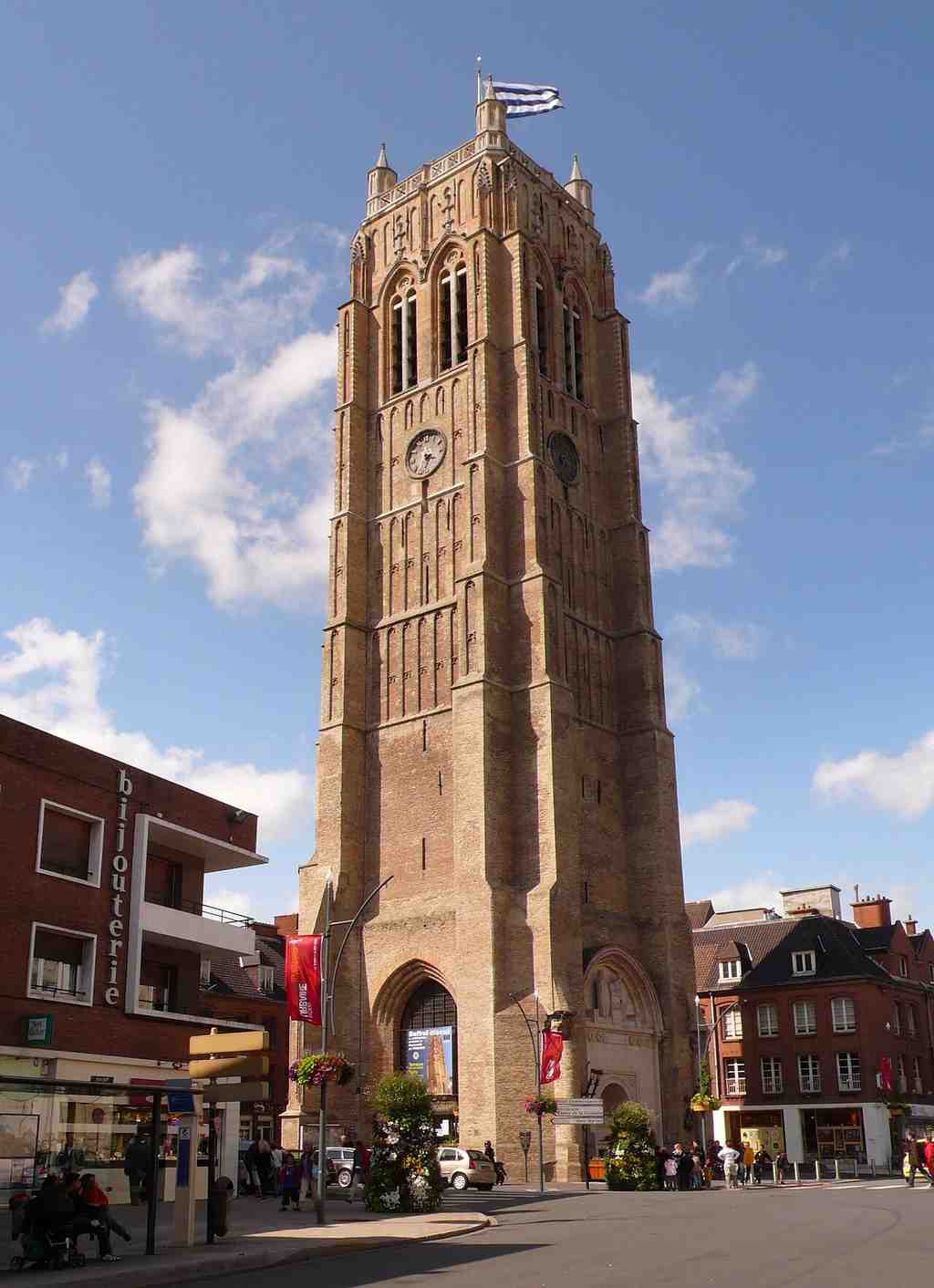
Look for a low brick-and-stone port city spread across very flat ground, stitched together by broad canal basins and punctuated by tall church and civic towers.
Dunkerque is not just a place beside the sea... it is a place that argued with the sea, bargained with it, and slowly pushed it back. Much of the land around you was won from water. Locals drained marshy ground into polders, which are low reclaimed lands, using channels called wateringues, a whole web of canals that carry excess water toward the North Sea. That is why Dunkerque feels so strikingly flat. In fact, the highest inhabited ground in the center sits between the town hall and Place Jean Bart... which is less a hill and more a raised eyebrow.
This city grew because of its port, and the port still explains almost everything. Dunkerque sits about sixty-five kilometers northwest of Lille and about two hundred forty-one kilometers north of Paris. It is also within three hundred kilometers of Amsterdam, Brussels, and London. That made it valuable, and valuable places rarely get left alone. Over the centuries, Dunkerque belonged at different times to Flanders, Spain, England, and France. On the twenty-fifth of June, sixteen fifty-eight, it changed nationality three times in a single day. That is not a typo; that is a city having a very stressful afternoon. France secured it for good on the twenty-seventh of October, sixteen sixty-two.
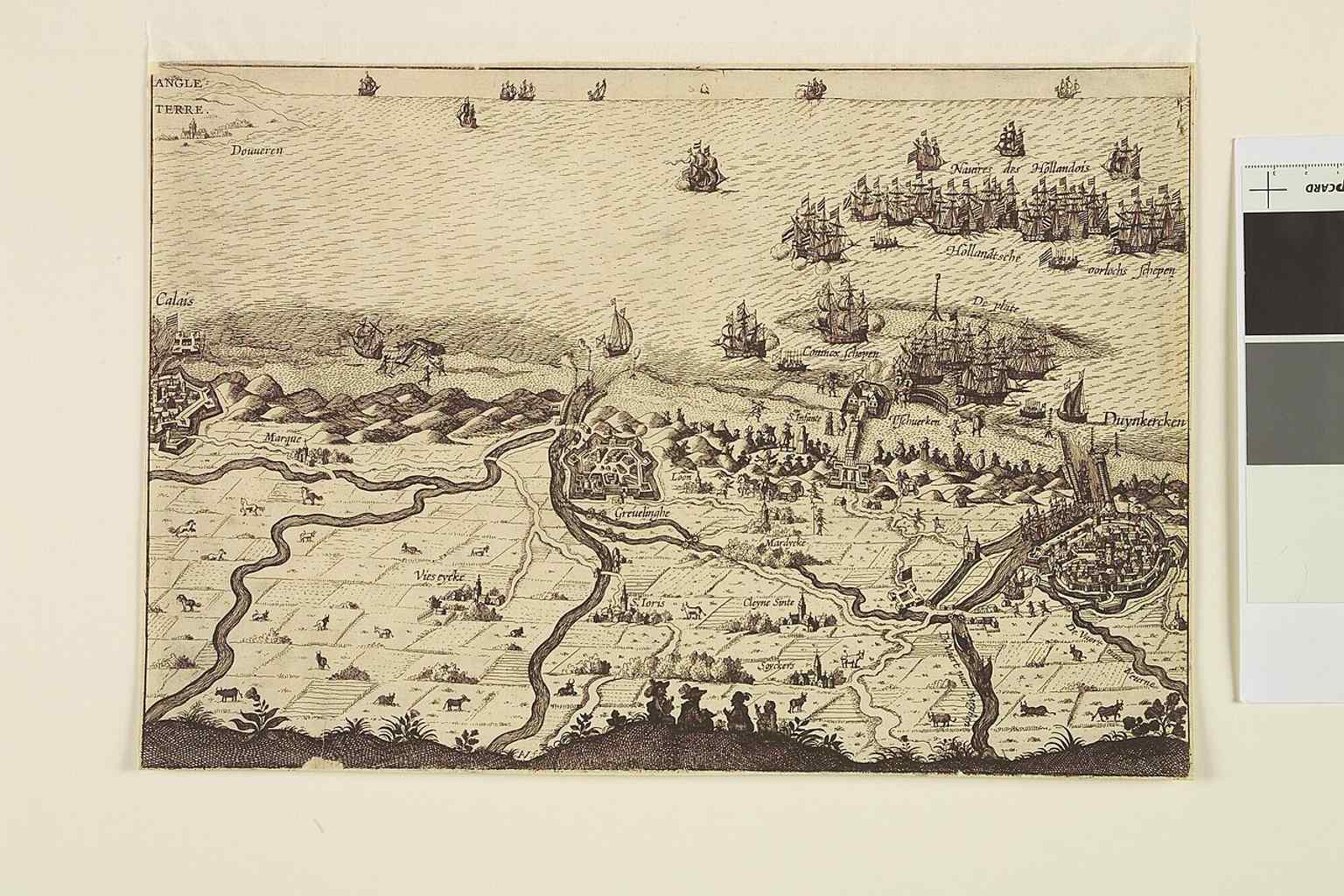
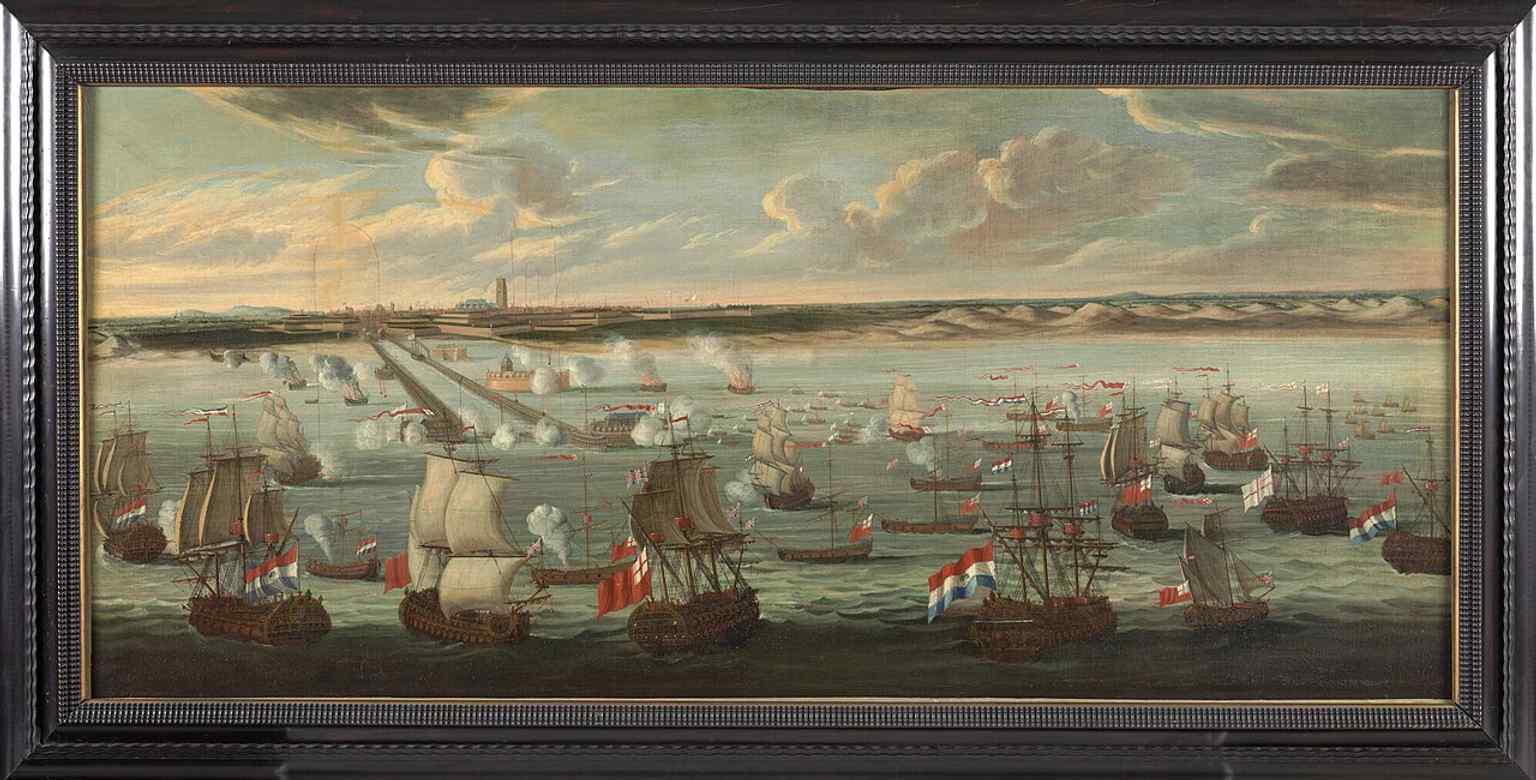
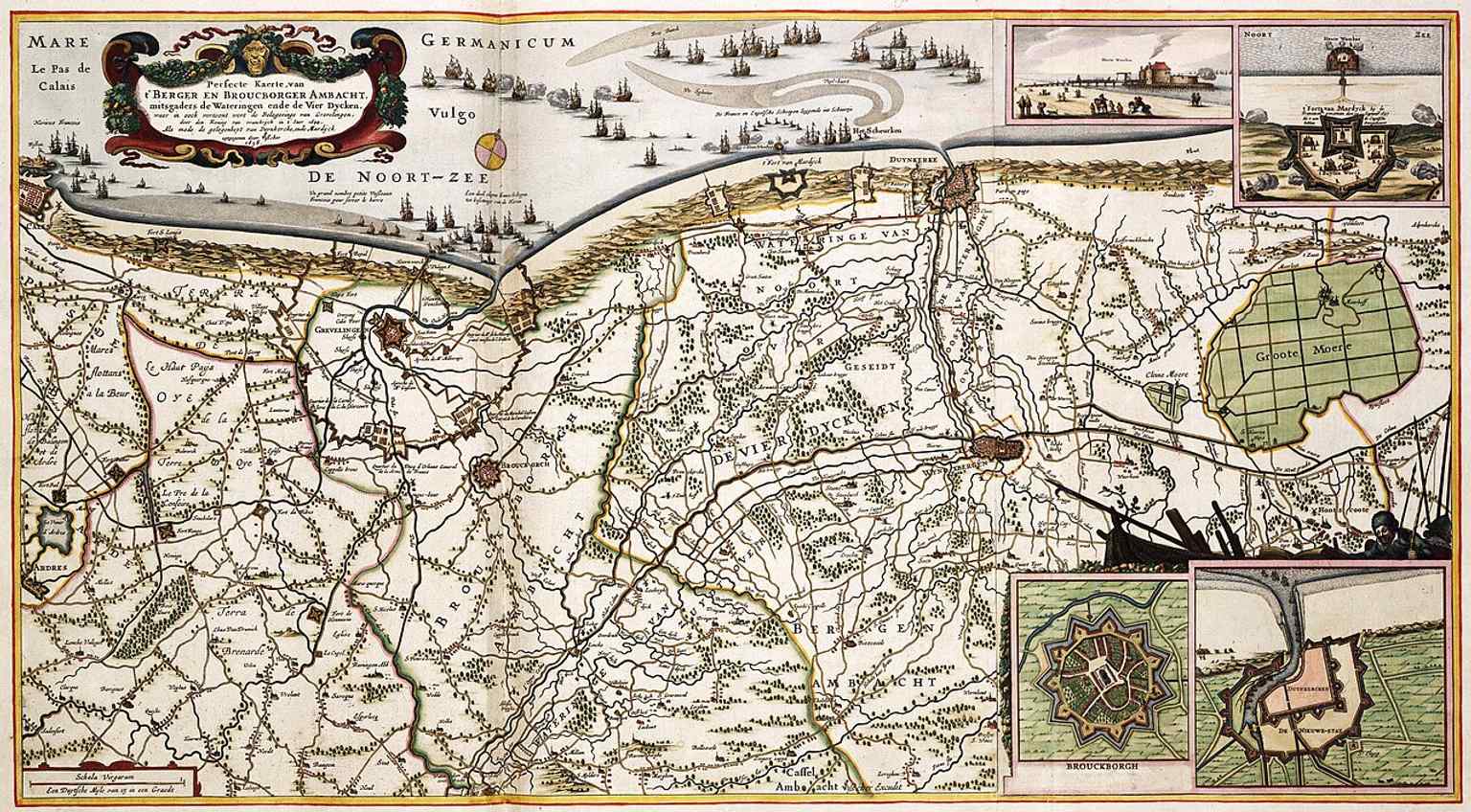
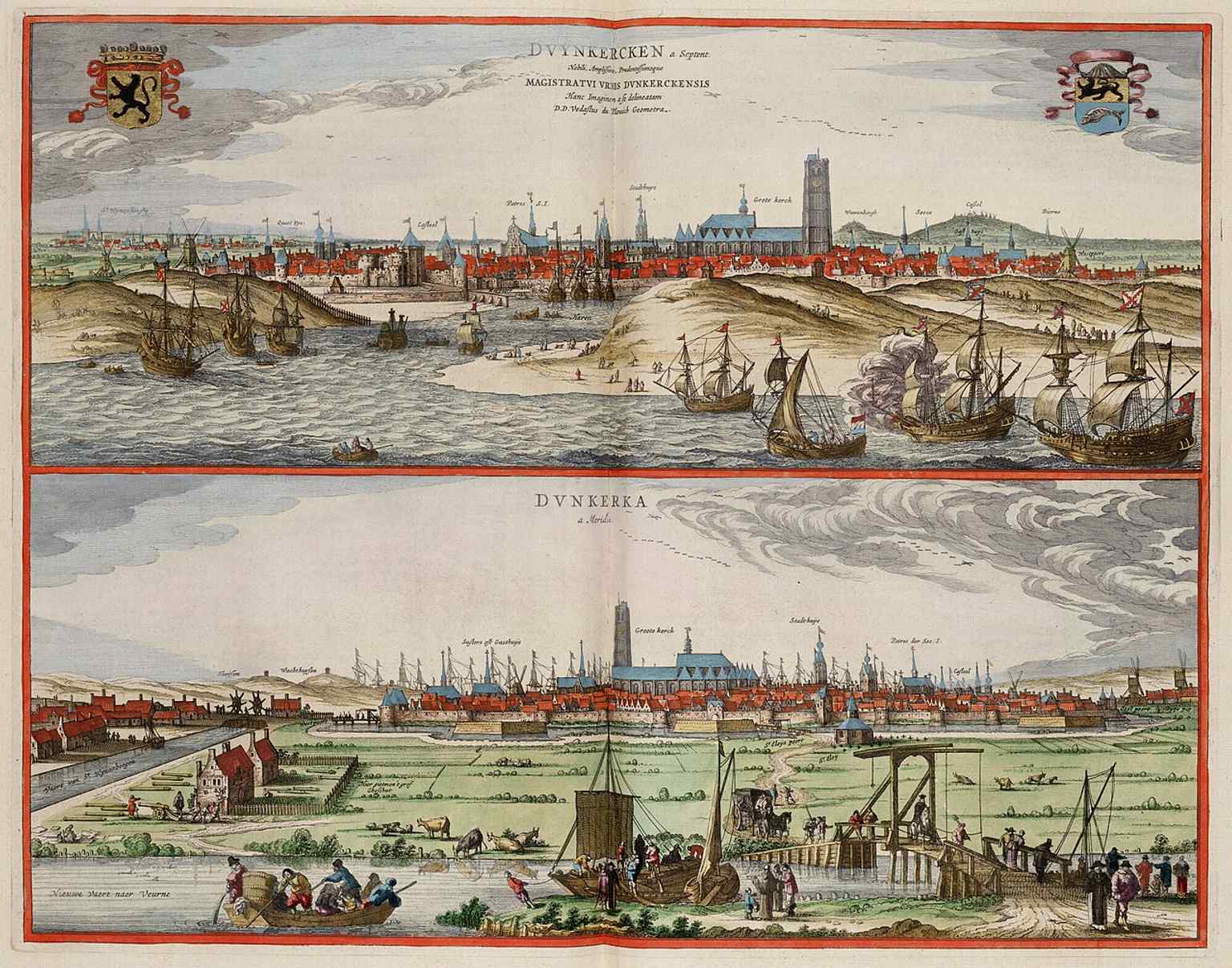
If you check the image on your screen, the view from sixteen forty-nine captures that tension beautifully: sea, defenses, and approach routes all tangled together in one strategic knot. Everybody who mattered in northwestern Europe understood the same thing... if you controlled Dunkerque, you controlled a gateway.
And yet Dunkerque is more than military history. Today, around eighty-six thousand people live in the city proper, and the wider urban community is much larger. The port remains the city’s biggest source of work and the third largest port in France by cargo traffic. Steel, industrial gases, pipe manufacturing, petrochemicals, and major energy infrastructure all cluster here. In plain English: this is a working city, not a postcard pretending to be one.
Still, Dunkerque has soul as well as muscle. It is proudly called the city of Jean Bart, the famous corsair, a state-approved raider at sea, and its carnival is the best-known cultural event in town. Across France, people even use Dunkerque as shorthand for the far north, in the phrase “from Dunkerque to Perpignan,” meaning the whole country from top to bottom.
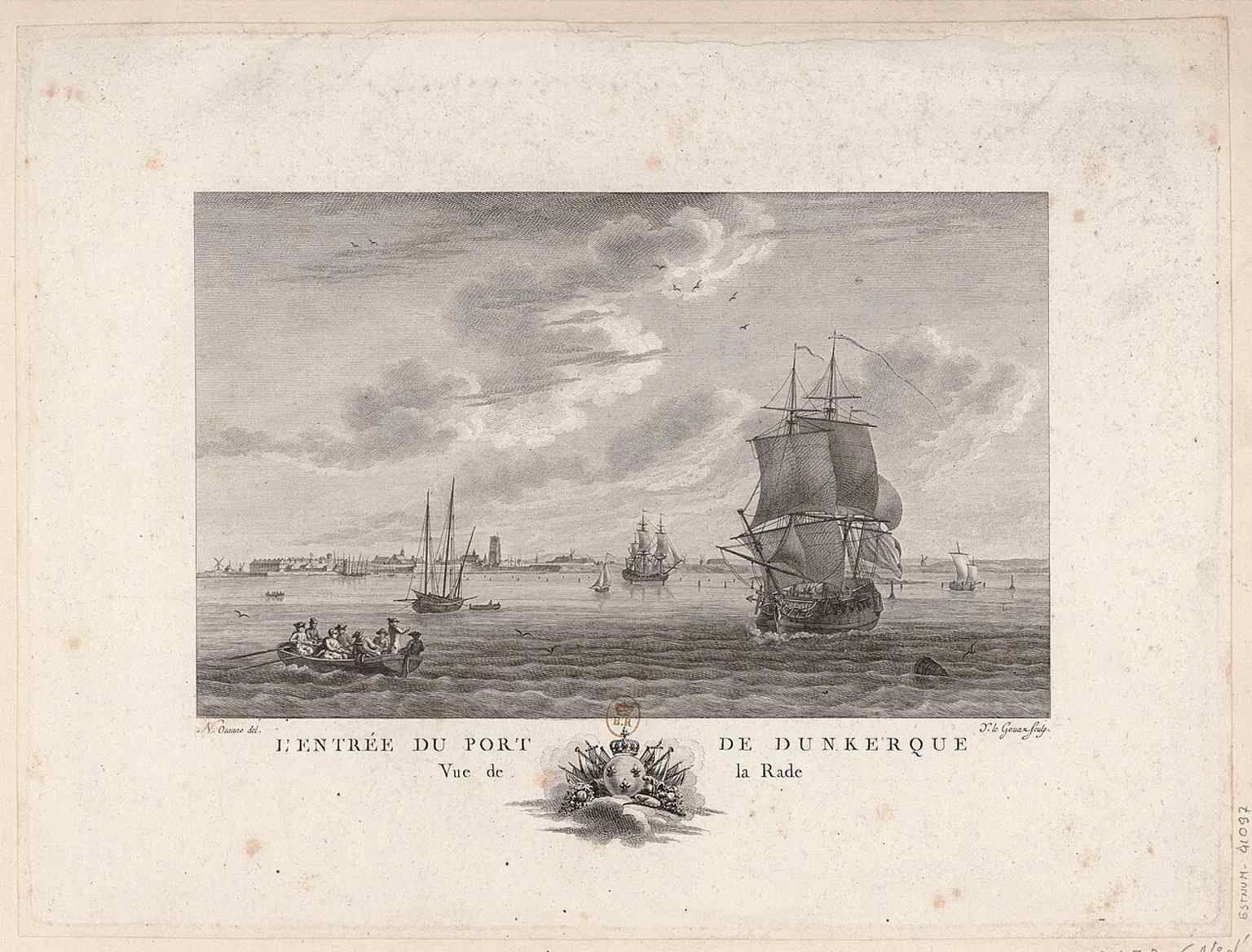
Take a glance at the old postcard in the app and notice how the town hall and harbor share the stage. That pairing says everything: civic life and maritime life have always stood shoulder to shoulder here.
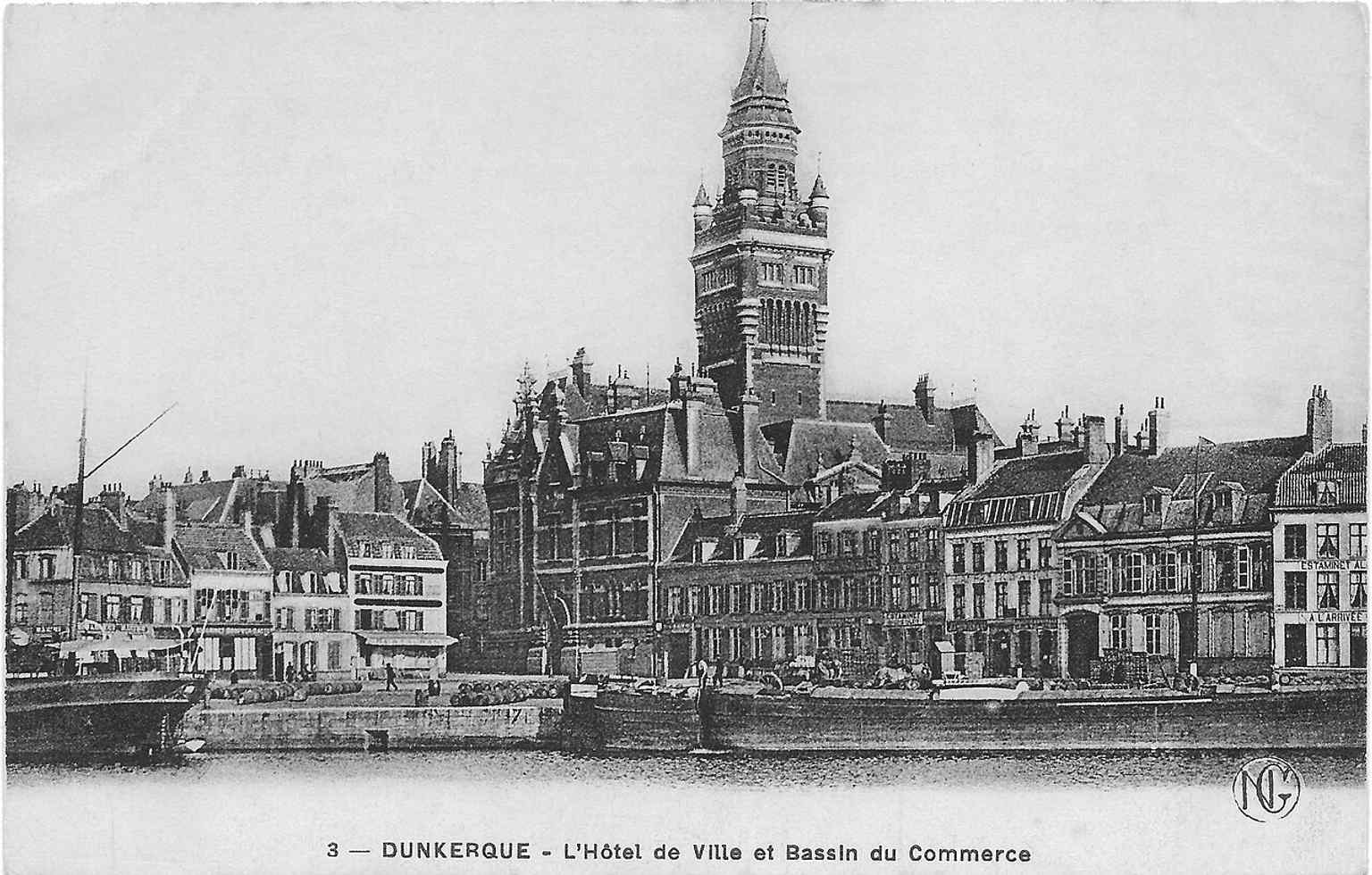
Dunkerque makes most sense when you see it as a city built by water, trade, and stubbornness.
When you are ready, continue on toward the Leughenaer Tower, where the skyline starts telling an older, sharper-edged story.