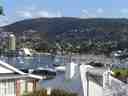
ホバート音声ツアー:サンディベイの海辺の散歩
ホバートの整然とした通りや砂岩のコテージの下には、反乱、発明、そして隠された秘密の落ち着かない残響が残っています。ここでは、風化したレンガの一つ一つが、タスマニアの穏やかな表面の下にある野生の心を目撃してきました。 このセルフガイド音声ツアーでこれらの影を解き明かしましょう。観光客の群れをすり抜け、バッテリーポイント、エッジラジオの活気ある鼓動、そしてクイーンアレクサンドラ病院の静かなホールに織り込まれた隠された物語を発見します。 霧に紛れてバッテリーポイントを密輸され、タスマニアの未来を一晩で変えたものは何だったのでしょうか?エッジラジオからのどの奇妙な放送が、当局を説明に奔走させたのでしょうか?クイーンアレクサンドラ病院から足跡一つ残さずに消えたのは誰だったのでしょうか? 潮風の勢い、石畳の小道や病院の病棟から立ち上る陰謀のささやきとともに、歴史的なルートをたどります。どの角もドラマ、驚き、そして閉ざされた扉の向こう側を垣間見せてくれます。 再生ボタンを押して、歴史が隠そうとした秘密を発見してください。
ツアーのプレビュー
このツアーについて
- schedule所要時間 30–50 mins自分のペースで進める
- straightenウォーキングルート 3.9kmガイド付きパスに沿って進む
- location_on
- wifi_offオフライン対応一度のダウンロードでどこでも使える
- all_inclusive無期限アクセスいつでも、ずっと再生可能
- location_onマウントカーメルカレッジ、サンディベイから開始
このツアーのスポット
To help you spot Mount Carmel College, look for a large school building perched above the suburb with views out over the Derwent River-right nearby you’ll see the crest with a…もっと読む折りたたむ
To help you spot Mount Carmel College, look for a large school building perched above the suburb with views out over the Derwent River-right nearby you’ll see the crest with a crown, cross, and bold blue and gold, often over the entrance. Welcome to Mount Carmel College! As you stand here, let’s imagine the scene in 1942-wartime Australia, ration books in pockets and everyone listening for news on crackling radios. Along came a group of extraordinary women: the Sisters of Charity, their black habits fluttering as they bustled up a quiet street in Sandy Bay, eager to give Hobart’s girls a brand new start in education. Their original schoolhouse, affectionately called “Little Mount Carmel,” wasn’t nearly as grand as what you see today-it was just a simple home on View Street, where chalk dust floated in sunlight and laughter echoed off the walls. Only a few years later, in 1947, the school moved onto this very spot, Lauramont, with sweeping views of the river. The students-mostly girls, but boys tagged along until Year 2-grew up along with the school, and by 1957, secondary classes arrived from St Joseph’s College. If you look up, imagine the building growing taller with every decade as new generations splashed paint on their art projects and dreamed of running faster at the sports carnivals. There’s something special in the air at Mount Carmel. It’s a single campus where the youngest and oldest girls-sometimes even brothers for a few early years-share the same playgrounds and sports facilities. Sometimes, after a bell rings, a line of chattering students can be seen marching across the road to the University of Tasmania’s ovals and sports halls. Strengthening minds and bodies, they’ve become fierce rivals-especially with Collegiate-just down the road. The two schools have practically turned sports days into legendary battles. Mount Carmel was, and still is, all about opportunity. In the beginning, the Sisters of Charity focused on teaching young women-at a time when books and education weren’t always easy to get, especially for girls. The Sisters arrived in Tasmania in the late 1840s, dedicated to making the world a little fairer, one lesson at a time. Then “Little Mount Carmel” grew and grew-by the 1960s and 1980s, new halls and classrooms sprang up, and the playground started to buzz with even more energy. The laughter got a little louder each year, and eventually, even a Performing Arts Complex popped up-not bad for what started out as just a roomy old house! Now, every student here belongs to one of three houses: Lourdes, Loreto, or Carmel-all named after holy places. You’d better believe the house drama competitions, beach days, tug-of-wars at carnivals, and even choir practices are as spicy as a Tasmanian winter snap. Earning points isn’t just about being athletic-it can be for things like bringing notes back on time, getting diaries signed, or just singing your heart out at Mass. Of course, it’s not just about sports and singing. In the classrooms, the youngest kids learn from one main teacher, but as they grow up, a parade of new faces teaches them everything from Japanese to science experiments that occasionally go “pop!” Even the library, arts, and science labs have a story-each has been renovated and refreshed over the years, and Providence House (the old convent) still stands with secrets from decades ago. Step by step, Mount Carmel has expanded its world-choirs and bands play at assemblies and in the wider community, debating and Tournament of Minds teams sharpen their wit, and students volunteer at local shelters or run drawing competitions for charity. These days, about 540 students fill the grounds. Here you find passionate learning, heartfelt music, the thrill of competition, and a squirrelly sense of humor-after all, if you can win House Drama and absolutely nail your science test in the same week, you’ve earned a little extra pride. Every year, new students step through this entrance, feeling a few butterflies in their stomachs, but very quickly calling Mount Carmel College their home in Sandy Bay. Eager to learn more about the campus, facilities or the house system? Simply drop your inquiries in the chat section and I'll provide the details you need.
専用ページを開く →Here we are at Edge Radio! You’re standing in front of a building that’s packed with more energy than a party after final exams. Edge Radio, known by its call sign 7EDG, crackled…もっと読む折りたたむ
Here we are at Edge Radio! You’re standing in front of a building that’s packed with more energy than a party after final exams. Edge Radio, known by its call sign 7EDG, crackled onto the airwaves in February 2003. Picture it: the excitement and nerves as a team of under-30s pushed the 'ON AIR' button for the very first time. Of course, they had been biting their nails for quite a while-waiting since December 2002 when the Australian Broadcasting Authority finally handed them their precious license. Edge Radio is all about the youth of Hobart-most of its presenters weren’t even born when disco died, and they thrive on spotlighting local music. Every week, a wave of Tasmanian tunes bursts from these studios, giving local artists a stage and turning bathrooms across the city into performance halls. This isn’t just a station for music, though. Edge Radio has some serious street cred-taking home the coveted Community Radio Station of the Year award in 2003 and, more recently, earning recognition for outstanding news programming and fundraising campaigns. So if you ever dreamed of spinning records and shouting, “You’re listening to Edge Radio!”, keep walking with me-because this place proves dreams sound even better through a set of headphones!
専用ページを開く →To spot the University of Tasmania, look for a proud, official-looking crest featuring a fierce red Tasmanian tiger clutching a flaming torch, set beneath the Southern Cross and…もっと読む折りたたむ
To spot the University of Tasmania, look for a proud, official-looking crest featuring a fierce red Tasmanian tiger clutching a flaming torch, set beneath the Southern Cross and flanked by two golden books-it’s often displayed on crisp banners and buildings around the sprawling, leafy campus. Alright, here in front of the University of Tasmania, the air feels charged with a scholar’s energy and just a hint of bushland freshness-maybe even a whiff of someone rushing to a lecture with a hot cup of coffee. Now, don’t be fooled by the modern hum. This place is older than most of Australia’s suburbs. In fact, UTAS was founded way back in 1890, making it the fourth oldest university in the country. The story begins on New Year’s Day, when the university took over from the Tasmanian Council for Education, and just a handful of determined lecturers started teaching a small group of eleven brave students. Imagine creaking floorboards, musty chalk dust, and a building on Queen’s Domain originally used as a high school-talk about a hand-me-down campus. But the tales grow livelier! Parliamentarians once called the university an unnecessary luxury, and critics didn’t like that women were encouraged to study. But defenders like James Backhouse Walker stood their ground, sparking more than a few dramatic debates. The place lurched along-sometimes with more enthusiasm than cash-and then, during World War II, everything shifted. Many of the university professors joined the war effort, which meant the students were nearly left teaching themselves! By the war’s end, new energy surged through these halls. A fresh cast of academics with overseas experience and wild new ideas helped push for better buildings and-eventually-the move to this leafy Sandy Bay site, which began life as an old rifle range. That’s right, student life literally grew up on open, windswept ground where you might hear the kookaburras laughing over exam stress. But that wasn’t the only drama. The 1950s brought scandal when a professor was fired amid rumors and denials, sparking a ten-year battle that eventually ended with a tough new tenure system. All the while, new schools opened-Agriculture and Medicine-and the science labs grew so much attention you’d think they were brewing Nobel prizes. The Physics department even caught global eyes for their cosmic ray and astronomy research. In the 1960s, they finally left those old wooden war huts for purpose-built lecture halls-the kind that echo with heroic groans at 9am. Forward to the 80s and 90s: UTAS shook hands, merged, and grew, swallowing up the Tasmanian State Institute of Technology and the Australian Maritime College. Now, the university runs three big campuses and sprinkles itself generously through Hobart, Launceston, and Burnie, plus a specialty health campus in Sydney! It’s known for its link to Antarctic studies and marine science. There’s even an observatory with a giant telescope near Jericho-a far cry from those scruffy early days. Did I mention climate action? This uni’s no slouch. In 2022 and 2023, it scored off-the-charts global rankings for sustainability: over a hundred climate-focused courses, low-carbon energy, zero fossil fuels investments, and a campus that’s officially carbon-neutral. If you feel an eco-friendly breeze, you know why! Today, UTAS flashes in global university rankings, snug in the world’s top 300, with research that covers everything from the depths of the Southern Ocean to the tangled roots of regional history. Around 10,000 scholars bustle around the southern campus alone-with many living nestled in residential colleges, passing down traditions, playing sports, and-naturally-collecting stories. So whether it’s the mascot lion roaring from the coat of arms or the quiet clack of a student’s laptop in the sunshine, the University of Tasmania is both a home for wild ideas and a grand old tale that’s nowhere near finished. Wondering about the campuses and buildings, governance and structure or the academic profile? Feel free to discuss it further in the chat section below.
専用ページを開く →
さらに6件のスポットを表示表示するスポットを減らすexpand_moreexpand_less
Right in front of you stands the Tasmanian University Student Association, or TUSA, though once upon a time-over 120 years ago-students proudly called it the Tasmania University…もっと読む折りたたむ
Right in front of you stands the Tasmanian University Student Association, or TUSA, though once upon a time-over 120 years ago-students proudly called it the Tasmania University Union. Imagine the year: 1899. There were just 35 students at the University of Tasmania, which is about the number you’ll find in a modern tutorial group, or squeezed into a coffee line during peak hour. Their aim? To make university life fun-and perhaps to argue over who got to control the phonograph at the next party. Now, picture those earliest days: debating contests, sports matches in rough paddocks, and plays so dramatically performed that local sheepdog might join in. The first student magazine? Named “Platypus” in 1914. A curious name, but hey, if you want to unite a few dozen opinionated students, why not borrow the most unique animal in the area? Though membership was devotedly optional at first, the University soon realized that compulsory fees meant more money for more… well, everything: events, clubs, and some truly rowdy balls and “Mock Commem Processions”-think of costumed parades with a healthy bit of student cheek. Things even went quiet (or at least quieter) during World War I, as many left for the front. But, like all good student organizations, the energy snapped back post-war with even more clubs-by the 1920s there were seventeen and counting. By the 1930s, the TUU decided student voices belonged not just in the common room, but at the University’s decision-making table. Ambitious? Absolutely. Achievable? Even more so. The Student Representative Council was given power, and for the very first time, a paid secretary to handle all the paperwork (and probably the avalanche of complaints about lukewarm coffee). Jump to the 1940s: World War II hit, and once again, activities slowed. But the union didn’t give up. Funny story-they even managed to elect their first female president in 1941, decades before many other Aussie institutions caught on. As peacetime returned, the number of students soared, and the union helped move the university from the Hobart Domain to Sandy Bay, establishing O-Week, building permanent sports facilities, and even starting a book stall. You could say they’d grown from picnic organizers to major life operators! By 1959, with Commonwealth funding in their back pocket, the union raised money for the iconic Union Building, complete with a Refectory, shops, and-get this-a hairdresser, perfect for that exam season nervous trim. New traditions sprang up: the infamous Scav Hunt, where students once “kidnapped” local personalities and buses. Don’t worry-no buses were truly harmed. The era was as much about activism as about fun: the 1960s and '70s saw protests pouring out of this very building, tackling big topics from university reforms to Vietnam and Apartheid. But not every party goes on forever. In the late 1970s, the TUU nearly went bankrupt-apparently, the only thing they couldn’t organize was their own Annual General Meeting; six years running, barely anyone showed up. Still, a new president brought things back from the brink and in the '80s the union became “the major music promoter in Tasmania.” Secret gigs and cheap tickets? Yes, please. By the turn of the millennium, they’d survived fee wars, financial shakeups, and even an increase to the union fee that outraged students as only students can be outraged. The organization also expanded services: independent advice, advocacy, student media-the beloved Togatus magazine-support services, safe spaces, and a club for nearly every interest. Lawyers, bushwalkers, cricketers, aspiring politicians-all found a home here. Then came a curious plot twist: a commercial arm grown so large it was eventually sold to the university in 2011-think of it like a student union garage sale, but for big businesses. This sparked a new wave of activism and reimagining, leading to a strategic overhaul and, after years of spirited debate (and probably endless Facebook polls), the rebirth as TUSA in 2021. Nowadays, TUSA is run by student leaders, many of whom go on to illustrious careers-maybe you’ve heard of Eric Abetz or author Richard Flanagan. It’s the hub of campus life today, representing a staggering 35,000 students, fighting for their rights, giving them a platform, and, just as importantly, giving them somewhere to heat up last night’s leftovers. If you listen closely, you might almost hear the sound of generations of students debating, laughing, and maybe, just maybe, arguing over who’s doing the dishes after the club meeting. To expand your understanding of the structure, services or the clubs and societies, feel free to engage with me in the chat section below.
専用ページを開く →To spot Sandy Bay, just look ahead toward the sparkling marina filled with yachts and the standout tall octagonal Wrest Point tower right by the water, framed by the green hills…もっと読む折りたたむ
To spot Sandy Bay, just look ahead toward the sparkling marina filled with yachts and the standout tall octagonal Wrest Point tower right by the water, framed by the green hills rising in the background. Welcome to Sandy Bay, a place where million-dollar homes and million-dollar views are just the beginning-oh, and where locals have been known to fiercely debate whether Nutgrove Beach or Long Beach has the better sand, so choose your side wisely! Imagine standing here centuries ago, when this place was Kreewer, a thriving village for the Muwinina people. The river was alive with the sound of paddles and bark canoes gliding across the Derwent. Flocks of birds swept the skies and muttonbirds nested by the shore, as families gathered shellfish from the middens that would outlast the earliest European maps. Trade and laughter echoed with visitors from Bruny Island, and the neighbors used fire, not just to keep warm, but to shape the very landscape around you. Later, all that changed as explorers from Europe sailed in-some with names that sound like they were drawn from a hat. Point William, they called it-thanks to John Hayes-though the Aboriginal names always lingered just below the surface. Step into the 1800s, and in come the determined settlers from Norfolk Island, given plots along the riverbank. The roads, if you could call them that, were more like muddy challenges for the bravest boots and hooves. When they finally got a “proper” road, it was thanks in part to a hard-working gang of convicts and, believe it or not, a crew of Canadian political prisoners-sent all the way here for causing a bit too much excitement back home! There’s a milestone stone nearby reading “Two Miles to Hobart”-a silent witness to all the heavy steps and rolling wagon wheels from those days. Life wasn’t all work and no play, though. In 1906, Sandy Bay’s famous baths opened for locals to splash about in the river-until they were replaced in the ‘60s by private school rowing teams paddling out each morning. You would have heard the squeal of the old trams as they rattled south from Hobart, giving way to buses in the ‘50s. Picture crowds in their Sunday best, off for a day at the beach or a lazy stroll by the river. Peering to your left, that striking tower is the Wrest Point Hotel Casino-Australia’s very first legal casino, opened in 1973 after an intense referendum and plenty of Tasmanian eyebrow-raising. Designed by Roy Grounds, it’s now heritage listed, declaring “You’ve reached Hobart’s playground!” to everyone arriving by road or boat. And speaking of boats: the marina along the shore hosts the Royal Yacht Club and the Derwent Sailing Squadron, so yachts drift in with racing crews and casual sailors alike, especially during the Sydney to Hobart Yacht Race’s nail-biting finish. You’re stepping through a neighborhood where grand mansions rub shoulders with university dorms and where waterfront real estate is so prized it could make even a Monopoly tycoon blush. Yet it’s not all luxury-kids at Hutchins or Mount Carmel rush off to sport or surf lessons, and university students hurry to class or to soak up the scene at the cafés. The Sandy Bay Regatta is an annual highlight-boats, markets, and the odd person in a silly hat, all jostling for a good spot. Football, cricket, tennis, bowls: it’s a sporting village as much as a seaside escape. From ancient fire-carved grasslands to casino lights, from smugglers sneaking contraband at Blinking Billy Point to Hollywood heartthrobs (rumor has it Errol Flynn splashed about here as a lad), Sandy Bay is a neighborhood that’s always catching the next tide-sometimes with a wink, always with a story. Intrigued by the institutions and schools, wrest point hotel casino or the beaches? Explore further by joining me in the chat section below.
専用ページを開く →Today, boats bob gently in the marina, which has room for 230 yachts-almost enough to start a floating neighborhood! Every week the river comes alive with races, sails snapping…もっと読む折りたたむ
Today, boats bob gently in the marina, which has room for 230 yachts-almost enough to start a floating neighborhood! Every week the river comes alive with races, sails snapping and crews calling out in the wind. Some young sailors here might end up in world championships; the Squadron’s youth programs are like Hogwarts for future yacht captains. Try to spot the clubhouse with its buzzing dining room and lively function spaces. Over the years, DSS has hosted everything from keen local crews to international racers arriving after the epic Sydney to Hobart Yacht Race finishes. And not to brag, but they’ve scooped major sailing awards-2024 was a star year. Speaking of stars, Heather McCallum from the Squadron just joined the Australian Sailing Board-a real captain of industry! Here, every boat, every race, and every salty breeze carries over a century of stories.
専用ページを開く →Straight ahead you’ll spot Battery Point, with rows of handsome timber and brick houses, steep gables, and neat gardens right by the corner of Crelin Street-just look for the…もっと読む折りたたむ
Straight ahead you’ll spot Battery Point, with rows of handsome timber and brick houses, steep gables, and neat gardens right by the corner of Crelin Street-just look for the unique old cottages with trim roofs and weathered charm lining the street. Welcome to Battery Point-one of Hobart’s most fascinating and posh suburbs, but don’t let the fancy houses fool you, this place has a wild backstory! Imagine yourself here in 1818: instead of peaceful streets and quirky cafés, you’d find a row of mighty cannons, ready to defend Hobart from possible invaders. The air would have rung with the crack of ceremonial gunfire during grand events, though, to be honest, these cannons never saw real action-unless you count scaring off pigeons. But it wasn’t all noise and bravado. In 1878, Hobart’s top brass realized putting cannons in a neighborhood full of houses was less “genius military plan” and more “let’s paint a giant target on our town.” They retired the battery, turning this area into what’s now a rather delightful park. Fast forward to 1934, while gardeners were busy beautifying the park, they struck gold-well, tunnels, actually! These mysterious underground passages once hid gunpowder, and who knows how many secrets. Among these leafy streets, you’ll find landmarks like Arthur Circus with its almost storybook circle of cottages, built for the garrison officers. Battery Point still holds a bit of drama: its residents, keen to protect their peace, sometimes call for stricter noise rules-silence is apparently as precious as real estate here. Think of all the local legends that have lived here, from a young Hollywood star (Errol Flynn) to Mary, now Queen of Denmark, both born in the Queen Alexandra Hospital just nearby. So enjoy the quiet streets today, but remember: you’re standing on ground built for cannon fire, mystery tunnels, and a dash of royal drama.
専用ページを開く →Look ahead for a grand sandstone building with thick columns and a tall, octagonal bell tower topped with a cross-that’s St George’s Anglican Church standing proudly before…もっと読む折りたたむ
Look ahead for a grand sandstone building with thick columns and a tall, octagonal bell tower topped with a cross-that’s St George’s Anglican Church standing proudly before you. Now, imagine you’re here in the 1840s. Hobart has a fresh sea breeze and the clang of hammers still rings as builders shape huge sandstone blocks. This striking church was designed by John Lee Archer in 1838, and you can almost picture the excitement as the first stones were set. But the drama didn’t stop there! Architect James Blackburn added that impressive bell tower and the portico later, turning the church into a real showstopper-a beacon rising above Battery Point. Now, here’s a fun twist: the tower wasn’t just for show or calling folks to Sunday service. Imagine anxious sailors peering through the fog, eyes searching for a hint of the bell tower to guide them safely along the Derwent River. St George’s became their silent guide, a giant stone lighthouse... without the actual light. Over time, the church has seen baptisms, weddings, and even a few heated parish meetings, making it a lively centerpiece of the community. So as you stand here, you’re not just looking at a building-you’re standing by the old river guardian of Hobart!
専用ページを開く →Whoever said hospitals can’t make history never stood where you are now! Right in front of you is the old Queen Alexandra Hospital, opened in 1905, its stone walls once humming…もっと読む折りたたむ
Whoever said hospitals can’t make history never stood where you are now! Right in front of you is the old Queen Alexandra Hospital, opened in 1905, its stone walls once humming with the laughter-and the cries-of newborn Tasmanians. Picture this corner of Battery Point more than a century ago: midwives pacing the halls, white linens billowing on lines outside, and anxious fathers lurking just out of sight. This hospital was created to commemorate the coronation of King Edward VII and Queen Alexandra, and was the go-to destination for women about to meet their little ones. Originally run by a sharp team on a private board, it soon passed into the hands of the Government of Tasmania, and its bustling maternity wards were eventually linked to the Royal Hobart Hospital. Imagine, fresh-faced nurses in training, learning their craft while tending to future legends: actor Errol Flynn first cried right here, and even Queen Mary of Denmark let out her very first royal squeak within these walls. Fast forward to 1980, and the old building couldn’t quite keep up with all the beeping machines of modern medicine-so the hospital packed up and shifted next door. Like a true Tasmanian chameleon, the spot re-emerged as the Hobart Private Hospital in 1999, still welcoming new stories every day.
専用ページを開く →
よくある質問
ツアーはどうやって始めますか?
購入後、AudaToursアプリをダウンロードして引き換えコードを入力してください。ツアーはすぐに開始できます。再生ボタンをタップして、GPSガイド付きルートに従うだけです。
ツアー中にインターネットは必要ですか?
いいえ!開始前にツアーをダウンロードしておけば、完全にオフラインで楽しめます。チャット機能のみインターネットが必要です。モバイルデータを節約するため、WiFi環境でのダウンロードをお勧めします。
これは団体ツアーですか?
いいえ、これはセルフガイド式のオーディオツアーです。ガイドや団体、決まったスケジュールに縛られることなく、スマホから流れるナレーションを聴きながら自分のペースで自由に探索できます。
ツアーの所要時間は?
ほとんどのツアーは60〜90分で完了しますが、ペースは完全に自由です。好きな時に一時停止したり、スポットを飛ばしたり、休憩を取ったりできます。
今日中にツアーを終えられない場合は?
問題ありません!ツアーには無期限でアクセスできます。明日、来週、あるいは来年でも、好きな時に再開できます。進行状況は保存されます。
どの言語が利用可能ですか?
すべてのツアーが50以上の言語に対応しています。コードを引き換える際にお好みの言語を選択してください。注意:ツアー生成後に言語を変更することはできません。
購入後、どこからツアーにアクセスできますか?
App StoreまたはGoogle Playから無料のAudaToursアプリをダウンロードしてください。メールで届いた引き換えコードを入力すると、ライブラリにツアーが表示され、ダウンロードして開始できるようになります。
もしツアーを楽しめなかった場合は、返金いたします。お問い合わせ先: [email protected]
以下の決済で安全にチェックアウト