AudaTours logoAudaTours

Tour Audio di Bradford: Un Arazzo di Fede, Cultura e Innovazione

Audioguida13 tappe

Scorci di pietra dorata e torri svettanti nascondono secoli di tumulto e reinvenzione nel cuore di Bradford. Percorri le tortuose strade di Little Germany con un tour audio autoguidato che rivela strati che la maggior parte dei visitatori non vede mai—dove rivoluzioni ferroviarie, intrighi spirituali e leggende cittadine dimenticate si scontrano. Perché cittadini agguerriti si mobilitarono un tempo per salvare la loro ferrovia dalla scomparsa per sempre? Quali segreti a lungo perduti sono sepolti nelle mura medievali della Cattedrale di Bradford? E come un vescovo ribelle plasmò decenni di dibattito con una singola decisione controversa? Passa accanto a fantasmi di stazioni e cattedrali imponenti mentre storie di ribellioni, scandali, musica e mistero si svelano sotto ogni arco e ciottolo. Questa passeggiata ti conduce attraverso il dramma cittadino—dalle piattaforme animate alle cappelle illuminate a lume di candela—trasformando ogni passo in un salto attraverso le epoche. Pronto a svelare le ombre e le storie nascoste nel cuore iconico di Bradford? Inizia la tua avventura dove gli echi della storia indugiano appena fuori vista.

Anteprima del tour

map

Informazioni su questo tour

  • schedule
    Durata 40–60 minsVai al tuo ritmo
  • straighten
    4.2 km di percorso a piediSegui il percorso guidato
  • location_on
  • wifi_off
    Funziona offlineScarica una volta, usa ovunque
  • all_inclusive
    Accesso a vitaRiascolta quando vuoi, per sempre
  • location_on
    Parte da Stazione ferroviaria di Bradford Forster Square

Tappe di questo tour

  1. To spot Bradford Forster Square railway station, look for a modern entrance with tan-brick walls, big arched windows, and a flat glass canopy, tucked beneath a row of impressive…Leggi di piùMostra meno

    To spot Bradford Forster Square railway station, look for a modern entrance with tan-brick walls, big arched windows, and a flat glass canopy, tucked beneath a row of impressive old mill buildings and a stretch of greenery rising behind. Welcome to Bradford Forster Square-where your journey through the city begins and the air is often filled with the gentle rumble of arriving trains and the distant chatter of travelers. As you stand here, imagine you’re stepping onto the stage of a grand play that’s been running for nearly 180 years! The story all starts back in 1846, when steam engines first puffed their way up Bradford Dale and stopped right here, opening Bradford to the bustle and bustle of Leeds and, eventually, the cosmopolitan excitement of London. Now, it wasn’t always this trim and modern. The very first station was a real showstopper: a neoclassical palace of a building, all columns and grandeur, dreamt up by architect William Andrews. As the years ticked along and the Victorian age gave way to the noisy progress of the industrial north, the buildings changed. By 1890, the Midland Railway wanted bigger, so up went a vast new complex-imagine a station so grand it needed six platforms and a glass roof as bright as a cathedral. And if you could time-travel back, you’d see the Midland Hotel still standing next door, neatly whisking well-dressed travelers from the train into feather beds. More than just a station, it was Bradford’s own gateway to the world. This place had so many names you’d think it was in a witness protection program. Some called it “Market Street Station,” most called it “The Midland,” and eventually, as the city grew and Forster Square appeared just south of here, the name “Forster Square Station” caught on in the 1920s. Even city directories and old maps seemed as confused as your satnav in a car park, switching between names every decade! Over time, the bustle of departure boards, the echo of footsteps, and the squeal of steam trains came to be replaced by… well, even more changes. In the 1950s, they ripped off the huge canopy and gave each platform a jaunty “umbrella” style cover. Imagine a great sea of brollies! It wasn’t all progress though-just as people were dreaming of faster journeys, a bleak government report in 1963 threatened to close half the lines. Luckily for Bradford, the city dug in its heels. The locals and council put up a mighty fight to keep the rails open, and so the Airedale and Wharfedale lines survived, running through towns and villages that would have otherwise had to go looking for their train in a museum. In the 1990s, modernization rolled through town. Out went the old platforms, and a shiny new station was built, nudged just to the north, while plans for a glamorous shopping mall for travelers fizzled out during the recession-proving that some things, like Yorkshire tea, are recession-proof, but not all retail dreams are! Behind you, the land where the grand old station once stood became home to car parks, office blocks, and, eventually, a swanky tax office. But look closely at the screen arcade and the Midland Hotel-these, like stubborn ghosts, are survivors from Bradford’s railway heyday. Technology has marched onward, too. The line was electrified in the ‘90s, connecting Bradford straight into the East Coast Main Line and sending sparks all the way to London-and the odd extra platform has popped up, most recently in 2025, so that even more trains can whisk you away for work, football, or a cheeky weekend in Leeds. In fact, soon enough, there’ll be five direct services a day to London as part of the city’s City of Culture celebrations. Neat, isn’t it? Today, as you watch people scurrying for trains to Leeds, Skipton, Ilkley-or, on special occasions, London’s King’s Cross-just remember, every busy platform and every rushing passenger is echoing the footsteps of Victorians, Edwardians, and everyone since, all part of Bradford’s endlessly chugging railway story. Now, onward-suitcase wheels at the ready-let’s see what the rest of the city has in store!

    Apri pagina dedicata →
  2. Alright, here we are right outside the former Diocese of Bradford - and what an intriguing spot to pause and imagine history swirling all around you! Now, you might think dioceses…Leggi di piùMostra meno

    Alright, here we are right outside the former Diocese of Bradford - and what an intriguing spot to pause and imagine history swirling all around you! Now, you might think dioceses are a bit like socks: you have them, they're useful, and you never really notice when you lose one… until suddenly, you're missing a pair and things feel a little off! Let’s rewind to 1919. The year was cold, the world was recovering from the Great War, and amidst all this, Bradford was making big news. This was the year Bradford’s church of Saint Peter-just up the street-was given a sparkling upgrade to cathedral status. And right here, the Diocese of Bradford was born, carved out from the Diocese of Ripon, giving this part of Yorkshire its own bishop and a fresh church identity. I imagine there was a certain buzz in the air - maybe even some nervous excitement, as the city suddenly became a spiritual hub for Bradford itself, the green hills of Craven, parts of Cumbria, and even some neighboring corners of Lancashire. The bishop here had a big job: overseeing the spiritual needs of this bustling patchwork of people, from city workers to rural farmers. No suffragan bishops meant he had to do it without a backup-talk about “flying solo!” But fear not, help did arrive later on in the form of honorary assistant bishops like retired archbishops and bishops from neighboring towns, sometimes popping in from places like Leeds and Hellifield. But here’s the twist: in 2013, change was afoot. The diocese-after almost 100 years-voted to join a bigger group. Picture bishops sipping their tea, nervously glancing at their watches as the grand merger was debated. By 2014, Bradford, Ripon and Leeds, and Wakefield joined forces, and the Diocese of Leeds was born. Yet, as you stand here, you can still feel the echoes of decisions, debates, and of a city that once found itself at the heart of Yorkshire’s spiritual life. Now, if only those debates had been recorded-you’d probably hear everything from inspiring sermons to heated discussions about where to put the best biscuit tin!

    Apri pagina dedicata →
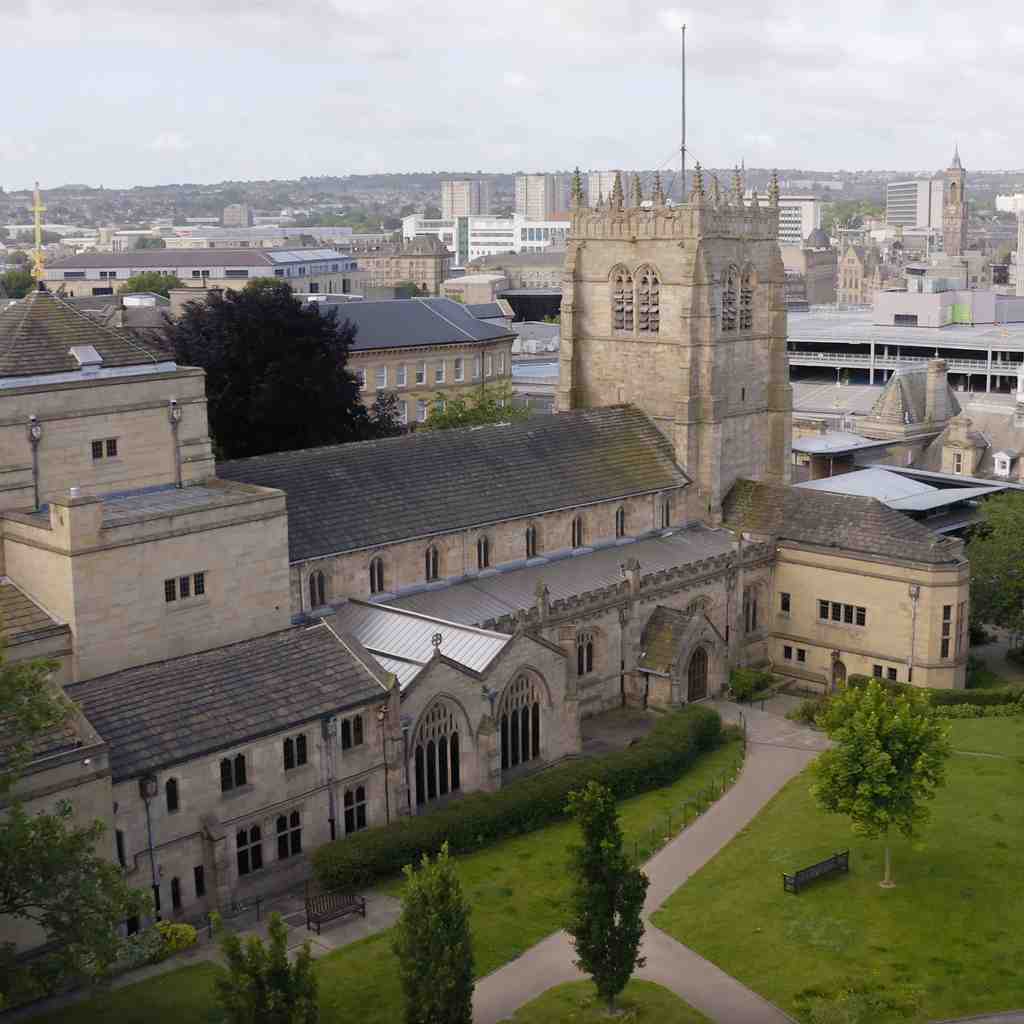
  3. Look ahead for a mighty, honey-colored stone church with an imposing square tower that rises above the treetops and city buildings-Bradford Cathedral stands out with its medieval…Leggi di piùMostra meno

    Look ahead for a mighty, honey-colored stone church with an imposing square tower that rises above the treetops and city buildings-Bradford Cathedral stands out with its medieval charm and pointed Gothic windows. Welcome to Bradford Cathedral, the oldest place of continuous worship in the city and a building that is absolutely bursting with stories, centuries, and a little bit of mystery-so, take a deep breath and let’s imagine the echoes of time here! Picture yourself arriving in the late 600s, when this spot was a wild outpost, maybe with a Viking or two wondering, “Should I join the choir?” The very first church here was a simple Anglo-Saxon one, built by those fearless missionaries from Dewsbury, hoping to win over the locals with something stronger than a handshake-a side order of faith! But, as history would have it, fortunes didn’t always smile. After the Norman Conquest, the original church crumbled into ruins. Around 1200, a new church rose, only to face fiery Scottish raiders in 1327. Imagine, the thundering of hooves, the crackling and the panic as the stone church was set ablaze, turning the air heavy with smoke. From those ashes, a new chapter began. The people of Bradford didn’t give up. Through the 14th and 15th centuries, they rebuilt using some of the old stones, so if you touch the walls, you might just be shaking hands with the past! In 1508, the glorious tower you see was completed-standing strong for over 500 years now, a real overachiever in the local skyline, if you ask me. Not only did families like the Leventhorpes and the Bollings have their own chapels inside, but by the end of the medieval era, a clerestory was added too, flooding the nave with light. Step inside and you’ll notice modern touches mingling with history. In the 1850s, the talented Robert Mawer carved a new reredos for the altar in Caen stone. It was lost during the great 1950s rebuild-no one knows for sure what happened, which gives a touch of archaeology and a hint of cathedral mystery. By the way, the east end you see today is an elegant extension by Edward Maufe, who cleverly reused stained glass from the original window; you might spot vivid Victorian images throughout the building, including windows showing biblical heroines and a stirring First World War memorial. And what is a cathedral without music? If you listen carefully, you might almost hear the gentle hum of organ pipes or the sound of a choir tuning up. Bradford Cathedral is famous for its choirs-boys and girls drawn from across the city, each voice carefully trained (unless, like me, you’re tone deaf, but don’t worry, I’m not allowed to sing here). Together with adults and highly skilled volunteers, they fill the cathedral with choral music several times a week, and have even recorded for BBC Radio and sung with the European Union Chamber Orchestra! Both boys’ and girls’ choirs now take part in Yorkshire’s great cathedral festivals, so you’re standing where young voices have soared for generations. Oh, and let’s not forget the William Hill pipe organ, a grand old instrument from 1904-every Wednesday at lunchtime it bursts to life with recitals. There’s even an Organ Appeal underway to make sure it keeps working, because, as they say, cathedrals need their pipes as much as they need their prayers! You’ll also find monuments and plaques to remarkable locals, from Abraham Balme-the man who made canals happen in Bradford-to a tribute for the victims of the tragic Bradford City Football Ground Fire. Every nook of this cathedral whispers a different piece of Bradford’s story. But perhaps what’s most charming is that, for centuries, Bradford Cathedral lay hidden from the bustling city by post offices and shopping centers. Now, with open views and a quiet close, it stands more visible and welcoming than ever, drawing in visitors from across the world. So, as you look up at those sturdy medieval stones and hear the echoes of music and history, remember: Bradford Cathedral isn’t just a building, it’s a survivor, a storyteller, and-lucky for us-a bit of a show-off! Eager to learn more about the background, music or the monuments of interest? Simply drop your inquiries in the chat section and I'll provide the details you need.

    Apri pagina dedicata →
Mostra altre 10 tappeMostra meno tappeexpand_moreexpand_less
  1. To spot the Bradford Playhouse, look for a bold red-brick building on your left with an eye-catching mural and the words "Bradford Playhouse & Film Theatre" painted high on its…Leggi di piùMostra meno

    To spot the Bradford Playhouse, look for a bold red-brick building on your left with an eye-catching mural and the words "Bradford Playhouse & Film Theatre" painted high on its side-right above The Stonewall Bar. Now, as you stand here on the bustling pavement, imagine the smell of fresh paint and the energy of actors bustling behind the scenes. This isn’t just any old theatre-it’s Bradford Playhouse, a real survivor, a place where drama seems to leap off the stage and sometimes even out into the street. Go all the way back to 1929 and picture a group of passionate amateurs renting an old hall that used to be a cinema, determined to put on a show no matter what stood in their way. The original hall wasn’t particularly grand; in fact, it was an ex-Temperance Hall-so you can imagine the only thing stronger than tea there was their sheer willpower to make theatre magic. A short walk down memory lane leads us to J. B. Priestley, one of Bradford’s most famous sons, stepping in as president in 1932. A local legend, Priestley lent more than his name; he brought his imagination, his royalties, and his fabulous knack for words, becoming the driving force that kept this theatre’s heart beating even when times got tough. His sister, Winnie, practically ran the place, bustling around as secretary, her dedication now remembered with a plaque inside. Priestley once wrote about these little theatres as “camp-fires twinkling in a great darkness,” flickering sparks of hope and creativity-so when you look at this place, remember it’s a beacon for dreamers. But, of course, every good theatre needs a little drama-offstage as well as on. One fateful night in April 1935, Jowett Hall was lost to flames, and all that passion must have felt like it was going up in smoke. But just like in the best stories, the heroes rallied. Priestley donated the royalties from his own plays, and the troupe bought the lot and rebuilt, opening their brand-new venue in 1937-a sparkling combined theatre and cinema to delight Bradfordians anew. From that moment on, it wasn’t just a playhouse, but a hub where films and live performances shared the stage. The years rolled on, and the theatre rolled with the punches-even after another disastrous fire in the summer of 1996. Imagine the panic backstage as the run of Aristophanes' Lysistrata came to a fiery halt, only for the determined crew to build a new set from scratch in their studio space-all so the show could go on for its final night. Lesser mortals might have packed up and called it a day, but not here! The Playhouse became a master at rising from the ashes, like the most melodramatic of stage characters. Since the late '90s, it’s had its fair share of cliffhangers-facing financial crises, changing names, launching appeals and rallies to keep the lights on. There were headlines of near closure, passionate local supporters, and last-minute loans to keep the curtain from falling for good. “The Priestley” made a grand reopening in 1997 with J. B. Priestley’s own An Inspector Calls, but the drama continued. There were cheered fundraising campaigns, breathless cash appeals in the local paper, and an endless parade of directors and theatre boards-sometimes it felt like Bradford Playhouse had more plot twists than a murder mystery! Ownership switched hands more than once, and even at its lowest points-like going into liquidation in 2011-the people of Bradford refused to let this landmark vanish. One time, it even re-branded itself as The Little Germany Theatre, then The New Bradford Playhouse, always searching for the next act. Local fans campaigned hard, lobbyed the council, wrote letters, planned extravaganzas-and each new chapter brought another team of hopefuls determined to keep the magic alive. In 2014, when it looked like all might be lost again and the building went up for auction, local theatre lover Colin Fine swooped in and bought it outright. And yes, just like a happy ending in a pantomime, the Playhouse was saved once more! If you listen closely now, you might just hear the echoes of standing ovations, the swish of velvet curtains, and the murmur of excited crowds waiting for another Bradford story to unfold. The Playhouse today is more than bricks and mortar; it’s the sum of all those nights when imagination triumphed, and Bradford proved, once again, that show business really does mean the show must go on!

    Apri pagina dedicata →
  2. To spot the Telegraph & Argus, just look for the bold, dark glass building with a giant billboard announcing “BRADFORD: one landscape, many views”-it’s right in front of you,…Leggi di piùMostra meno

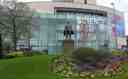
    To spot the Telegraph & Argus, just look for the bold, dark glass building with a giant billboard announcing “BRADFORD: one landscape, many views”-it’s right in front of you, dominating the corner with its modern, shiny facade and large lettering that’s impossible to miss. Welcome to the newsroom that’s seen it all-from late night print runs and clattering presses to scoops that shook the nation. Imagine for a moment: the bustling heart of Bradford, 1868. Horse-drawn carts rattle down cobbled streets, and young Thomas Shields, all the way from Scotland, founds what will become the city’s daily voice. From humble beginnings in a smoky backroom, the Bradford Daily Telegraph is born. Fast forward through time, the Shields siblings take the helm, steering the paper through the hectic world of breaking news and big city gossip. As you stand outside today’s glassy, ultra-modern headquarters-originally the Milligan and Forbes Warehouse-the echoes of history are just behind those dark windows. For decades, the presses inside thundered like a train, news spilling daily onto the streets. They say you could even smell the ink from the pavement. But in 1989, everything changed-the broad sheets were swapped for the snappier tabloid form, making the morning paper even easier to read on a chilly Yorkshire bus. Did you know locals simply call it the T&A? Say that fast and you might get some curious looks. Owned today by Newsquest, itself owned by the American giant Gannett, the T&A has moved with the times. It’s not just paper boys delivering headlines anymore; the press breaks news online, round the clock, so if there’s a runaway llama in Bradford at 2am, you’ll hear it first from them. But wait-this building, with all its gleaming glass, hides a twist. About 36 years ago, they added that very wing just so people could peek at the gigantic printing presses through the windows. You could stroll by and see tomorrow’s headlines literally whirring into life, hot off the press. Alas, those noisy machines are now quiet; the presses were sold, printing moved to Middlesbrough, and most advertisements zoom across the globe to be typeset in India before they return, like boomerangs you never see thrown. The T&A isn’t just about delivering news. In December 1936, an unassuming reporter, Ronald Harker, covered a speech by Bradford’s Bishop Blunt-casting sly doubt on the king’s piety. It sounds like a harmless sermon, but when Harker’s words flashed across Britain, they triggered the full-blown Abdication Crisis! A single article stirred up a royal storm, making Bradford the unintentional epicenter of national uproar. For a brief moment, it seemed every pair of eyes in the country was reading the T&A. The newspaper’s roots run deep in Bradford. If you look back at its roll call, you might spot names destined for parliament, literary circles, or even TV fame-like John Richard Whiteley’s great-granddad, Thomas Whiteley, who served on the board. The paper has had editors like Perry Austin-Clarke, its longest-serving leader, and Nigel Burton, guiding it into the digital age. Let’s not forget Jasper Patterson, who, after helping print that very first Telegraph, set up his own rival paper for some friendly competition-because Bradford journalists were never ones to sit quiet. If these walls could talk, they’d whisper stories of deadline dashes, community campaigns, and the comforting routine of residents opening the paper six days a week-except Sunday, everyone needs a rest, even in Bradford. Now the massive building might soon be up for sale, its legacy shifting from print to pixels, but its spirit of relentless news-making lives on. So next time you scroll your phone for the latest headlines, remember: right here, in this once-cacophonous jumble of ink, glass, and ambition, lies the beating heart of Bradford’s storytelling. And let’s be honest, Bradford without the T&A would be like tea without a biscuit-technically possible, but why risk it? Interested in a deeper dive into the overview, founding print manager or the editors? Join me in the chat section for an insightful conversation.

    Apri pagina dedicata →
  3. To spot the Wool Exchange, just look ahead for a grand stone building with a towering clock, spiky Gothic spires, and beautiful elaborate arches-it’s the showstopper right in…Leggi di piùMostra meno

    To spot the Wool Exchange, just look ahead for a grand stone building with a towering clock, spiky Gothic spires, and beautiful elaborate arches-it’s the showstopper right in front of you, hard to miss on this street! Now, let me whisk you back in time, to when the scent of wool and the buzz of eager traders filled the heart of Bradford. You’re standing outside the Wool Exchange, one of the city’s greatest treasures, where fortunes were made and stories were spun just as tightly as the yarns inside. Imagine Bradford in the 19th century, a place booming with energy, wrapped in the soft, golden fleece that was wool. The people who built this place weren’t just building a market; they were building a monument to their town's pride, power, and, let’s be honest, their love of a good deal. It’s no wonder they went all out with the design-a competition, local rivalry, and even the advice of the famous John Ruskin, though I’ll tell you, he came all the way here and decided to rain on everyone’s parade. Standing before the people of Bradford, he grumbled, “I do not care about this Exchange-because you don’t.” Tough crowd! Ruskin, you see, had a bone to pick with their love of the dramatic Gothic Revival style. He loved beautiful buildings, but only if they came from societies that, in his view, had pure hearts. He thought this place was just a fancy shell for greedy wool barons. Well, good thing they didn’t ask him to paint it, too! Out of all the lavish designs that competed, it was the local architects Lockwood and Mawson who won. And so, from 1864 to 1867, stonemasons hammered away-under the watchful eye of a construction company with the surprisingly modern-sounding name ‘J and W Beanland’-while Lord Palmerston himself, the Prime Minister, laid the first stone. What rose from all the dust and din was something quite magical: a massive hall, bright with polished granite columns, towering ceilings of carved wood and iron, and arcades that seemed to spiral with leafy, natural designs. The building itself became a kind of palace to wool, its ornate details carved mostly by Mawer and Ingle of Leeds, though the statues near the entrance were done by Tolmie. If you were a wool trader here, just stepping through the doors made you feel a foot taller. But wait, there’s more! The Wool Exchange wasn’t just about business. Underneath the grandeur lay Spinks’ restaurant, a smoky, bustling world of deals, gossip, and the occasional tipsy nod across a plate. With its Egyptian sphinxes on the cutlery and its choice of two dining halls-The Restaurant for the sensible, and the Buttery for those who liked a bit of silver with their supper-life here was as much about soft cushions and sharp elbows as it was about wool. You never knew if the biggest deal of the day would happen at your table or the next. On the trading floor above, things could get tense. Only members holding coveted tickets were allowed onto the floor itself, with freelance traders circling like wolves around a pack. Deals were quick and verbal-the kind of thing that would make any modern accountant break out in hives. If you bought “on floor,” your wool would be tested for water and quality-because spiking wool with a bit of extra H2O was a favourite old trick. “Off floor” deals? Well, that was buyer beware, and pray you got what you paid for. Today, the drama might be a little less, but the magic remains. Walk inside and you’ll find shelves of books instead of crates of wool (although a good crime novel can still make your heart race). The floor is now home to a Waterstones bookshop and a lively café. The mezzanine, once the haunt of a chain coffee shop, is now Café W-where you can sip your latte under that glorious ceiling and imagine the ghosts of traders past eavesdropping on your book club. If you gaze up at the exterior, look for the sculptures of industry heroes, politicians, and explorers-these are Bradford’s own ‘Hall of Fame’. Inside, don’t miss the grand statue of Richard Cobden, the free trade campaigner, keeping a careful eye over the legacy of open markets and sharp minds. Even J. B. Priestley’s old haunt, now long gone, used to stand nearby-the city’s stories truly overlap on these streets. So, take a deep breath, feel the echoes of fortunes won and lost, and give a little nod to the old wool barons. Thanks to them, every step you take here is on the softest, richest, and perhaps woolliest ground in Bradford! Now, onto the next chapter of our adventure! For further insights on the trading practices, spinks' restaurant or the the building today, feel free to navigate to the chat section below and inquire.

    Apri pagina dedicata →
  4. To spot Bradford City Hall, just look straight ahead for a grand, sandy-colored building with beautiful arched windows and a towering clock that rises high above Centenary…Leggi di piùMostra meno

    To spot Bradford City Hall, just look straight ahead for a grand, sandy-colored building with beautiful arched windows and a towering clock that rises high above Centenary Square-trust me, it’s hard to miss that dramatic clock tower acting as the city’s own time guardian. Welcome to the stunning Bradford City Hall! As you stand in Centenary Square, take a good look up-that Venetian-style clock tower, inspired by the Palazzo Vecchio in Florence, reaches a dizzying 200 feet into the sky. Its 13 bells sometimes catch the wind, chiming out melodies that have echoed across the city for nearly 150 years. But the story of this building began long before these bells ever chimed. Imagine Bradford in the 1800s: a bustling, industrial town with dreams as big as its wool mills. Back then, the town hall was tucked into the Fire Station House on Swain Street, but the city dreamed of something grander-something to rival the proud halls of Leeds and Halifax. In 1869, a triangular patch of land was bought, and a fierce competition kicked off. Thirty-one designs went head-to-head, but in the end, it was the local firm Lockwood and Mawson that clinched victory. Built by John Ives & Son of Shipley, this magnificent structure took three long years and a whopping £100,000-a king’s ransom at the time-to complete. On the 9th of September 1873, Mayor Matthew Thompson threw open the doors and surely must have beamed with pride. Of course, like any self-respecting Victorian masterpiece, City Hall didn’t rest on its ornate laurels. In 1909, it stretched its legs with new council rooms and a lavish banqueting hall. But the real drama often spilled out onto these steps. Just picture the crowd on a brisk day in March 1912, when Winston Churchill, mighty mustache and all, stood outside and rallied the people to “go forward together” as he thundered about Irish Home Rule. In 1914, a grand marble staircase appeared-just in time for more official business, gossip, and, let’s be honest, the occasional sneaky peek at a royal parade. The hall was renamed “City Hall” in 1965, a nod to Bradford’s growing clout, and crowned court cases continued until 1993. When the bells fell silent in 1992, the city could almost feel the missing heartbeat-but help came, thanks to National Lottery funds, and soon the bells were ringing again. There’s a playful side to this grand old hall, too. In 2007, it even had its fifteen minutes of TV fame-filling in as Manchester Crown Court for a gripping Coronation Street trial! Whether it’s the dazzling lights of the Bradford Festival illuminating its façade in 2006, or ingenious new heating boilers being installed with a tunnel, City Hall has always found a way to stay relevant-sometimes, by chipping up Christmas trees for fuel! Now, look closely at the details around you. Each statue on the City Hall’s grand façade is a former monarch-hand-carved from local Cliffe Wood stone by Farmer & Brindley. Even Oliver Cromwell gets a place in this royal lineup. The flags above you might be celebrating Saint David’s Day with the Welsh flag, or Australia Day for friends Down Under. They’ve even flown at half-mast, sometimes under somber skies, to mark the city’s sorrows and losses. Step inside-if you get the chance-and you’ll see the banqueting hall’s spectacular frieze, carved by C.R. Millar. Across the wood, the city’s motto stands out: “Labor omnia vincit”-hard work conquers all. It’s the spirit of Bradford in a single phrase, surrounded by carvings of ships, architecture, trade, and the arts. And oh, those bells. For years, the original clock and carillon machine, both made by Gillett & Bland, played 28 different tunes for the city-sometimes cheerful, sometimes solemn. After 2016, the bells would chime every fifteen minutes, with a joyful cacophony at midday and in the late afternoon, and even carols at Christmas. During moments of tragedy or remembrance, the bells ring out in sorrow, as they did in tribute to the victims of the 1985 Bradford City stadium fire, playing “You’ll Never Walk Alone” as tears ran down many faces. And don’t be surprised if you hear something a bit more modern-the bells have belted out pop tunes and even synced up with theatre crowds leaving the Alhambra, timed just right for a city that dances between history and today. So whether you’re here for the grandeur, the gossip, or even just to count the monarchs, Bradford City Hall promises a story at every corner-and a secret or two chiming from above.

    Apri pagina dedicata →
  5. To spot the Bradford War Memorial, look ahead for a tall, stone pylon flanked by two striking bronze statues of a soldier and a sailor, both frozen in mid-lunge, standing…Leggi di piùMostra meno

    To spot the Bradford War Memorial, look ahead for a tall, stone pylon flanked by two striking bronze statues of a soldier and a sailor, both frozen in mid-lunge, standing prominently between the National Science and Media Museum and the Alhambra Theatre. Welcome to the Bradford War Memorial, where you can almost feel the heavy echo of marching boots and hushed crowds from a hundred years ago! Here in Victoria Square, this solemn stone giant stands not just as a piece of art, but as a witness to Bradford’s moments of deepest sorrow and proud remembrance. Imagine it’s July 1st, 1922. The air is thick with emotion. Forty thousand people squeeze together in anticipation as a new monument is revealed, six years to the day after the brutal First Battle of the Somme. Lieutenant-Colonel Alderman Anthony Gadie-try saying that five times fast-had the daunting honor of unveiling it to a city still grieving the loss of thousands. The memorial honors 37,000 Bradfordians who put on British uniforms in the First World War. Sadly, around 5,000 would not return home, many of them “Pals” who joined up together, trained together, laughed and joked together, and, tragically, many fell side by side in the mud of Serre on that infamous first day of the Somme. Can you imagine the tension? Two full battalions from Bradford-young men with dreams and Yorkshire grit-storming out of their trenches at dawn, not knowing what would come next. Nearly 1,800 were lost or wounded in just a single day. Look carefully at the memorial. Its central pylon, over four meters high, is carved from rugged local stone, robust enough to weather the sorrow and hope of a whole city. There’s a cross on both faces, its lower half transforming into a sword plunging through a wreath-a powerful symbol that blends sacrifice and valor. The front wreath is inscribed with “PRO PATRI MORI”-Latin for “To die for one’s country”-a reminder that these were ordinary people asked to do extraordinary things. Notice the two bronze figures on either side, soldier to the left, sailor to the right, caught mid-charge with rifles at the ready. They look tough, don’t they? Or perhaps a little controversial-after all, not everyone agreed that such a dramatic pose captured the true tragedy of war. Once, their bayonets gleamed dangerously in the sunlight, but after a bit of damage in 1969, all that’s left are the hilts. Some local kids might have had a bit too much fun with those blades, so now they hunt glory in slightly safer fashion. The memorial originally commemorated the Great War, but over the decades, a bronze plaque was added. Now, it remembers not just those lost between 1914 and 1918, but everyone swept up in later conflicts too. If you step close, you’ll read, “THEIR NAME LIVETH FOR EVERMORE”-an eternal promise that Bradford never forgets its heroes, whether from the muddy trenches of the Somme or further battlefields far from home. So here you are, standing where crowds once wept and cheered, at the crossroads of memory and history. Even among the city’s busy streets, this place is expectant and still-a silent salute to courage and the enduring spirit of Bradford. And remember: if those bronze soldiers could talk, they’d probably say, “You’d best not mess about-Bradford remembers everything!”

    Apri pagina dedicata →
  6. The National Science and Media Museum stands out with its modern, glass-fronted building topped with creamy stone, and right in front you’ll spot a statue and a colourful…Leggi di piùMostra meno

    The National Science and Media Museum stands out with its modern, glass-fronted building topped with creamy stone, and right in front you’ll spot a statue and a colourful garden-just look for the huge words "SCIENCE + MEDIA MUSEUM" across the glass panels to know you’re in the right place. Welcome to a place where history glows brighter than a photographer’s flash and imagination echoes off the cinema walls! Right in front of you is the National Science and Media Museum-Bradford’s very own temple to the wonders of images, sound, and screentime, and home to more ‘aha!’ moments than a detective in a TV drama. If you pause for a second, you might almost hear the curving glass atrium buzzing as families file through the doors, their voices bouncing off glass and stone. Now, let’s roll the reel back to the 1960s, when this site was originally meant for a grand theatre. Work started and then... nothing. Construction halted, and for years, Bradford had what you might call “the most mysterious unfinished business in town.” But in the early 1980s, Dame Margaret Weston from London’s Science Museum and Bradford’s city councillors cooked up something clever: why not turn the half-built theatre into a world-class museum that explores how humans see, capture, and share their world? In 1983, the National Museum of Photography, Film & Television threw open its doors with a bang-quite literally, since the main attraction was Europe’s first opened IMAX cinema, with a screen so big it looked like you’d need a passport to walk from one side to the other. And if a five-storey-high cinema wasn’t enough, guests were treated to six channels of surround sound-enough to make popcorn rattle in your lap. Along the way, the museum reinvented itself faster than a plot twist in a soap opera. It changed names-first to the National Media Museum, now to the National Science and Media Museum-and expanded with new wings, interactive galleries, and a research facility holding, wait for it, 3.5 million pieces! That includes the very first photographic negative, the world’s earliest colour moving pictures, and some of the rarest gadgets from the BBC-plus toys from Play School, sets from Wallace and Gromit, and original items from horror classics. Bet film villains wish they could hide out here! On any visit, you can wander six permanent exhibitions. Fancy a trip from the world’s first photographs to your own camera roll? Head for the Kodak Gallery. Want to play video games like your parents did (and maybe discover they weren’t so bad at them after all)? Step into the Games Lounge. Or, if you want to make echoes and chase rainbows, the Wonderlab will let you experiment with the science of light and sound till your hair stands on end. And don’t skip the BFI Mediatheque, where you can plunge into archives of British film and television-TV Heaven by name, TV heaven by nature! Cinema fans are in for a treat; the museum’s Pictureville Cinema is beloved by directors for its pitch-perfect sound and its unrivalled ability to screen epics in formats like 70mm and even 3-strip Cinerama-there are only three places in the whole world that can do that, and you’re looking at one. And, let’s face it, isn’t it more fun to watch giant lions on a five-storey screen than in your living room? Of course, like any blockbuster, the museum has weathered a few ups and downs. It’s hosted glittering film festivals, science fairs, and game conventions. It’s survived some budget drama and even a major temporary closure for a £7.5 million upgrade-proving that sometimes, you have to pause for maintenance before the next great chapter. Today, entry is free (unless you fancy a cinema ticket or two), and the welcoming glass atrium houses a café and shop. The newly refurbished museum is more engaging than ever, with fresh digital galleries and brand new exhibitions reopening in 2025. So whether you’re a budding scientist, a shutterbug, a movie buff, or just someone who’s curious about how we see-and shape-the world, the National Science and Media Museum is Bradford’s answer to the question: what happens when curiosity gets the best seat in the house? Now, who’s for a giant bag of popcorn? Interested in knowing more about the building and admission, collection or the past exhibitions

    Apri pagina dedicata →
  7. Back then, as you stand where the fashionable folks of the 1930s once queued up, the New Victoria opened its doors not just as a cinema, but as the LARGEST cine-variety theatre…Leggi di piùMostra meno

    Back then, as you stand where the fashionable folks of the 1930s once queued up, the New Victoria opened its doors not just as a cinema, but as the LARGEST cine-variety theatre outside London-over 3,300 seats! If cities were having a “my cinema is bigger than yours” contest, Bradford would have come in third in the whole country. The architect, William Illingworth, pulled out all the stops with Renaissance Revival style-and those copper domes were put there to compete with the showy Alhambra Theatre next door. That’s architectural one-upmanship for you! But what made this place truly cutting-edge? It wasn’t just about the size. It was built specially for “talkies”-the new wave of movies with sound that had folks lining up in wonder. Imagine in 1930: tickets clutched in hand, eager families heading inside to see and hear the future. It cost a staggering £250,000-a price tag so steep you’d have to sell more than a few pints to pay it off! Inside, the New Victoria was a world of its own: vast auditorium, swirling ballrooms where big bands sent dancers spinning, and a glitzy 200-seat restaurant where folks might have said, “Pass the peas, please-oh, and do you think Fred Astaire will be in the next film?” There was even a mighty Wurlitzer organ, ready to serenade the audience as orchestras tuned up. But the Odeon wasn’t just about movies. For decades, it was a magnet for live music and glittering performers. The London Symphony Orchestra graced the stage at its opening gala-fancy! Through the years, legends like the Italian tenor Beniamino Gigli, the London Festival Ballet, and even a frosty 1950 ice show, “Babes in the Wood on Ice”, wowed the crowds. The list of musical icons that played here is a who’s who of rock and roll history: Bill Haley and His Comets, Buddy Holly, Tom Jones, Paul Anka, Count Basie, and-wait for it-The Beatles. In fact, when The Beatles first played here in 1963, they were so new to the scene they weren’t even the headliners! And when they returned at the end of the year, they brought the house down. In the swinging 60s, the cinema changed. Rebranded in 1950 as the Gaumont, and then, after some major remodeling in the late 1960s, it became the Odeon-now flipped from a single cinema palace into a twin screen cinema and bingo hall. That’s right, you could come in for a blockbuster… or for a quick game of bingo. I wonder if anyone ever yelled “bingo!” during a dramatic film scene. But time wasn’t always kind. After closing in 2000, the mighty Odeon stood unused for years, its story nearly ending in demolition. Bradford locals weren’t having it! Crowds gathered in passionate protests-a human chain of 1,000 people “hugging” the building to plead for its rescue. Posters, rallies, even ‘get well soon’ cards; if the Odeon needed TLC, it definitely got the Bradford brand. Film stars and celebrities chimed in to help. There was drama offstage as much as on! Finally, the city council took the building under its wing, and in a twist worthy of a movie script, local groups like Bradford Live jumped in, fighting to save the original auditorium. Millions have been poured into restoring her to glory-including some hiccups and operator switcheroos as late as 2024. But Bradford’s dream is alive and, just between you and me, the Odeon is destined to be the crown jewel of the city’s culture, especially for the epic City of Culture year in 2025. So, as you stand right outside, close your eyes for a second. Can you hear the footsteps of moviegoers from the elegant thirties? Or the roaring crowd for a Beatles encore? Maybe just the rustle of a bingo card or a whispered promise: “The show must go on.” The Odeon’s palace of dreams is still very much a part of Bradford’s story!

    Apri pagina dedicata →
  8. To spot the Bradford Mechanics’ Institute Library, just look for the building at number 76 Kirkgate, with a modern glass frontage and bold letters above the entrance saying…Leggi di piùMostra meno

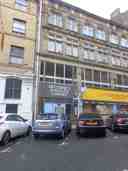
    To spot the Bradford Mechanics’ Institute Library, just look for the building at number 76 Kirkgate, with a modern glass frontage and bold letters above the entrance saying “MECHANICS INSTITUTE LIBRARY”-it’s right between a classic stone building and a bright yellow shopfront. Now, take a deep breath and imagine yourself stepping back nearly 200 years, right into the heart of a bustling, smoky, clattering Bradford, where the sound of mill machinery carried on the wind and wool traders hurried past, speaking every European language you could imagine-honestly, you’d think the Wool Exchange itself was an international airport sometimes. But here, right where you stand, there was something remarkable bubbling away beneath all that industry: a thirst for knowledge. It all began in 1832, when a band of local visionaries-including benevolent folks like James Hanson, and the artist William Overend Geller-decided Bradford’s working men deserved more than just a tough day’s graft. They deserved education! So they set up the Mechanics’ Institute Library, a place where anyone could learn about chemistry, engineering, and all those trades and sciences that would help Bradford thrive. Back then, the city was a rising titan in fabrics and worsted cloth, so you can imagine the urgency-everyone here wanted to know the secrets of dyes, construction, or perhaps just how to chat with a French buyer in the morning market without resorting to a game of charades! The original building, with its grand lecture halls, newsrooms, and shopfronts, quickly became the city’s intellectual heart. If you’d wandered by in 1871 when the new Bridge Street building opened, you’d see crowds lining up for public lectures-sometimes over a thousand people packed in to hear tales of jungle trekking in the Himalayas, or the latest from Parliament. The library upstairs was a treasure trove, while elegant ladies and well-dressed gents, some arriving in sparkling Rolls-Royces, gathered for coffee and a good read. And no, I’m not pulling your leg-at one point, there were more Rolls-Royce owners in Bradford than anywhere else in Britain! This place was truly Bradford’s brain and its beating social heart. But, ah, here comes the twist. When the 1870 Elementary Education Act made schoolboards and formal education available everywhere, the Institute’s core mission started slipping away. By 1904, the teaching rooms and lectures here were handed over to the city council and Bradford Technical College-making the Institute less the classroom of the city and more its salon, social club, and sanctuary for wisdom-seekers. Still, the spirit never faded. The Mechanics’ Institute hosted everything from chess and rambling clubs (fewer hiking boots, lots of tweed caps) to reading circles and fancy gatherings-one “conversazione” in 1909 pulled in an audience of 700! For both World Wars, this exact spot saw rooms converted into recruiting stations, echoing with the footsteps of young volunteers who would join the famous Bradford Pals regiments. But time takes its toll on even the most vibrant places. The blackout days of WWII made people stay home. By the swinging sixties, the Institute’s membership had dwindled; only the ground-floor shops and meeting rooms could keep it afloat. Then, with a drumroll of controversy, the city decided to redevelop the area. Their grand Bridge Street building-by all accounts both splendid and beloved-was demolished by 1976. The Institute picked itself up, dusted itself off, and settled into these modern premises here at Narey’s Buildings. Not quite as grand, perhaps, but still full of heart and history. Today, this is a living library, boasting 14,000 books, from gripping novels to cherished tomes on local history, poetry, and the great wars. If you listen carefully, you might still hear echoes of debate and laughter from groups like the Book Worms, the WW1 buffs, or the dedicated poetry society upstairs in the J. B. Priestley Room. And the Institute’s still a little engine that could-hosting meetings, running clubs, sparking conversation, and supporting Bradford’s curious and courageous souls. So as you stand here, picture all those footsteps that have passed through these doors: factory workers turning into inventors, artists dreaming up masterpieces, even wartime heroes pausing one last time at street level. It’s not just a library; it’s Bradford’s own time machine-paper-powered, people-driven, and always waiting for the next chapter. Eager to learn more about the 19th century, 20th century or the mechanics' institute today? Simply drop your inquiries in the chat section and I'll provide the details you need.

    Apri pagina dedicata →
  9. To spot the Oastler Shopping Centre, just look straight ahead for a wide, modern-looking building with a curved metal canopy over the entrance and a big, bright orange sign that…Leggi di piùMostra meno

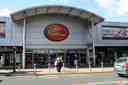
    To spot the Oastler Shopping Centre, just look straight ahead for a wide, modern-looking building with a curved metal canopy over the entrance and a big, bright orange sign that says “Oastler Shopping Centre”-it’s hard to miss right in front of you! Alright, you’ve arrived at what locals have simply called “the market” for decades! Close your eyes for a moment and let me take you on a little time-travel adventure… Imagine the busy sounds of traders shouting, customers haggling, bags rustling, and the echo of footsteps on shiny tiles. This isn’t just any market, though. The Oastler Shopping Centre you’re staring at today was once an open-air affair known as John Street Market, bustling since its very first day back on 30 June 1930. Picture 176 stalls-everything from fresh vegetables to handmade crafts and piping hot samosas-spread across more than 25,000 square feet. Toss in a handful of quirky cafes and clothing stands, some of which have been here since the days your grandparents first argued about how many eggs to buy for breakfast. But it hasn’t always looked like this! Originally, all of this was outdoors, open to the elements. Rain? Snow? Bradfordians just shrugged it off. “Yorkshire weather puts hair on your chest,” as the old saying goes. But by the early 2000s, some clever city planners thought maybe the folks of Bradford deserved to shop without risking frostbite, so they gave the whole place a massive facelift. The market was sealed indoors and named after Richard Oastler, a heroic 19th-century abolitionist who fought for the rights of factory workers. If you happen to wander into Oastler Square nearby, you’ll spot his statue, a reminder that fighting for the underdog never goes out of style. But wait, let’s rewind the clock to one dramatic night: 4 November 1977. Just imagine - the sharp smell of smoke, the frantic wails of sirens, market traders terrified about their livelihoods. A fire erupted, tearing through stalls and cafes before even the bravest fire crews from neighboring towns like Halifax and Leeds could arrive. The flames left more questions than answers, too: the cause of the fire was never discovered. Even today, some old Bradfordians will swear the market still carries a whiff of mystery… or maybe that’s just the cheese stall! Through it all, the centre remained the heart of Bradford’s daily hustle, even getting caught up in a local legend or two. This place is actually part of the Bradford Jewish Heritage Trail, thanks to a tale about Fanny Feinburgh’s old tailor shop. Imagine a tiny shop bravely refusing to move, even as demolition crews began swinging hammers-right up to the moment disaster struck, and poor Fanny herself was injured by falling bricks. Talk about holding out for a sale! The Oastler Centre has even had its fifteen minutes of fame. It’s starred in TV shows like the BBC’s The Great Train Robbery and films like Funny Cow-though don’t worry, neither of those productions burned anything down. And with closure on the horizon, it became the star of “Oastler Market Speaks,” a creative project sharing the memories of those who shopped, worked, and sometimes just napped here-all with the odd tale of lost shopping trolleys or misplaced umbrellas. Sadly, with all things old and loved in a growing city, the Oastler Centre eventually faced its curtain call. Council plans came in, blueprints came out, and the familiar sound of market traders packing up their boxes echoed one last time in June 2025. In its place will rise the modern Darley Street Market, part of a huge city regeneration project with green spaces to stroll through, shiny new shops, and a little piece of Bradford’s soul carried forward. The “City Village” is coming soon, backed by millions of pounds and promises of a better tomorrow. So, as you stand outside these sliding doors, give a nod to the centuries of traders-fishmongers, bakers, tailors, poets, and perhaps a few stubborn ghosts-who made this place what it is. Bradford’s history is a patchwork quilt, worn, colorful, and always full of surprises

    Apri pagina dedicata →
  10. To spot the Bradford Synagogue, look for the striking striped building with tall, arched windows, an ornate doorway, and a decorative stone crown along the roof-almost as if a…Leggi di piùMostra meno

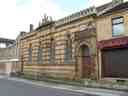
    To spot the Bradford Synagogue, look for the striking striped building with tall, arched windows, an ornate doorway, and a decorative stone crown along the roof-almost as if a palace from a magical story popped up right in the middle of Bowland Street. Now that you’re standing in front of it, let me take you back in time. Imagine it’s the late 1800s and Bradford is buzzing with the energy of wool merchants from around the world. Among them are German-born Jewish traders who, drawn by the promise of prosperity and freedom, bring with them more than just business-they bring the dream of a community. In 1873, with little more than hope, a group of these families gathered together as the first Bradford Jewish Association. Before long, inspired by the arrival of the young and optimistic Rabbi Dr Joseph Strauss, they laid the foundation stone for what would soon be the third Reform synagogue in the entire United Kingdom. Take a breath and look around-the walls of this building have seen more stories than your favorite soap opera! Rabbi Strauss, only 28 years old when appointed, led from 1873 to 1922, guiding a community that called itself the Bradford Congregation of British & Foreign Jews. At the time, Bradford was so forward-thinking, the town had a Reform synagogue even before an Orthodox one. That’s Bradford, always a step ahead-even in the 19th century! Let’s talk about those eye-catching stripes and shapes. The synagogue’s style is called “Oriental,” a 19th-century British fascination with far-off places and mysterious lands-not something you see every day, is it? Its arches and decorations make it one of the best-preserved examples of this style in the country. In 1989, the building earned a Grade II* listing, which basically means, “Hey, everyone! Don’t touch-this is precious!” Of course, no good story is without a twist. As years passed, the local Jewish community got smaller, and there was a time when selling this beloved building seemed like the only option. But-plot twist!-funding came in, with help from across Bradford’s communities, including local Muslims, to keep the synagogue alive as a place of worship and heritage. Even today, though the community is small, the synagogue comes alive for Shabbat and joyful celebrations every major festival-there’s even a Friday night dinner and a communal Passover Seder, just as there always has been. It’s a place of resilience, friendship, and the tale of a tree of life that keeps growing, even when the winds blow strongest. So as you stand here, take a moment: you aren’t just looking at a building-you’re looking at the heart of a story that’s over a century in the making.

    Apri pagina dedicata →
Domande frequenti

Come inizio il tour?

Dopo l'acquisto, scarica l'app AudaTours e inserisci il tuo codice di riscatto. Il tour sarà pronto per partire immediatamente – tocca play e segui il percorso guidato dal GPS.

Ho bisogno di internet durante il tour?

No! Scarica il tour prima di iniziare e goditelo completamente offline. Solo la funzione chat richiede internet. Ti consigliamo di scaricare tramite WiFi per risparmiare dati mobili.

È un tour guidato di gruppo?

No – è un tour audio autoguidato. Esplori in autonomia al tuo ritmo, con la narrazione audio riprodotta dal tuo telefono. Nessuna guida, nessun gruppo, nessun orario.

Quanto dura il tour?

La maggior parte dei tour richiede 60–90 minuti, ma sei tu a controllare il ritmo. Metti in pausa, salta le tappe o fai pause quando vuoi.

E se non riesco a finire il tour oggi?

Nessun problema! I tour hanno accesso a vita. Metti in pausa e riprendi quando vuoi – domani, la prossima settimana o il prossimo anno. I tuoi progressi vengono salvati.

Quali lingue sono disponibili?

Tutti i tour sono disponibili in oltre 50 lingue. Seleziona la lingua preferita quando riscatti il codice. Nota: la lingua non può essere cambiata dopo la generazione del tour.

Dove accedo al tour dopo l'acquisto?

Scarica l'app gratuita AudaTours dall'App Store o Google Play. Inserisci il codice di riscatto (inviato via email) e il tour apparirà nella tua libreria, pronto per essere scaricato e avviato.

verified_user
Soddisfazione garantita

Se il tour non ti piace, ti rimborseremo l'acquisto. Contattaci a [email protected]

Pagamento sicuro con

Apple PayGoogle PayVisaMastercardPayPal

AudaTours: Tour Audio

Tour a piedi autoguidati, coinvolgenti e convenienti

Prova l'app arrow_forward

Amato dai viaggiatori di tutto il mondo

format_quote Questo tour è stato un ottimo modo per vedere la città. Le storie erano interessanti senza sembrare troppo scriptate, e mi è piaciuto poter esplorare al mio ritmo.
Jess
Jess
starstarstarstarstar
Tour Tbilisi arrow_forward
format_quote Un ottimo modo per conoscere Brighton senza sentirsi un turista. La narrazione aveva profondità e contesto, senza esagerare.
Christoph
Christoph
starstarstarstarstar
Tour Brighton arrow_forward
format_quote Ho iniziato questo tour con un cornetto in mano e zero aspettative. L'app ti accompagna tranquillamente, niente pressione, solo tu, le tue cuffie e delle storie interessanti.
John
John
starstarstarstarstar
Tour Marseille arrow_forward

Tour Audio Illimitati

Sblocca l'accesso a OGNI tour nel mondo

0 tour·0 città·0 paesi
all_inclusive Esplora Illimitato