50+ languages

 Bradford · United Kingdom
 Bradford Audio Tours
Discover Bradford with self-guided audio walking tours
headphones
1 tours
pin_drop
20 landmarks
translate
Top landmarks
The Bradford everyone knows.
The landmarks in every guidebook — and the tours that tell you what guidebooks don't.
A few words on Bradford
The wool capital of the world, and the world's first UNESCO City of Film
Bradford was producing around two-thirds of the United Kingdom's woollen textiles by the mid-19th century, a fact so improbable it requires context. In 1800 it was a small market town. By 1850 it had 70 mills and 100,000 inhabitants, having transformed itself faster than almost any city in Britain through access to local coal, soft water, and the ambitions of the mill owners who built the Wool Exchange on Market Street in 1867. The Wool Exchange, now occupied by a Waterstones bookshop, is one of the finest Victorian commercial buildings in the north of England, with an interior that still reads clearly as a space designed for serious trade.
Little Germany, a neighborhood of streets between Hall Ings and East Parade, takes its name from the German-Jewish merchants who arrived in the 1850s to deal in Bradford's textiles.
They built more than 50 warehouses and commercial buildings in Italianate and Flemish Revival styles that together form one of the most architecturally coherent Victorian commercial quarters in England. The whole area is listed, largely intact, and largely overlooked by visitors who have not been told to look for it.
Bradford
Bradford FAQ
Before you walk.
Every Bradford tour, in your language.
All 50+ languages, included with every booking.
🇬🇧 English🇫🇷 Français🇪🇸 Español🇩🇪 Deutsch🇮🇹 Italiano🇯🇵 日本語🇨🇳 中文🇰🇷 한국어+ 41 more
star AudaTours Unlimited
Visiting more than one city? Subscribe.
Unlock every Bradford tour — plus thousands more worldwide. Cancel any time.
$4.99/week · Cancel anytime

More in United Kingdom
Explore United Kingdom arrow_forwardOther cities to walk in United Kingdom.

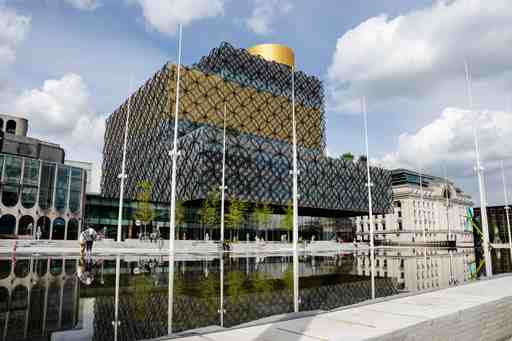
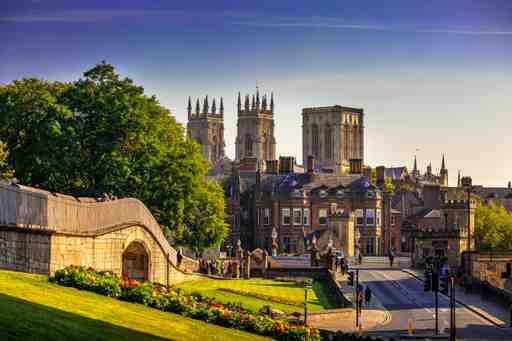
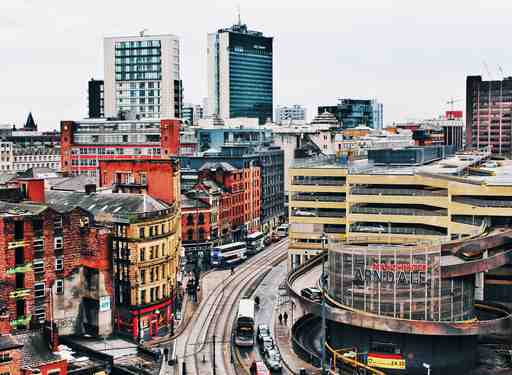
Loved by travellersThousands of tours started.
Thousands of tours started.
Plenty of opinions.
4.8 across the App Store and Google Play. Here's a few we keep coming back to.
starstarstarstarstar
This tour was such a great way to see the city. The stories were interesting without feeling too scripted, and I loved being able to explore at my own pace.

Jess
Tbilisi Tourstarstarstarstarstar
This was a solid way to get to know Brighton without feeling like a tourist. The narration had depth and context, but didn't overdo it.

Christoph
Brighton Tourstarstarstarstarstar
Started this tour with a croissant in one hand and zero expectations. The app just vibes with you, no pressure, just you, your headphones, and some cool stories.

John
Marseille Tourdownload Get the app Pop your headphones in.


Pop your headphones in.
Step outside.
Free to download. Tours in every city. Start in 60 seconds — no account, no card.

headphones
~ 4 min until your first tour starts
public
1,000+ cities worldwide
all_inclusive
AudaTours
Unlimited
Every tour. Every city. One subscription.
3096 tours2272 cities138 countries50+ languages
$39 /year
all_inclusive Explore Unlimited