
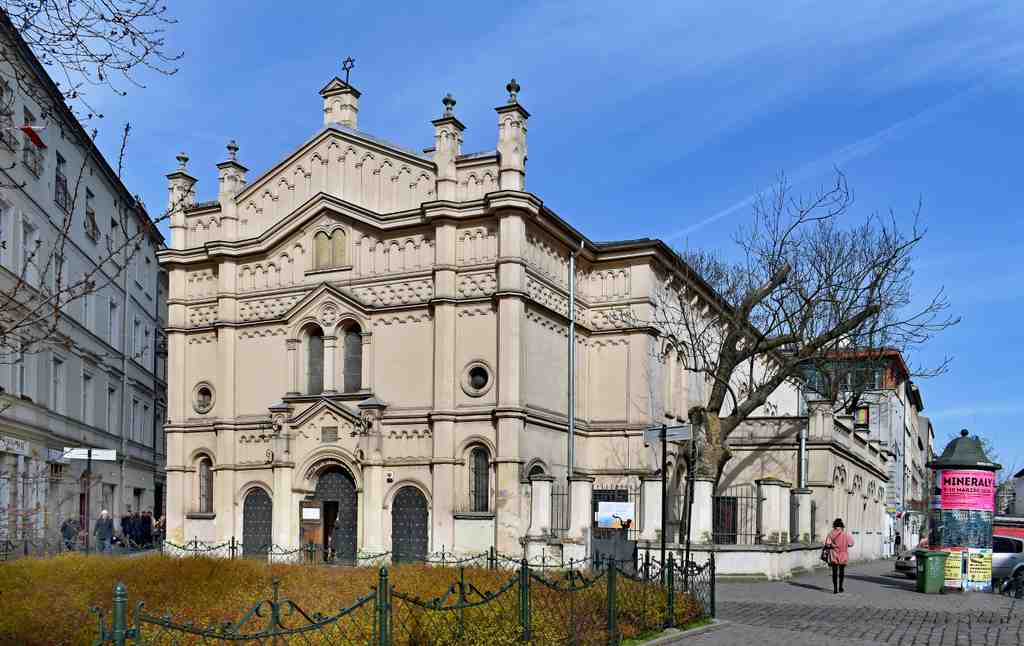
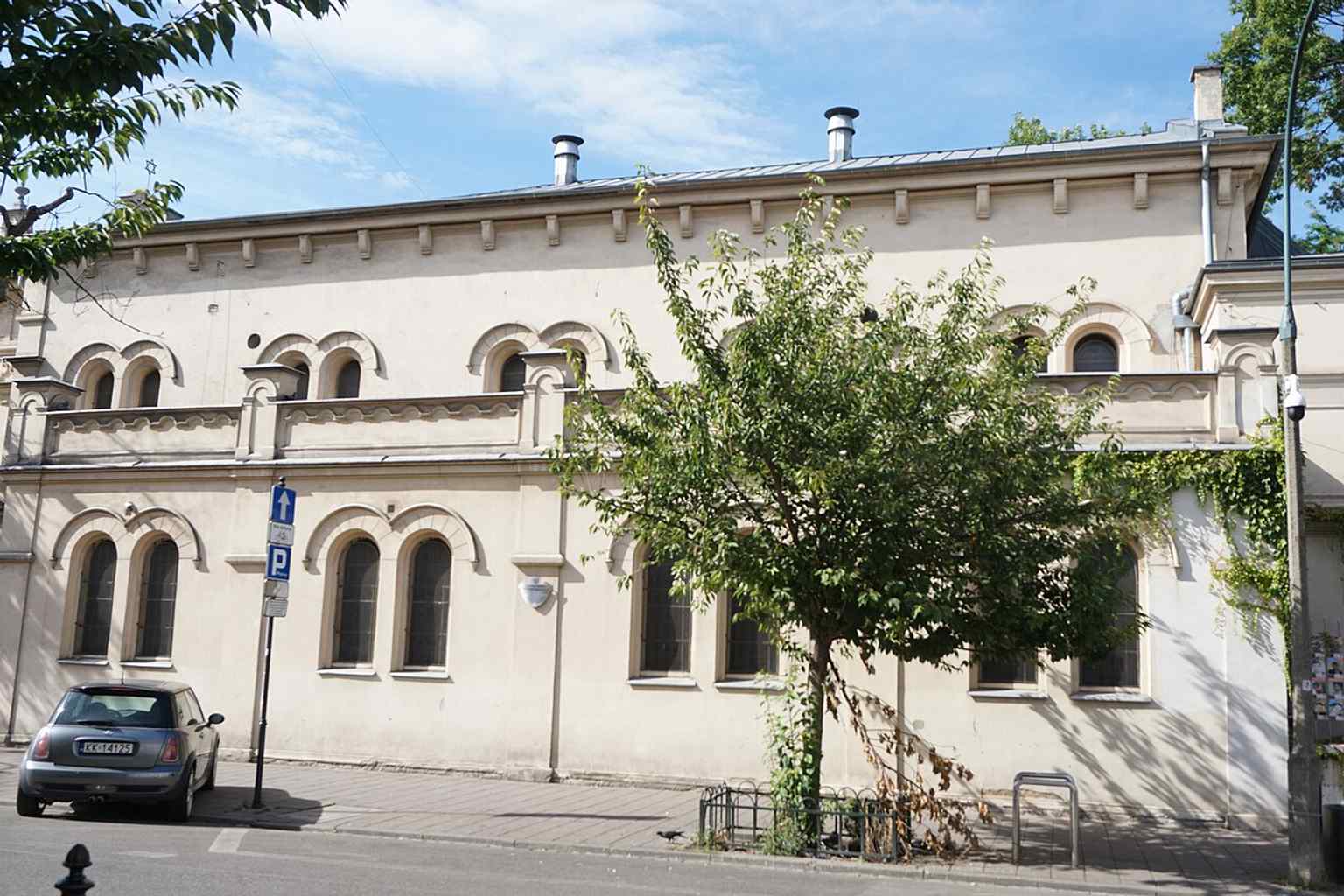
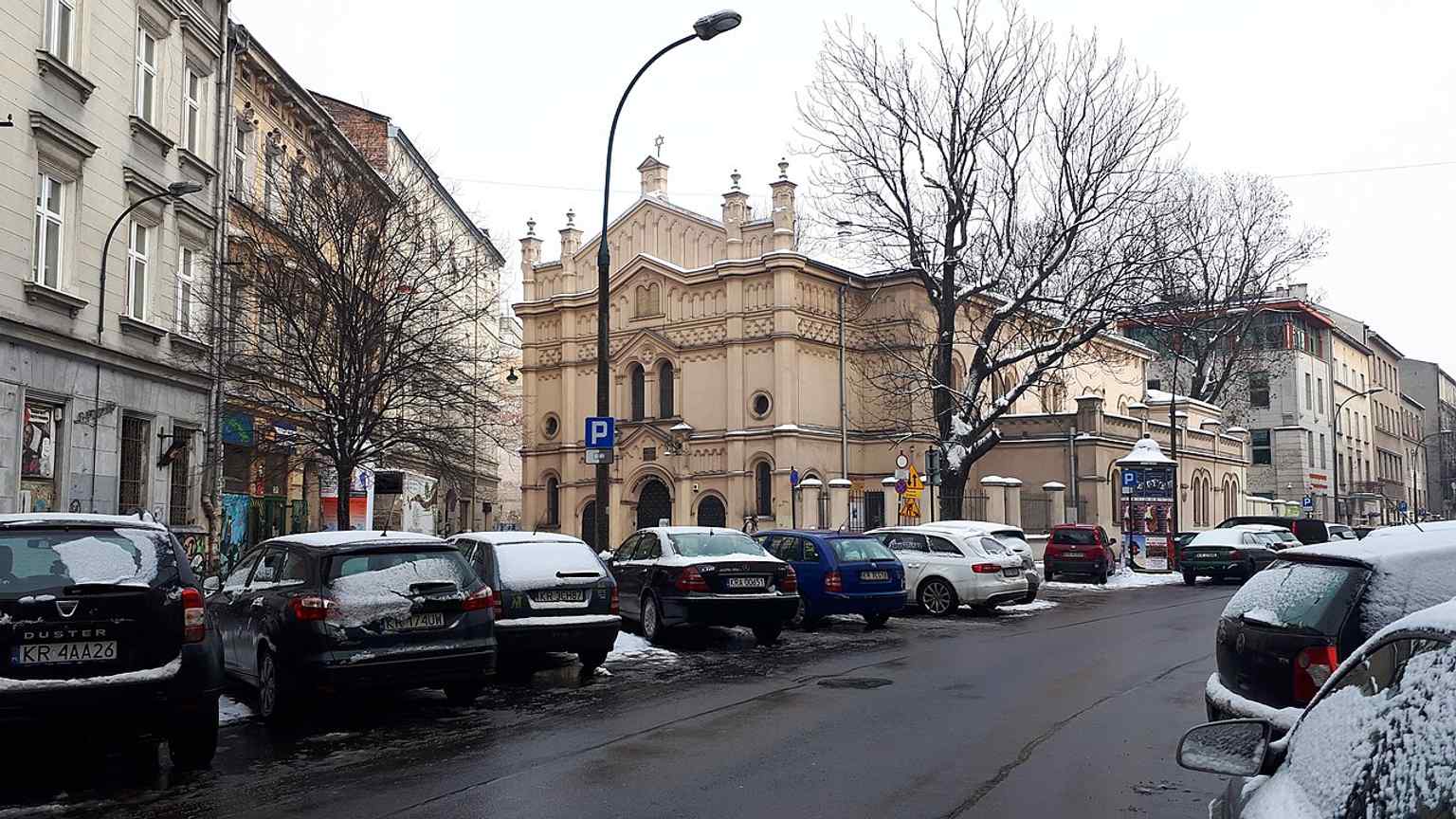
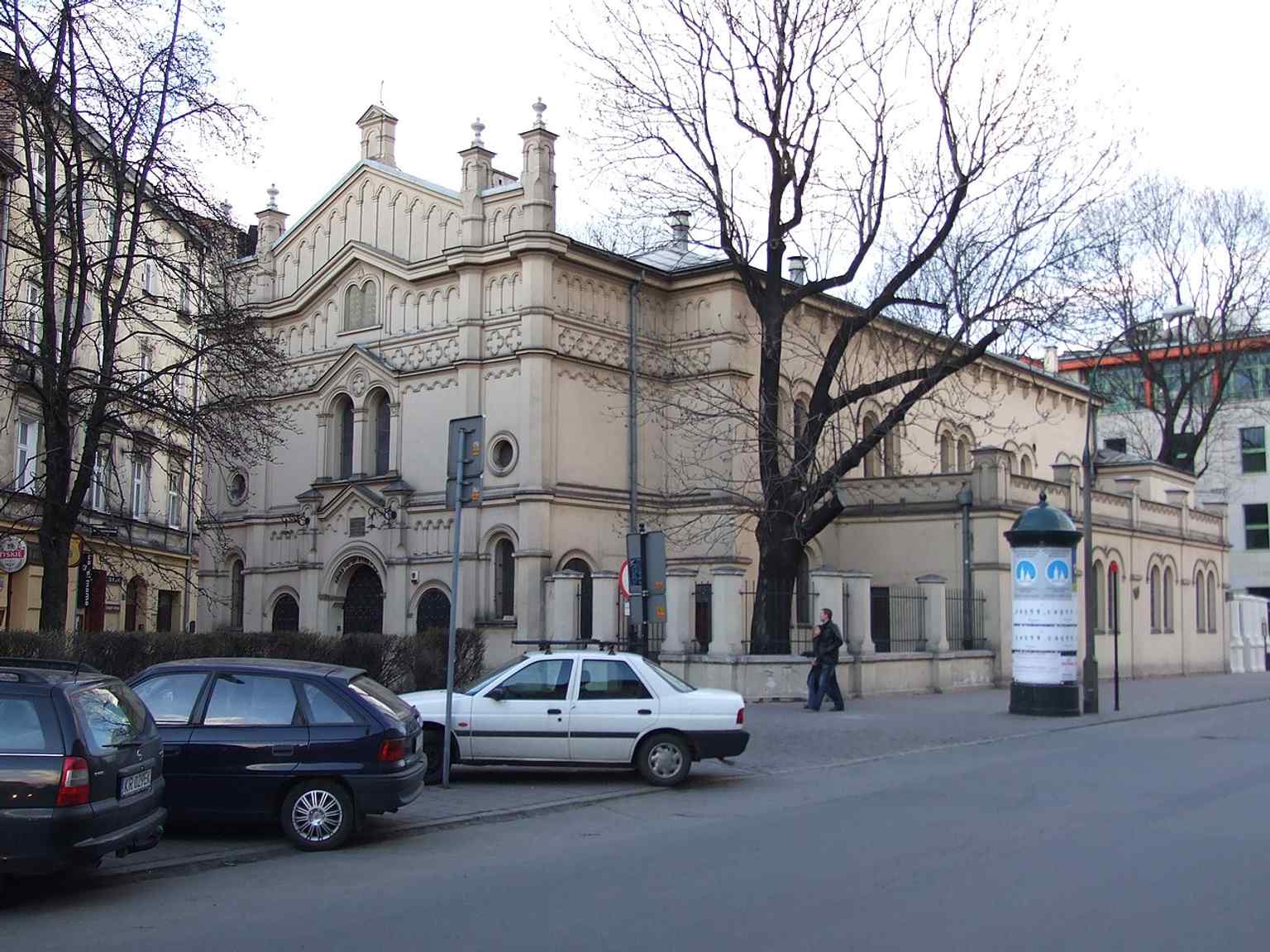
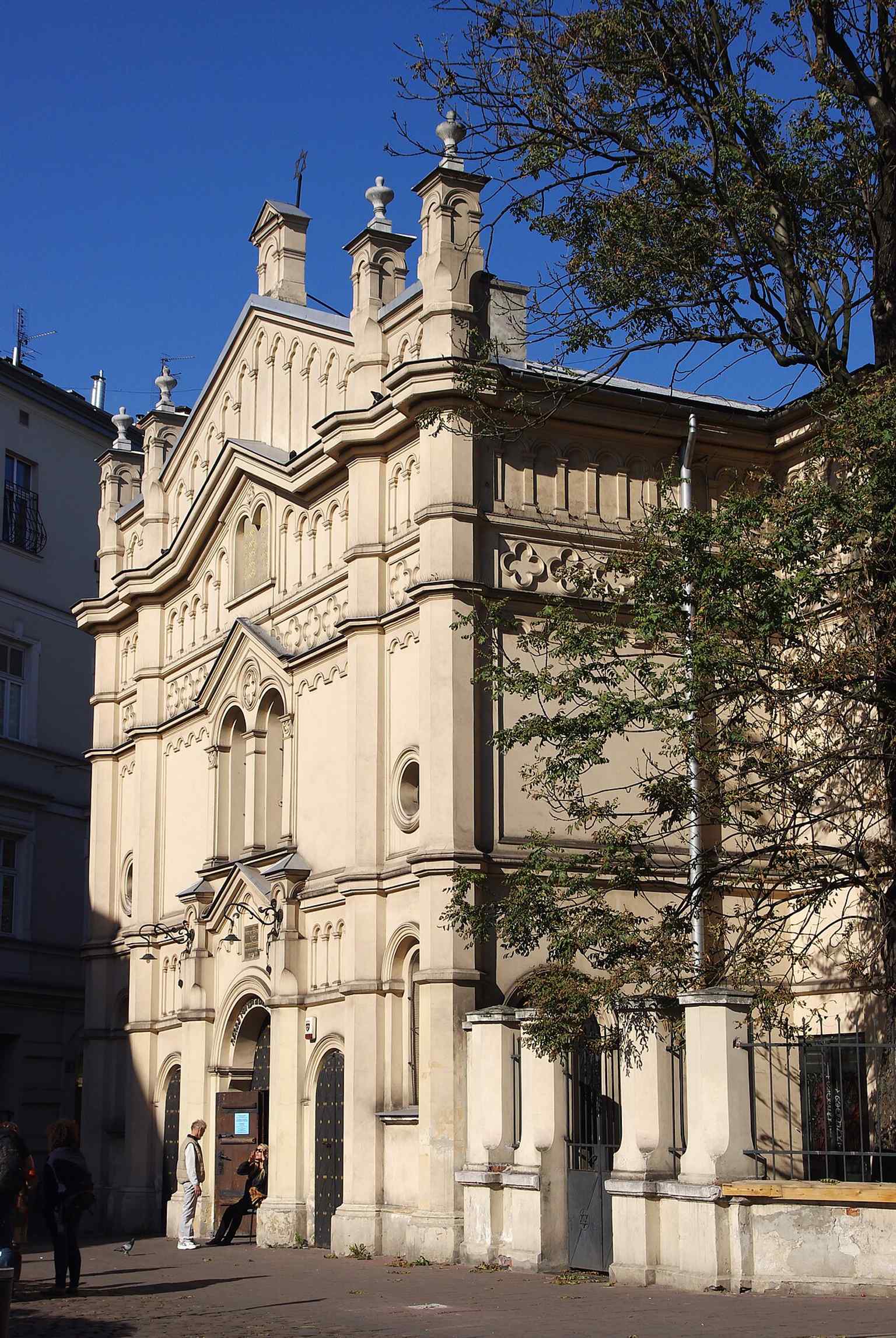
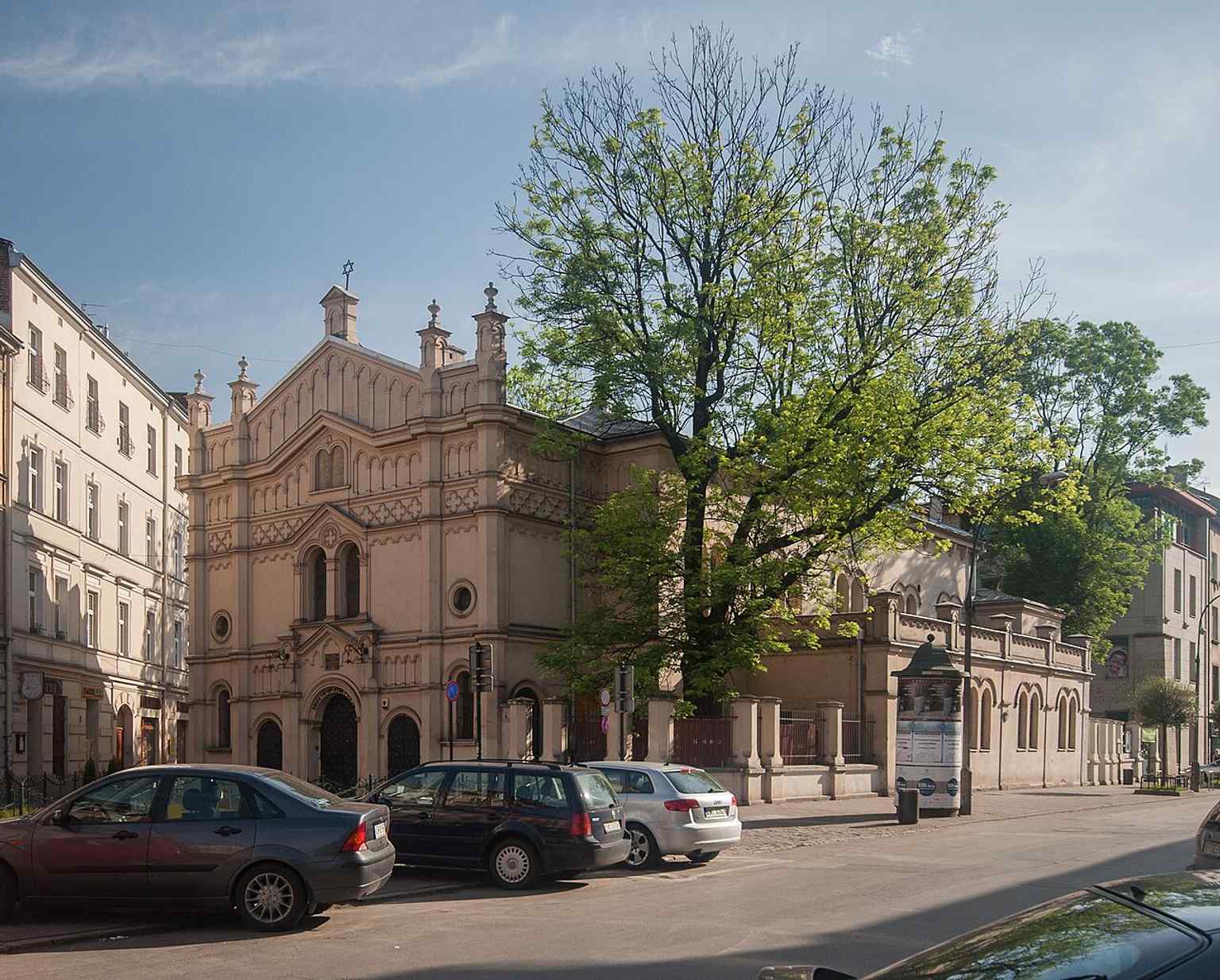
On your right, look for a cream-coloured masonry facade with a tall central block, lower side wings, and broad round-arched windows that give the synagogue an almost theatrical sense of arrival.
This is Tempel Synagogue, completed in eighteen sixty-two, and it announced something bold before anyone even stepped inside. Architect Ignacy Hercok gave Kraków’s Progressive Jewish community a building in the Moorish Revival manner, mixed with a German round-arched style called Rundbogenstil. In plain terms, it was meant to look modern, confident, and very much part of the wider world of the Austro-Hungarian Empire. Hercok even followed the example of the famous Leopoldstädter Tempel in Vienna. This was not a shy neighbourhood prayer room. It was a public statement.
And the congregation inside was making a statement too. These were reform-minded Jews who wanted worship to follow the German model rather than traditional Orthodox practice. To more conservative neighbours, some ceremonies here seemed downright scandalous. In the interwar years, women sang together with the cantor and choir. That alone tells you something important about Kazimierz: disagreement lived here not at the edges, but at the heart of communal life.
Take a moment and study the front. Notice how the taller middle section stages itself against the street, almost like a civic hall. Imagine how startling that must have seemed to those who thought a synagogue should speak more softly.
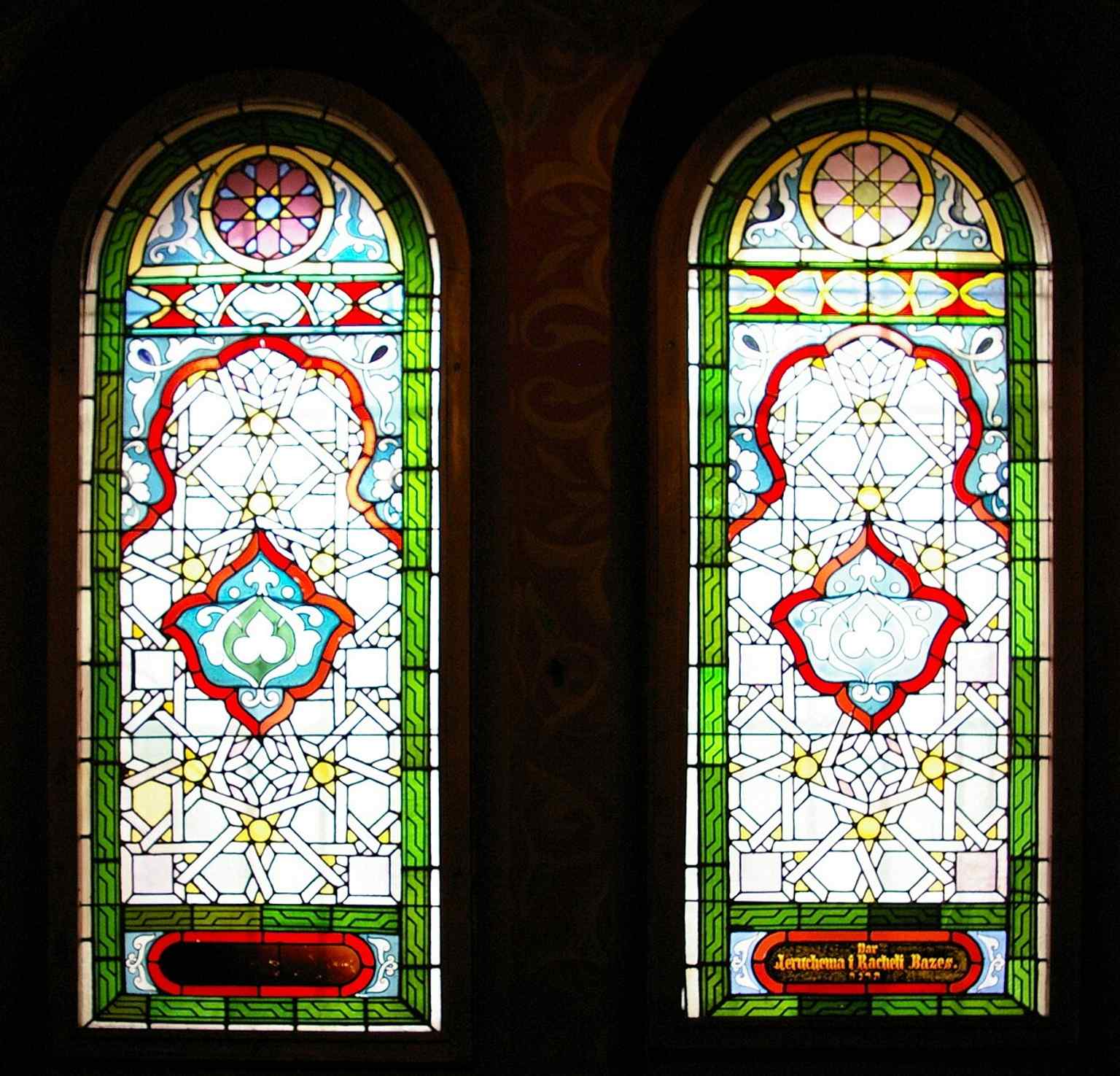
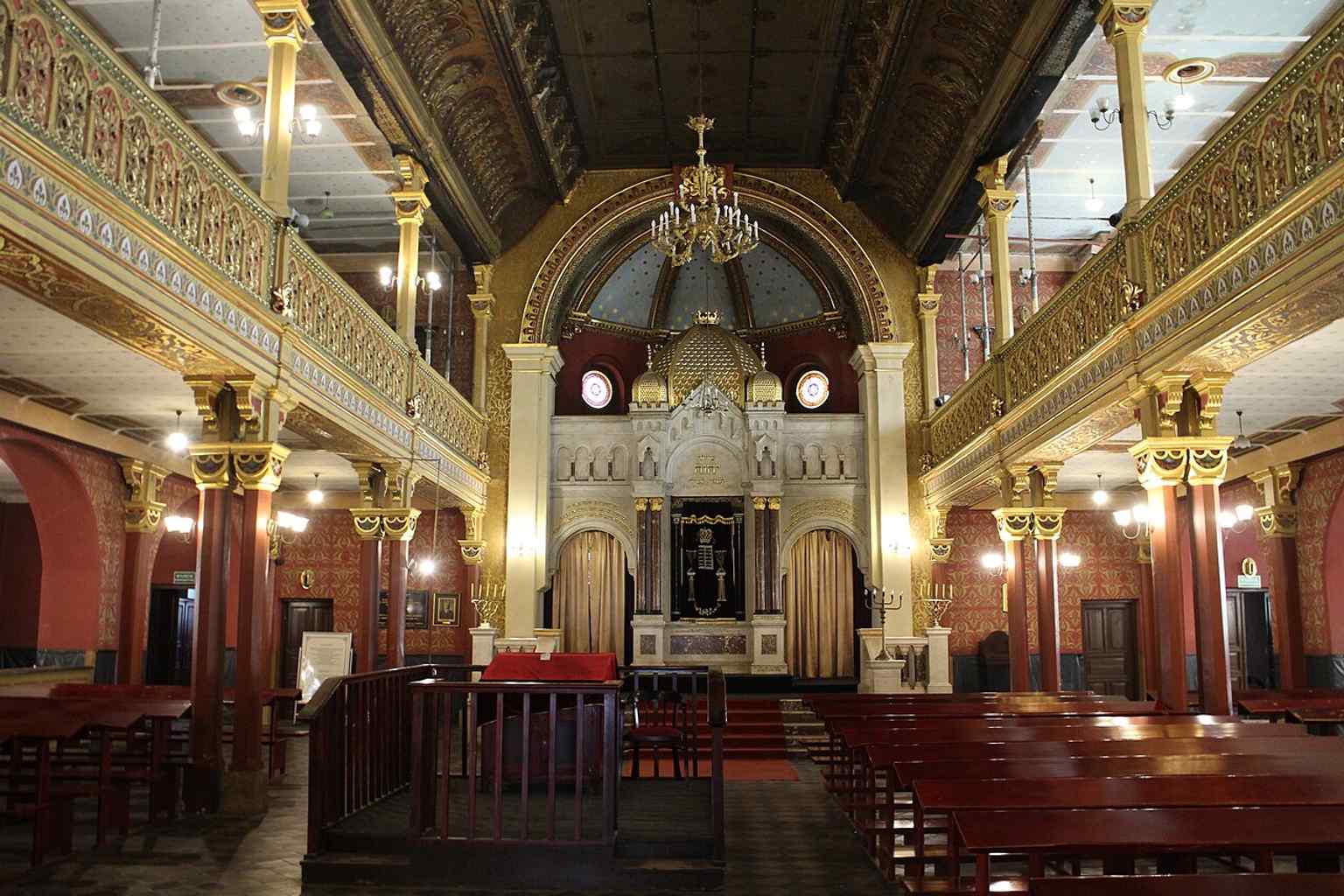
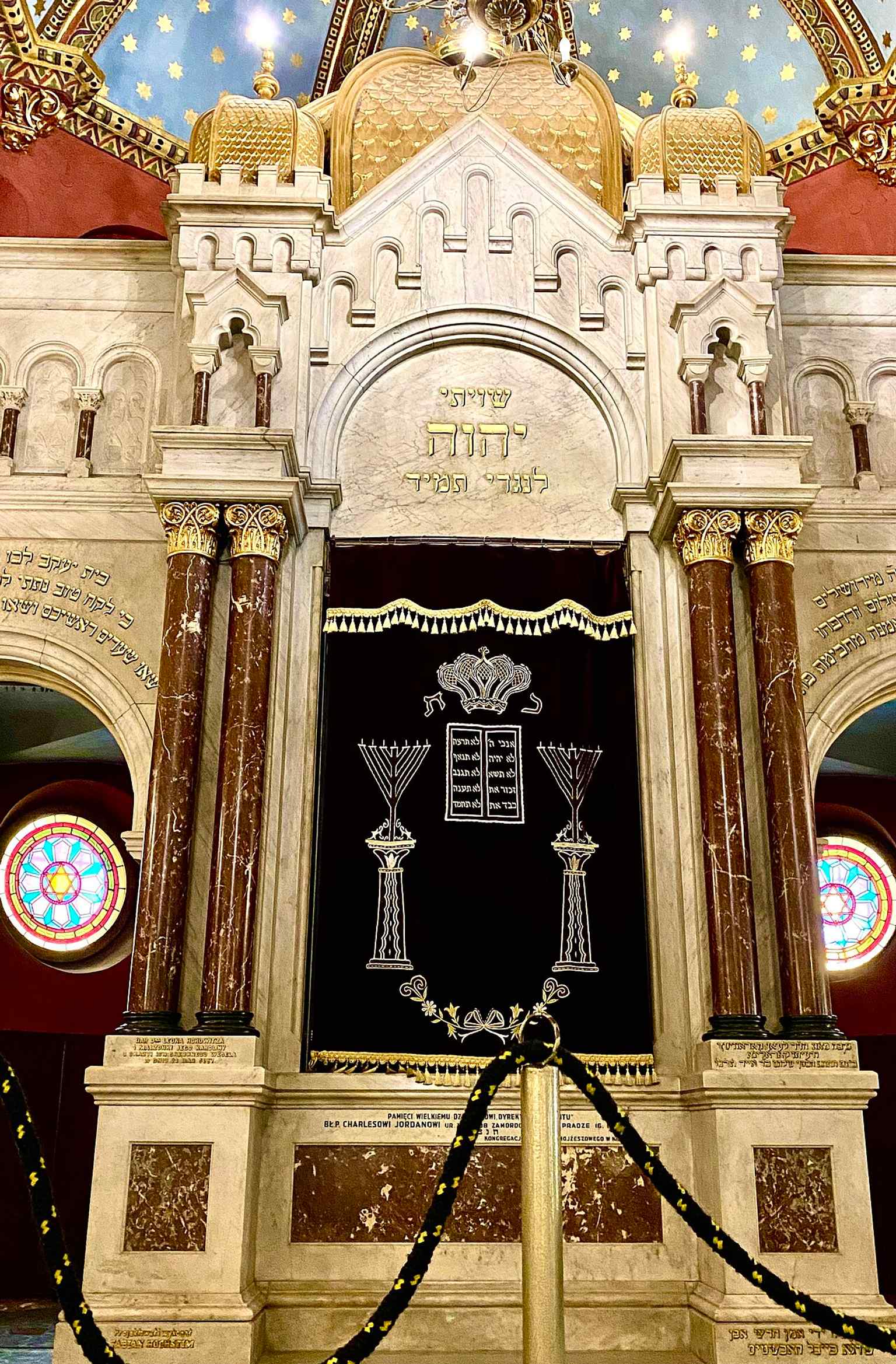
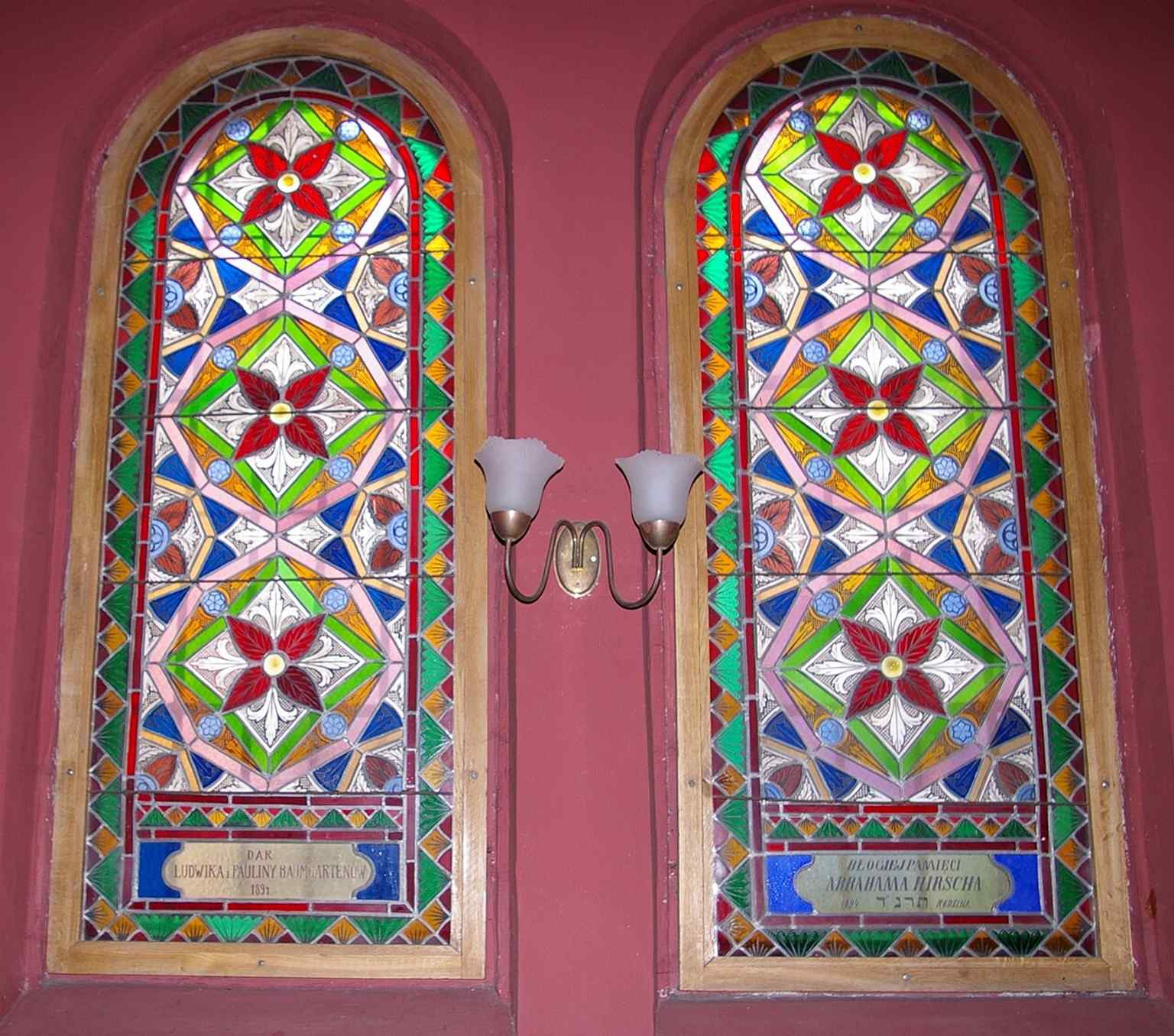
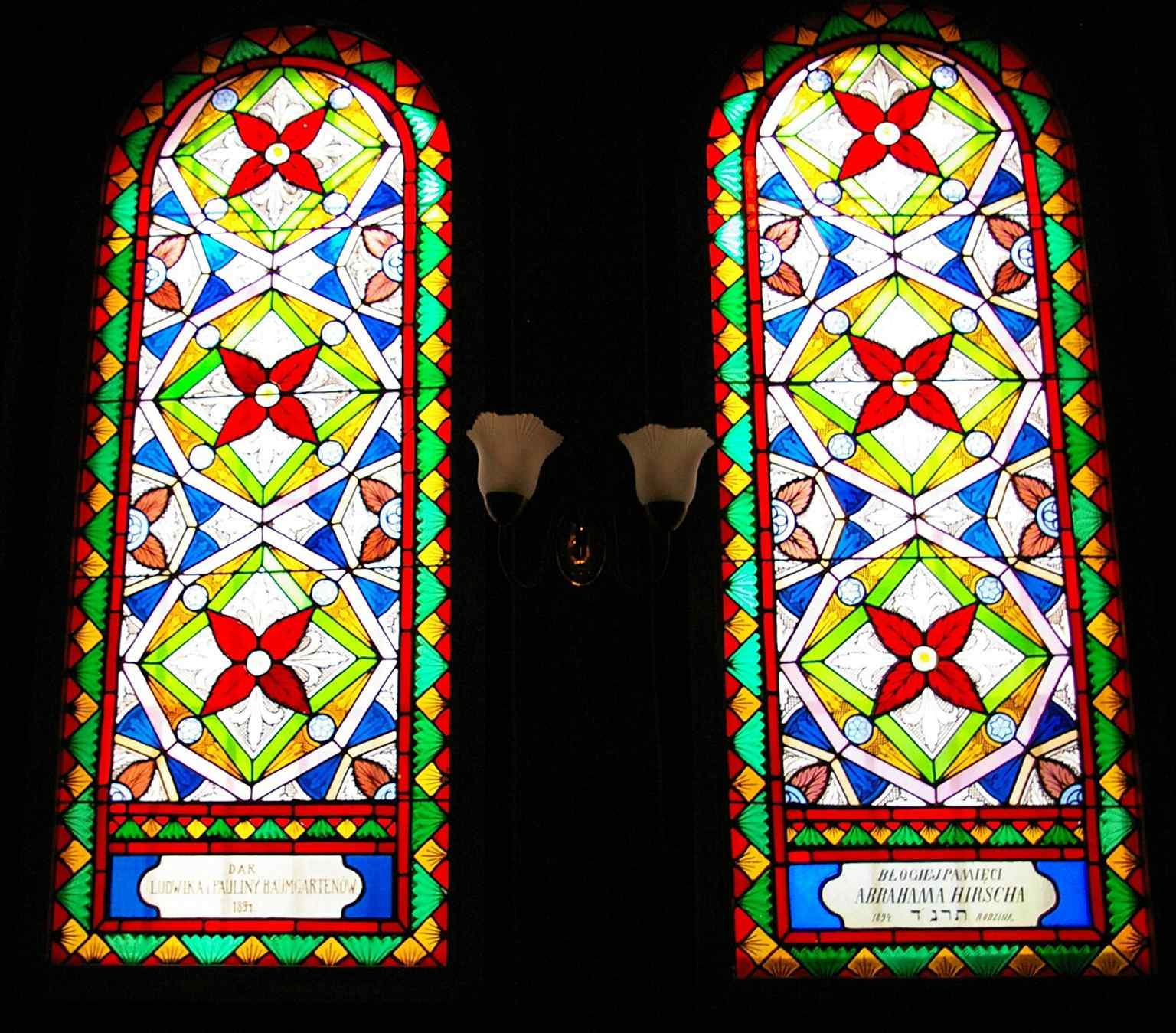
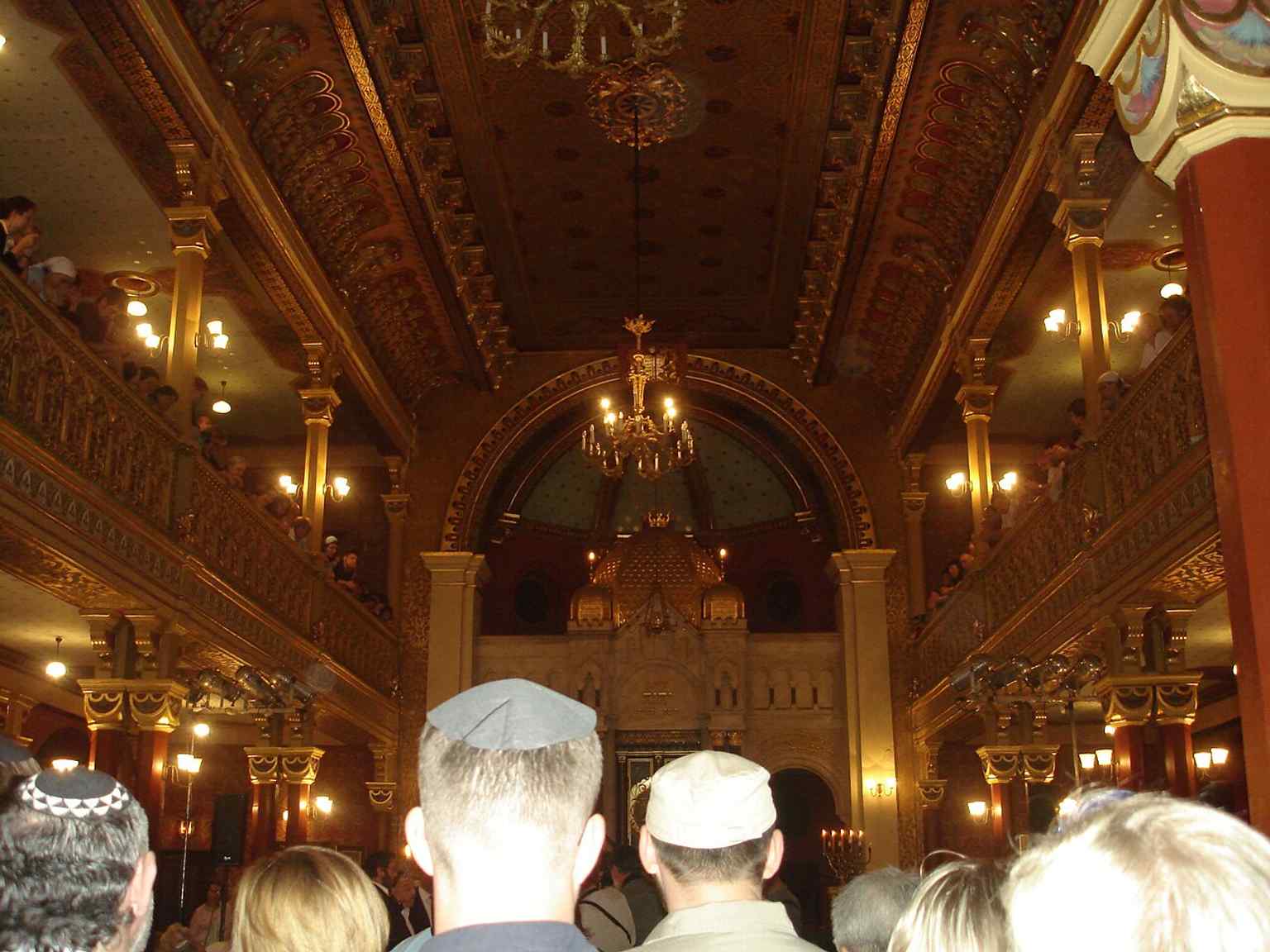
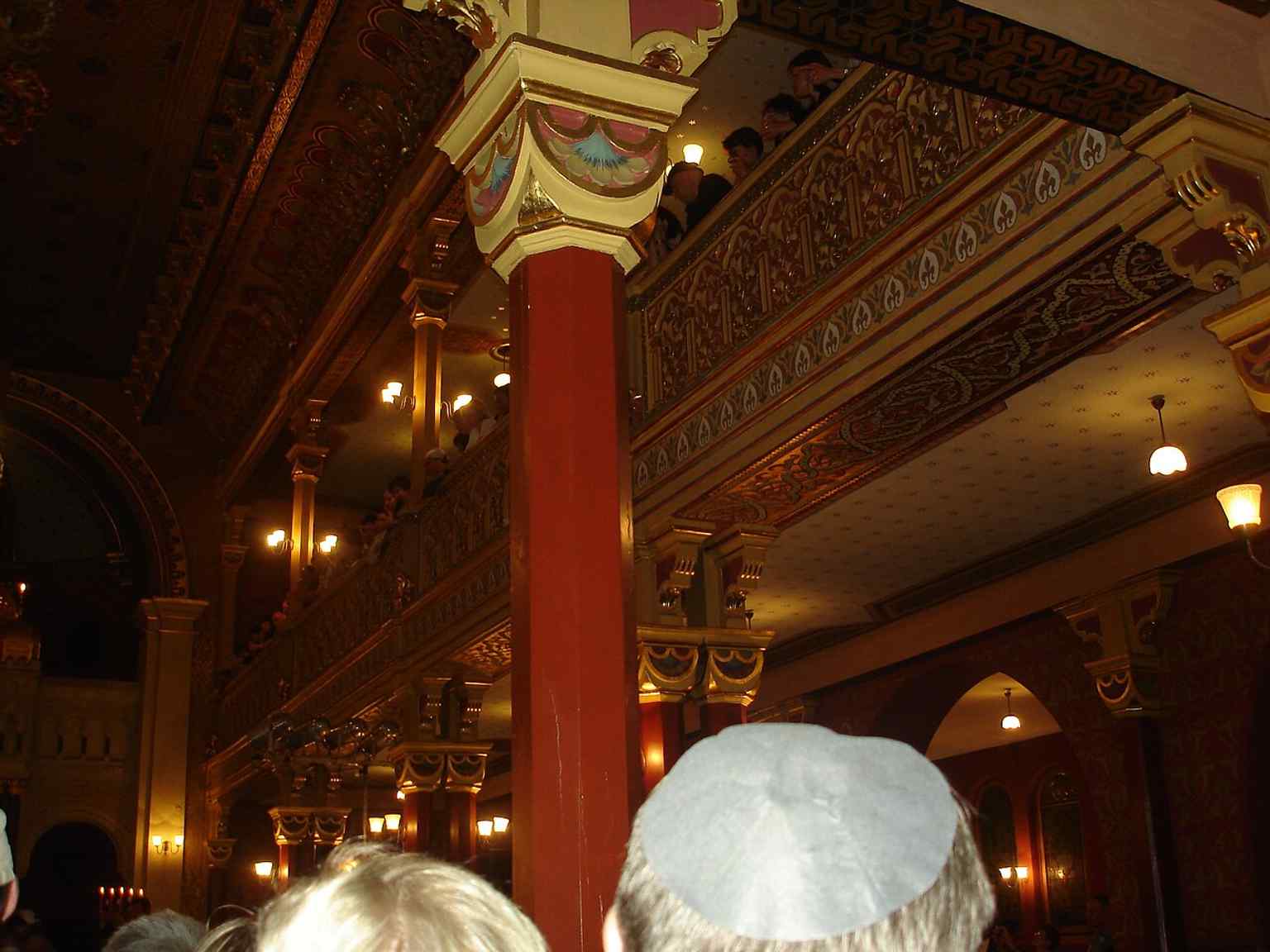
If you glance at the image on your screen, you can see another layer of ambition inside: donor names preserved in stained glass panes, the community’s memory written quite literally into the building. The Torah Ark, the sacred cabinet that holds the Torah scrolls, came from Leon Horowitz, president of Kraków’s Jewish congregation. And the interior grew lavishly ornate, with dense colour, gold leaf, and a gilded dome over the Ark that quietly echoes the famous dome of the Sigismund Chapel at Wawel. You can see that richness here.
One man shaped this place more than any other voice: Rabbi Doctor Ozjasz Thon. From eighteen ninety-seven until nineteen thirty-six he preached here in Polish and German, and he also served in the Polish parliament. So Tempel joined religious reform to public life in a very unusual way.
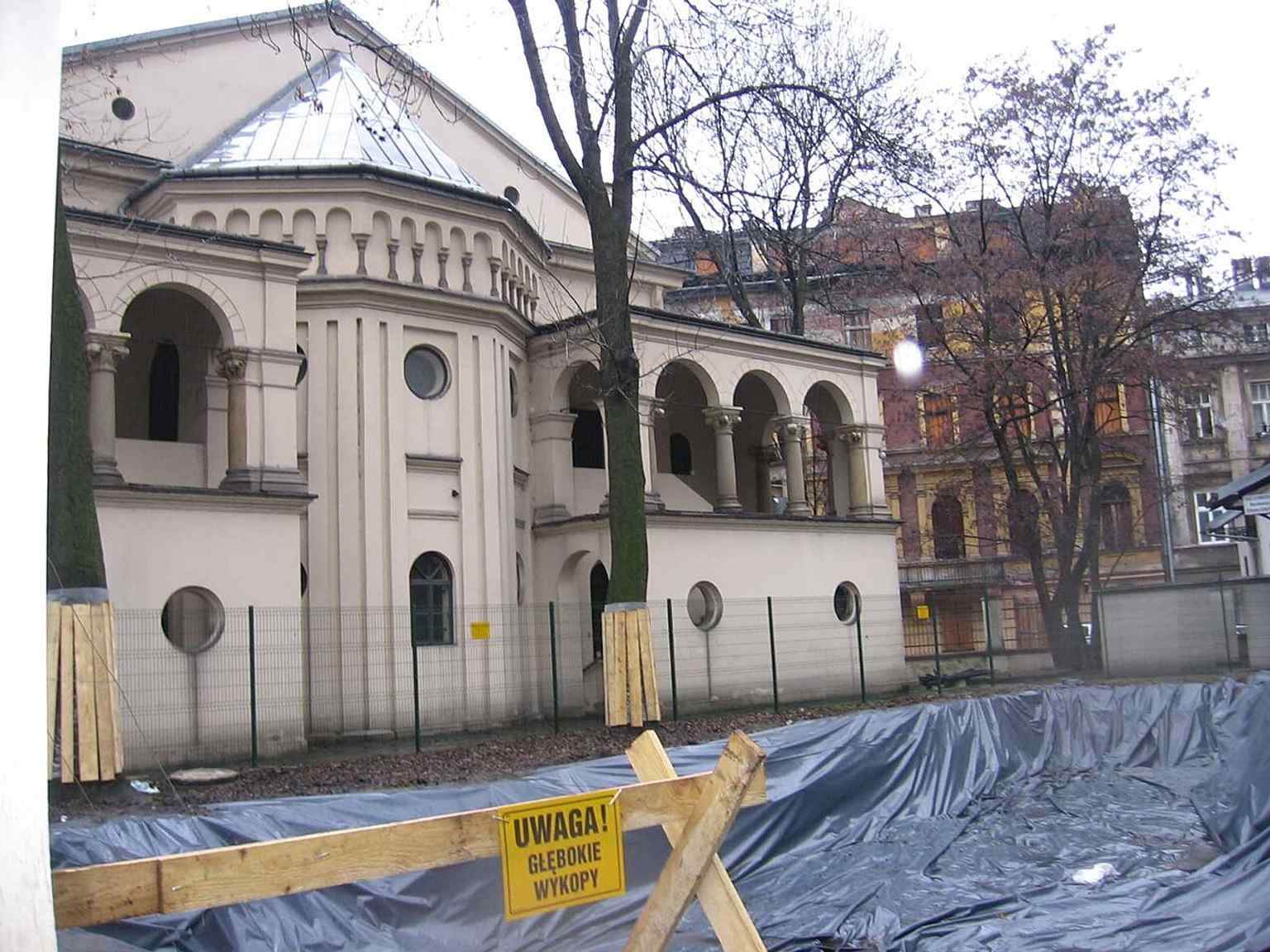
The building kept expanding in eighteen sixty-eight, then again in the eighteen nineties, and again in nineteen twenty-four as the congregation grew to around eight hundred members, including artists and intellectuals. Then came wartime abuse: the Germans turned the synagogue into storage, even an ammunition depot and stable. That profaned it, but also helped it survive. After the war, prayer returned, a ritual bath opened here in nineteen forty-seven, restoration followed in the nineteen nineties, and new communal life returned again.
That is Tempel’s quiet lesson: continuity here never meant everyone agreeing. It meant arguing, rebuilding, and deciding again how Jewish life should look and sound. When you are ready, continue to the Wolf Popper Synagogue, about an eight-minute walk from here. If you plan to come back inside, Tempel usually opens from ten in the morning until four in the afternoon, and it closes on Saturdays.






.jpg)
.jpg)


