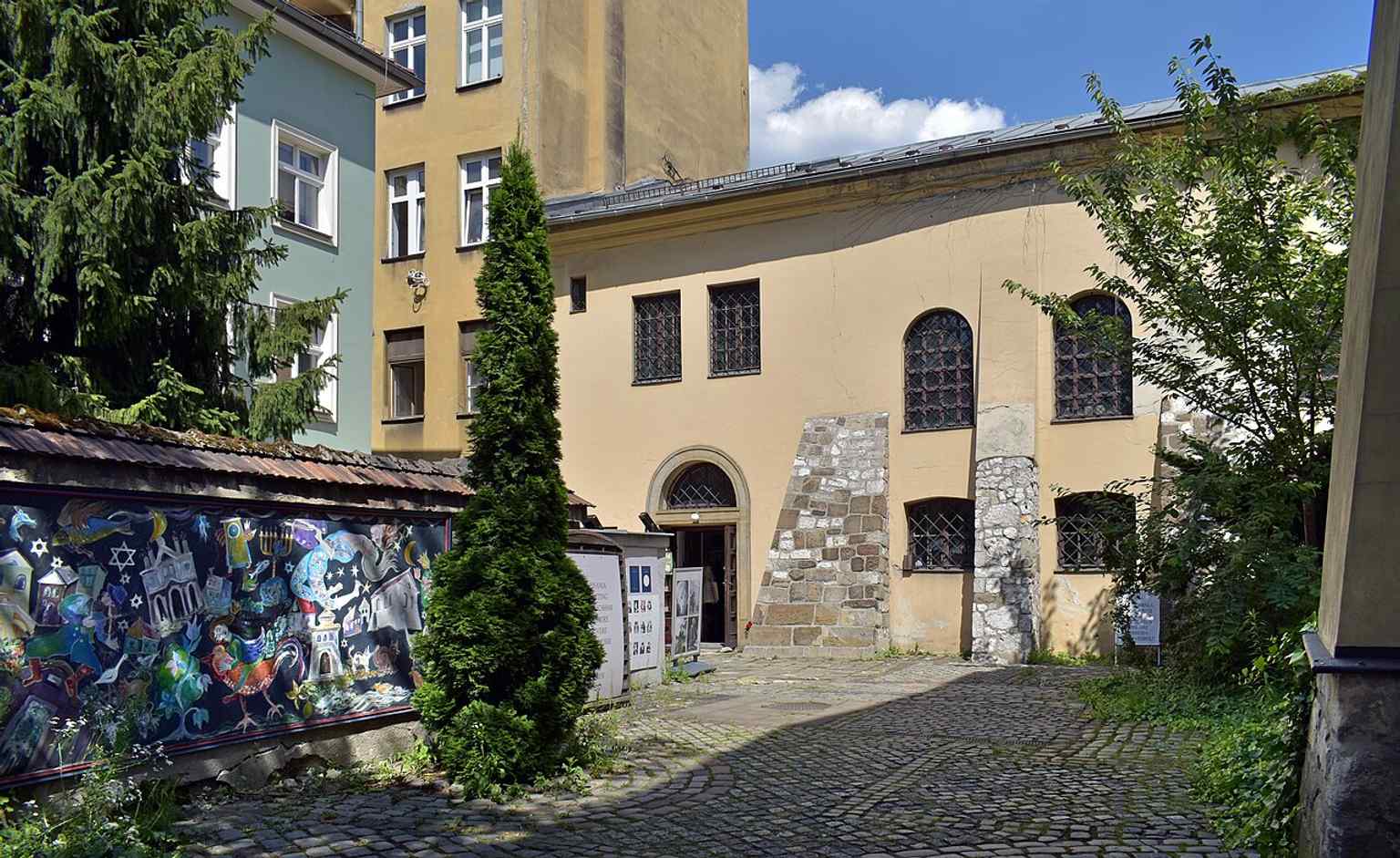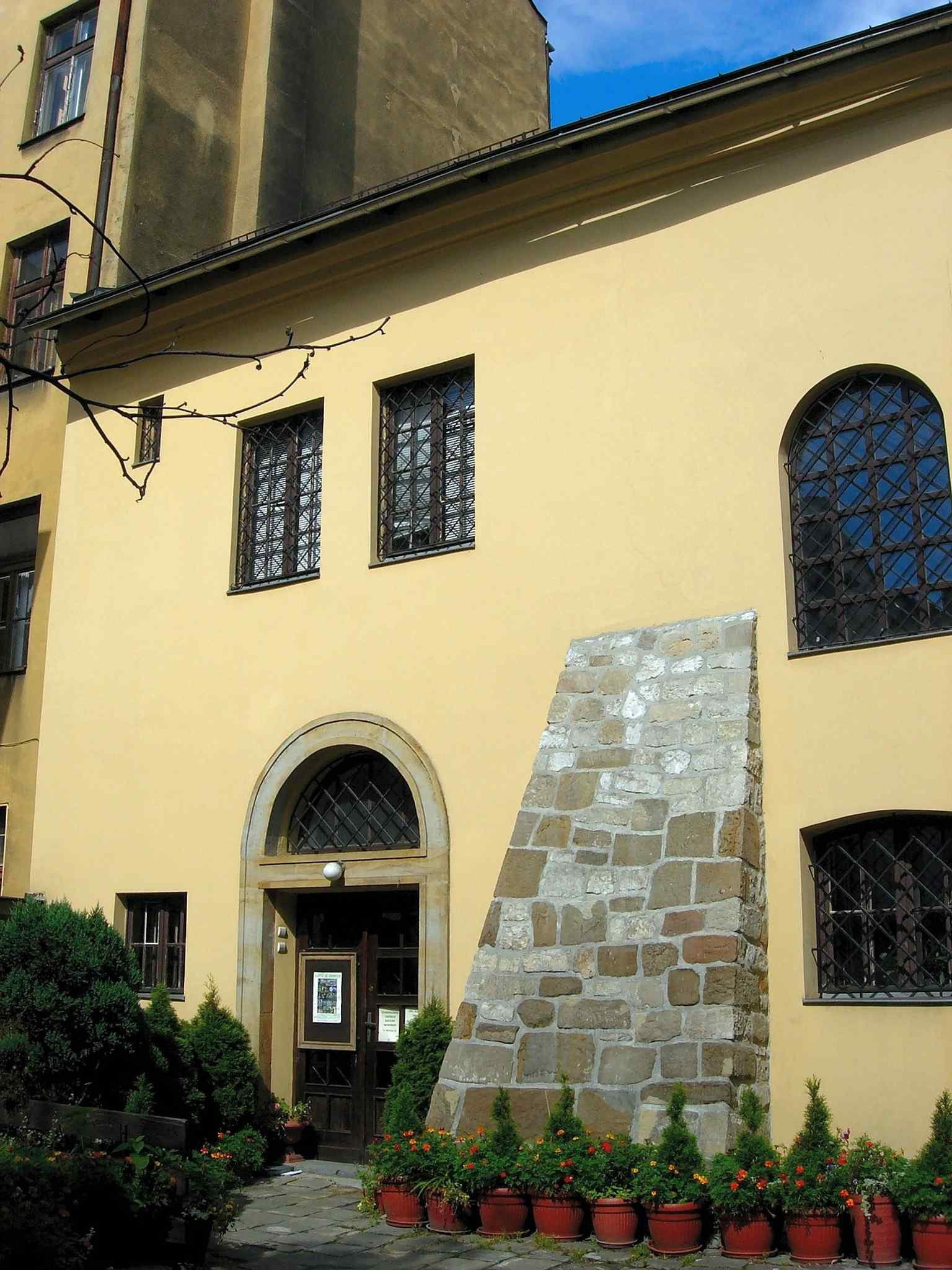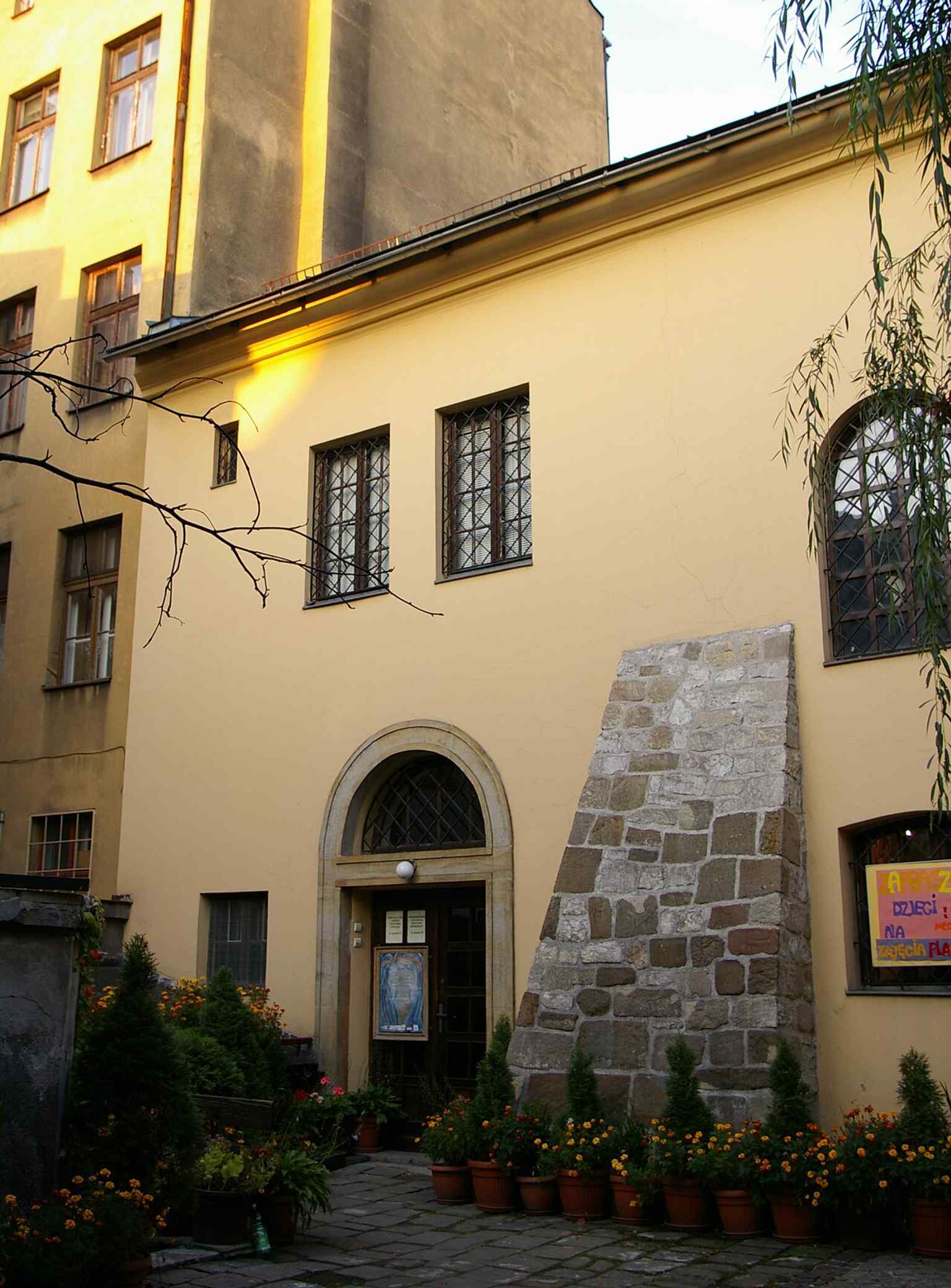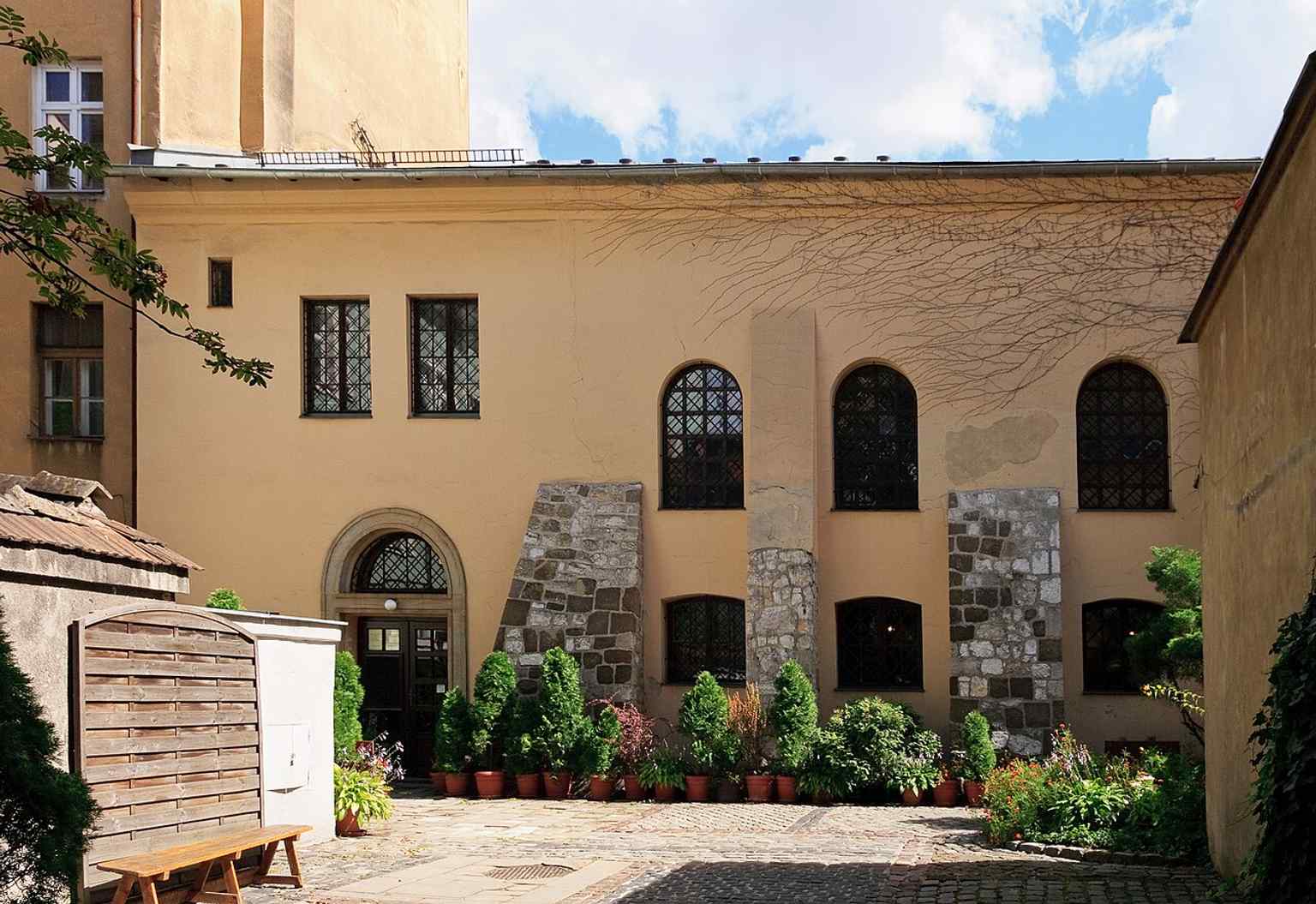
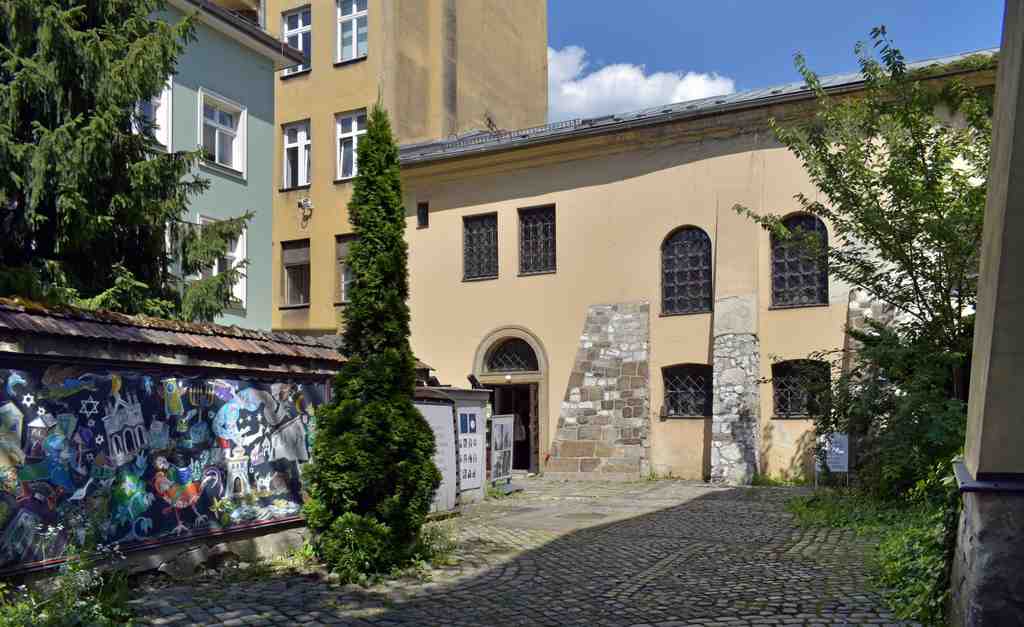
On your right, look for a pale plastered rectangular building tucked behind a high wall, marked by arched upper windows and a surviving nineteenth-century gate.
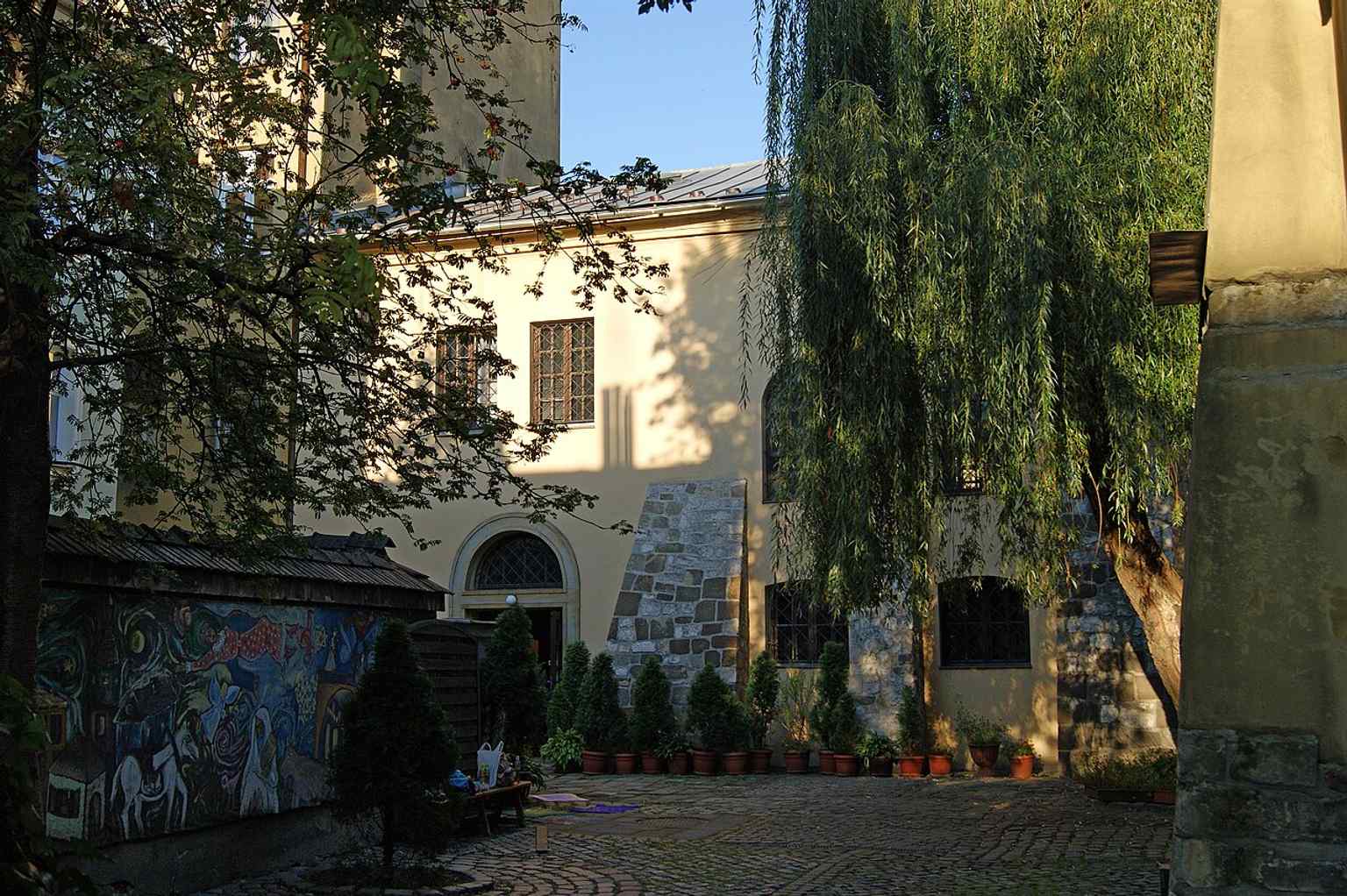
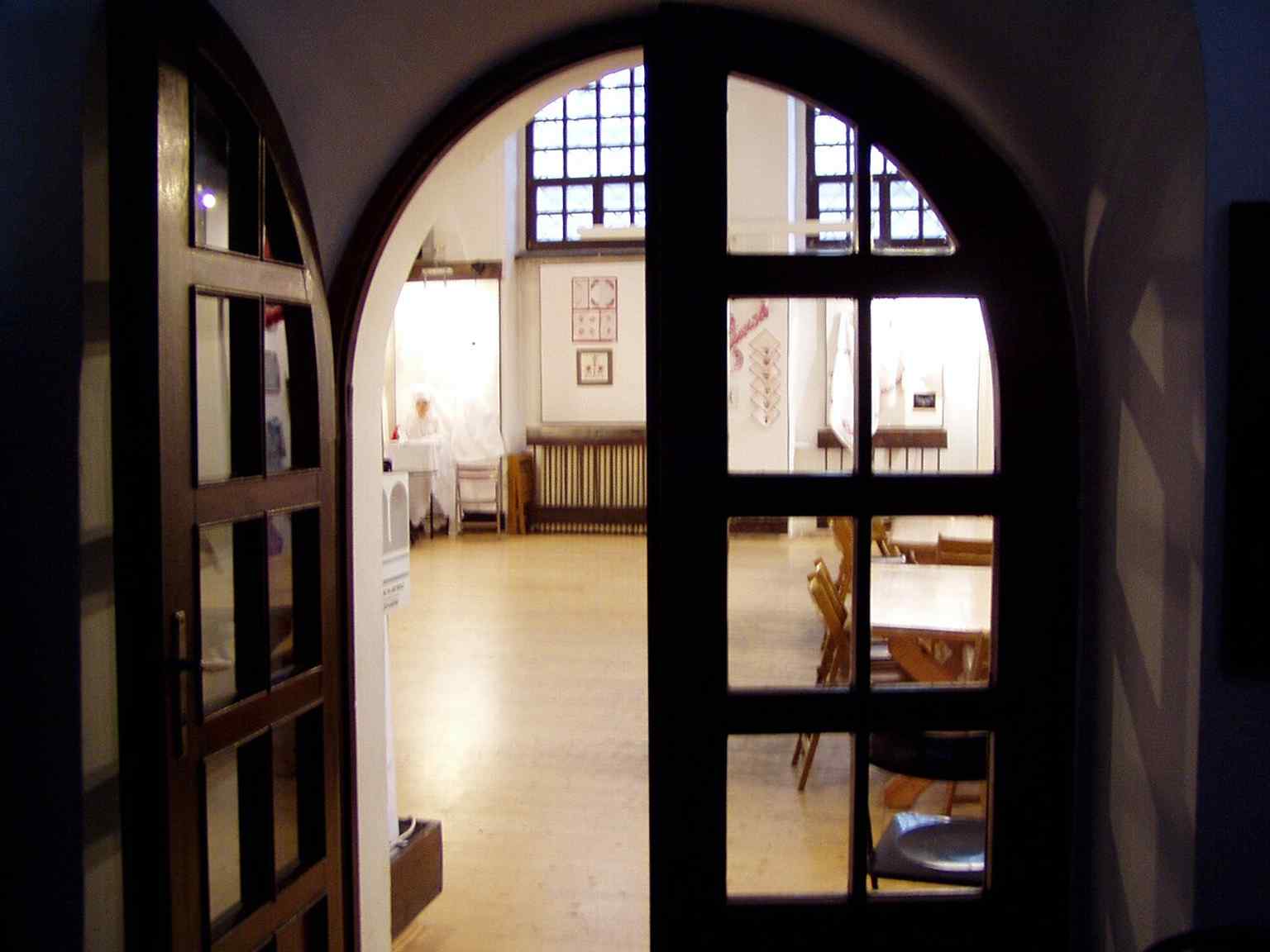
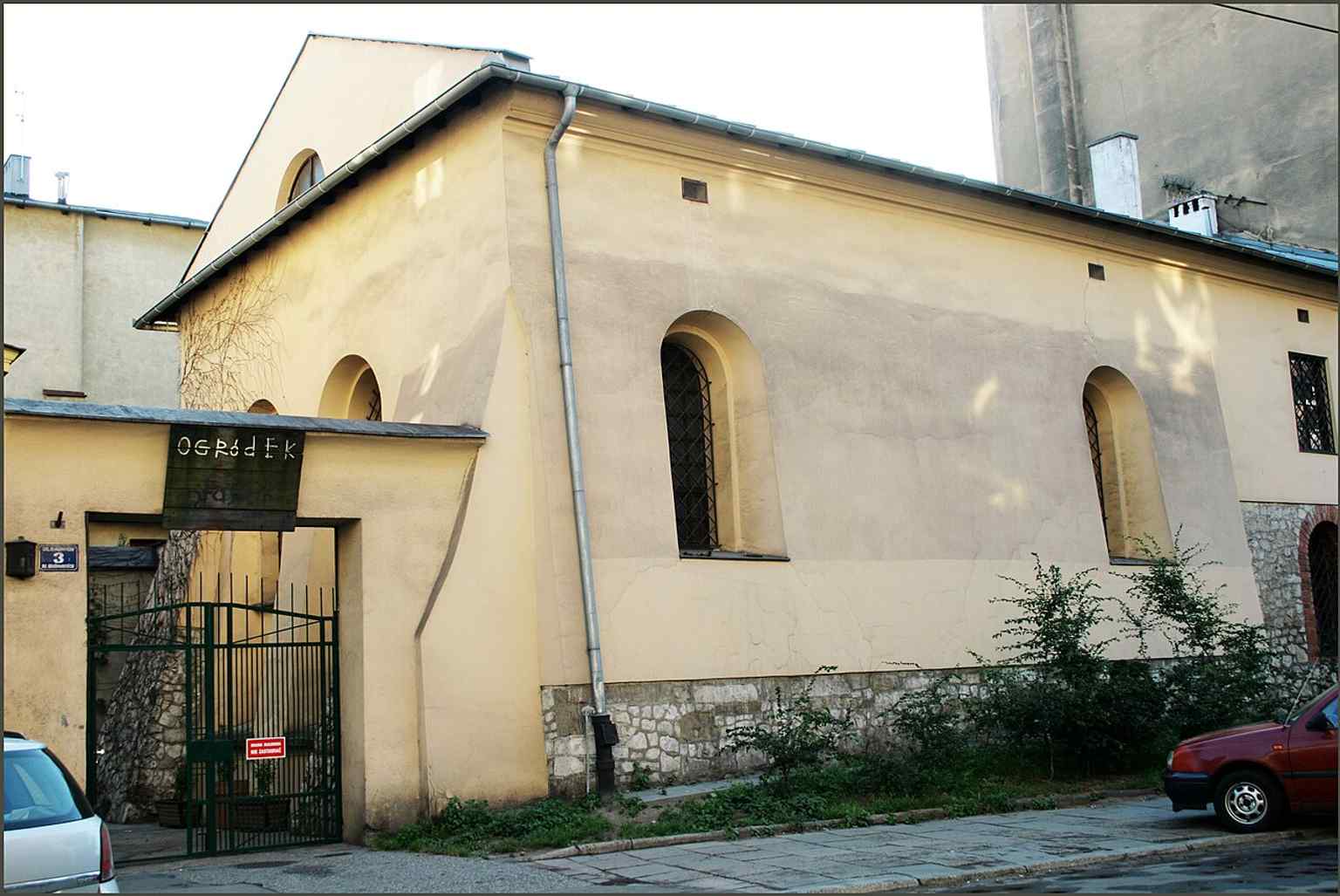
From where you stand, the former Wolf Popper Synagogue feels almost secretive, and that is part of its story. Most people notice only the modest exterior. Locals know the concealment begins earlier, at the street itself: a high-walled courtyard and three nineteenth-century gates screen the synagogue from Szeroka, with the central gate made wider than the others, as if the building wanted one careful breath of ceremony before revealing itself. If you glance at your screen, image two shows that threshold rather nicely. Wolf Popper, the wealthy benefactor called “the Stork”, financed this synagogue in sixteen twenty, near the end of his life. People gave him that nickname because, when deep in thought, he could stand on one leg like a stork. Charming folklore, yes, but behind it stood astonishing wealth. Popper traded in cloth and saltpetre, the ingredient used to make gunpowder, and became Kazimierz’s richest banker. His fortune reached two hundred thousand zloty, an enormous sum for the time. His marriage to Cyrla, daughter of the merchant Juda Leib Landau, strengthened the family alliances behind that rise.
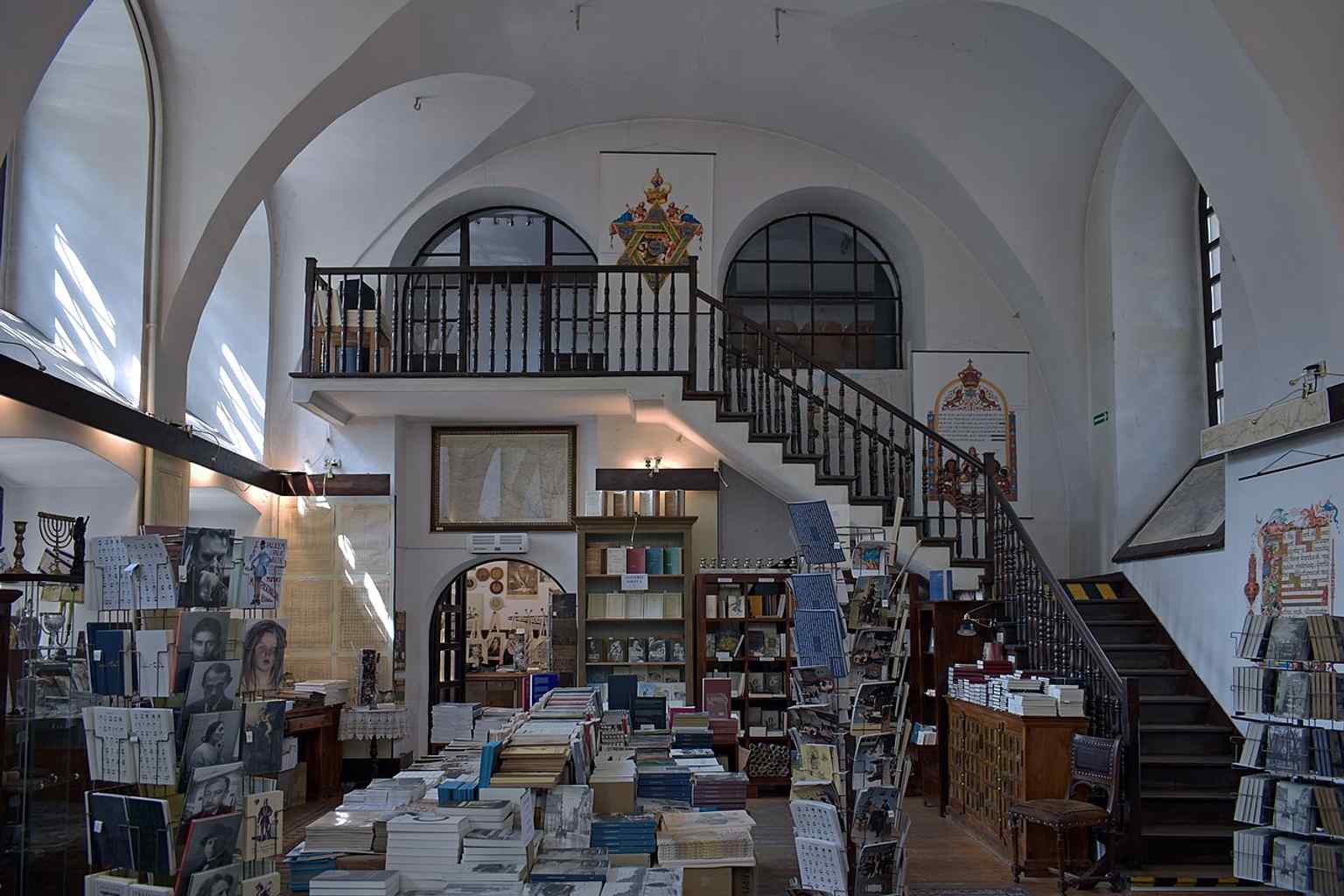
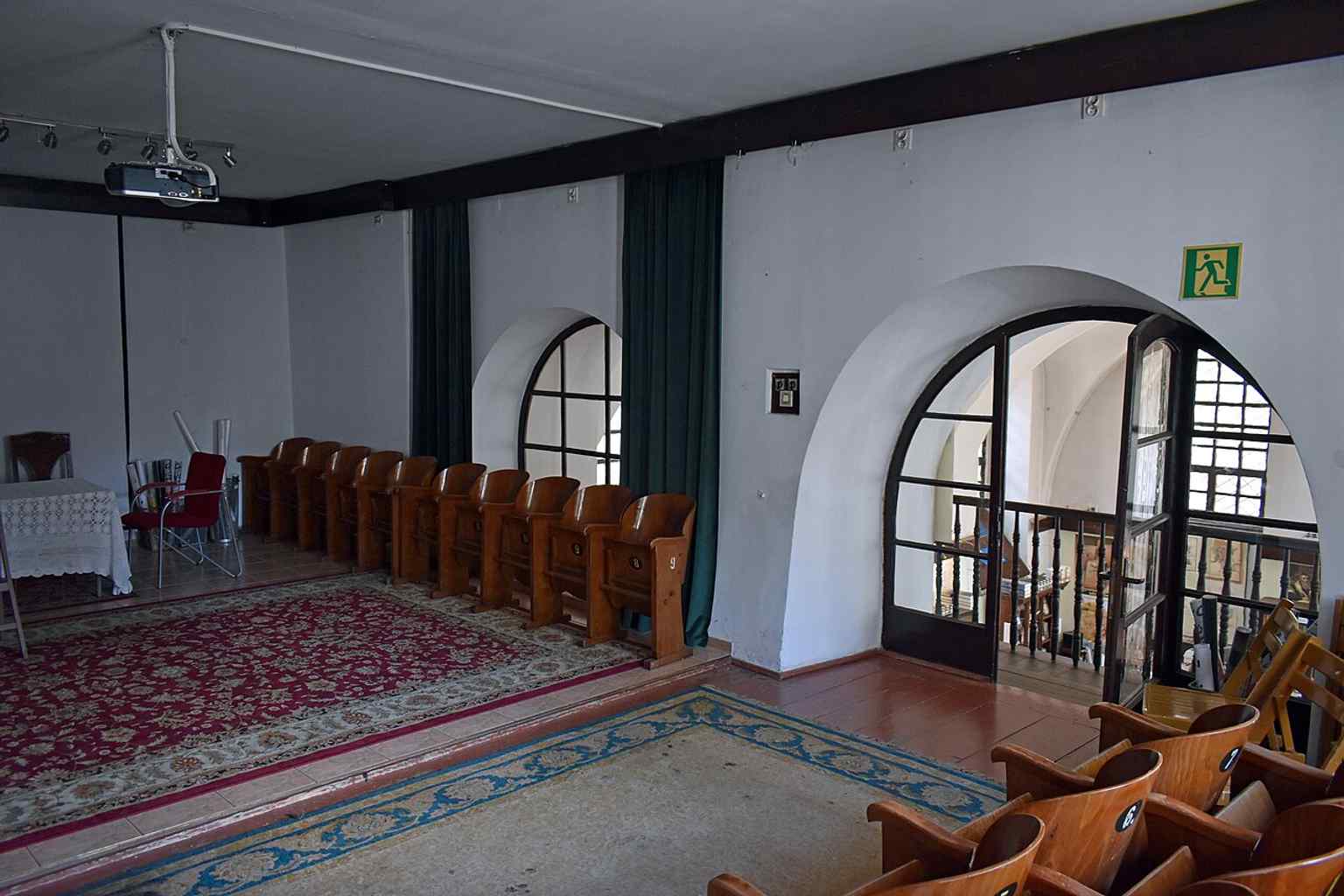
And so this tucked-away place was once among the grandest synagogues in Kazimierz. The entrance had openwork doors showing four animals: an eagle, a leopard, a lion, and a buck deer, each symbolising a virtue of a devout life. Inside stood porches, annexes, rich furnishings, and the Aron Kodesh, the holy cabinet for Torah scrolls, all of it lavishly adorned. If you want a sense of the hall’s later afterlife, image six offers a quiet glimpse indoors. Then the story darkened with almost indecent speed. Cyrla died in sixteen twenty-one. In sixteen twenty-five, Popper returned from a journey, fell ill, summoned a local official, and dictated his will. After his death, the family fortune faltered under wars, epidemics, fires, and heavy payments of allegiance. A succession battle followed, and by about sixteen fifty-three the synagogue had passed into communal hands, already appearing in tax records before anyone thought of it as heritage.
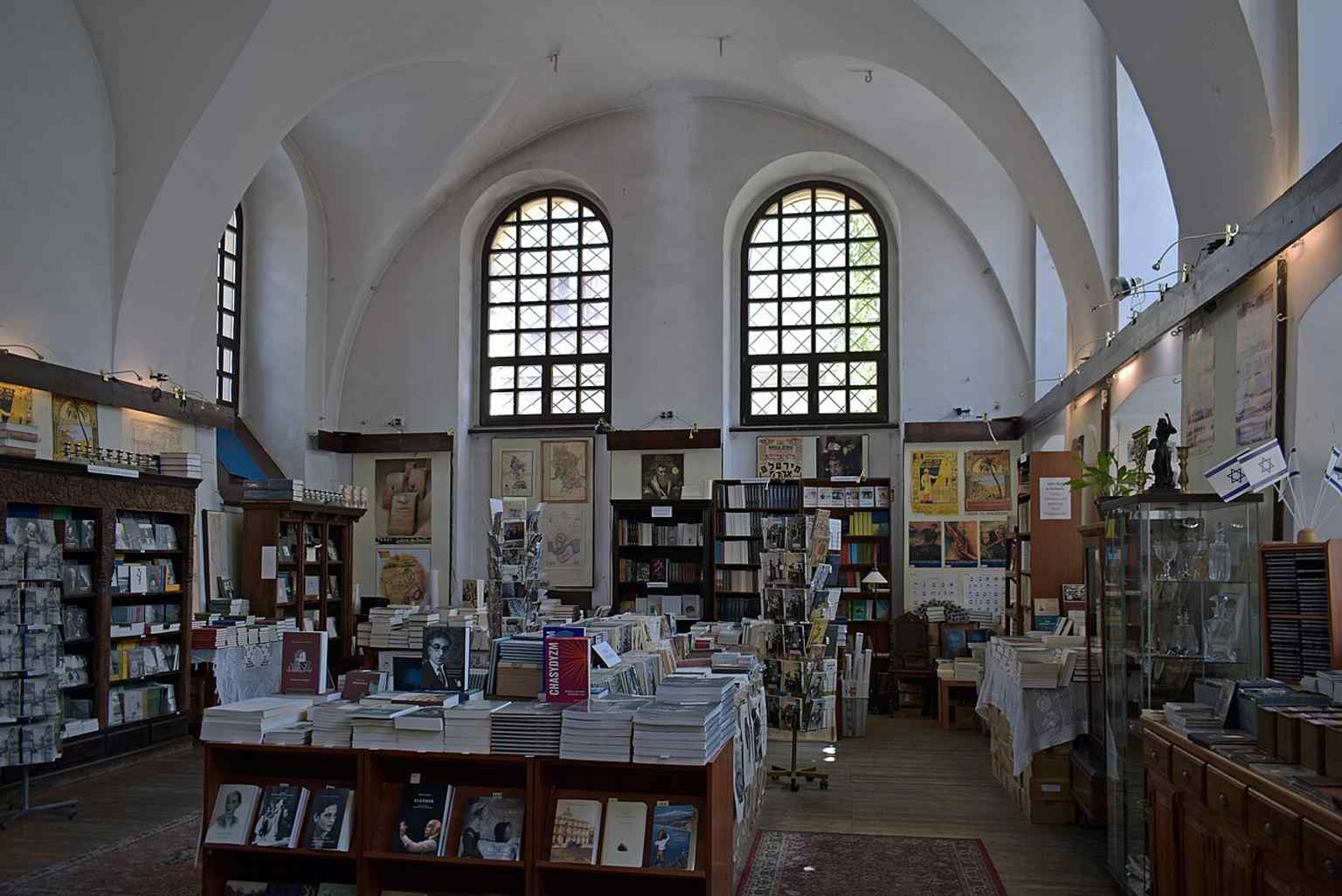
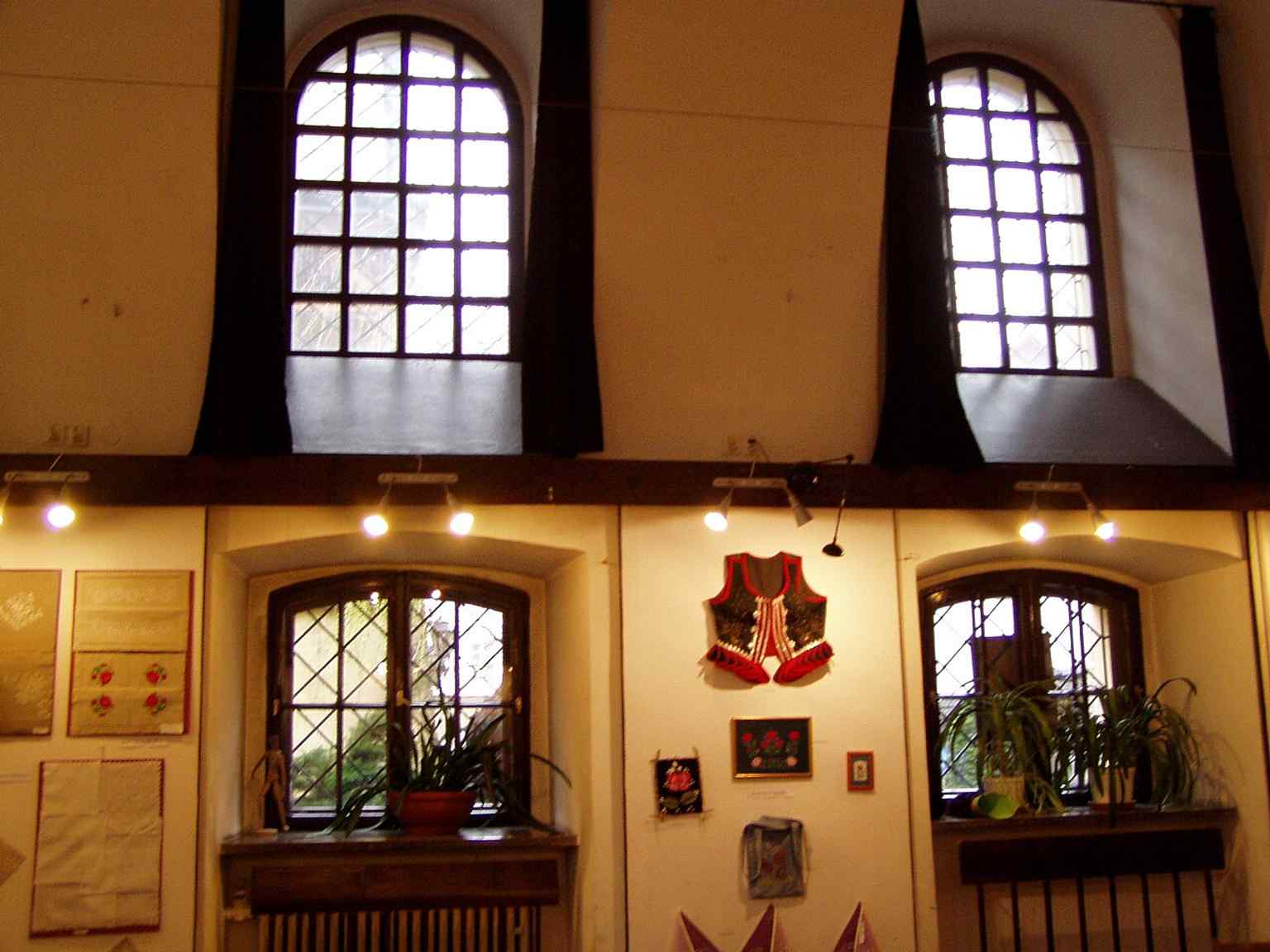
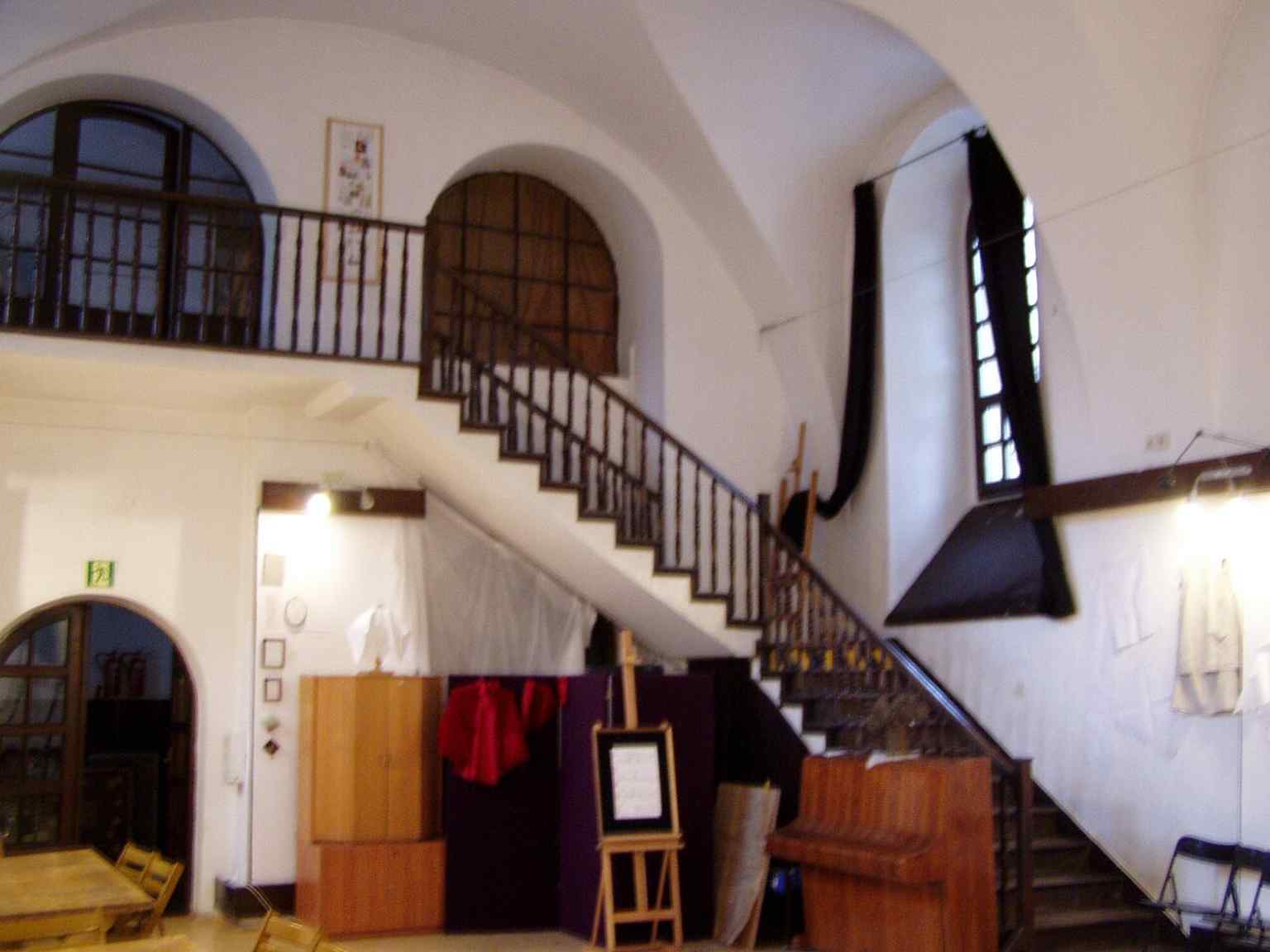
The building kept losing and changing. Repairs came in eighteen thirteen. In eighteen twenty-seven, builders added the women’s gallery upstairs and rebuilt the roof and stairs. The Nazis later destroyed the rich interior. In nineteen sixty-four, Józef Steiglitz rescued the surviving ark doors and sent them to the Wolfson Museum in Jerusalem. After the war, repatriates lived here for a time; later it became a youth cultural centre, and since twenty seventeen it has housed the Austeria bookshop, with art upstairs where the women once prayed.
So the shell remains, while much of its splendour survives only in records, in museum pieces, and in a name. In two minutes, we continue to Dajwór Street, where the district turns outward again. If you plan to return, the building generally opens daily from ten in the morning until six in the evening, staying open until seven on Friday and Saturday.