
桑迪语音导览:西桑迪隐藏瑰宝中的遗产回响
坚固的砖块、铁轨和低语的传说塑造了西桑迪的灵魂,这里每一个宁静的街区都隐藏着一段风雨飘摇的过去。借助这个自助语音导览,您将超越表面的故事,深入叛乱、巨变和几乎从城市记忆中抹去的老旧秘密的小巷。 为什么激烈的政治斗争会在历史悠久的桑迪车站站台上激荡?桑迪什一税办公室里哪些阴暗的交易至今仍萦绕其间?在城市最动荡的冬天,午夜时分,谁是那个被发现悄悄进出詹森-克拉克故居的神秘人物? 每一步都感受被遗忘的戏剧的脉搏,让变幻的光线揭示联盟、背叛和大胆新开始的拼凑。实时穿越历史,重新发现西桑迪作为一个充满阴谋和抱负的生动网络。 准备好揭开隐藏在熟悉墙壁后的桑迪真面目了吗?现在就开始您的旅程吧。
导览预览
关于此导览
- schedule持续时间 40–60 mins按照自己的节奏
- straighten4.8 公里步行路线跟随引导路径
- location_on
- wifi_off离线工作一次下载,随处使用
- all_inclusive终身访问随时重播,永久有效
- location_on从 玛丽·艾伦·帕姆利故居 开始
此导览的景点
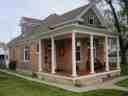
To spot the Mary Ellen Parmley House, just look for a charming red, one-story cottage with white trim and a pointy porch, nestled under big shady trees right by the…阅读更多收起
To spot the Mary Ellen Parmley House, just look for a charming red, one-story cottage with white trim and a pointy porch, nestled under big shady trees right by the sidewalk. Now, as you stand here, imagine what life was like back in 1898. The crunch of gravel, the smell of fresh-cut wood, and the cheerful hammering of a new home rising up in Sandy’s open fields. The Mary Ellen Parmley House started off as a simple Hall-Parlor cottage-just two little rooms, cozy as a teapot. It hugged its spot here at what was once called 316 South 220 East (good for mail, bad for treasure maps). Then, over the years, as families grew and stories stacked up, additions sprouted off the west side like curious cat tails, and suddenly the cottage had a T-shaped crosswing form. Neighbors passing by would have seen Mary Ellen herself tending a garden or maybe chasing after a mischievous pet chicken (well, I can’t prove the chicken, but wouldn’t it be fun?). Today, this friendly house is honored on the National Register of Historic Places. It’s just waiting for you to imagine the laughter, secrets, and family dinners that once echoed through these red wooden walls.
打开独立页面 →

再显示 11 个站点显示更少站点expand_moreexpand_less
You’ll spot the Alfred C. and Annie L. Olsen Anderson House right in front of you-it’s a cozy, one-story buff-brick home with a chunky, pyramid-like red roof that seems to guard…阅读更多收起
You’ll spot the Alfred C. and Annie L. Olsen Anderson House right in front of you-it’s a cozy, one-story buff-brick home with a chunky, pyramid-like red roof that seems to guard the small porch and wide windows. Now, imagine it’s around 1916: Sandy’s air is crisp, the streets are filled with the sounds of horse hooves and laughter, and this brand-new house rises from the ground like a beacon of changing times. Alfred, born near Oslo, Norway, and Annie, a Salt Lake City native, start their next chapter here. The house isn’t quite a Victorian cottage, not quite a bungalow-sort of like a hairstyle caught between fashionable eras, trying to please both grandma and the cool kids. That nearly pyramidal roof sits proudly, while details from the Craftsman movement sneak in, winking at passersby that new styles are coming to Sandy. This spot became part of the National Register of Historic Places in 1999, officially marking it as a scene-stealer among Sandy’s historic homes. Picture Alfred sharing stories of icy fjords while Annie bakes bread, their lives mingling as seamlessly as the architectural styles in this remarkable, transitional cottage.
打开独立页面 →Look straight ahead and spot the small, open-air platforms and teal-green shelters along the tracks, right where the railway lines emerge through the trees and snow. Welcome to…阅读更多收起
Look straight ahead and spot the small, open-air platforms and teal-green shelters along the tracks, right where the railway lines emerge through the trees and snow. Welcome to Historic Sandy station! Imagine the cold air buzzing with excitement in December 1999, when this stop first opened its teal-roofed shelters and the very first Blue Line train slid to a stop, ready to whisk passengers from this quiet neighborhood all the way to Downtown Salt Lake City and beyond. This isn’t just any rail stop-it's right in the heart of original Sandy, tucked into a street grid with blocks so small you'd blink and miss one. Here, the island platform even stretches over a mighty canal carrying water from the Jordan River-a little river-over-rail magic! That park you see? It's a little green escape, where bikers and walkers cruise alongside the tracks on the Porter Rockwell Trail. With free parking for over 315 daring commuters, this spot quickly became the neighborhood’s secret passage to the big city. So while you wait for a train, imagine the stories of countless travelers heading off to adventures, caught between the simple charm of Sandy and the energy of city life.
打开独立页面 →Straight ahead, you’ll spot a one-story red brick house trimmed in white, nestled behind a cluster of slender trees and a white picket fence-just follow the path leading right up…阅读更多收起
Straight ahead, you’ll spot a one-story red brick house trimmed in white, nestled behind a cluster of slender trees and a white picket fence-just follow the path leading right up to its welcoming porch. Now, take in the Hyrum and Selma Erickson Jacobson House, standing here since 1914-back when folks got around in wagons and a block of ice in the kitchen was your refrigerator! Imagine that porch bustling with stories, laughter, and maybe a squirrel or two scolding the gardener. Its red bricks, tucked firmly on ashlar granite blocks, weren’t always painted this way; over the years, brush after brush covered the bricks and even turned the mortar joints white, giving this place its cheery pop of color. Even though it’s modest in size, look closer and you’ll find fanciful Victorian Eclectic touches-like the delicate trim and the quirky attic vent watching you from above. This little house was special enough to get its own spot on the National Register in 1999. Picture chilly Sandy winters, candlelight flickering in the window, and Hyrum or Selma returning home after a long day, feet sore, hearts warm, not suspecting their home would someday be treasured by history buffs. Talk about a “brick” in the story of Sandy!
打开独立页面 →To spot the Sandy Tithing Office, look for a small white brick building with a pyramid-shaped roof, a gabled entry porch, and a white picket fence right in front of you. Welcome…阅读更多收起
To spot the Sandy Tithing Office, look for a small white brick building with a pyramid-shaped roof, a gabled entry porch, and a white picket fence right in front of you. Welcome to the Sandy Tithing Office, where, over a century ago, folks from all around Sandy would gather, clutching their tithes-maybe a sack of flour, some eggs, or even a chicken or two, hoping the chickens wouldn’t escape on the way. Picture it: the year is 1907. The air is filled with the sounds of horse hooves and wagons rolling up. Bishop William D. Kuhre, who led the local ward, watched over things here, although the architect and builder behind this charming little structure are still a mystery-almost like someone forgot to sign their masterpiece! With its Victorian Eclectic style, fancy brickwork, and pyramid roof, this building was more than just a place to drop off tithes; it was a hub for spiritual life and community chatter. So imagine folks crowding the porch for a friendly chat, with news and laughter blending into the crisp morning air. Today, this little building stands proud as a piece of Sandy’s living history, listed on the National Register of Historic Places since 1985-proof that even small places can have big stories!
打开独立页面 →Look to your right for a sweet little gray house with simple white trim, two windows facing the street, and a sloping roof-if you spot a satellite dish and a tumble of grape vines…阅读更多收起
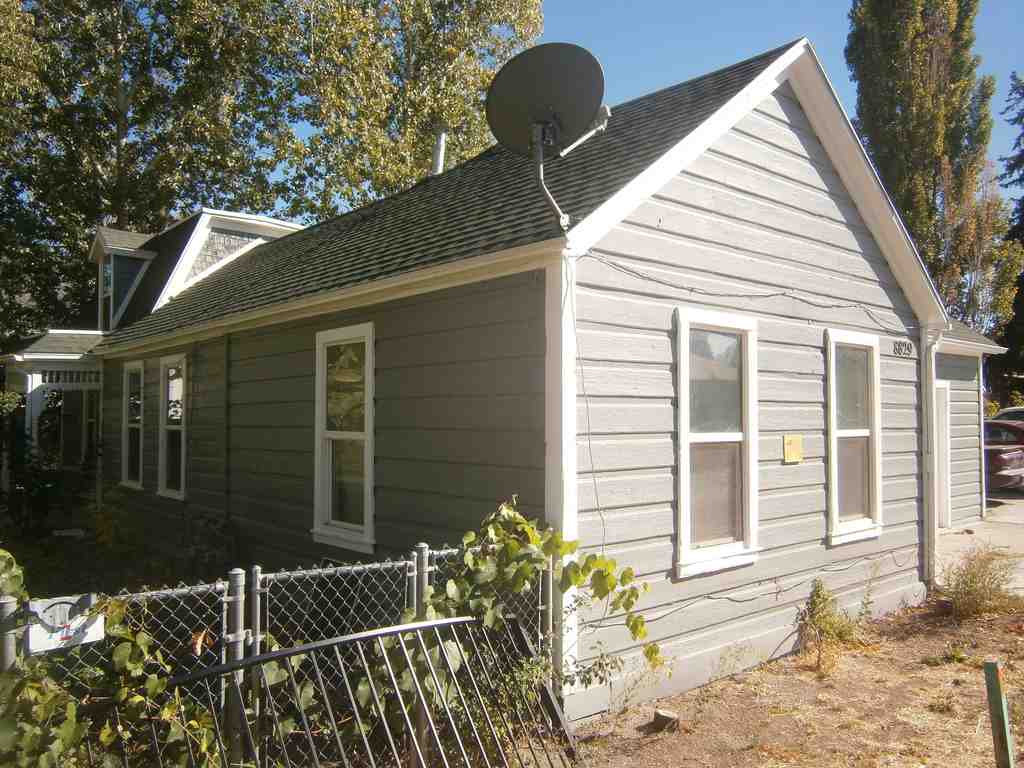
Look to your right for a sweet little gray house with simple white trim, two windows facing the street, and a sloping roof-if you spot a satellite dish and a tumble of grape vines along a low fence, you’re in the right place. Now, you’re standing in front of what was once the heart of a busy pioneer story: the Allsop-Jensen House, built over three different time periods starting way back in 1874. Imagine the sound of saws in Bell’s Canyon as the wood for the barn was cut, the air sharp with the buzz of hard work and echoing with the laughter of early settlers. But here’s the twist: the barn that was once on this property wasn’t born here-it was carefully dismantled in nearby Draper, its planks marked and fitted with metal rings, then dragged (yes, literally dragged!) across the land by a team of horses, with the roof off and hopes high. The journey was so legendary, folks couldn’t even agree whether it was dismantled and reassembled or pulled whole across the valley-the ultimate pioneer puzzle! The barn itself appears to be gone now, but the house and the land remember every stomp of boots, every crackle of hay, and every moment of neighborly laughter. You’re standing not just in front of a house, but in the midst of a living, breathing tale of ingenuity and old-fashioned determination.
打开独立页面 →To spot the Joseph F. and Isabelle Jensen House, look for a light brick Victorian cottage with decorative woodwork, sitting behind a classic white picket fence right at the…阅读更多收起
To spot the Joseph F. and Isabelle Jensen House, look for a light brick Victorian cottage with decorative woodwork, sitting behind a classic white picket fence right at the northeast corner-there’s even a big tree shading part of the porch. Right in front of you is the Jensen House, built around 1902-a cozy cottage that’s seen the world change from horse-drawn carriages all the way to smartphones and streaming shows! Imagine the jingling of harnesses and children’s laughter back when Joseph and Isabelle first settled here, with the scent of fresh bricks in the air as builders finished the detailed Queen Anne-style trim. This solid brick home was constructed in stretcher bond-a pattern as dependable as the Jensens themselves. For over a century, this house has stood proudly behind its white picket fence, watching seasons come and go and generations grow up. Now, as part of both the National Register of Historic Places and the Sandy Historic District, every brick and carved detail plays a part in the neighborhood’s story. Even today, folks pause along the corner, maybe to snap a photo or admire the craftsmanship-just try not to get tangled up in the fence like old Mr. Jensen’s sheep supposedly did once!
打开独立页面 →To spot the Sandy City Bank, look for a cream-colored, square building with big arched windows trimmed in reddish-brown, sitting right on the corner ahead of you on Main…阅读更多收起
To spot the Sandy City Bank, look for a cream-colored, square building with big arched windows trimmed in reddish-brown, sitting right on the corner ahead of you on Main Street. Imagine yourself in the year 1907: horse-drawn carriages roll by, folks in suits and hats bustle around, and the bank on this very corner-Sandy City Bank-shines like a financial fortress, its Italian Renaissance Revival arches showing off Sandy’s ambition to blend style with security. The sandstone walls are cool to the touch, and those grand windows promise both transparency and trust. As you walk closer, you can feel a hush in the air as people once filed in, clutching coins and paperwork, the faint metallic clink of change filling the lobby. This spot wasn’t just about dollars and cents; it was a place where dreams were stored in ledgers and hopes were locked up behind thick steel doors. Fast forward to 1997, and the old hustle is replaced by the cheerful giggles of children-no more bankers, but a daycare with crayon marks and a few stray toys hiding underfoot! The building’s sturdy bones and elegant arches still stand strong, guarding memories of both fortunes and finger paint. And hey, not many banks get listed on the National Register of Historic Places-talk about a lasting investment!
打开独立页面 →To spot the John and Mary Mattson House, look for a cozy brick home with elegant white columns and a welcoming front porch right at 239 East Main Street-it’ll be just ahead of…阅读更多收起
To spot the John and Mary Mattson House, look for a cozy brick home with elegant white columns and a welcoming front porch right at 239 East Main Street-it’ll be just ahead of you! Alright, picture yourself here around 1910. The air carries a metallic tang from the nearby smelters and the gentle mooing of cows. The Mattson House stands as a shining example of what serious craftsmanship could do, with its central block and projecting bays making it the house everyone else in Sandy wanted to copy-but let’s be honest, not everyone had the panache of Mr. Mattson’s brickwork or Mrs. Mattson's green thumb. People back then were living at the crossroads of mining, smelting, and farming-a tricky mix that meant a neighbor could show up at your porch to discuss either cattle prices or copper ore, depending on the day. Today, you’re seeing one of the best-preserved Victorian Eclectic homes, officially recognized by the National Register in the summer of 1996. Just imagine parties on this porch over a century ago, when folks wore their fanciest hats right here and swapped stories about the latest mining gossip. Even now, the house radiates that same charm, and it secretly knows it’s still the best-dressed building on the block.
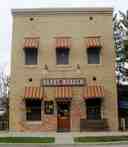
打开独立页面 →Look straight ahead for a tall, yellow-brick building with a flat roof, striped red-and-yellow awnings, and a sign above the door that says "Sandy Museum." Welcome to the Sandy…阅读更多收起
Look straight ahead for a tall, yellow-brick building with a flat roof, striped red-and-yellow awnings, and a sign above the door that says "Sandy Museum." Welcome to the Sandy Co-op Block! Imagine you’re standing here back in 1889-horses clop by on a dusty street, and the air buzzes with excitement over this brand-new two-story building. Once a bustling ZCMI shop, it sold everything from nails to ribbons to miners, smelters, and farmers, all busy shaping Sandy’s future. If these bricks could talk, they’d shout tales about the rumble of trains arriving just a block away-Sandy was linked by railroad in 1871, making this block a crossroads for all sorts of characters and goods. Don’t let the calm today fool you; this spot was the heart of the old commercial district, one of its busiest, surrounded by the clang of industry and the bustle of shoppers. Out of all the commercial buildings from those wild days, this is the only two-story survivor-a real historical heavyweight! So take a deep breath and imagine miners, merchants, and families all chattering as they hurry by. And if you feel the past tickle your ears, just blame it on the spirits of old Sandy, keeping an eye on their favorite haunt.
打开独立页面 →To spot the Sandy Second Ward Chapel, just look for the building made of dark maroon brick set on a concrete base, with four sturdy granite-like columns welcoming you at the top…阅读更多收起
To spot the Sandy Second Ward Chapel, just look for the building made of dark maroon brick set on a concrete base, with four sturdy granite-like columns welcoming you at the top of a broad flight of steps. Now, take a deep breath and imagine yourself way back in time-picture townsfolk, dressed in their Sunday best, bustling up these very stairs on a crisp morning. This chapel, designed by Don Carlos Young-the son of legendary Brigham Young-wasn’t just a church; it was a social heart for the community. Built of deep maroon bricks that look almost purple in the evening light, the building has an air of quiet strength, thanks to its squat, parapet-crowned roof and those massive, Tuscan columns out front. Over the years, as the chapel changed hands from the Church of Jesus Christ of Latter-day Saints to Baptist congregations, its walls absorbed laughter, prayers, and maybe a bit of nervous foot-tapping during those long sermons. Imagine the voices of generations-joyful, somber, hopeful-ricocheting off those solid bricks, with the smell of polished wood swirling in the air. It’s seen weddings, funerals, potlucks, and every kind of gathering in between. Even today, this landmark keeps its secrets behind those sturdy doors-a place where Sandy’s history is still very much alive.
打开独立页面 →





常见问题
如何开始导览?
购买后,下载 AudaTours 应用并输入您的兑换码。导览将准备好立即开始--只需点击播放并按照 GPS 引导的路线行驶即可。
导览期间我需要互联网吗?
不需要!开始前下载导览并完全离线享受。只有聊天功能需要互联网。我们建议在 WiFi 下下载以节省移动数据。
这是导游带领的团体游吗?
不是--这是自助语音导览。您按照自己的节奏独立探索,通过手机播放音频解说。没有导游,没有团体,没有时间表。
导览需要多长时间?
大多数导览需要 60-90 分钟才能完成,但您完全控制节奏。随时暂停、跳过站点或休息。
如果我今天无法完成导览怎么办?
没问题!导览具有终身访问权限。随时暂停和恢复--明天、下周或明年。您的进度已保存。
有哪些语言可用?
所有导览均提供 50 多种语言版本。在兑换代码时选择您的首选语言。注意:导览生成后无法更改语言。
购买后我在哪里访问导览?
从 App Store 或 Google Play 下载免费的 AudaTours 应用。输入您的兑换码(通过电子邮件发送),导览将出现在您的资料库中,准备下载并开始。
如果您不喜欢该导览,我们将退款。请联系我们 [email protected]
安全结账使用 


