
纽约市语音导览:金融区的韧性与反思
在自由塔高耸的尖顶和9/11纪念馆宁静的水池之下,曼哈顿金融区隐藏着塑造世界的权力斗争、秘密交易和惊人勇气的历史。 这个自助语音导览将揭示大多数游客见过却从未真正了解的街道,以您自己的节奏讲述内部故事和鲜为人知的角落。 什么加密信息在一个下午就瘫痪了华尔街?哪个消失的地标曾在一分钟内引发了全市范围的起义?谁曾在这片摩天大楼中丢失过最有价值的一张纸? 从悲剧的阴影走向雄心的高度,追溯失落、生存和转变的故事。每一步都揭示着城市钢铁与石头之下的层层历史,通过戏剧、忠诚和希望展现曼哈顿跳动的心脏。 立即开始您的旅程,探索下一个街角之外隐藏着怎样的历史。
导览预览
关于此导览
- schedule持续时间 30–50 mins按照自己的节奏
- straighten0.5 公里步行路线跟随引导路径
- location_on
- wifi_off离线工作一次下载,随处使用
- all_inclusive终身访问随时重播,永久有效
- location_on从 自由塔(曼哈顿) 开始
此导览的景点
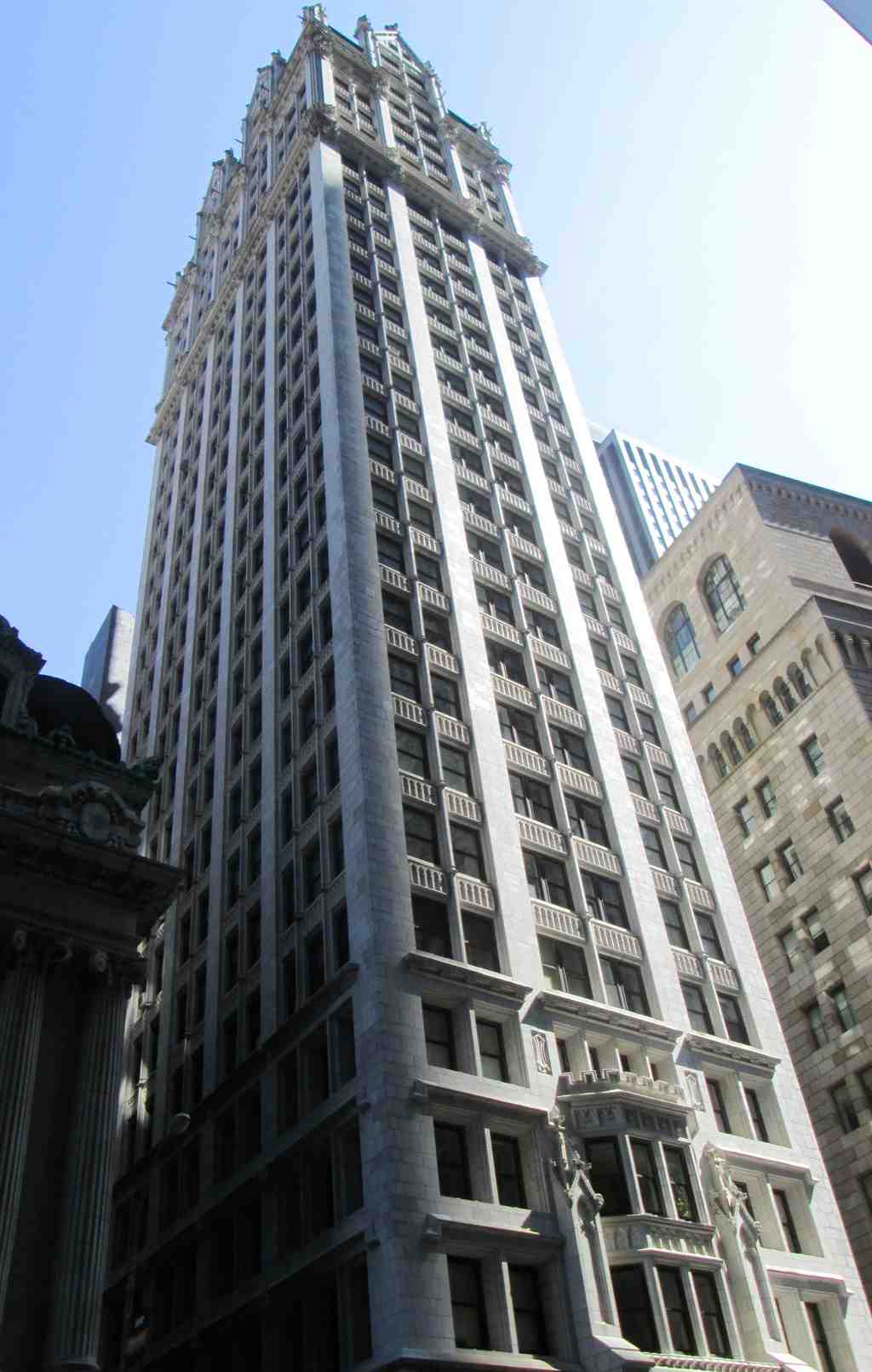
To spot Liberty Tower, look for a tall, slender white building with ornate, castle-like decoration and pointed roof features, rising sharply above the narrow streets at the corner…阅读更多收起
To spot Liberty Tower, look for a tall, slender white building with ornate, castle-like decoration and pointed roof features, rising sharply above the narrow streets at the corner of Liberty Street and Nassau Street. As you stand here outside the Liberty Tower, you can almost feel the layers of history pressing in from all sides. The narrow streets of Manhattan’s Financial District are dwarfed by this 33-story giant, once known as the Sinclair Oil Building, now gleaming with a white terracotta facade that’s richly decorated with fanciful creatures. If you look closely, you may spot gargoyles, birds, and even alligators peering down at the city below-remnants of a time when architects loved to surprise and delight, and when the skyline was more about artistry than sheer height. It’s 1909. Horse-drawn carts still rattle along Liberty Street. Men in fedoras shout the latest headlines from street corners. Into this bustling world, Henry Ives Cobb, a determined architect familiar with Gothic grandeur and the new steel skeletons of skyscrapers, brings his vision to life. The Liberty Tower grows on an odd-shaped plot where the influential New York Evening Post once stood, its very ground whispering stories of journalists, editors, and the city’s daily drama. Cobb’s design is ambitious: three distinct sections-like the column of an ancient temple-rise from a solid stone base through a tall, elegant shaft to an ornate crown. When finished, it’s the slimmest tower in the world, with an almost unbelievable floor area ratio of 30 to 1. People flock here just to marvel at how this narrow pillar doesn’t topple. To anchor the building, workers sink caissons so deep-94 feet into the earth-that, at the time, only one building in New York goes deeper. Early tenants sense the building’s promise. In a small law office on the second floor sits a young Franklin Delano Roosevelt, future president of the United States, dreaming of what’s possible. Other floors bustle with insurance agents, lawyers, and the hum of America’s growing economy. But behind the scenes, developers struggle-defaults, foreclosures, transfers of ownership follow each other in rapid succession, the whole thing teetering on the edge like the city itself during these turbulent years. The Roaring Twenties arrive, and so do bigger players. Sinclair Oil buys up the whole building, splashes its name across the doors, and soon the tower’s offices are the backdrop to secrets and scandals. Here, deals are struck that tie into the infamous Teapot Dome affair, one of the greatest political scandals of its age. Even spies operate here for a time; in 1917, German agents use an office in this tower as they hatch plots to shape the world outside, their activities lurking in the shadows just above the crowded sidewalks. Decades roll by. Oil barons and real estate magnates come and go. After World War II, the Sinclair name fades, and the tower quietly waits for its next chapter. By the late 1970s, the Financial District is changing, emptying out at night, and suddenly an architect named Joseph Pell Lombardi sees potential where others see only problems. He transforms its offices into apartments-the first big office-to-residence conversion south of Canal Street-and breathes new life into Liberty Tower just as the city’s fortunes wane and rise again. This building has survived more than a century of change, from newspaper presses to presidential ambitions, from wartime spies to scandal, and even the shattering events of September 11, 2001, when damage threatened its bones but not its spirit. Today, as you look up at its lace-like terracotta and copper roof, know that you are gazing at a survivor-one that continues to adapt and endure, just like New York itself. Ready to delve deeper into the site, architecture or the critical reception? Join me in the chat section for an enriching discussion.
打开独立页面 →
常见问题
如何开始导览?
购买后,下载 AudaTours 应用并输入您的兑换码。导览将准备好立即开始--只需点击播放并按照 GPS 引导的路线行驶即可。
导览期间我需要互联网吗?
不需要!开始前下载导览并完全离线享受。只有聊天功能需要互联网。我们建议在 WiFi 下下载以节省移动数据。
这是导游带领的团体游吗?
不是--这是自助语音导览。您按照自己的节奏独立探索,通过手机播放音频解说。没有导游,没有团体,没有时间表。
导览需要多长时间?
大多数导览需要 60-90 分钟才能完成,但您完全控制节奏。随时暂停、跳过站点或休息。
如果我今天无法完成导览怎么办?
没问题!导览具有终身访问权限。随时暂停和恢复--明天、下周或明年。您的进度已保存。
有哪些语言可用?
所有导览均提供 50 多种语言版本。在兑换代码时选择您的首选语言。注意:导览生成后无法更改语言。
购买后我在哪里访问导览?
从 App Store 或 Google Play 下载免费的 AudaTours 应用。输入您的兑换码(通过电子邮件发送),导览将出现在您的资料库中,准备下载并开始。
如果您不喜欢该导览,我们将退款。请联系我们 [email protected]
安全结账使用 


