AudaTours logoAudaTours

纽约市语音导览:金融区的韧性与缅怀

语音指南2 景点

一根钢梁高耸于城市天际线之上,低语着破碎的玻璃和无声的英雄。纽约的金融区在其光洁的高楼和熙熙攘攘的街道下,隐藏着数百年的挣扎与韧性。 插上耳机,开始一次自助语音导览,让华尔街的秘密栩栩如生。漫步于财富的兴衰之地,历史就在你的脚下流淌,等待被揭开。 悲剧发生后,自由塔顶端隐藏着什么秘密代码?9/11国家纪念博物馆下方,究竟埋藏着什么连专家都感到困惑的未解之物?为什么附近一条小巷里的一场隐秘的私人恩怨,永远改变了全球金融格局? 穿梭于玻璃与石头的峡谷之间。在你所站之处,重温史诗般的战斗、回荡的抗议和午夜的忏悔。让城市的脉搏在你的脚步下加速,让它隐藏的历史在每个转弯处显现。 按下播放键,解锁纽约不为人知的心脏。

导览预览

map

关于此导览

  • schedule
    持续时间 30–50 mins按照自己的节奏
  • straighten
    0.5 公里步行路线跟随引导路径
  • location_on
    位置纽约, 美国
  • wifi_off
    离线工作一次下载,随处使用
  • all_inclusive
    终身访问随时重播,永久有效
  • location_on
    从 自由塔(曼哈顿) 开始

此导览的景点

  1. Look up and ahead for a strikingly slender, bright white tower adorned with intricate Gothic details, rising above you near the corner of Liberty Street and Nassau Street. As you…阅读更多收起

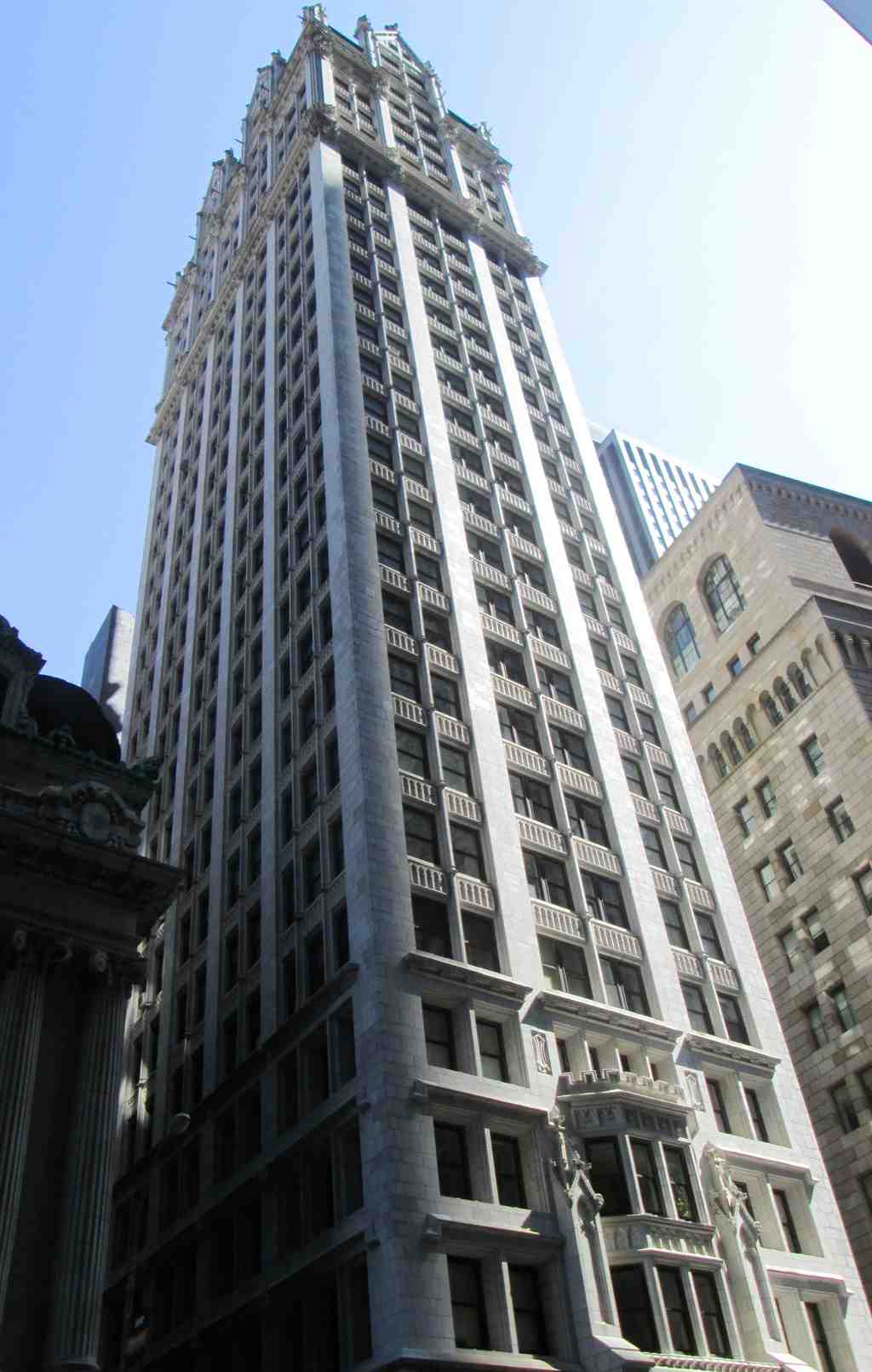
    Look up and ahead for a strikingly slender, bright white tower adorned with intricate Gothic details, rising above you near the corner of Liberty Street and Nassau Street. As you stand here, pausing in the shadows at the feet of the Liberty Tower, let your eyes trace its narrow frame all the way up-a proud column of white terracotta thrusting skyward, its pinnacles and ornate gargoyles watching the city below. Imagine the echo of hammers and the clang of steel from more than a century ago, when in 1909 the streets here bustled with horse carts, early automobiles, and restless, boot-clad workers. This building, now serene in its elegance, rose unexpectedly from a wedge-shaped site that once housed the headquarters of the New York Evening Post, known then as the Bryant Building, named for poet and journalist William Cullen Bryant. Liberty Tower was a vision spawned by a group of St. Louis investors, who hired Henry Ives Cobb, a distinguished architect, to design an office building like no other-tall, impossibly slender, and clad in a skin of creamy, white terracotta alive with birds, alligators, and mythic creatures. Imagine Cobb himself, inspired by Gothic cathedrals, determined to craft a tower filled with drama: a solid base, a soaring shaft, and turrets that crown the top. In 1910, it was said to be the world’s tallest building for such a small footprint-a feat that made seasoned New York developers gasp in surprise. The building's foundation, sunk deeper than almost any other in the city, rested on an elaborate maze of caissons plunging through quicksand to the lasting bedrock far below your feet. It was in these offices, lit by the glow of gas lamps and the hum of early electricity, that a young Franklin Delano Roosevelt began his law career, unaware that destiny was already stirring outside on Nassau Street. Tenants came and went-lawyers, surety companies, ambitious financiers-but just when the tower should have celebrated prosperity, a string of financial crises haunted its halls. Developers defaulted, loans were called in, and court cases passed through its marble entrance, while the city outside wrestled with its own growing pains. For a time, this was the Sinclair Oil Building, its new owner Harry Sinclair striking deals in boardrooms high above the rumble of the street-some deals innocent, others shrouded in the secrets that led to national scandal: the infamous Teapot Dome. The tower’s walls even became a backdrop for international intrigue, as German spies quietly rented offices here in 1917, hoping to sway the tides of war, until the mysterious Zimmermann Telegram was intercepted and exposed, tilting America toward the battlefields of World War I. Years passed. Ownership changed hands repeatedly. By the late 1970s, the once-glamorous skyscraper fell silent, nearly forgotten and two-thirds empty while the Financial District’s fortunes ebbed. Then, a new chapter: Joseph Pell Lombardi, a visionary architect, saw beauty where others saw only faded grandeur. He rescued the tower and, brick by brick, room by room, began a bold transformation-from offices to homes. In a neighborhood once ruled by commerce, Liberty Tower became one of downtown’s first residential high-rises. Its 86 co-op apartments drew artists and urban pioneers alike, the city’s pulse beating a little stronger in these historic walls. Still, hardship lingered. When the World Trade Center collapsed just blocks away on September 11, 2001, the Liberty Tower suffered wounds: shattered terracotta, leaking water, and silent, hidden steel rusting beneath its skin. Residents banded together once more, investing millions to restore its sparkle and keep its old magic alive. Now look up again, and consider this: the Liberty Tower is not just a building, it is the sum of a thousand stories-each one whispered in the rush of the wind high above Liberty Street, each one a testament to the resilience of this extraordinary city. Fascinated by the site, architecture or the critical reception? Let's chat about it

    打开独立页面 →
  2. In front of you, you will see a field of rows and clusters of green trees encircling two vast, square reflecting pools, each with water endlessly cascading down dark stone walls…阅读更多收起

    In front of you, you will see a field of rows and clusters of green trees encircling two vast, square reflecting pools, each with water endlessly cascading down dark stone walls into deep voids at their center, marking the footprints where the Twin Towers once stood-look for this striking scene framed by city streets and surrounded by the modern skyline. As you stand here at the National September 11 Memorial & Museum, you are at one of the most meaningful places in New York City-a living remembrance, a sanctuary grown from tragedy. Imagine the air filled with the hush of thousands of names etched in bronze, the only sounds the low rush of waterfalls drowning out the city's ordinary noise, and the faint rustling of leaves from hundreds of white oak trees stretching skyward. Each tree was planted with hope, carefully selected to create shade, beauty, and quiet. Where you stand now is sacred ground-the heart of the World Trade Center site-where the world changed forever on that bright morning in September 2001. Here, at these two immense pools, you see the physical void left by loss. Water falls gently from every side, disappearing into unseeable depths, and along the edge, you will notice names-each one representing a person, a story, a life that was taken too soon on September 11, 2001, and the earlier attack in 1993. They are arranged with care, according to friendships, workplaces, even last moments-so that loved ones are remembered side by side, just as they were that day. You might sense a chill in the air as you picture what this place looked like just after the attacks: smoke, ash, twisted steel, and a community struggling to cope with unimaginable devastation. Out of the aftermath, with determination and an urgent need to remember, people from all around the world envisioned a new memorial-a place not just to mourn, but also to endure. The winning design, called “Reflecting Absence,” was chosen from thousands of submissions in an international competition. Michael Arad, the architect, with landscape architect Peter Walker, created these pools and this grove of trees so that each visit would be an act of contemplation. The white oaks here can live for centuries, witnessing the passing of generations, and in the fall their leaves turn gold-a living testament to resilience. Among them stands a symbol of hope: the Survivor Tree, a callery pear scorched and battered on 9/11, yet carefully nursed back to life and replanted here. It is a humble witness to survival and healing, a reminder that even after great harm, life can endure. The memorial project, however, faced years of tension and debate. Families wanted a say in how their loved ones were remembered. There were budget crises, design controversies, and heated arguments about how deep to set the memorial, how to honor every victim without overwhelming visitors with sorrow. The final results, after all the conflict, have become a place for reflection: visitors from across the world come here, each absorbing the sorrow, the bravery, the sense of unity that followed disaster. Beneath your feet lies the museum itself. Here, some 70 feet below ground, are preserved twisted remnants of the Twin Towers, crushed fire trucks, fragments of memory-a powerful journey back to that day and its aftermath. Among the museum’s most haunting features is a wall holding back the Hudson River, a wall that did not break even as everything around it did. The exhibits are unflinching: the sounds of emergency calls, the faces of lost friends, letters, shoes, and broken glass-all preserved so history is never forgotten nor sanitized. Yet, there are moments of controversy, too: debates about brochures in different languages, sensitivities about unnamed and unclaimed remains, frustration at the high ticket costs, and concern over what souvenirs are proper in a place of such profound loss. These debates remind us that memory is complicated and that honoring tragedy is never simple. As you move through the plaza, notice the battered stone path known as the Memorial Glade, dedicated to first responders who later grew sick from the dust and chaos as they worked to heal and restore. And not far from here stands the battered bronze of The Sphere, a sculpture scarred but intact, like the city itself. Standing here, what you see and feel is not just a monument to tragedy, but to recovery, courage, and the stubborn will to rebuild. This place belongs not just to New York, but to the world-a living memory, open to all who come seeking to understand, to mourn, and to hope. If you're keen on discovering more about the design, museum or the withdrawn proposals, head down to the chat section and engage with me.

    打开独立页面 →

常见问题

如何开始导览?

购买后,下载 AudaTours 应用并输入您的兑换码。导览将准备好立即开始--只需点击播放并按照 GPS 引导的路线行驶即可。

导览期间我需要互联网吗?

不需要!开始前下载导览并完全离线享受。只有聊天功能需要互联网。我们建议在 WiFi 下下载以节省移动数据。

这是导游带领的团体游吗?

不是--这是自助语音导览。您按照自己的节奏独立探索,通过手机播放音频解说。没有导游,没有团体,没有时间表。

导览需要多长时间?

大多数导览需要 60-90 分钟才能完成,但您完全控制节奏。随时暂停、跳过站点或休息。

如果我今天无法完成导览怎么办?

没问题!导览具有终身访问权限。随时暂停和恢复--明天、下周或明年。您的进度已保存。

有哪些语言可用?

所有导览均提供 50 多种语言版本。在兑换代码时选择您的首选语言。注意:导览生成后无法更改语言。

购买后我在哪里访问导览?

从 App Store 或 Google Play 下载免费的 AudaTours 应用。输入您的兑换码(通过电子邮件发送),导览将出现在您的资料库中,准备下载并开始。

verified_user
满意保证

如果您不喜欢该导览,我们将退款。请联系我们 [email protected]

安全结账使用

Apple PayGoogle PayVisaMastercardPayPal

AudaTours:语音导览

有趣、经济实惠、自助徒步导览

试用应用 arrow_forward

深受全球旅行者喜爱

format_quote 这次导览是游览这座城市的绝佳方式。故事很有趣,感觉不太照本宣科,我喜欢能够按照自己的节奏探索。
Jess
Jess
starstarstarstarstar
第比利斯导览 arrow_forward
format_quote 这是了解布莱顿的一种可靠方式,感觉不像游客。解说有深度和背景,但并未过度。
Christoph
Christoph
starstarstarstarstar
布莱顿导览 arrow_forward
format_quote 一手拿着羊角面包,零期望地开始了这次导览。这款应用真的很适合你,没有压力,只有你、你的耳机和一些很酷的故事。
John
John
starstarstarstarstar
马赛导览 arrow_forward

无限语音导览

解锁全球每个导览的访问权限

0 导览·0 城市·0 国家
all_inclusive 无限探索