
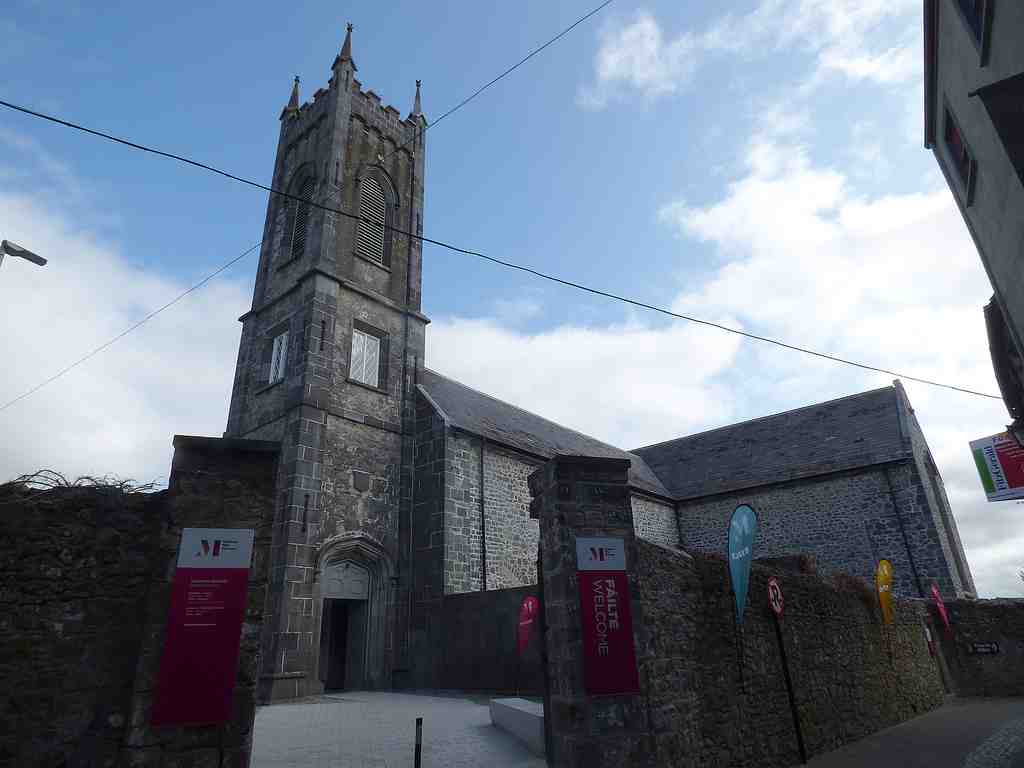
基尔肯尼语音导览:花园区的传说与艺术
在基尔肯尼优雅的天际线之下,数百年的秘密在表面之下涌动,等待着在鹅卵石小巷与城堡阴影交汇之处被揭开。 这个沉浸式自助语音导览将解锁这座城市的真正精神,引导您超越明信片上的景点,去探索大多数游客从未见过的隐藏小巷和不为人知的故事。 被围困的居民在基尔肯尼城堡的石墙后采取了哪些绝望的措施?谁从罗思故居的大厅里消失了,只留下一个谜团?奥斯卡提名的卡通沙龙与这座城市的中世纪传说之间又有什么奇特的联系? 追溯叛乱、丑闻和创意天才的脉搏,每一步都揭示一个新的层面——从长满青苔的庭院到熙熙攘攘的画廊。感受过去在您身边鲜活起来,而现在则在您周围嗡嗡作响,以您从未预期的方式发现基尔肯尼的灵魂。 城堡大门已敞开。开始您的故事,让这座城市揭示它的秘密。
导览预览
关于此导览
- schedule持续时间 30–50 mins按照自己的节奏
- straighten2.7 公里步行路线跟随引导路径
- location_on
- wifi_off离线工作一次下载,随处使用
- all_inclusive终身访问随时重播,永久有效
- location_on从 基尔肯尼圣约翰福音传教士教堂 开始
此导览的景点
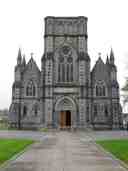
To spot the Church of Saint John the Evangelist, just look straight ahead for a dramatic grey stone building with pointed arches, tall narrow windows, and three grand wooden doors…阅读更多收起
To spot the Church of Saint John the Evangelist, just look straight ahead for a dramatic grey stone building with pointed arches, tall narrow windows, and three grand wooden doors at the end of a walkway surrounded by lawns-it’s hard to miss! Welcome to the magnificent Church of Saint John the Evangelist! Imagine the year is 1903: the soft hum of workers and the clink of chisels fill the air as Gothic arches sweep ever skyward. You’re standing where Kilkenny’s O'Loughlin family dreamed of a church grand enough to honor their family legacy-so they got William Hague, a famous architect, to design it. Now, you might notice the tower looks a bit like someone forgot to put a hat on top! That’s because the spire was never built-apparently, even the grandest plans sometimes run out of steam or cash. The grounds here are lush and green, giving a sense that time itself likes to linger amongst the old trees. This whole spot was gifted by James Butler, the Marquess of Ormonde, which sounds straight out of a fairy tale. The Gothic Revival style makes you feel as if you’ve stepped onto a movie set, and the air almost hums with old secrets. So, take a deep breath-you’re walking not only through grass but through stories that have been growing here for centuries. And don’t worry about ghosts, they only come out for choir practice.
打开独立页面 →Directly in front of you, you’ll spot a sturdy, grey-stone building with a rectangular shape, symmetrical windows, and several tall red-brick chimneys peeking above the slate…阅读更多收起
Directly in front of you, you’ll spot a sturdy, grey-stone building with a rectangular shape, symmetrical windows, and several tall red-brick chimneys peeking above the slate roof-just behind the modern black railings. Now, picture this: under these very stones, life was once rather different-a place where Kilkenny’s most humble domestic servants found shelter in tough times. That’s right, the Butler Gallery wasn’t always a home for bold colours and wild ideas; it started off in the 19th century as Evans' Home, an almshouse, where you might’ve heard the clatter of pots and the shuffling of tired feet instead of the gentle echo of footsteps admiring modern art. Fast-forward to 1943, amidst the whir of bicycles and ration books, a man called George Pennefather decided Kilkenny needed art, not just oatcakes, so he founded a gallery here. Named for Susan and Hubert Butler-a pair with stories fit for a whole gallery themselves-it began its life beneath the grand Kilkenny Castle. Today, the gallery lights up with artwork by Irish and global talents, including a whole wing to Tony O’Malley and his wife Jane, who could paint Ireland’s mood with just a single brushstroke. Some say walking through its halls feels like time-travel-with less risk of bumping into a Victorian ghost holding a mop.
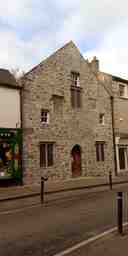
打开独立页面 →Ahead of you is a tall grey stone building with a sharply pointed gable, arched wooden door, and old mullioned windows-just look for the house that seems like it walked out of…阅读更多收起
Ahead of you is a tall grey stone building with a sharply pointed gable, arched wooden door, and old mullioned windows-just look for the house that seems like it walked out of Tudor times and plopped itself between the shops! Now, take a good look at this old beauty! Imagine it’s 1582, and the Shee family-leading merchants and top of Kilkenny’s social ladder-have just finished building what they called the Hospital of Jesus. This wasn’t a hospital like we think of today, but an almshouse, a refuge for twelve of Kilkenny’s poorest, where the only medicine doled out was a warm meal and a roof overhead. Sir Richard Shee, the founder, even left money for it in his will; clearly, he believed you can’t take it with you! His son, Lucas, wrangled a royal charter for the place, so the king himself was in on the act. Through times of Cromwell’s thunder and stolen fortunes, the Shees lost it-but, like a good plot twist, got it back in the 18th century! This building has seen it all: chapel, hospital, shop, even city tourist office. As you stand here, feel the weight of centuries in those limestone walls-a home for the humble and now a story for every visitor. If these stones could talk, they’d probably ask for a cup of tea and tell you who really stole the jam tarts in 1672…
打开独立页面 →
再显示 8 个站点显示更少站点expand_moreexpand_less
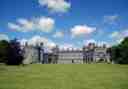
Look ahead for a sprawling grey stone castle with three massive round towers, tall battlements, and an enormous green lawn stretching out in front-if you see a fortress that looks…阅读更多收起
Look ahead for a sprawling grey stone castle with three massive round towers, tall battlements, and an enormous green lawn stretching out in front-if you see a fortress that looks like it could handle a dragon or two, you’ve found Kilkenny Castle! Alright, take a moment to appreciate this view-standing here, you’re right where power, intrigue, and a fair bit of ambition shaped the story of Kilkenny. If you squint, you might even spot a time-traveling knight looking for his charger. Let’s rewind to the twelfth century, when this ground hummed with activity. The very first castle here was more wood than stone, planted by Strongbow himself-Richard de Clare, a Norman with a very dramatic nickname-after he swooped in as part of the Norman invasion. Over the next century, this place was fortified with thick stone walls and corner towers, a formidable statement to all who dared take on its inhabitants. By 1260, the stone castle was completed, and you can see three of its original four towers still standing guard. Imagine the clang of armor and the kerfuffle of defenders in the Parade, which was once a huge defensive ditch. The castle changed hands-via a bit of family drama and royal intrigue-from the de Bohun family to the Butlers in 1391. Now, the Butlers may sound like a particularly well-dressed football team, but in fact, they were a dynasty with lands stretching across Ireland, England, Wales, and even as far as France. Under their stewardship, the castle became more than just a military stronghold. It was home to births, deaths, alliances…and even a bit of royal scandal. Lady Margaret Butler was born here, and she went on to become the grandmother of none other than Anne Boleyn-yes, that Anne Boleyn, ill-fated wife of King Henry VIII. Fast forward to the 1600s-the castle became an unlikely seat of revolution. The Butler in charge was loyal to King Charles I (he was even a Protestant, rare for his family), but his ancestral home was taken over by the Catholic rebels of Confederate Ireland. In these rooms, their secretive "Supreme Council" plotted and planned, their voices bouncing off thick stone walls even as cannons, and one very bad-tempered Oliver Cromwell, battered the east wall. The castle took a bruising, with one of its towers blown apart and later rebuilt in the style of a French château. Talk about a dramatic renovation project. The centuries rolled on and tides of fortune ebbed. By the 1800s, parts of the castle became quite shabby-“gentle decay” might be the polite phrase. Yet thanks to the wealthy Anne Wandesford, a new era of repairs began. Eventually, the Butlers even hosted a royal visit-King Edward VII dropped in, probably for the scones. But times grew tougher. The estate dwindled from tens of thousands of acres down to just the 95 you see today. By the early 1900s, the Butler’s income was shrinking fast; perhaps that’s why Lady Ormonde startled her fancy guests by announcing, “we are very poor” (though, let’s be honest, “poor” is relative when you live in a castle with seventeen servants). There was one more wave of drama during the Irish Civil War. The Ormondes, stoic as ever, watched the chaos from their bedroom above the great gate while machine guns rattled outside the door. After further struggles, the family finally sold the castle-furniture and all-and abandoned it for thirty years, while the walls gathered more dust than secrets. But don’t worry! In 1967, the people of Kilkenny bought the castle for the princely sum of £50. That’s right, £50! There was singing, a swanky handover party, and, for reasons only rock stars can explain, Mick Jagger and Marianne Faithfull showed up looking to “loon about.” Today, the castle and its enchanting gardens belong to the people. Its halls have seen Norman knights, rebel councils, and just maybe, a wandering ghost pondering if Mick Jagger ever found what he was looking for here. Take a wander-this castle’s stories are always looking for a new listener. Interested in knowing more about the butler gallery, excavations or the burials in the crypt
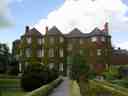
打开独立页面 →Look for a grand three-story Georgian mansion covered in leafy green ivy, with three tower-like bowed bays facing into beautiful manicured gardens just ahead of you. Imagine the…阅读更多收起
Look for a grand three-story Georgian mansion covered in leafy green ivy, with three tower-like bowed bays facing into beautiful manicured gardens just ahead of you. Imagine the 1780s, the era of powdered wigs, elegant dresses, and perhaps a little family drama-Butler House was built as a home for Lady Eleanor Butler, the wife of the 16th Earl of Ormonde, so she’d have a fancy place to live when her son took over the family’s title. Picture coaches clattering up the gravel drive, gossip drifting out the tall, graceful windows, while the carefully clipped garden hedges whispered secrets of noble life. Lady Eleanor’s daughter, Eleanor, would become one half of the famous Ladies of Llangollen, but Kilkenny was where her story began. In 1832, with cholera sweeping through town, the genteel drawing rooms became a lifesaving soup kitchen-talk about multi-tasking! Butler House saw even more excitement in the 1870s when Ireland’s archaeology buffs gathered inside to start what would become the Royal Society of Antiquaries. You can almost imagine the polite arguments echoing through those grand, well-preserved rooms! Today, you can book a stay here, waltz into a conference, or just stroll the restored gardens that back right onto Kilkenny Castle’s old stables-a place where luxury, history, and garden hedges all come together for a truly legendary address.
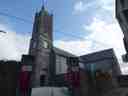
打开独立页面 →You’re looking for a tall, grey stone church with a chunky square tower and pointed turrets-just follow the spire rising above the old stone walls to spot St. Mary’s right in…阅读更多收起
You’re looking for a tall, grey stone church with a chunky square tower and pointed turrets-just follow the spire rising above the old stone walls to spot St. Mary’s right in front of you! Welcome to St. Mary’s Church, where stories linger like shadows in the cool Kilkenny air. Imagine yourself whisked back to 1202, when Norman lords and merchants first built this grand church close to the castle. Back then, this would have been the proud beating heart of High Town, with market stalls outside and townsfolk bustling around-except, perhaps, those sneaking a biscuit during church! Picture the merchants every year, counting out their fourpence and halfpennies-the ‘price of admission’ to local heaven! The richer you were, the closer you could nap forever right inside the church. The Shee, Archer, and Rothe families-names that sound like they’d be great card players-all made this place their eternal home. Sometimes the council would hold meetings here too. Imagine the arguments echoing where people now browse museum displays-“We need more sheep in the square!” “No, fewer sheep, and more plays!” Yes, dramatic town plays took center stage here long before Netflix marathons. Over centuries, St. Mary’s swapped teams like a sports star during transfer season. It swung from Catholic to Protestant, back to Catholic, and, for a while, hosted High Mass with Archbishop Rinuccini during Kilkenny’s Confederation days. Even the bell-tower played musical chairs, starting as its own building and later marked only by a concrete patch in the churchyard. By 1957, the last prayer was said, and badminton rackets took over-yes, really! Even the Free Masons had a turn. It’s practically the most flexible building in Kilkenny. Come 2017, St. Mary’s got itself a new gig-as the Medieval Mile Museum. And when they prepared for the big museum re-launch, they found four mysterious female skeletons hiding in the gateway-don’t worry, a few of them are on display, just in case you want to say hello! The spire you see today was even used as Kilkenny’s top surveying spot, meaning it literally put the city on the map. So if you ever get lost in Kilkenny, just blame the guy who measured from this very church-and maybe sneak a quick prayer for directions. Now, onward to the next chapter of our adventure!
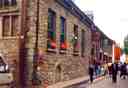
打开独立页面 →To spot Kyteler’s Inn, just look for a sturdy, old grey stone building with deep window sills and flower boxes blooming under bright blue-green windows-it’s the characterful spot…阅读更多收起
To spot Kyteler’s Inn, just look for a sturdy, old grey stone building with deep window sills and flower boxes blooming under bright blue-green windows-it’s the characterful spot with the hanging sign, right on your left as you walk down this medieval street. Now, let me whisk you back in time! Imagine the clatter of horse hooves and the smell of burning peat while you stand before one of Kilkenny’s oldest taverns. Parts of this very building go all the way back to the 13th century, and while only the lower story is truly medieval, that’s still older than most fairy tales! The Inn’s most mysterious resident was Dame Alice Kyteler, the first person in Ireland ever accused of witchcraft. They say secrets and spells once swirled around these very stones-makes ordering a pint feel a bit daring, doesn’t it? Since at least 1639, there’s been an inn here, though in the 1960s it got a makeover and a good splash of holy water for luck. Some locals weren’t too keen when they moved old staircases and fireplaces during the renovation, but today, descend those dark stairs and suddenly you’re in the 1300s! The ghosts might gossip, but the music and laughter have won Kyteler’s the title of best music bar in Ireland. Who knew witch hunts and good tunes made such a magical mix?
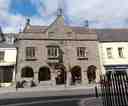
打开独立页面 →To spot Rothe House, look straight ahead for a striking grey stone building with three grand arches at its base, tall gables, and windows adorned with flower boxes-it stands out…阅读更多收起
To spot Rothe House, look straight ahead for a striking grey stone building with three grand arches at its base, tall gables, and windows adorned with flower boxes-it stands out proudly on the street, flanked by shops on either side. Welcome to Rothe House-the only place in all of Ireland where you can step inside a genuine merchant’s home from the late 1500s, right here in the bustling heart of Kilkenny! Imagine yourself stepping back more than 400 years, when this street was alive with merchants haggling, children laughing, and carts rattling over cobblestones. John Rothe Fitz-Piers, a clever merchant with more ambition than a pocketful of gold, built not one, not two, but three dazzling townhouses right here between 1594 and 1610. He didn’t just slap on a few extra rooms when his family grew-oh no, he went the deluxe route and built a new house each time. Talk about long-term planning! Each house had its own special courtyard, with the garden at the back stretching away-imagine apples ripening in the orchard and the herbal scent of rosemary drifting through the air. And that garden holds its own secret: a well sunk deep by Cistercian monks from Duiske Abbey, before Henry VIII kicked all the monks out. If you listen closely, maybe you can hear the echoes of their chanting from centuries ago. Life here was filled with ups and downs, and the Rothe family was right at the thick of it. They were the merchant bigwigs of Kilkenny-part of an elite club that ran the town like it was their personal board game. When England’s King Charles I lost his crown, Rothe House was snatched away because the family sided with the rebels. Rumor has it, one of the most important rebel meetings took place right under this roof. But just as you might expect, after all the drama and two kings later, the Rothes briefly got the house back-only to lose it again after the Battle of the Boyne. Say what you want about them, but the Rothes were never bored! The Rothe House you see here survived all that history, and today, it’s a museum bursting at the seams with treasures uncovered from all around Kilkenny. Want to see medieval pots, mysterious old coins, or hear tales of political plots and family feuds? You’ll find them inside. Take a moment to picture John Rothe himself striding beneath these arches, cloak billowing, with city gossip swirling around him. His coat-of-arms is still visible near the oriel window-if you look closely, you might find the dates marking each phase of this ambitious family project. This building is so special that it’s protected by law as a monument of national importance. It might not have the latest gadgets or Wi-Fi (unless they hid some in the dungeon!), but Rothe House is a champion of storytelling-each stone, each flower box, and every echo inside tells a tale about the merchants, rebels, and dreamers who built Kilkenny. Ready to peek into the past? Let’s keep moving, because Kilkenny’s stories are just getting started! If you're curious about the architecture, statutory status or the museum, the chat section below is the perfect place to seek clarification.
打开独立页面 →You’ve just arrived at one of Kilkenny’s most magical corners-and I’m not talking about wizards and bubbling cauldrons! You’re standing outside the humble home of Cartoon Saloon,…阅读更多收起
You’ve just arrived at one of Kilkenny’s most magical corners-and I’m not talking about wizards and bubbling cauldrons! You’re standing outside the humble home of Cartoon Saloon, a studio that’s spun tales so enchanting, it’s gotten the attention of Hollywood’s finest. Imagine the excited chatter of artists inside, their pencils racing across paper, as you take in the old but lively streets-a creative storm in the calm heart of Kilkenny. Cartoon Saloon set up shop right here in 1999, started by three fresh-faced dreamers: Tomm Moore, Nora Twomey, and Paul Young. At the time, they’d just left college, probably with ink still fresh on their hands. They didn’t have much-just their talent, some wild ideas, and enough caffeine to keep anyone dancing into the night. Their first big project, The Secret of Kells, didn’t get off the ground for years. Instead, they took any work they could-ads, website design, even CD ROMs! Now, that’s old-school technology. If you listen carefully, you might almost hear the frantic tapping of early computer keyboards, or the occasional whoop when an art file finally saved without crashing. They got their big break with a French production company and, after years of hustle and homework, finally released The Secret of Kells. The film’s magic? It drew from Irish history and art, mixing lush Celtic patterns with a story as vivid as the tapestries hanging in your wildest daydreams. And the world took notice. In 2009-bam!-Oscar nomination. Cue the confetti (and, probably, a lot of shouting and happy dancing behind these walls). But instead of selling out to big studios when the offers rolled in, they took a brave leap and chose independence, risking personal finances to keep their vision alive. I guess when you make movies about brave ancient monks and bold sea journeys, a little risk is all in a day’s work. But wait-the story gets wilder. From that tiny team of twelve, the studio grew to a bustling hive of 300 animators, all imagining wolves racing through Kilkenny’s woods and puffins flying over stormy coasts. Their films-Song of the Sea, The Breadwinner, and Wolfwalkers-earned more Oscar nominations and brought Irish folklore to audiences from Tokyo to Texas. And in case you have young ones (or are secretly a cartoon fan yourself), they also created fun TV series like Skunk Fu!, Puffin Rock, and Vikingskool. The laughter, meows, and wild cartoon soundtracks from the studio have surely echoed down these streets late into the night, especially during a deadline crunch. Even today, as they create stories for Netflix and design for the BBC and Disney, their roots in Kilkenny are strong. Maybe you’ll even spot a friendly animator heading out for a coffee, storyboards tucked under their arm. Cartoon Saloon is proof that world-class stories can grow from a little bit of Irish grit and a whole lot of imagination-and maybe just a dash of local magic. So, next time you watch an Oscar-nominated animated film, remember: it might just have begun right here, where art and dreams collide, and maybe, just maybe, where a brave puffin or a sly wolf once slipped down the lane.
打开独立页面 →

常见问题
如何开始导览?
购买后,下载 AudaTours 应用并输入您的兑换码。导览将准备好立即开始--只需点击播放并按照 GPS 引导的路线行驶即可。
导览期间我需要互联网吗?
不需要!开始前下载导览并完全离线享受。只有聊天功能需要互联网。我们建议在 WiFi 下下载以节省移动数据。
这是导游带领的团体游吗?
不是--这是自助语音导览。您按照自己的节奏独立探索,通过手机播放音频解说。没有导游,没有团体,没有时间表。
导览需要多长时间?
大多数导览需要 60-90 分钟才能完成,但您完全控制节奏。随时暂停、跳过站点或休息。
如果我今天无法完成导览怎么办?
没问题!导览具有终身访问权限。随时暂停和恢复--明天、下周或明年。您的进度已保存。
有哪些语言可用?
所有导览均提供 50 多种语言版本。在兑换代码时选择您的首选语言。注意:导览生成后无法更改语言。
购买后我在哪里访问导览?
从 App Store 或 Google Play 下载免费的 AudaTours 应用。输入您的兑换码(通过电子邮件发送),导览将出现在您的资料库中,准备下载并开始。
如果您不喜欢该导览,我们将退款。请联系我们 [email protected]
安全结账使用 


