
金奈语音导览:金奈宏伟清真寺语音导览
金奈,一个每个街角都低语着消逝帝国和失落阴谋秘密的城市——它远比表面看起来的更深邃。踏上一段语音导览之旅,穿梭于隐藏的清真寺和蜿蜒的街区,那里曾留下权力、诗歌和反叛的持久印记。当您穿行于石砌庭院和寂静的圆顶之间时,会发现大多数游客错过的故事,这些地方回荡着被禁止的祈祷和政治丑闻。 东印度公司为何在一次突然的背叛后夺取了巴赫拉姆·荣格的土地?马斯吉德-奥-安瓦里庄严的拱门背后隐藏着什么古老的秘密?而两位兄弟建筑师又是如何纠缠于精神遗产和殖民戏剧之中的? 每一步都跨越数个世纪,追溯在现代喧嚣下闪烁的褪色荣耀、竞争和被遗忘的梦想。让每一个地标都改变金奈向您展现的方式。 聆听他人从未听过的故事。立即开始您的隐藏历史之旅。
导览预览
关于此导览
- schedule持续时间 30–50 mins按照自己的节奏
- straighten4.7 公里步行路线跟随引导路径
- location_on
- wifi_off离线工作一次下载,随处使用
- all_inclusive终身访问随时重播,永久有效
- location_on从 哈菲兹·艾哈迈德·汗清真寺 开始
此导览的景点
再显示 3 个站点显示更少站点expand_moreexpand_less
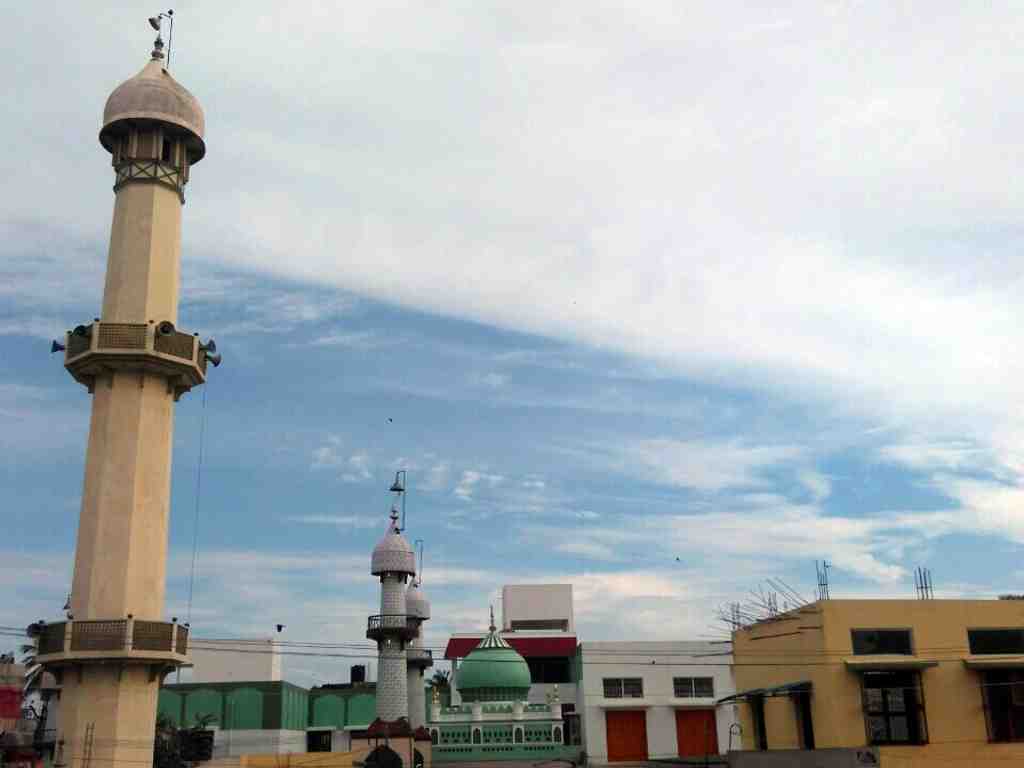
You are now standing at the Triplicane Big Mosque, also known as the Wallajah Mosque, located on Triplicane High Road in Chennai. This mosque, constructed in 1795, was built by…阅读更多收起
You are now standing at the Triplicane Big Mosque, also known as the Wallajah Mosque, located on Triplicane High Road in Chennai. This mosque, constructed in 1795, was built by the family of Muhammad Ali Khan Wallajah, the Nawab of Arcot. Designed in the Mughal architectural style, it features a large prayer hall, a tank, and a spacious ground in front. Remarkably, the entire structure was built using granite without the use of iron or wood. The mosque highlights a spirit of cultural harmony, as evidenced by the Nawab’s friendly relations with Hindus, even appointing a Hindu as his chief personal secretary. A Persian chronogram inscribed by Raja Makhhan Lal Bahdur Khirat, the Hindu Munshi of the Nawab, can be found at the entrance to the prayer hall. The Big Mosque is not only the largest in Chennai but also one of the oldest, remaining active as a place of worship today. It is administered by the Prince of Arcot Endowments Trust, with a significant number of its administrative staff being Hindus, reflecting peaceful coexistence between the two religions. Historically, the Nawab of Arcot was a staunch ally of the British and was granted Chepauk Palace for his administrative and military needs. When the Nawab moved to Chepauk in 1768, approximately 20,000 Rowther Muslims followed, forming one of the largest Muslim communities in South India after Hyderabad. The Nawab had judicial control over the region, with all cases adjudicated under Muslim Law. This mosque’s construction added to the rich cultural tapestry of Triplicane, which was already home to the renowned Hindu Parthasarathy Temple and the Portuguese Christian stronghold of San Thome. Over time, modifications were made to the mosque, including the addition of golden finials to the spires during the regime of Azam Jah. The mosque incorporates a vast tank to the northeast and a large open ground, often filled with worshippers, especially during significant Islamic festivals like Bakrid and Ramzan. The architectural style of the mosque, particularly its two minarets, reflects Mughal influence but does not adhere strictly to any single style. Scholars suggest this variation was due to the influx of North Indian Muslims in the area. Inside, the mosque houses an image of the Persian scholar Barool, who is believed to have come from Lucknow to educate the royal family. As you observe this historical and cultural landmark, recognize its significance not just as a place of worship, but as a symbol of the harmonious mingling of diverse cultures in Chennai.
打开独立页面 →You are now standing outside the Big Mosque in Poonamallee, a significant historical landmark in Chennai. Constructed in 1653 during the rule of the Golconda Sultanate, it was…阅读更多收起
You are now standing outside the Big Mosque in Poonamallee, a significant historical landmark in Chennai. Constructed in 1653 during the rule of the Golconda Sultanate, it was built by Rustam, the son of a Golconda courtier named Astirabad Dhulfiqar. Notably, it was the first mosque in Tamil Nadu to be constructed in the Indo-Saracenic style, setting a precedent for future architectural endeavors in the region. The mosque adheres to the principles of Ahle Sunnath-Wal-Jama'th, a notable aspect of its religious foundation. This structure has been documented for its historical significance in "Madras, Chennai: A 400-year record of the first city of Modern India" by S. Muthiah, underscoring its importance in the recorded history of Chennai. Take a moment to observe the intricacies of its design and the historical context it stands within. This mosque is not just a place of worship, but also a testament to the rich cultural and architectural heritage of the region.
打开独立页面 →
常见问题
如何开始导览?
购买后,下载 AudaTours 应用并输入您的兑换码。导览将准备好立即开始--只需点击播放并按照 GPS 引导的路线行驶即可。
导览期间我需要互联网吗?
不需要!开始前下载导览并完全离线享受。只有聊天功能需要互联网。我们建议在 WiFi 下下载以节省移动数据。
这是导游带领的团体游吗?
不是--这是自助语音导览。您按照自己的节奏独立探索,通过手机播放音频解说。没有导游,没有团体,没有时间表。
导览需要多长时间?
大多数导览需要 60-90 分钟才能完成,但您完全控制节奏。随时暂停、跳过站点或休息。
如果我今天无法完成导览怎么办?
没问题!导览具有终身访问权限。随时暂停和恢复--明天、下周或明年。您的进度已保存。
有哪些语言可用?
所有导览均提供 50 多种语言版本。在兑换代码时选择您的首选语言。注意:导览生成后无法更改语言。
购买后我在哪里访问导览?
从 App Store 或 Google Play 下载免费的 AudaTours 应用。输入您的兑换码(通过电子邮件发送),导览将出现在您的资料库中,准备下载并开始。
如果您不喜欢该导览,我们将退款。请联系我们 [email protected]
安全结账使用 


