
On your left rises a monolithic block of gray limestone, characterized by a severe, repetitive grid of rectangular windows and a flat, unadorned roofline that stretches down the entire city block.
This is the United States Department of the Interior. It is a massive, bureaucratic fortress, and honestly, the name is a bit confusing. In most countries, the "Interior Ministry" handles the police or internal security. But here in Washington, they call this the "Department of Everything Else." Over the years, this agency has been responsible for a truly bizarre collection of duties, from running the patent office to overseeing the colonization of freed slaves in Haiti. But its real power lies in the dirt itself.
This department manages one-fifth of the land in the United States. That is five hundred million acres of surface land, almost five hundred dams, and hundreds of national parks. If you have ever stood in Yosemite or stared at the Grand Canyon, you were standing on turf managed from right here on C Street.
The building itself is a perfect example of the architecture of authority. It was the very first federal building authorized by the administration of Franklin D. Roosevelt. It was a massive project built during the Great Depression, overseen by Secretary Harold Ickes. People called Ickes the "Old Curmudgeon." He was a prickly, frugal man who personally approved every detail of this structure. He hated the fancy, ornamental style of older government buildings, so he insisted on this stripped-down, utilitarian look. But he did allow himself one modern luxury... central air conditioning. This was the first large federal building to have it, mostly because Ickes didn't want to sweat while he was running the country’s resources.
Inside, Ickes tried to humanize the stone. He commissioned massive murals to turn the hallways into a gallery of American resilience, depicting conservation and industry. He wanted the art to inspire the workforce, to remind the thousands of clerks that they were part of a grand machine of progress.
But a machine this big has plenty of rusty gears. Back in the 1920s, the department was the center of the Teapot Dome scandal. Secretary Albert Fall accepted four hundred thousand dollars in bribes-which is roughly seven million dollars today-from oil tycoons to secretly lease them Navy oil reserves. Fall used the cash to spruce up his ranch in New Mexico, but he ended up becoming the first cabinet member to go to prison.
It hasn't all been corruption, though. Ickes used his authority here to make a stand for civil rights. When the Daughters of the American Revolution banned the Black singer Marian Anderson from performing at Constitution Hall in 1939, Ickes arranged for her to sing at the Lincoln Memorial instead. He introduced her to a crowd of seventy-five thousand people, saying, "Genius knows no color line."
The history here is volatile. In November 1972, a caravan of Native American activists arrived in Washington to protest broken treaties. They occupied the Bureau of Indian Affairs building nearby. Tensions got so high that police snipers were actually positioned on the roof of this building, looking down at the protesters. It ended peacefully, but it was a stark reminder of the friction between the federal government and the people it claims to protect.
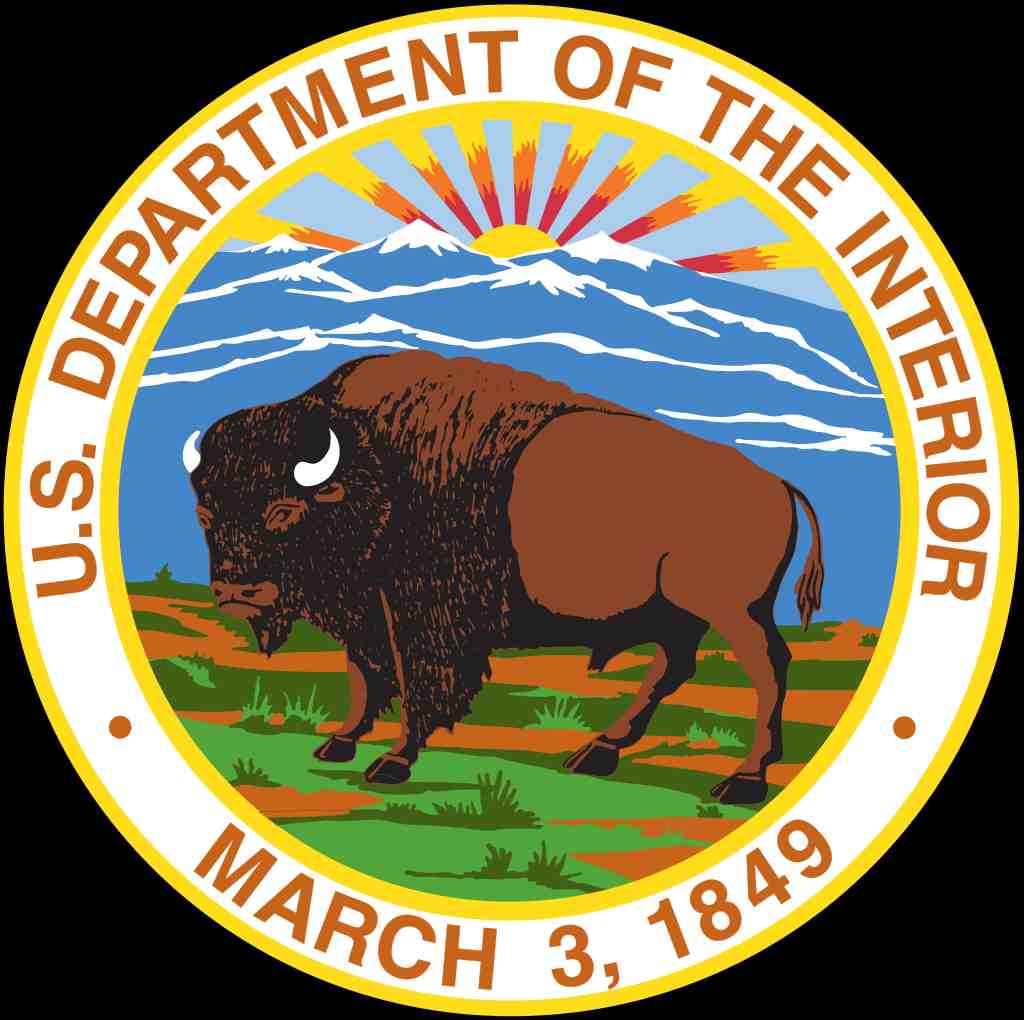
Today, the seal on the door features a bison, standing against a sunburst. It represents the American West, captured and administered within these limestone walls. But land is just one asset. We are now going to walk about twelve minutes to see how the world manages actual money.
Let’s head toward the International Monetary Fund.




