
Tucson Audio Tour: Tracks, Tales & Timeless Walls
Under the sun-baked streets of Tucson, whispers of rebellion, scandal, and survival echo through adobe walls and neon-lit corridors. This city keeps secrets layered deeper than desert bedrock. Walk its heart on this self-guided audio tour and pierce the veil of history only locals truly see. Find the drama, the mystery, the hidden pulse beating beneath well-known facades. Whose fate was sealed inside the Presidio’s battered gates during a midnight siege? What backstage bargain changed the Fox Theatre forever under flickering lights? Why do rumors still swirl around the congressman’s suitcase left behind at Hotel Congress? Drift from centuries-old fortress to glimmering theater and into the lively shadows of a touched-by-fire hotel. Each landmark fuels the journey with surprise and suspense. Every step delivers untold stories ready to leap from Tucson’s legendary bones. Unlock the city’s mysteries. Your Tucson adventure starts now.
Tour preview
About this tour
- scheduleDuration 70–90 minsGo at your own pace
- straighten2.1 km walking routeFollow the guided path
- location_onLocationTucson, United States
- wifi_offWorks offlineDownload once, use anywhere
- all_inclusiveLifetime accessReplay anytime, forever
- location_onStarts at Southern Pacific 1673
Stops on this tour
lock_open 3 free previews · 11 unlock with purchase
To spot Southern Pacific 1673, simply look for the massive, gleaming black-and-silver steam locomotive resting under a covered shelter near the historic depot-its number “1673”…Read moreShow less
To spot Southern Pacific 1673, simply look for the massive, gleaming black-and-silver steam locomotive resting under a covered shelter near the historic depot-its number “1673” boldly displayed on the front, just above the large, circular headlight facing the tracks. Alright, now that you’re standing right in front of this iron giant, close your eyes and imagine it’s the year 1901. The sun bakes the Tucson rail yard, and the air is alive with the rattle and clang of metal-Southern Pacific 1673 is rolling in, her whistle slicing through the desert stillness. Built way back in 1900 by the Schenectady Locomotive Works, this steam engine didn’t waste any time making Tucson her home. Big, burly, and stubborn as a mule, No. 1673 spent the next forty years hauling heavy freight all across southern Arizona. She steamed to wild west spots like Nogales, Yuma, Benson, Patagonia, Elgin, Fort Huachuca, and even that legendary outlaw town-Tombstone. Imagine her rumbling across the desert, her wheels chugging and clanking, a plume of smoke trailing behind. No. 1673 saw a lot of “makeovers” through her working years. In 1905, the crew swapped her coal for oil-a much cleaner upgrade (though the pigeons probably missed the coal soot). Then in 1922, she got pulled out of service and rebuilt in Sacramento-fitted with a high-powered superheater that made her huff and puff even better, and her old slide valves were replaced with new, shiny piston valves. She really was the diva of the rails. By the 1950s, though, times had changed. Diesel engines were the cool new thing, and our old 1673 was called back for easier jobs, reduced to shuffling train cars around the yard as a switcher. Her once mighty Vanderbilt tender was traded for a squat, squarebox tender-almost as if she’d retired her ballroom gown for sweatpants! She also had one last glamorous moment on the big screen-yes, really! In 1955, 1673 starred in the movie “Oklahoma”-painted up to look like she’d rolled right out of the 19th century for those Hollywood close-ups. As Tucson celebrated Southern Pacific’s 75th birthday, the railroad made a big show of 1673-she puffed an excursion train up to the Pacific Fruit Express yard, cheered by locals from the tracks. Afterward, in a fitting twist, they gifted the locomotive to the city. That’s like giving your grandma a parade and then letting her live on your lawn, don’t you think? After her Hollywood phase, 1673 was put on display outside the old Pioneers Historical Society. She was in tip-top shape then, but a few years later got bumped to Himmel Park in Tucson-right in the open air. There, she got a little roughed up. Years of Arizona sun, monsoon rains, and, of course, pranksters making off with anything shiny meant she fell into tough times. Someone even stole the builder’s plates and gauges! As one would expect from a seasoned engine, she shrugged it off-even surviving a short derailment in 1965 when volunteers, eager to show off her whistle, accidentally ran her off the tracks. Not the smoothest ride, but a crew got her patched up within a year. Fast forward to the 1990s-1673 was looking rough, rust eating through metal, her glory days just faded whispers. Locals worried she’d be scrapped for good. But never underestimate a determined Tucsonan! The 1673 Task Force gathered, determined to save this iron legend. She got her second wind-disassembled, sandblasted, and lovingly restored until she shined almost as brightly as the day she first rolled into the city. In December 2000, the engine was carefully moved right here-to the Southern Pacific Depot. Over the next two years, volunteers built her a protective shelter, fencing her in so future pranksters and rainstorms could only admire her from afar. The city welcomed her back with a bash in September 2002, and by 2005, the grand old engine was officially reopened for display as part of Tucson’s restored depot. And her story doesn’t end there. The Southern Arizona Transportation Museum keeps a loving eye on No. 1673, repainting and restoring her bits and pieces. Bright red injectors, black and silver wheels, glistening rods-each restoration brings her closer to how she looked in her prime. They’re even working on replacing missing parts-hunting down pieces lost to time or making new ones from scratch. So there she stands, Tucson’s iron matriarch-over a million miles under her belt, a movie credit, and enough dramatic retirements and comebacks to rival any superstar! Give her a nod-or a tip of your hat-before you continue your adventure through railroad history.
Open dedicated page →To spot the Southern Arizona Transportation Museum, just look for a low, cream-colored building with a classic red-tile roof, a flagpole waving the American flag out front, and a…Read moreShow less
To spot the Southern Arizona Transportation Museum, just look for a low, cream-colored building with a classic red-tile roof, a flagpole waving the American flag out front, and a red luggage cart leaning against the wall near the “Southern Arizona Transportation Museum” sign. Welcome to the heart of railroad history in Tucson! Imagine you’re back in the early 1900s, trains chugging and whistling, with passengers and porters bustling about. Right where you’re standing, this building-once the records vault for the mighty Southern Pacific Depot-held secrets and schedules, plotting the movement of people and goods across dusty Arizona. Now, it’s a haven for anyone with a spark of curiosity about trains or a soft spot for adventure. The best part? The doors are open for free-though, if you want an expert to spill the juiciest stories, you can book a guided tour for just a little extra. And what’s that outside? Take a gander-Southern Pacific locomotive #1673 stands proud, a massive iron beast built all the way back in 1900! This old “Mogul” even made it onto the National Register of Historic Places and looks ready to puff out a huge blast of steam at any moment if you ask me. Sometimes I wonder if, at night, it dreams of thundering down the rails again… Inside, the depot lobby still serves as a waiting room, so you might spot travelers today just like the ones who waited here for the arrival of the very first train in 1880. Every March, a special bit of magic happens: the Silver Spike Festival! Locals in period costumes, music from a real cavalry band, and even the descendants of Tucson’s original pioneers acting out the moment the train first arrived-what a party! So go ahead-feel the sun on those clay tiles, imagine the hiss of steam and the chorus of train whistles, and let history roll up beside you on tracks of iron and memory. And remember, even the most ordinary day here can hold a little bit of railroad wonder!
Open dedicated page →To spot the Hotel Congress, just look across the street for a long, two-story brick building with striped awnings and a giant metal sign on its roof spelling out "HOTEL CONGRESS"…Read moreShow less
To spot the Hotel Congress, just look across the street for a long, two-story brick building with striped awnings and a giant metal sign on its roof spelling out "HOTEL CONGRESS" in big white letters. Now, let’s step back in time for a moment-imagine yourself standing in the wild heart of downtown Tucson, around 1918. The desert sun is sizzling overhead, but there's a stir of excitement in the air as this beautiful brick building opens its doors. The Hotel Congress wasn't just any hotel; it was a swanky new hotspot designed in true classic style by the Curlett architectural duo from Los Angeles, who also whipped up the Rialto Theatre just across the way. Even picking the hotel’s name had a flair of drama-Tucson’s locals tossed suggestions into a newspaper contest, and one Dorit Dinkel pocketed $15 in baby bonds for tossing in the winning “Congress.” But you’re not just looking at fancy bricks and a vintage neon sign. Oh no-it’s what happened inside these walls that turned the Hotel Congress into a legend. Fast-forward to 1934, when a notorious gang of bank robbers led by John Dillinger checked in under fake names, thinking they could outsmart the law and chill out in the Old Pueblo. Just picture those tough guys lounging in the lobby, fedora hats tilted low, listening for sirens. But what finally got ‘em wasn’t the police, but good old Tucson luck-a fire broke out in the basement and crept up to their third-floor hideout. Suddenly, the hotel was in chaos:. As smoke filled the halls and alarm bells clanged through the night, desk clerks sent a warning to the rooms upstairs through the old switchboard system, and Dillinger’s crew made their desperate escape down fire ladders-like a real-life action movie shot right here on Congress Street. But here’s where their cunning plan crumbled: they sweet-talked the firefighters into retrieving their luggage, not realizing that a sharp-eyed hero would put two and two together, leading to their capture and sealing Dillinger’s fate in American history. With smoke cleared and the dust settled, local architect Roy Place swooped in to rebuild the fire-damaged top floor, perfectly matching the original style-a remarkable job, even if a plaque by the door sometimes gives him more credit than he’s due. And ever since, the Hotel Congress has been woven into the rich, jazzy fabric of Tucson nightlife. Walk past the beautiful lobby and you’ll find the Cup Cafe, where folks from all walks of life slide into booths for breakfast, lunch, or a late-night treat. Just off the lobby, the Cup hums with laughter and the clinking of coffee cups--a perfect place to imagine a gangster or two sneaking in for a midnight snack. And if music is your thing, you’re standing at the doorstep of Club Congress-Tucson’s legendary venue for live bands, opened in 1985 and honored as the longest-running spot of its kind west of the Mississippi. Pulled into the glow of neon signs, music fans have grooved here for generations, from raucous rock concerts to the shimmering ring of jazz in the Century Room, where history and rhythm still echo late into the night. Seriously, even ZZ Top’s guitarist called the Hotel Congress bar his favorite! Locals and visitors alike know: inside these walls, not much has changed since Dillinger’s day. The décor is frozen in time, echoing the 1930s glamour that saw drama, laughter, and more than a few wild escapes. Stand here long enough and you just might feel the spirits of an old Tucson poker game-or at least hear the distant jingle of keys as another guest checks in, looking to write their own chapter in this ongoing downtown legend.
Open dedicated page →
Show 11 more stopsShow fewer stopsexpand_moreexpand_less
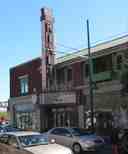
Looking right ahead, you’ll spot the Rialto Theatre by its tall vertical neon sign that says "RIALTO" and the classic marquee with show listings right above its front doors-just…Read moreShow less
Looking right ahead, you’ll spot the Rialto Theatre by its tall vertical neon sign that says "RIALTO" and the classic marquee with show listings right above its front doors-just look for the big pink ray shooting up over the brick building and you can’t miss it. Now, imagine it’s 1920-Congress Street is buzzing, people in bowler hats and flapper dresses crowd the sidewalks, and right here, the Rialto Theatre opens its doors for the very first time. Back then, the excitement wasn’t for rock bands or stand-up comedy, but for silent movies flickering away on the big screen and vaudeville acts that could make you laugh, gasp, or even hide your eyes behind your popcorn. The first movie ever shown here? An old western called “The Toll Gate.” Picture the crowd, holding their breath as a villain gets chased across the wild frontier! Just across the street, the builders of the Rialto were also busy finishing up the Hotel Congress-same year, same team, two historic landmarks rising together. In those days, the Rialto was state-of-the-art, though believe it or not, “state-of-the-art” meant a swamp cooler for air conditioning-a far cry from the chilly blasts you get in theaters today. In 1929, the glamour got cranked up another notch when a big corporation, Paramount-Publix, took over. That’s when “talkies” arrived-movies with sound, if you can imagine the crowd’s excitement the first time voices crackled out of those big speakers! New red plush seats, fancy Art Nouveau decorations, and-trust me-some very relieved theatergoers when that swamp cooler was installed. But the Rialto’s life wasn’t all glitz and glamour. In the 1960s, things got tough. Downtown Tucson faced hard times, people moved out, and business dropped off. By 1963, the grand old theater was shut down, its grand stage forgotten as it filled up with dusty couches and dressers for a furniture store. Then came a new name-El Cine Plaza-and a totally new crowd, with Spanish-language films lighting up the screen. And, just when you think this theater’s seen it all, it briefly turned into an adult movie house! Yes, really-this place has probably seen more plot twists than a soap opera. Local legend even talks about an outraged resident who tried to burn the theater down, and actually succeeded in setting the balcony stairs on fire! After another stint as a Spanish-language cinema, a disastrous boiler explosion in 1984 nearly ended the story for good. The blast destroyed the stage and forced the city to shut the building down. For years, the Rialto just sat here, silent and empty, saved only by its sturdy walls and the memories of thousands of Tucsonans. But in 1995, the Rialto’s hero moment arrived. Paul Bear and Jeb Schoonover took a gamble, bought the theater, and brought the music roaring back. Suddenly, the Rialto was hosting some of the biggest acts around-from rock bands like The Black Crowes and Linkin Park to comedy legends like Dave Chappelle. It was the place to be, drawing crowds downtown once again. Every show brought its own rhythm and roar; you could practically feel the bass shaking the walls during a good concert! In 2004, a new era began when the City of Tucson purchased the building and the Rialto Theatre Foundation stepped in. Over two million dollars went into sprucing up those battered old seats, patching up walls, polishing historic Art Nouveau touches-and, finally, putting in some REAL air conditioning. Now, with improved acoustics and a dazzling mix of concerts, dance, and special events, the Rialto welcomes over 100,000 visitors a year and throws more than 150 events annually. Standing here, you’re part of a living story that’s survived roaring crowds, empty years, bold renovations, and more cliffhangers than a movie serial. The next time the house lights dim and the crowd goes silent with anticipation, you’ll know: the Rialto isn’t just a building, it’s Tucson’s stage for laughter, shock, drama, and applause through the ages.
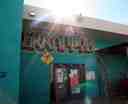
Open dedicated page →Look straight ahead for a bright turquoise building with bold, blocky graffiti-style letters spelling out "Skrappys" above the doorway-if you see the sun hitting the wall just…Read moreShow less
Look straight ahead for a bright turquoise building with bold, blocky graffiti-style letters spelling out "Skrappys" above the doorway-if you see the sun hitting the wall just right and a bunch of flyers on the door, you’ve struck gold. Alright, let’s time travel just a bit, right where you’re standing. Imagine this place not as a simple building, but as a living, humming beehive of creative energy and clashing sounds: guitars tuning up, sneakers squeaking across the floor, bursts of laughter, the muffled thump of breakdancing beats, and the ever-present shuffle of young people coming and going. Skrappy’s was founded back in 1995 by Kathy Wooldridge, but calling it just a venue doesn’t really do it justice-it was more like a secret clubhouse that the whole city was invited to join, as long as you followed one big rule: “No bad vibes allowed, folks!” The walls inside buzzed with posters and art. It was the kind of place where graffiti was encouraged, poetry flowed from open mics, and the hum of sewing machines might mingle with the feedback from an amp. It didn’t matter what you wore or where you came from: all you had to bring was yourself-and maybe a friend or two. Need a place to rock out without the booze and mess? This was your spot. Wanted to learn karate, photography, or how to print your own zines? You name it, Skrappy’s probably had a class for it. But hey, this story has some drama! One wild night in 2005, a brawl broke out during a hard-core metal show that spilled out into the parking lot-think more “Wild West” than “peaceful youth center.” It got so hairy, someone ended up drawing a weapon, and, believe it or not, someone was shot. The person who fired wasn’t charged, but the organization running Skrappy’s had to dig deep for a big settlement, and their finances never quite bounced back. Still, as wild as it got sometimes, the heart of Skrappy’s kept beating-offering jobs, food, counseling, and especially, hope. More than 16,000 young people got help here-sometimes a warm meal, sometimes just a hug, sometimes a ticket to their first ever punk show. As the years rolled by, Skrappy’s skipped around downtown, always finding a way to keep the scene alive. It changed hands and shapes, moved from one funky spot to another and even took shelter in the basement of Big Brothers Big Sisters, but in 2013, the dream finally faded. By then, the walls were crumbling but you could still almost hear a drumbeat echoing, refusing to die. So next time you hear a garage band practicing nearby or spot a teenager painting a mural, just remember-they might be carrying a bit of Skrappy’s inside them. And don’t worry, nobody ever called you Skrappy for stopping by!
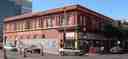
Open dedicated page →Directly ahead, look for a bold red two-story corner building with big “CHICAGO STORE” letters painted across its front-mural art and arched windows will help it stand…Read moreShow less
Directly ahead, look for a bold red two-story corner building with big “CHICAGO STORE” letters painted across its front-mural art and arched windows will help it stand out. Welcome to the J. C. Penney-Chicago Store Building! Imagine yourself back in 1903-horses clopping down the street, the air buzzing with talk of new hope as this building first opened its doors as the Los Angeles Furniture Co. Picture families peeking through grand windows, dazzled by furnishings they never dreamed of owning. Now, fast forward a few decades-by 1942, the J. C. Penney sign took its place, and the floors creaked under the steady march of customers chasing the latest fashion deals. In 1957, the Penney magic moved across the street, and the building welcomed the Aaronson Brothers, who tried their hand at the retail game. Finally, in 1967, the Chicago Store moved in, cramming the building with music-imagine trumpets and tambourines echoing through stamped tin ceilings and old, polished wood. This place was a time capsule of Tucson’s downtown, until the bittersweet sound of hammers and saws gutted the inside from 2020 to 2022. It’s a building shaped by dreams, ambition, and maybe a little bit of mystery-just think of all the secrets these walls have heard over more than a century!
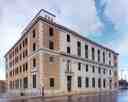
Open dedicated page →Look ahead for a stately, square-shaped building with creamy limestone-colored walls, bright terracotta trim, and rows of tall windows-just across the street and proudly marked…Read moreShow less
Look ahead for a stately, square-shaped building with creamy limestone-colored walls, bright terracotta trim, and rows of tall windows-just across the street and proudly marked “United States Court House” near the top. Right now, you’re standing before a living slice of Tucson’s storied past! The James A. Walsh United States Courthouse may look like it’s keeping secrets behind its dignified Neoclassical face, but trust me, it’s got quite the tale-full of political wrangling, missed deadlines, and, believe it or not, a gas station or two. Imagine Tucson over a century ago, when the area around this very spot buzzed with anticipation. Back in 1910, Congress finally decided Arizona was worthy of statehood. Cue the confetti, right? Well, almost… They also approved the plan to pick a spot for a grand post office in Tucson-although for the next 20 years, Uncle Sam seemed to run on desert time. Every time Congress dragged its feet (which was often), the city of Tucson took action and even bought the perfect plot of land in 1911, eager to gift it to the federal government. But then, oh-the drama! It turns out that Congress decided to hit pause on building anything new. There was a moratorium, and while the feds twiddled their thumbs, the empty lot practically became the Swiss Army knife of Tucson, with businesses and a gas station popping up for a few years. Imagine-judges and lawyers now stroll across floors where “Fill ’er up!” once echoed. But at long last, in 1926, the moratorium lifted, and finally, in 1928, money appeared for design and construction. The Office of the Supervising Architect-under a fellow named James A. Wetmore-put together a Neoclassical dream with just a hint of Mission style, nodding respectfully to Arizona’s Spanish heritage. The result? The building you see before you-a boxy, powerful beauty finished with ornate terracotta, slender columns, and a truly impressive classical front that just dares you to walk up to its broad doors. Take a good look at the corners-those chunky terracotta quoins-almost like the courthouse is wearing a fancy suit with reinforced elbows! If we stood here on September 19, 1930, you would have seen Tucsonians in Sunday best, streaming in for the grand opening. Back then, the first floor was all humming post office action: letters, telegrams, coins clinking in brass tills, and the hope of airmail from faraway places. For decades, this was the beating heart of local communications, reporting everything from birthdays to broken hearts. But life in court is rarely still, and neither is this building. In the 1970s, the post office packed its bags for a new home, and the courtroom drama moved downstairs. The lovely, sunlight-drenched lobby where postmasters once greeted their neighbors was turned into a jury assembly room. Even the original skylight was covered up-though, don’t fret! When renovations swept through in the 2000s, many beautiful touches returned, like the basketweave-patterned terracotta floor tiles, smooth marble, and even those stately plaster crowns on the ceilings that turn every jury pool into a regal occasion. Through these walls echoed some of the most important cases in southern Arizona history: for most of his 29 years here, Judge James A. Walsh was the lone federal judge stationed in Tucson-talk about job security! The building took his name in 1985 as a tribute. In 2000, the U.S. District Court headed to a newer home, but this landmark wasn’t ready for retirement. No, sir! The U.S. Bankruptcy Court moved in, and by 2008, with major restoration work finished, the building had a new lease on life-all while preserving the fancy courtroom woodwork, high-beamed ceilings, and stenciled patterns that would make even the strictest judge smile. And there’s something else magical about this site. Even as the world outside changed, the courthouse kept most of its grand 1930 face intact. The Primary (South) Facade remains the showstopper, with double entryways sporting dramatic stone surrounds and two rows of tall, shapely pilasters. Look up for stylized eagles peering out between the top windows, almost like the building’s personal security detail! So, as you stand here and feel the hush of legal histories and long-gone mail counters, try to imagine how many moments-both thrilling and tense-have echoed between these stone walls. This is truly Tucson’s best-preserved example of Depression-era architecture, and it still stands watch over the city’s ever-changing stories. And hey, if walls could talk, I bet these ones would ask you if you have any overdue library books!
Open dedicated page →You’re looking for a tall ten-story building with a classic feel-check out those creamy terra cotta details and brown brickwork stretching along Stone Avenue and Congress Street,…Read moreShow less
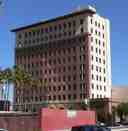
You’re looking for a tall ten-story building with a classic feel-check out those creamy terra cotta details and brown brickwork stretching along Stone Avenue and Congress Street, capped by a distinctive overhanging roof and bordered by soaring palms. Alright, here you are! Imagine standing on this very corner almost a century ago-Tucson’s streets buzzing with dreams, dust, and maybe the odd cowboy boot slipping during monsoon season. Before you rises Tucson’s oldest skyscraper, the mighty Valley National Bank Building, which first pierced the skyline in 1929. If you think today’s rents are high, try building a skyscraper back then for a cool million dollars! That’s right, when this ten-story giant opened, folks were so impressed, they might’ve needed to sit down…and fortunately, there was plenty of room in the original grand banking hall. Long before this elegant tower dominated the corner, banking began here in 1901 when the site was snapped up from General Levi Howard Manning-yep, the general himself. In those days, the very first building was designed by Henry Trost, but as Tucson grew, it simply couldn’t contain the city’s riches (or its big dreams), so it was torn down for something grander…and then, in a twist, that second building was too small too! What can I say, Tucsonans always aim high, especially in hats and architecture. Fast forward to 1928. Consolidated National decides Tucson needs something truly bold-a skyscraper, inspired by the flagship designs of the great 1893 Columbian Exposition in Chicago. It channels the Italian Renaissance Revival: that’s why you see those lush terra cotta trims, the cream and brick contrast, those gentle arches at the base, and even a cornice with Italianate panache. Peek near the roof and you’ll spot a black-and-red Southwest geometric motif, a nod to local native patterns. So yes, this bank made sure it had plenty of style to spare. Inside, it was a wonderland of art and luxury. Imagine stepping in to see murals painted by Anthony Heinsbergen, one of LA’s finest muralists, who adorned the lobby with scenes of manifest destiny and floral motifs celebrating America as “New Eden.” The beams were meticulously carved and painted with golden leaves, reds, greens, and blues. There was even a special director’s office walled in rare Bataan mahogany and a lounge catering specifically to ladies, trimmed with sparkling crystal chandeliers. And the vault? It held 3,000 safety deposit boxes. That’s a lot of family jewels…or perhaps just Tucson’s best collection of secret cookie recipes. Over time, the bank changed hands-Valley National out of Phoenix swept in during 1935, eventually merging into the big Bank One, and then Chase. The building kept hustling as a bank branch until the doors closed in December 2023, ending a chapter that spanned nearly a hundred years. Oh, and for movie buffs-parts of the 1956 thriller A Kiss Before Dying were set right here, so keep a lookout; you never know when Hollywood will sneak through Tucson again. Would you believe, underneath all this, it’s still a fortress: fireproof steel frame, poured concrete, and meant to stand forever. So as you gaze up now, you’re not just seeing a building; you’re witnessing Tucson’s ambition-brick by brick, mural by mural, even chandelier by chandelier. If only these walls could talk! Who knows what stories of fortunes, fiascos, and furtive glances have passed through those marble halls? Welcome to the crossroad where Tucson’s history, art, and money once mingled-sometimes with a handshake, sometimes with a secret code. Shall we mosey on to the next stop?
Open dedicated page →To spot the Fox Tucson Theatre, look for a tall black sign that proudly announces "FOX" in bold, white letters jutting out above a creamy Art Deco-style building, sitting right…Read moreShow less
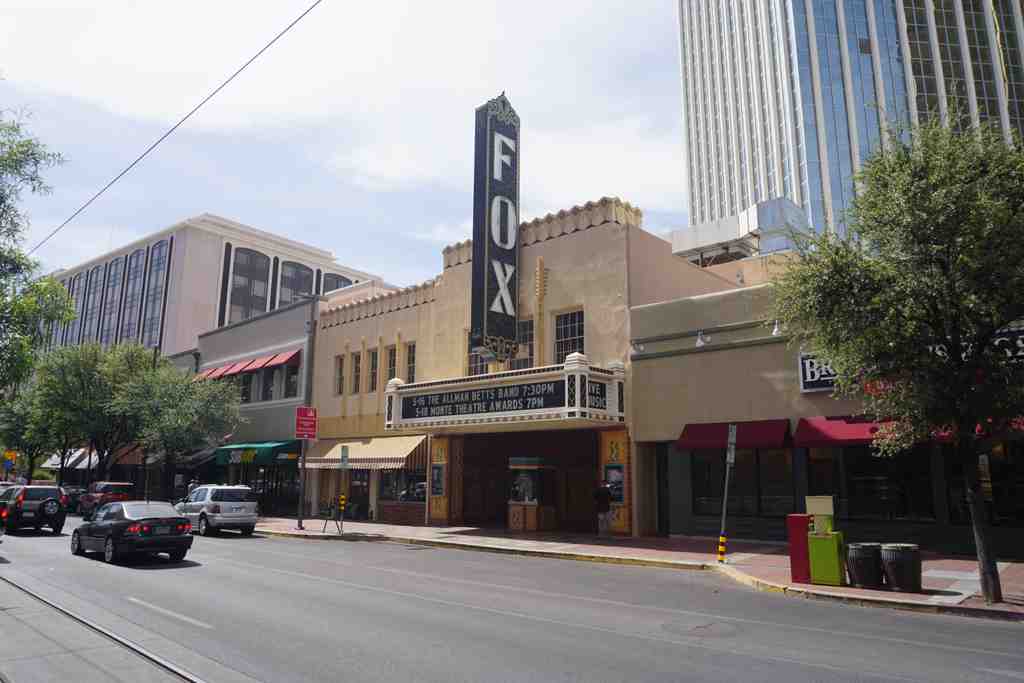
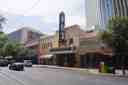
To spot the Fox Tucson Theatre, look for a tall black sign that proudly announces "FOX" in bold, white letters jutting out above a creamy Art Deco-style building, sitting right along Congress Street. Take a step closer to this dazzling piece of Tucson’s history and imagine downtown buzzing just like it did in 1930. Picture warm desert air, the slick shine on Congress Street reflecting festival lights, and a crowd so excited they could barely stand still-because on April 11th, 1930, the Fox Tucson Theatre opened its doors for the very first time. No kidding, it was the biggest party Tucson had ever seen: four live bands ringing out across the street, a live radio broadcast capturing the excitement, and folks doing the Charleston thanks to the freshly waxed street! They even handed out free trolley rides. I guess nobody was worrying about stepping on toes that night! But, let’s rewind just a little. The Fox was originally going to be called “The Tower” and was cooked up by Tucson’s theater-loving Diamos family as part of their Lyric Amusement chain. Well, along came the Fox company with a deal the Diamos family just couldn’t refuse-you know, like when you’re trying to hang on to the last piece of cake at a party and someone offers you a whole bakery instead. So, the Fox folks bought it, hired the former owners to manage it, and raised the bar for movie palaces in the whole Southwest. In fact, the Fox Tucson Theatre is the only Southwestern Art Deco movie palace of its kind-so take an extra look at the details, especially that stunning marquee. From its earliest days, the Fox was a dual-purpose venue, built for both vaudeville and those brand-new “talkie” movies. There were plans for a massive stage and dressing rooms, but the Great Depression had other ideas. In the scramble to finish, the budget ballooned and some spaces, like the dressing rooms under the stage, never got completed. Even so, the Fox stage still became the heart of Tucson’s entertainment scene, packed to its 1,200-seat limit for movies, community events, and even the ever-popular Mickey Mouse Club. Imagine the giggles, the hush when the lights fell, and, yes, the cheers for those early cartoons. But, just as in the movies, there’s always a twist. Despite the joy inside, not everyone got to sit where they wanted-the sad truth is the rest of programming was segregated and African American moviegoers were limited to the back balcony. It’s a somber reminder of our history, echoed by longtime Tucsonians like Flyod Thompson. For forty lively years, this theater dazzled the city, but a new reel started spinning: competition from other theaters and televisions flickering to life in living rooms meant fewer ticket stubs. The grand Fox closed its doors in 1974. Then came a long, dusty silence. The building fell into disrepair, unused and unloved for 25 years-a ghostly shell of its former glory, even housing more than 40 homeless people at its lowest point. But Tucson loves a comeback story! After long negotiations, a community group, the Fox Tucson Theatre Foundation, bought the building in 1999 for a quarter of a million dollars and rolled up their sleeves for a top-to-bottom rescue mission. Water damage, vandalism, peeling decorative plaster, missing lights-you name it, they fixed it. With public and private funding, plus a very creative use of historic tax credits, the Fox was restored piece by piece over six years, including that one-of-a-kind “Acoustone” sound treatment that makes the acoustics here so special. By New Year’s Eve 2005, the Fox swung its doors open once again, shining brighter than ever. Nowadays, over 100,000 people pour in every year to catch everything from ballet to jazz, local kids’ recitals to national rock bands. Whether it’s a kids’ matinee or a glitzy night out, the Fox threads together decades of Tucson memories and proves that, a little like an old movie hero, you can never keep a good theater down for long. So, maybe strike a pose and imagine your own name in lights-who knows what magic you’ll see here tonight!
Open dedicated page →Look for an 11-story building with bold, vertical stripes of glass and white, and spot the large “PIONEER” lettering running up the corner-when you see those reflective windows…Read moreShow less
Look for an 11-story building with bold, vertical stripes of glass and white, and spot the large “PIONEER” lettering running up the corner-when you see those reflective windows towering above street level, you’ve found the historic Pioneer Hotel! Alright, take a good look up-you’re standing in front of one of Tucson’s most storied towers. If you had visited in 1929, you’d have probably had to dodge a parade of fancy hats and tuxedos, because the Pioneer Hotel was the glittering social hotspot of its time! Designed by Roy Place with elegant Spanish Revival touches, it quickly soared, both literally and socially, as Tucson’s first high-rise. Believe it or not, this place once held the largest ballroom in the entire country. Imagine the music, laughter, and the swish of ballgowns echoing across the marble floors-Tucson’s elite danced the nights away right above your head. Back in those days, the penthouse was home to Harold and Margaret Steinfeld, bigwigs who owned a bustling department store downtown. From their rooftop perch, they could gaze out over the city’s lights, surely never imagining the twist their fates would take. But we'll come back to that in a moment-hold on to your hat! In the mid-20th century, the Pioneer was where business cut deals by day and parties reigned by night. But just as this sparkling landmark shone its brightest, darkness fell in December 1970. Shortly after midnight, the unthinkable happened-a roaring fire broke out, consuming the upper floors as guests scrambled for safety. This tragic blaze became Arizona’s deadliest, claiming the lives of 29 people, including the Steinfelds themselves. The whole city woke to sirens and heartbreak that morning. For years, mystery and controversy swirled around that night. A teenager, Louis C. Taylor, was blamed for starting the fire, convicted by an all-white jury amid a city tense with racial strife. But later evidence showed things might not have been so simple: today’s investigators, with all their forensics know-how, can’t even pin down the cause. Taylor had actually helped rescue guests, banging on doors and pulling people to safety before being swept up by suspicion. The fire changed everything. The building was stripped of much of its old Spanish Revival splendor, "modernized" in the 1970s and 1980s to reflect the tastes of a new era-out went the ornate stonework, in came the reflective glass strips you see now. The rooftop terrace arcade disappeared. Even the soaring lobby was reconfigured, but the stories-and a sense of awe-never left. Since then, the Pioneer’s seen developers come and go: extensive remodeling, new metal frames, and business deals stacked as high as its floors. And now, as of May 2024, it’s getting another makeover by its new owners, with fresh renovations promised for the lobby and common spaces. So, as you gaze up at those striped walls and shining windows, know you’re seeing layers upon layers of Tucson’s past-a place of glitz, tragedy, reinvention, and a touch of mystery. Makes you wonder, doesn’t it? What would those walls say if they could talk… or maybe even whisper at midnight…
Open dedicated page →To spot the Presidio San Agustín del Tucsón, look for the sturdy, sand-colored adobe walls forming a square with battlement tops on the corner, nestled right along the street,…Read moreShow less
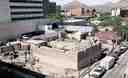
To spot the Presidio San Agustín del Tucsón, look for the sturdy, sand-colored adobe walls forming a square with battlement tops on the corner, nestled right along the street, surrounded by modern buildings but distinctly old-fashioned with cactus fencing and a blocky, fortress-like appearance. Alright, take a step closer and get ready to step way, way back in time! Imagine it’s the summer of 1775. The hot desert sun beats down, and a group of Spanish soldiers, led by Captain Hugh O’Conor - who, fun fact, was actually an Irishman working for Spain - set up camp on this very spot, picking it for its grand view over the Santa Cruz River. Maybe O’Conor had an eye for real estate! Of course, he didn’t come alone: right nearby sat the O’odham village of Cuk Ṣon, which means “black base,” named after the dark roots of Sentinel Peak. That’s where Tucson gets its name. At first, this was no castle. It started as a scrappy cluster of buildings with just a wooden fence. The Spanish had big dreams, but like many projects, the fancy adobe walls went on hold because, well, someone forgot to handle the budget. Typical, right? Plans moved slowly until their enemies, the Apaches, showed up in 1782, thundering in for a raid. Picture the shouting, hurried footsteps, and the sudden clamor as the soldiers scrambled to defend their new home. That was enough motivation - the walls finally went up, thick and sturdy, with towers on the corners and a busy interior lined with homes, horses, and stores. Through the years, the Presidio saw just about everything: tense standoffs, celebrations, desperate repairs when raids were rumored, and the lively bustle as Spanish, O’odham, Pima, and other native peoples worked together - or sometimes, against each other - to survive. This spot stayed alive even when others faded from the map, with Tucson’s small population never quite hitting 500, but busy enough to send expeditions into what they called “Indian country.” The fort’s defenders were outnumbered, outgunned, but stubborn as desert rocks. Fast forward to 1821, and just as Mexico wins independence, Tucson’s Spanish soldiers shrug, switch sides, and serve a new flag - think “same office, new boss.” Tucson still had lots of Native residents; in fact, up to three-quarters of the town was Native American during this period. Everyone faced tough times: food ran short, supplies from Mexico City rarely made the journey, and the powerful Apache kept the town on its toes. Sometimes, Tucson stood as one of the last safe spots in hundreds of miles! War came again in 1846. The U.S. Army’s Mormon Battalion approached, and for a minute, it looked like there might be a firefight. But the Mexican commander pulled back, and the presidio saw another change of hands, as flags went up and down on the dusty plaza. After the U.S. bought the land in the Gadsden Purchase, the Americans took over, and Tucson grew into the Wild West town you see in the movies - mining boomed, scandal pulsed through town, and every character from outlaws to prospectors left their mark. The presidio walls, though, began to disappear, stones pulled down here and there for new buildings or, rather less glamorously, a parking lot. But you can’t keep history buried forever. Just when everyone thought it was lost, local archaeologists and determined citizens revealed the remains of the northeast corner - and in 2007, the walls you see now were rebuilt, brick by brick, on the spot where those Spanish soldiers once held their breath and kept a wary eye on the horizon. Today, if you listen during special Living History Days, you might hear the echo through old adobe again. It’s no longer a stronghold against raids, but a place where Tucson’s story - full of drama, danger, unlikely alliances, and ancient traditions - is celebrated, just waiting for new explorers like you to wander in. The city grew up around these walls, shaped by hundreds of years of adventure, survival, and community. So take a look at those thick adobe barriers; they may seem quiet now, but they’ve heard just about every sound Tucson has ever made. And, hey - unlike the original Spanish, you get to leave when you want, and there’s no dress code!
Open dedicated page →

Frequently asked questions
How do I start the tour?
After purchase, download the AudaTours app and enter your redemption code. The tour will be ready to start immediately - just tap play and follow the GPS-guided route.
Do I need internet during the tour?
No! Download the tour before you start and enjoy it fully offline. Only the chat feature requires internet. We recommend downloading on WiFi to save mobile data.
Is this a guided group tour?
No - this is a self-guided audio tour. You explore independently at your own pace, with audio narration playing through your phone. No tour guide, no group, no schedule.
How long does the tour take?
Most tours take 60–90 minutes to complete, but you control the pace entirely. Pause, skip stops, or take breaks whenever you want.
What if I can't finish the tour today?
No problem! Tours have lifetime access. Pause and resume whenever you like - tomorrow, next week, or next year. Your progress is saved.
What languages are available?
All tours are available in 50+ languages. Select your preferred language when redeeming your code. Note: language cannot be changed after tour generation.
Where do I access the tour after purchase?
Download the free AudaTours app from the App Store or Google Play. Enter your redemption code (sent via email) and the tour will appear in your library, ready to download and start.
If you don't enjoy the tour, we'll refund your purchase. Contact us at [email protected]
Checkout securely with 




