
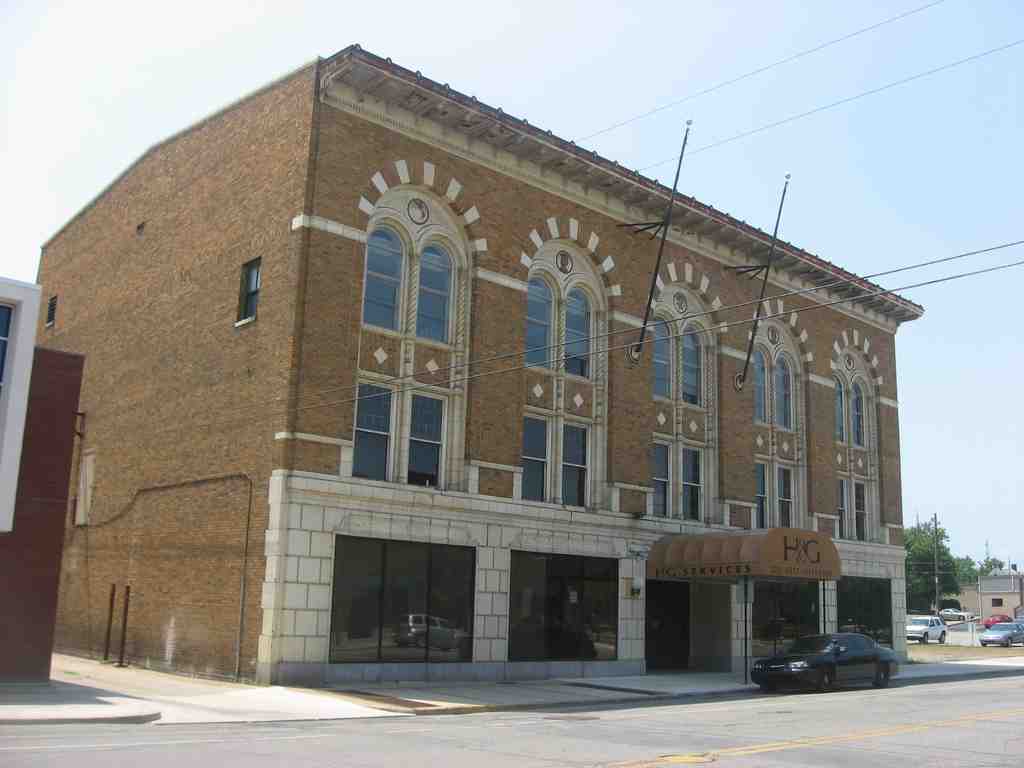
On your left stands a three-story red-brick clubhouse trimmed with pale terra cotta, marked by round-arched windows and fan-shaped brickwork spreading above each arch.
This building began in nineteen twenty-four as the South Bend home of the Knights of Columbus, a Catholic fraternal order that wanted something grand and confident for its local headquarters. The Lafayette architects Nicol, Scholer, and Hoffman gave them exactly that in the Renaissance Revival style, borrowing the balance and dignity of older Italian buildings. Those arched openings are the clue: the wedge-shaped bricks around them, called voussoirs, radiate outward like a small sunburst.
In the app, the full facade and side wall work together, giving the club a formal, almost ceremonial presence.
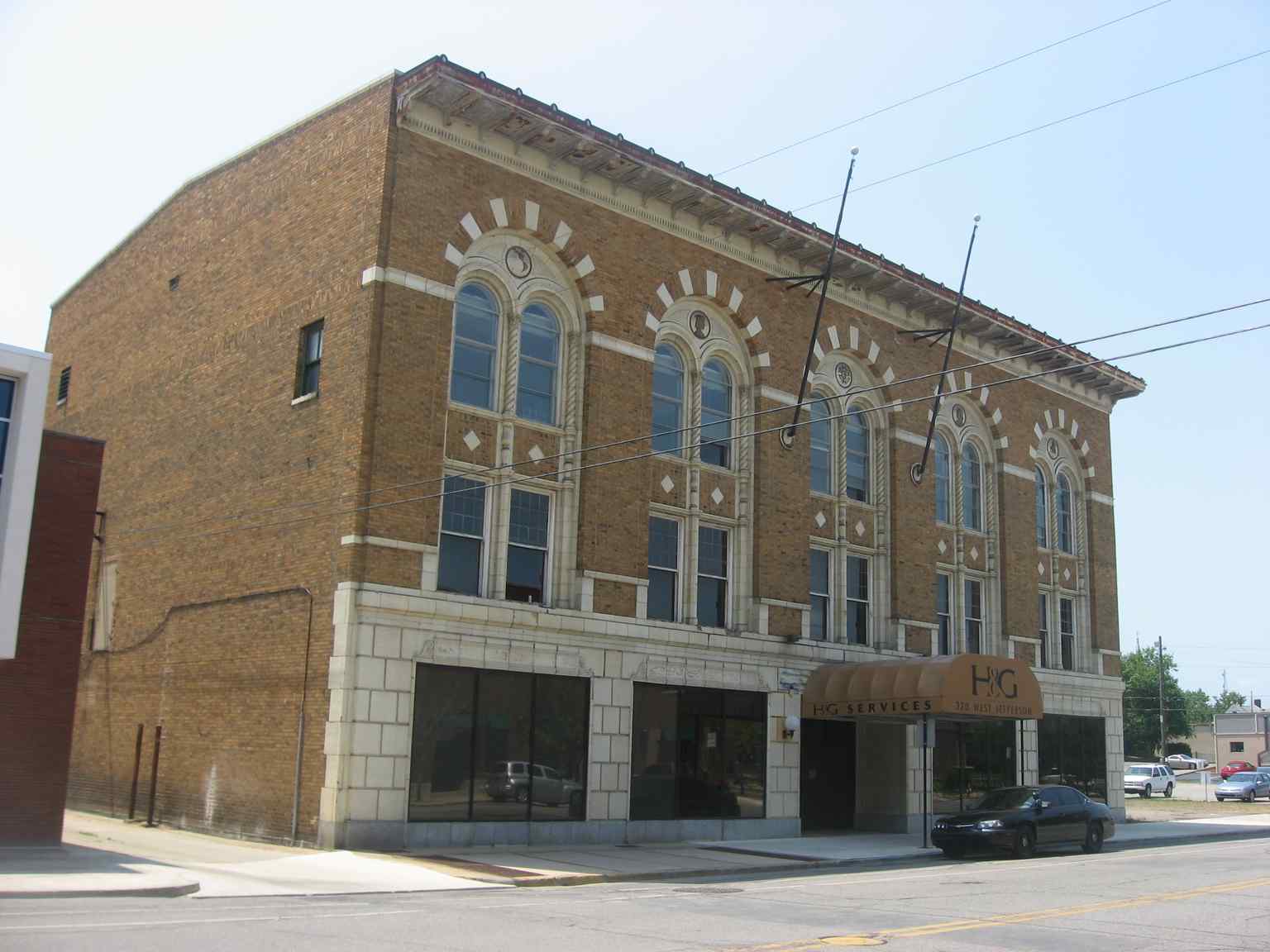
Its first chapter was festive. The Knights opened the place on New Year’s Eve, nineteen twenty-four, as a polished gathering hall for dinners, meetings, and fraternity life. But in April of nineteen thirty-six, the story shifted dramatically. Union delegates packed into these rooms for the first convention held under the new banner of the International Union, United Auto, Aircraft and Agricultural Implement Workers of America, the U-A-W. Months later, workers at nearby Bendix launched the nation’s first sit-down strike, and American labor history changed course.
The building changed hands in nineteen thirty-nine, when the Indiana Club, a businessmen’s organization founded in eighteen ninety-two, bought it. After foreclosure in nineteen seventy-six, it became Pardner’s Nightclub in the nineteen eighties, even hosting hard rock concerts. Since then, it has stood as both survivor and question mark.
It is a splendid building with an unusually restless past. When you are ready, carry on toward the next stop.





