
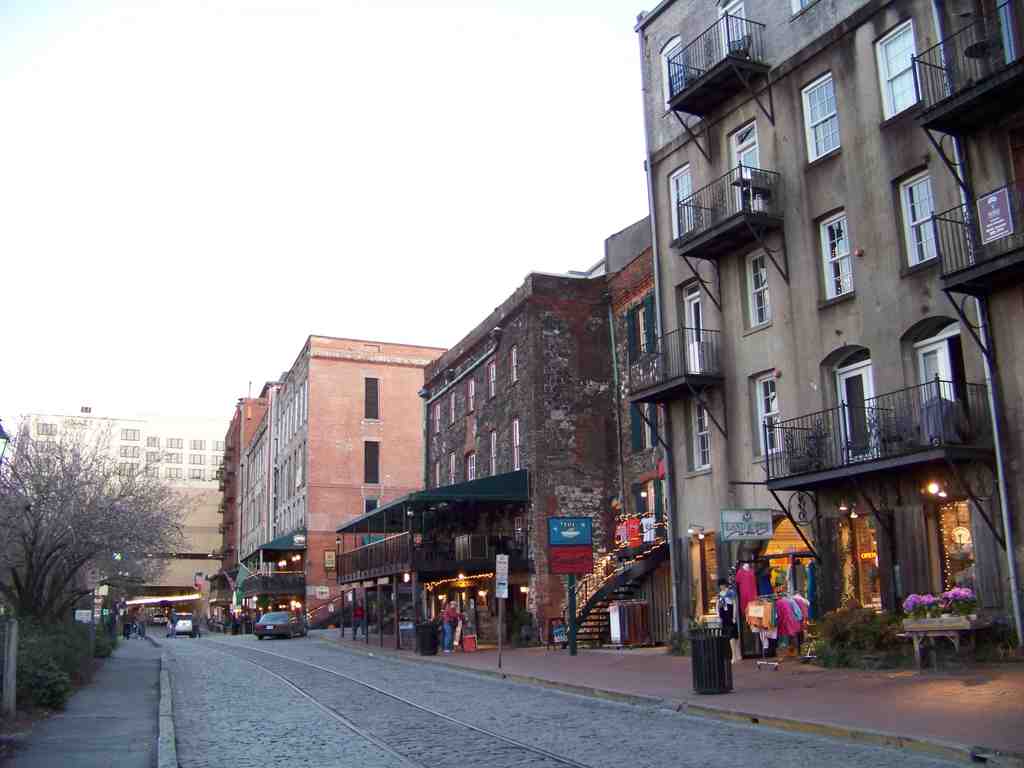
Look down this cobblestone street lined with towering multi story buildings made of aged stucco and rugged brick, their facades wrapped in distinctive black iron balconies. Welcome to the Savannah Historic District! This massive preservation area owes its orderly feel to the Oglethorpe Plan from 1733. James Oglethorpe designed the city using wards. Each ward had a beautiful central square flanked by trust lots, which were plots of land set aside for civic buildings like churches. Then you had the tythings, blocks subdivided into residential homes.
Wandering this grid is like stepping back in time, but the cost of preservation was steep. Buildings like the elegant Davenport House were nearly bulldozed into parking lots before locals banded together to save them. Yet, preservation here goes deeper than just saving pretty architecture. Beneath the surface, Savannah's historic spaces often served as secret sanctuaries for those escaping persecution or slavery, acting as a hidden refuge for those seeking freedom.
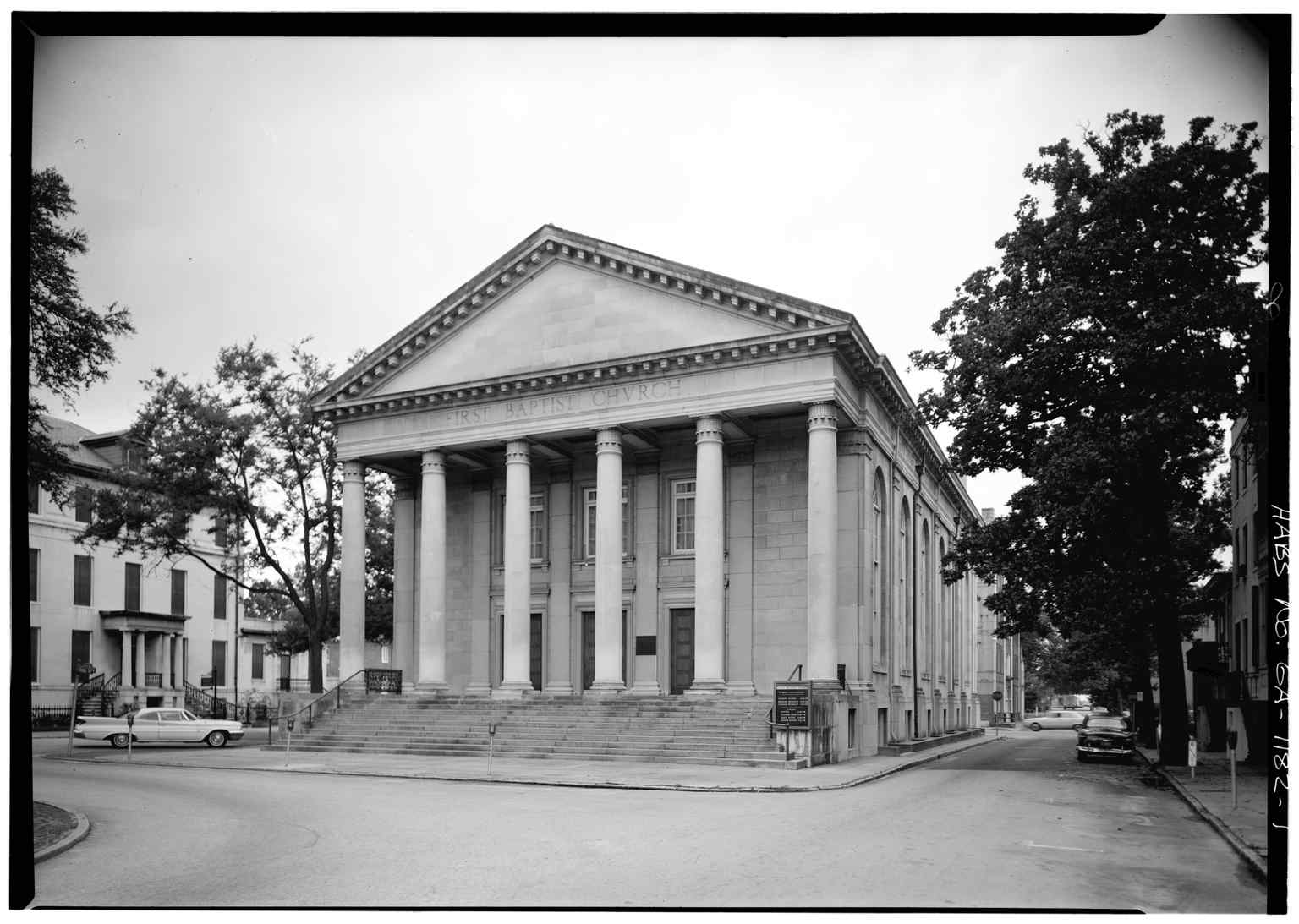
The most powerful example is the First African Baptist Church. Take a look at your screen to see the 1933 exterior of this sanctuary. Founded in 1788 by Andrew Bryan, a man who purchased his own freedom, the current structure was completed in 1859. It was built by free African Americans and enslaved people who molded the bricks by hand after laboring in the fields all day.
Beyond its religious significance, this church operated as a vital stop on the Underground Railroad. To protect everyone involved, no written records were kept. Instead, the building itself held the codes. The ceiling featured a Nine Patch Quilt design, a subtle architectural pattern designating the church as a safe house.
The most ingenious concealment lay beneath the sanctuary floorboards, in a four foot high space where runaway slaves hid. The floor featured holes shaped like a Congolese Cosmogram, an African prayer symbol representing birth, life, death, and rebirth. While they looked decorative, they were actually breathing holes for the people hiding below. Up in the balcony, pews nailed to the floor by enslaved members still bear faint carvings of West African Arabic script.
Savannah was a city of deep contrasts, relying heavily on the grueling labor of Irish immigrants to load ships with cotton. You can actually see how beautifully the striking red brick Cotton Exchange has been preserved on your app, standing firm as the riverfront evolved.
It leaves you marveling at the sheer courage required to hide such a massive secret in plain sight. Keep that in mind as we head to the Cathedral Basilica of St. John the Baptist, just a three minute walk away. By the way, the main sites here are generally open from 9 AM to 5:30 PM every day.




