
You are looking at a massive concrete and brick structure defined by wide, flat facades and strict geometric lines. Welcome to the Savannah Civic Center, a place that perfectly captures how a city wrestles with its own ghosts. This site is a fascinating collision of glamorous pop culture and deeply tragic losses.
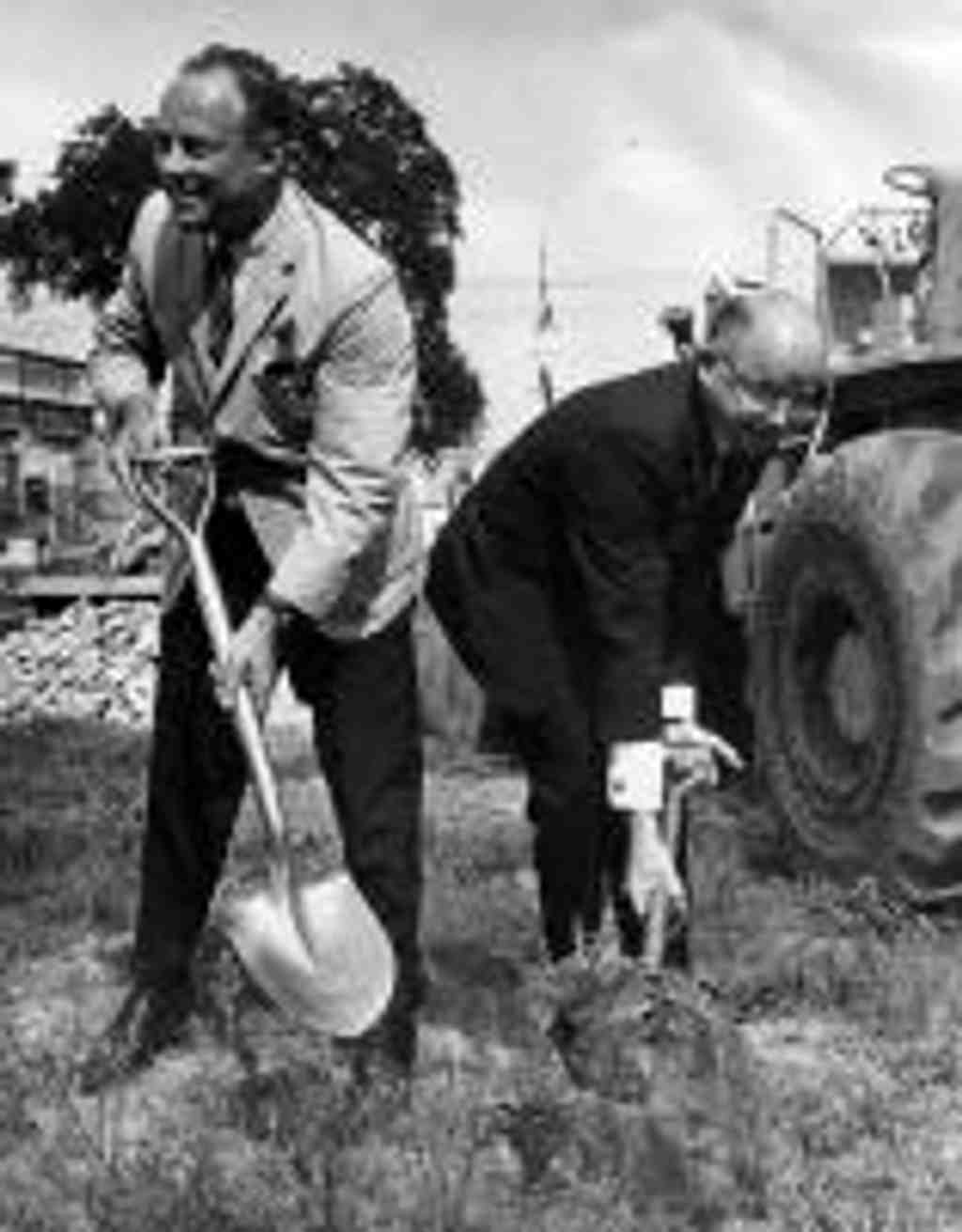
Let us go back to the 1970s. Savannah leaders wanted a modern, multi-purpose facility, embracing a New Formalist architectural style, which is a mid-century design trend that prized wide, open spaces and enormous parking lots over historical charm. To build this massive seven-acre complex, they spent 7.9 million dollars, which is roughly forty-five million today. But the cost of preservation, or rather the lack of it, was devastating.
At the time, the Historic District Ordinance was not yet in place to protect the area. Preservationists watched in absolute outrage as bulldozers obliterated the historic fabric of the city before modern protections existed. To lay this concrete footprint, they destroyed two original city wards and Elbert Square. This violently disrupted the Oglethorpe Plan, Savannah's world-renowned grid system of interlacing streets and public squares. It also created a literal physical and cultural barrier between downtown and the predominantly Black neighborhoods of West Savannah.
Even earlier, this very ground was home to the 1819 Archibald Bulloch House. That masterpiece was designed by William Jay, a brilliant architect whose innovative, sweeping mansions helped define Savannah's early beauty, yet his work here was completely lost to this massive footprint.
But once the doors opened, this controversial space became a vibrant hub of entertainment. Picture the absolute electricity in the air on February 17, 1977. Elvis Presley arrived to a sold-out crowd of eight thousand fans! Billed as Emperor Elvis, he strutted onto the stage in a form-fitting white suit featuring a dazzling sequined sun medallion on the back. Fans paid between ten and fifteen dollars, about fifty to seventy-five bucks today, to watch him play the piano on Unchained Melody and shimmy through Jailhouse Rock. The energy was so infectious that fans completely mobbed his hotel afterward, desperately hoping for a glimpse of the King just months before his tragic death.
Over the years, the building tried to honor Savannah's diverse voices. The theater was named for local legend Johnny Mercer, and the arena was named for civil rights icon Dr. Martin Luther King Jr. But the city recently voted to demolish the arena to finally restore the historic streets and squares that were destroyed in the seventies, while renaming the remaining theater complex to ensure Dr. King's legacy here is not erased.
It is wild to stand here and ponder the heavy cost of urban progress, where concrete replaced architectural masterpieces. Let that sink in as we head to a much quieter mystery. The famous Bird Girl statue is just a five minute walk away.




