
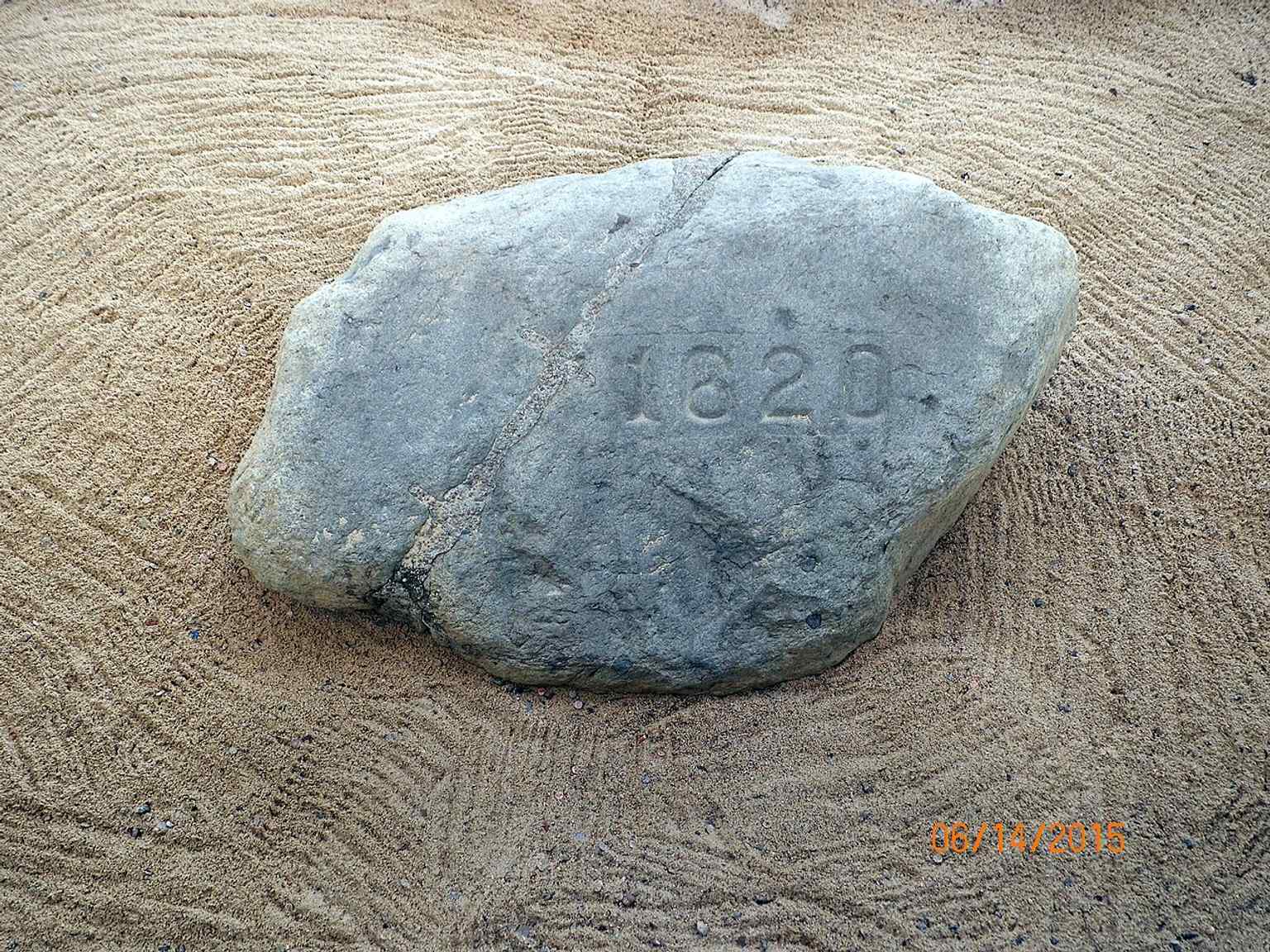
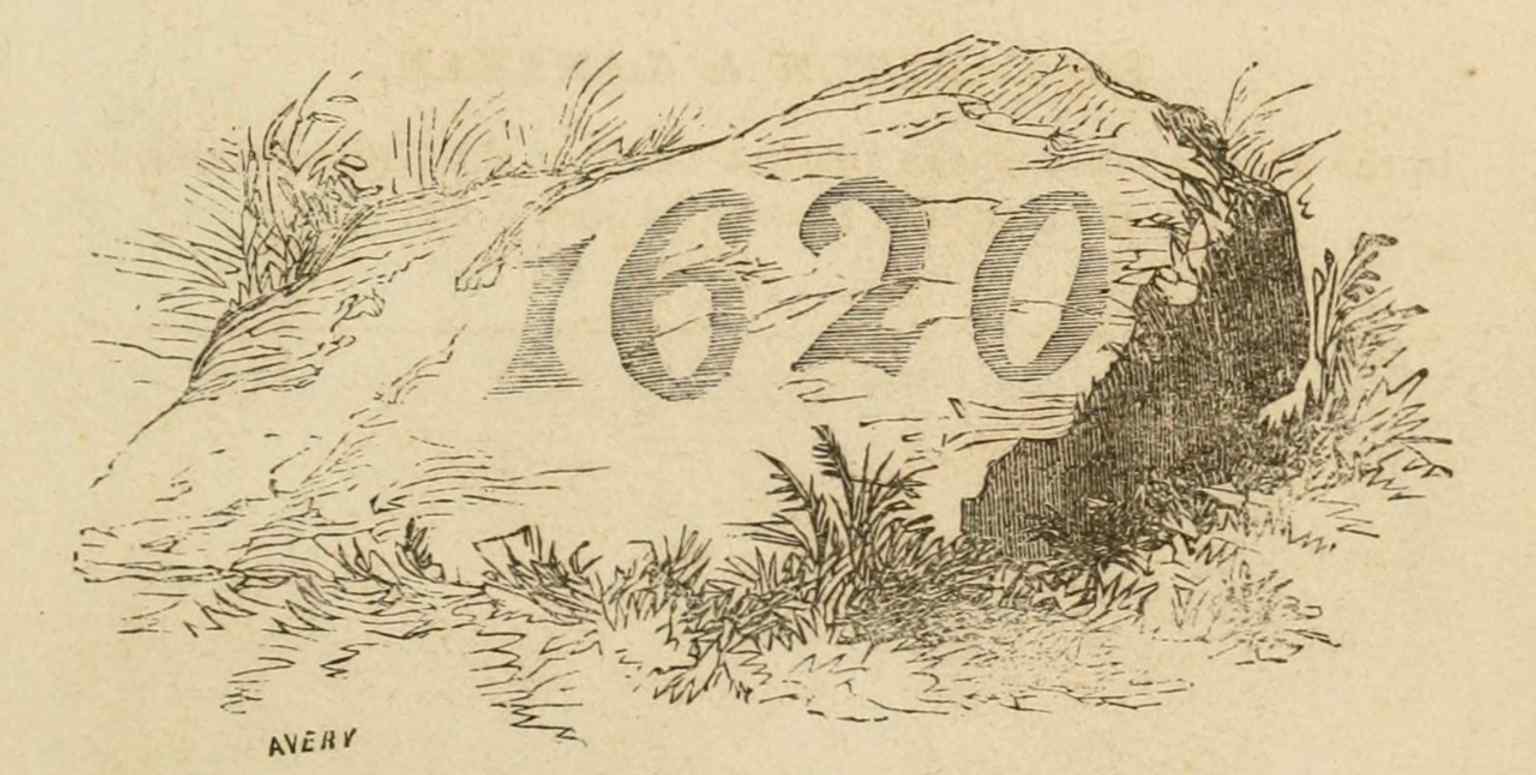
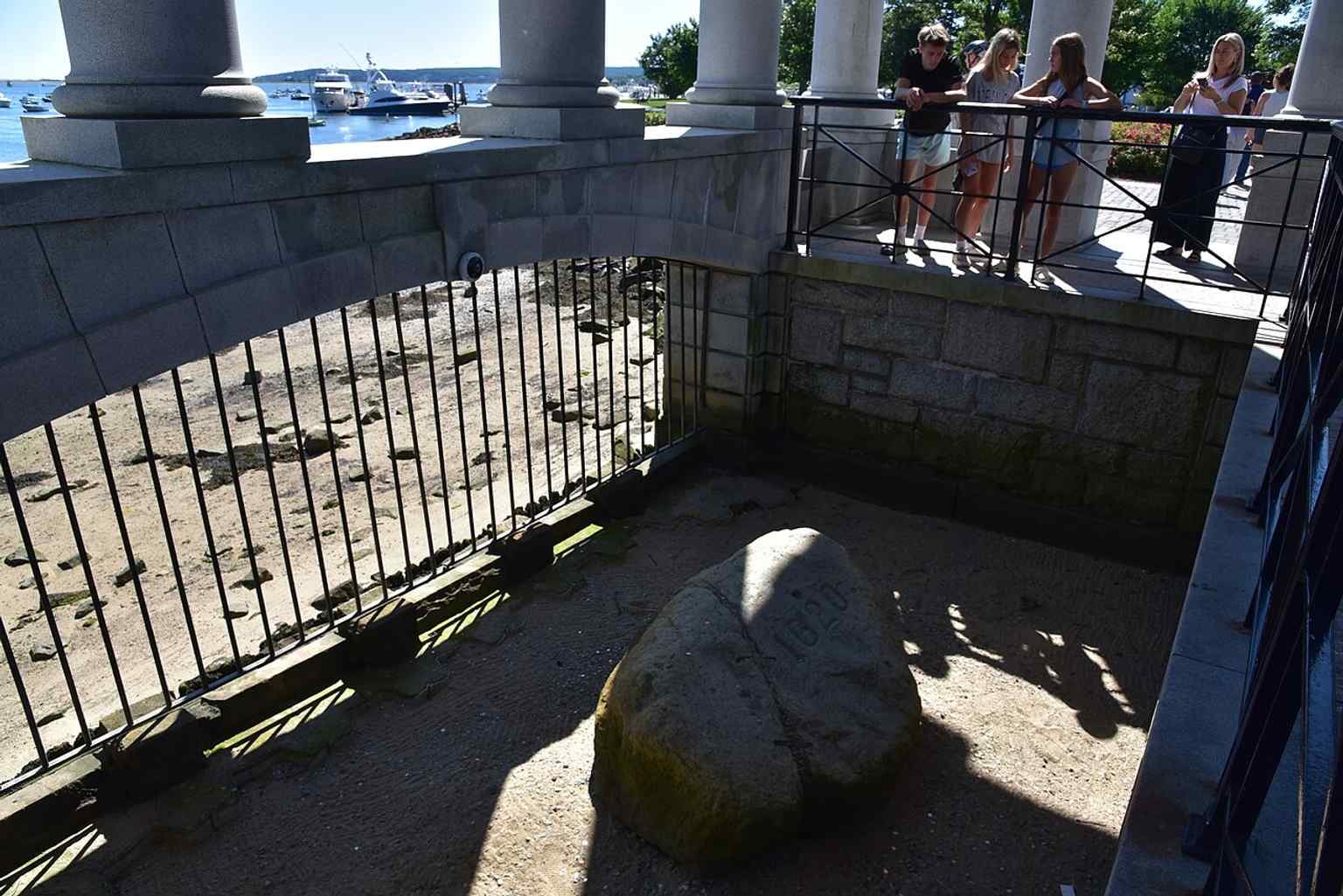
On your left is Plymouth Rock. You will see a large, roughly oval grey boulder resting in the sand, defined by a heavy diagonal seam where it was repaired and the date sixteen twenty deeply engraved into its surface.
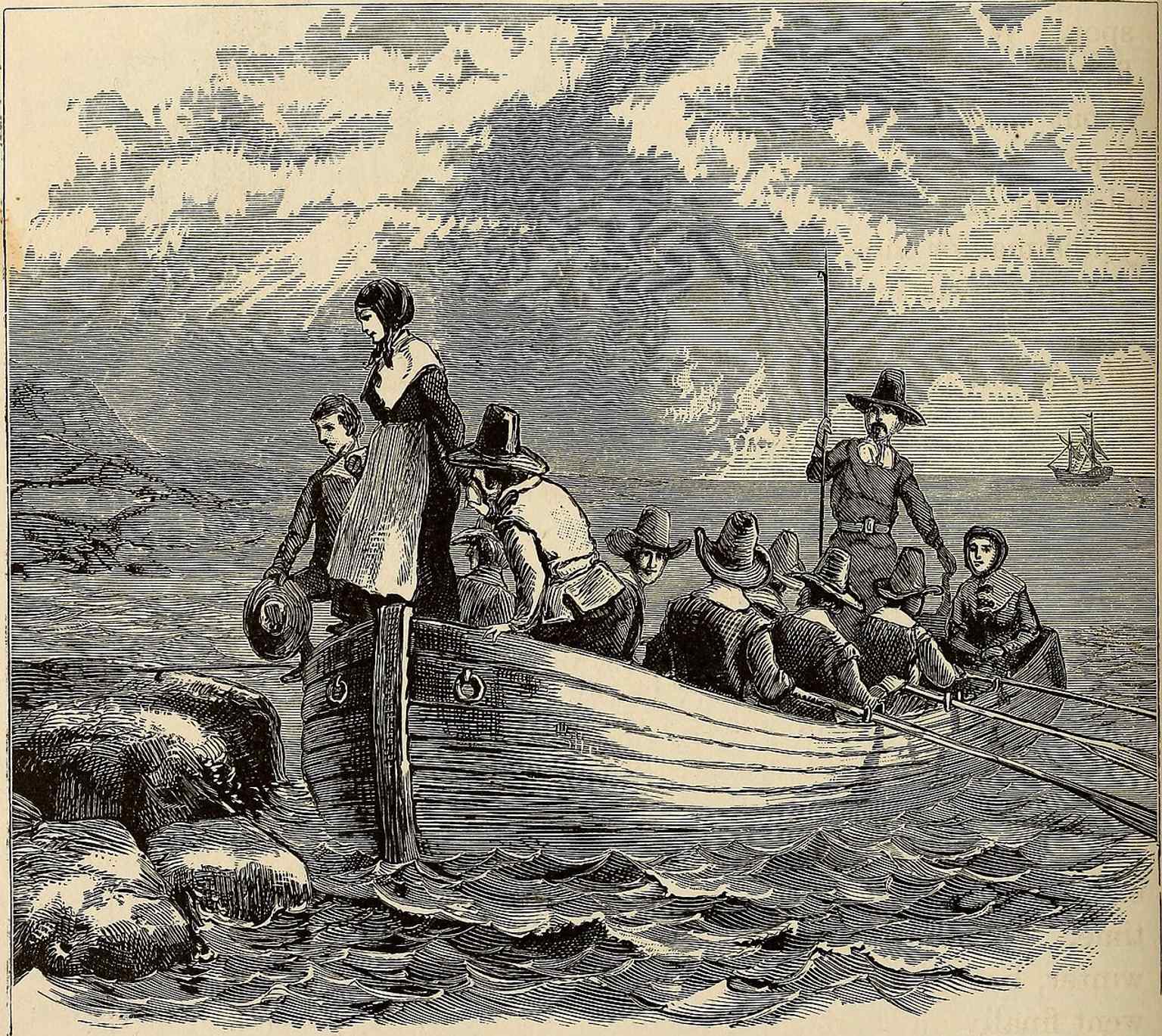
For a stone of such monumental fame, it might seem surprisingly small. The Mayflower Pilgrims actually never wrote about this rock. In the foundational writings of Edward Winslow and William Bradford, there is no record of stepping onto this specific granite boulder. In fact, they had already landed and explored Provincetown a month earlier.
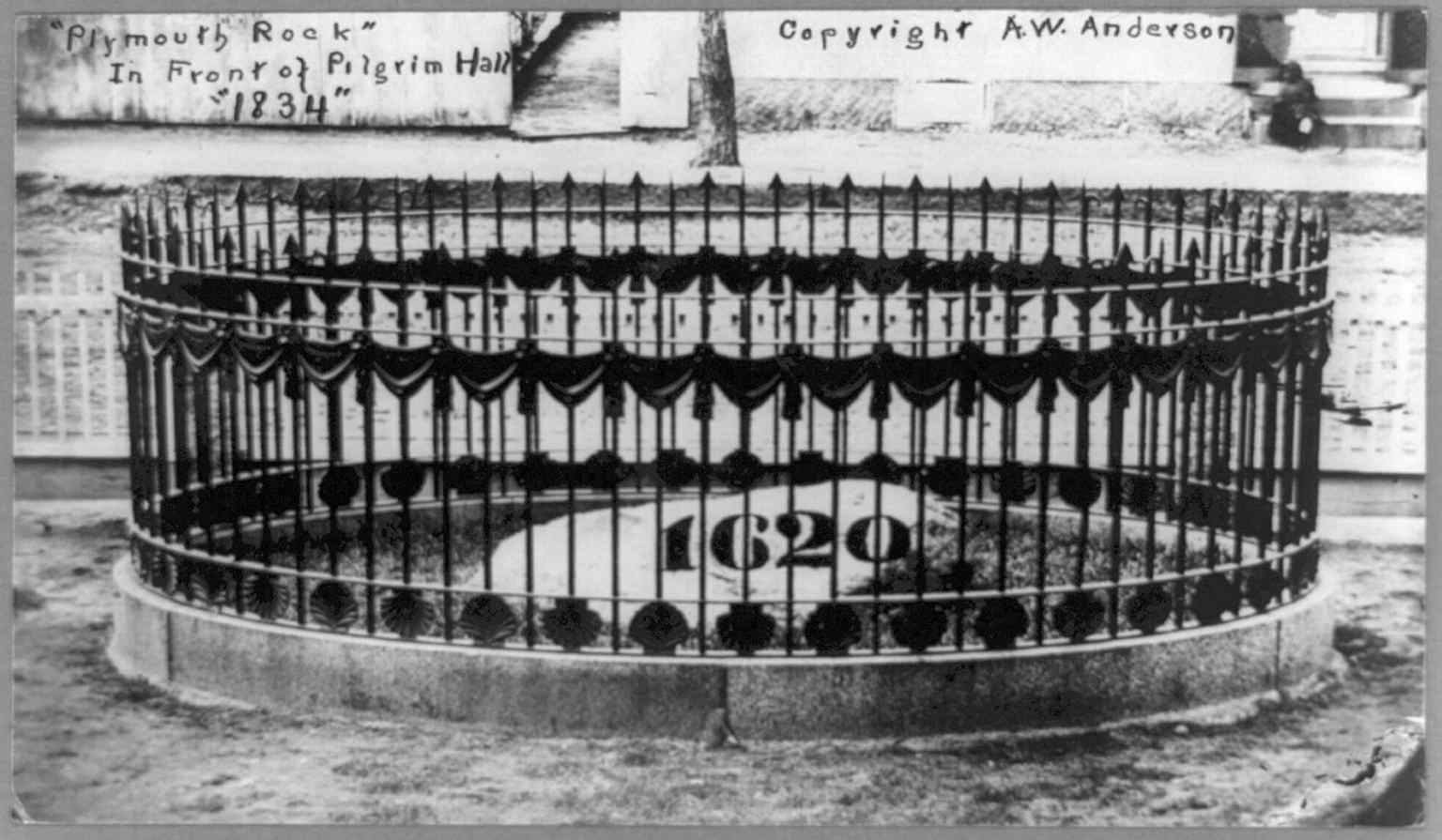
The story we know did not begin until one hundred twenty-one years later. In seventeen forty-one, the town planned to build a wharf over this exact spot. Hearing this, a ninety-four-year-old church elder named Thomas Faunce caused quite a stir. His father had arrived in sixteen twenty-three, and Faunce claimed his father told him this was the original landing place. He was carried to the shore in a chair, where he reportedly wept and bid an emotional farewell to the rock. The town was so moved, they built the wharf around the stone, leaving the top visible.
But the rock did not stay put. In seventeen seventy-four, the townspeople decided to move it. The massive stone, originally estimated to weigh twenty thousand pounds, was rigged up to be hauled away. The attempt failed dramatically. The immense weight caused the boulder to crack entirely in two. Take a look at your screen for a high-resolution view clearly showing the fault line where the stone fractured.
The bottom half stayed at the wharf, while the top half was dragged to the town meeting house, and later to the Pilgrim Hall Museum. Over the decades, souvenir hunters chipped away hundreds of pounds of the remaining shoreline rock. What you see today is only about a third of the original boulder. The pieces were finally reunited and cemented together in eighteen eighty, which is when the date sixteen twenty was permanently carved into the stone.
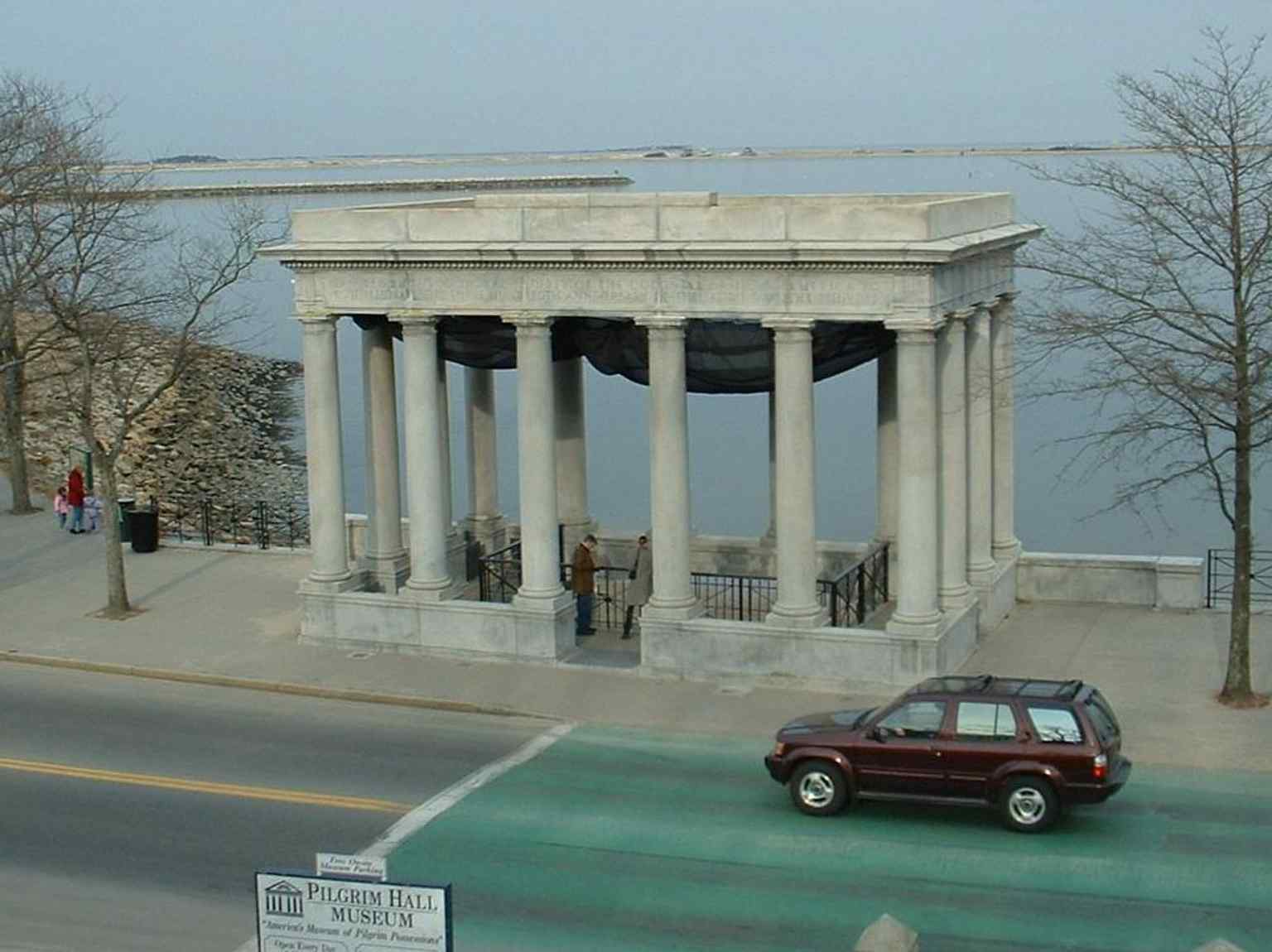
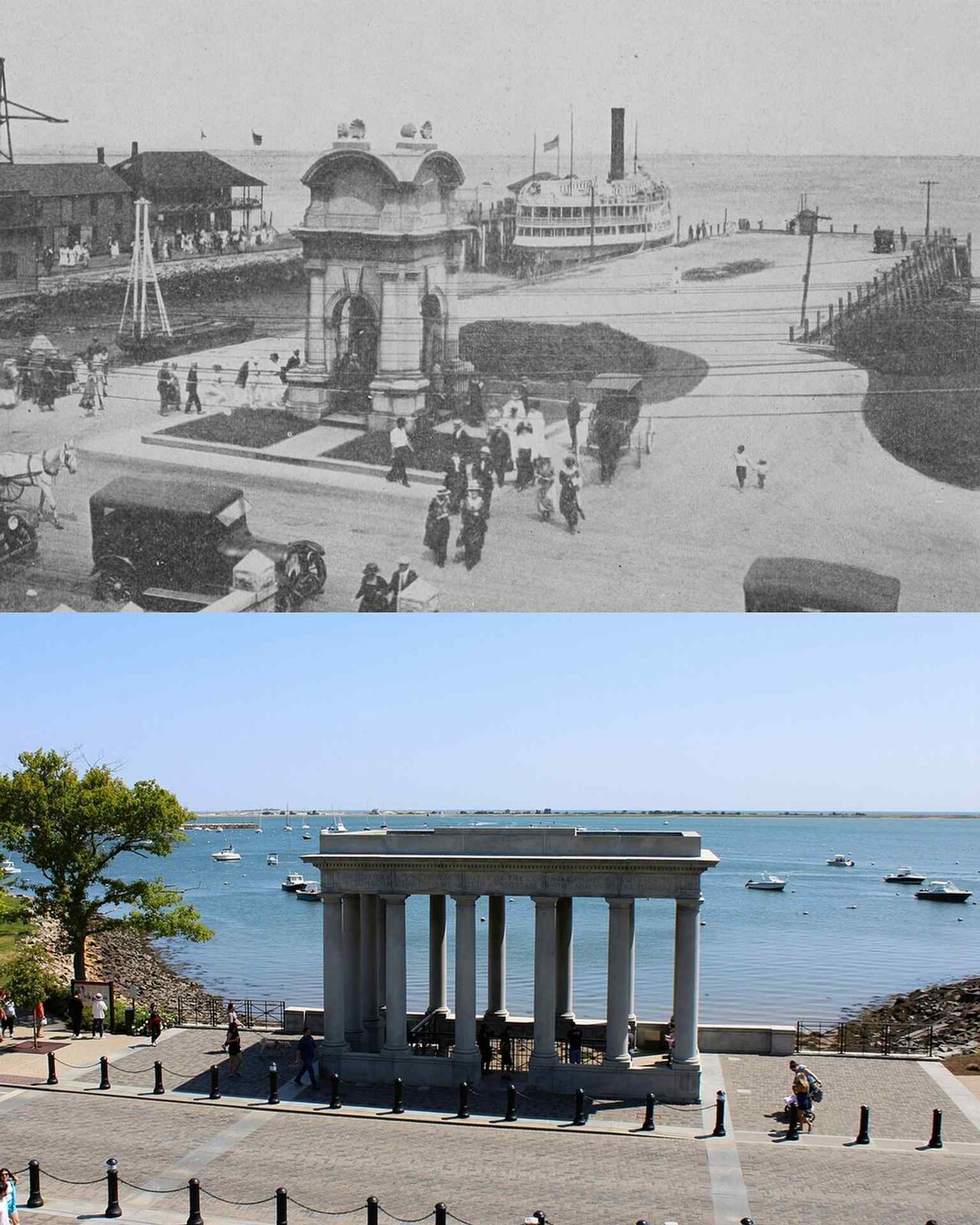
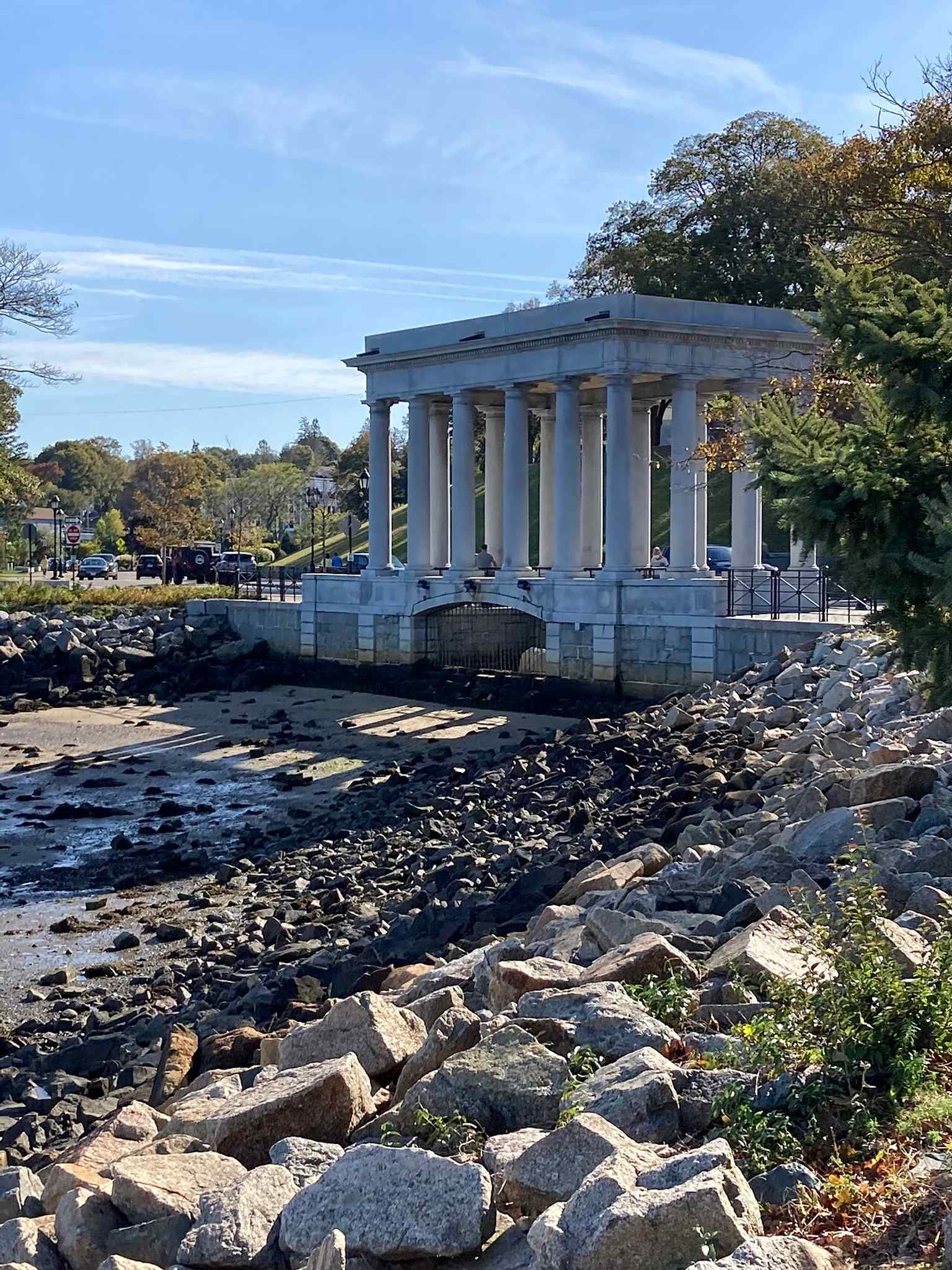
Finally, in nineteen twenty, the waterfront was landscaped by Arthur Asahel Shurcliff. A grand Roman Doric portico, which is the classical open-sided stone monument with columns towering above you, was built by the architectural firm McKim, Mead, and White to protect the rock at water level.
The French writer Alexis de Tocqueville noted this strange phenomenon in eighteen thirty-five, marveling at how a simple stone pressed for an instant by outcasts became treasured as a relic by a great nation. If you pull up the app, you will notice that while Plymouth Rock itself has remained largely unchanged over the last four decades, the shifting sands and modern photography capture the timeless endurance of this iconic symbol of American history.
This state park memorial is open twenty-four hours a day, every day of the week, so the rock is always accessible to those who seek it. Take a moment to soak this in. When you are ready, we can head to the next stop.






.jpg)
