
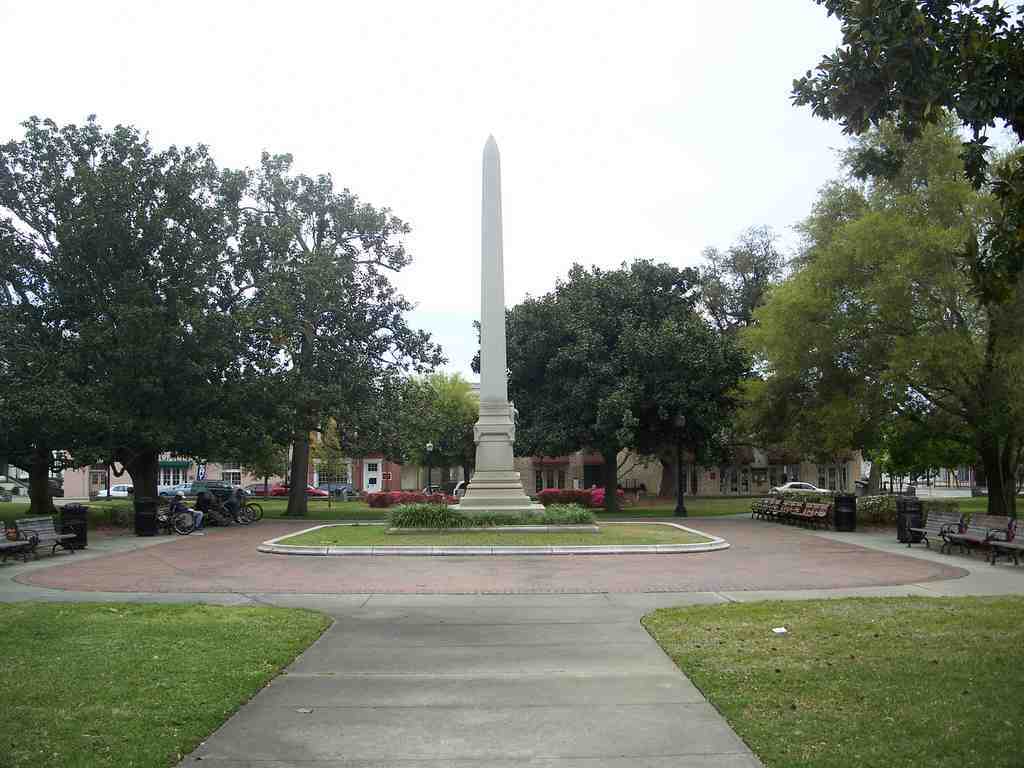
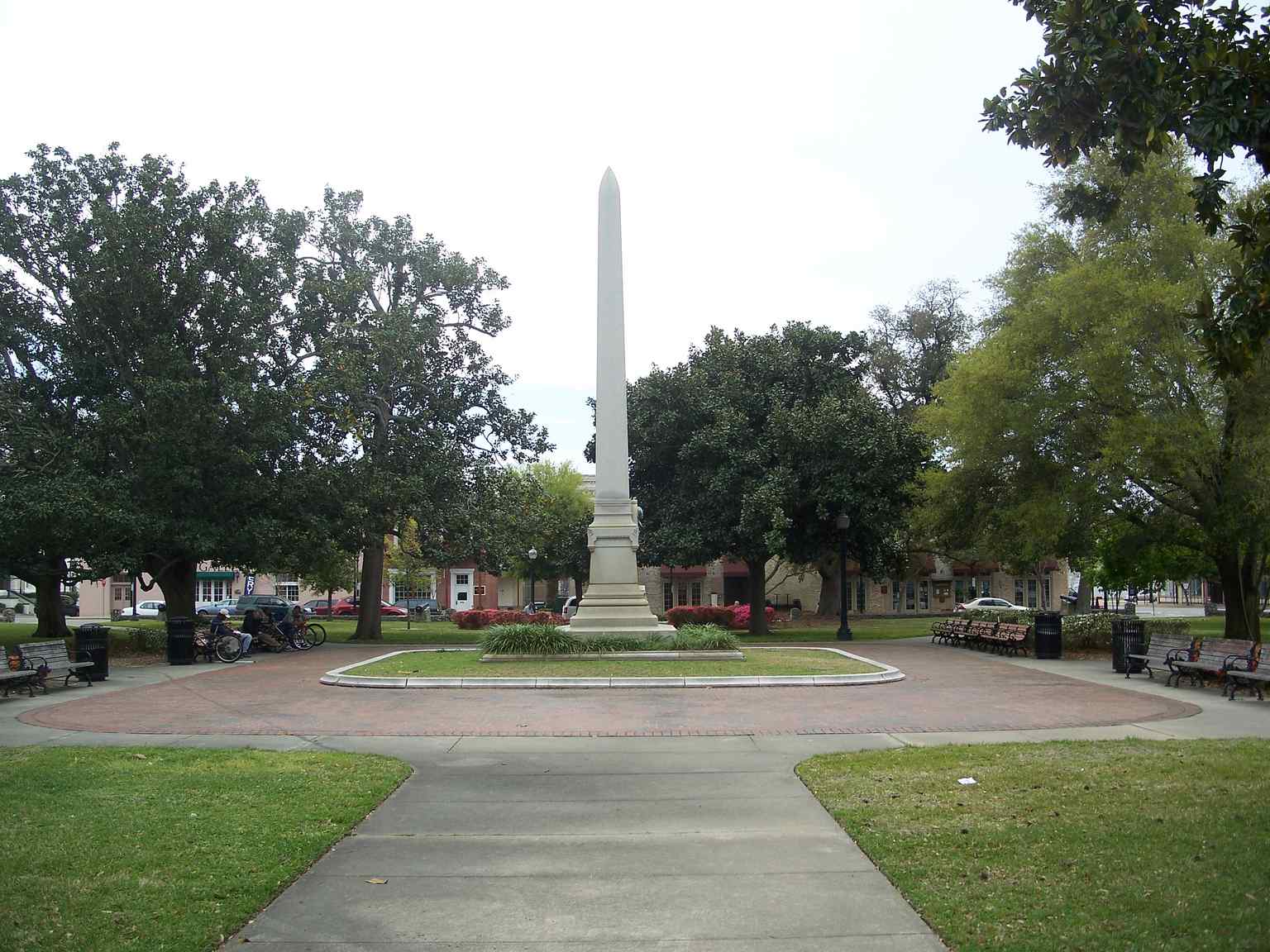
Straight ahead stands a towering pale stone obelisk, a tall four-sided monument that tapers to a pyramid at the top, anchored proudly at the center of a grassy brick-ringed plaza. Welcome to Plaza Ferdinand VII, a piece of land that perfectly captures how Pensacola constantly overwrites its own past. Originally, this ground was the centerpiece of a colonial street plan drawn up by the British in 1765. But empires rise and fall, and when the Spanish took control, they subdivided and sold off huge chunks of the park in 1802. The dirt you are looking at is quite literally built on the buried foundations of the British colony, which archaeologists only rediscovered during excavations in 2002. They dug down and found the physical evidence of a forgotten era completely buried by the next generation.
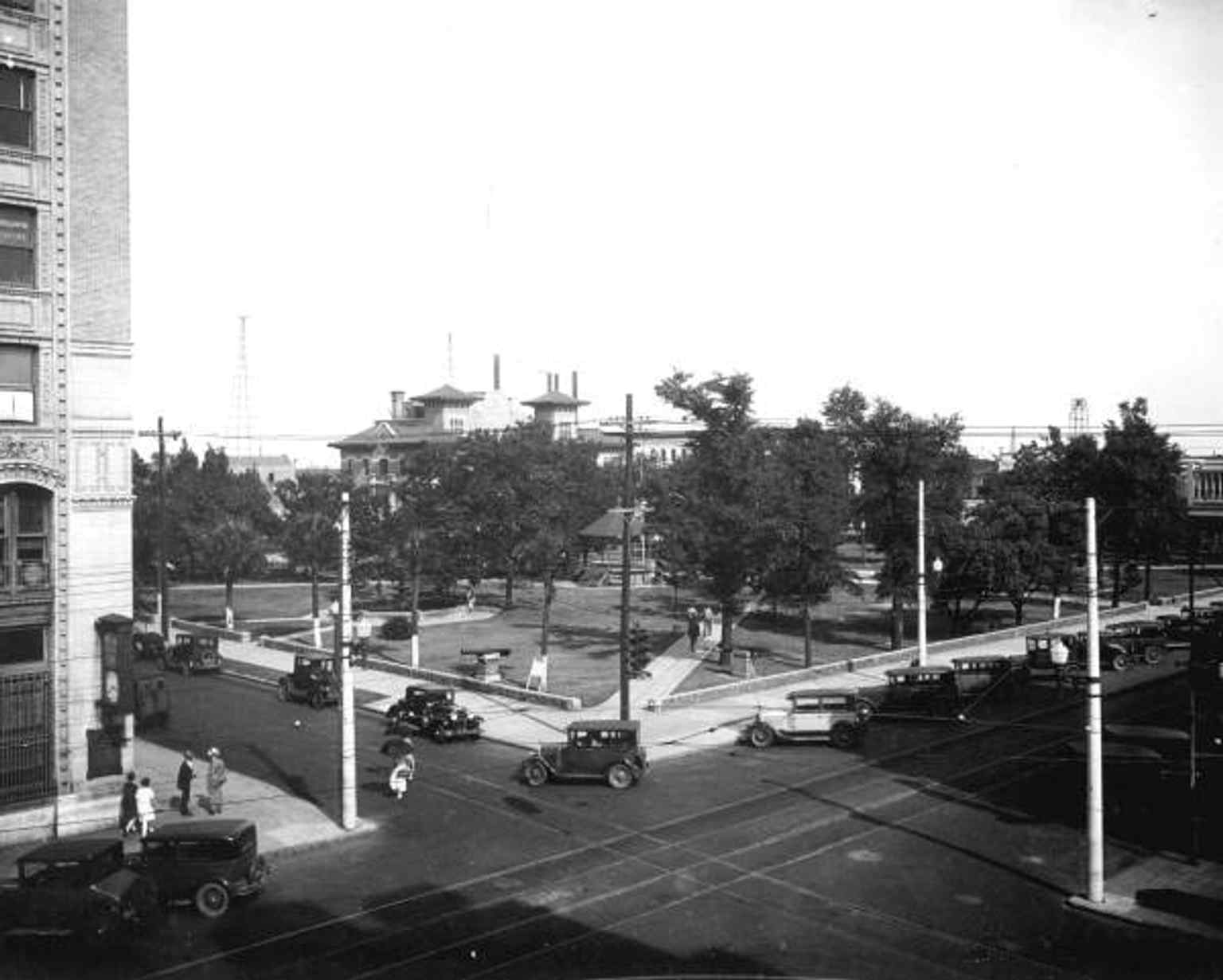
And that brings us to the most commanding feature of the park, that central stone obelisk. It was erected by the townspeople in the late nineteenth century to honor William Dudley Chipley. Let me tell you about Mr. Chipley. He was a celebrated Pensacola mayor and a railroad tycoon who revolutionized the city's industry, but he was also a man with a dark past. Despite his glowing legacy in stone, his life was deeply entangled with the city's history of hidden scandals. After the Civil War, Chipley was implicated in the infamous Ashburn affair, accused by the federal government of a high-profile political assassination. The government actually offered him a secret deal to walk free because they lacked evidence. Chipley refused the offer. He insisted on going to trial simply to force a not guilty verdict and publicly clear his name. He was a man obsessed with his own myth, and he almost rode that ambition to the United States Senate, losing his bid in 1896 by a single agonizing vote. This plaza has always been a stage for power and dramatic transitions. In 1821, Andrew Jackson stood right here as the Spanish flag was lowered and the American flag was raised, officially transferring Florida to the United States. His wife, Rachel Jackson, wrote letters describing this exact spot as a perfect plain with soil nearly as white as flour. She found it amusing that the locals had completely neglected their lush gardens of peaches and figs, too distracted by the incoming regime change to bother with pulling weeds.
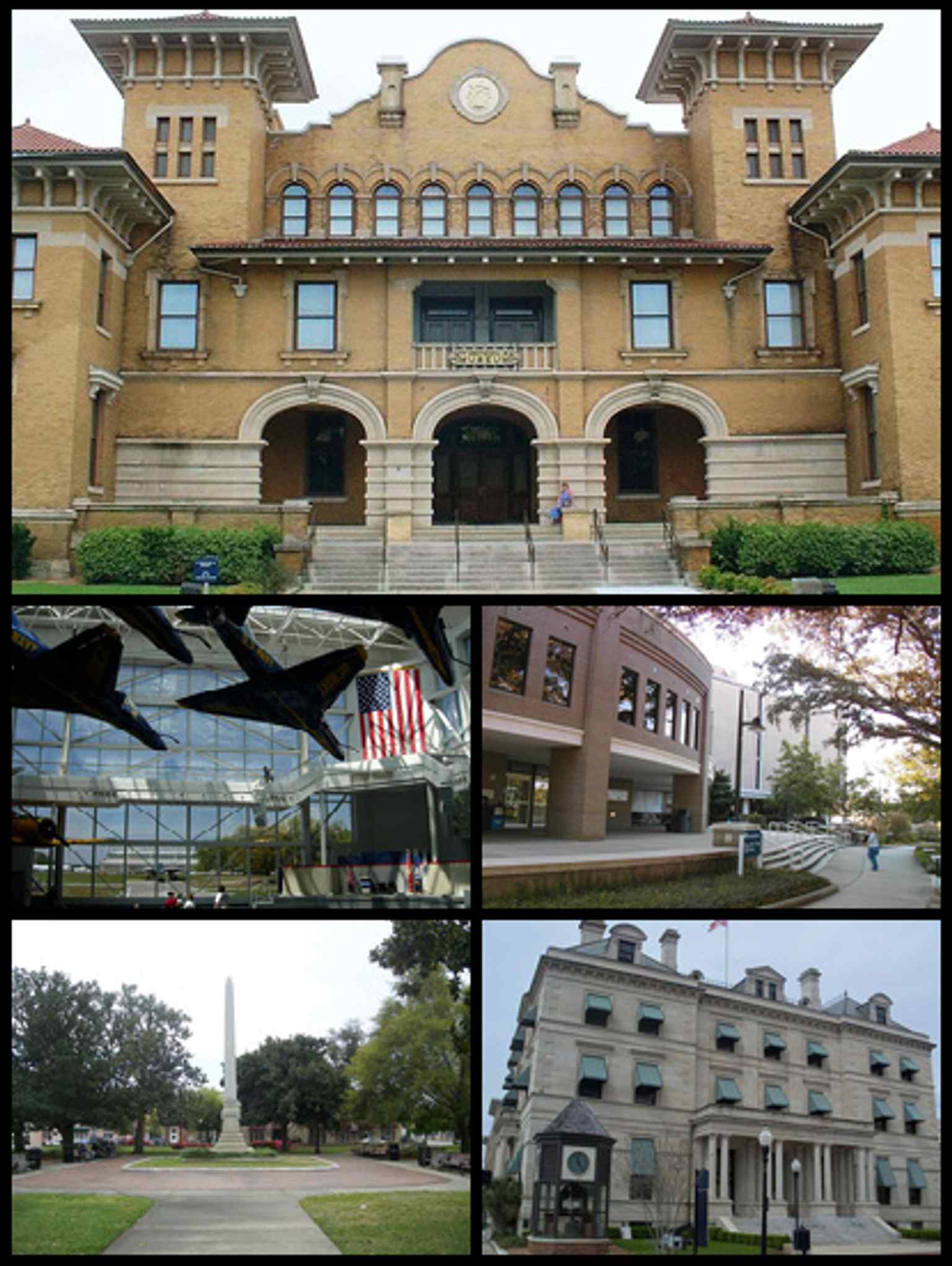
Every inch of this park represents how Pensacola tears down the old, builds up the new, and guards its messy secrets behind beautiful facades. It makes you wonder who gets to write the history books, and who gets a monument. Speaking of how power dynamics shape the city, we are going to explore that even further at our next stop. We are heading over to the United States Customs House and Post Office, which is just a short two minute walk away. And just so you know, the plaza is open to the public from six in the morning until eleven at night every day of the week.


