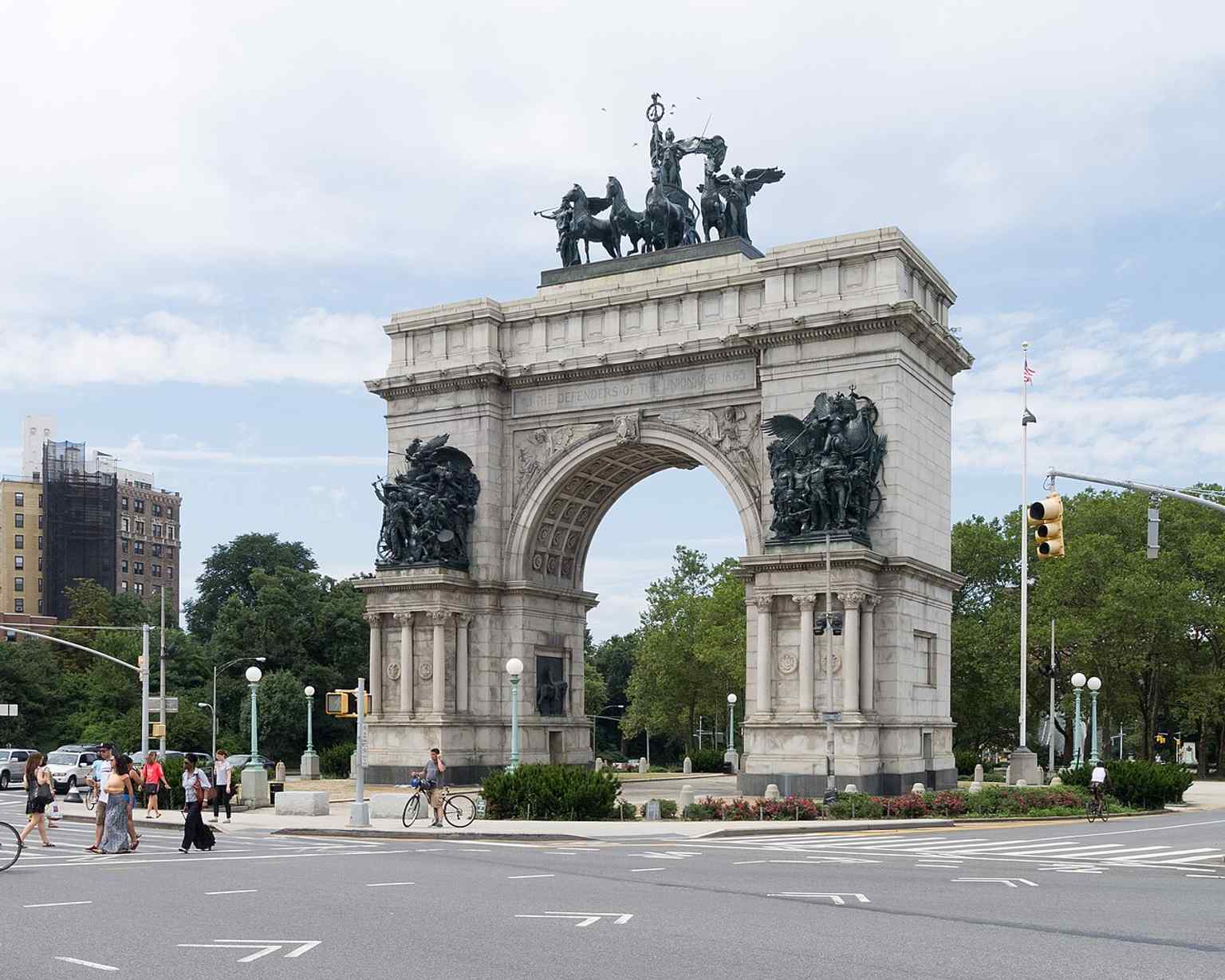
Here we are at Grand Army Plaza, specifically the northern half. Right in front of you is a dazzling, twenty-three point five karat gold monument. That is Union Army General William Tecumseh Sherman atop his horse, accompanied by the winged Greek goddess Nike, a striking symbol of victory.
The sculptor, Augustus Saint-Gaudens, unveiled this glittering masterpiece in nineteen oh three. Over the years, the statue has attracted plenty of commentary, including a bit of dark humor. During World War Two, a story went around about a Southern soldier who looked up at the gilded general and his female guide, shook his head, and muttered that he was a typical Yankee, since he rides the horse and makes the woman walk.
But that woman walking ahead of the general holds a fascinating story of her own. If you check your screen, you can see a close-up of her face. Her name was Hettie Anderson, an African-American model from South Carolina. Saint-Gaudens considered her the most striking model he had ever worked with. Tragically, Saint-Gaudens' son Homer later scrubbed Hettie's name and bust from his father's official catalog. Historians point to racial prejudice as the reason for this attempt to erase her from history, though today, her contribution is rightfully celebrated.
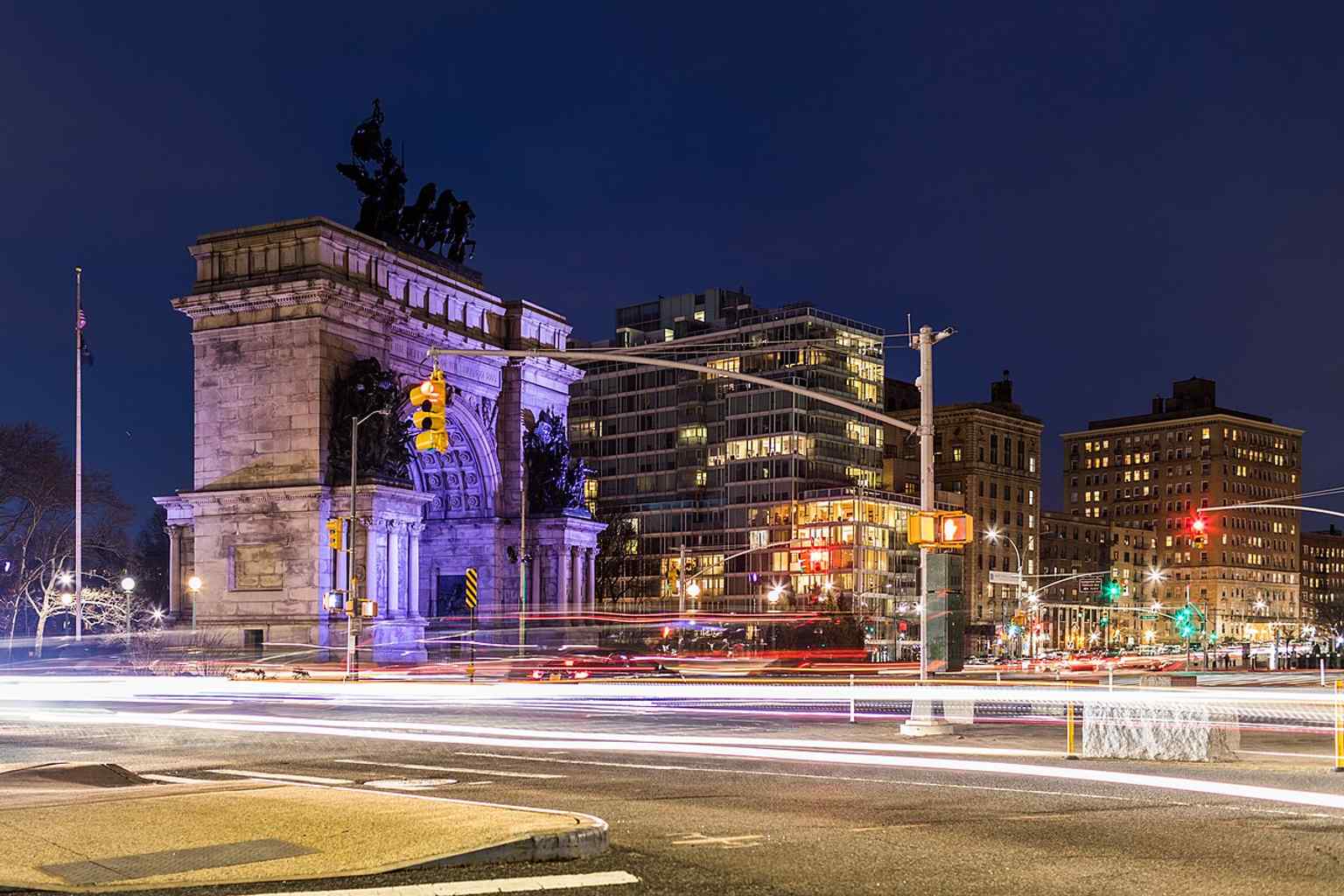
The statue has had quite an eventful life. In nineteen fourteen, crews excavating the new subway lines underneath the plaza had to temporarily relocate the fifteen-ton bronze monument into Central Park. The local press had a field day with the sight. The Brooklyn Standard Union gleefully noted that it was the very first time General Sherman ever retreated. In nineteen ninety, a private foundation paid over one hundred and sixteen thousand dollars, or roughly two hundred and eighty thousand dollars today, just to refresh the statue's gold leaf.
Speaking of Brooklyn, this plaza is locked in a delightfully surreal rivalry with a completely different Grand Army Plaza located over in the borough of Brooklyn. The conflict is known as the Menorah War. Every Hanukkah, workers bring in a cherry picker to light a massive, four-thousand-pound steel menorah right here. A menorah is a multi-branched candelabra used in Jewish rituals. For years, both Manhattan and Brooklyn claimed to host the World's Largest Menorah. Even though the Brooklyn candelabra is technically six inches taller, a rabbinical court officially ruled in twenty sixteen that Manhattan holds the true title because they used the branding first. They legally ordered the Brooklyn organizers to call theirs the Central Menorah of Brooklyn instead.
This plaza really captures the heart of the city, blending high-society glamour with a bit of local drama. Whenever you are ready to keep exploring, we can stroll over to our final destination just across the way.