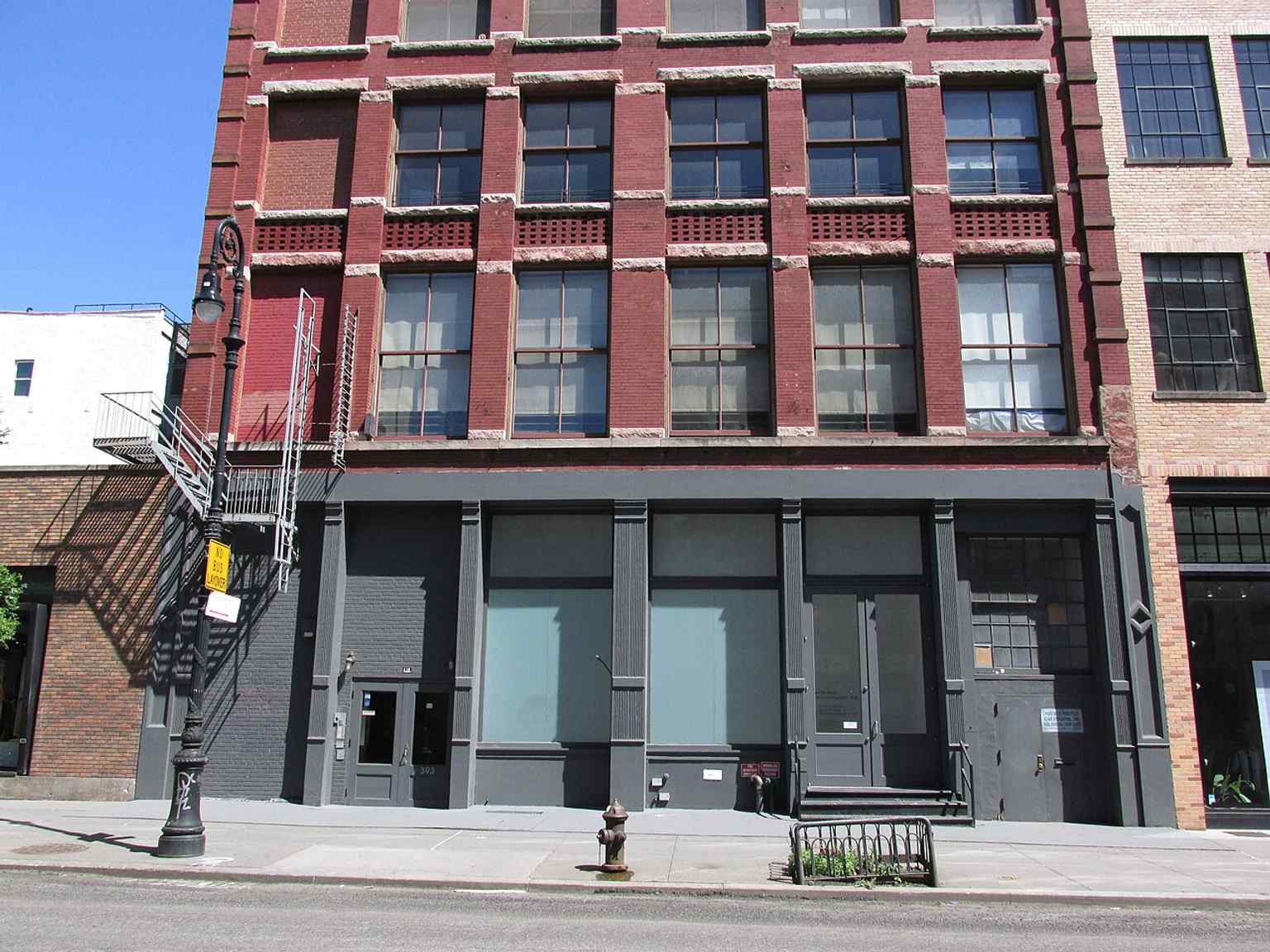
Right here on West Twenty-second Street, you’re standing outside one of New York’s boldest ideas about art: Dia. Not just a museum, not just a gallery... more like a giant support system for artworks that other institutions once thought were too huge, too strange, too long-term, or too expensive to touch.
Dia began in nineteen seventy-four, when Philippa de Menil, her husband and German art dealer Heiner Friedrich, and Houston art historian Helen Winkler created a nonprofit with a radical mission. They wanted to back projects “whose nature or scale would preclude other funding sources”... in plain English, art so ambitious it needed a patron, almost like the Renaissance. Friedrich said the twentieth century deserved that kind of support too, and he made these gloriously grand comparisons: Andy Warhol as Titian, Dan Flavin as Michelangelo, Walter De Maria as Donatello. That is not modest museum talk.
Even the name tells you the dream. “Dia” comes from Greek and means “conduit” - a channel, a passageway. The founders wanted the institution to disappear behind the art, to let artists lead. So in the nineteen seventies, Dia gave selected artists stipends, studio space, and even archivists. It was pouring out serious money: in less than ten years, it spent more than thirty million dollars - well over a hundred million in today’s money - building a collection, buying real estate, and helping artists think on a monumental scale.
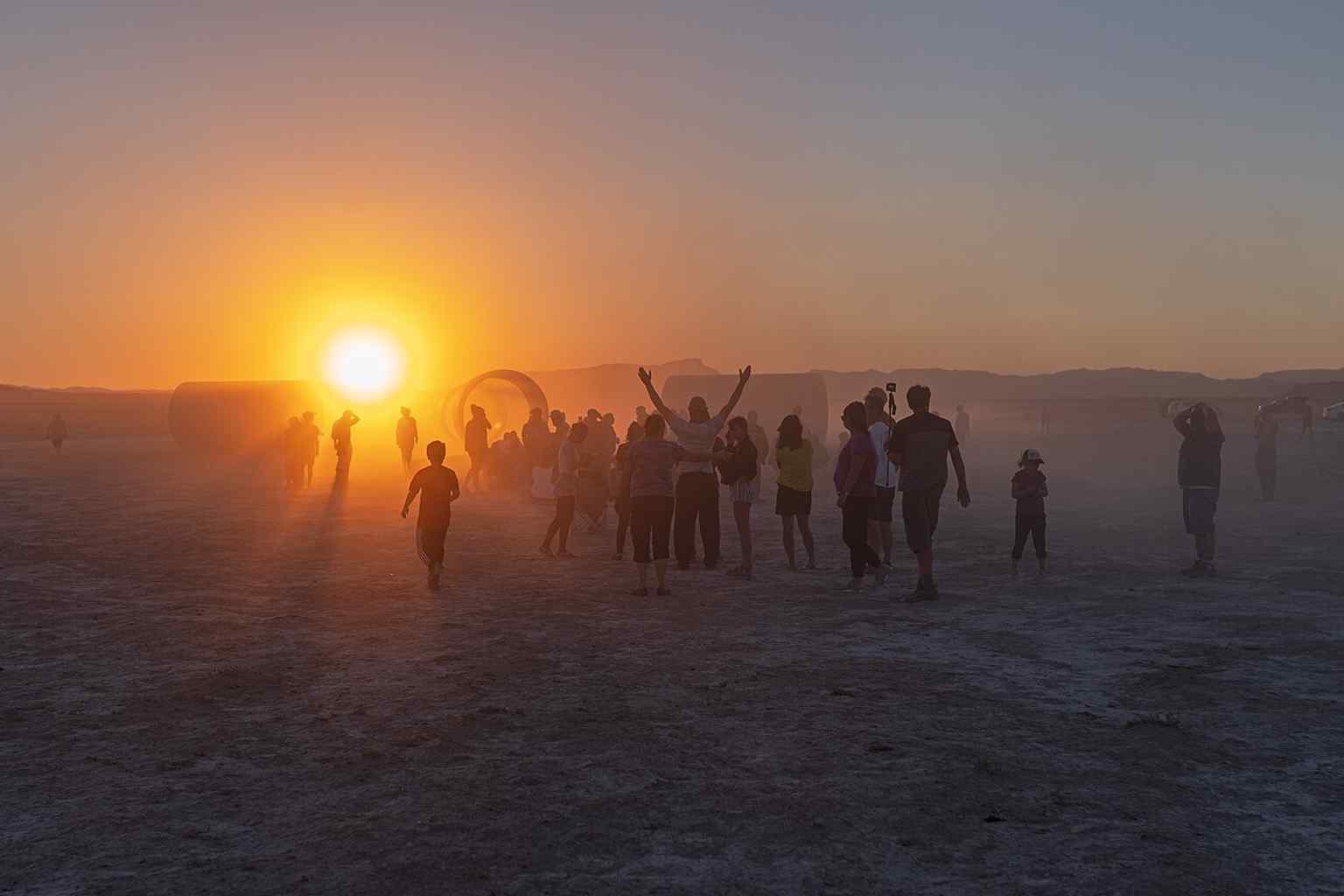
And monumental really means monumental. Dia supported Walter De Maria’s The Lightning Field in New Mexico, James Turrell’s Roden Crater in Arizona, and New York works like The New York Earth Room and The Broken Kilometer. If you glance at your app, you can see that incredible Earth Room interior: a full loft filled with soil, turning a city room into something almost sacred. And take a peek at Nancy Holt’s Sun Tunnels out in Utah - giant concrete cylinders framing sky and desert, now part of Dia’s expanded vision too.
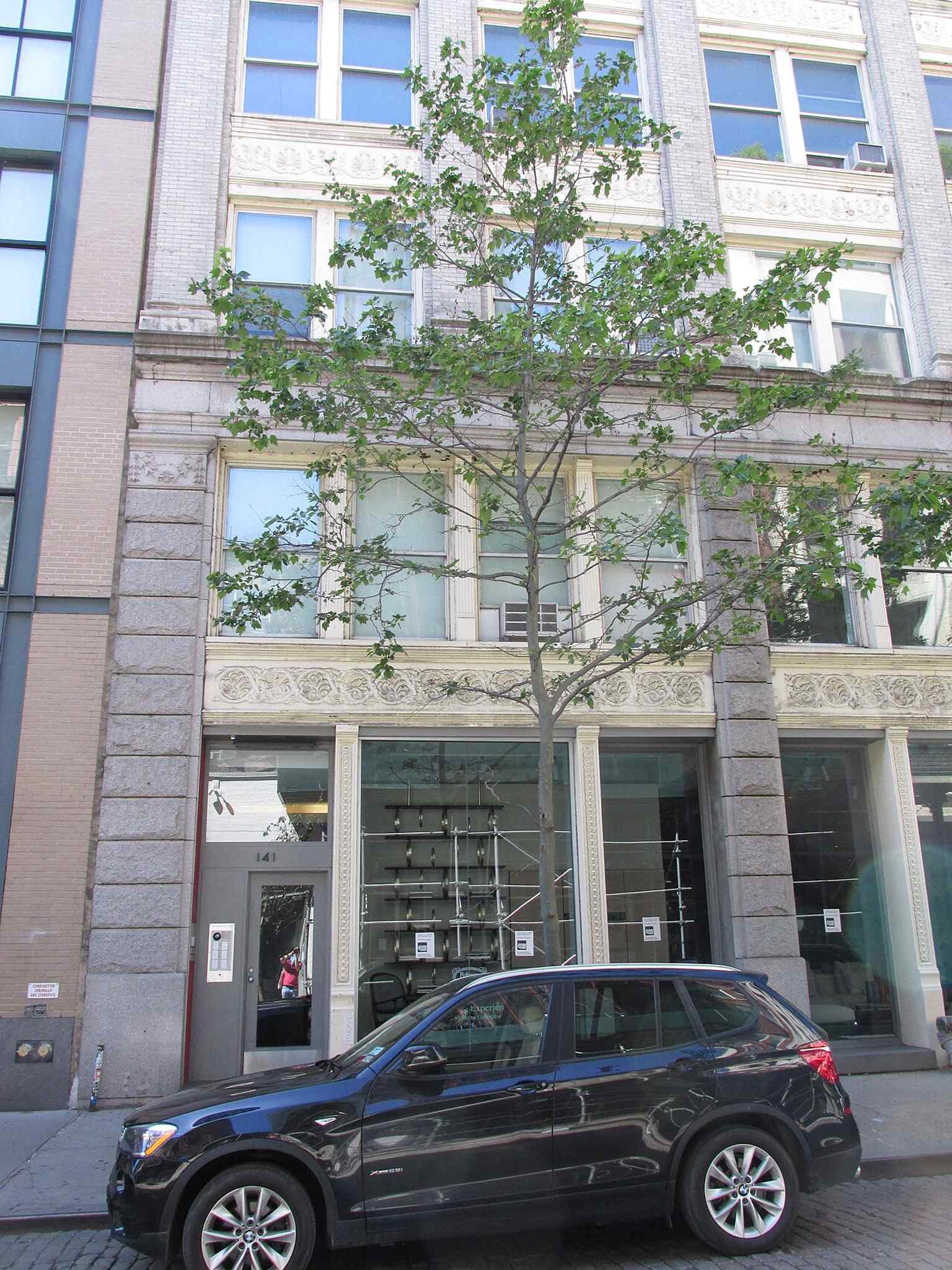
The early years had this aura of mystery. One magazine called Dia a “closely guarded secret,” and people joked it was “the art Mafia” because it avoided publicity so fiercely it didn’t even have letterhead. But the secrecy came with risk. When Schlumberger stock crashed in the early nineteen eighties, Philippa de Menil’s fortune shrank, Dia took on debt, artists panicked, and the foundation had to sell property, cut deals, and reinvent itself. Out of that crisis came a leaner public institution: the Dia Center for the Arts, and eventually the Chelsea presence you’re standing at now.
This Chelsea location carries that whole legacy forward. Dia still champions artists from the nineteen sixties and seventies - names like Joseph Beuys, Donald Judd, Agnes Martin, Dan Flavin, and Warhol - while also widening the story to include more women and international artists. That balance feels very Chelsea to me: industrial bones, huge ideas, and space for art to breathe.
If you want to come back inside, Dia Chelsea is generally open Wednesday through Saturday from noon to six, and closed Sunday through Tuesday.
This place proves that sometimes the most radical act is simply giving an artist enough room to think big.
Take a moment here, and when you’re ready, we can wander on to the next stop.