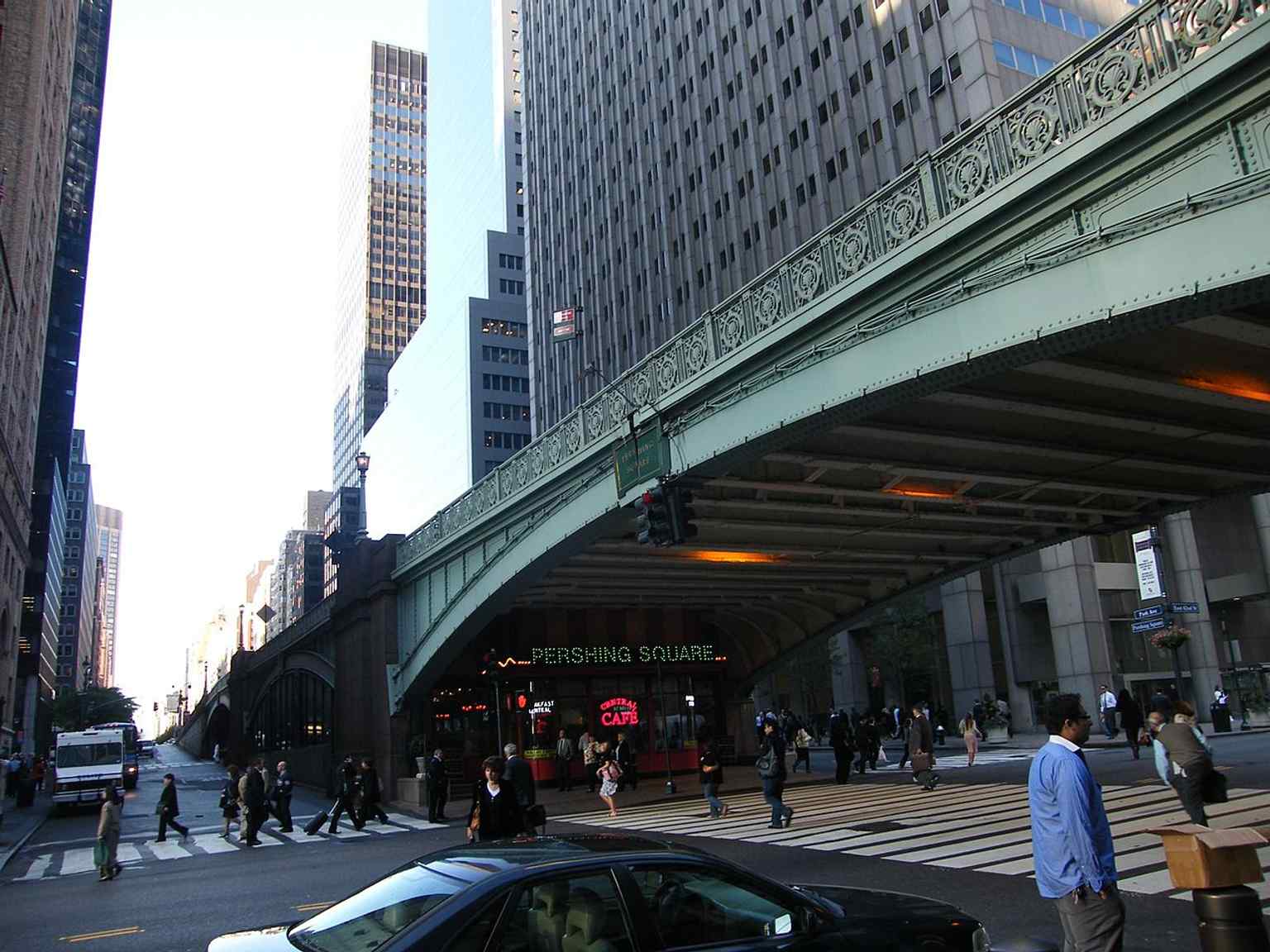
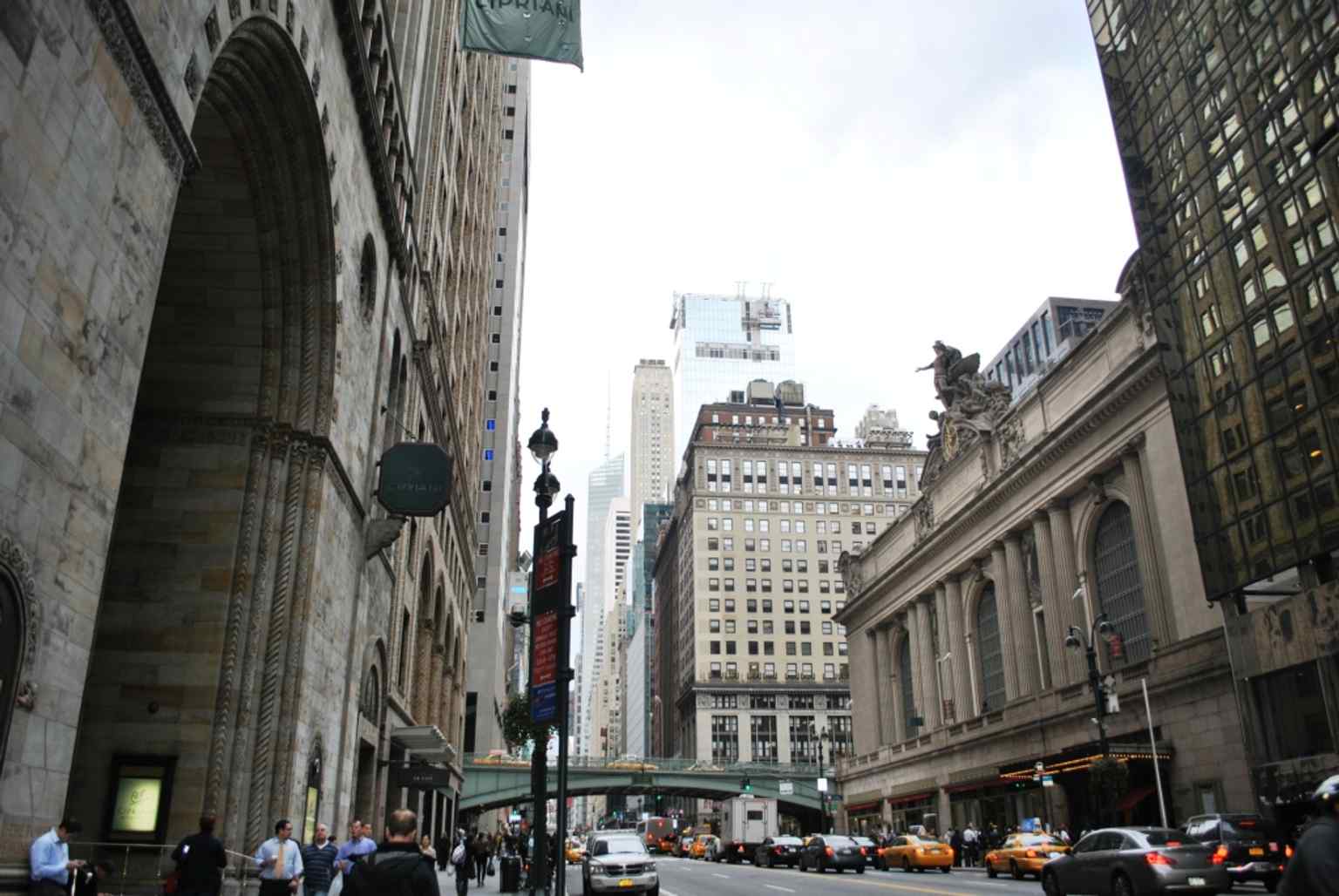
Take a look to your left. That massive elevated roadway wrapping around Grand Central Terminal is the Park Avenue Viaduct.
To really appreciate this, imagine New York City back in the early nineteen hundreds. Park Avenue was completely severed by the old train depot. The southern half was a quiet, upscale neighborhood, while the northern half was a loud, open railway trench. In nineteen hundred, a brilliant railroad engineer named William J. Wilgus proposed a wild idea. He wanted to build an elevated highway that would simply sweep traffic up into the air and carry it right around the new Grand Central Terminal.
Simple, right? Well, not exactly. The architects fought bitterly over the design, and the city's subway builders could not decide where to put the new stations. By the time construction finally began in nineteen seventeen, World War One had broken out, meaning the builders could not even get their hands on the necessary steel.
Finally, the western half of the roadway opened in nineteen nineteen. The southern stretch, between fortieth and forty-second streets, is an absolute beauty. If you pull out your phone, you can see a great shot of its three steel arches. These elegant curves were modeled after the famous Pont Alexandre the Third bridge in Paris. But here is the funny part, they are not actually arches at all. They are cantilever beams, which are essentially long, rigid structures anchored at only one end, disguised as arches just to look pretty. The giant steel girders were forged in New Jersey, floated up the East River, and dragged through the city streets by fifty-two horses. The initial project cost seven hundred sixty-eight thousand thirty-two dollars, which is roughly thirteen point five million dollars today. Not bad for a piece of engineering magic.
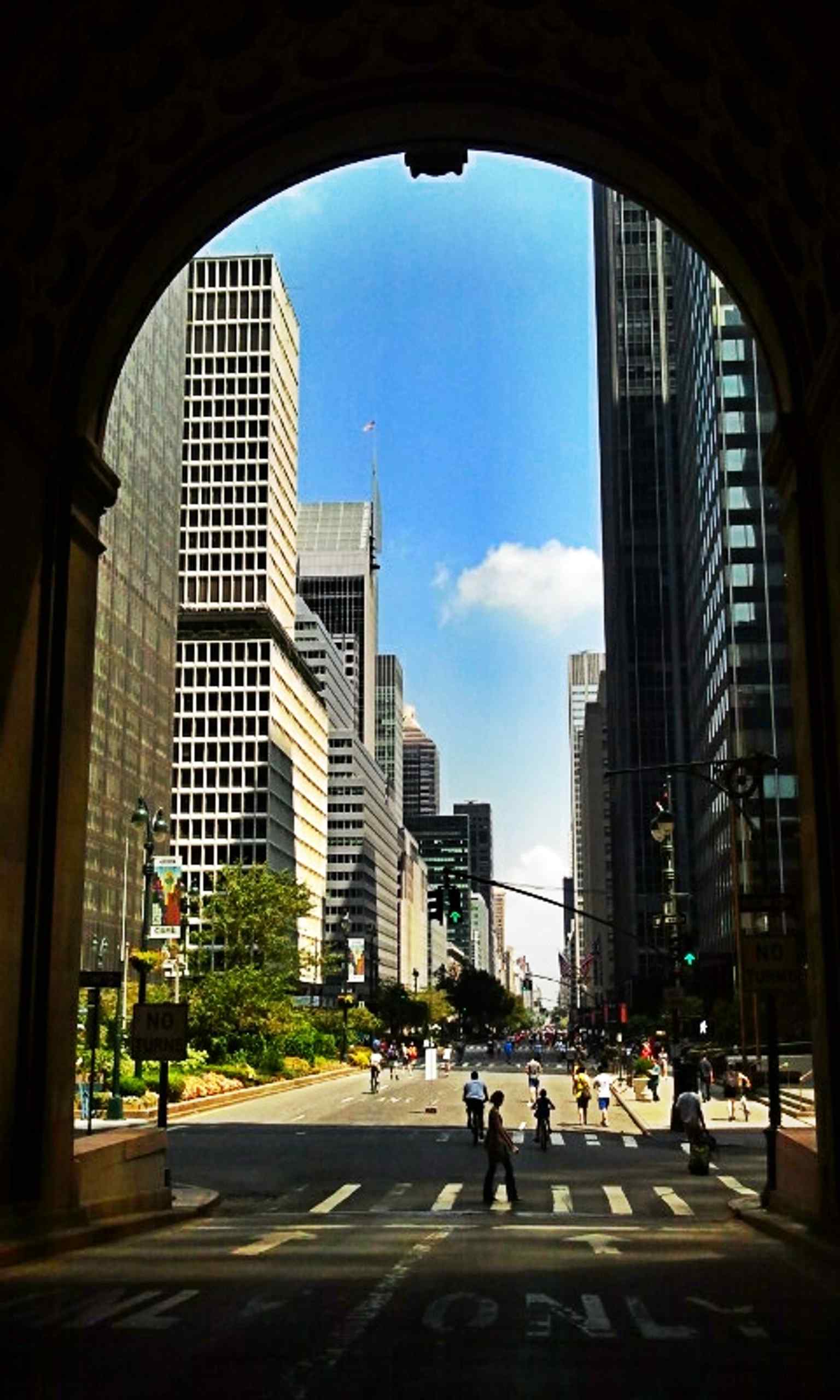
Traffic eventually got so heavy that they had to build the eastern leg in nineteen twenty-eight, and they had to route the whole thing right through a skyscraper. Glance at your screen again to see the triple-story arches where the viaduct's roadways swoop directly under the Helmsley Building. The engineers laid the road on giant S-curves supported by stanchions, or vertical pillars, that miraculously do not even touch the building's frame.
This soaring roadway changed Park Avenue from a disconnected local street into the most modern highway in New York, and it also created a fascinating covered space right underneath its central arch. We will explore the plaza's wild history next, so whenever you are ready, let's keep walking.