
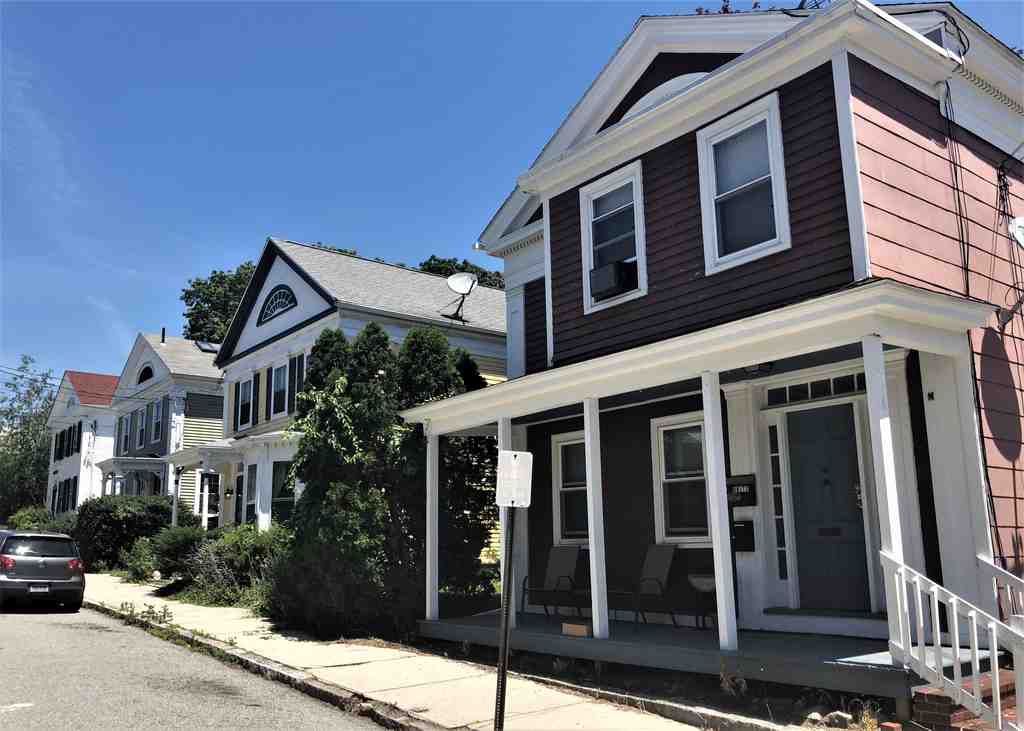
To spot the Prospect Street Historic District, glance to your right at the stretch of graceful old homes lined up along Prospect Street-look for the classic columns and tall, narrow windows that give away their 1800s roots.
Now, picture this neighborhood almost two centuries ago, the air humming with opportunity and maybe just a hint of whaling oil. Prospect Street was carved out in the 1830s because New London’s whaling success was flooding the city with folks eager to ride the economic wave-everyone from ship outfitters to barrel-makers needed a place to hang their hats. Developers Hezekiah Goddard and Sabin Smith snapped up a chunk of the old Hallam family estate here for just a few thousand dollars-which, with today’s cost of living, would be like your neighbor buying up a whole block for the price of a nice used car.
Most homes here are Greek Revival, showing off the city’s early ambitions-think strong columns, gabled porches, and a taste for symmetry. Number 17 stands out with its four-column front, looking like something out of an ancient builder’s handbook-because, in fact, it was. Over time, the neighborhood got a few architectural curveballs: a federal-style home, some Italianates tucked on side streets, even a Queen Anne beauty from 1889-a little Victorian flourish amid the classical calm.
It’s not a mansion district, but a close-knit collection of houses that once held the heart of bustling, middle-class New London. Middle-class back when that meant small families, big ambition, and neighbors who probably knew your business whether you wanted them to or not.
When you’re ready, Bulkeley School is just a minute north up the street.


