
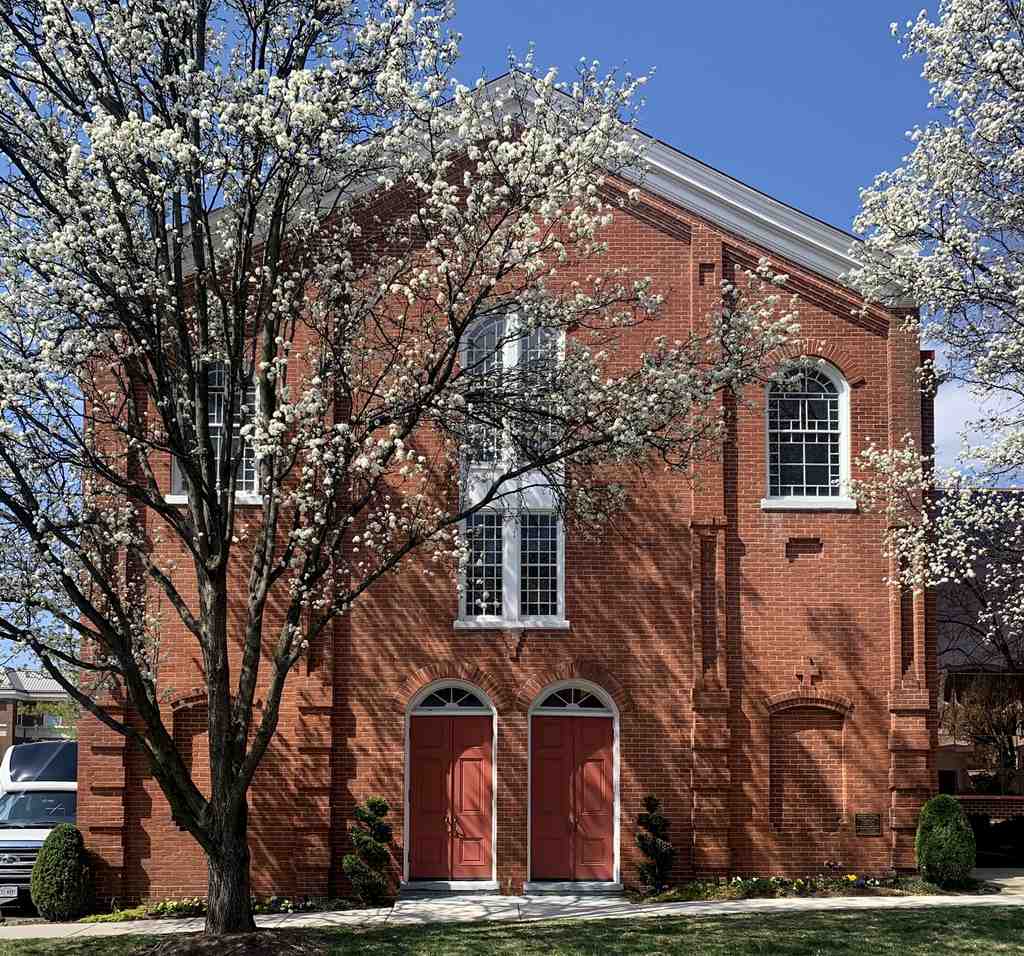
Take a look to your right at this stately red brick building with its classic gabled roofline and the distinctive twin arched red double doors framing the entrance. That is the preserved exterior of the Alfred Street Baptist Church, and if you take a peek at your screen, you can see how its historic look has been carefully maintained over the centuries.
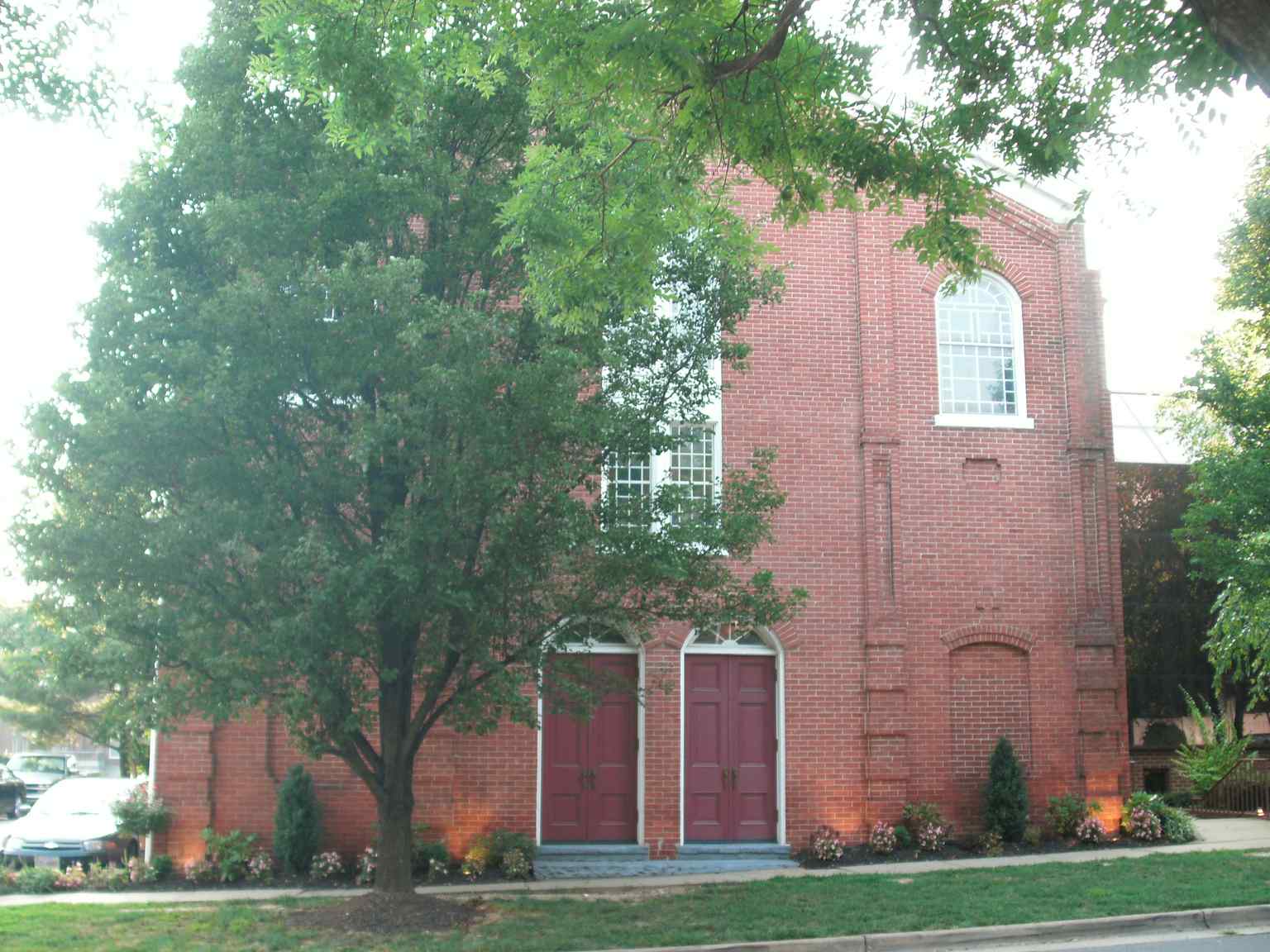
This place is the beating heart of a story that goes all the way back to May 1803. That is when an enslaved woman named Susan Black was baptized, becoming the first person of color in the Alexandria Baptist Society. Her baptism shifted something fundamental. It prompted the integrated group to invite other free and enslaved African Americans into the fold.
By 1806, they formed their own society. They spent eighteen long years renting property right around here before finally buying this land in 1842. Free Black craftsmen designed and built the congregation's first known brick building in 1855, and remarkably, they paid off the mortgage in just two years.
But a building is just brick and mortar until you fill it with purpose. In 1859, Reverend Sampson White stepped up to the pulpit. He was a fierce abolitionist who urged his congregation to open their homes as safe havens. He effectively turned this community into a vital hub on the Underground Railroad, a covert network of routes and safe houses used by enslaved African Americans to escape into free states.
Then the Civil War tore through town. The Union Army actually commandeered this sanctuary. They stripped away its religious functions, turning the nave, the main central hall of the church, into a military hospital and a recruiting station for the United States Colored Troops, the segregated regiments of the Union Army composed mostly of African American soldiers. The congregation was forced to worship in secret.
It took decades to recover the costs of that military occupation. It was not until 1914 that the Federal Government finally paid the church nine hundred dollars in reparations, which is about twenty seven thousand dollars today. They used those hard won funds to build a parsonage, a residential house for their pastor, over on Queen Street.
This church has never stopped standing its ground. Under the recent leadership of Reverend Dr. Howard-John Wesley, it became a frequent Easter sanctuary for President Barack Obama and his family. But standing tall draws a target. In 2021, they endured a terrifying bomb threat from a Texas man who was later sent to federal prison for the crime. Still, they refuse to back down. They continue to stand firm in their values, navigating the complexities of the modern world with the same resolve as their founders.
This church is a monument to spiritual independence, but community resilience takes many forms. Let us shift gears from spiritual sanctuaries to secular societies and the physical spaces they built. We are heading to the Odd Fellows Hall, just a quick one minute walk from here.


