
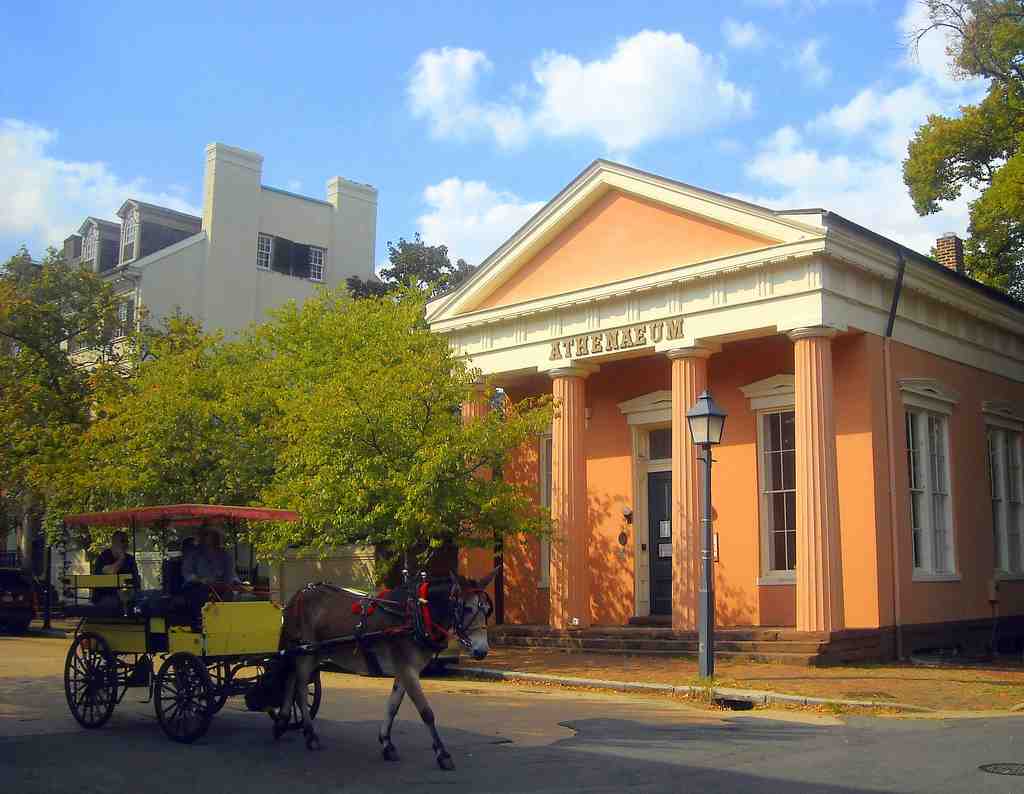
You should be looking at a striking peach-colored building shaped like a classical temple, featuring four tall fluted columns and the word Athenaeum displayed across its triangular roofline. We are standing right in the heart of the Alexandria Historic District, surrounded by one of the best-preserved collections of early American architecture in the country.
If you zoom way out, long before the city was chartered in 1748 and its tidy grid of streets was laid out with the help of a young surveyor named George Washington, this land belonged to a surprising pioneer. In 1654, an English immigrant named Margaret Brent was awarded a massive 700-acre land grant, which was basically a large, official gift of territory from the colonial governor. Brent was a fierce trailblazer, actually becoming the first woman in the English North American colonies to stand and argue her case before a common law court. It was only after her heirs sold the massive property to a planter named John Alexander that this town began to take shape, eventually taking his name.
Take a glance at your screen for a 1933 photo showing the classic Federal style townhouses that line these blocks, characterized by their symmetrical brick facades and simple, elegant windows. But as we have seen along this walk, there is a profound duality to Alexandria.
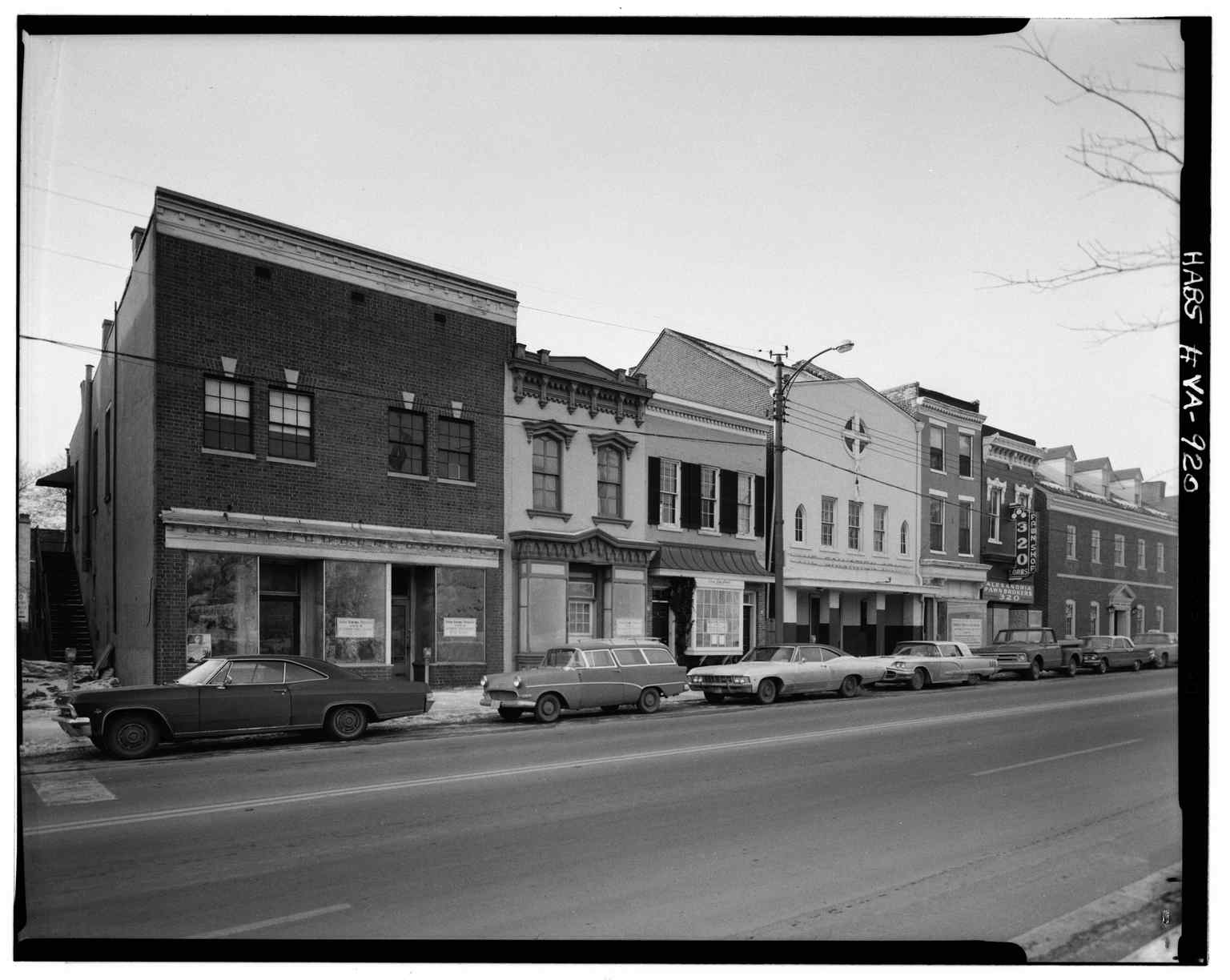
The port absolutely thrived on exporting tobacco and wheat, funding the gorgeous structures around us. Yet, that charming grid of streets completely masked a grim reality. By the mid-nineteenth century, these scenic blocks had become a major hub for the domestic slave trade. This was the organized, brutal business of buying and selling enslaved men, women, and children within the borders of the United States. Countless enslaved people suffered profound heartbreak and exploitation right here, their forced labor silently financing the very bricks and streets that made the seaport wealthy. It is a heavy contrast, knowing that such profound injustice was happening right alongside the everyday bustle of the colonial elite.
In the face of that brutal reality, the enslaved and free Black communities of Alexandria had to forge their own spaces of survival and resilience. It was an incredibly difficult existence, but they found ways to build networks of support. A huge part of that foundation was faith. Let's head over to see the role the church played in the city's early days, as we make our way toward St. Paul's Episcopal Church.


