
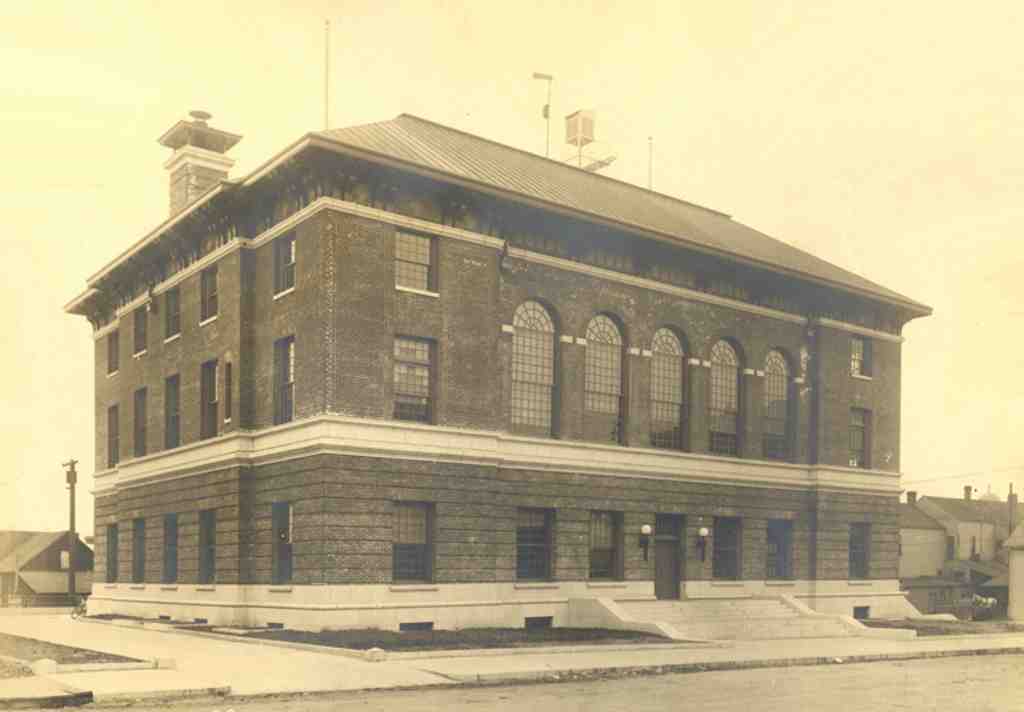
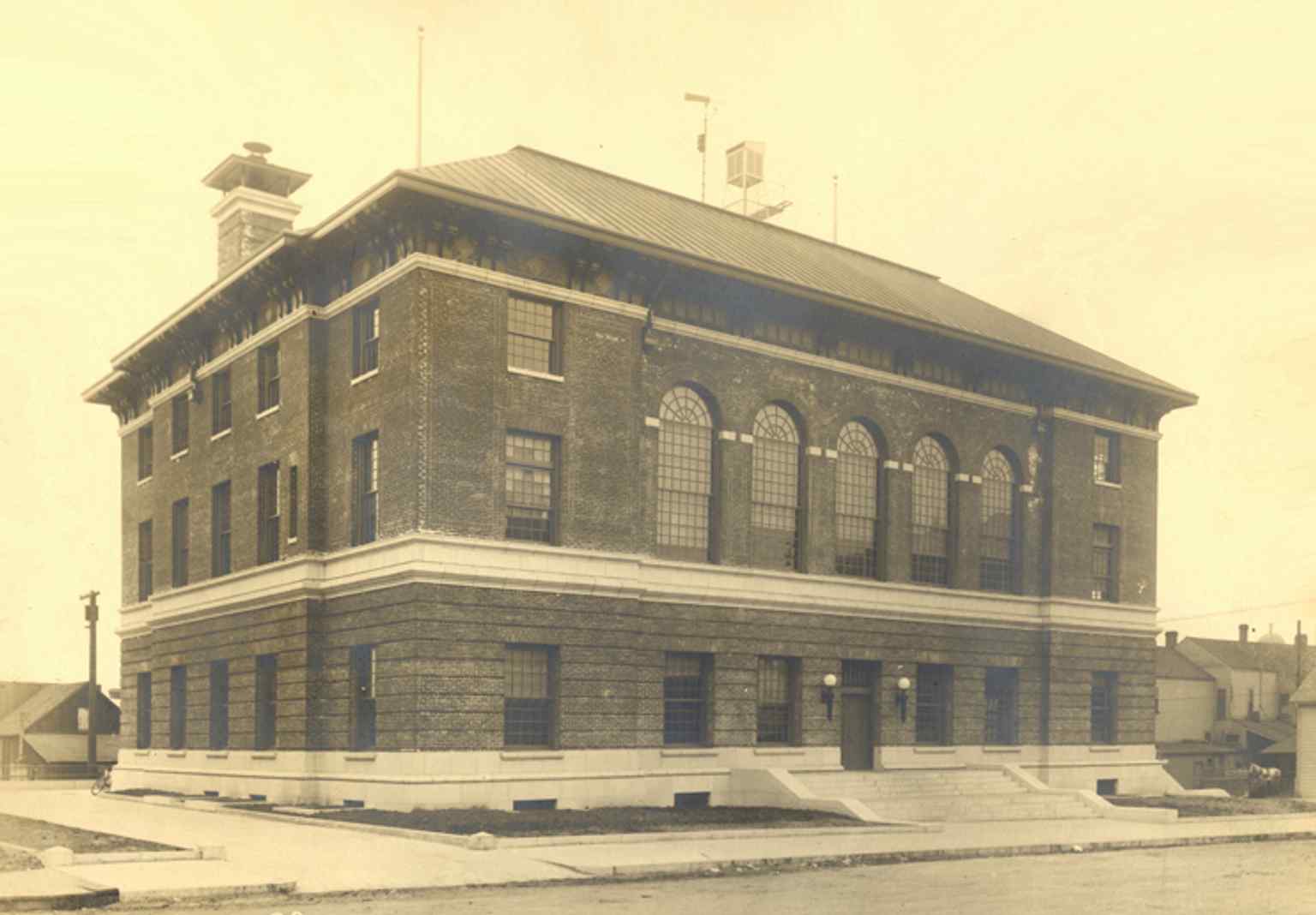
Look to your left and you will spot a massive rectangular brick building topped with a broad roof and defined by a striking row of tall arched windows along the second floor. This is the United States Post Office and Courthouse, completed in 1910. Its architect, James Knox Taylor, designed this to be a towering example of good taste for the growing city. He used a mix of Roman Renaissance Revival and Beaux-Arts Classicism, which basically means he borrowed the grand symmetry, arched columns, and monumental presence of ancient European palaces to make the building feel completely permanent. Though, permanence is a funny thing here. It housed the United States Circuit Court for exactly two years before Congress abruptly abolished the entire circuit court system in 1912. That early architectural optimism eventually hit a wall. By the 1930s, the booming economy that built this place had collapsed. The Great Depression devastated communities nationwide, forcing the government to step in with massive relief efforts just to keep people surviving. Initiatives like the Works Progress Administration funded huge infrastructure and public art projects to ease the crushing social problems of the era. That is how this building got its most famous art. In 1938, a federal relief project commissioned artist Thomas Laman to paint five tempera murals, using a fast-drying paint mixed with a binder like egg yolk. These social realist works highlighted the region's raw economic lifelines, featuring scenes of agriculture, deer, lumbering, mining, and pelicans. Decades later in 2002, the government sold this building to a private company. Quiet plans formed to sell off those historic public murals. But a concerned citizen caught wind of the secret sale and tipped off a federal agent. The General Services Administration swooped in, launched a full investigation, and legally reclaimed the art for the public trust. The murals are safely displayed in nearby McKinleyville today, while a post office and district court still operate right inside these brick walls. Now, let us head into the heart of Old Town, a six minute walk away, where the incredible booms and crushing busts of the timber industry shaped the very streets we are about to explore.


