Look for the small bronze plaque set into a black iron wall beneath the white marble west wing of the State House.
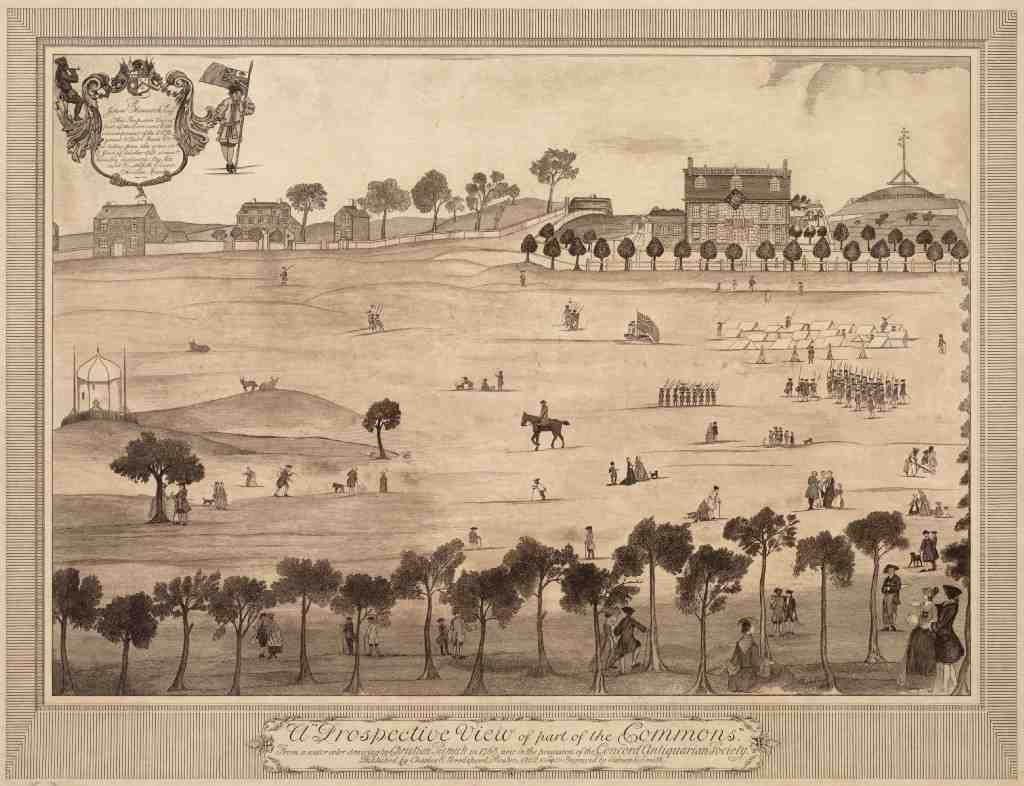
Easy to miss, right? But this little marker points to one of Boston’s lost giants. Right here stood Hancock Manor, the home John Hancock inherited from his uncle Thomas Hancock, one of the richest merchants in the province. Thomas hired Joshua Blanchard between seventeen thirty-four and seventeen thirty-seven to raise a three story granite mansion on Beacon Hill, and for a while it stood nearly alone on the western side of the hill, staring out over the open pasture of Boston Common.
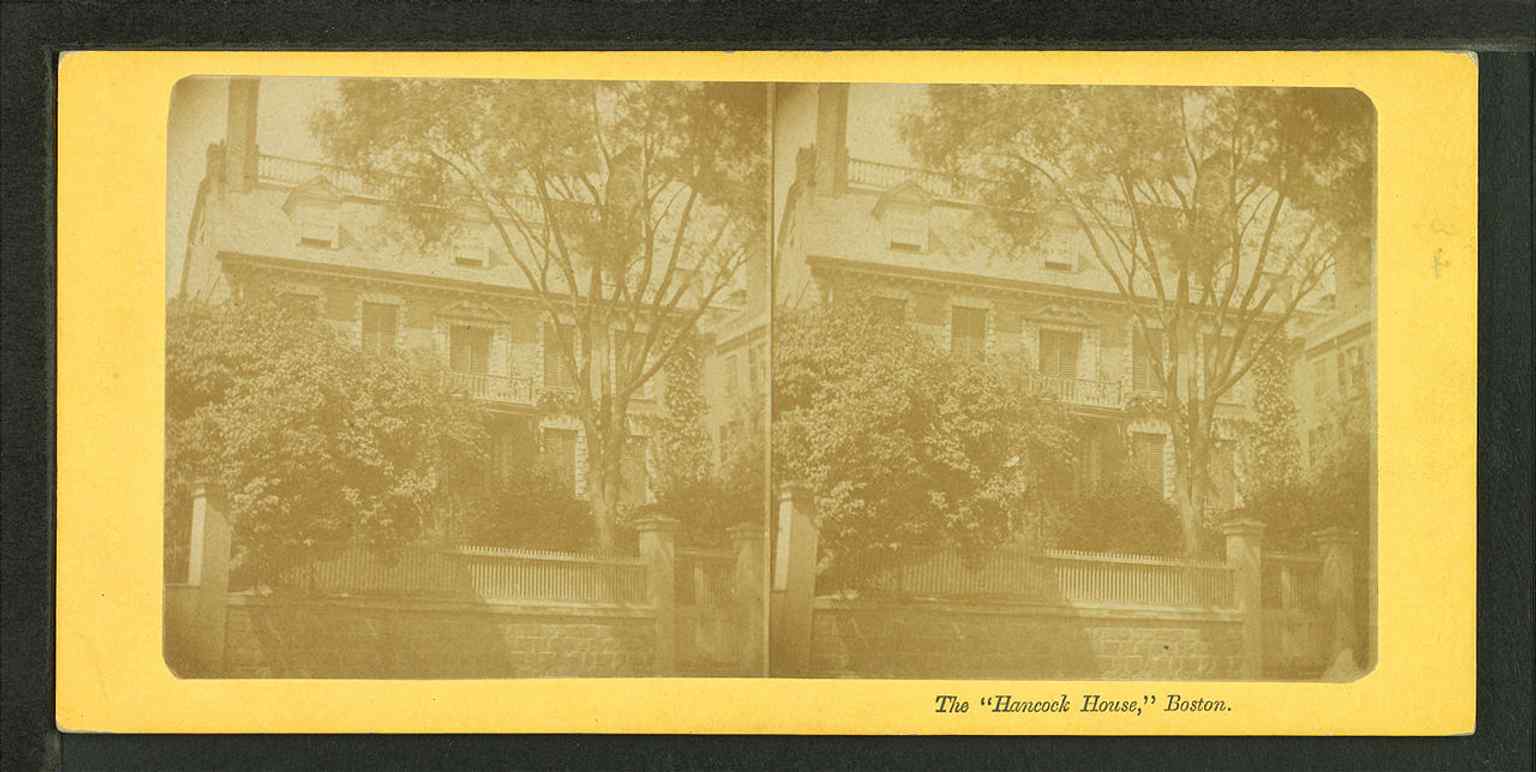
This place was more than a house. The estate spread from today’s Joy Street to Park Street, with gardens, orchards, nurseries, pasture, outbuildings, a coach house, and a stable. Enslaved people lived and worked here too, which is part of the story that grandeur often tries to hide. The mansion itself had hefty Quincy granite walls, a balcony over the front door, curled baroque details above it, and a gambrel roof - that classic old New England roof with two slopes on each side - with three dormer windows peeking out.
Inside, visitors stepped into a grand paneled hall split by a broad staircase with twisted balusters, the carved upright pieces along the railing. One wing held a ballroom. Another handled the kitchen and household work. This was colonial Boston showing off.
Then the Revolution shoved its way in. In seventeen seventy-five, British soldiers pillaged the grounds, chopped up fences for firewood, and broke windows. Officers took over the mansion, General Henry Clinton used it as headquarters, and some wounded men from Bunker Hill ended up in the house and stables. Still, the manor survived the occupation better than you might expect.
Hancock kept living here as governor and entertained a wild guest list: Lafayette, George Washington, Jacques Pierre Brissot, and the French admiral d’Estaing. At one dinner, so many French officers showed up that servants reportedly milked cows on Boston Common to keep the table supplied.
If you glance at the image in the app, you can catch the mansion in its final years on Beacon Street. And that’s where the story turns. In eighteen sixty-three, even after people proposed saving the house as a governor’s mansion or a museum, the state refused to fund its move, and the manor came down. People grabbed souvenirs as it fell. That loss helped spark the preservation movement that later saved places like Old South Meeting House and the Old State House.
So this plaque marks more than a vanished address... it marks the moment Boston learned that history can disappear while people are still debating its value.
If you’re curious about nearby access, the venue hours here are generally Wednesday through Monday from ten in the morning to four in the afternoon, and it’s closed on Tuesdays.
Sometimes the quietest marker tells the loudest story.
Take a moment here, and when you’re ready, we can wander on to the Sacred Cod.