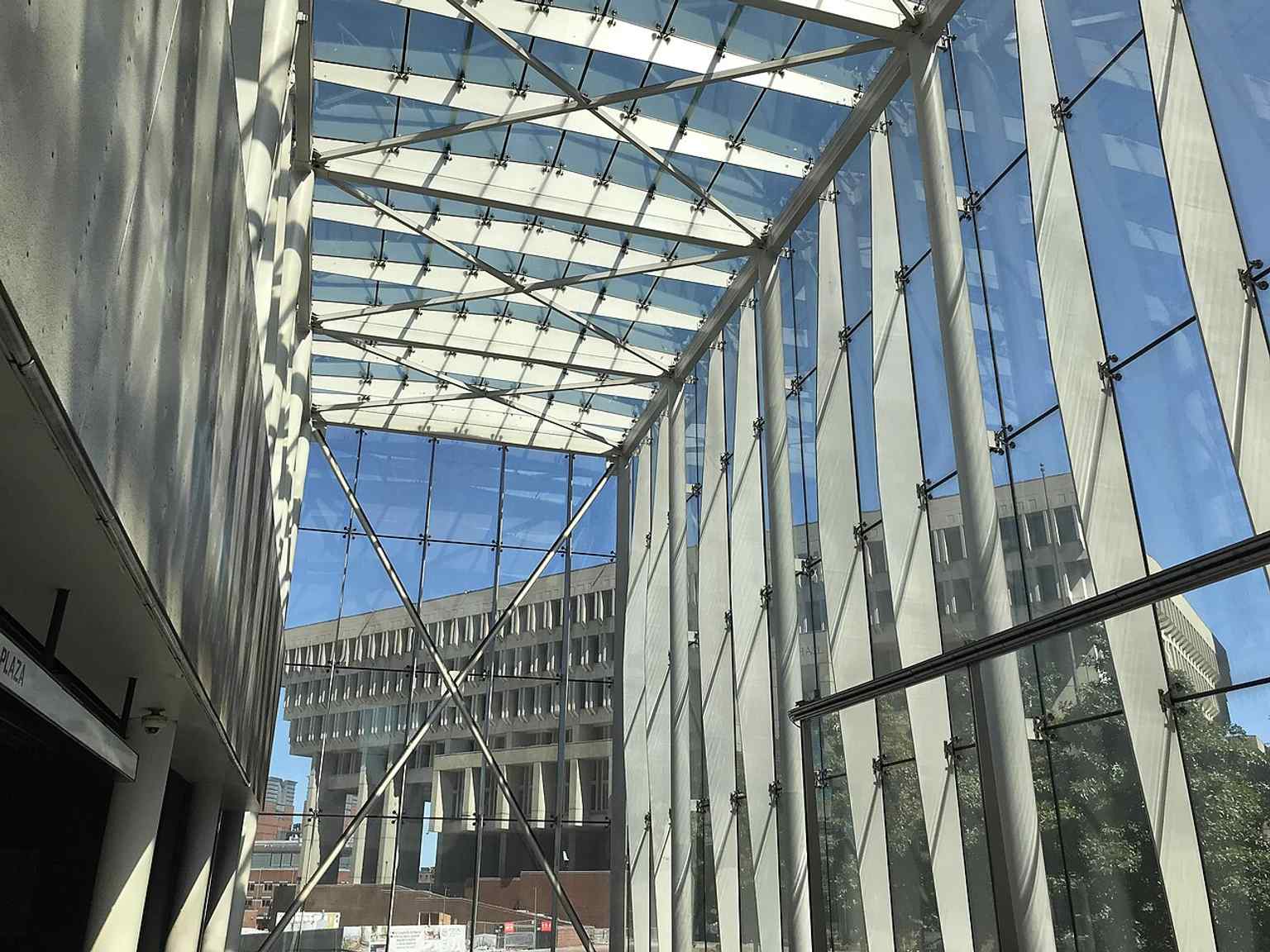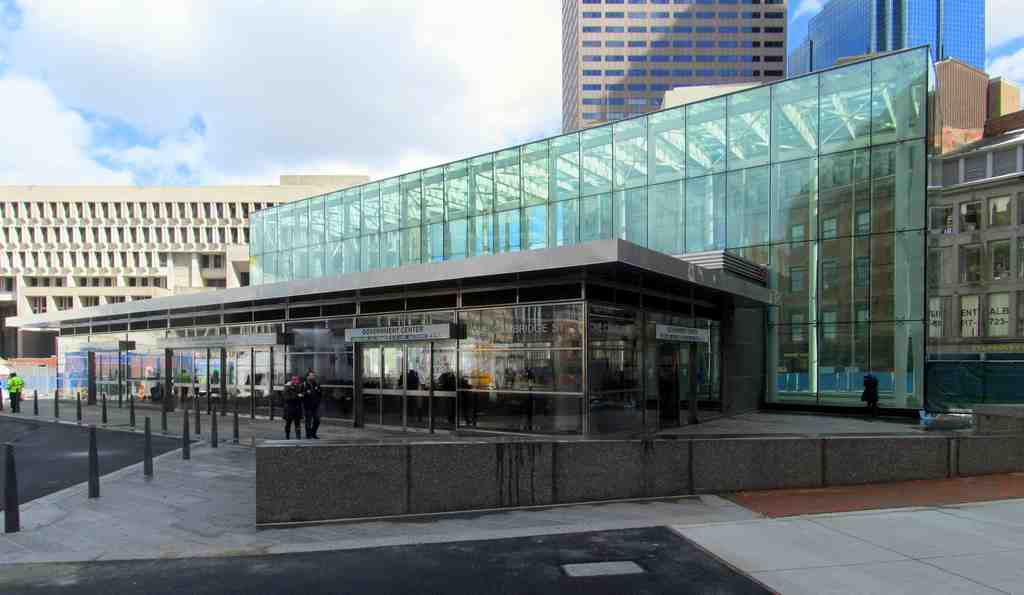
On your left, Government Center station appears as a steel-and-glass headhouse, all sharp angles and transparent walls, with escalators dropping through the middle like a bright cut in the plaza.
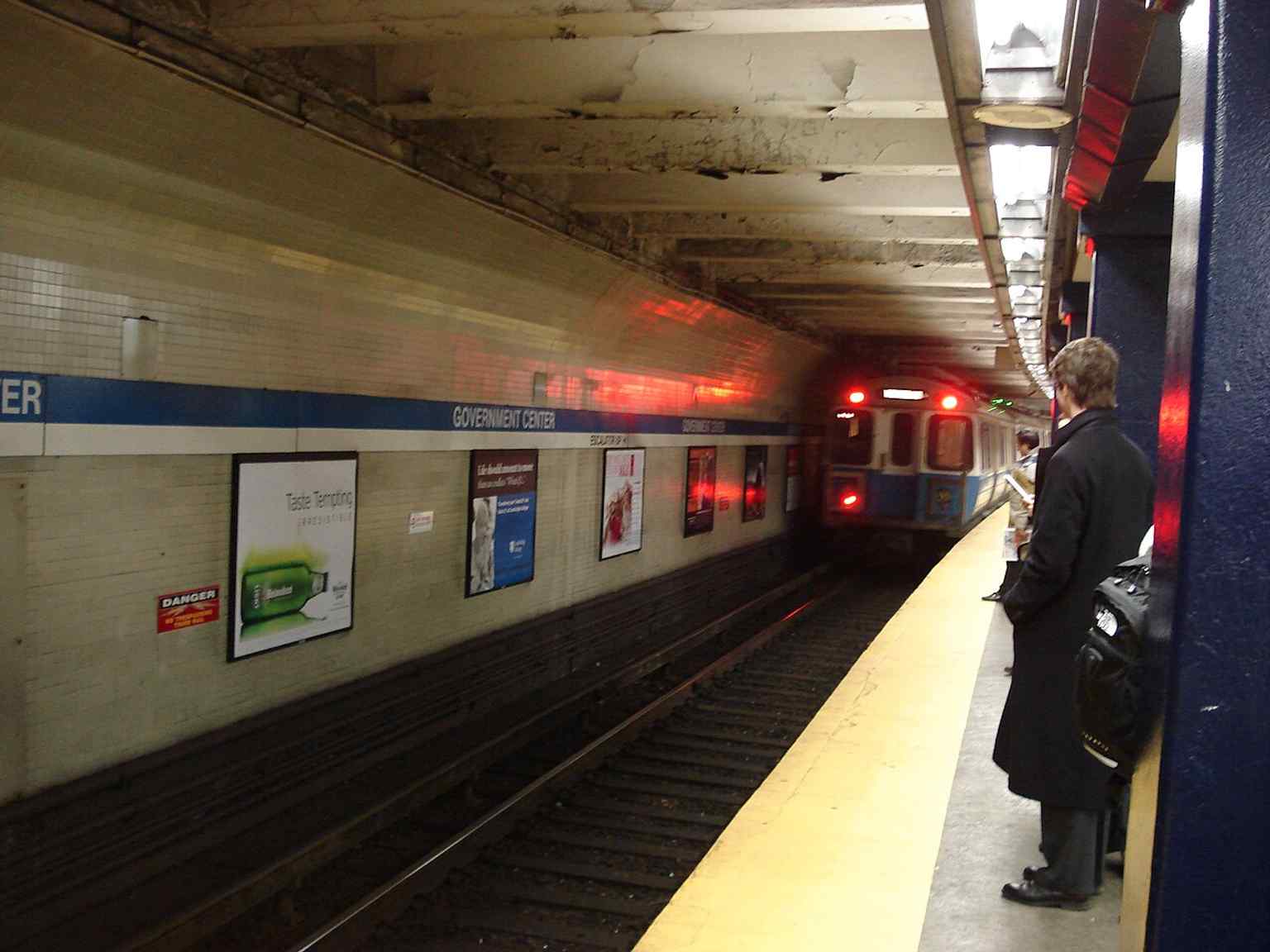
This station is Boston transit wearing its whole weird biography out in public. Today, people switch here between the Green Line and the Blue Line, but the story starts in eighteen ninety-eight, when the Green Line level opened as Scollay Square station in the Tremont Street Subway. That makes it the third-oldest subway station still operating in the Massachusetts Bay Transportation Authority, the M-B-T-A system, and one of its oldest major hubs.
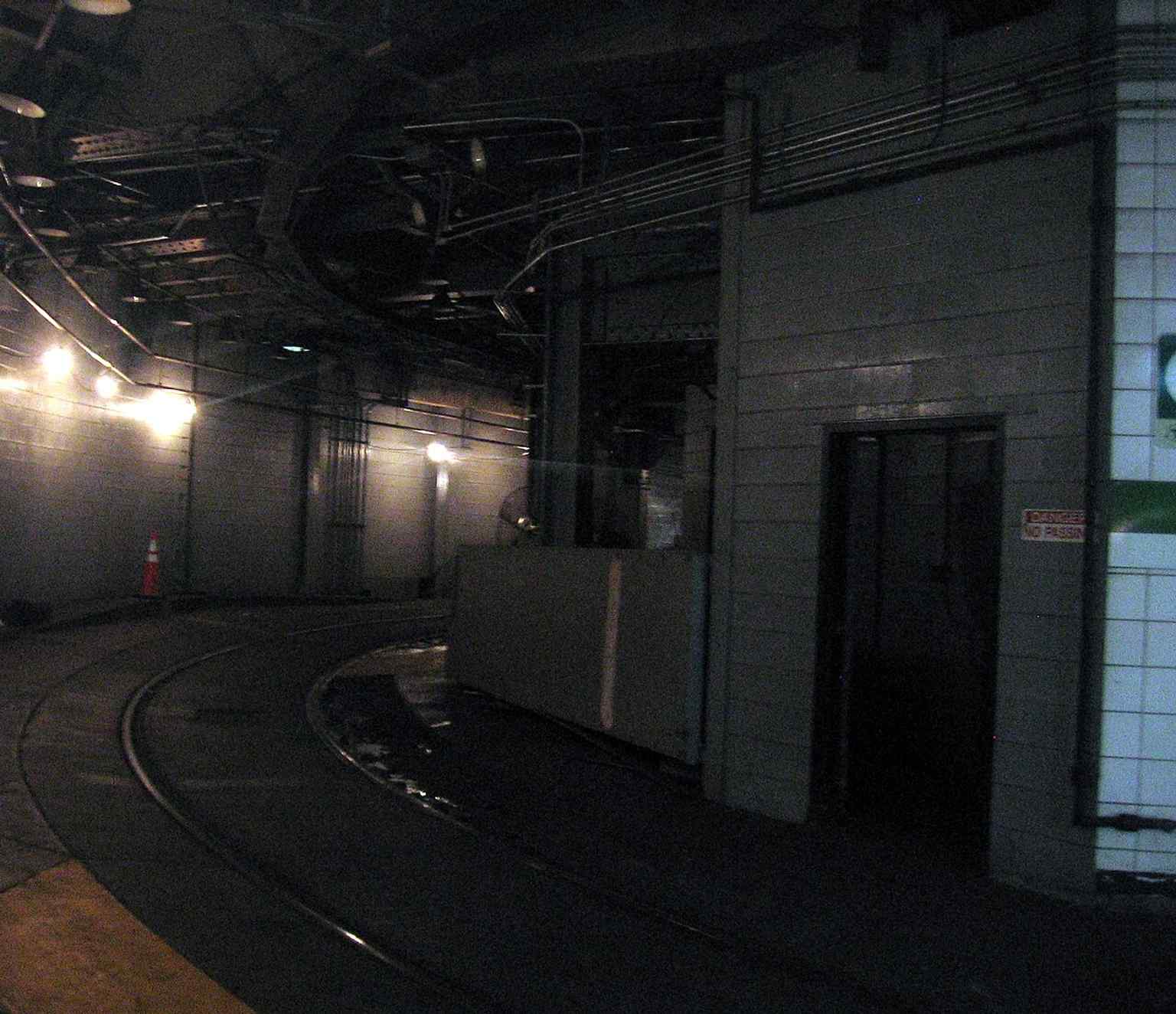
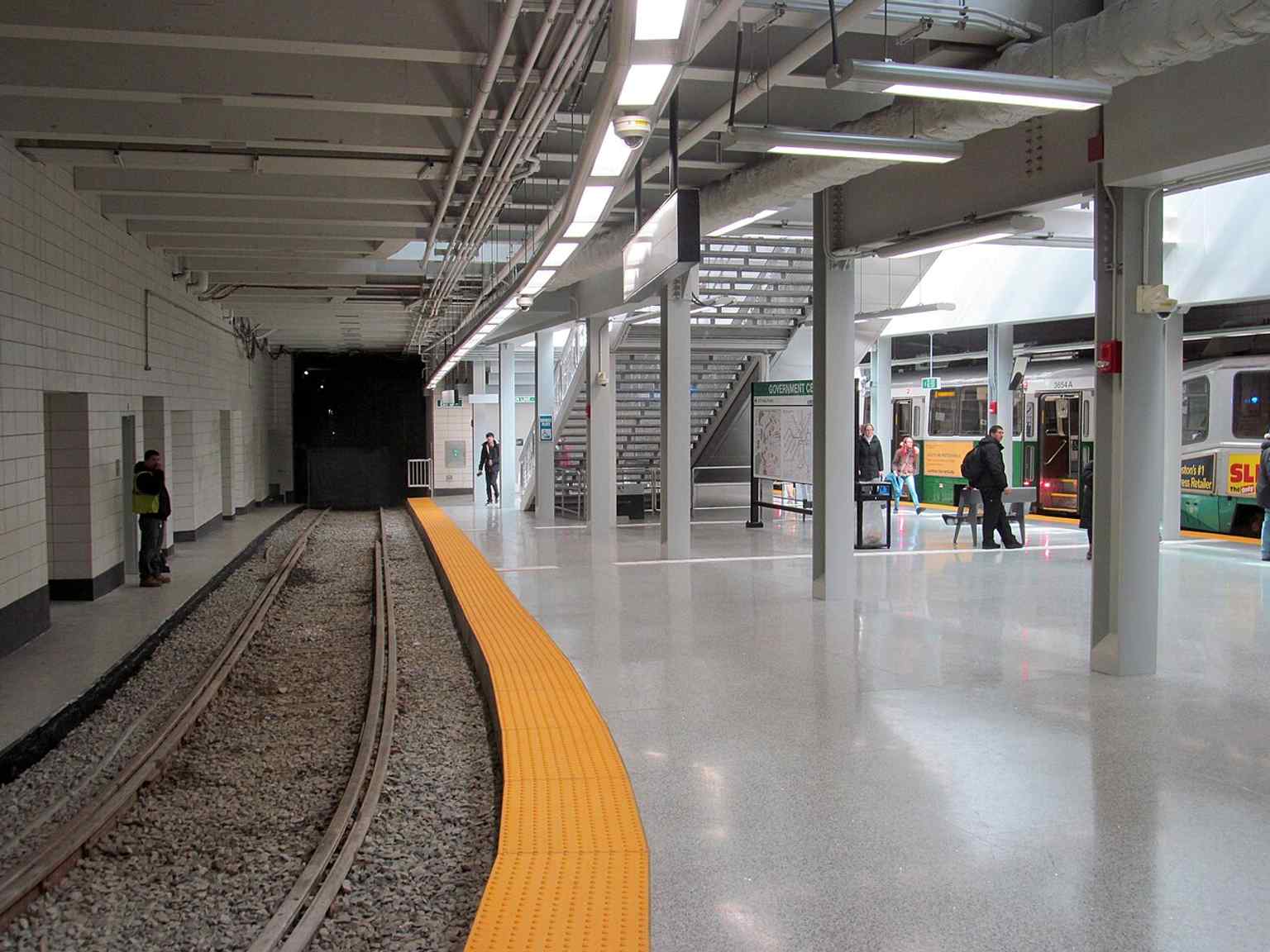
Back then, Scollay Square worked like a knot in a shoelace: horsecars, then streetcars, then elevated trains all tugged through the same spot. The original station had a wonderfully odd setup, with a three-sided platform and something called the Brattle Loop, a curved turnaround track that let streetcars swing in, unload, and head back out without reversing. If you want a peek at that surviving curl of track, there’s a detail image in the app.
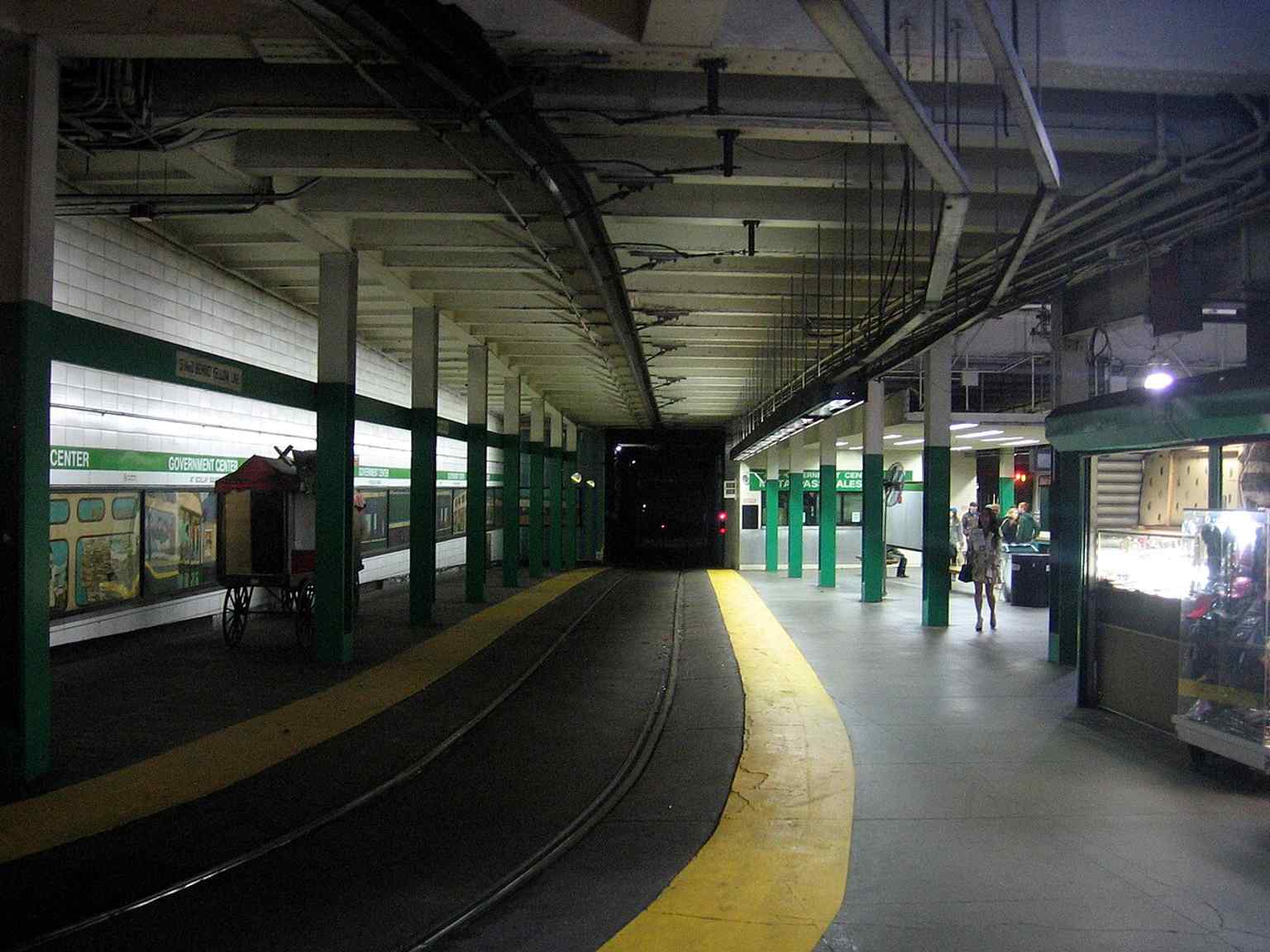
The station kept changing because Boston kept rearranging the city above it. In December of nineteen oh four, the East Boston Tunnel opened next door at Court Street and connected into this station. That first terminal turned out to be cramped and awkward. In nineteen oh six, a conductor was crushed between two streetcars there while readying his trolley pole for the return trip, and the station’s design flaws became impossible to ignore. So in March of nineteen sixteen, officials opened “Scollay Under,” a lower level linked to the older station. A few years later, in nineteen twenty-four, crews converted that tunnel from streetcars to rapid transit trains with high platforms and third-rail power... basically, the station switched species.
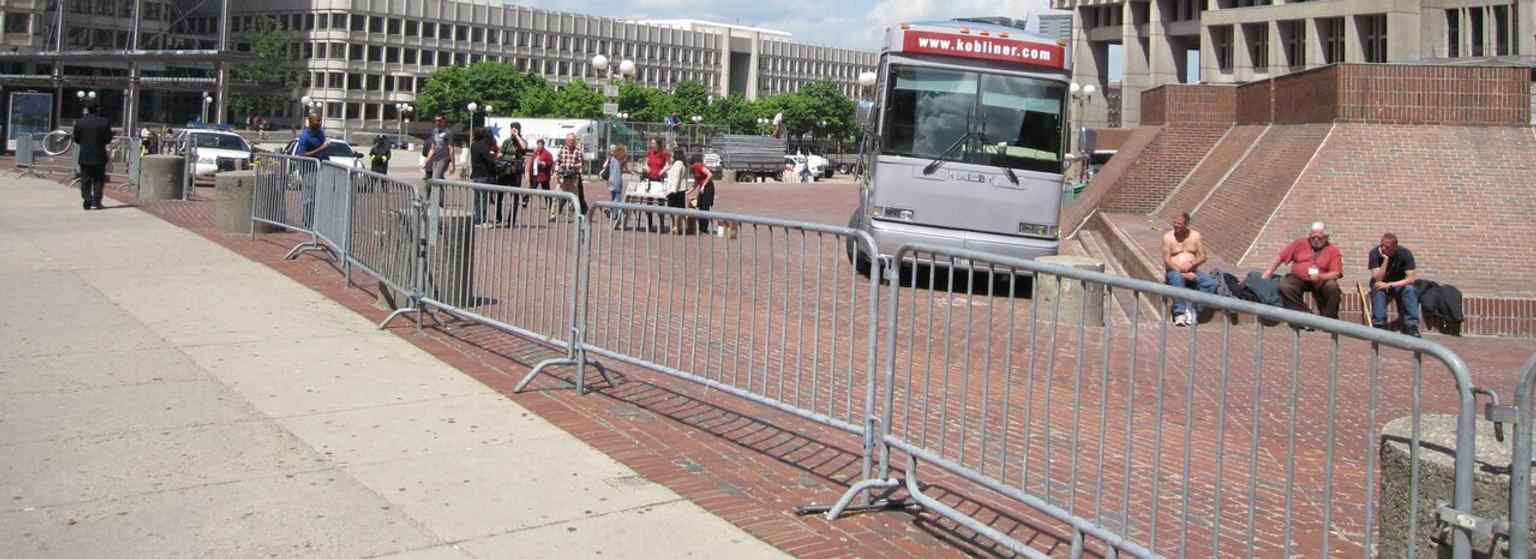
Then came the big rewrite. In the early nineteen sixties, Boston demolished old Scollay Square to create City Hall Plaza. The station got rebuilt, renamed Government Center, and fitted with a low brick entrance that even M-B-T-A managers admitted looked like a bunker, or maybe a cave. Critics had been roasting this station’s entrances for decades anyway; one earlier headhouse, meaning the little entrance building above the stairs, got compared to an enlarged soda fountain.
If you want a quick visual jolt, the old entrance photo in the app makes the contrast obvious.
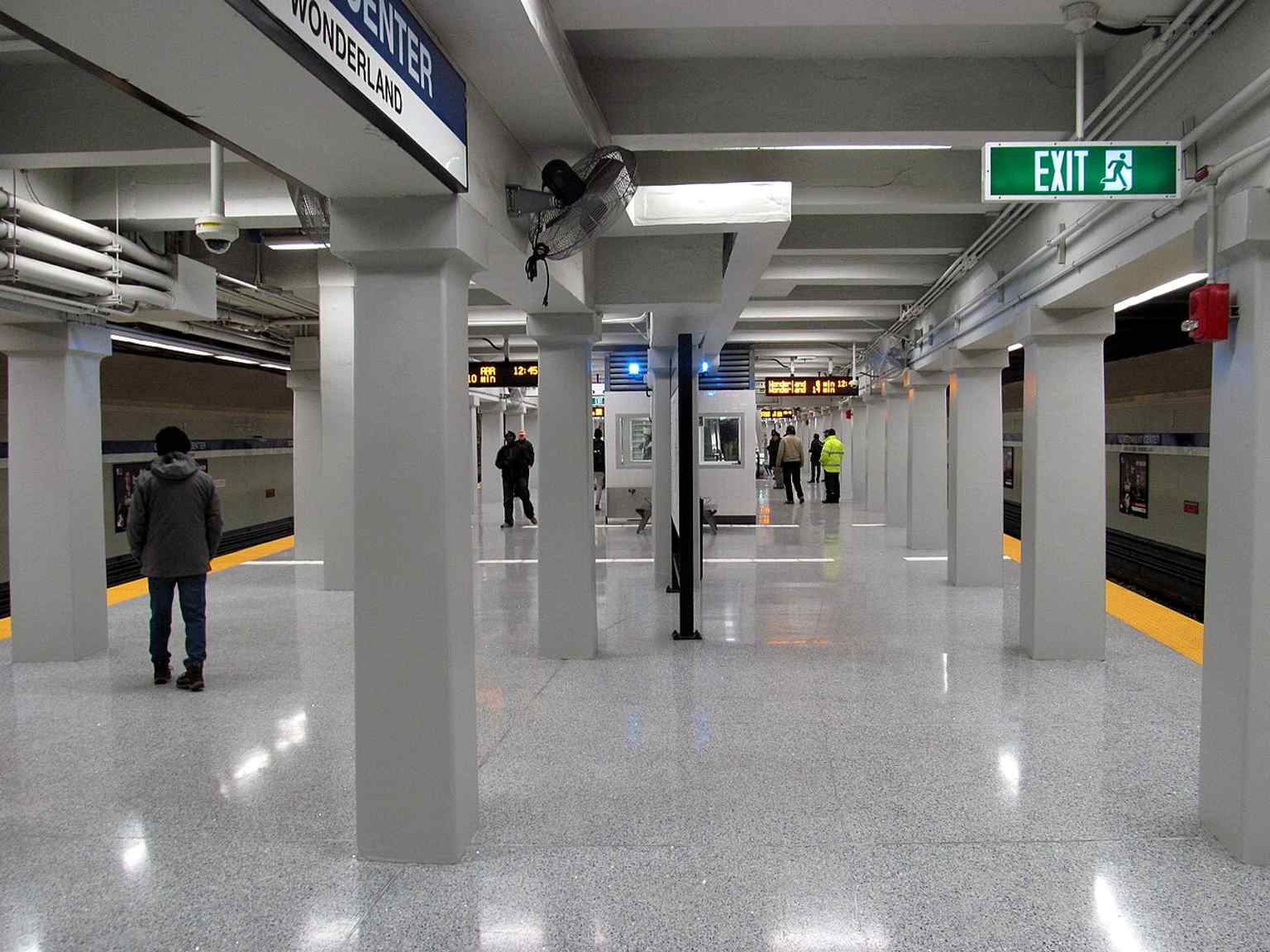
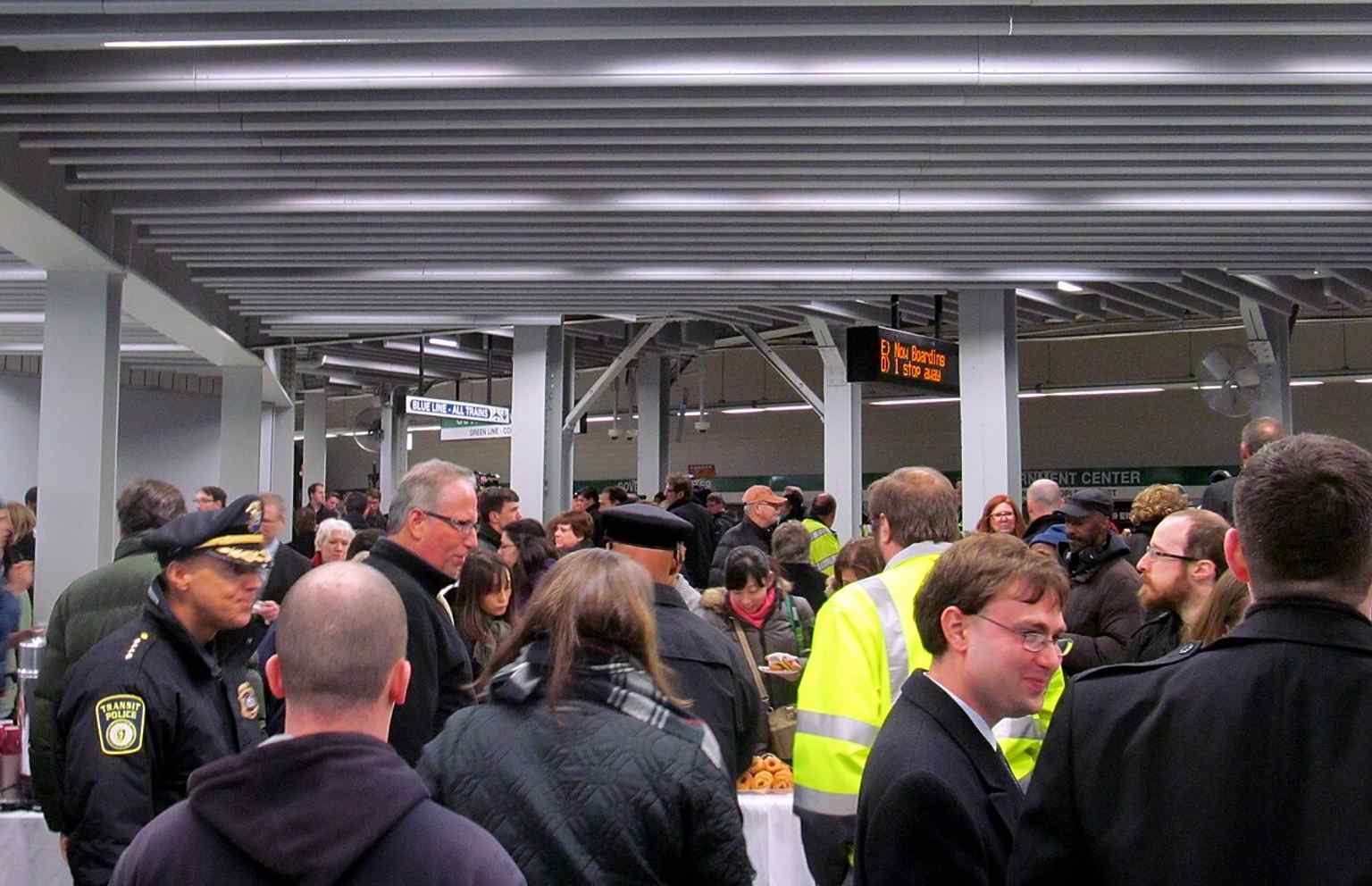
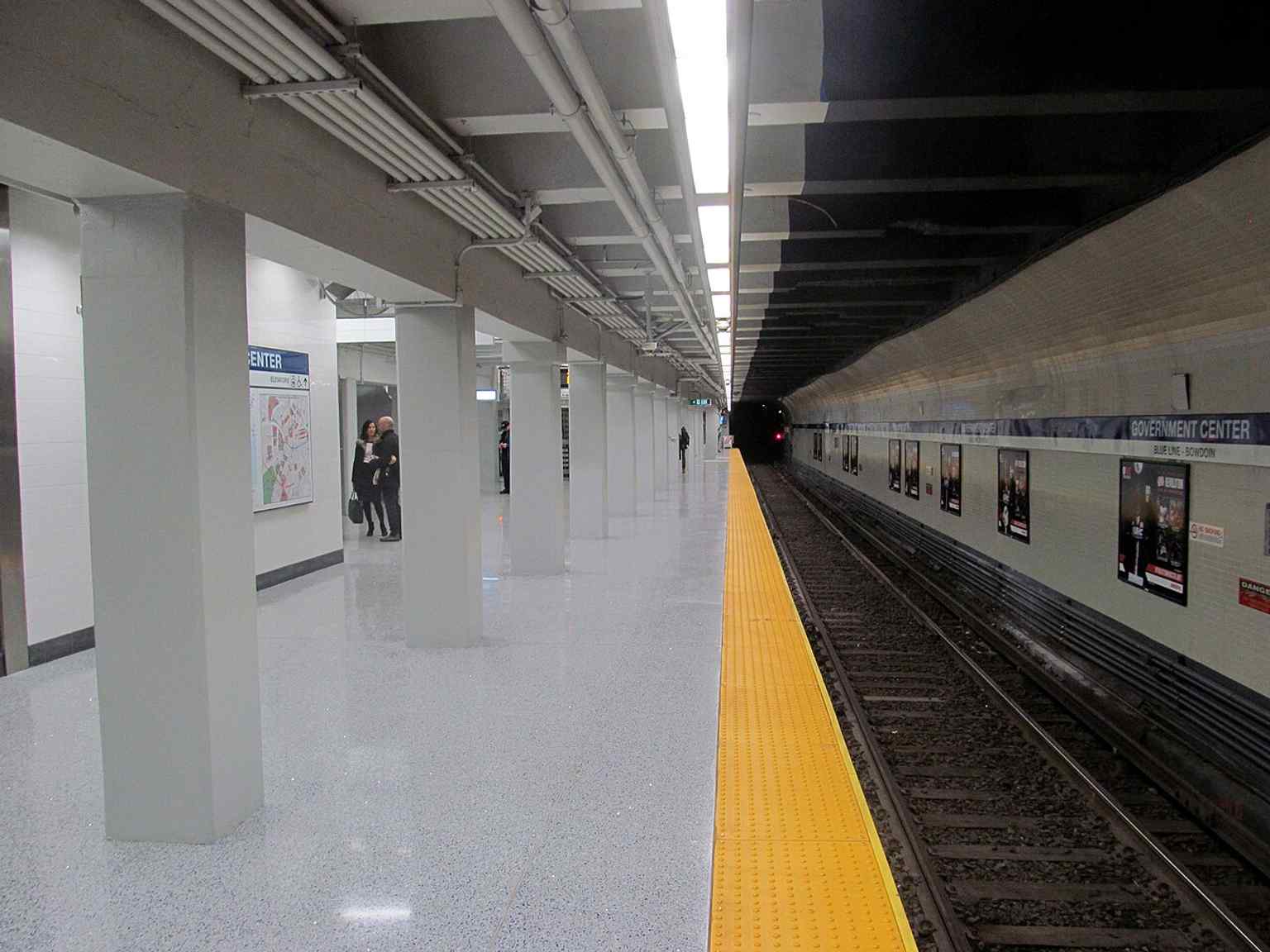
The version in front of you arrived after a full shutdown from March of two thousand fourteen to March twenty-first of two thousand sixteen. The rebuild added elevators, escalators, wider fare areas, better lighting, new electrical systems, and real accessibility at last. During demolition, workers uncovered old mosaic signs reading “Scollay Under” and “Scollay,” plus an original faregate, a ticket booth, and ceiling arches. Even the station’s old layers refused to stay buried. The nineteen seventies murals along the Brattle Loop couldn’t return because painted plywood no longer met fire code, so the renovation carried the past forward in other ways.
So this glass entrance is more than a subway portal. It’s Boston finally giving one of its oldest stations a face that feels open instead of defensive.
Take a moment with that transformation. When you’re ready, we can head along to the next stop.