
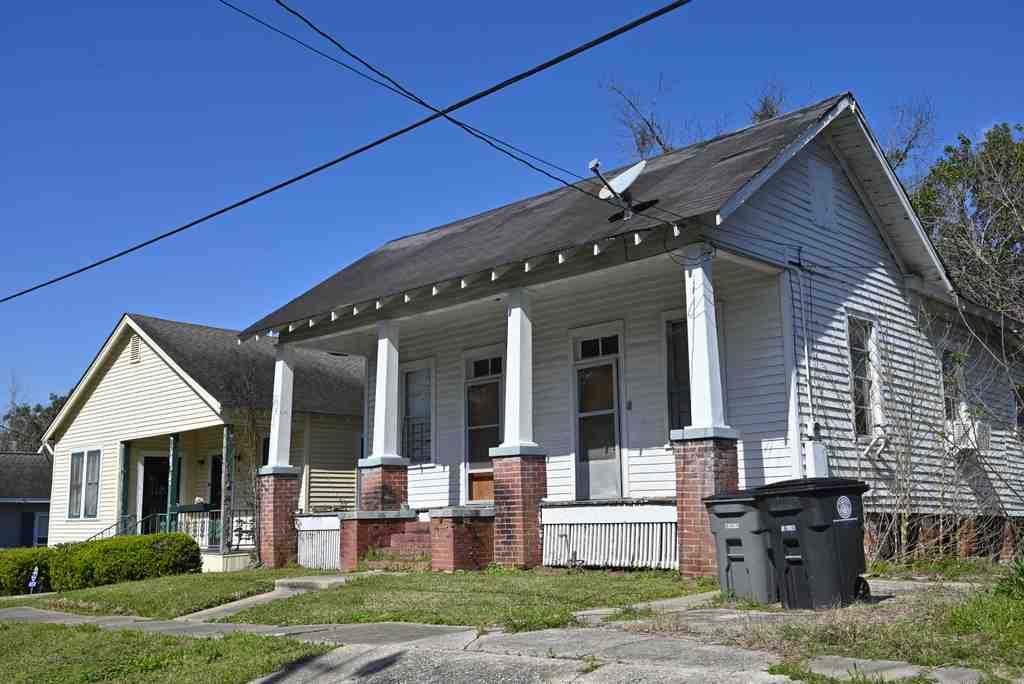
Look to your left at that classic, white wood-framed house featuring a triangular roofline and a front porch supported by distinctive square columns resting on solid brick pedestals. This quiet, charming street is the footprint of what was supposed to be the ultimate baroque metropolis, an intensely theatrical and highly ornate center of power. Back in 1806, a man named Elias Beauregard looked at his muddy plantation and envisioned a grandiose administrative hub for the Spanish province of West Florida, complete with a massive cathedral square, a coliseum, and lush pleasure gardens. He hired a French engineer to map out sweeping diagonal streets intersecting in a grand X, a layout typical of the grand European manner of town design. Look at your screen for a moment to see an aerial map of how these bold diagonal avenues still cut through the neighborhood today.
But there was a slight problem with Beauregard's grand vision... reality. The terrain was an absolute swamp. Beauregard was so eager to cash in that he started auctioning off lots before his land surveyor, a miserable fellow named Kneeland, had even finished mapping out the difficult landscape. Eager buyers arrived on riverboats clutching gorgeous promotional sketches, only to step off and realize their new luxury estates were quite literally submerged in water.
Naturally, chaos erupted, sparking Louisiana's very first real estate lawsuit. Kneeland, who complained bitterly about working up to his waist in mud, was never even paid his four hundred ninety dollar fee, which would be well over twelve thousand dollars today. The absurd legal battle dragged on for years until the United States annexed the territory in 1810, and the lawsuit over the Spanish land grant was just casually dropped.
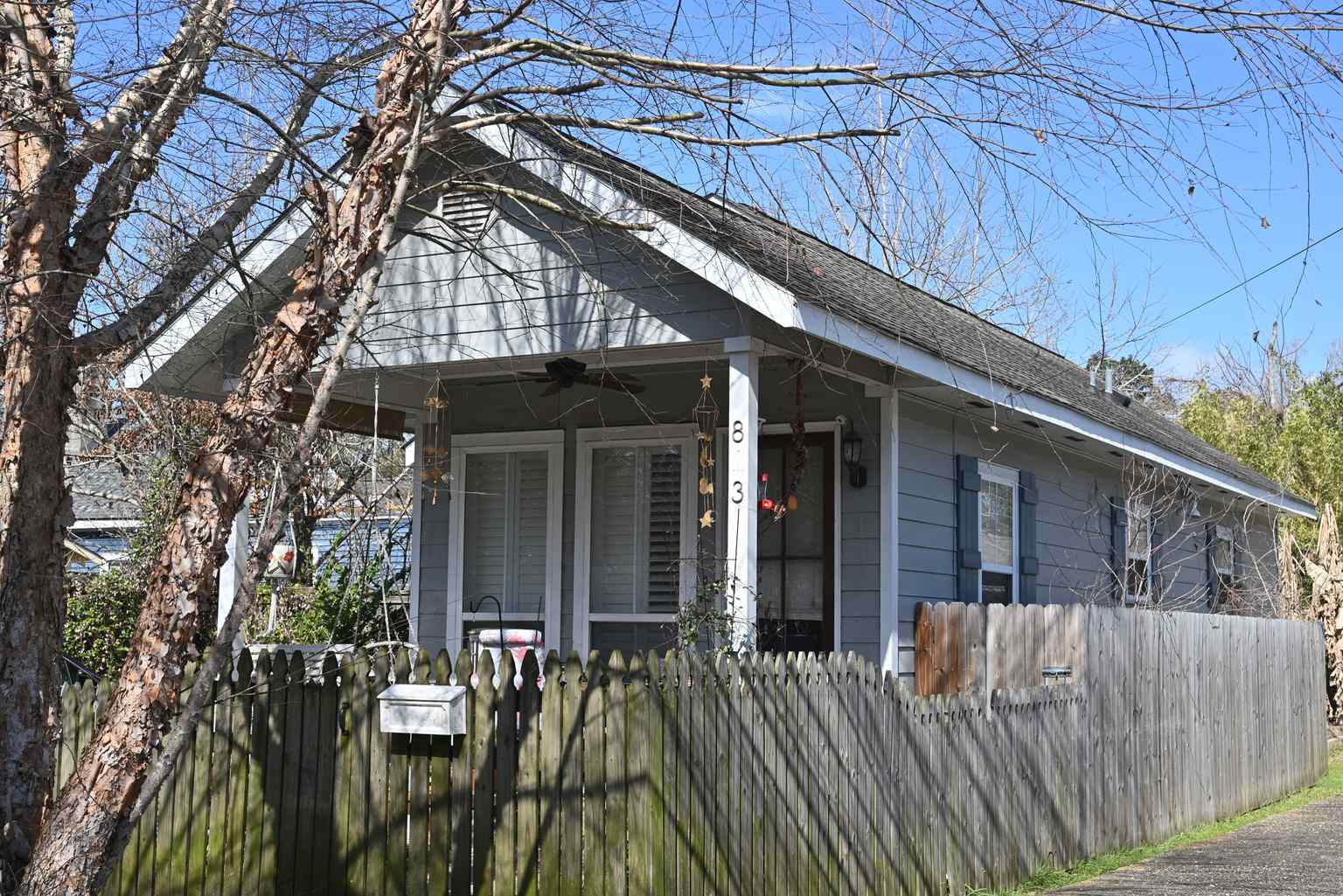
Over the centuries, this area has continuously rewritten its own physical story, burying those sweeping public plazas under a late nineteenth century building boom and widened modern traffic arteries. Yet, the bones of that spectacular failure remain. The very streets you are walking on are still named after European rulers and continents, echoing an empire that never actually materialized. Check your app to see a broader street view of the beautiful, diverse architectural styles that eventually filled in the gaps of his shattered dream.
Grand plans have a funny way of shifting into something completely unexpected around here. Our next stop is the Old Louisiana Governor's Mansion, just a seven minute walk away, where political ambition took on a very literal and famously eccentric shape. Let us head over.


.jpg)