
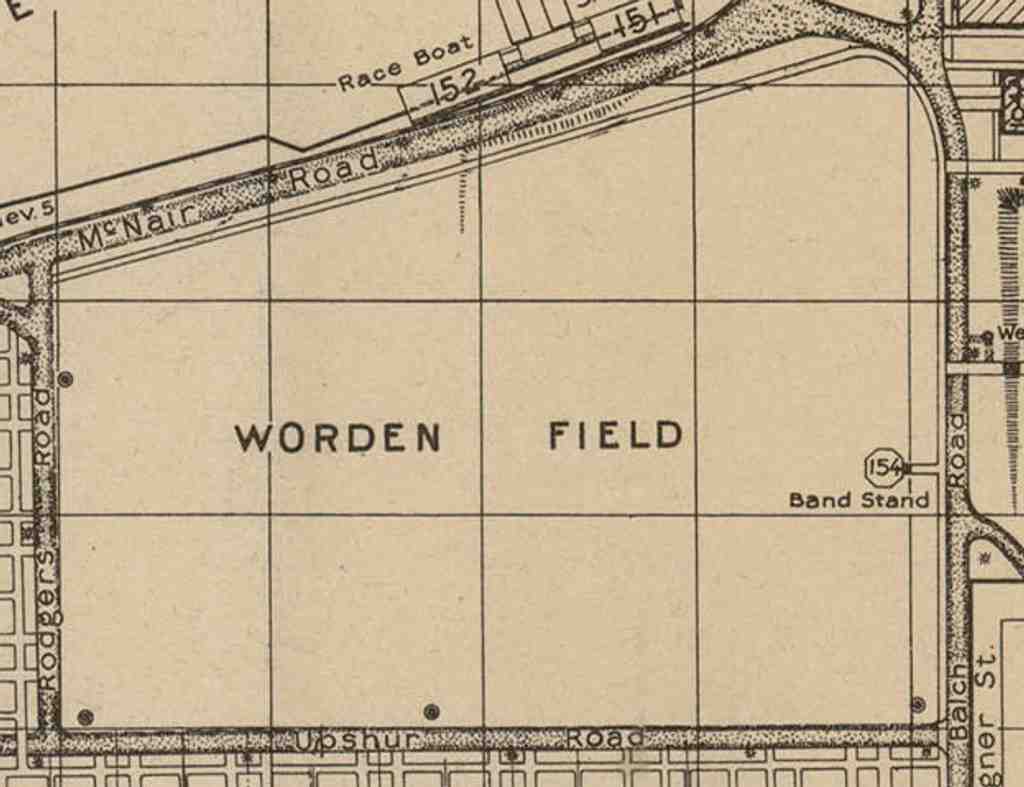
Look out over Worden Field, a sprawling flat expanse of manicured green turf, neatly framed by asphalt academy roads and anchored by a modest white-roofed gazebo on its eastern edge.
It looks incredibly peaceful. The Naval Academy excels at presenting these pristine, perfectly orderly spaces that seem to echo with nothing but honor and crisp discipline. But history is rarely as manicured as the lawns that memorialize it. The heroic image we like to attach to our monuments often acts as a polite cover for a much messier, and sometimes far less honorable, reality.
Take a look at the portrait on your screen. That is Admiral John Lorimer Worden, the Civil War hero this field is named for. He captained the famous ironclad, an early armored steamship, called the USS Monitor during its legendary clash with the CSS Virginia. Worden took a direct hit to the ship's pilothouse, suffering severe eye injuries that forced him to give up his command. He later became the Academy superintendent, establishing rigid traditions like the formal Color Parade, a highly choreographed military review still held right here on this grass. It is a story of sacrifice, duty, and flawless legacy.
But let us look at what actually happened on his namesake field. From 1890 to 1923, this was the home stadium for Navy football. Check your app for a map showing the field's layout just as its stadium days ended in 1924. In 1893, the grand Army-Navy game was played right here. The polished myth tells us of noble athletic rivalry. The reality is that the crowd erupted into a massive, violent brawl in the bleachers. It was such a disastrous spectacle that President Grover Cleveland completely banned the Army-Navy game. It took six years and the direct intervention of Theodore Roosevelt to get the competition reinstated.
And then there was the 1914 baseball scandal. The day before the Army-Navy game, Army coach Sammy Strang noticed something suspicious about the pitching mound on this field. He pulled out a tape measure and found the mound was fifty six feet and eight inches from home plate, which is nearly four feet closer than the strict regulation distance. The Navy coaches predictably claimed it was an innocent mistake that had somehow persisted all season. Strang did not buy it, forced the grounds crew to fix the distance on the spot, and Army went on to win the game anyway.
Even the Academy leadership could not escape the drama. In 1906, a grand new mansion was built nearby for the superintendent, but a visiting board decided it was simply too luxurious. They banned the superintendent from his own palace and banished him to a modest house on the edge of this field for three years.
So, as perfect as this grass looks today, remember the chaos buried beneath it. And speaking of chaos hiding behind a beautiful facade, our next stop is about a five minute walk away. Head toward the Tripoli Monument, where you will find that even the most elegant polished marble can obscure a remarkably dark and bitter truth.


