AudaTours logoAudaTours

Stop 16 of 17

Holy Trinity Church, Goodramgate

headphones 03:37 Buy tour to unlock all 19 tracks

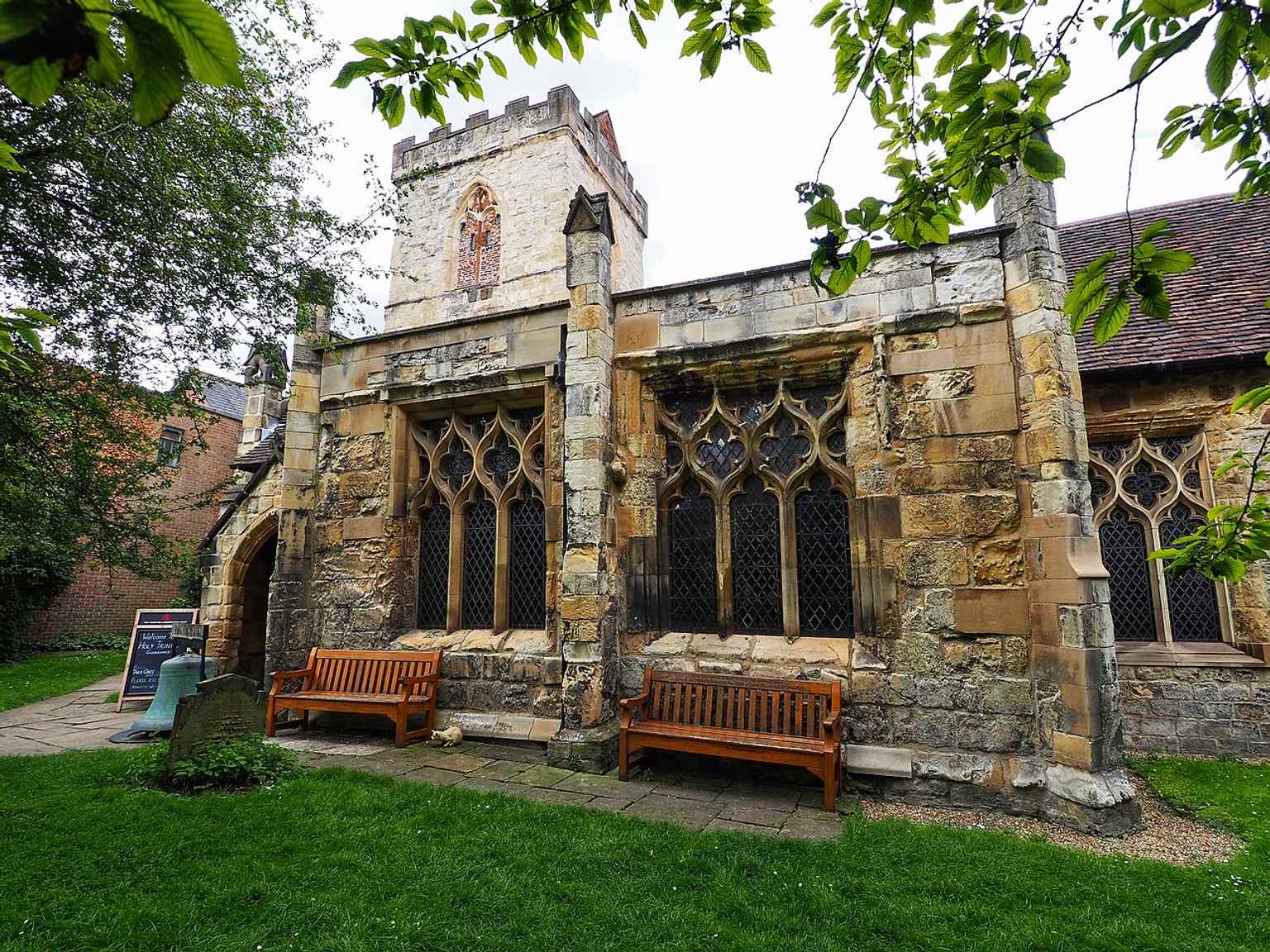
Look to your right for a compact limestone church with a plain medieval outline, a projecting porch, and a blue plaque by the entrance.

Holy Trinity feels less like a monument and more like a room that history forgot to tidy up. Parts of it go back to the twelfth century. The south-east chapel came in the thirteenth century, the south aisle and its arcade - that row of arches inside - in the fourteenth. Limestone laid the foundation, and later generations patched and extended it in brick, so even the walls admit that time leaves visible repairs.

This church carries some very human contradictions. In the south-east chapel there is a tiny squint, also called a hagioscope: a narrow opening cut so lepers could follow the service while being kept apart from everyone else. Worship and exclusion, sharing the same wall. If you want to see the detail clearly, have a look at the image on your screen.
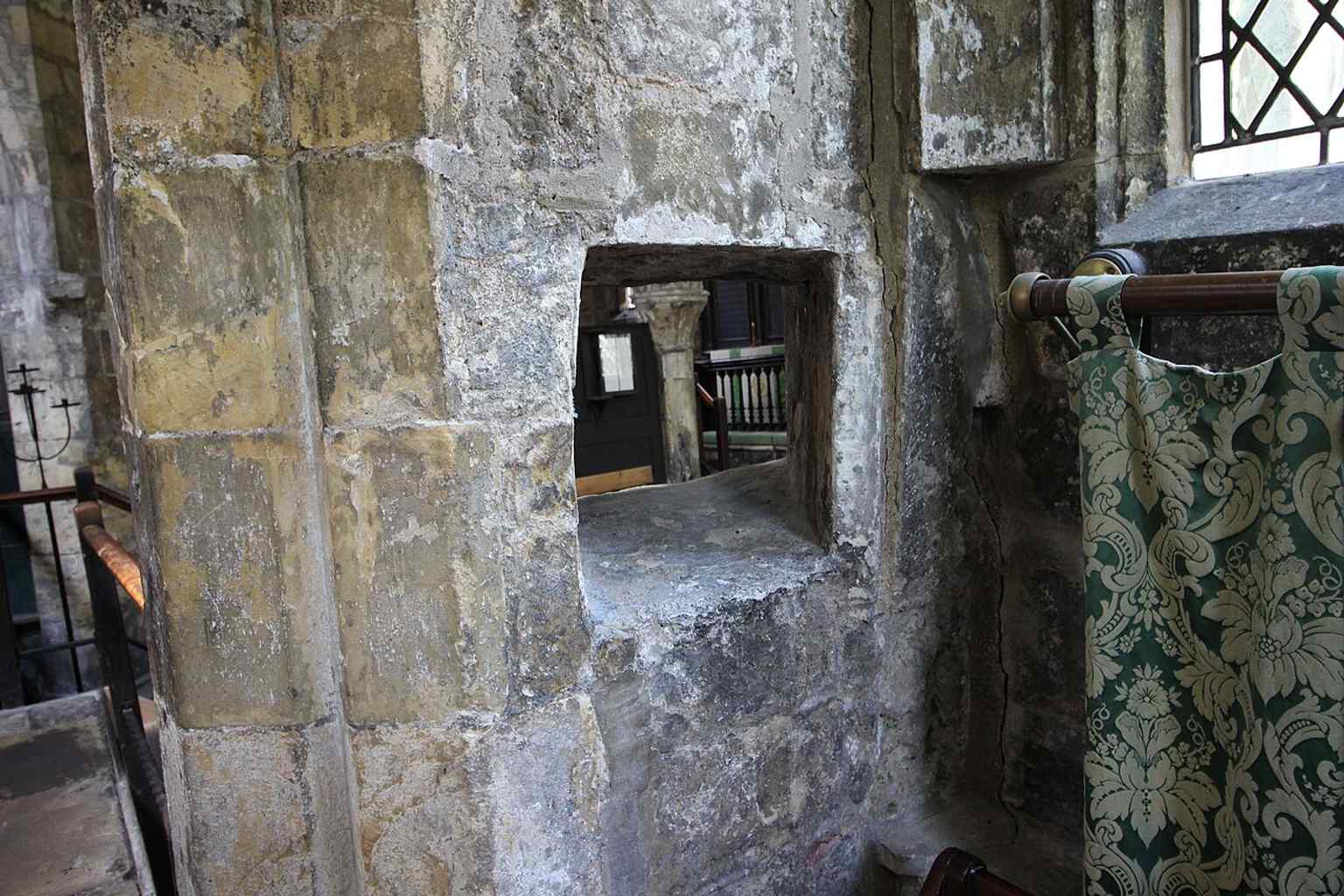
The hagioscope, or squint, that let lepers follow services from the side chapel while remaining apart from the main congregation.
The hagioscope, or squint, that let lepers follow services from the side chapel while remaining apart from the main congregation.Photo: Beep boop beep, Wikimedia Commons, CC BY-SA 4.0. Cropped & resized.

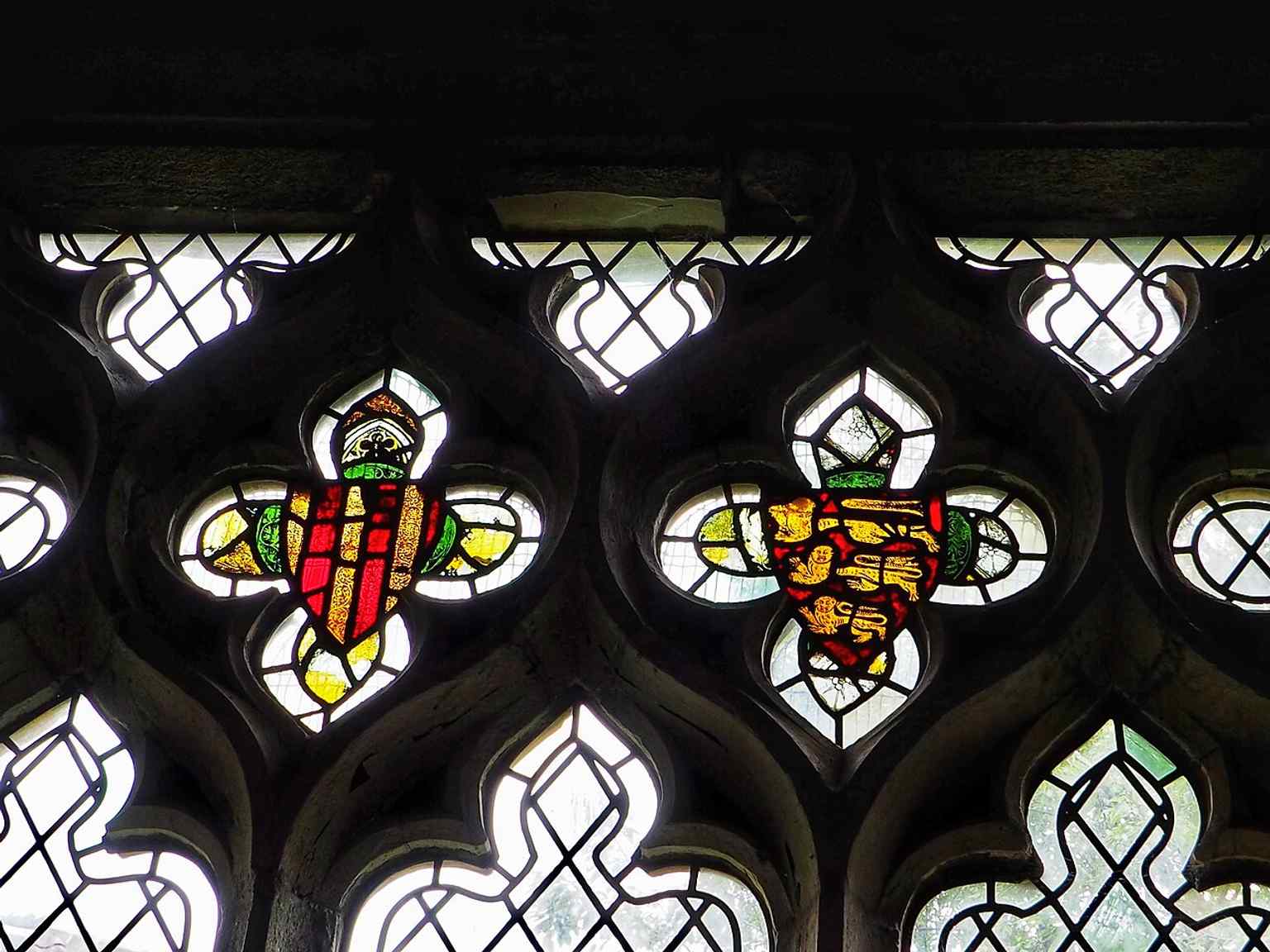
Then there is John Walker, the rector who donated the east window in fourteen seventy-one. He didn’t just pay for sacred glass; he placed himself in it, kneeling beneath the Holy Trinity. Medieval donors were not above a discreet bit of self-advertising.

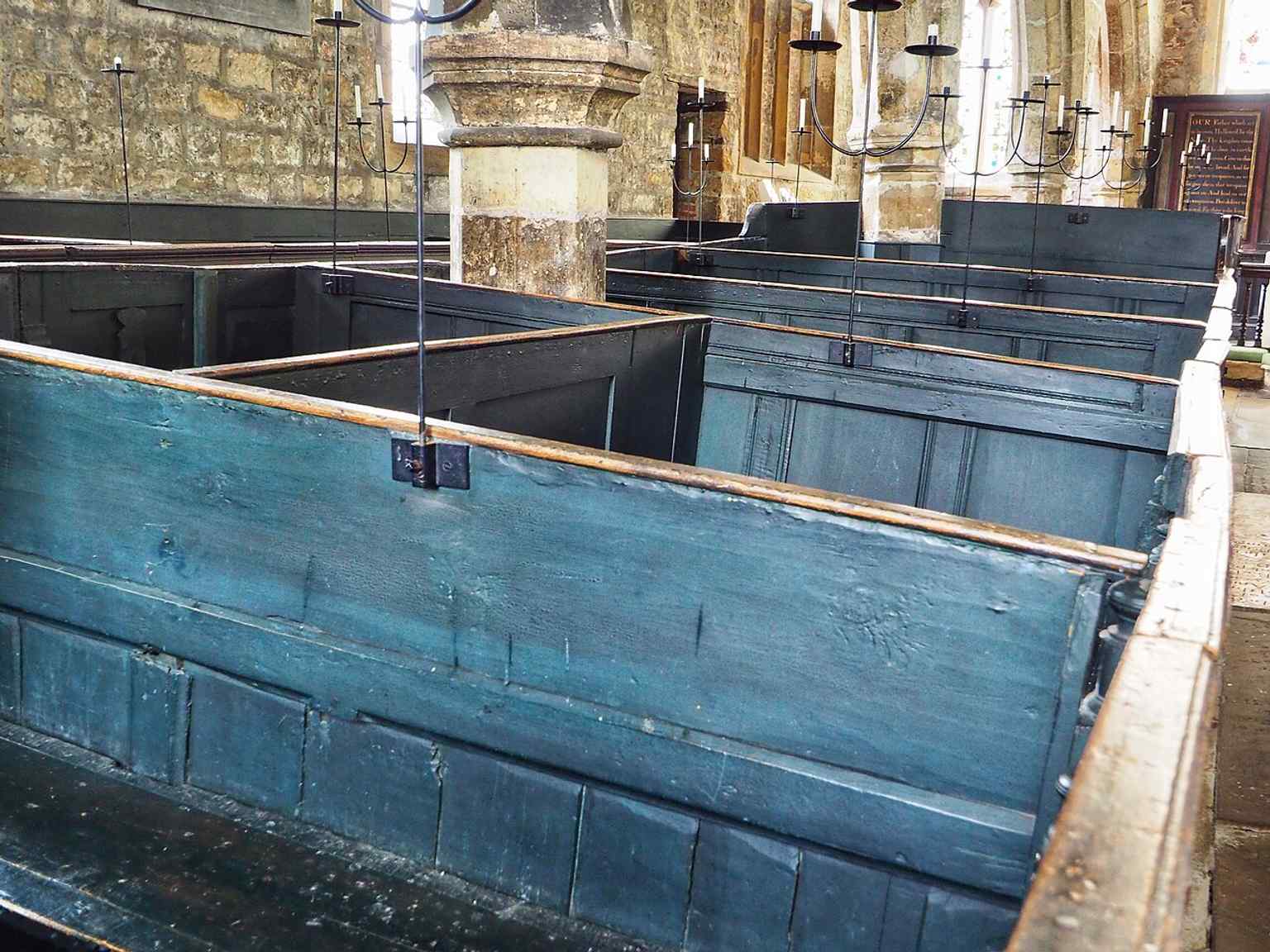
Inside, the church is famous for its box pews, rare survivors from the seventeenth and eighteenth centuries. They make the interior feel almost Georgian still, as if the congregation has just stepped out for a moment and left the place holding its breath. The app image gives you that wonderfully enclosed, slightly private feel. It is often said to be the only church in York to keep its box pews.

Outside, the blue plaque marks Anne Lister and Ann Walker, who took Holy Communion here at Easter in eighteen thirty-four after exchanging rings and making wills in each other’s favor. They understood that act as sealing their union. The first plaque managed, rather impressively, to spark controversy by not stating plainly that Lister was a lesbian; it was replaced with one that did. The service was led by the Reverend James Dallin, whose own memorial is inside.

Holy Trinity also remembers people far beyond one congregation: York lord mayors, including George Hudson, and nearly four hundred former pupils of Bedern National School, with old red marks showing who was injured, captured, or killed in the First World War. No grand speech... just names, and what happened to them.

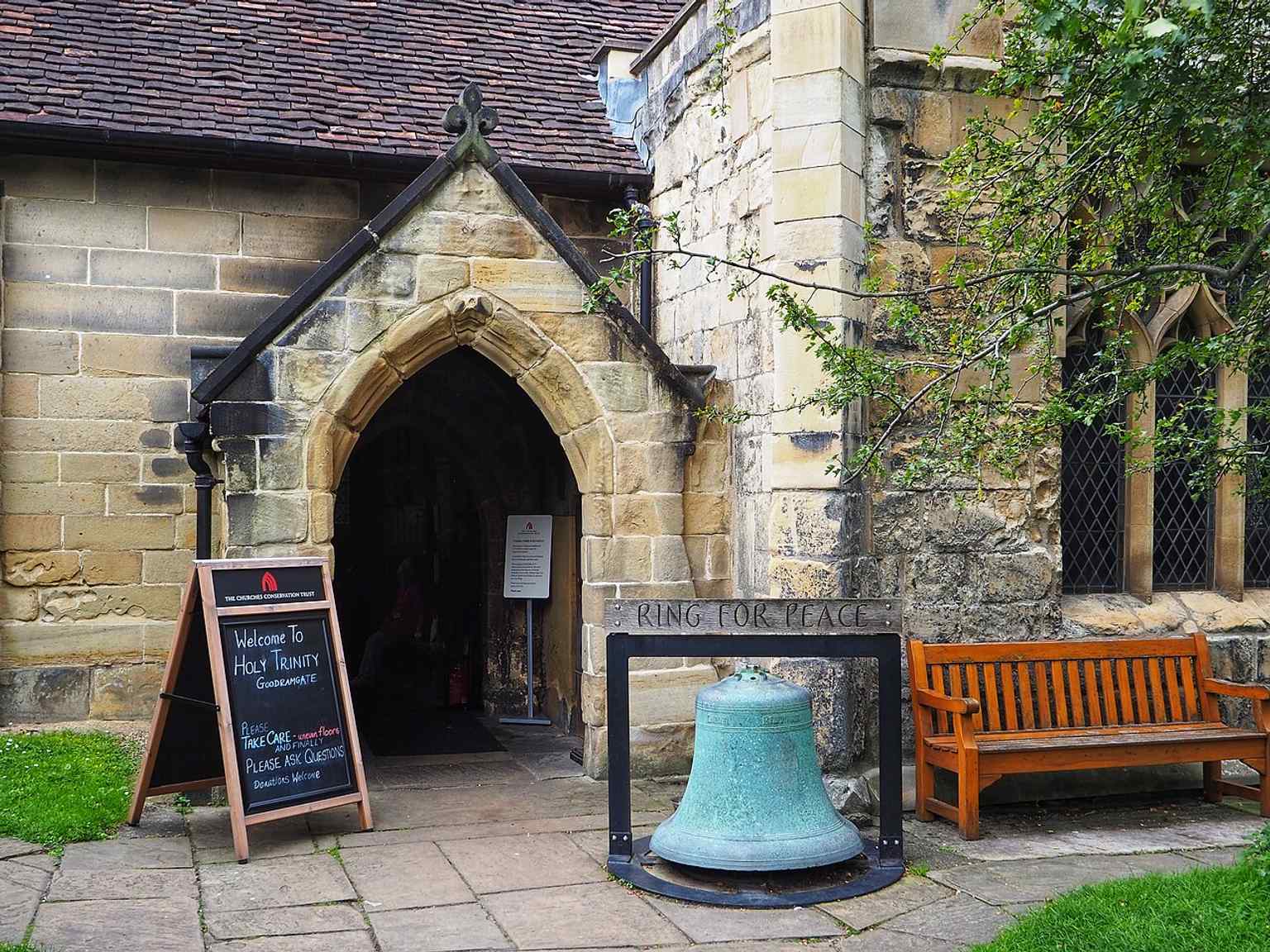
It nearly fell silent for good. Worship stopped for more than fifty years before restoration revived it in nineteen thirty-seven, and more recent conservators have even had to protect the entrance arch after loose masonry threatened the keystone. So this place survives because people kept deciding it should.

If you go in later, look for those box pews and that little squint, and ask yourself who got a place in the room... and who had to watch from the edge.

After everything this city has stored, staged, buried, rebuilt, and remembered, it feels right to end here, where the voices settle instead of competing.

If you want to see inside, Holy Trinity usually opens from Wednesday through Sunday, from eleven AM to four PM.
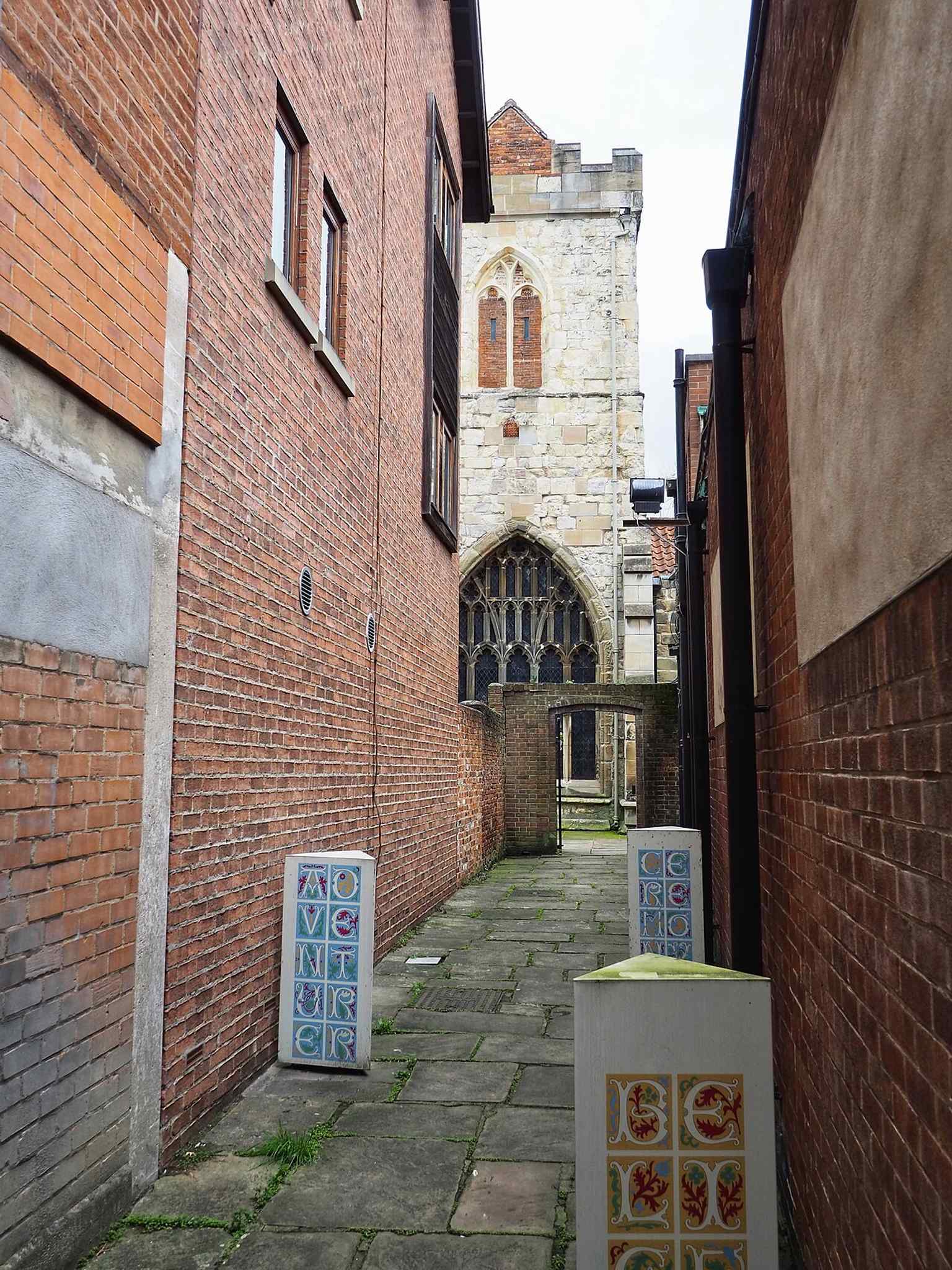
A clear view of Holy Trinity from Hornpot Lane, showing the Grade I medieval church hidden among later York streets.
A clear view of Holy Trinity from Hornpot Lane, showing the Grade I medieval church hidden among later York streets.Photo: Malcolmxl5, Wikimedia Commons, CC BY-SA 4.0. Cropped & resized.
The church exterior with its layered stonework and later additions, reflecting centuries of change from the 12th century onward.
The church exterior with its layered stonework and later additions, reflecting centuries of change from the 12th century onward.Photo: Malcolmxl5, Wikimedia Commons, CC BY-SA 4.0. Cropped & resized.
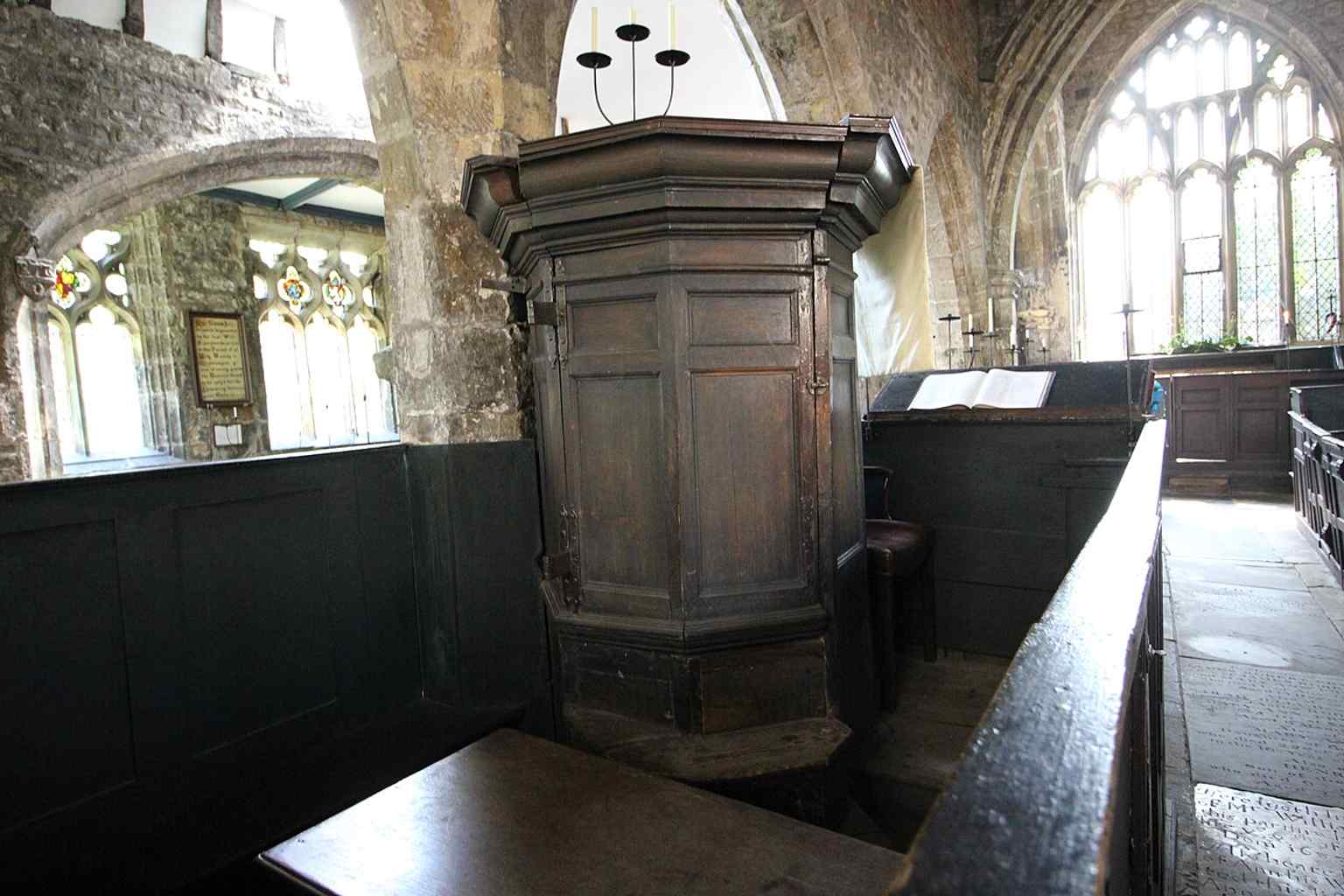
The pulpit inside the church, one of the surviving fittings that helps preserve its unusual historic interior.
The pulpit inside the church, one of the surviving fittings that helps preserve its unusual historic interior.Photo: Beep boop beep, Wikimedia Commons, CC BY-SA 4.0. Cropped & resized.
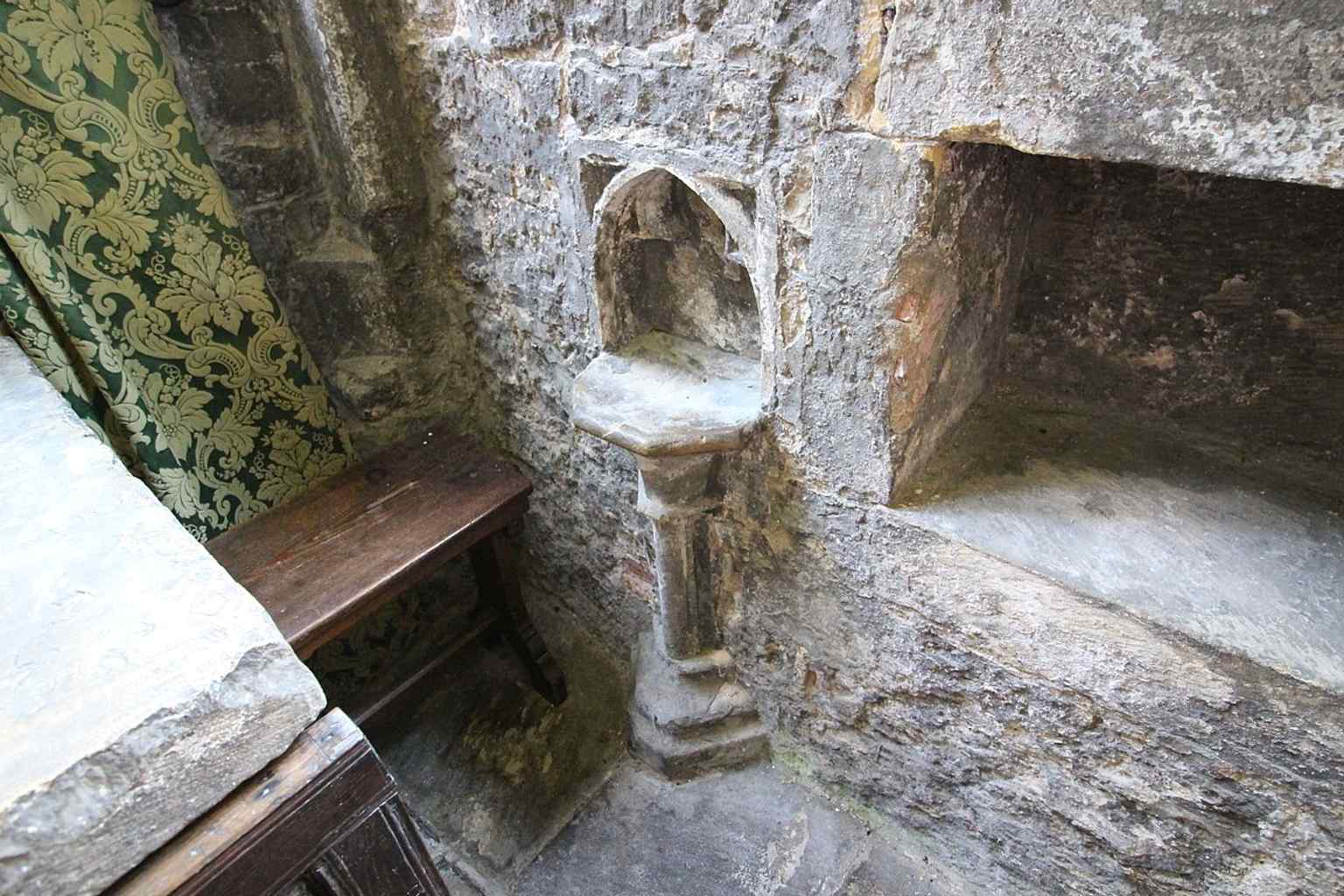
A medieval piscina in the church, a small liturgical feature that speaks to the building’s long pre-Reformation history.
A medieval piscina in the church, a small liturgical feature that speaks to the building’s long pre-Reformation history.Photo: Beep boop beep, Wikimedia Commons, CC BY-SA 4.0. Cropped & resized.
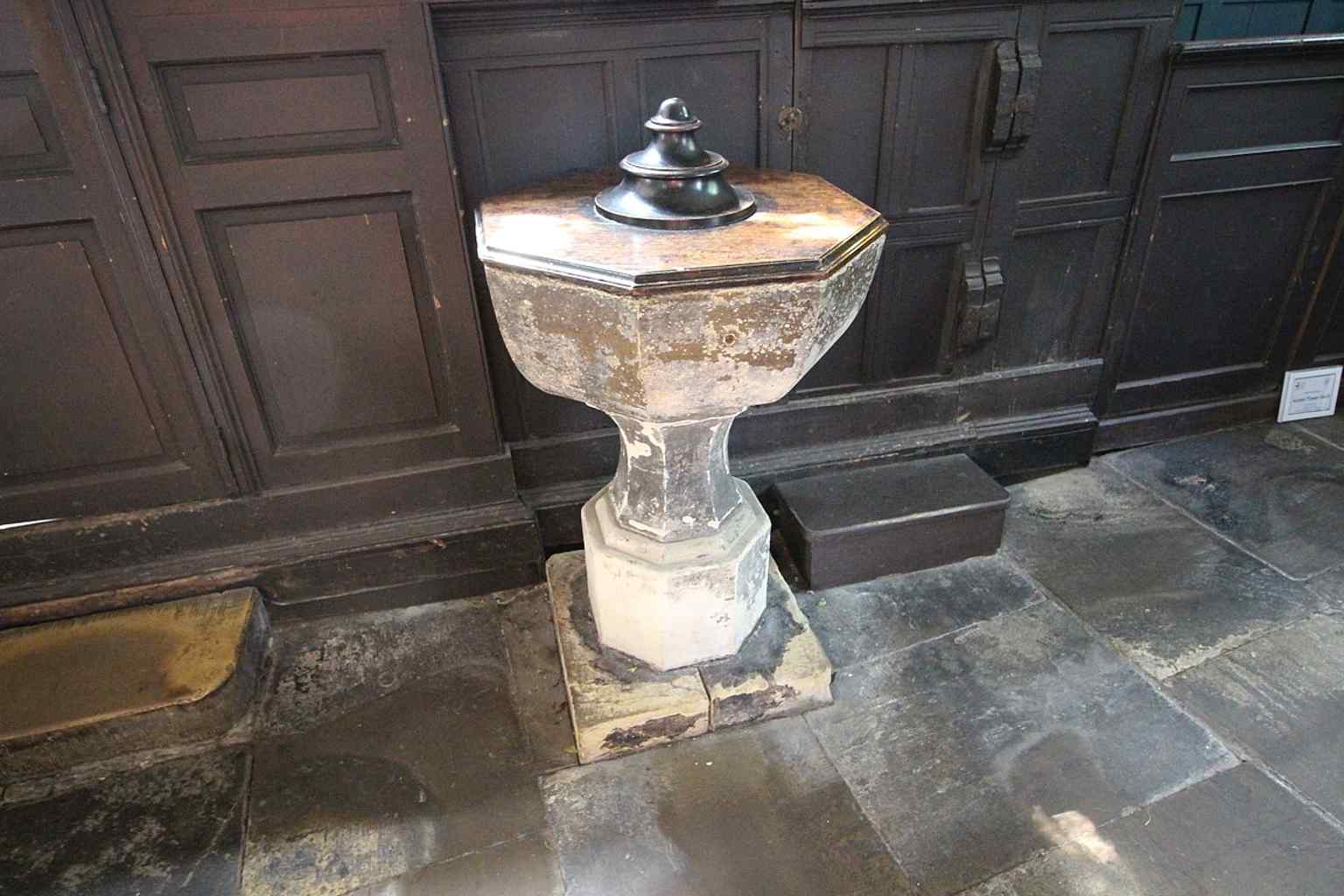
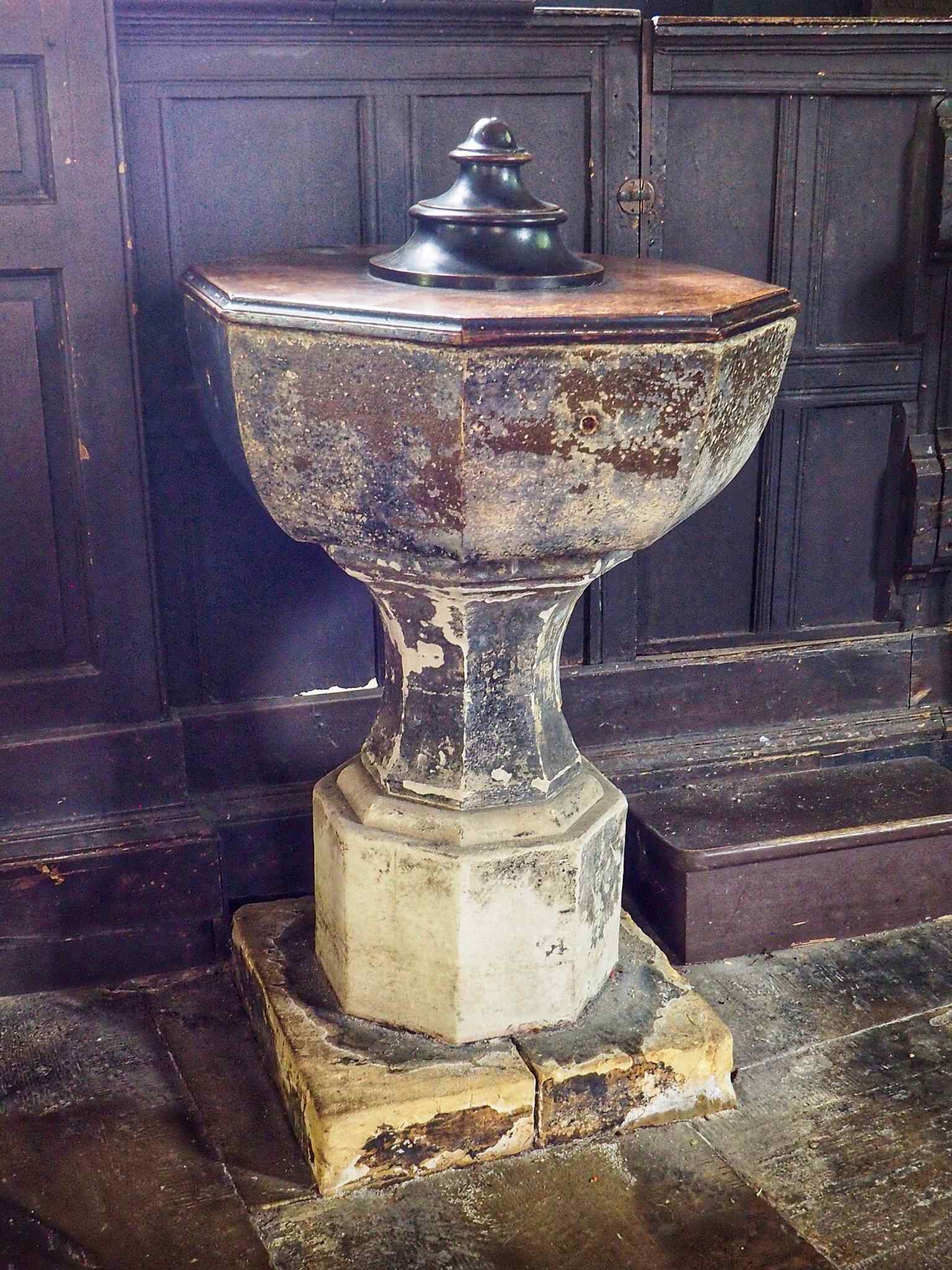
The font and interior fabric of Holy Trinity, part of the surviving parish church fittings that connect today’s visit to centuries of baptisms.
The font and interior fabric of Holy Trinity, part of the surviving parish church fittings that connect today’s visit to centuries of baptisms.Photo: Beep boop beep, Wikimedia Commons, CC BY-SA 4.0. Cropped & resized.
A recent documentary view of the church entrance and masonry, useful for showing the building’s ongoing conservation challenges.
A recent documentary view of the church entrance and masonry, useful for showing the building’s ongoing conservation challenges.Photo: Malcolmxl5, Wikimedia Commons, CC BY-SA 4.0. Cropped & resized.
Another modern exterior angle that emphasizes the church’s medieval massing and later repairs in brick and stone.
Another modern exterior angle that emphasizes the church’s medieval massing and later repairs in brick and stone.Photo: Malcolmxl5, Wikimedia Commons, CC BY-SA 4.0. Cropped & resized.
An interior view capturing the historic church space as a whole, where memorials and box pews still shape the experience.
An interior view capturing the historic church space as a whole, where memorials and box pews still shape the experience.Photo: Malcolmxl5, Wikimedia Commons, CC BY-SA 4.0. Cropped & resized.
A close view of architectural stonework that helps tell the story of repairs, restoration, and vulnerable historic fabric.
A close view of architectural stonework that helps tell the story of repairs, restoration, and vulnerable historic fabric.Photo: Malcolmxl5, Wikimedia Commons, CC BY-SA 4.0. Cropped & resized.
arrow_back Back to York Audio Tour: Historic Gems
Loved by travellers

Thousands of tours started.
Plenty of opinions.

4.8 across the App Store and Google Play. Here's a few we keep coming back to.

starstarstarstarstar
This was a solid way to get to know Brighton without feeling like a tourist. The narration had depth and context, but didn't overdo it.
Christoph
Christoph
Brighton Tour
starstarstarstarstar
Started this tour with a croissant in one hand and zero expectations. The app just vibes with you, no pressure, just you, your headphones, and some cool stories.
download Get the app

Pop your headphones in.
Step outside.

Free to download. Tours in every city. Start in 60 seconds — no account, no card.

Download on the App StoreGet it on Google Play
starstarstarstarstar_half
4.8
AudaTours app icon
headphones
~ 4 min until your first tour starts
public
1,000+ cities worldwide
all_inclusive
AudaTours
Unlimited

Every tour. Every city. One subscription.

3101 tours2271 cities138 countries50+ languages