
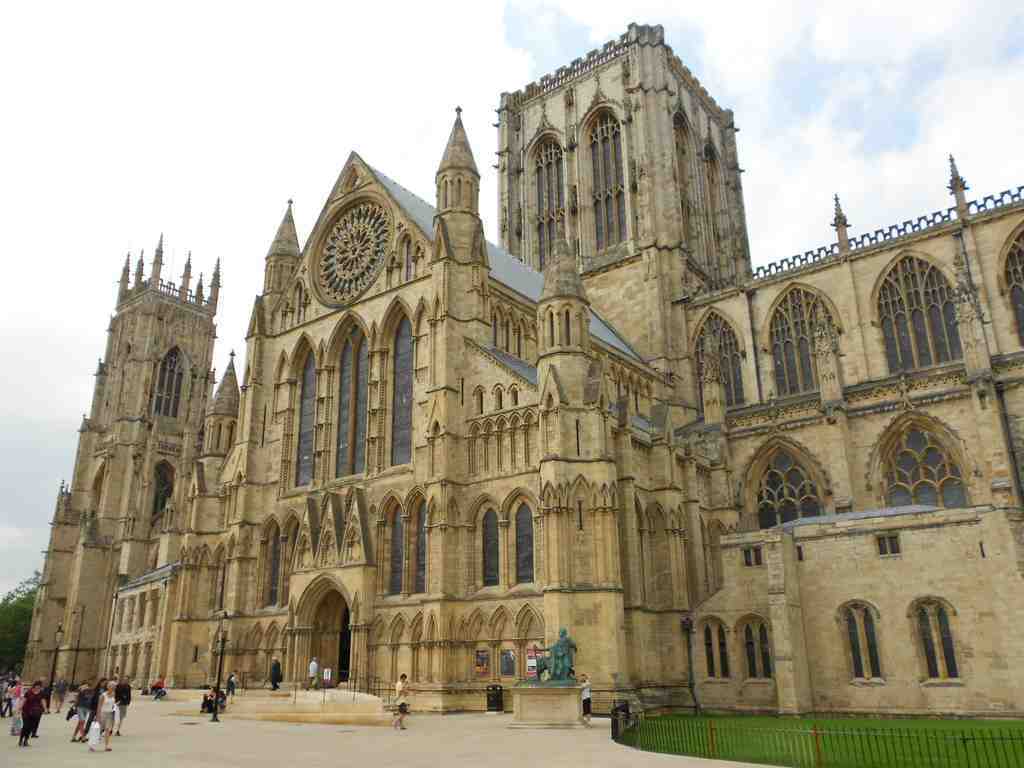
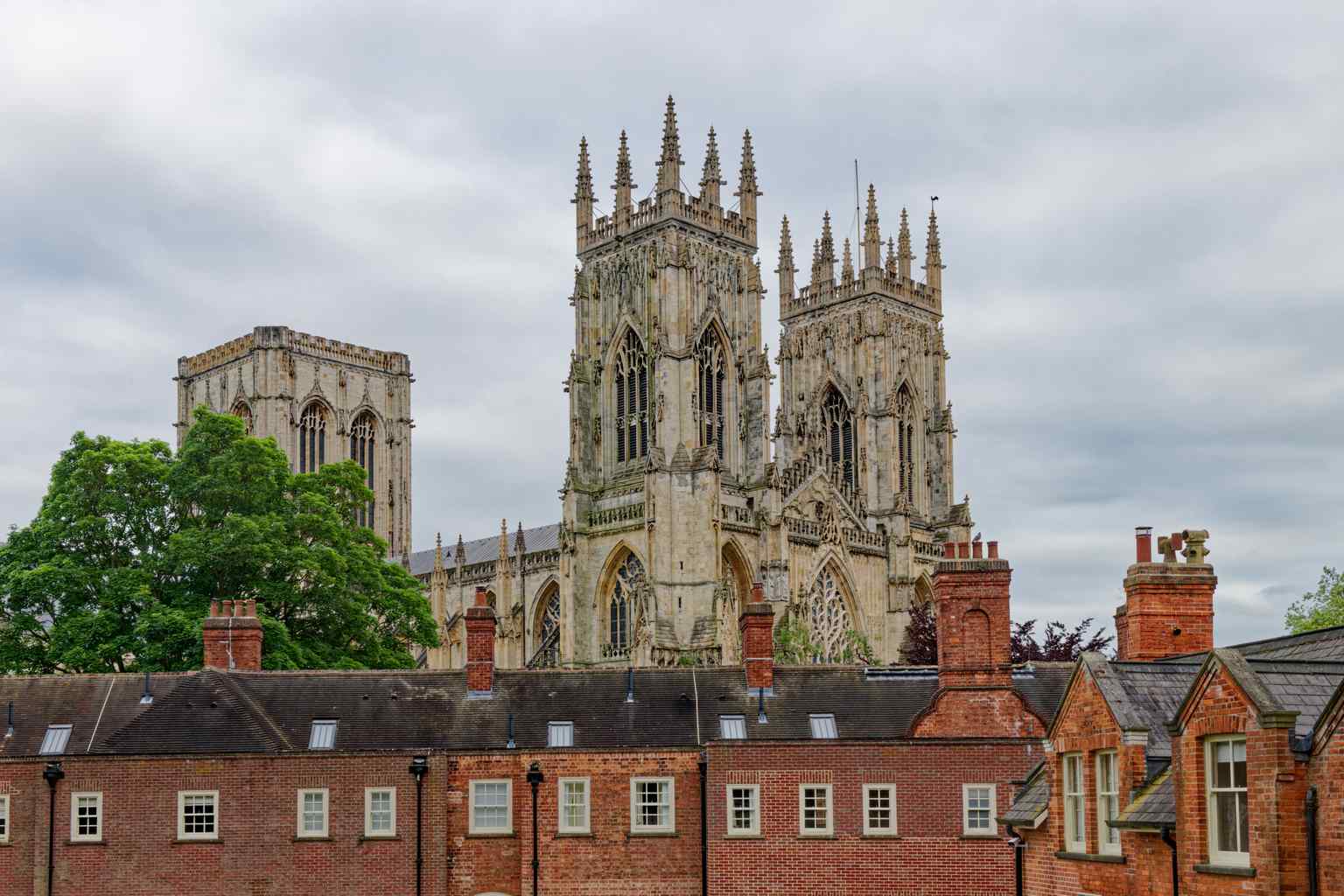
Look to your right and you will spot a colossal structure made of creamy white limestone featuring towering square spires and a massive circular window shaped like a delicate geometric flower. This is York Minster, and while we left the modern broadcasts of BBC Radio York just 8 minutes ago, this site has been projecting power for nearly two millennia.
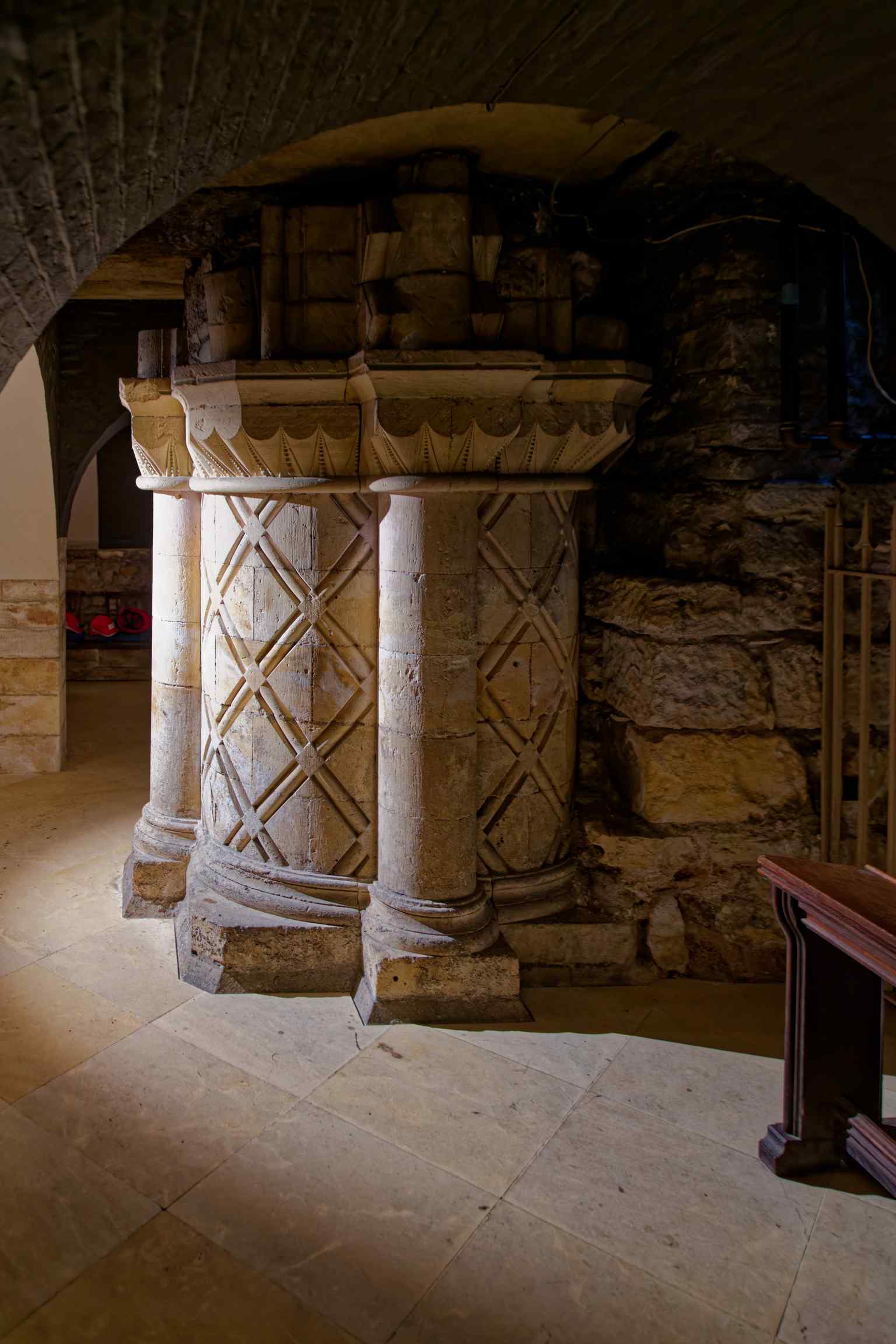
The word Minster is an ancient Anglo Saxon title that originally meant a missionary teaching church, but the real story of this ground goes much deeper than the medieval walls you see today. Far below the modern pavement lies the buried ruins of the Roman principia, the central military headquarters of the fortress of Eboracum. The air is tense in the year 306. The Roman Emperor Constantius has just died suddenly. The empire is vulnerable. Right in that underground headquarters, the soldiers make a bold, history-altering move. They proclaim his son, Constantine the Great, as the new Roman Emperor. That moment changed the world, because Constantine would eventually become the first Roman emperor to convert to Christianity, legalizing the faith across the entire empire. Today, there is a bronze statue of Constantine sitting just outside the South Transept to mark the exact location of his rise to power. Though in a rather bizarre modern twist, a thief stole the statue's bronze sword in 2016 and threw it down a drain, costing the local civic trust nearly 800 pounds to replace.
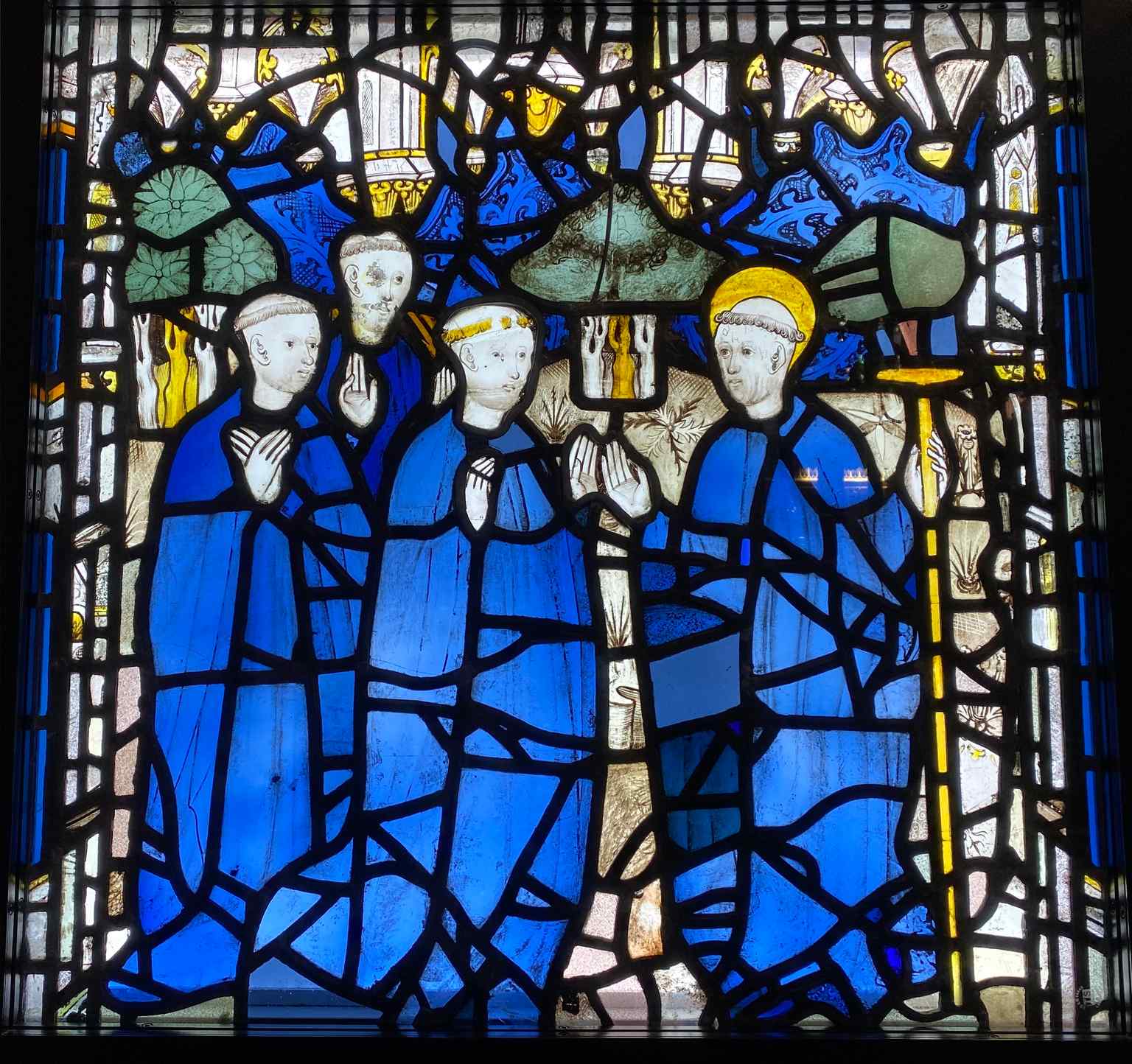
But that statue also represents an unbreakable grit that has protected this place through endless wars and violent upheavals. The survival of this majestic building, especially its breathtaking medieval stained glass, is nothing short of a miracle. During the English Civil War in 1644, the city fell to the Parliamentarian forces. All over the country, Puritan soldiers were smashing church windows and destroying religious art. But the commander who conquered York, a Yorkshireman named Sir Thomas Fairfax, flat out refused to let his men touch the Minster. He issued strict protective orders, completely defying the destructive trend of his own army, ensuring those fragile glass panels remained entirely untouched.
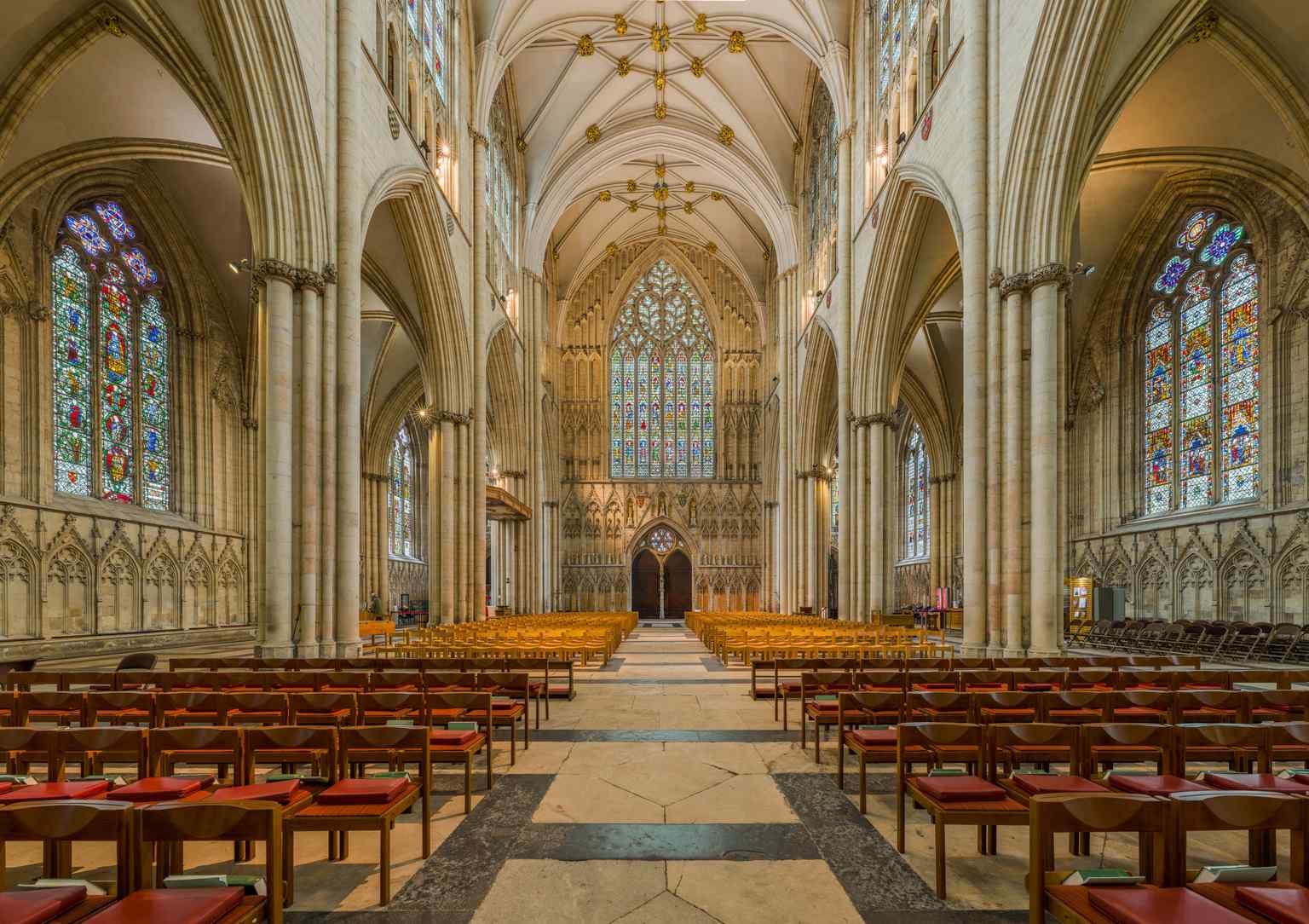
If you want to explore the grand interior, the cathedral is generally open from 9:30 in the morning to 4:00 in the afternoon Monday through Saturday, with a shorter window on Sunday afternoons. But right now, turn your attention to the smaller church sitting directly opposite the Minster. It was there that a notorious local rebel was actually baptized. We will head to that very building, St Michael le Belfrey, which is just a 4 minute walk away. Let us go.






