
Stand to the left and look at that pale stone facade, dominated by a massive central arched window and crowned by an ornate open-work bell tower perched right on the roof peak. We are right next door to York Minster, which we walked past just a few minutes ago, but St Michael le Belfrey holds a distinct energy all its own.
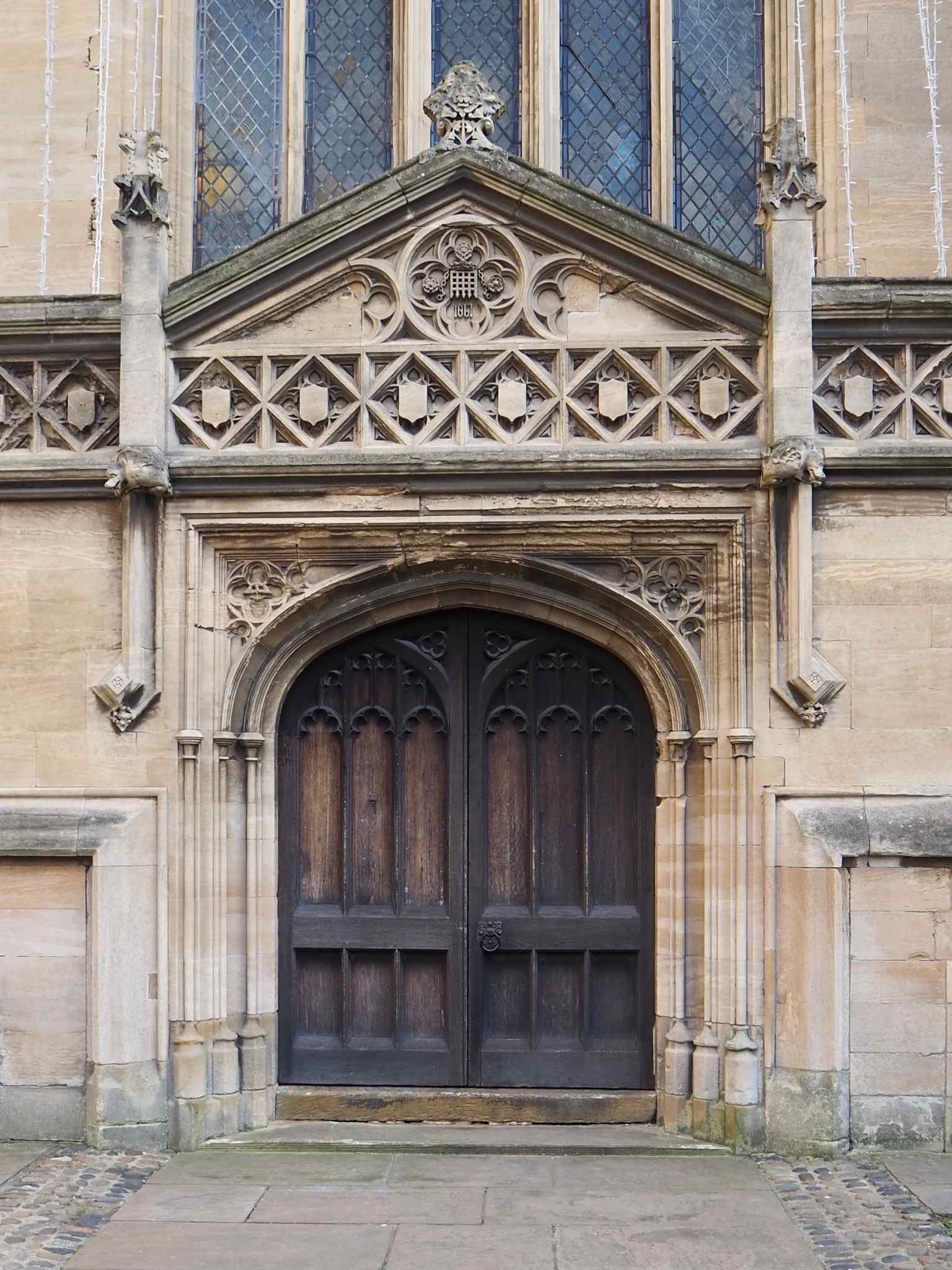
In April 1570, a baby was carried through those doors for his baptism, a local boy named Guy Fawkes, whose family leased a house just down the street. It grounds the infamous figure, the man who would later try to blow up Parliament in the 1605 Gunpowder Plot, right here in the everyday life of this parish. His father, Edward, was a prominent lawyer for the church courts, and an enlarged copy of the parish register reading Guye fawxe is still proudly displayed inside today. The trajectory of his life shifted dramatically when his father died. His mother later married a Catholic man who introduced the young Guy to the outlawed faith that would ultimately lead him to his explosive destiny.
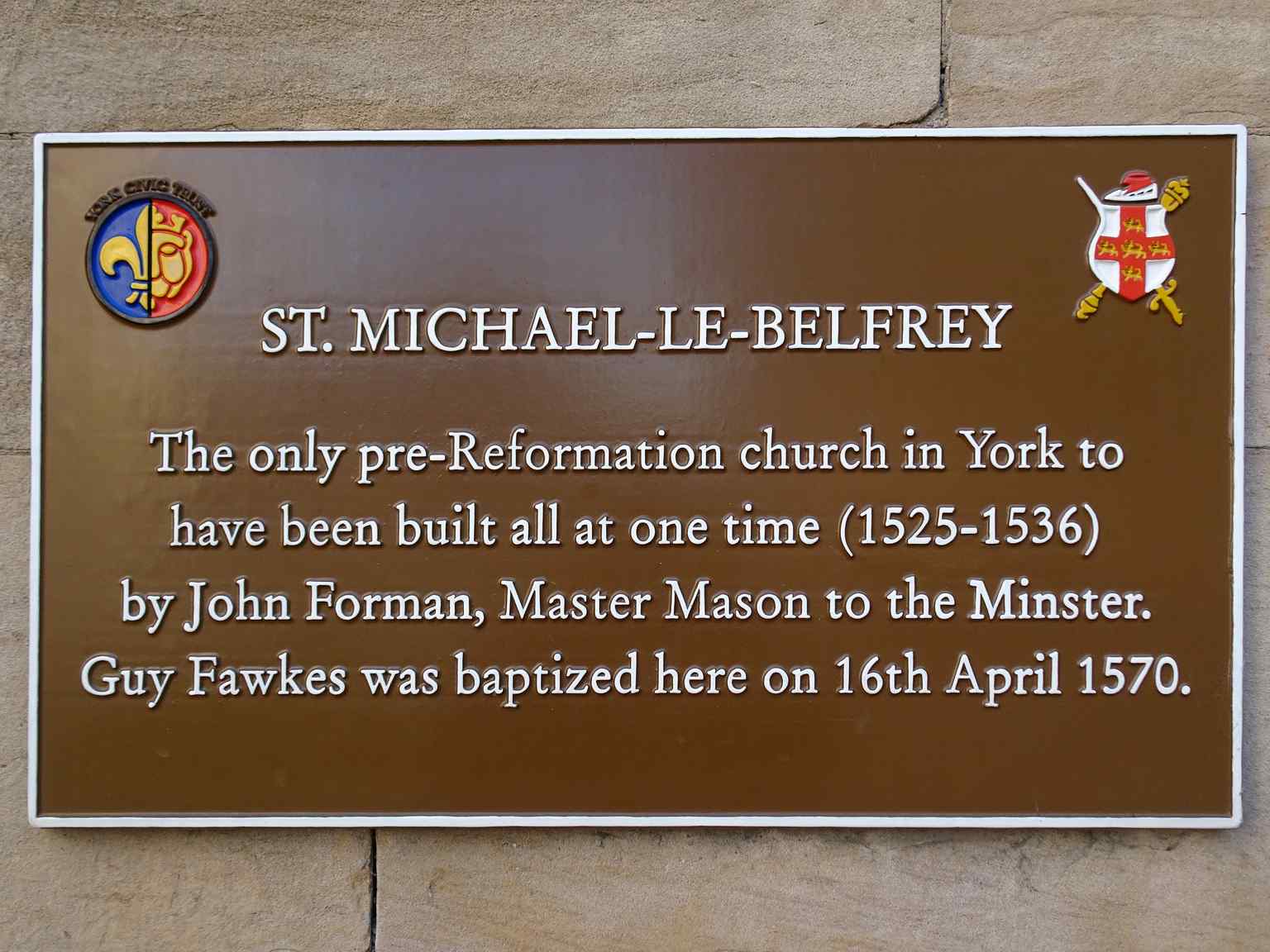
But Fawkes is not the only rebel tied to this building, because inside the east window sits a hidden relic of rebellion, secretly preserved in plain sight. When this ambitious Tudor Gothic church was rebuilt between 1525 and 1537, replacing a crumbling thirteenth-century structure that parishioners were quite literally terrified to enter, the builders kept some spectacular fourteenth-century stained glass. One of those historic glass panels prominently depicts the martyrdom, or the execution for religious beliefs, of Thomas Becket.
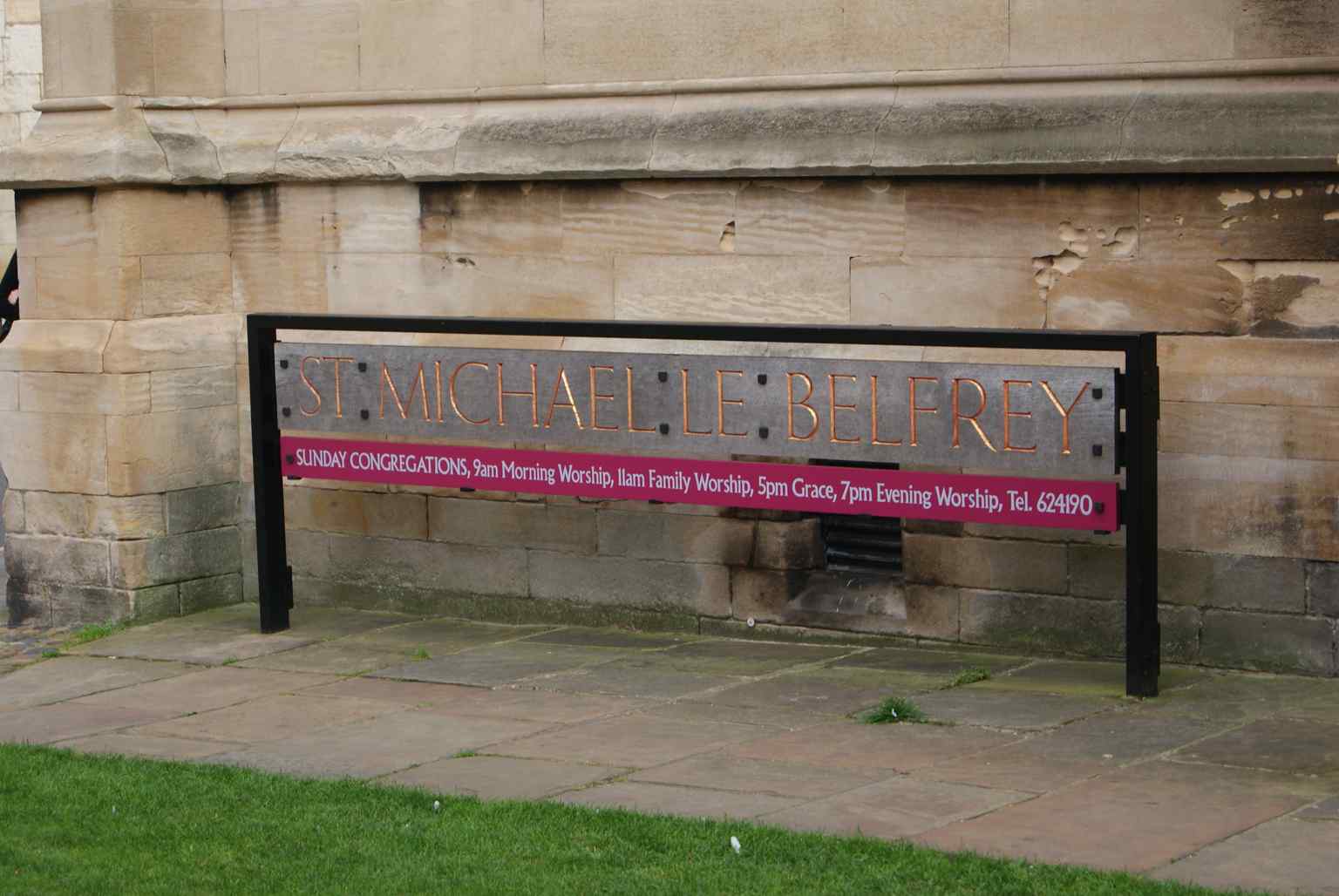
Here is where the story gets incredibly tense. In 1538, King Henry the Eighth issued a strict, terrifying royal decree. He viewed Thomas Becket as a traitor to the crown and ordered that all images of the saint be completely destroyed and his name erased from the English church calendar entirely. To disobey Henry the Eighth was usually a quick way to face the executioner. Yet, the congregation here had a profoundly stubborn streak. Amazingly, the Becket window at St Michael le Belfrey escaped the King's destruction. The locals simply defied the most powerful man in the country, refusing to smash their beautiful glass, and that magnificent window remains entirely intact today. It is a stunning visual reminder of how fiercely this community has always defended its own heritage, quietly resisting absolute authority from afar.
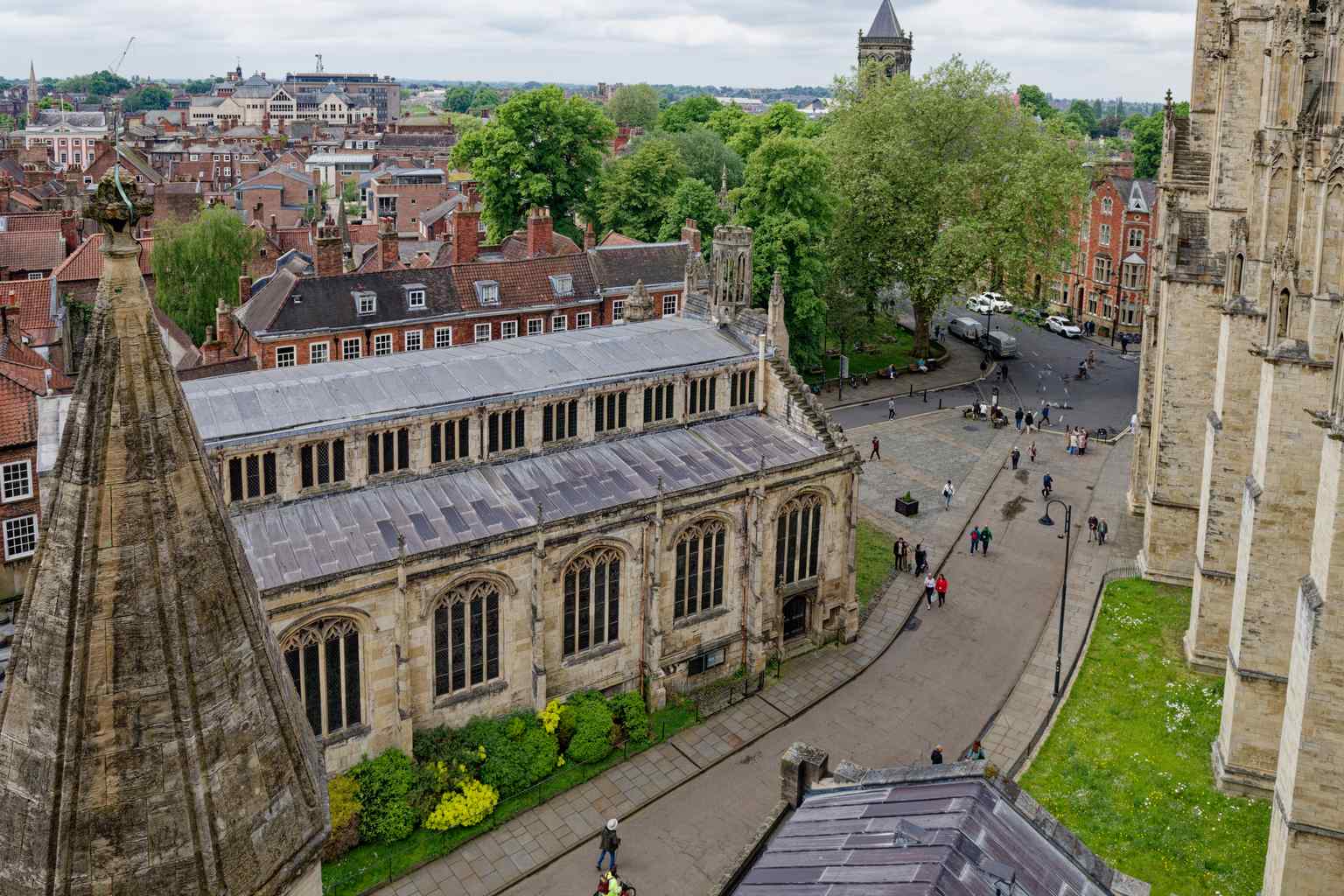
If you want to step inside to look for that window or the Fawkes registry, the church is generally open to visitors most days from mid-morning until early afternoon, and all day Sunday, though it is closed on Saturdays. Now, let us take a short two-minute walk down the road to the York Oratory, where we will meet another stubbornly defiant historical figure.






_004.jpg)
