
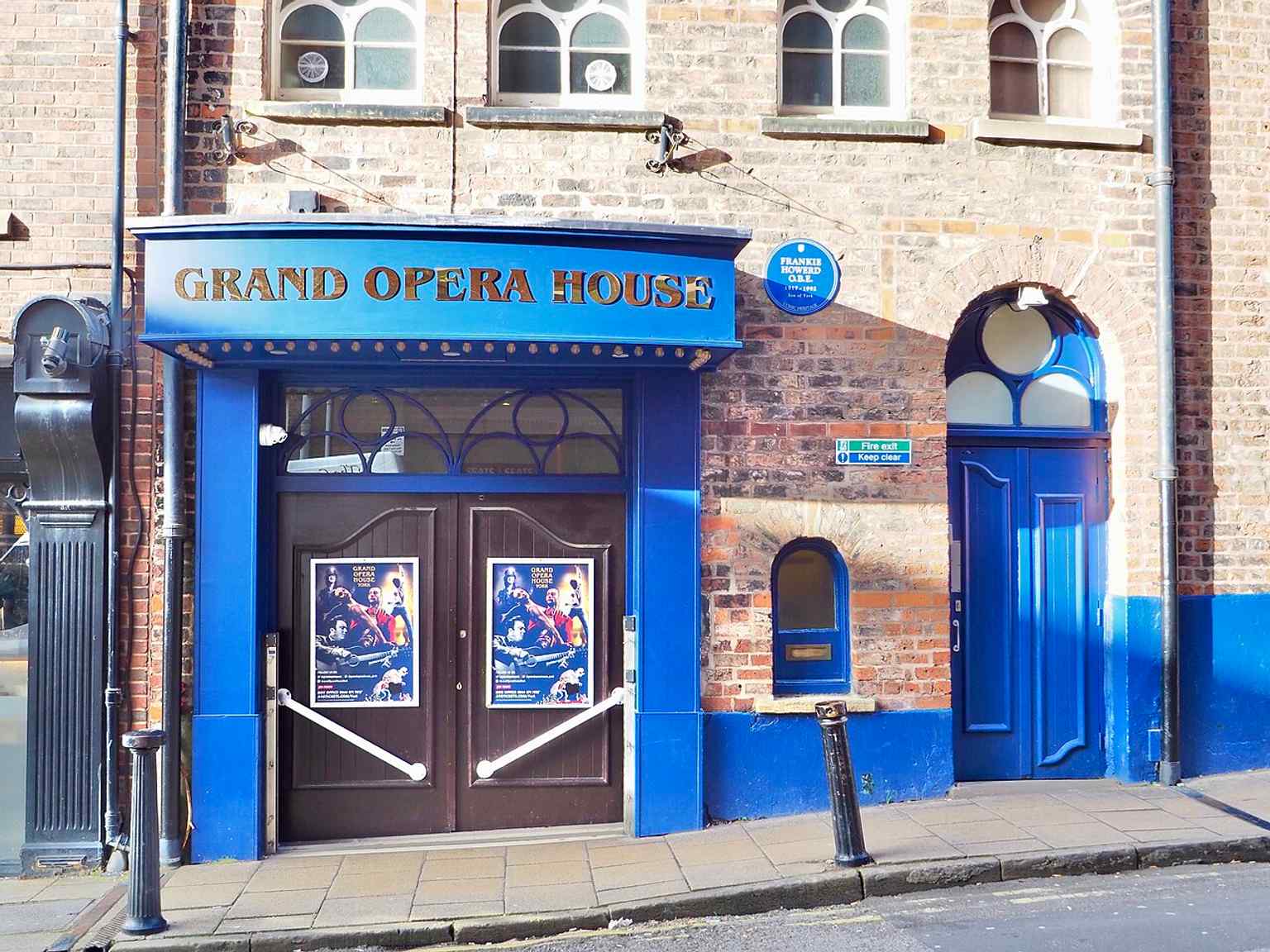
Look across the street for that striking red brick building with an asymmetrical front and a lovely row of linked, round-headed windows on the upper floor. It is hard to imagine now, but when this Italianate structure, a design inspired by classic Italian architecture, officially opened on October 28, 1868, it was not a theater at all, but a corn exchange with a massive main hall measuring 74 feet long and 63 feet wide.
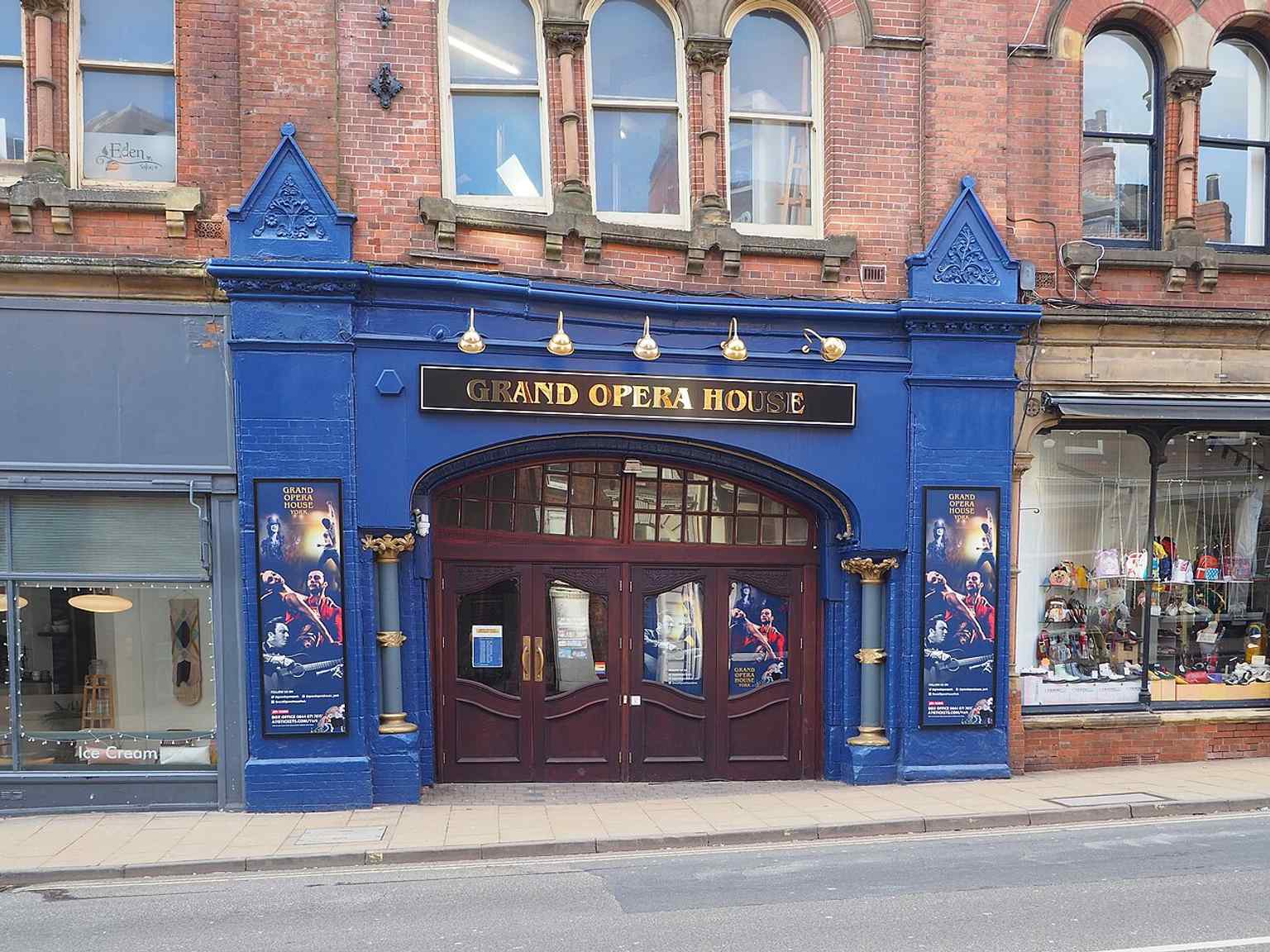
When British agriculture declined, so did the corn exchange. But in the early 20th century, a man named William Peacock bought it along with a warehouse out back. He spent 24,000 pounds, which is over three million today, to merge them into a grand music hall. The architect, John Priestley Briggs, added raked seating, which means the rows are angled gently upwards so everyone gets a perfect view, and a proscenium arch, the beautiful architectural frame around traditional stages. It opened on January 20, 1902, with a pantomime of Little Red Riding Hood starring Florrie Forde.
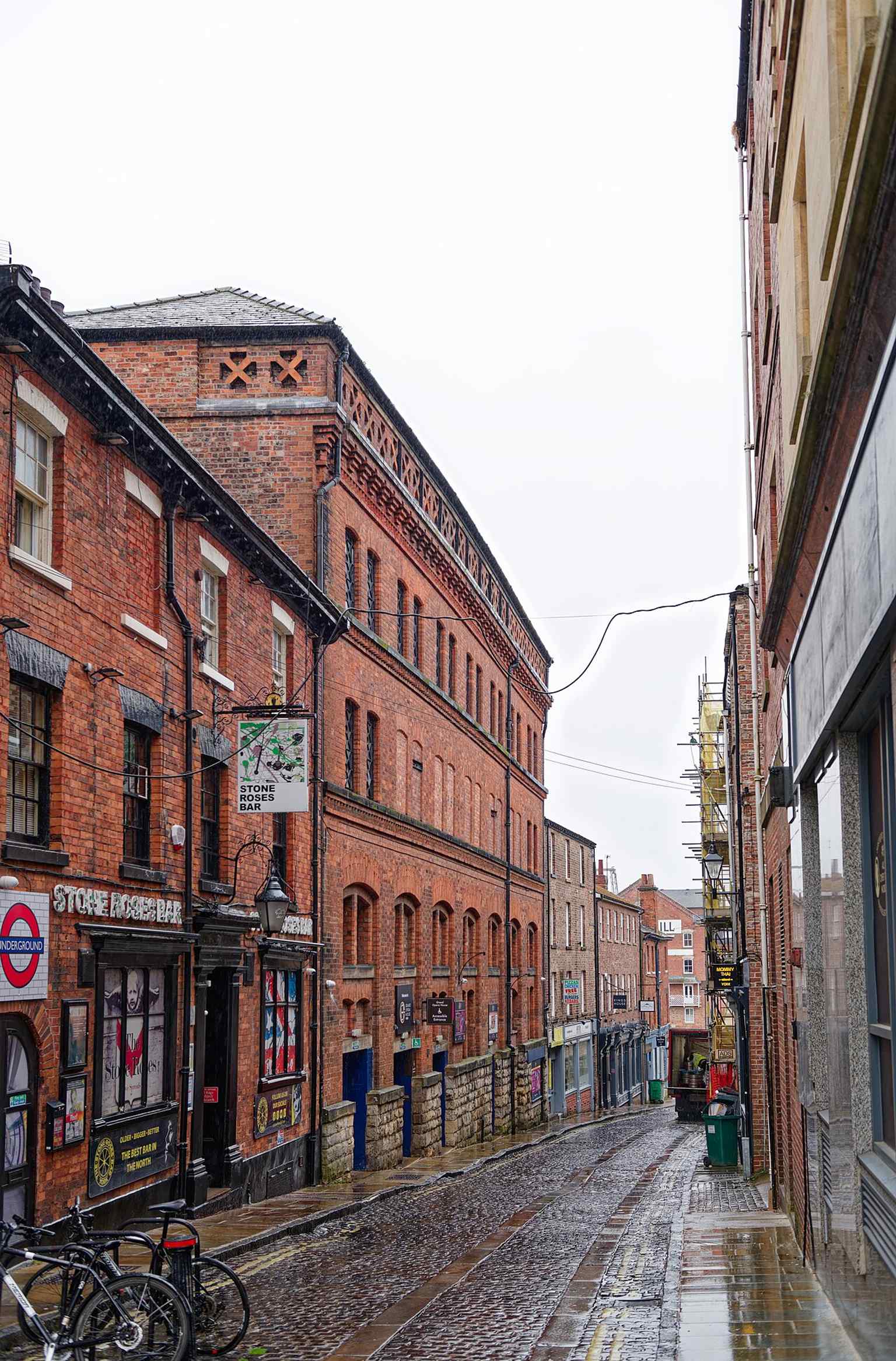
Taxes forced the theater to close in 1956. Then, a local named Ernest Shepherd ripped out that beautiful seating to turn it into a bingo hall and roller skating rink. You can almost hear the rumble of skates echoing through the old auditorium. Thankfully, in 1987, the India Pru Company spent four million pounds to restore the theater, reopening on September 26, 1989, with a majestic performance of Macbeth.
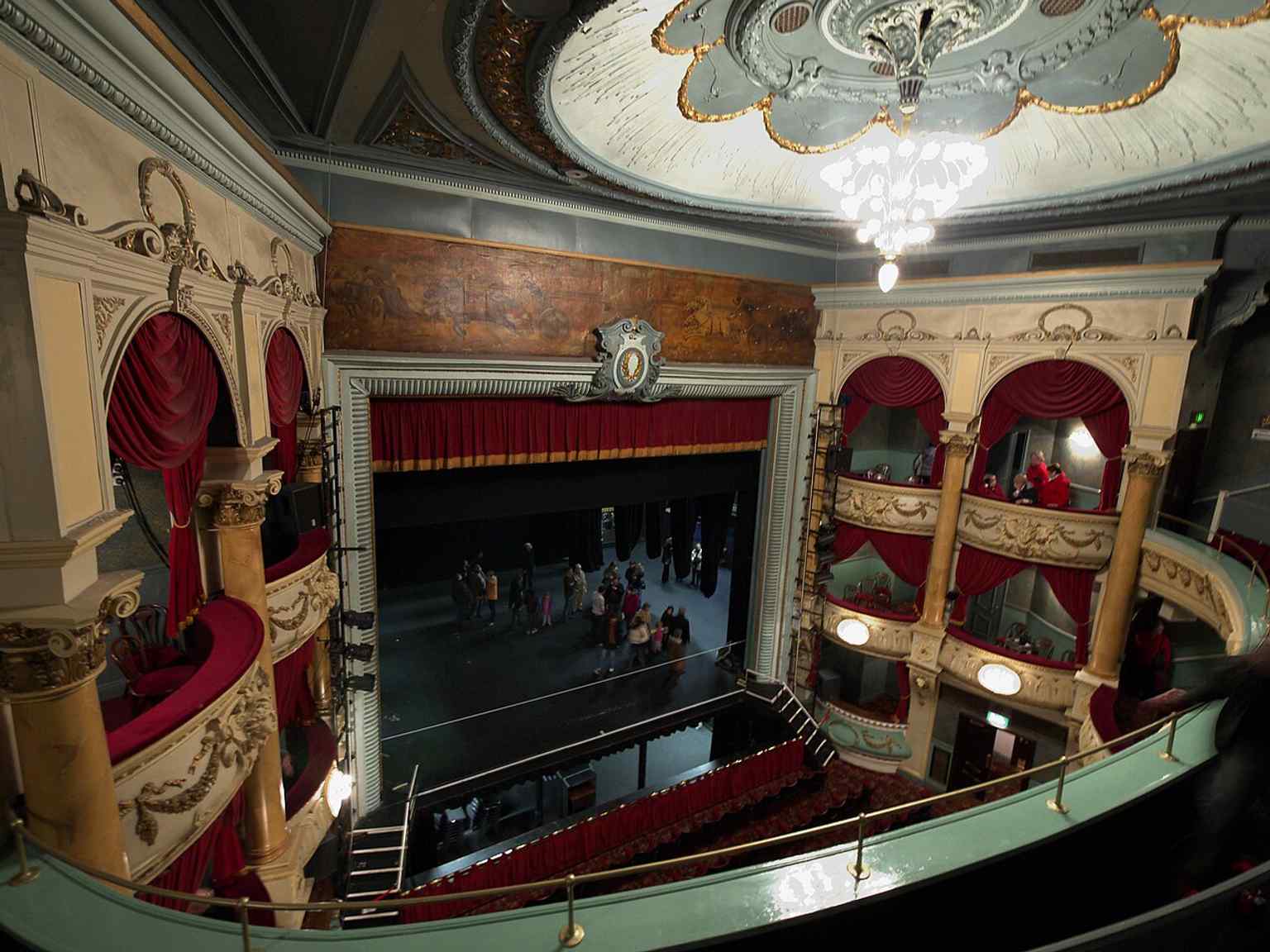
If you want to look inside, the venue is usually open Monday through Saturday from 6 to 8 PM. It is wonderful to see such a storied place still alive with drama today. Whenever you are ready to continue, our next stop is just steps away at The Water Lanes.






