
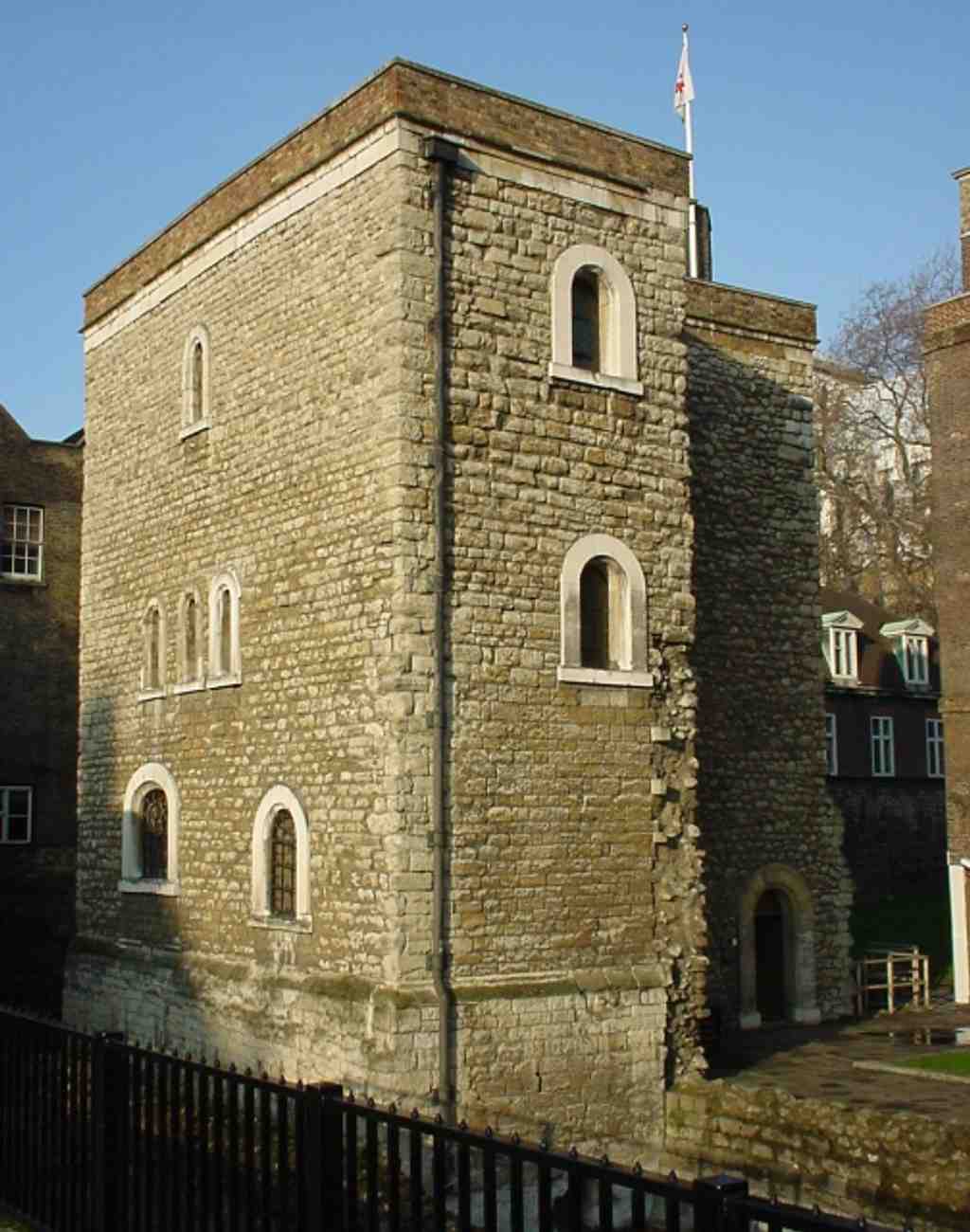
To spot the Jewel Tower, just look for a tall, sturdy, three-storey stone building with rugged walls and arched windows standing on its own-you’ll see it framed by the remains of an old moat, with a flag poking up from the roof.
Alright, imagine yourself back in the shadowy corners of medieval London. It’s the year 1366, and this squat stone tower before you is brand new, fresh out of the royal planner’s book-built for King Edward III’s most glittering and personal treasures! Now, in those times, kings didn’t just stash their expensive plates and sparkling jewels for show; Edward used his treasures almost like a savings account-one ornate plate to fund a war, a golden goblet as a political bribe, maybe the odd jewel for a royal “I’m sorry.”
And here’s the twist: the tower was hidden away in the most private area of the Palace of Westminster, hemmed in by a moat directly linked to the River Thames. Picture a team of nearly two dozen stonemasons, plus carpenters and workers, unloading boat after boat of stone, timber, tiles, and enough locks to make any medieval locksmith blush. All this for a stone vault so fancy that a historian called it “an architectural masterpiece.” Picture the air cool and slightly damp, with the faint, musty tang of old stone and river water.
For nearly 150 years, it was like the king’s secret safe, closely guarded by the Privy Wardrobe-an elite crew whose job was to guard, log, and deliver the king’s favorite bits and bobs, whether to a faraway battlefield or a dinner table in Westminster. When Henry VIII’s court moved to Whitehall after a fire, the tower’s glory dimmed. But don’t feel too badly for the old Jewel Tower-the monarchy still used it as a high-class storage closet, stashing everything from royal chess sets to linen, and, I kid you not, walking sticks. It became a “lost and found” of royal oddities.
As centuries turned, the tower’s role shifted. The House of Lords realized, perhaps with a sigh, that they had far too many documents to keep track of, so the Jewel Tower became a record office-think of it as the world’s oldest filing cabinet. Extensive renovations followed; iron doors were installed, and brick vaulting lined the rooms, all to protect against the ever-present threat of fire. You know bureaucrats take their paperwork seriously when they spend more on security than on the royal linens!
The tower wore many hats in its time. Once, it even doubled as the home of the parliamentary clerk, who no doubt spent chilly winters huddled next to a freshly added fireplace, paperwork stacked higher than the turkey at Christmas. By the 18th century, the tower had split into different zones, with new windows punched through by less-adventurous renovators and stone ceilings installed to keep the records safe-even if the moat was now more mud than monster.
Fast forward to the 19th century and the tower’s neighbors disappeared beneath urban expansion. Remarkably, the Jewel Tower avoided being toasted twice when in 1834 most of the Palace of Westminster burned down; the thick-walled little vault weathered the flames far better than a marshmallow at a campfire. From then on, people mistook it for having housed the actual Crown Jewels-oops, wrong “jewels”, but who could blame them?
In the Victorian era, the tower took on the role of keeper of weights and measures. Imagine scientists bustling through, carefully weighing glass vials, comparing yardsticks, and testing scales-until London’s increasing traffic had the whole building quaking like jelly on a carriage ride.
The 20th century brought bombs and bureaucracy. An incendiary device during World War II caused major roof damage, but postwar caretakers saw to its restoration, mixing old with new and making the tower safe for curious modern adventurers like you. It finally opened its doors to visitors, and all the awkward houses and stables that had swallowed it up over time were knocked down to reveal this stoic medieval survivor. Even the moat was briefly filled again-for old time’s sake.
Inside, the thick walls still whisper of its shifting purposes-from treasure chest to government strongbox, from scientific lab to historic museum. Today, you’ll find the rooms filled with stories from the past, historic measuring cups, medieval carvings, even an Iron Age sword. The Jewel Tower may be small, but it has survived fires, floods, political chaos, and London traffic-earning its place as one of Westminster’s oldest and toughest “hidden gems”-pun entirely intended! And just think, you never know what secrets lie behind these thick stone walls…or how many locks Edward III would approve of!




