In front of you rises a huge honey-colored sandstone rectangle, lined with repeating arched galleries and marked by a grand classical gateway.
This is the Piece Hall, a Grade One listed building, which means it has the highest level of historic protection in the U-K. Halifax created it for handloom weavers to sell their cloth “pieces” - finished lengths of woollen fabric, including worsted, a smooth tightly spun wool cloth that became one of Yorkshire’s great signatures. In seventeen seventy-four, local leaders chose this site, Talbot Croft, because they wanted buyers and sellers in one organized place... more competition, faster deals, and fewer fraudsters.
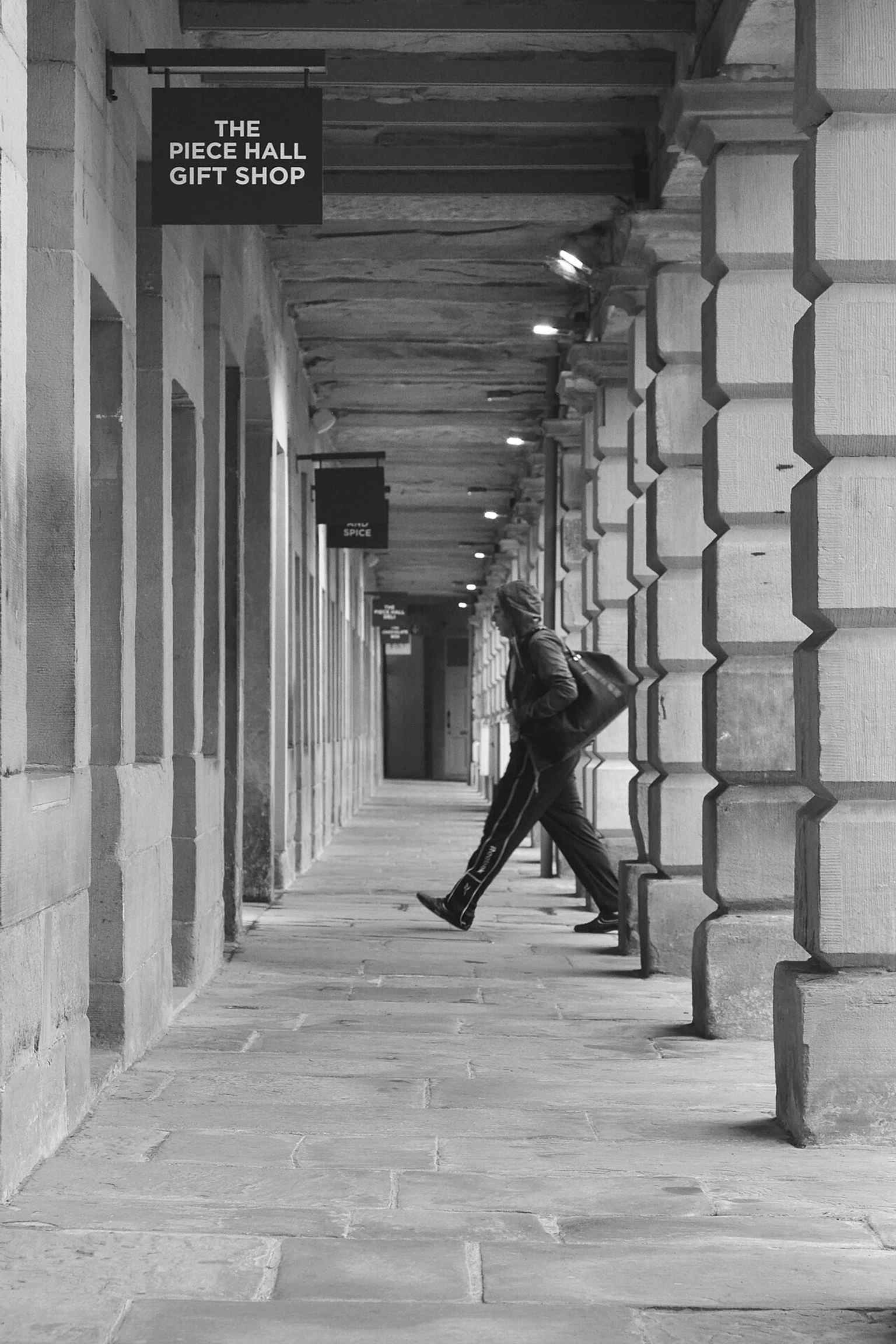
When the hall opened on the first of January, seventeen seventy-nine, it contained three hundred and fifteen separate rooms around one open courtyard. That layout mattered. Traders could inspect cloth, argue over price, and keep negotiations private, room by room, while the whole building functioned like a giant engine for Halifax’s textile trade. If you glance at the app, the aerial image shows that rare rectangular plan beautifully clearly. And the cloister image reveals the covered galleries that tied all those little trading rooms together.
My favorite part is the mystery: nobody knows for certain who designed it. Historians have suggested Thomas Bradley, Samuel and John Hope, and John Carr, but the true architect never signed the story.
Then the Industrial Revolution changed everything. Bigger mills cut out the small producers, and the hall declined. Halifax Corporation bought it in eighteen sixty-eight and turned it into a wholesale market. By nineteen seventy-one, people even considered tearing it down... but public funding saved it. After another major restoration, costing nineteen million pounds, the Piece Hall reopened in August twenty seventeen and began a bold new chapter, even hosting major live music, with Father John Misty headlining the first big concert.
It’s open daily from nine in the morning until eleven at night if you’d like to return and explore more.
This place is Halifax turning cloth, commerce, and culture into architecture. Stay with it for a moment... and when you’re ready, we can head on to the next stop.