
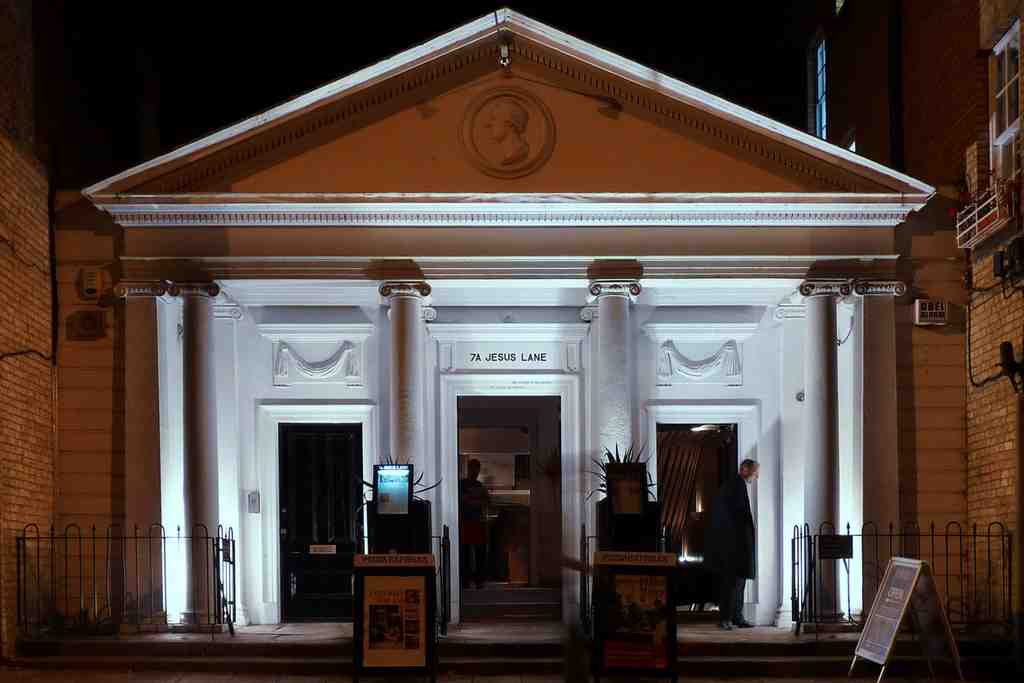
Look for a dramatic, white neo-classical building with grand pillars and a large coin-like medallion of a man’s profile over the door-right on Jesus Lane, just where the glow of the lights cuts through the dark.
Welcome to the University Pitt Club-though with its history, some might call it the Hogwarts of supper clubs, minus the broomsticks but with a good deal more port. Now, if you’re standing outside, picture the scene back in the wintry days of 1835: top hats bobbing past, the streets echoing with clattering hooves, and sharp Cambridge scholars plotting not just their studies, but the political shape of Britain. The club was originally founded in honor of William Pitt the Younger, Cambridge alumnus and Prime Minister-imagine everyone toasting to “the immortal memory of Mr. Pitt!” after dinner.
Though its first purpose was as serious as a cold British winter-helping rally Tory votes in the Cambridge elections-apparently good food and laughter have always had the power to spoil even the best political plots. Within a few decades, dinner parties and speeches won over debates, and the Pitt Club became less about politics and more about enjoying hearty meals, perhaps spiced up with a witty tale or two.
The building you see wasn’t its first home; it wandered town like a restless undergrad, meeting above booksellers and furniture shops, until finally settling here on Jesus Lane in 1866. But its origins? Not so glamorous-this pillared marvel was actually meant to be “Roman (improved Turkish) Baths.” Now that’s a steamy surprise! They lasted less than a year-apparently not every Victorian was ready for improved Turkish-style relaxation. After the baths flopped, the building was auctioned, acquired by the club’s own architect, and half was soon filled with the laughter and clinking glasses of the Pitt Club, while the other half became Orme’s Billiards Rooms.
Here’s a twist worthy of a Cambridge ghost story-during World War I, the club closed its doors, whisky almost vanished (the horror!), and its members were scattered. Even the Second World War saw its doors commandeered for public use and a gigantic “British Restaurant” sign hung outside. A. S. F. Gow commented that Pitt himself, whose proud profile you can still see up on the pediment, looked down from above, nose wrinkled in distaste at the common folk queueing for shepherd’s pie.
Through all this, the club changed with the times. After fires and several renovations-including a posh dining room and a big plaque of William Pitt’s head moved from his former house in Putney-the club held fast to tradition, but with its own sense of humor about bizarre events and changes around it.
Model members marched through its doors-kings and princes, masters of Cambridge, olympians, spies, comedians, and at least one Bond (sadly, not the secret agent kind, but the ornithologist who lent James Bond his name). The club famously admitted only men for 182 years, often causing more drama than a rabbit in a punting race. But, in 2017, after a heated vote (and trial runs where women were only allowed in after dark-cue secret agent music...), the club finally opened its membership to women.
And if you catch a whiff of pizza or Japanese food, you’re not going mad-these days, the ground floor is a restaurant, while the Pitt Club has retreated to the first floor, probably keeping an eye on the dessert.
So as you stand in front of these glowing columns, think of the centuries of laughter, arguments, secret handshakes, and-of course-a passionate debate over the last slice of cake. The Pitt Club might hold its secrets close, but its doors-at least for this story-are wide open. On to the next stop we go!
Fascinated by the clubhouse, notable members or the women? Let's chat about it




