
Back in 1792, a solicitor named Richard Bowsher decided to develop this area and create a vibrant urban community centered around Norfolk Crescent. He wanted to connect the new buildings to the main carriage route between Bath and Bristol, which is why Nile Street came into existence.
Now, let's talk about the interesting names of the streets in this development. You see, the streets were named after Admiral Nelson, who was quite a hero at that time. We have Nelson Place, which pays homage to the great admiral himself. Then there's Norfolk Crescent, named after Nelson's home county. And of course, we have Nile Street, named after the famous Battle of the Nile, which was Admiral Nelson's most celebrated victory before the Battle of Trafalgar.
At first, the west side of Nile Street had two houses, but unfortunately, they were destroyed by bombing during the Second World War. In 2010, there was only one house standing on that side, but more were under construction. It's impressive to see how this street has evolved over the years.
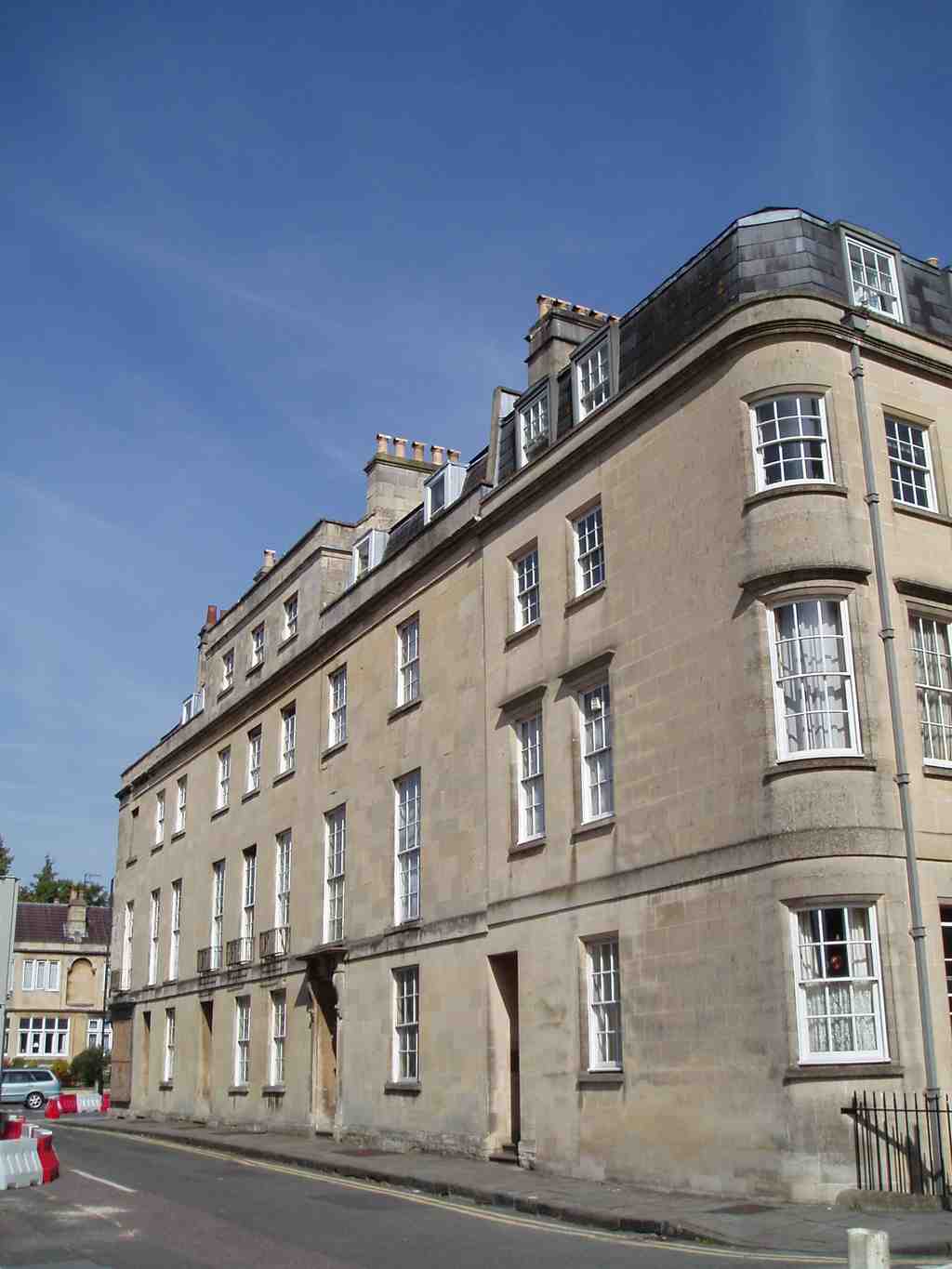
Now, let's take a closer look at the houses on the east side of Nile Street. These houses were built around 1812-1814, and their design matches the houses in Great Stanhope Street. Interestingly, only one house, No. 2, had a specific facade plan mentioned in the building lease. The other houses were generally built according to a uniform facade, which suggests that the builders might have had some informal agreement or decided to put their own creative touch to the designs.
During the Blitz in 1942, several incendiary bombs fell in this area, causing damage to No. 4 Nile Street and No. 1 St Georges Place. Even some houses on the north side of Great Stanhope Street were affected. But fear not! The damaged houses were rebuilt, and in the 1980s, the Great Stanhope Street houses were reconstructed as a block of flats called Clarkson House, replicating the original design.
On the west side of Nile Street, the destroyed houses were replaced by a filling station in the 1960s, which later became a convenience store. However, in 2010-2011, the site was redeveloped again. A new house was built on the site of No. 4 Nile Street, and a shop was established on the corner with St. Georges Place. These new buildings were carefully designed to resemble the pre-war houses, preserving the charm of the street.
So, that's a little history of Nile Street! Isn't it intriguing how this street has gone through changes over time? Now, let's continue our tour and head to our next stop.


