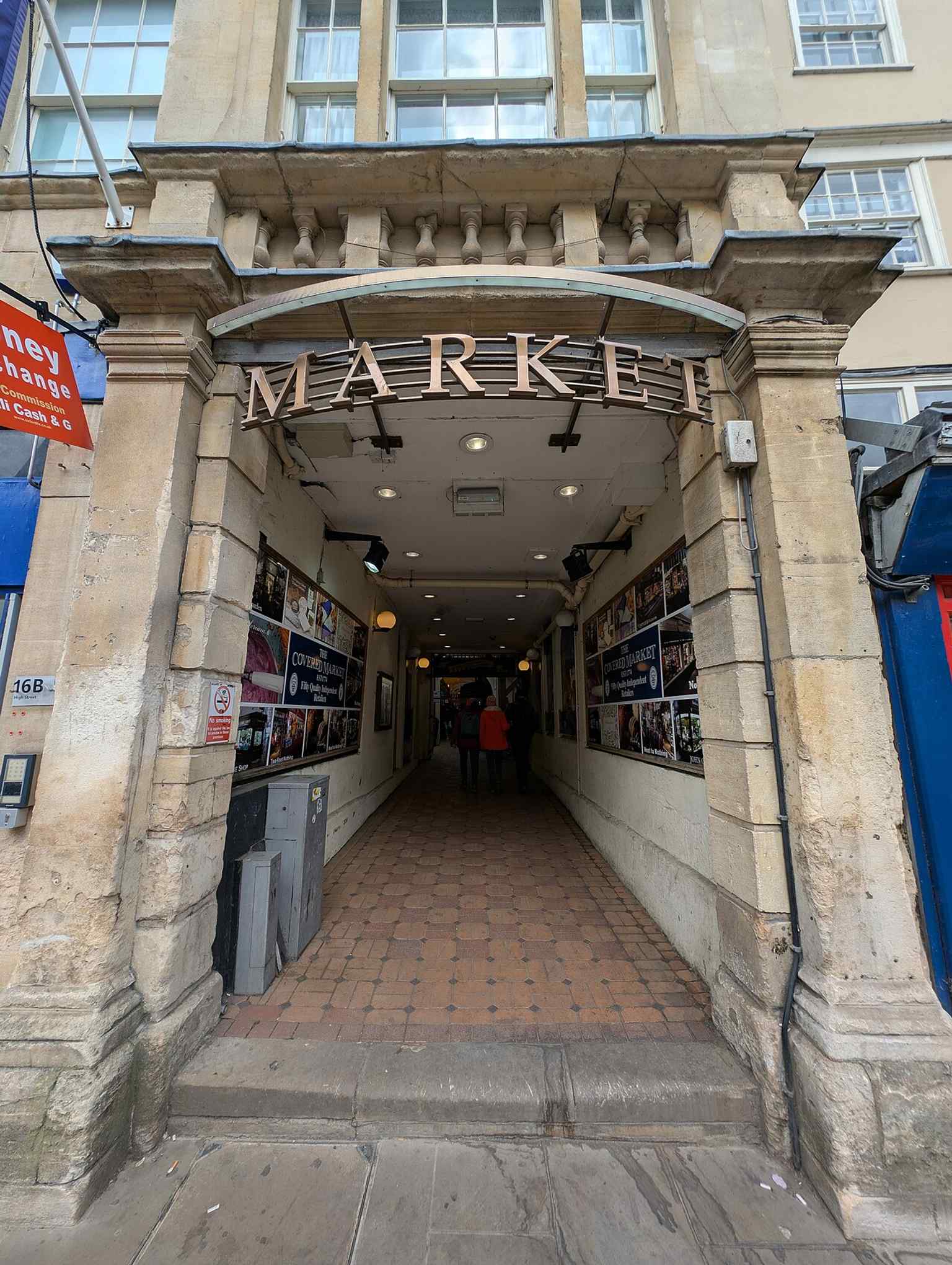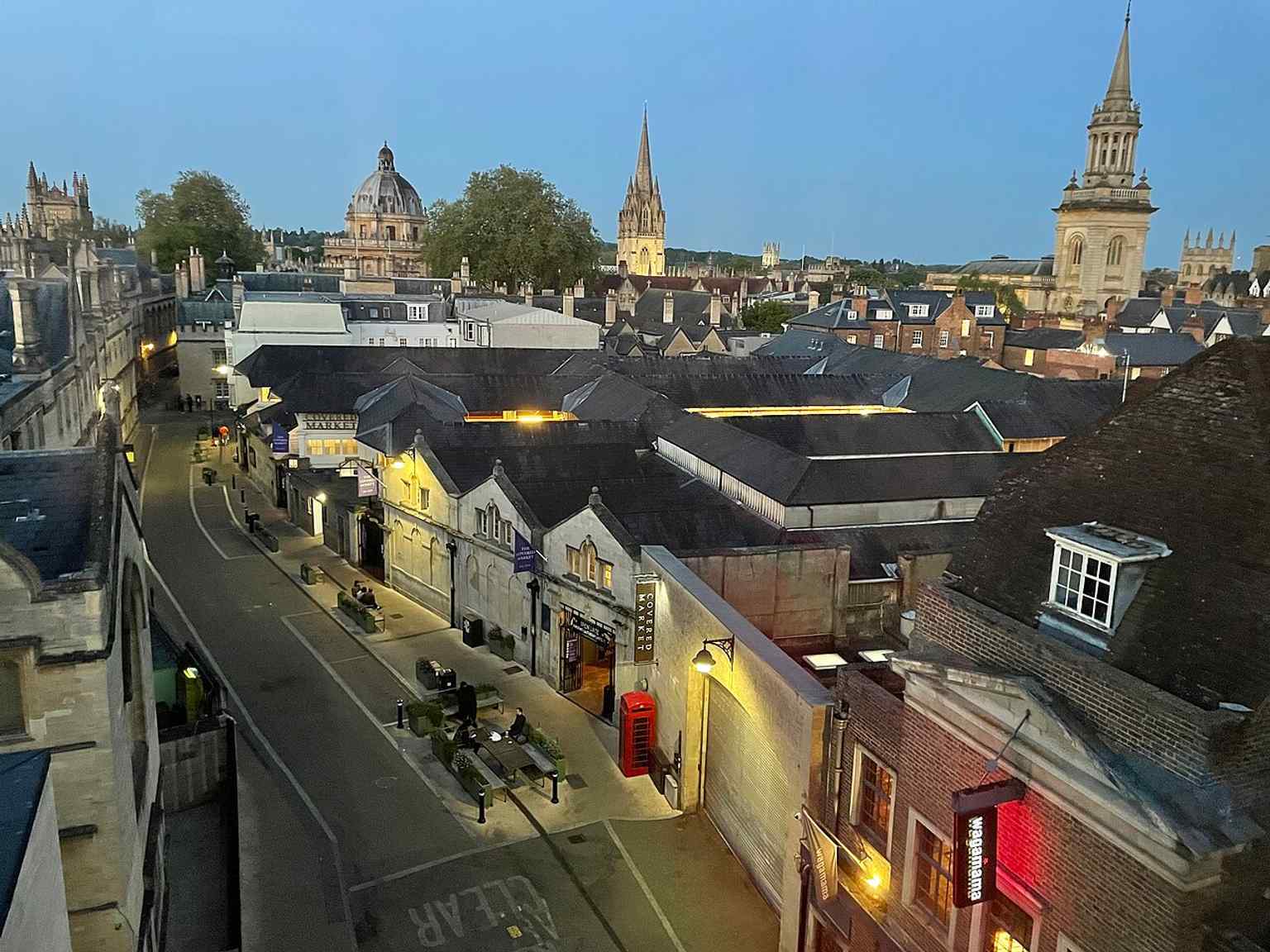
Ahead of you is a long pale-stone frontage with rounded arch entrances, plain upper windows, and the Covered Market name set above one of Oxford’s oldest indoor trading halls.
The city opened this market on the first of November, seventeen seventy-four, because people had grown tired of what records called the “untidy, messy and unsavoury” stalls clogging the main streets. Oxford solved the problem in a very Oxford way... organize it, committee it, and put a roof over it. In seventeen seventy-two, a new market committee, split evenly between town and university, approved nine hundred and sixteen pounds and ten shillings for twenty butchers’ shops - well over a hundred thousand pounds in today’s money. John Gwynn, the architect who also designed Magdalen Bridge, drew up the plans and designed this High Street front with its four entrances.
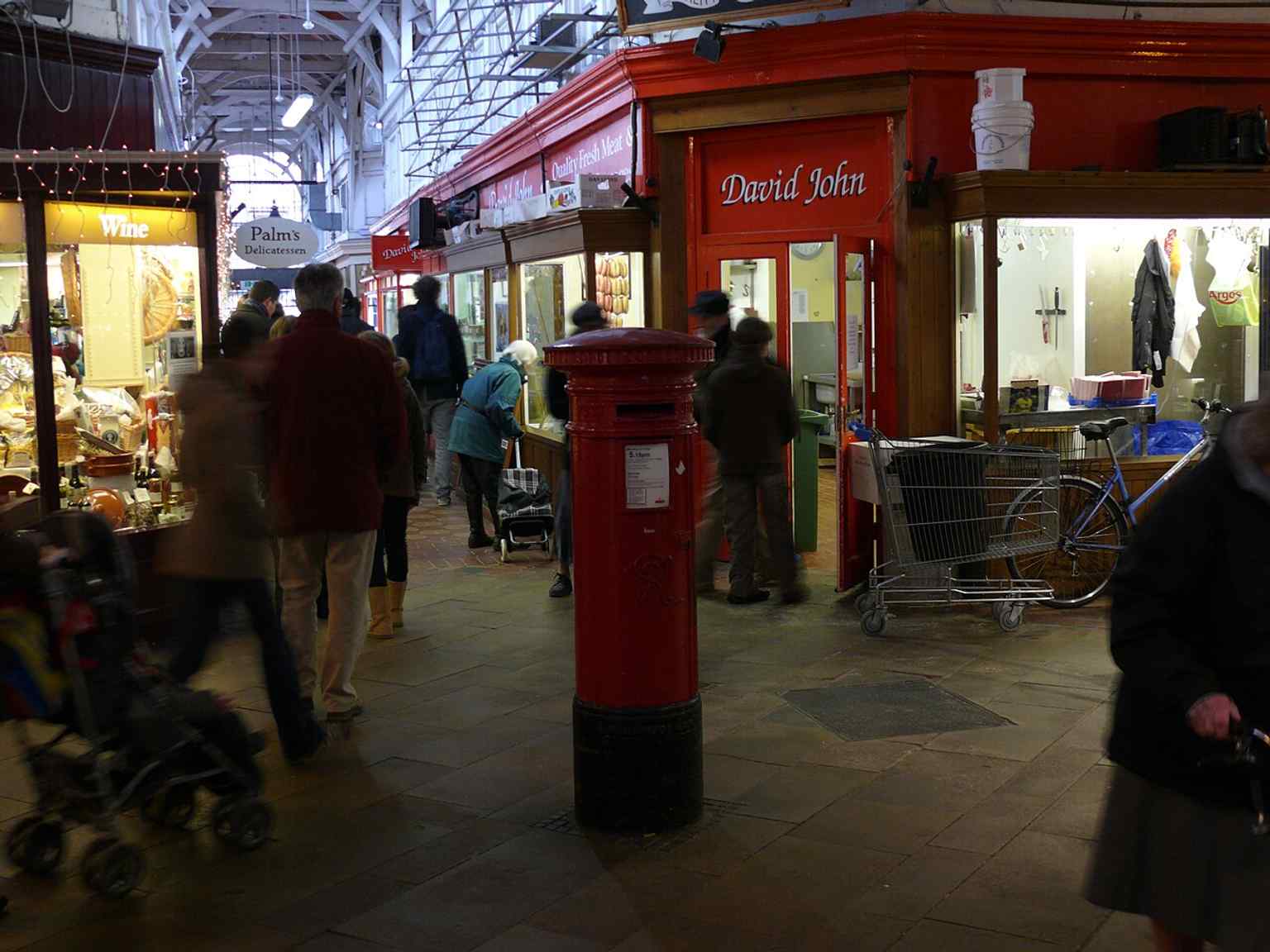
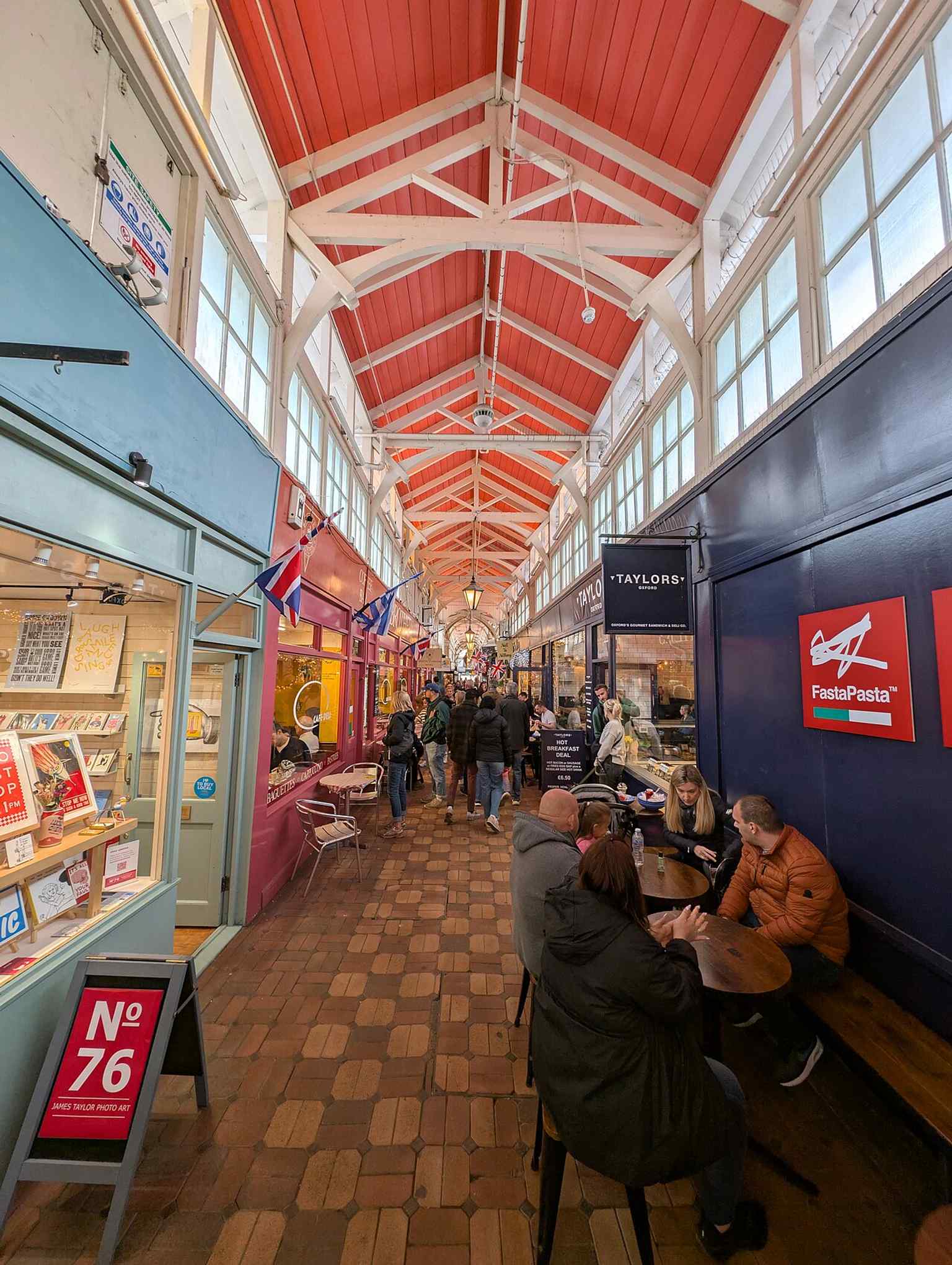
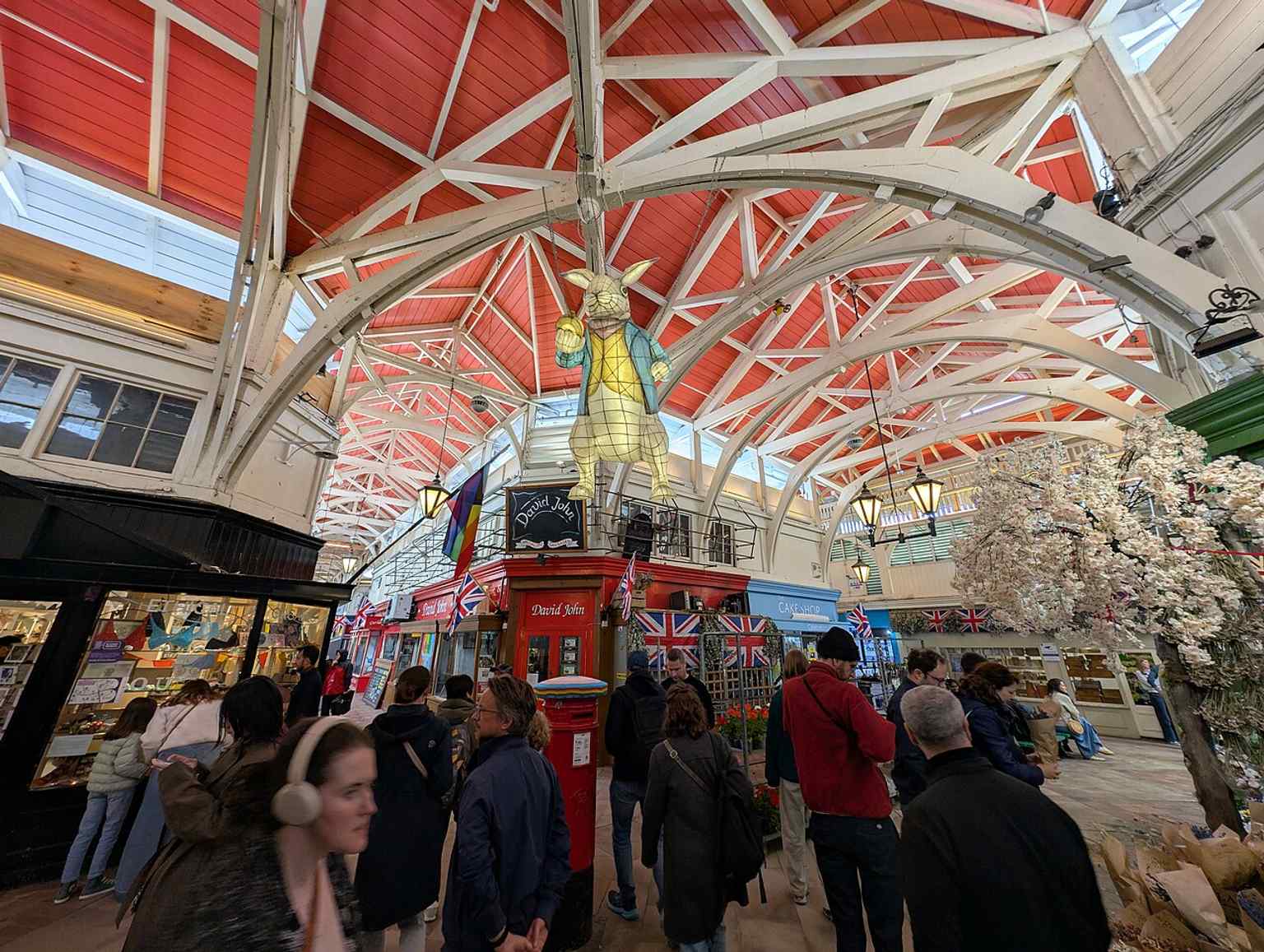
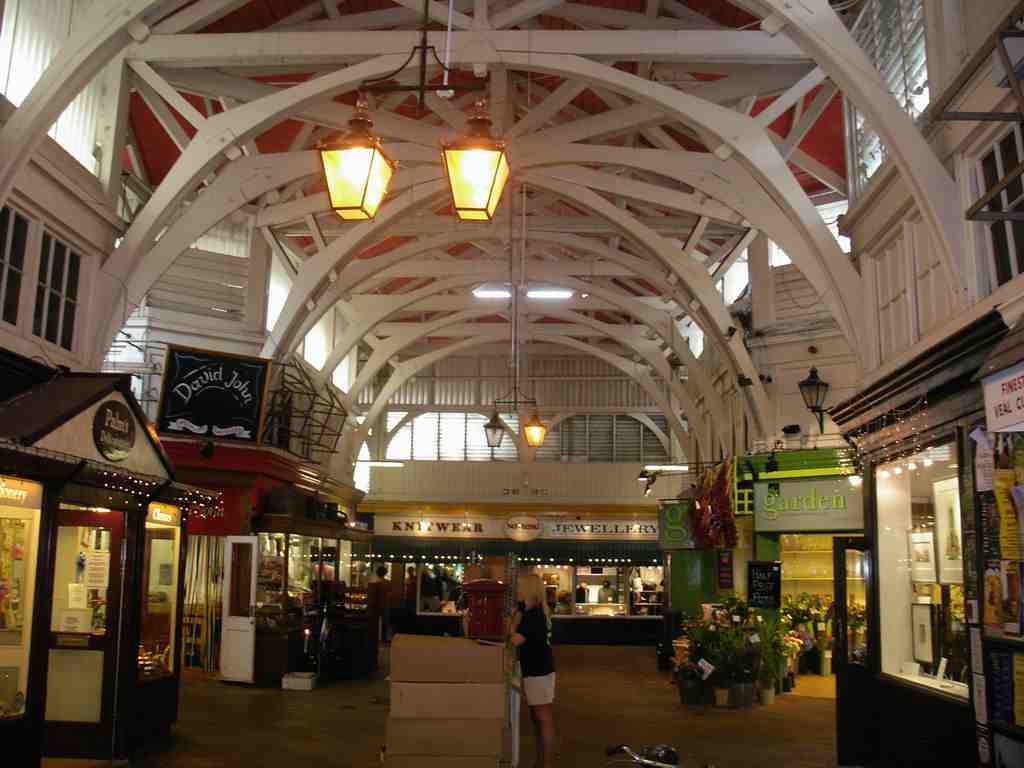
After seventeen seventy-three, meat could only be sold inside the market, and that first row of butchers quickly grew into stalls for garden produce, pig meat, dairy, and fish. The butcher’s stall image gives you a neat link to those original rows of shops. Another photo shows the interior arcade, the covered passage that replaced the old street-market muddle.
It still works as a real market today: around half the traders sell food, including butchers, greengrocers, bakeries, sandwich shops, and even Oxford sausage. Oxford City Council invested one point six million pounds in repairs and improvements in twenty seventeen, the same year King Charles the Third - then Prince Charles - and Camilla visited.
This place turned civic tidiness into a lasting Oxford institution. If you want to look inside later, it’s generally open from eight to five-thirty, later on Thursday through Saturday and from ten on Sunday; when you’re ready, continue toward the Sheldonian Theatre.